

There’s something quietly astonishing happening inside you right now. Cells are dying, cells are being born, tiny injuries are being repaired, and chemical alarms are constantly firing and fading, all without you doing a single conscious thing. When people say the human body can heal itself, it’s not just a feel‑good slogan; it’s literal, ongoing biology, happening every second you’re alive.
I remember the first time I really noticed it: a deep cut on my hand from a kitchen knife that looked awful on day one, less terrifying on day three, and almost invisible weeks later. No special treatment, no miracle product, just my body doing what it’s wired to do. That’s the quiet superpower we all walk around with, and the more we understand it, the more we can actually help it along instead of accidentally getting in its way.
The Silent First Responders: How Inflammation Starts Healing
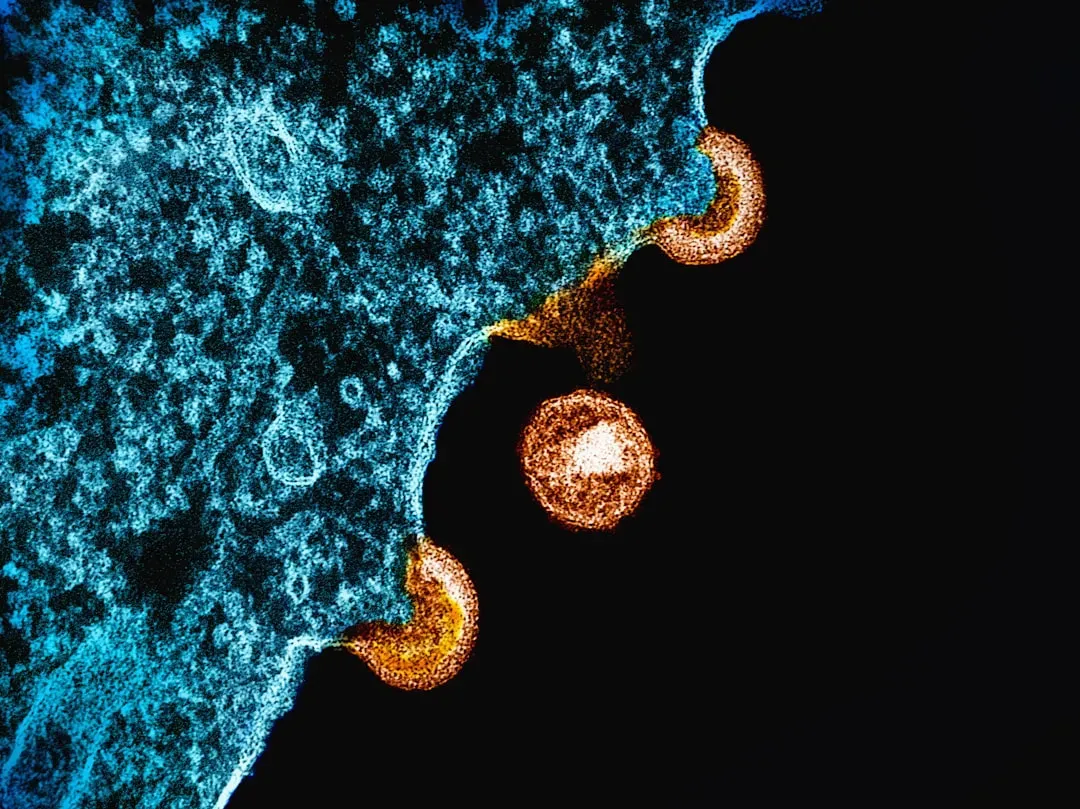
The moment you get hurt – a twisted ankle, a scraped knee, even a burned fingertip – your body launches an emergency response that’s both dramatic and invisible. Blood vessels widen, immune cells rush to the scene, and chemical messengers start screaming instructions like a microscopic fire department arriving at a burning house. The redness, heat, and swelling that feel annoying are actually signs that repair crews have clocked in and started working overtime.
Short‑term inflammation is one of the most powerful healing tools we have, even though it often gets a bad reputation. The trouble starts when that alarm system never fully turns off, like a smoke detector that keeps beeping even after the fire is out. Long‑lasting, low‑grade inflammation has been linked to problems like heart disease, joint issues, and even mood disorders. The trick isn’t to shut inflammation down completely, but to support your body so it can use this tool quickly, precisely, and then stand down when the job is done.
Cellular Regeneration: Your Body’s Constant Rebuild Mode
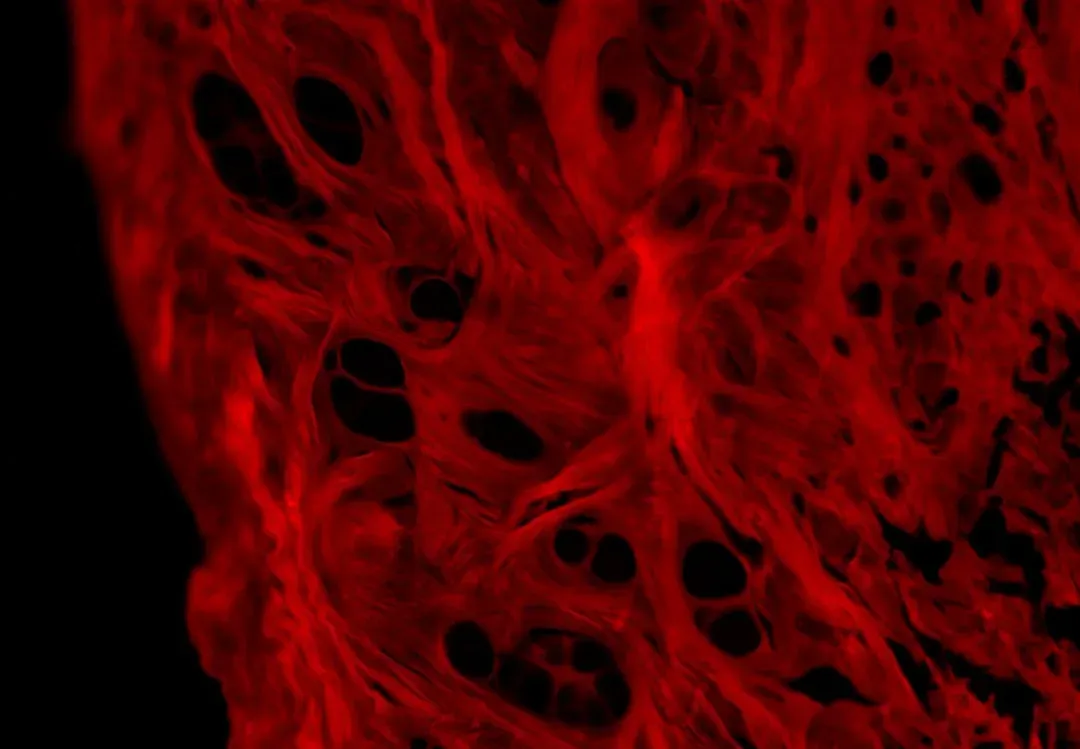
It’s easy to think of your body as something solid and fixed, but it’s closer to a construction site that never sleeps. Skin cells turn over, the lining of your gut refreshes itself, and blood cells are constantly being replaced by fresh recruits from your bone marrow. Some tissues regenerate at a jaw‑dropping speed, like parts of the intestine that renew within days, while others, like certain brain areas, repair and adapt more slowly but still more than scientists once believed.
Stem cells sit at the heart of this renewal system, acting like blank templates that can turn into what’s needed, where it’s needed. They help patch up damage, maintain organs, and keep tissues from wearing out too fast. This ongoing rebuilding process is why a bruise fades, a sunburn peels and heals, and a broken bone can fuse back together strong enough to handle everyday life again. When you realize how much quiet reconstruction is going on in the background, it becomes easier to see your body as dynamic rather than doomed to steady decline.
The Brain’s Plasticity: Healing Thoughts, Connections, and Habits
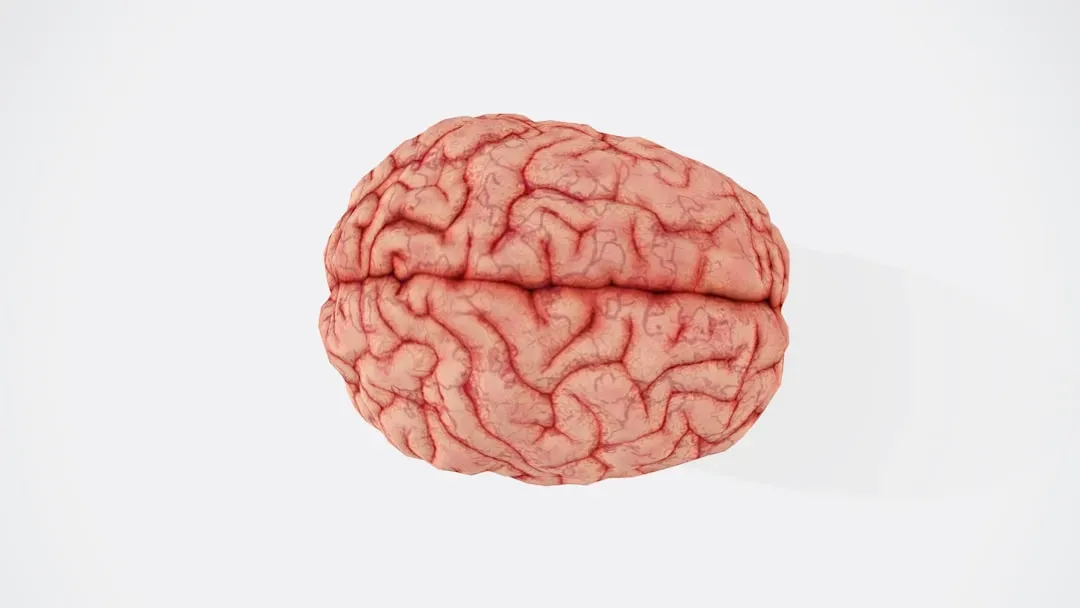
For a long time, people believed that once the brain matured, it was more or less frozen in place. Now we know that’s wildly wrong. The brain constantly rewires itself in response to what you do, what you practice, and even what you pay attention to. Neurons strengthen certain connections and weaken others, like well‑used paths being paved into roads while unused trails slowly fade back into the forest.
This ability, known as neuroplasticity, is one reason people can relearn to walk after a stroke, reduce chronic pain through retraining techniques, or change long‑standing habits that once felt unbreakable. It doesn’t mean anything is easy or instant, but it does mean the brain is not a rigid machine; it’s more like a living city that can reroute traffic after a bridge collapses. Every skill you practice, every calming routine you build, every time you challenge an old belief, you’re nudging your brain’s structure in a new direction, however small that change might seem at first.
The Gut–Immune Alliance: Repair From the Inside Out
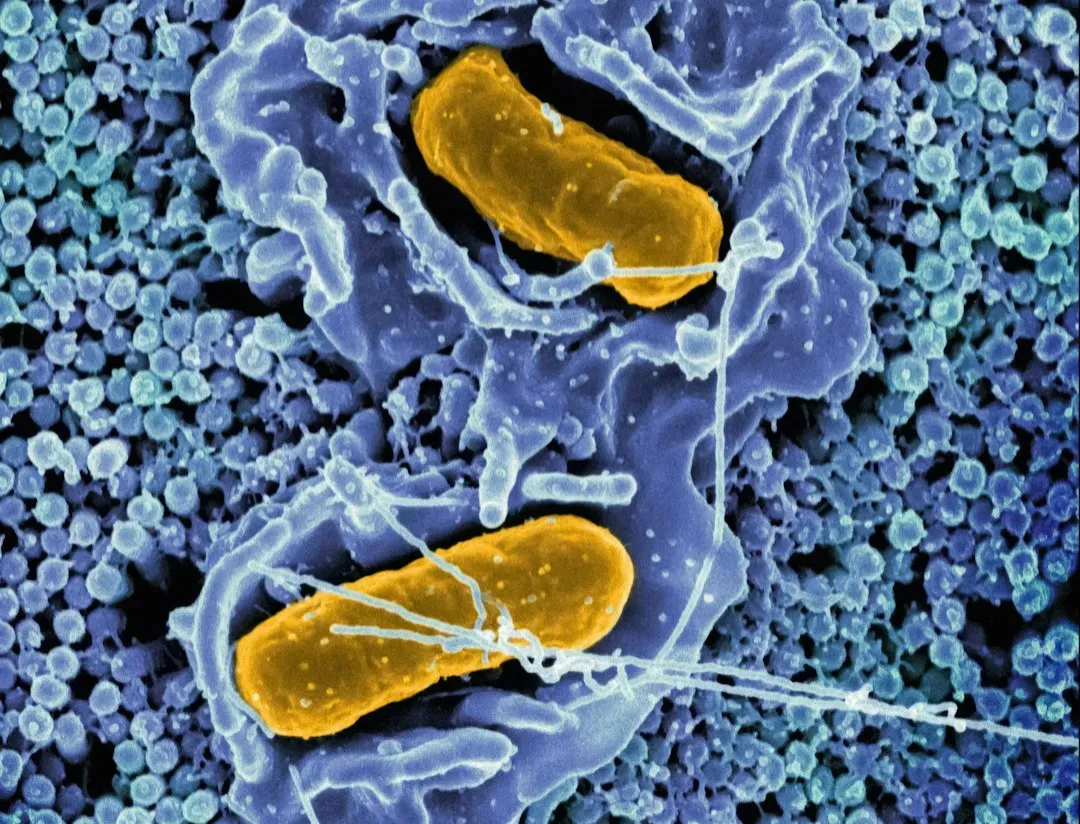
One of the most overlooked healing systems is sitting quietly in your belly. A huge share of your immune cells live in and around your gut, constantly sampling what comes through, deciding what to tolerate and what to attack. At the same time, trillions of bacteria and other microbes in your intestines are producing compounds that can either support healing or make inflammation harder to calm down, depending on what those microbes are being fed.
That’s why what you eat can feel like either fuel or sand in the gears of your healing systems. A pattern of mostly whole foods, fiber, healthy fats, and a variety of plants tends to support microbes that help produce calming, repair‑friendly signals. On the other hand, a steady stream of ultra‑processed foods, sugary drinks, and very little fiber can tip the balance toward low‑level irritation. It’s not about a perfect diet or following every new trend, but about nudging your internal ecosystem toward one that makes it easier, not harder, for your body to patch itself up.
Sleep, Stress, and Hormones: The Hidden Regulators of Recovery

If healing is the construction crew, then sleep and hormones are the project managers deciding when and how much work can be done. During deep sleep, your body ramps up tissue repair, adjusts hormones that control appetite and blood sugar, and even clears out waste products from the brain. When sleep is short or constantly interrupted, that repair window gets squeezed, and over time, small issues can pile up in ways you actually feel in your joints, skin, mood, and focus.
Chronic stress throws its own wrench into the gears. Stress hormones are helpful in quick bursts – they sharpen your senses and get you ready to act – but when they stay elevated for weeks or months, they can interfere with immune function, blood pressure, digestion, and even how your body responds to pain. Simple practices like regular movement, time in nature, breathing exercises, or just genuinely enjoyable hobbies are not fluffy extras; they’re ways of telling your nervous system that it’s safe enough to shift from survival mode back into repair mode.
Lifestyle as Medicine: Small Daily Choices, Big Healing Impact

Most people look for healing in big, dramatic interventions, but your body often responds more to the small things you repeat day after day. Regular movement – not just intense workouts, but walking, stretching, or dancing around your living room – improves blood flow, delivers nutrients, and helps carry away waste products from tissues. Over time, that can support joint health, heart function, and even mental resilience in a way a single “perfect” gym session never could.
Food, movement, sunlight, meaningful relationships, and even creative expression all send signals to your biology about what kind of environment it’s living in. A pattern of mostly supportive signals makes it easier for your natural healing systems to keep up, much like routine maintenance keeps a car from constantly breaking down. I’ve noticed in my own life that when I consistently prioritize sleep and simple home‑cooked meals, I bounce back from colds, stress, and minor injuries faster, even if nothing I’m doing feels fancy or extreme. The magic is in the accumulation, not in one heroic act.
When the Body Needs Help: Supporting, Not Replacing, Natural Healing

As powerful as the body’s healing systems are, they’re not invincible. There are times when medical help isn’t just useful but absolutely necessary: serious infections, severe injuries, uncontrolled bleeding, or illnesses where the immune system itself has gone off track. In those moments, treatments like surgery, medications, or medical devices don’t cancel out natural healing; they often create the conditions that make it possible again. A broken bone might need to be set in place, for example, but the actual fusing of bone still comes from your own cells doing the repair work.
The sweet spot is seeing medicine and natural healing as partners rather than rivals. Modern treatments can steer, support, or unblock processes that your body is already trying to carry out. At the same time, the basics – sleep, nutrition, stress management, movement, and social support – make those treatments more effective and recovery smoother. Recognizing that you’re not a passive recipient but an active participant in your own healing can be both sobering and empowering, because it means your everyday choices really do matter.
Trusting and Training Your Built‑In Healer

The more you look at it, the less the body seems like a fragile object and the more it feels like a living, adapting ecosystem that’s always reaching for balance. Wounds knit, bones mend, brains rewire, and organs quietly repair damage most of us never even notice. That doesn’t mean everything can be reversed or that willpower alone can cure serious illness, but it does mean the default setting of your biology is to keep you going, not to give up.
Supporting that built‑in healer isn’t about perfection; it’s about consistent, kind choices that remove obstacles and add a little more fuel to the repair process each day. Paying attention to sleep, stress, food, movement, and connection is less about chasing some ideal lifestyle and more about working with your own design instead of against it. When you think about everything your body has already carried you through, it’s hard not to feel a bit of respect for the quiet work happening under your skin. Knowing all this, what’s one small change you’re actually willing to make to help your body do what it’s been trying to do all along?