Walk past a park, a farm, or even an aquarium, and it’s easy to think animals are just quietly existing, driven by instinct and routine. But under the surface, in brains not so different from ours, there are stories of joy, fear, grief, curiosity, and maybe even something like love unfolding every day. The idea that animals feel deep emotions is no longer a fringe belief; it’s one of the most fascinating shifts happening in modern science.
In the last few decades, researchers have gone from asking whether animals feel anything at all to mapping which emotions they feel, how they show them, and why it matters. It turns out our dog’s guilty look, a crow’s careful play with a stick, or an elephant’s long pause at a set of bones are not just random behaviors. They might be visible cracks in the door to rich inner lives we’re only just beginning to understand.
The New Science Of Animal Emotions
Not very long ago, scientists were told to avoid talking about animal feelings because emotions were considered too “soft” or subjective to study. Today, that old view is collapsing under a flood of experiments measuring heart rates, hormones, brain activity, and behavior across species. When a rat’s heart races and stress hormones surge during a scary situation, then drop when it’s comforted by a familiar cage mate, it’s hard to deny something emotional is happening.
Brain imaging and neurological studies show that many animals use the same emotional circuits that humans do, including regions involved in fear, pleasure, and social bonding. When a dog sees its favorite person, parts of its brain associated with reward and attachment light up in ways surprisingly similar to a child seeing a parent. Instead of just guessing what animals might feel, researchers can now tie emotional states to physical patterns, making the science of animal emotions more concrete and testable than ever.
Joy, Play, And The Simple Pleasure Of Being Alive
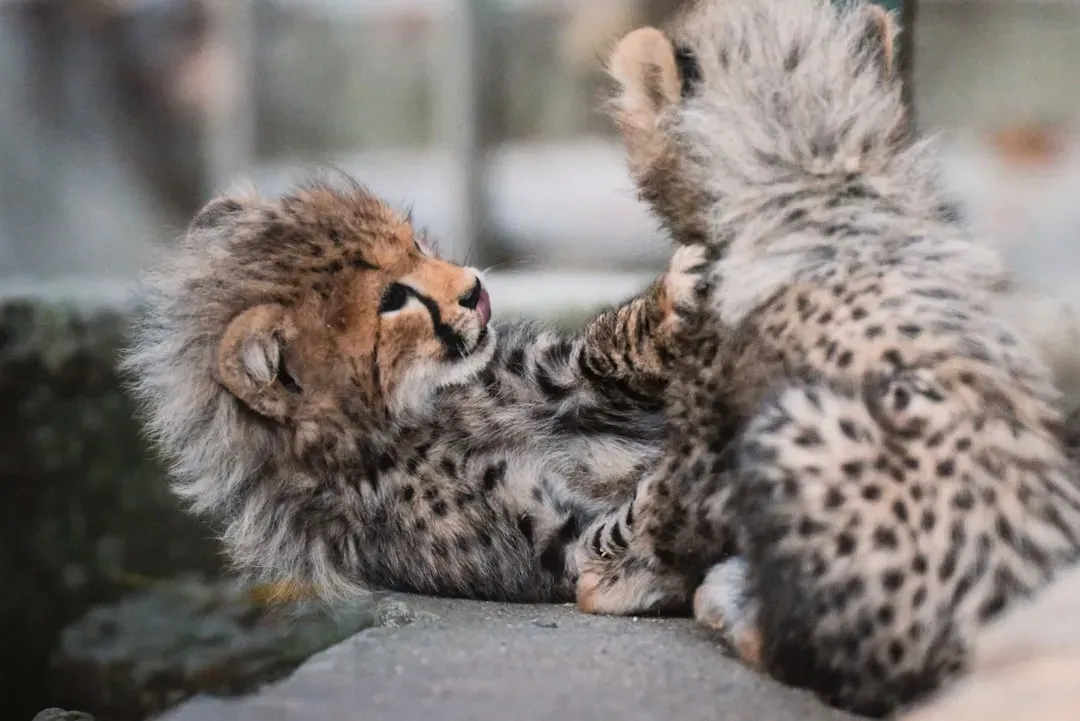
If you’ve watched young animals racing around for seemingly no reason, you’ve already seen one of the clearest windows into animal joy. Rats, for example, emit high‑frequency sounds when they are tickled or playing, and they actively seek out those experiences again, suggesting they really enjoy them. Dogs invent rules for their games, pause to check if their playmates are still comfortable, and then dive back in with clear signs of excitement and enthusiasm.
Even animals we don’t normally think of as “cute” show playful behavior that looks remarkably like fun. Ravens slide down snowy roofs, dolphins surf waves or blow bubble rings just to swim through them, and goats engage in mock battles where nobody seems to want to win too fast. Play often appears when animals are safe, fed, and healthy, which hints that it isn’t just training for survival but also an expression of positive emotion and mental well‑being.
Fear, Stress, And The Darker Side Of Feeling
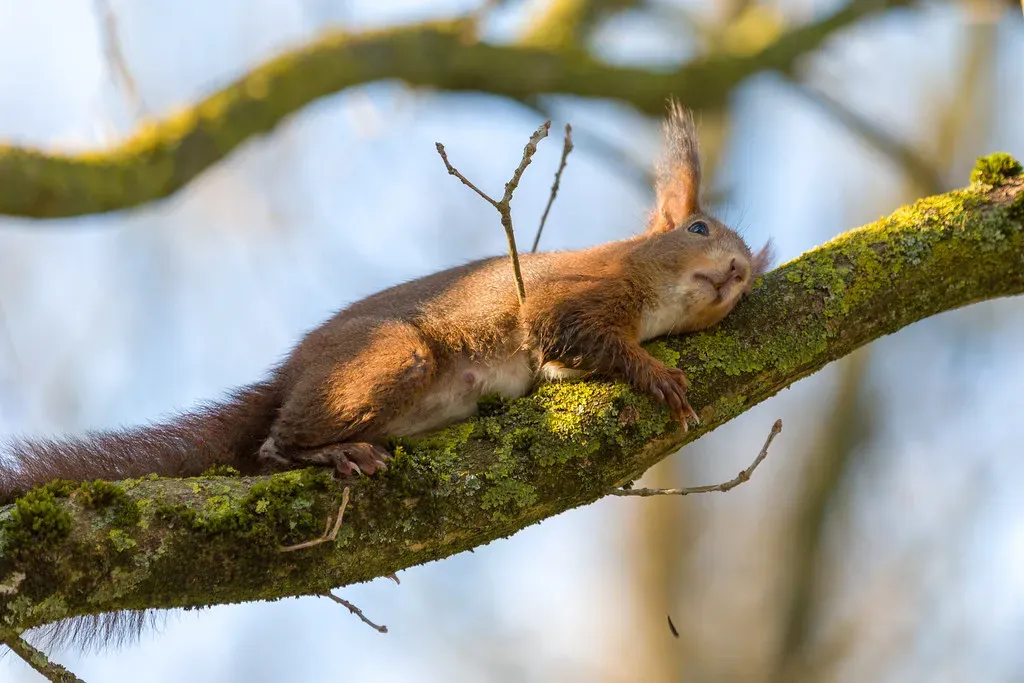
On the other side of the emotional spectrum, the evidence for fear and anxiety in animals is overwhelming. When prey animals smell a predator, their bodies respond with increased heart rates, stress hormones, and defensive behaviors that closely mirror human fight‑or‑flight reactions. Laboratory tests show that animals will avoid places where they experienced a shock or threat before, suggesting they remember and anticipate danger, not just react blindly.
Long‑term stress can push animals into patterns that look disturbingly like human depression or trauma. Captive animals pacing in tight circles, parrots pulling out their own feathers, or dogs cowering from sudden noises are not just behaving “badly”; they may be showing the toll of chronic emotional strain. The fact that anti‑anxiety and antidepressant drugs can change behavior in some animals in similar ways as in humans hints that the underlying emotional machinery is more shared than many people realize.
Grief, Loss, And The Bonds That Do Not Let Go
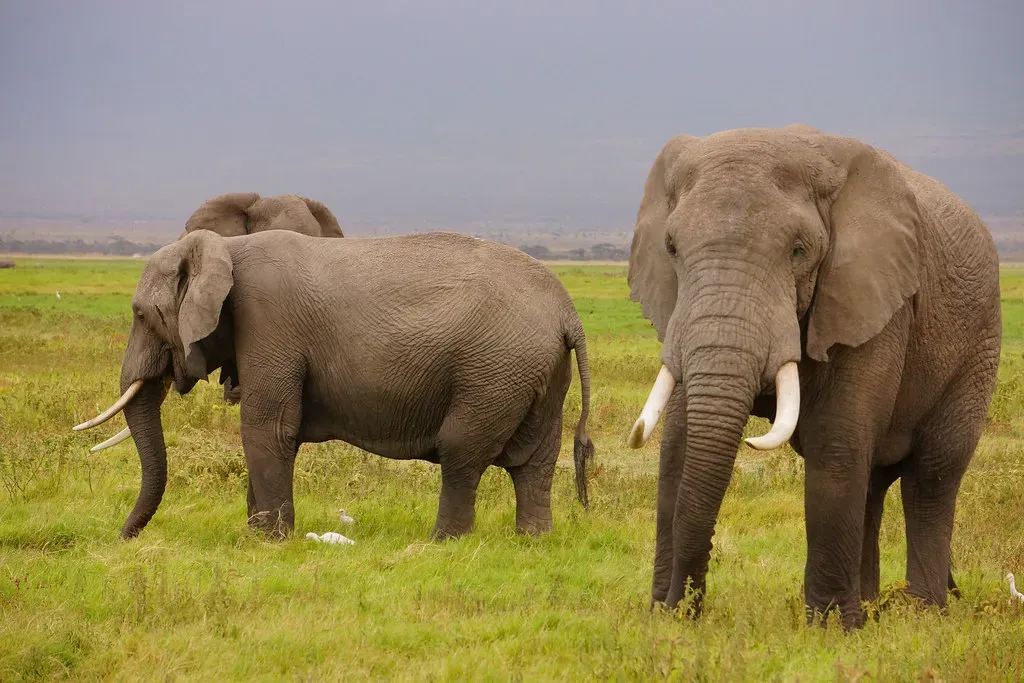
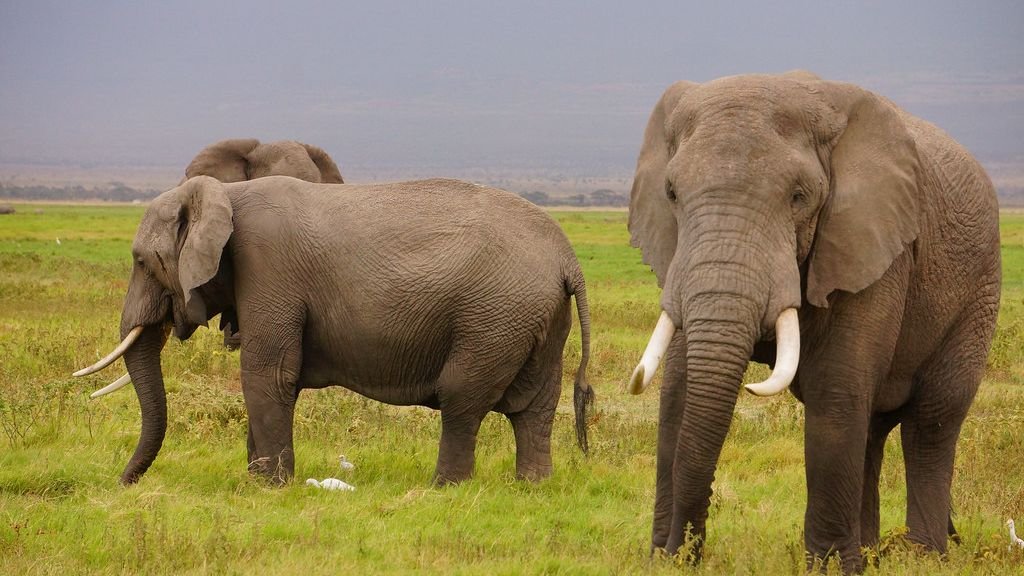
Some of the most moving stories in animal behavior come from how they respond to death and separation. Elephants have been seen touching and lingering over the bones of dead herd members, returning to the same remains over time as if paying quiet respect. Certain primates carry the bodies of their dead infants for days, grooming and holding them long after there is any practical reason to do so, which strongly suggests something like grief.
In birds and mammals that form strong pair bonds, the loss of a partner can lead to dramatic changes in appetite, sleep, and social behavior. Dogs have been observed becoming listless when a human or animal companion dies, sometimes searching familiar places as if expecting them to return. While it’s impossible to know exactly what animals are thinking, the patterns of withdrawal, searching, or even vocalizing in distress look uncomfortably close to what humans go through after a profound loss.
Empathy, Compassion, And Emotional Contagion
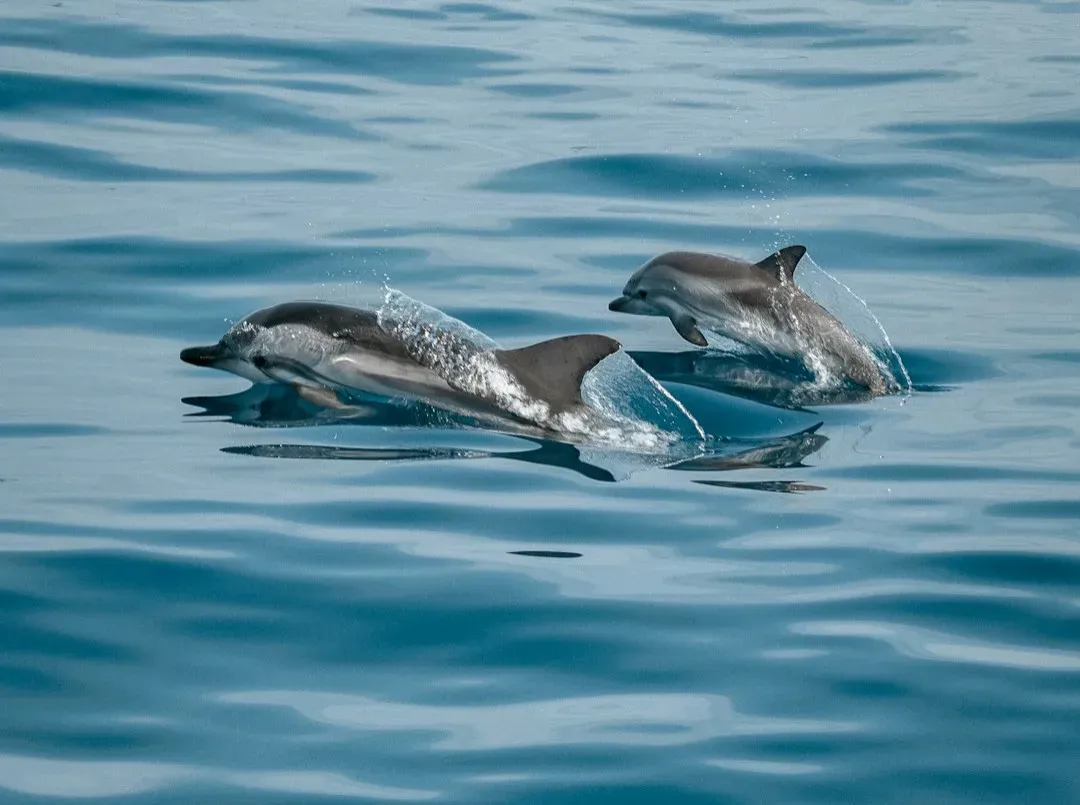
Perhaps the most striking sign of complex animal emotions is empathy: the ability to be affected by someone else’s feelings. Studies have found that rodents will work to free a trapped companion, even choosing to help before seeking a treat, which suggests they are responding to the other’s distress. When one animal shows signs of fear or pain, nearby animals often react as if they are feeling it themselves, a sort of emotional contagion that spreads through the group.
Large‑brained social animals like dolphins, whales, and some primates have been reported to support injured or sick group members, adjusting their behavior to match the vulnerability of the one who is struggling. Even farm animals like cows and pigs show increased heart rate and agitation when they see another in pain, indicating they register and react to others’ suffering. These patterns point to something deeper than simple imitation; they suggest that many animals are wired to care about what others around them are going through.
The Hidden Inner Lives Of “Ordinary” Animals
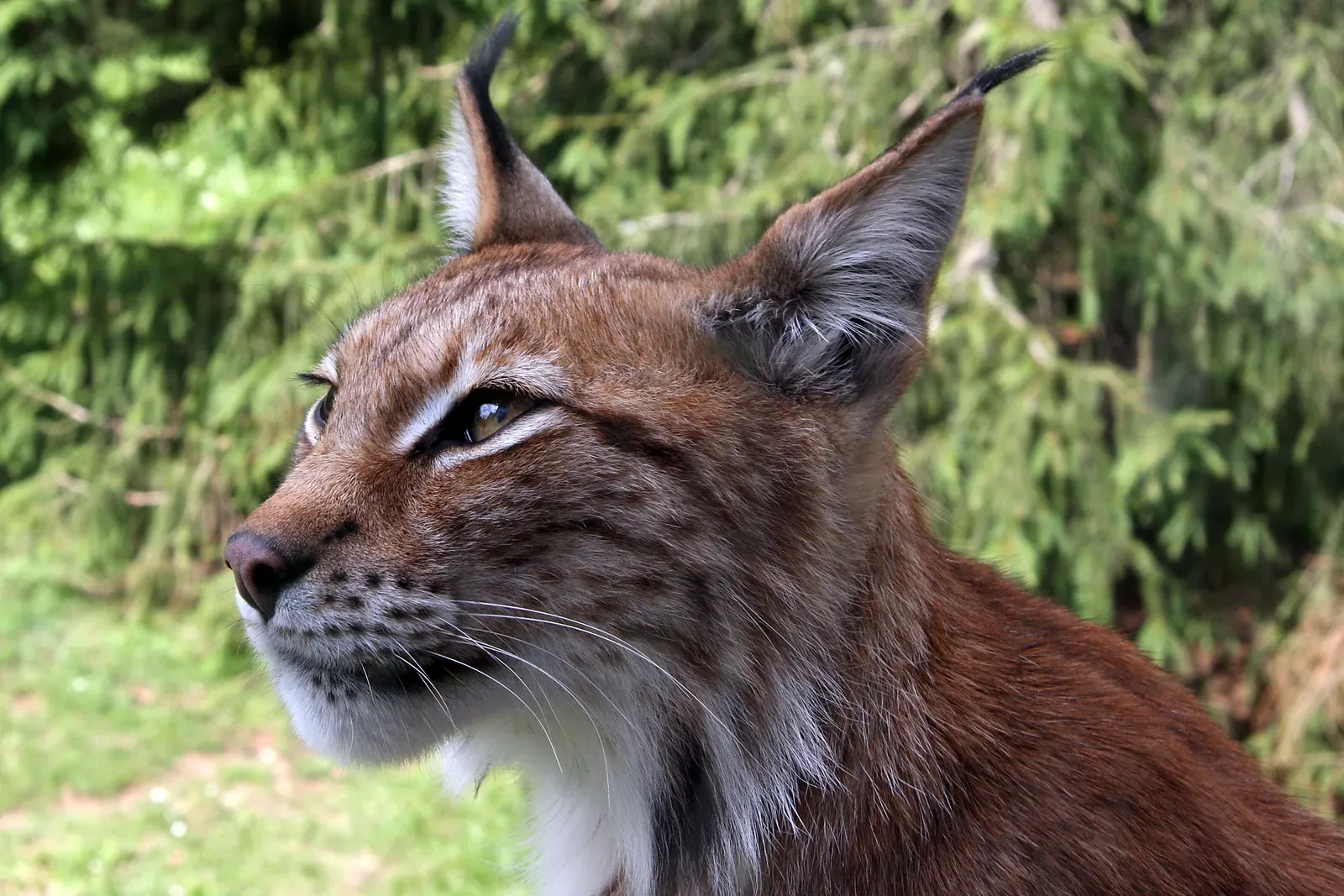
It’s easy to accept rich emotions in animals that look or live a bit like us, such as apes or dogs, but research is increasingly challenging the idea that other creatures are emotionally simple. Chickens can recognize dozens of individual faces and show signs of distress when their chicks are threatened, while pigs learn quickly, remember well, and react emotionally to both rough handling and gentle treatment. Fish, once dismissed as barely conscious, show pain‑related behaviors and avoid places linked to bad experiences, which changes when their discomfort is medically relieved.
Even invertebrates like octopuses are shaking up our assumptions. They explore in ways that look curious, react differently to individual humans, and can become withdrawn or restless in stressful environments. While their emotions might not feel exactly like ours, the growing evidence suggests that inner lives are far more widespread and varied than we used to think. The more closely we look, the harder it is to draw a clean line between “feeling” and “unfeeling” species.
Why Animal Emotions Change Everything For Us
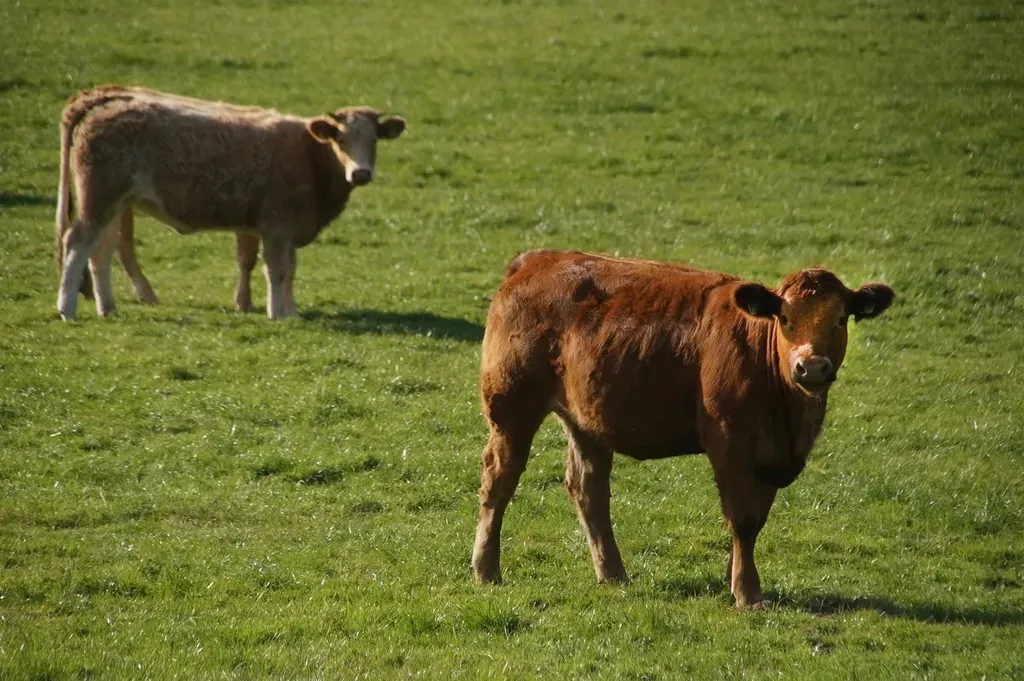
Once you accept that many animals feel happiness, fear, loneliness, or something like grief, everyday choices start to look very different. The way we design farms, zoos, labs, and even our homes becomes not just a question of physical care, but of emotional welfare. Providing space for play, social contact, and mental stimulation is no longer a luxury; it becomes a basic requirement for a decent life, just as it is for humans.
This shift also affects how we relate to the animals closest to us. When we see a dog’s anxiety during fireworks or a cat’s cautious affection after a stressful move as real emotional experiences, we’re more likely to respond with patience instead of frustration. On a larger scale, acknowledging animal emotions forces us to rethink laws, ethical standards, and our own sense of responsibility toward the other minds sharing our planet. If they feel more than we once believed, what, honestly, do we owe them now?