
Every time it feels like we’ve finally figured nature out, some strange creature shows up and quietly ruins our confidence. The living world is full of organisms that, frankly, look like bad ideas that somehow worked spectacularly well. From animals that seem to cheat death to others that twist the rules of evolution, some adaptations feel less like biology and more like science fiction that accidentally came true.
What makes these oddities so gripping is that even with modern genetics, imaging tools, and decades of fieldwork, parts of their stories still don’t quite add up. We can describe what they do, we can measure how they do it, but the deeper why remains stubbornly slippery. Let’s walk through eight of the weirdest adaptations on Earth that keep scientists puzzled, impressed, and just a little bit humbled.
The Immortal-ish Jellyfish That Rewinds Its Life
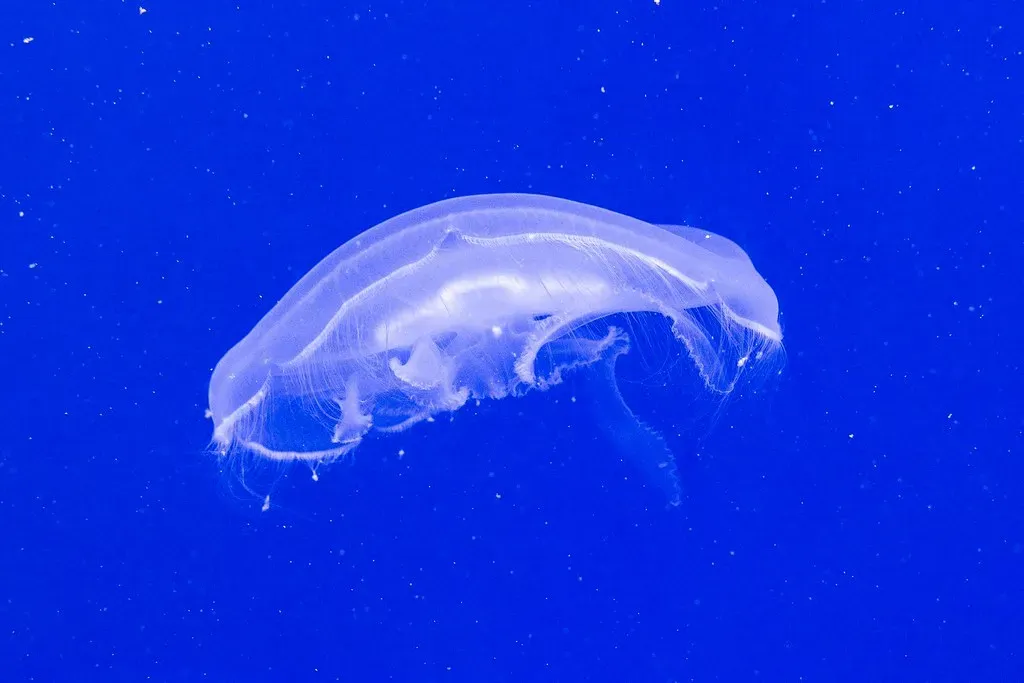
Imagine if, instead of dying, you could hit a biological “reset” button and turn back into a baby version of yourself. That’s essentially what the tiny jellyfish Turritopsis dohrnii can do: when stressed, injured, or starving, it transforms its adult body back into a juvenile polyp stage, rebuilding itself from the cellular ground up. This bizarre trick, called transdifferentiation, lets its cells change identity, like muscle cells becoming nerve cells, which normally doesn’t happen in complex animals.
In theory, this looping life cycle means it can dodge old age, earning it the nickname “immortal jellyfish.” In reality, most still die from predators or disease, but the potential for endless rejuvenation feels like a direct insult to everything we think we know about aging. We understand some of the cellular steps, but not why this jellyfish can pull it off while nearly every other animal is stuck with a one-way timeline. The uncomfortable question it leaves us with is simple: if a jellyfish can rewrite its fate, why can’t we?
Pistol Shrimp: The Tiny Crustacean With a Sonic Cannon
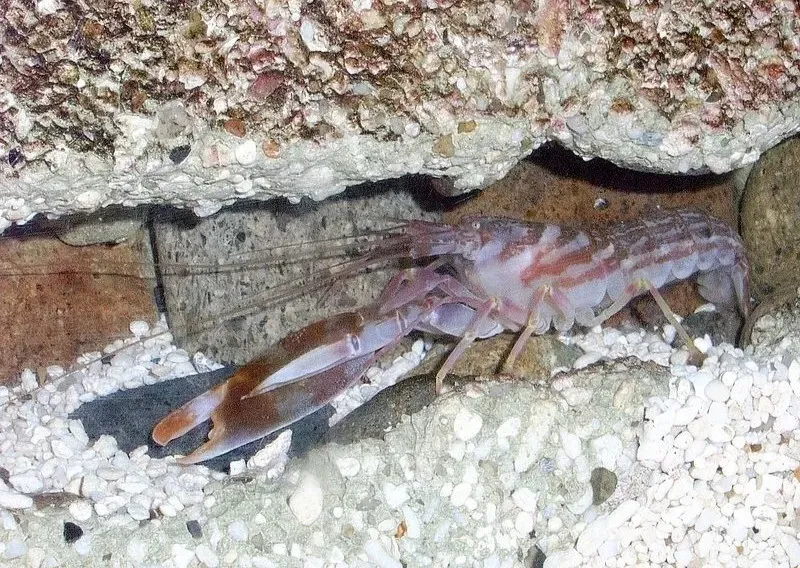
The pistol shrimp looks unremarkable until it fires its oversized claw and literally creates a bubble so fast it forms a burst of plasma and a shockwave. When the claw snaps shut, water jets out at incredible speed, forming a collapsing bubble that briefly reaches temperatures comparable to the surface of the sun and generates a sharp, stunning sound. That shockwave is powerful enough to knock out or kill small fish and crush the shells of other crustaceans.
What makes this adaptation so baffling is how evolution slowly cobbled together a biological weapon that relies on fluid dynamics and physics most people only ever see in a lab. The shrimp doesn’t have an engineering degree, yet it aims and times this sonic blast like a pro. Scientists can model the physics, but how natural selection gradually stepped its way from an ordinary claw to a finely tuned underwater cannon is still full of speculative gaps. It’s like watching a creature carry around a built-in railgun and calling it “just another shrimp.”
Tardigrades: Nearly Indestructible Microscopic Tanks
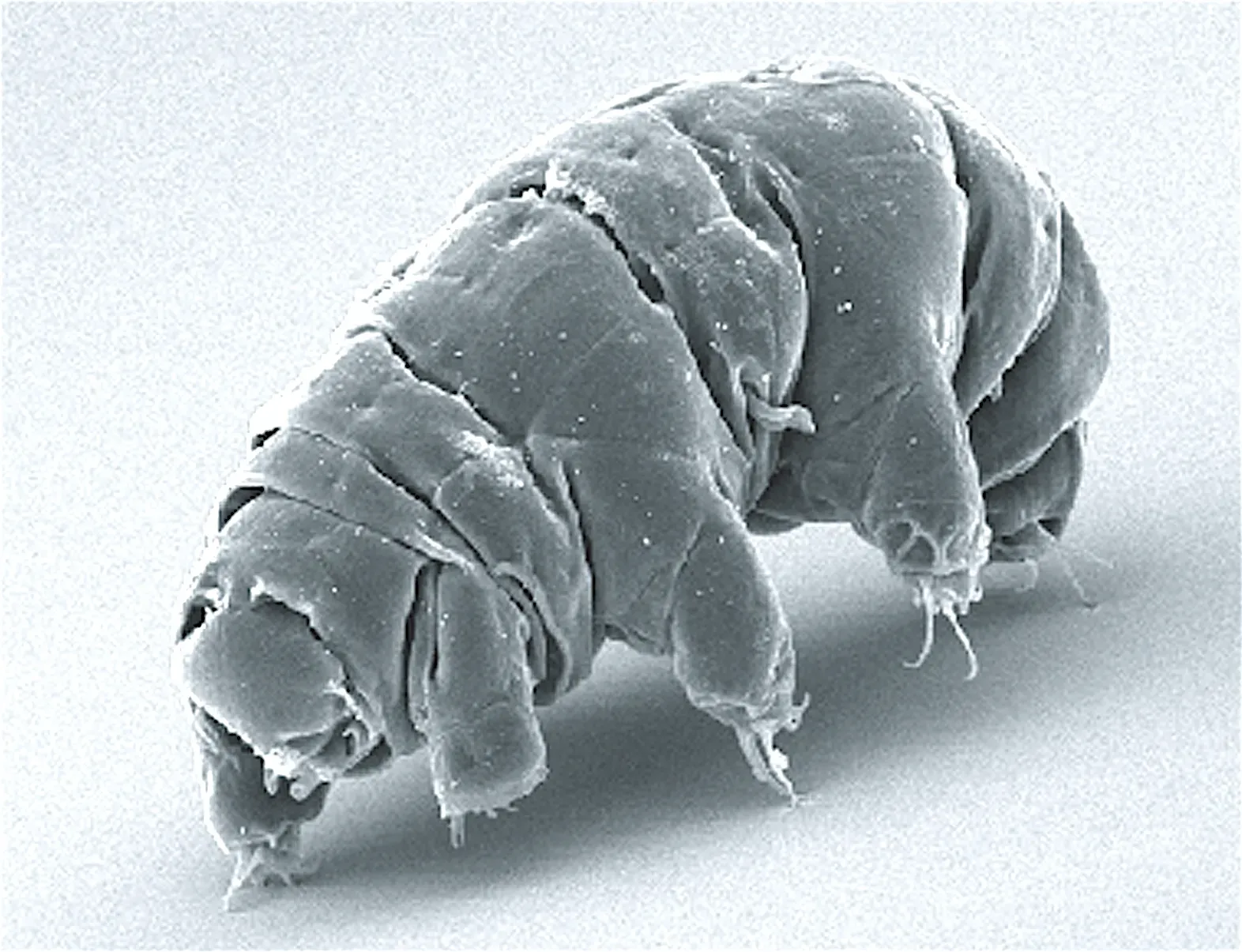
Tardigrades, often called water bears, are microscopic animals that look like squishy, eight-legged vacuum cleaner bags, yet they can survive conditions that would wipe out almost every other creature on Earth. When faced with extreme heat, cold, dehydration, or radiation, they curl up into a dried-out ball called a tun and enter a near-death state where metabolism virtually stops. In this form, they’ve survived being boiled, frozen far below zero, blasted with space-level radiation, and even exposure to outer space itself.
They protect their cells with special proteins and sugars that act like molecular bubble wrap, stabilizing DNA and membranes when water disappears. We can list those molecules and measure their effects, but why tardigrades evolved such overkill resilience remains murky, given they usually live in damp moss and leaf litter. It’s like discovering your neighbor drives a tank to pick up groceries. Tardigrades feel less like normal evolution and more like nature quietly admitting it overbuilt something, just in case.
Leafy Seadragons: Fish That Disappear by Looking Ridiculous
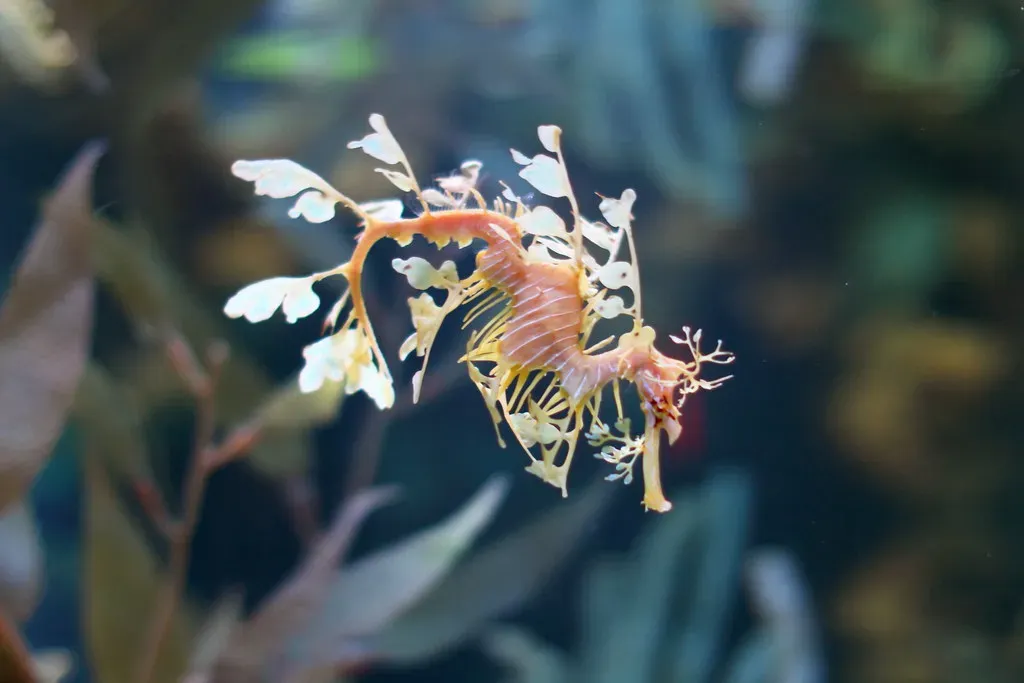
Leafy seadragons are relatives of seahorses that look like seaweed brought to life, with extravagant leaf-like appendages sprouting from their bodies. Those frilly extensions don’t help with swimming at all; they’re just elaborate camouflage, letting the fish vanish among drifting algae and kelp. Instead of speed or armor, their survival strategy is to become a floating optical illusion in slow motion.
What puzzles biologists is how such delicate, showy structures evolved without being an obvious liability. They are slow, they don’t hide in burrows, and they look like walking art projects that should be easy meals for predators. Yet in the wild, their disguise works so well that divers often swim past them without noticing. It’s as if evolution bet everything on “look so weird you blend in,” and against the odds, that absurd gamble paid off.
The Axolotl: A Salamander That Refuses to Grow Up
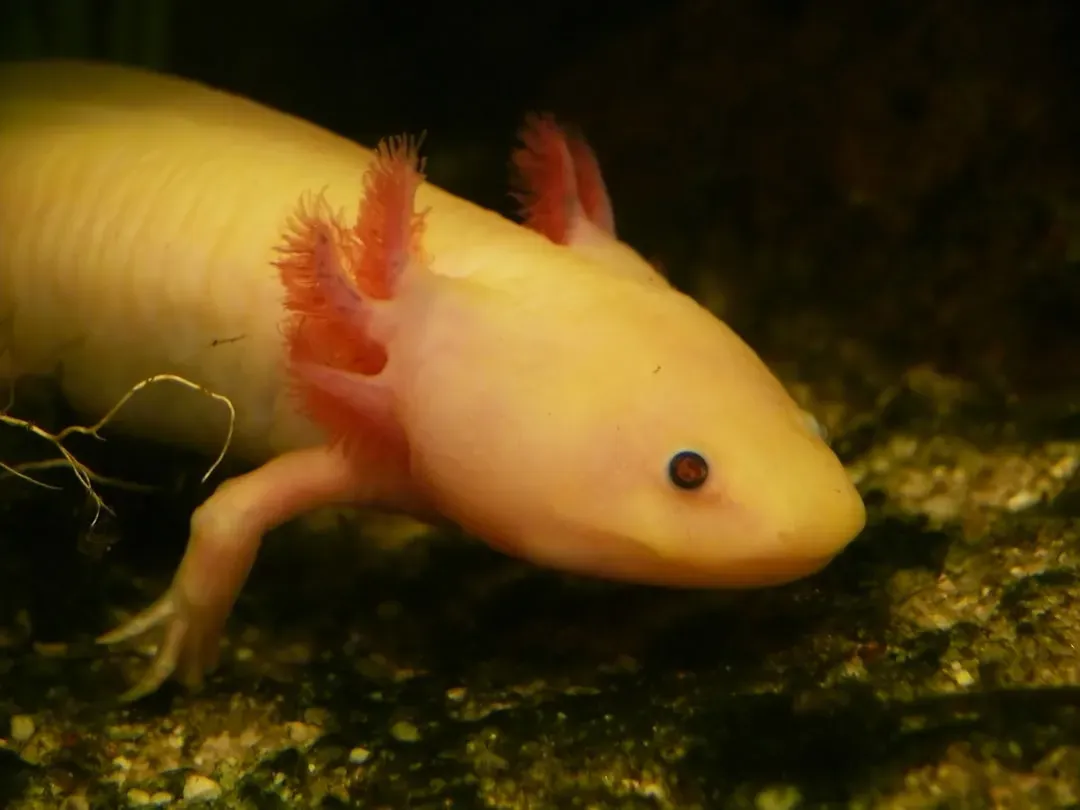
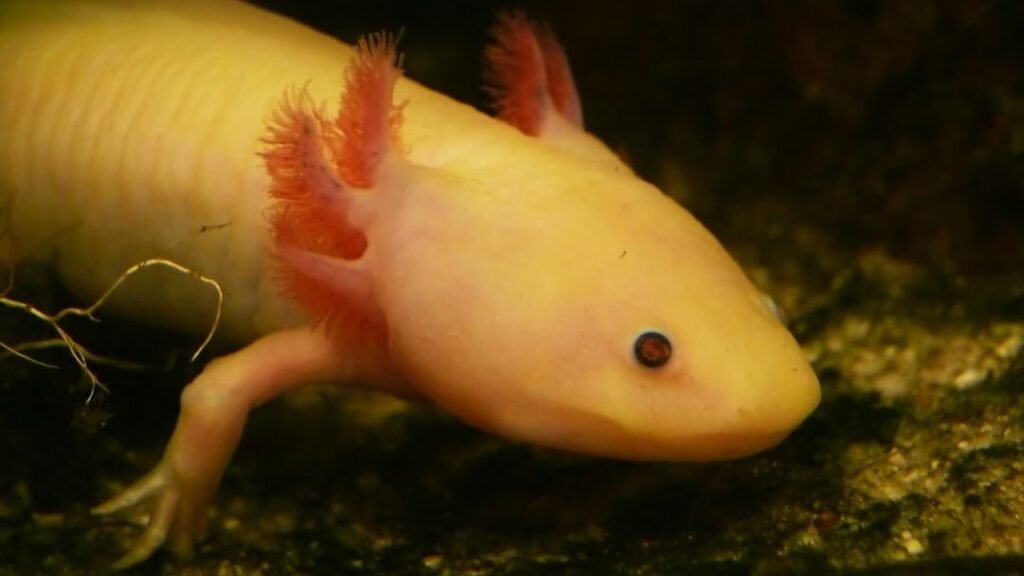
The axolotl is a salamander that spends its entire life in a larval-like state, with feathery external gills and a finned tail, even as a breeding adult. Instead of undergoing the usual metamorphosis to a land-dwelling form, it stays aquatic, a phenomenon called neoteny. On top of that, it’s one of the champions of regeneration, able to regrow lost limbs, spinal cord segments, parts of its heart, and even chunks of its brain without scarring.
Scientists have mapped many of the genes involved, but the deep evolutionary reasoning for such extreme regenerative ability and permanent youth is still debated. Keeping a “forever young” body seems risky, yet axolotls have turned it into an advantage in their natural lakes near Mexico City. For human medicine, they’re a goldmine of clues, but there’s an unnerving mystery in why these salamanders kept a power that our ancestors almost certainly lost. It’s like discovering a distant cousin who casually regrows fingers and acts confused that you can’t.
Bombardier Beetles: Insects With Boiling Chemical Spray
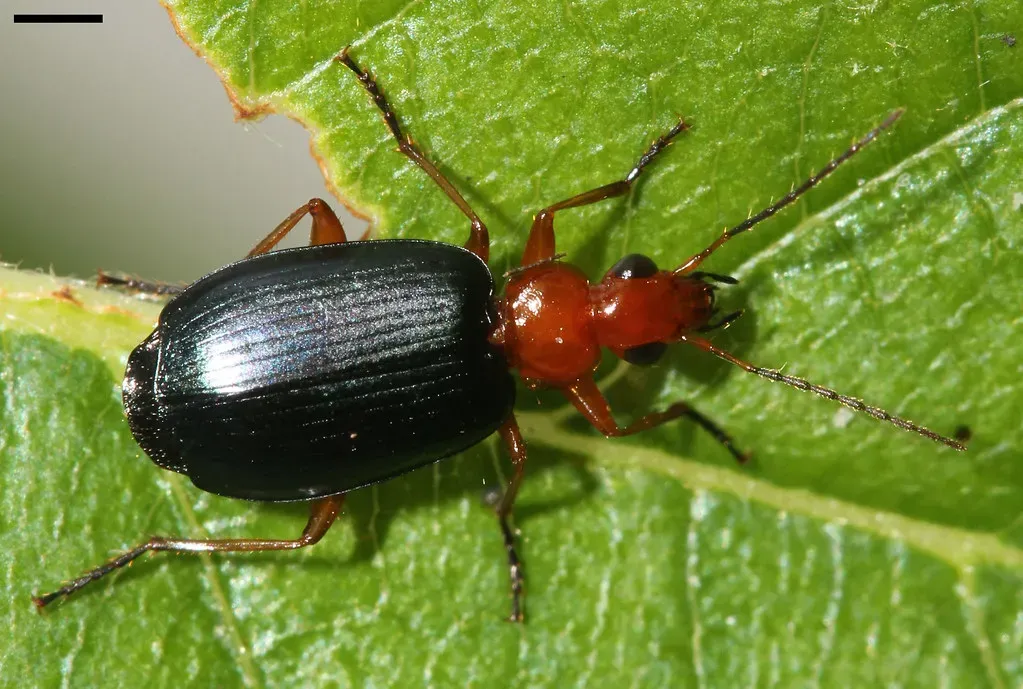
Bombardier beetles defend themselves by firing a hot, noxious chemical spray from their rear ends with pinpoint aim. Inside their bodies, they store two separate chemicals that are harmless on their own, but when mixed in a special chamber with enzymes, they trigger a violent reaction. The result is a rapid series of tiny explosions that eject boiling, irritating fluid toward predators, often with audible pops.
What stumps many people encountering this for the first time is how something so complex could evolve without blowing the beetle to pieces along the way. Evolutionary biologists have proposed step-by-step paths, but the system still feels like a miniature flamethrower that should belong in an engineer’s notebook, not in a forest floor insect. The control is so refined that the beetle can rotate its spray like a tiny turret, hitting ants, frogs, or spiders with unnerving accuracy. It’s hard not to look at this insect and think nature sometimes overdoes it, just for fun.
Mantis Shrimp: Eyes and Punches From Another Planet
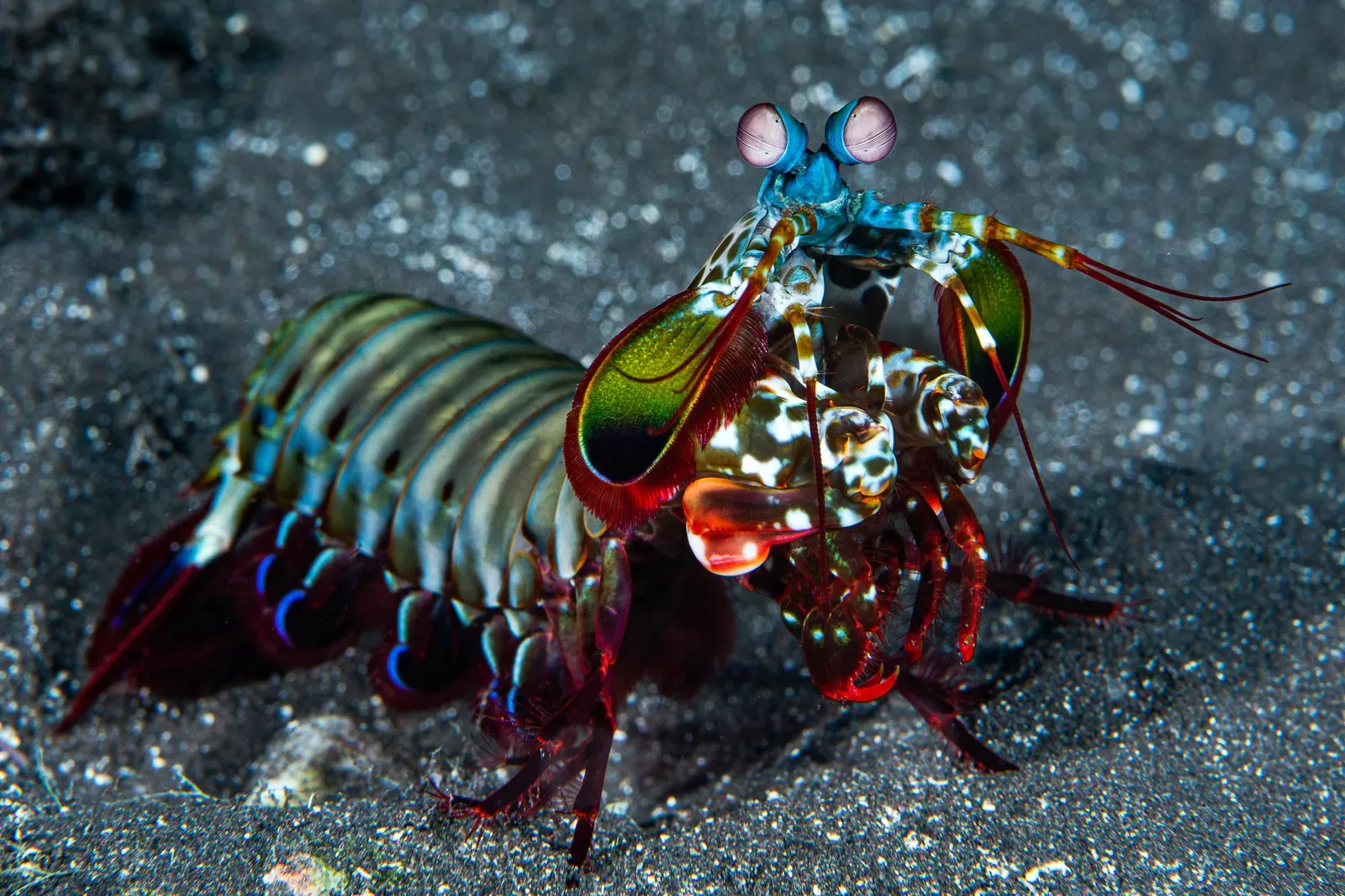
Mantis shrimp are famous for two superpowers: absurdly complex eyes and one of the fastest punches in the animal kingdom. Their eyes can detect many more types of light than humans, including ultraviolet and polarized light, and each eye can track depth on its own. This lets them read visual information in ways we literally cannot imagine, almost like having built-in scientific instruments in their heads.
Their raptorial appendages, meanwhile, strike with such speed that they create cavitation bubbles, delivering a double hit of physical impact and collapsing shockwave. They can crack aquarium glass and smash snail shells like they’re made of chalk. We have ideas about why they need good vision and fast strikes for hunting, but the sheer extremeness of both traits feels excessive. It’s as if evolution handed them a toolkit labeled “overpowered” and they just rolled with it.
Lyrebirds: Mimicry That Goes Beyond Survival Logic
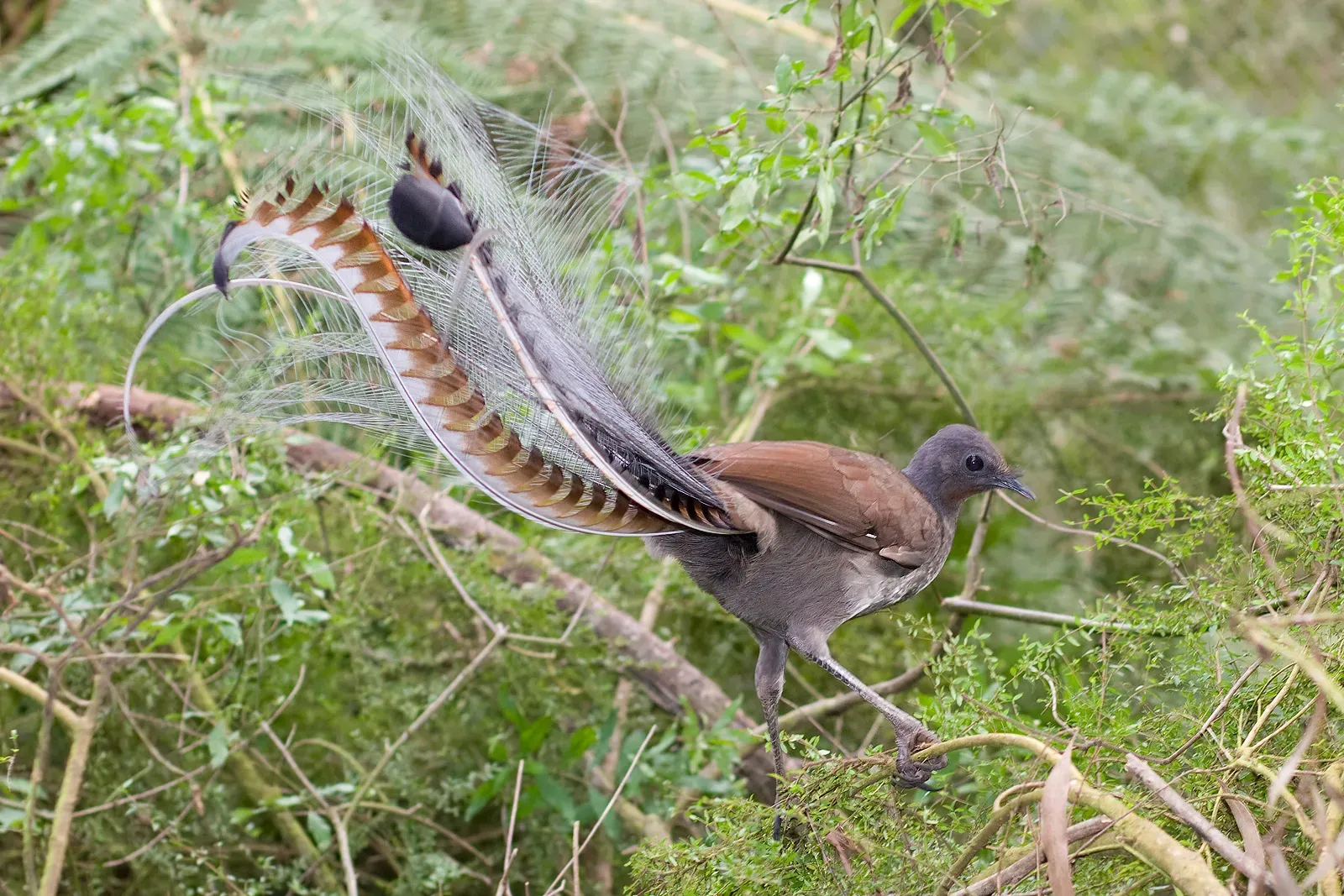
Lyrebirds in Australia are known for their eerie ability to mimic almost any sound they hear, from other bird calls to camera shutters, chainsaws, and car alarms. Males build display mounds and perform elaborate dances while layering their own songs with an entire forest’s soundtrack, like living, feathered DJs. The complexity of their vocal learning and memory rivals that of parrots, even though they’re more closely related to simpler songbirds.
While some of this mimicry likely helps them attract mates by showing off cognitive and vocal skills, the extreme range of sounds they copy is hard to square with straightforward survival advantages. I remember the first time I heard a recording of one perfectly imitating mechanical noises, and it felt less like bird song and more like a prank. There’s a lingering question about why evolution pushed their mimicry so far beyond basic communication needs. It hints that animal minds may be wired for creativity in ways we still underestimate.
These bizarre adaptations sit at the edge of what feels reasonable: jellyfish that rewind time, beetles with chemical artillery, shrimp with sonic weapons, salamanders that grow back what we would call catastrophic injuries. Each case has partial explanations, bits of genetics and physiology we can point to, yet the full story of how and why they became so extreme remains frustratingly incomplete. They remind us that evolution is not neat or linear; it’s opportunistic, messy, and sometimes surprisingly theatrical.
For me, the most unsettling and inspiring part is this: if life has managed all of this on one small planet, what might be out there on worlds we haven’t even seen yet? These creatures are a quiet warning not to confuse our current knowledge with final answers. Which of these adaptations surprised you the most?