
Think about the last time you stared at a clock during a boring meeting. The seconds seemed to drag, each tick stretching out like chewing gum. But then you met a friend you hadn’t seen for years, and somehow two hours vanished in what felt like a heartbeat. If time is supposed to be this precise, mechanical thing, why does it feel so wildly different from one moment to the next?
That simple feeling – that sometimes time races, sometimes it crawls – sits right at the center of one of the biggest questions in science and philosophy: is time a real piece of the universe, or something our brains invented to make sense of change? Physicists, philosophers, and neuroscientists have all taken a shot at this question, and strangely, they don’t all agree. The more we learn about time, the more it starts to look less like a rigid ruler and more like a strange mirror that reflects how we move, think, and exist.
The Everyday Sense Of Time: So Obvious It’s Suspicious
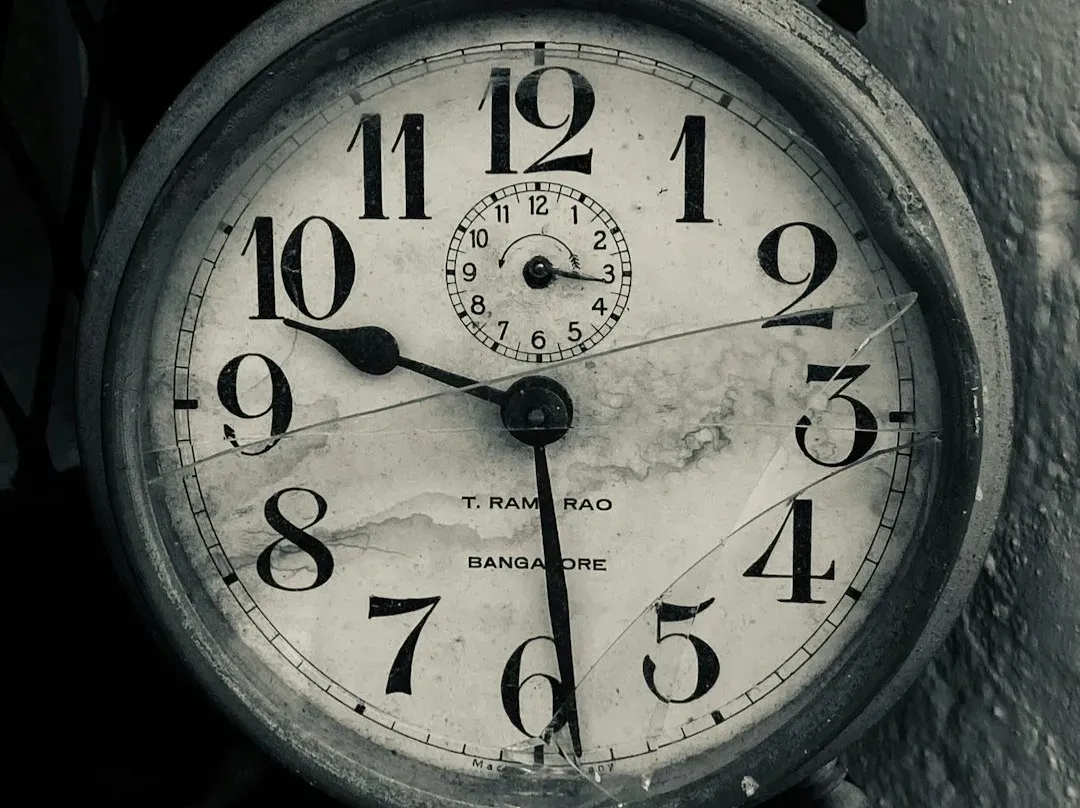
On the surface, time feels like the most obvious thing in the world. We wake up, go to work, eat, age, and eventually die – all of it nailed to a timeline that seems to march from past to future in a straight, unstoppable line. We arrange our lives around clocks and calendars as if they are describing something objective and solid out there in reality, like the shape of a mountain or the weight of a rock.
But even in daily life, cracks appear in that simple picture. We say things like “this week flew by” or “that hour felt like forever,” even though the clock didn’t change its pace for any of us. A child waiting for their birthday experiences time very differently than an exhausted parent trying to squeeze in sleep. That slippery, emotional side of time makes it feel less like a rigid law of nature and more like a psychological experience layered on top of whatever the universe is actually doing.
Einstein’s Revolution: Time As A Flexible Dimension
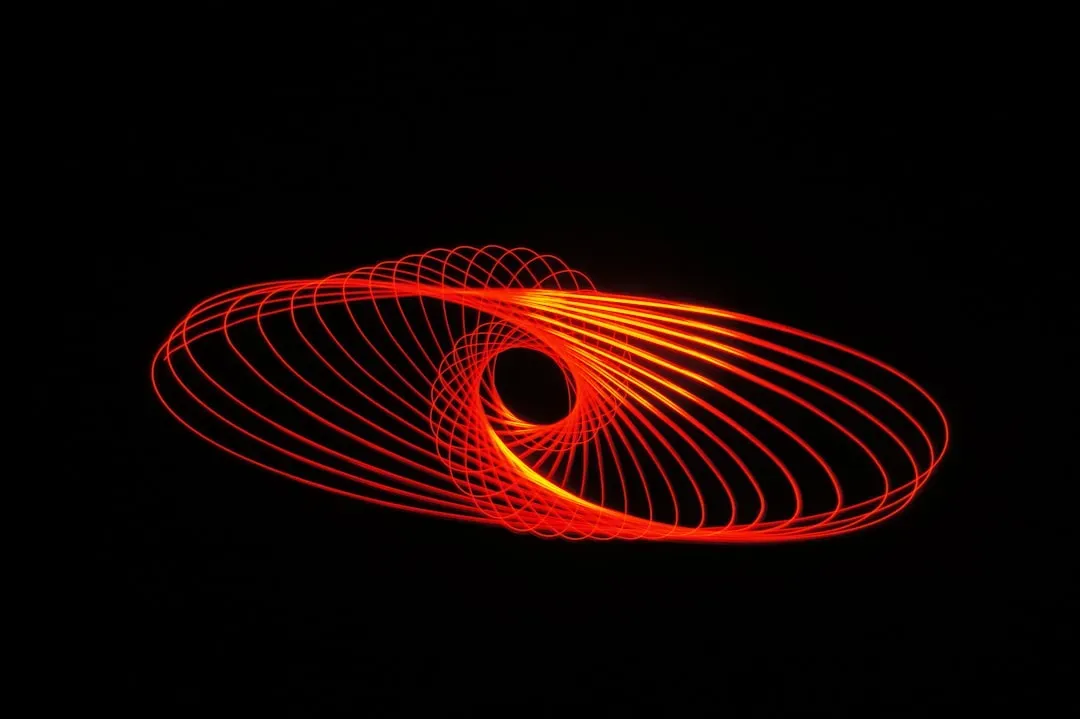
Modern physics delivered the first serious blow to the idea of time as a universal, fixed flow. With relativity, Einstein showed that time is not the same for everyone; it depends on how fast you’re moving and how strong gravity is where you are. Two people who move differently through space can literally age at different rates, and this isn’t just theory – it’s been measured with precise atomic clocks on airplanes and satellites.
In this picture, time isn’t some cosmic metronome ticking away identically everywhere. It’s woven together with space into a four‑dimensional fabric physicists call spacetime. Move through space differently, and you carve a different path through time. That sounds almost poetic, but it’s brutally practical: GPS systems corrections for time differences caused by Earth’s gravity and the satellites’ speed. If time can bend, stretch, and slow down, it starts to feel less like an absolute river and more like a shape the universe can twist.
The Block Universe: Past, Present, And Future All At Once
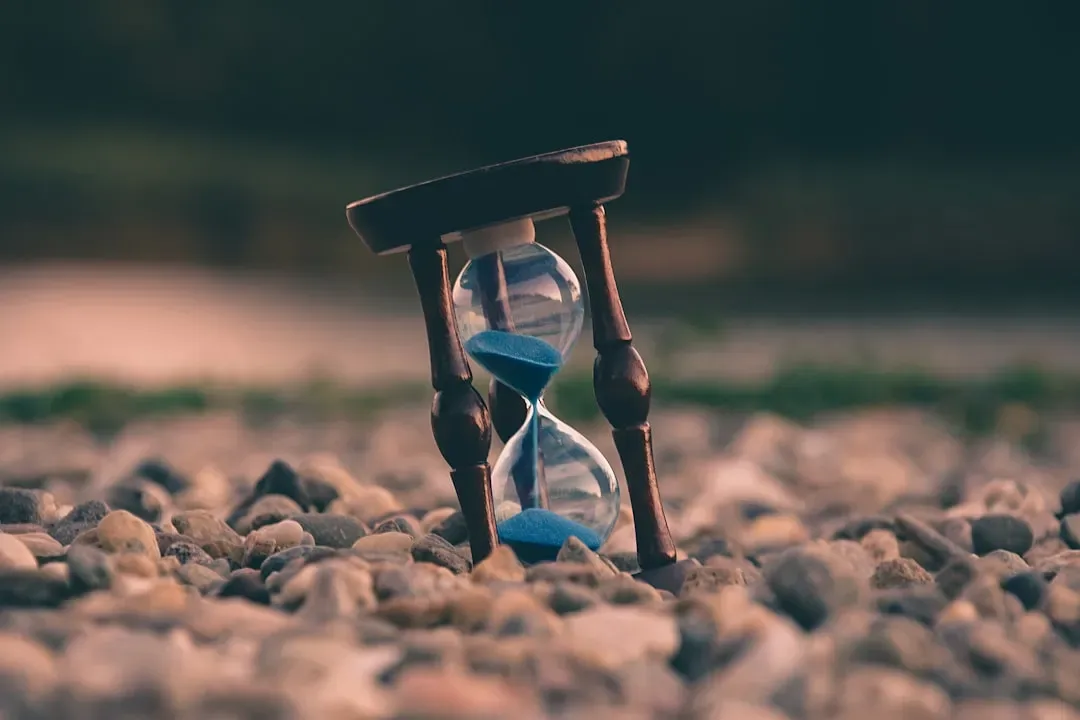
Many physicists interpret Einstein’s theories as pointing toward something called the “block universe” view. In this view, past, present, and future all exist together in a huge four‑dimensional structure, like a giant cosmic loaf of bread where every slice is a moment in time. We don’t “create” the future as we go; we just move along our path inside this already laid‑out block of spacetime.
From inside our lives, it feels like the present is special, poised on the edge of an open future and leaving the past behind. But in the block universe picture, that feeling is more like how a reader moves through a book: the chapters you haven’t turned to yet already exist, even if you haven’t read them. This idea is both unsettling and strangely elegant. If everything is already “there” in spacetime, then the flow of time – that powerful sense of becoming – might be something our minds generate, not something built into the universe itself.
The Arrow Of Time: Why There’s No “Unbreaking” An Egg
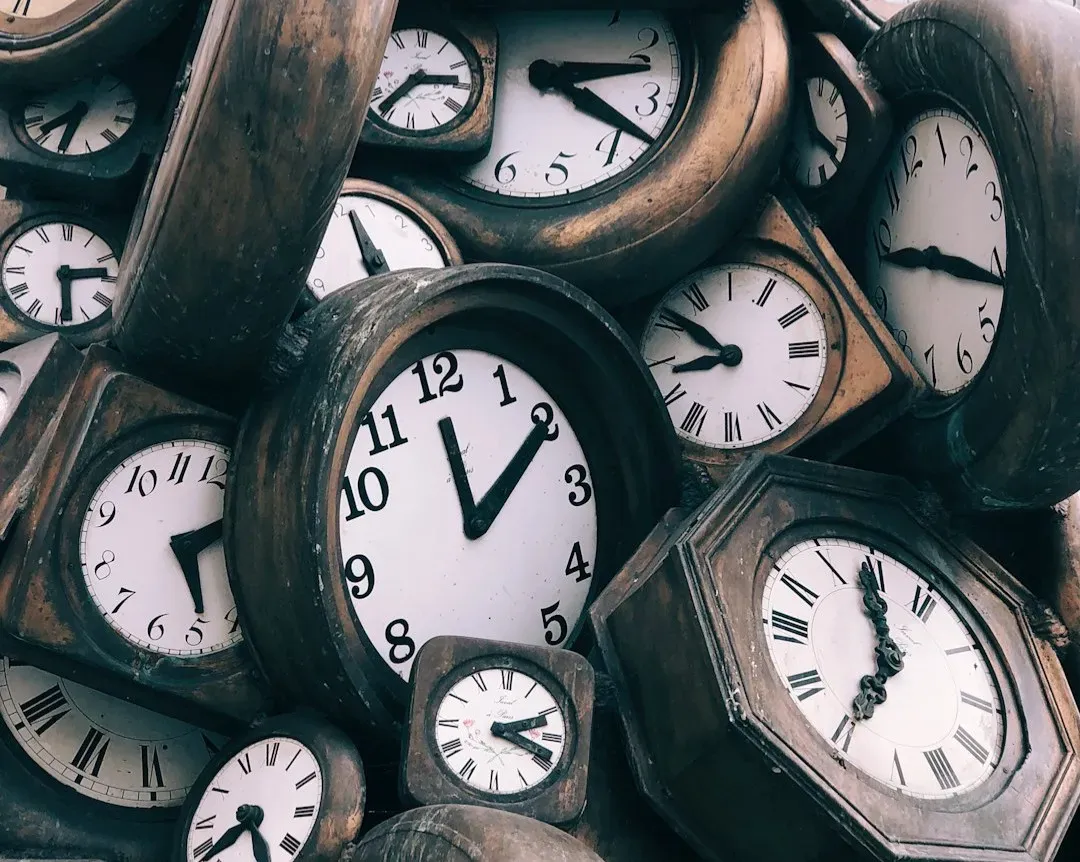
One of the strangest facts about the laws of physics is that, at a fundamental level, most of them don’t care about direction. If you filmed two particles colliding and then played the video backward, the equations describing their behavior would still make sense. Yet in daily life, there is a brutally clear arrow of time: eggs break, but they don’t unbreak; we get older, not younger; smoke spreads, it never neatly packs itself back into a match.
This arrow of time is tightly linked to entropy, a measure of disorder. The second law of thermodynamics says that, in a closed system, entropy tends to increase. In plain language, neat arrangements tend to spread out into messy ones, not the other way around. Some thinkers argue that what we experience as time’s forward direction is really just the universe sliding from low entropy to higher entropy. In that case, the “flow” of time might not be a fundamental ingredient of reality, but a large‑scale statistical trend in how matter and energy rearrange themselves.
Does Quantum Physics Make Time Even Weirder?
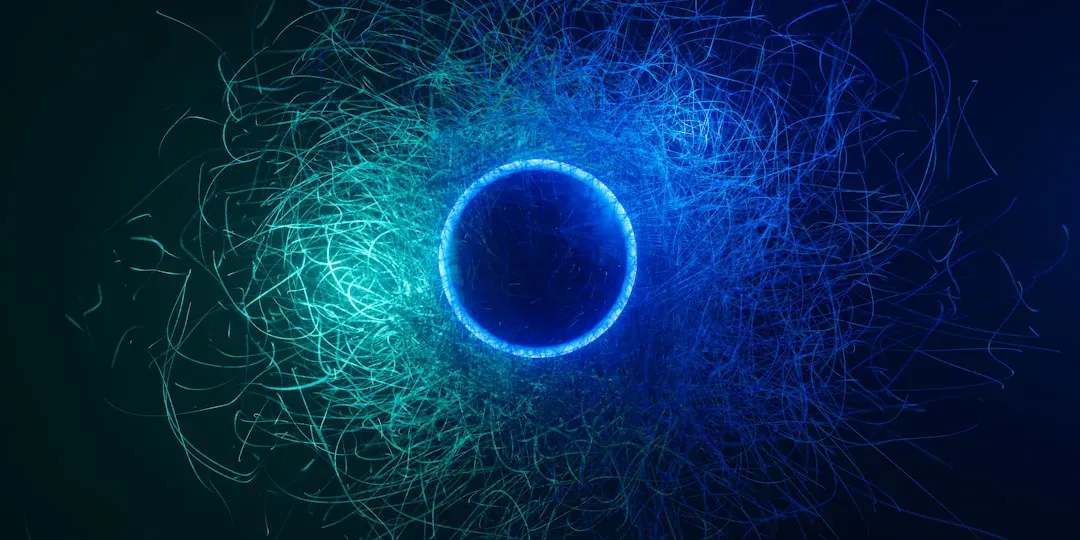
Quantum mechanics adds another layer of strangeness. At the smallest scales, particles don’t have definite positions or velocities until they are measured; they exist in a haze of possibilities. Some interpretations of quantum theory treat time as just another variable, not fundamentally different from space. Others even suggest time might emerge from deeper, timeless quantum structures – as if clock time is a shadow cast by something more fundamental.
Certain approaches to quantum gravity, which try to unite quantum mechanics with relativity, end up with equations where time doesn’t even appear explicitly. That’s a gut‑punch to our intuition, because it suggests the universe at its deepest level doesn’t “tick” the way we think it does. Instead, what we call time might emerge when complex patterns of quantum events get coarse‑grained into something our brains can understand. In that view, time isn’t an illusion in the sense of being fake, but it could be a higher‑level story that sits on top of more basic, timeless rules.
The Brain’s Clock: How We Construct Time In Our Heads
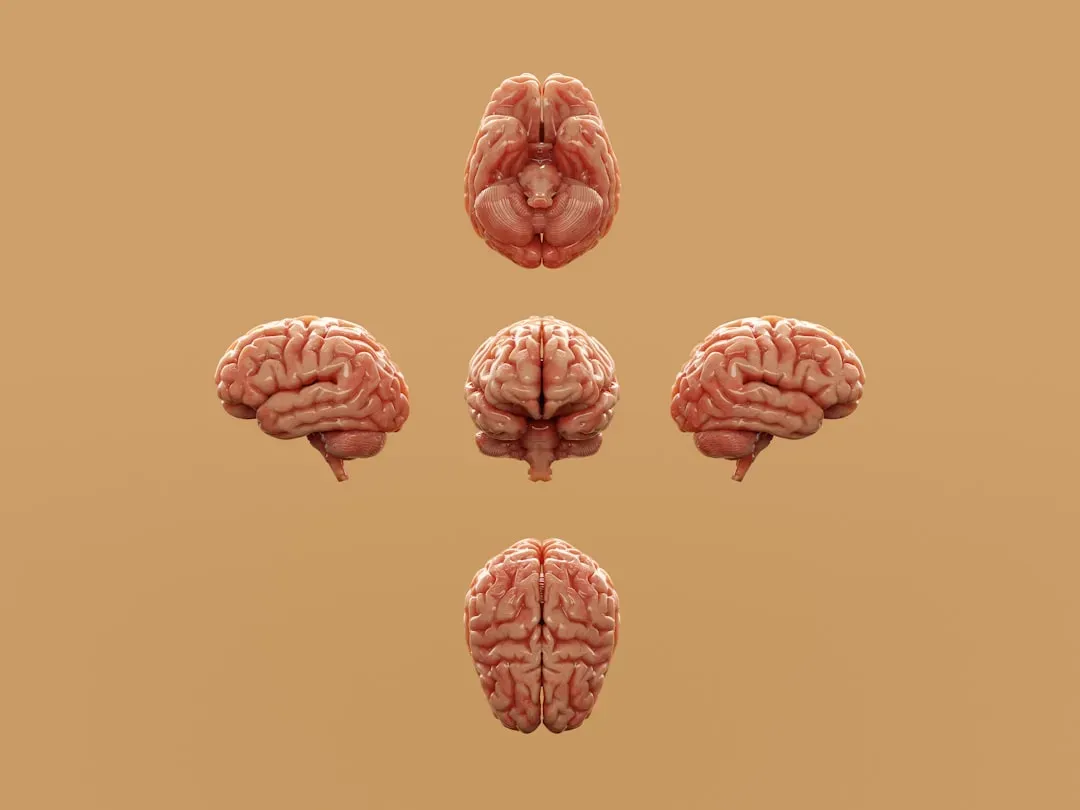
Whatever time is out there in the universe, there’s also the time that lives inside our own heads – and that one is very clearly constructed. Neuroscience shows that our brains don’t experience every event in real time as it happens. Instead, they bundle information over short windows, reorder it, and essentially “edit” our sense of what happened when. That’s why things like fear, boredom, and excitement can massively distort how long a moment feels.
There are experiments where people are dropped in controlled free‑falls or exposed to sudden shocks, and they report that time seemed to slow down. Their brains weren’t really speeding up the external world; instead, memory and perception were being processed differently, stretching the moment in hindsight. Drugs, aging, attention, and even culture all shape how we experience durations. So even if time as a physical dimension is real, the timeline we actually live on is heavily filtered and reinterpreted by our nervous system, more like a movie that’s being edited on the fly.
So, Illusion Or Fundamental Reality?
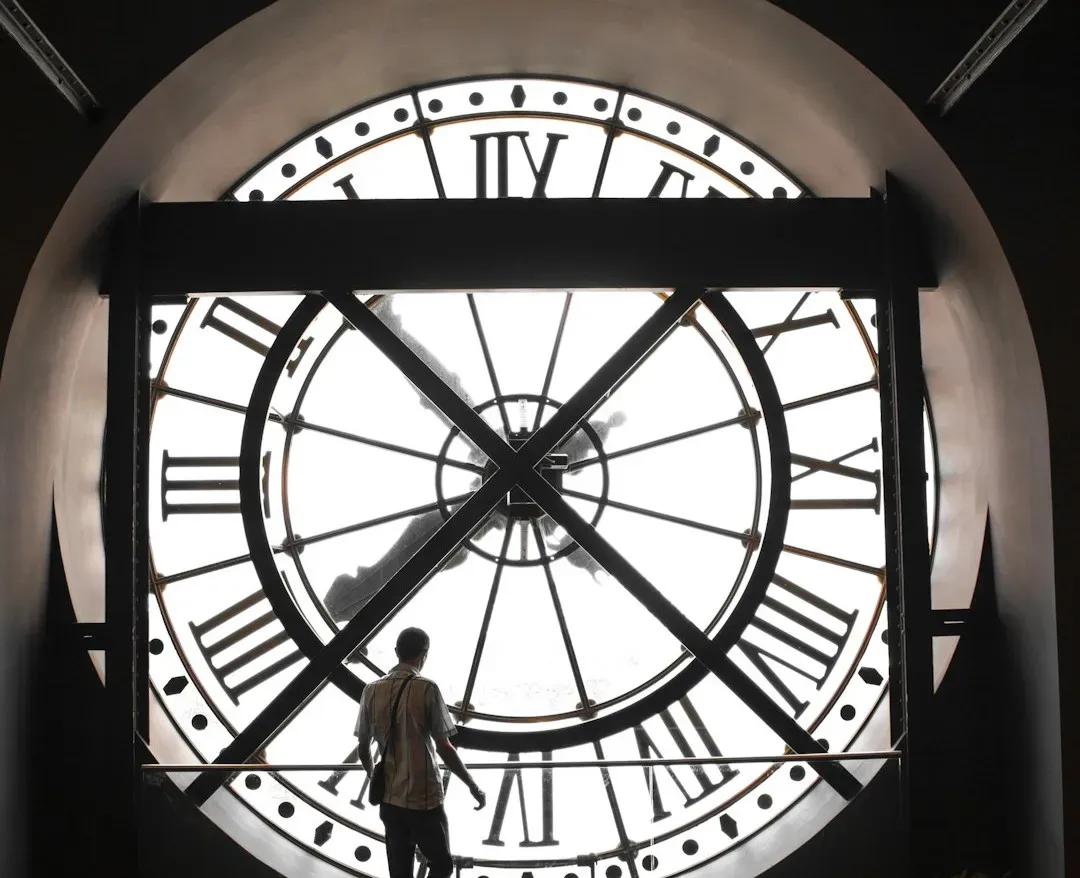
If time bends under gravity, loses its place in some quantum theories, and can feel completely different depending on your mental state, calling it an illusion can feel tempting. From one angle, our feeling of a privileged “now” and a flowing river of time looks like a mental overlay, a useful trait that helps finite creatures like us navigate change and causality. In that sense, parts of what we call time really are inventions of the brain, not raw pieces of the universe.
Yet there’s another angle that’s hard to ignore: change is real, processes are real, cause and effect seem stubbornly built into how everything works. Even if the universe is a block and the flow is something we imagine, the structure of spacetime and the ordering of events still seem fundamental. Maybe time is a bit like color: the wavelengths of light are real physical facts, while the specific experience of “red” lives in our minds. The universe might contain something like a temporal structure at its core, while what we feel as time – the rush, the drag, the nostalgia – is our personal translation of that deep reality.