
Every few months, another headline seems to quietly blow up everything we thought we knew about where we came from. A fossil in a forgotten drawer, strange DNA in a cave, footprints in ancient mud – each find pulls at a loose thread in the story of us, and the more we tug, the more the old picture unravels. The comforting idea that human evolution followed a clean, simple line is being replaced by something messier, wilder, and far more interesting.
We are no longer talking about a single straight path from ape-like ancestors to modern humans. Instead, the evidence points to a tangled web of different human species, long journeys across continents, and repeated episodes of mixing, adapting, and sometimes vanishing. It’s like opening a family photo album and discovering entire missing branches of relatives you never knew existed – and realizing some of them are still living on inside your DNA.
The Myth Of The Straight Line: A Tangled Human Family Tree
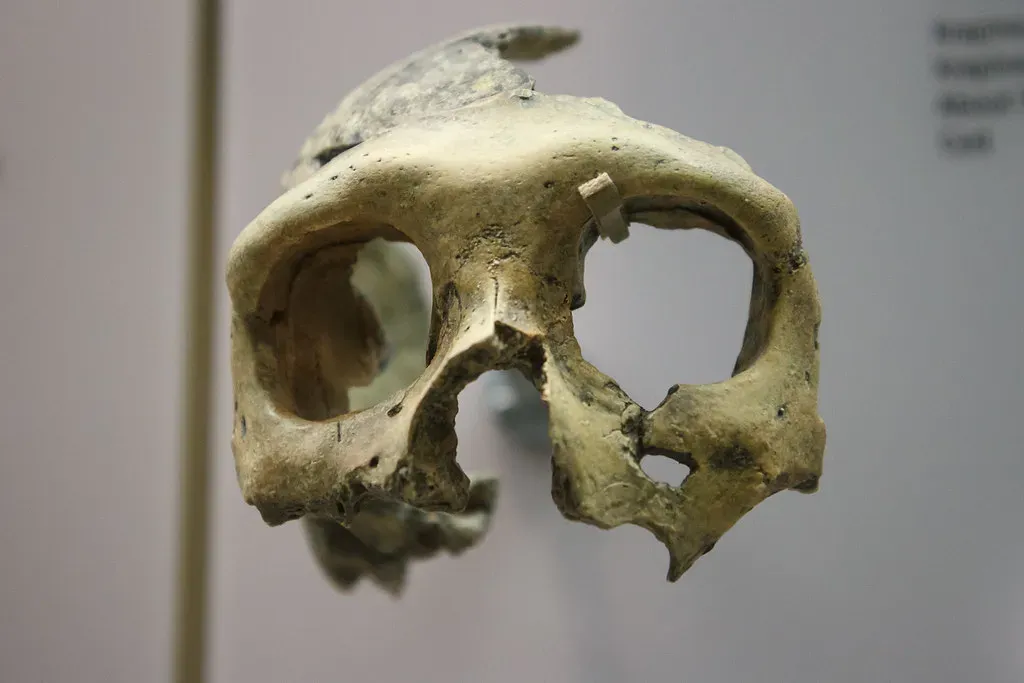
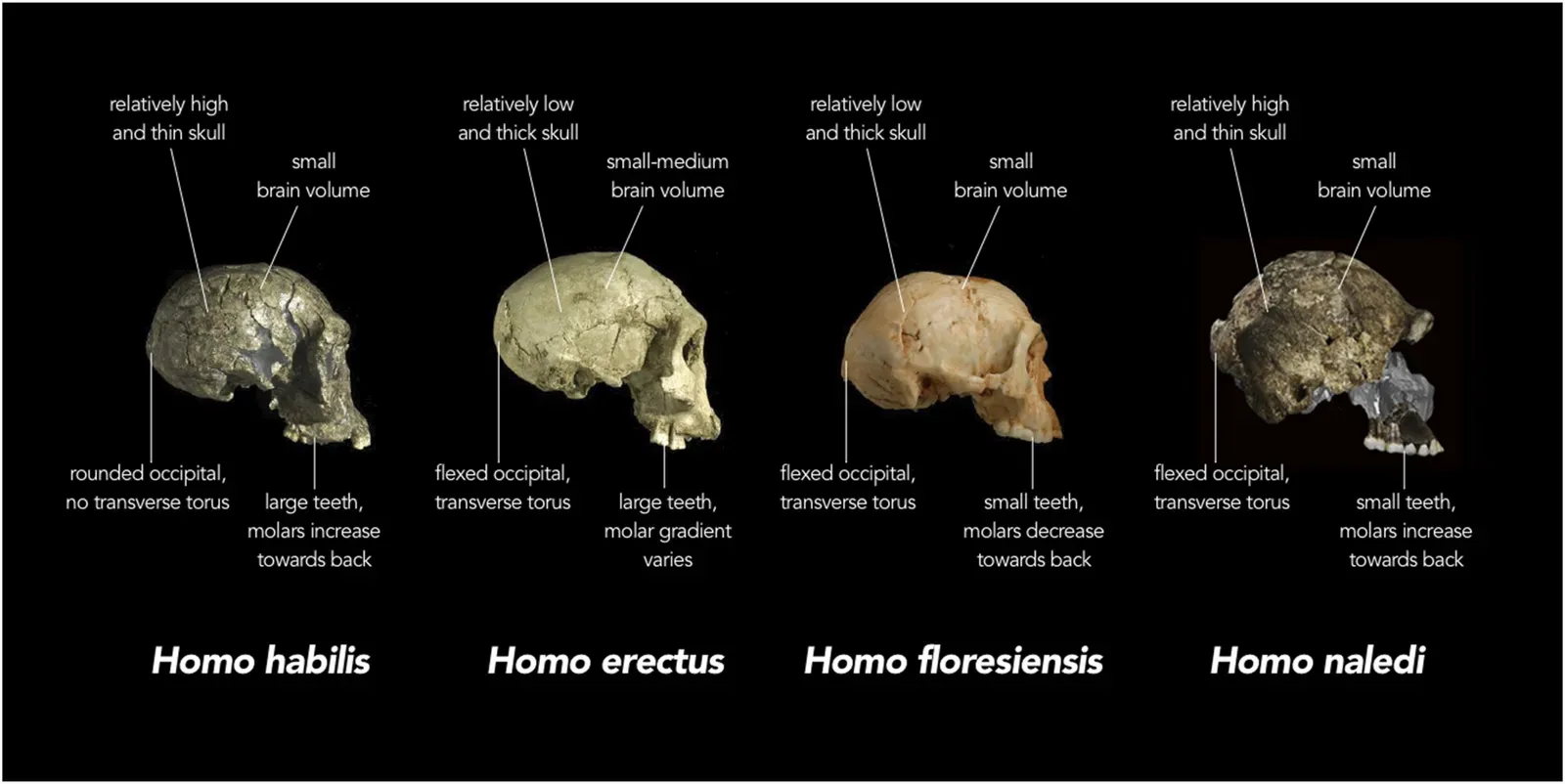
For a long time, school textbooks sold a neat picture: a stooped ape-like figure gradually straightening up, step by step, until it turned into us. That mental image is still powerful, but recent discoveries make it clear that it’s basically wrong. Instead of a single line, our past looks more like a braided river, with many channels splitting off, merging again, and sometimes drying up entirely. Different human species shared the planet at the same time, overlapping for hundreds of thousands of years.
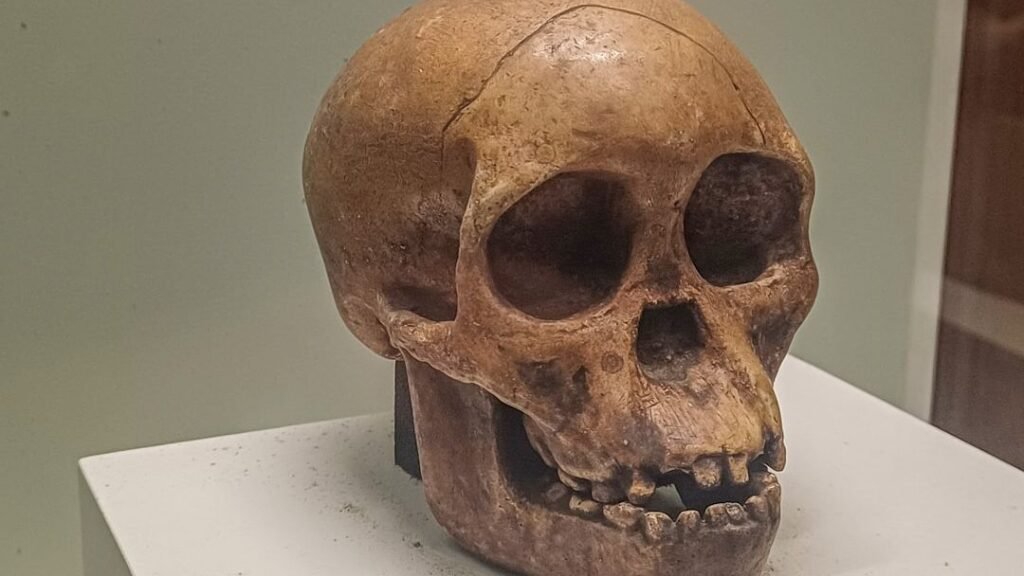
Fossils from Africa, Europe, and Asia now show that Homo sapiens, Neanderthals, Denisovans, and other groups we still struggle to name were all part of a bustling evolutionary crowd. They adapted to different environments and often lived side by side, sometimes peacefully and sometimes not. When I first really sat with that idea, it made our world feel strangely crowded, like realizing you’ve been living in an apartment building thinking you were alone, only to find out every floor is full of neighbors. The human story wasn’t a solo act; it was an ensemble cast.
Ancient DNA: Ghosts In Our Genes
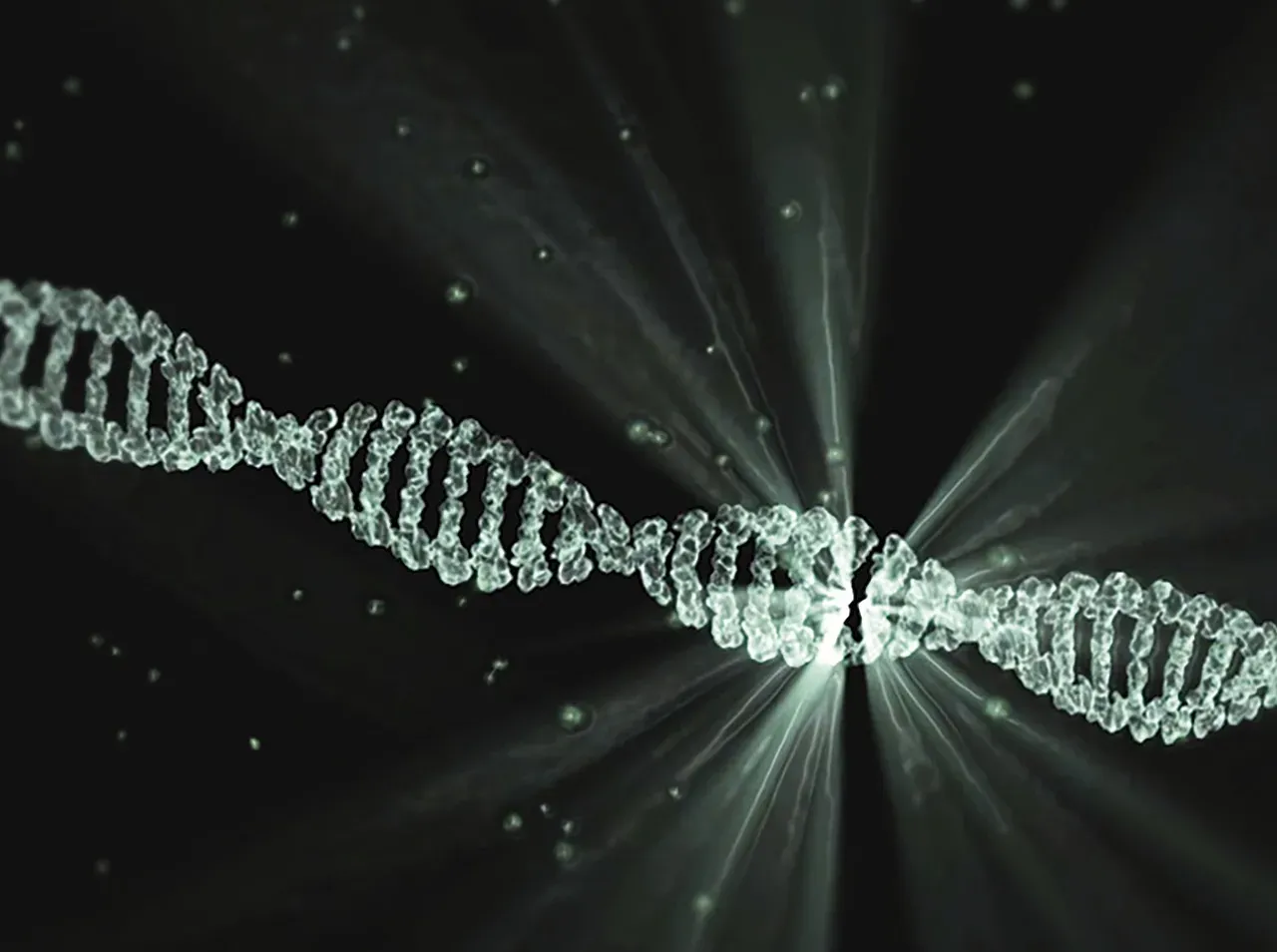
Some of the biggest shocks have come not from skeletons, but from what’s hidden deep inside our own cells. Ancient DNA work has shown that people today carry bits of Neanderthal and Denisovan DNA, especially in Europe, Asia, and parts of Oceania. That means our ancestors didn’t just replace other human species; they met them, lived with them, and had children together. Our genomes are like a palimpsest, with older human stories faintly written underneath the newer ones.
Even stranger, geneticists keep finding hints of “ghost” populations – human groups that no longer exist physically, but left scraps of DNA behind in modern people. These groups never showed up clearly in the fossil record, yet their genes helped shape how we respond to pathogens, high altitude, and cold climates. It’s unsettling and fascinating at the same time: we carry within us the echoes of people whose faces we’ll never see. Those ghosts in our genes mean we’re not just descendants of one clearly defined species, but the living outcome of a long series of meetings, crossings, and shared lives.
Surprising Cradles Of Humanity: Beyond A Single African Origin
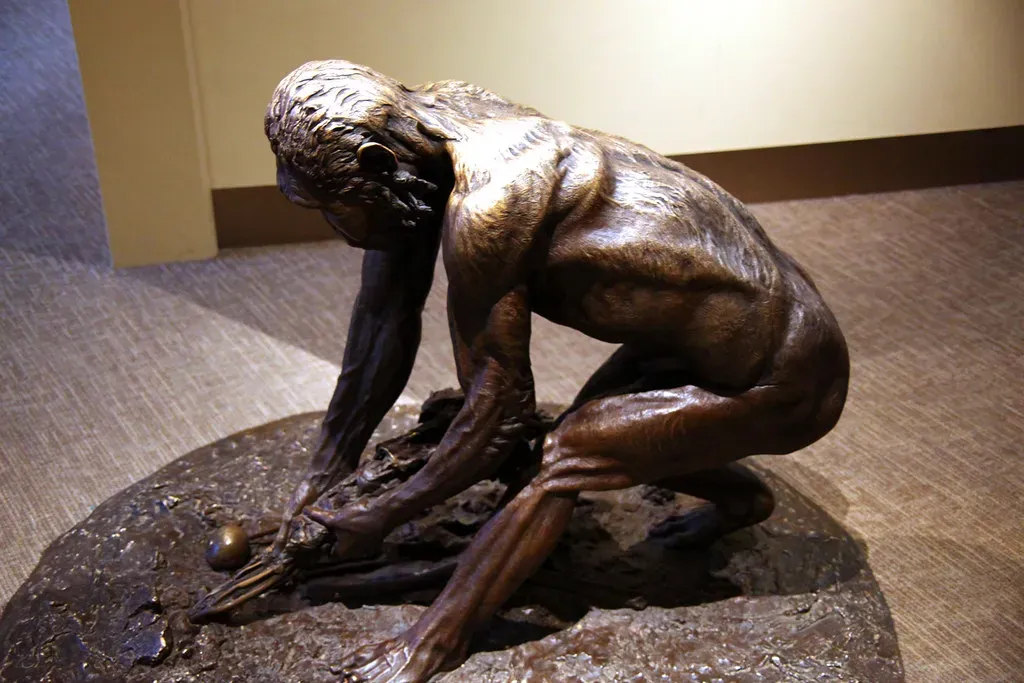
The idea that humanity began in one small region of Africa and then marched outward in a single wave is also getting a serious rethink. New fossil finds in Morocco, Ethiopia, South Africa, and elsewhere suggest that early Homo sapiens-like people were spread across Africa, not confined to one narrow “cradle.” Instead of a single birthplace, it looks more like a continent-wide network of populations that mixed, split, and reconnected over hundreds of thousands of years. Different regions contributed different pieces to what became modern humans.
Some researchers now talk about a “pan-African” origin, where features we consider modern – like a rounder skull shape, or certain facial traits – evolved in different places and gradually came together through movement and interbreeding. It’s a bit like multiple workshops across a huge landscape slowly co-designing the same project without a central blueprint. That view makes Africa feel even more like the vibrant, dynamic engine of human evolution that it really was, and it undercuts the lazy idea that our story began in one lucky valley and then simply radiated out.
Who Was Here First? New Evidence For Early Humans In The Americas
For decades, most people were told that humans arrived in the Americas roughly toward the end of the last Ice Age, walking across a land bridge from Siberia into Alaska, then spreading south. That timeline is now under heavy pressure. Discoveries like ancient footprints in New Mexico’s White Sands region, which some studies suggest could be over twenty thousand years old and possibly much older, have pushed researchers to consider earlier and more complicated arrivals. Stone tools and other traces at sites in both North and South America hint at multiple waves, not one simple migration.
There’s still intense debate about the exact dates and routes, and not every claim holds up under scrutiny. But the overall pattern is clear: our ancestors likely reached the Americas earlier than many of us learned in school, and they may have taken diverse paths, including along coastal routes by boat. That makes the peopling of the Americas feel less like a single heroic march and more like a long series of experiments – some successful, some not – as humans probed icy shorelines, river valleys, and mountain passes, testing the limits of survival at the edge of a changing world.
Lost Worlds, Sunken Shores: Climate Change And Forgotten Civilizations
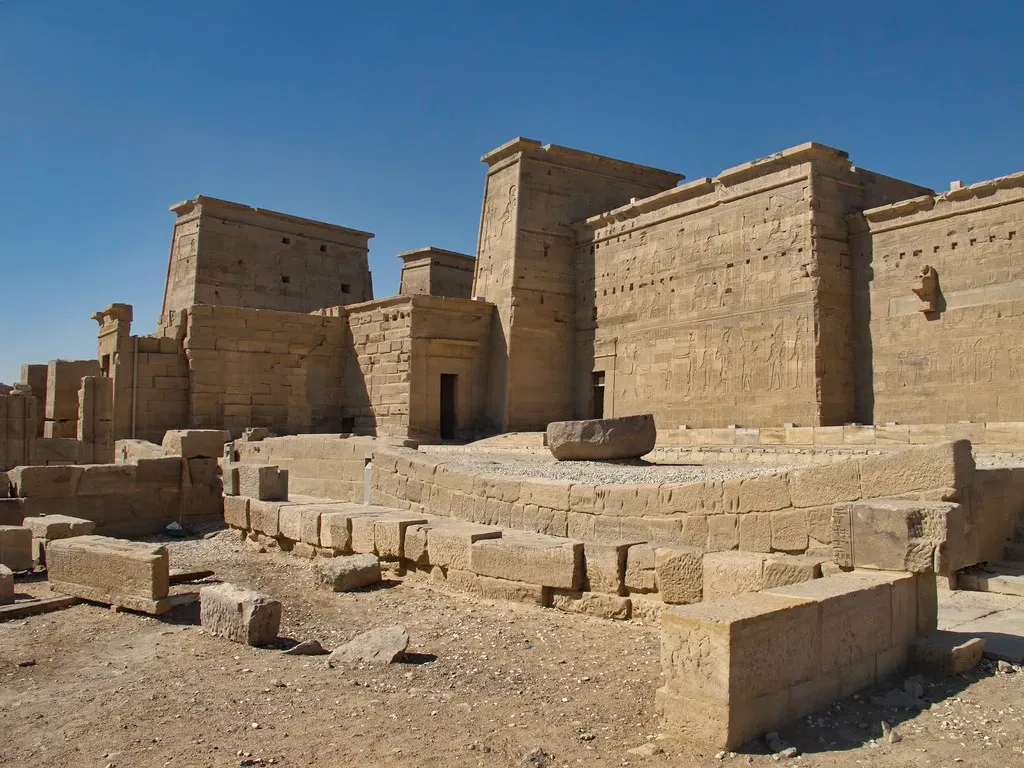
The end of the last Ice Age raised global sea levels dramatically, swallowing entire coastal landscapes under hundreds of feet of water. Many researchers now suspect that a lot of early human settlements, perhaps even complex coastal communities, are sitting on seabeds we’ve barely explored. Pieces of submerged stone structures, ancient shorelines, and drowned river systems off places like the Mediterranean, Southeast Asia, and the Americas hint at human activity where dry land used to be. It’s almost like our earliest chapters are literally buried under the ocean.
This changes how we think about both technology and innovation in our deep past. If many early communities hugged the coasts, they may have relied heavily on fishing, seafaring, and trade long before we see those abilities clearly on land. It makes perfect sense when you imagine our ancestors choosing rich, predictable environments – estuaries, deltas, sheltered bays – that are now gone. Our map of prehistory has big blank spaces where the water is blue, and that means we’re only seeing part of the picture when we talk about the “earliest” architecture, navigation, or social complexity.
Not Just Brute Survival: Art, Symbols, And The Birth Of Meaning
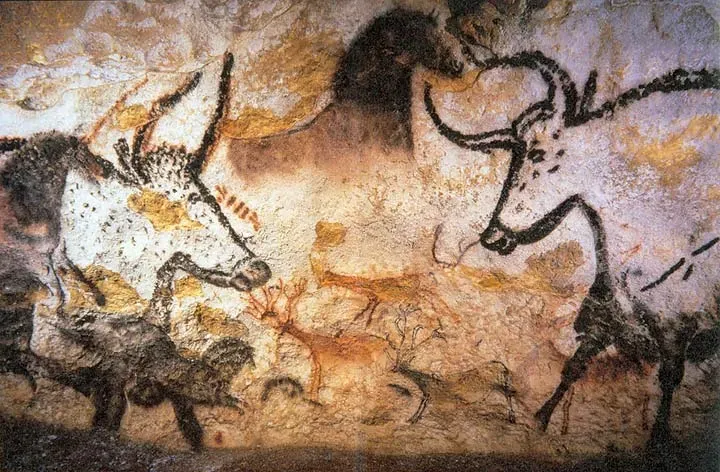
When people imagine the ancient past, they often picture a harsh world of constant struggle, with no time for anything beyond food, shelter, and safety. Yet the archaeological record screams the opposite: wherever humans went, art and symbolism followed. Cave paintings in Europe, rock art in Africa and Australia, carved figurines, musical instruments, and carefully arranged burials all point to minds obsessed with meaning, story, and beauty. These aren’t side notes; they seem to be central to what being human actually is.
What’s changed in recent years is the realization that other human species were likely making art and symbols too, or at least something very close. Pigments, engraved bones, and possibly symbolic markings associated with Neanderthals, for example, challenge the old habit of treating them as dull brutes. The line between “us” and “them” in terms of imagination and culture is getting thinner and blurrier. It suggests that the urge to decorate, to sing, to bury the dead with care isn’t a late bonus feature, but a deep, shared inheritance that helped our ancestors cooperate, bond, and remember who they were.
Why This All Matters: Rethinking Who We Are Today
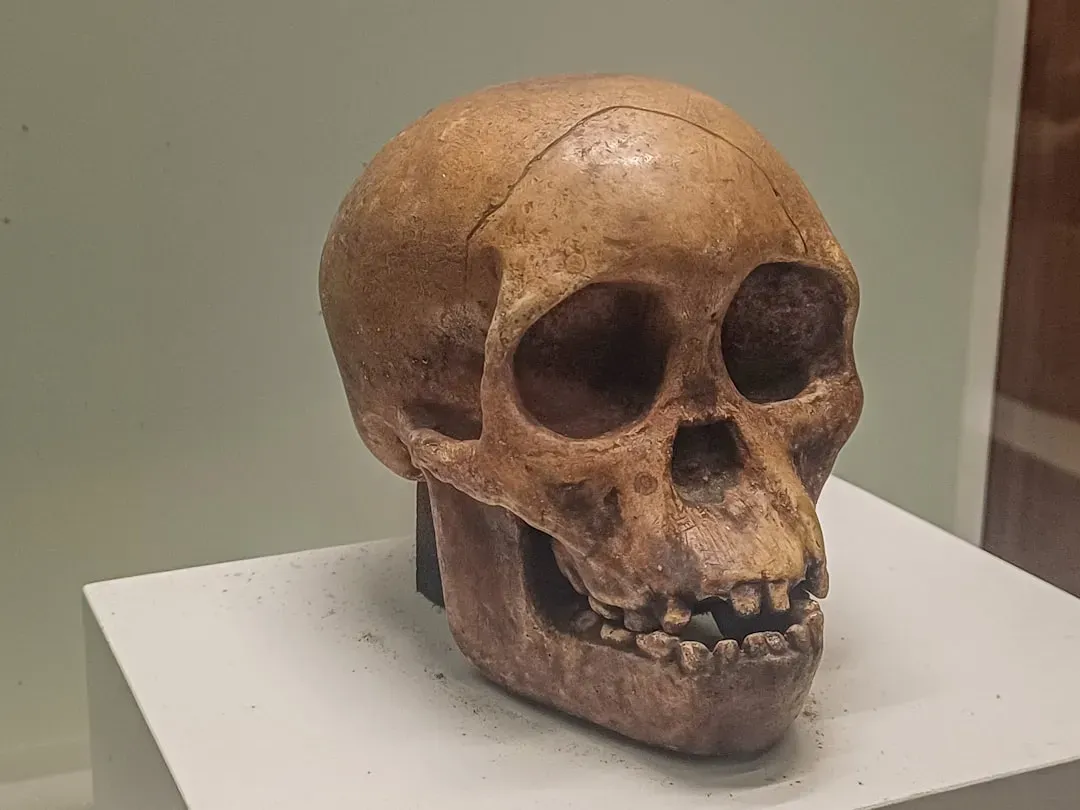
These discoveries don’t just rewrite obscure footnotes for archaeologists; they reshape how we see ourselves right now. The idea that we descend from a single, pure lineage turns out to be a comforting myth. The reality is far richer: we are the outcome of countless crossings, borrowings, and reinventions, with DNA from now-vanished cousins and cultural tools shaped by many different environments. In a world where people still cling to rigid ideas about race, purity, and fixed identities, that matters a lot.
Knowing our past is messy, mixed, and full of lost branches can be strangely freeing. It underlines that change, movement, and blending are not bugs in the system; they are the system. When I think about that, today’s world of migration, mixed cultures, and rapid adaptation feels less like a historical anomaly and more like a continuation of what humans have always done. We are, and have always been, a patchwork species, stitched together across time, space, and memory – and the more we dig, the more that patchwork comes into focus.