It feels almost impossible that in 2026, with probes on Mars, a helicopter in thin Martian air, and telescopes staring deep into the universe, we still haven’t finished mapping our own backyard. Yet that’s exactly where we are. Our solar system is more like a half-explored ocean than a neatly labeled diagram from a school textbook, hiding worlds so small, dark, distant, or strange that they’ve completely escaped us so far.
Over the last few decades, scientists have been repeatedly surprised: by active volcanoes on a tiny moon, liquid oceans under ice, and dwarf planets with atmospheres that come and go. Each discovery has quietly whispered the same message: there is much more out there. The most astonishing part? Some of the most intriguing, possibly even life-friendly places are right here, orbiting the same star we wake up under every day.
Hidden Oceans Beneath Frozen Shells
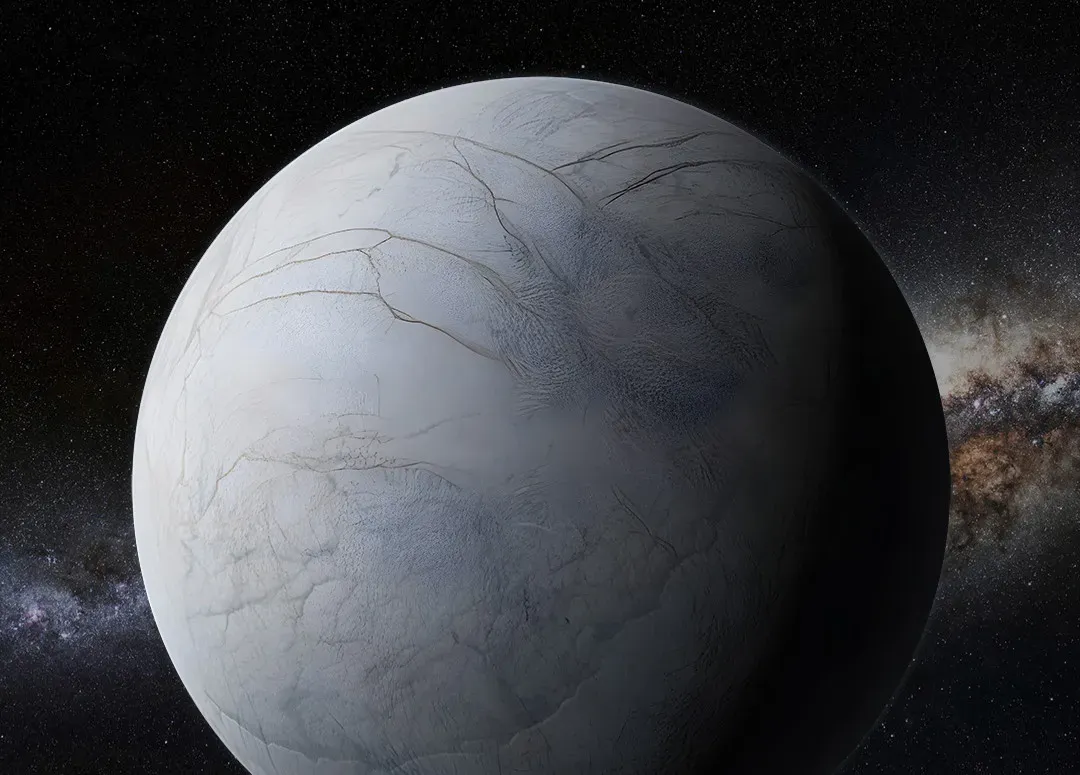
Imagine an ocean bigger than all of Earth’s combined, kept warm in the dark, sealed beneath an ice shell thicker than the height of Mount Everest. That’s not science fiction; it’s what scientists now strongly suspect is happening on moons like Europa, Enceladus, and possibly several others. Instead of sunlight, these oceans are heated by tidal forces and internal energy, turning icy balls into dynamic water worlds.
What we still haven’t seen directly are the full landscapes and chemistry inside those oceans, or how many such hidden seas actually exist in our solar system. Some models suggest that ocean worlds might be the most common type of habitable environment near us, vastly outnumbering Earth-like planets with exposed surfaces. In other words, the solar system might be dominated by unseen blue planets, not in the sunlight, but beneath layers of frozen white.
The Dark Frontier Beyond Neptune
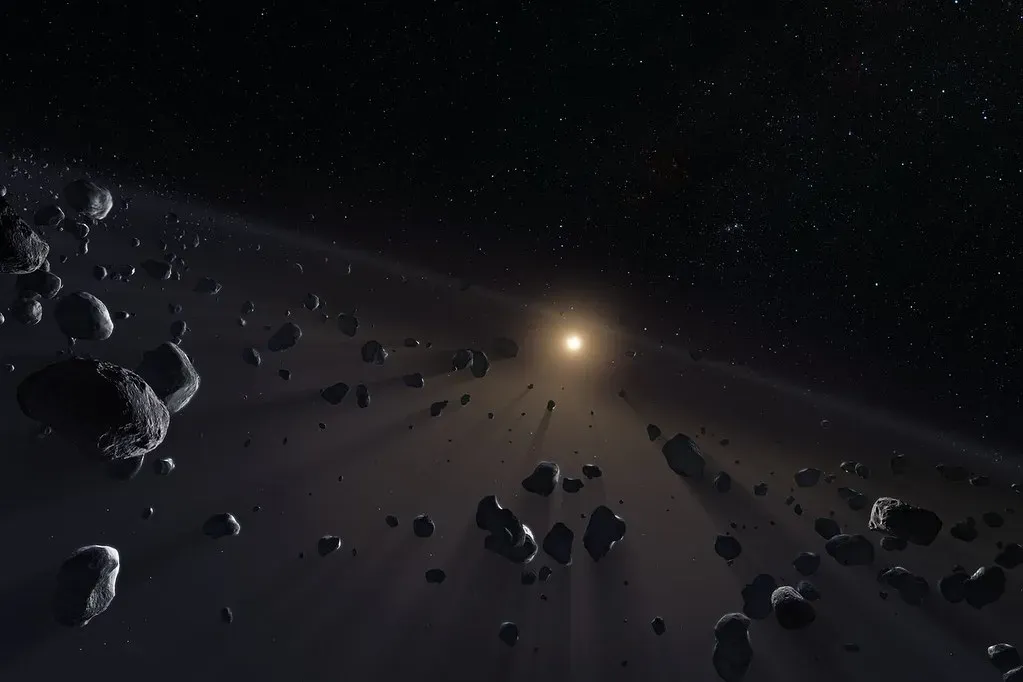
Far beyond Neptune, sunlight is so weak that even bright objects turn ghostly and faint, and that’s where a vast population of icy bodies quietly orbits the Sun. We’ve only mapped a tiny fraction of this region, called the Kuiper Belt and beyond, yet we already know it holds dwarf planets, strange binaries, and objects with bizarre orbits that hint at something big tugging on them. Every new survey adds a few more pieces, but it’s like trying to understand a forest after looking at a few scattered trees at night.
The truth is, we’re missing most of the story out there. Our telescopes and surveys are improving, but many distant worlds are simply too small, too dim, and too slow-moving to detect easily. Somewhere in that darkness may be dwarf planets as interesting as Pluto or even stranger – rugged, layered, possibly geologically active objects that will remain completely unknown until we aim the right tools in the right direction for long enough.
The Controversial Possibility of Planet Nine
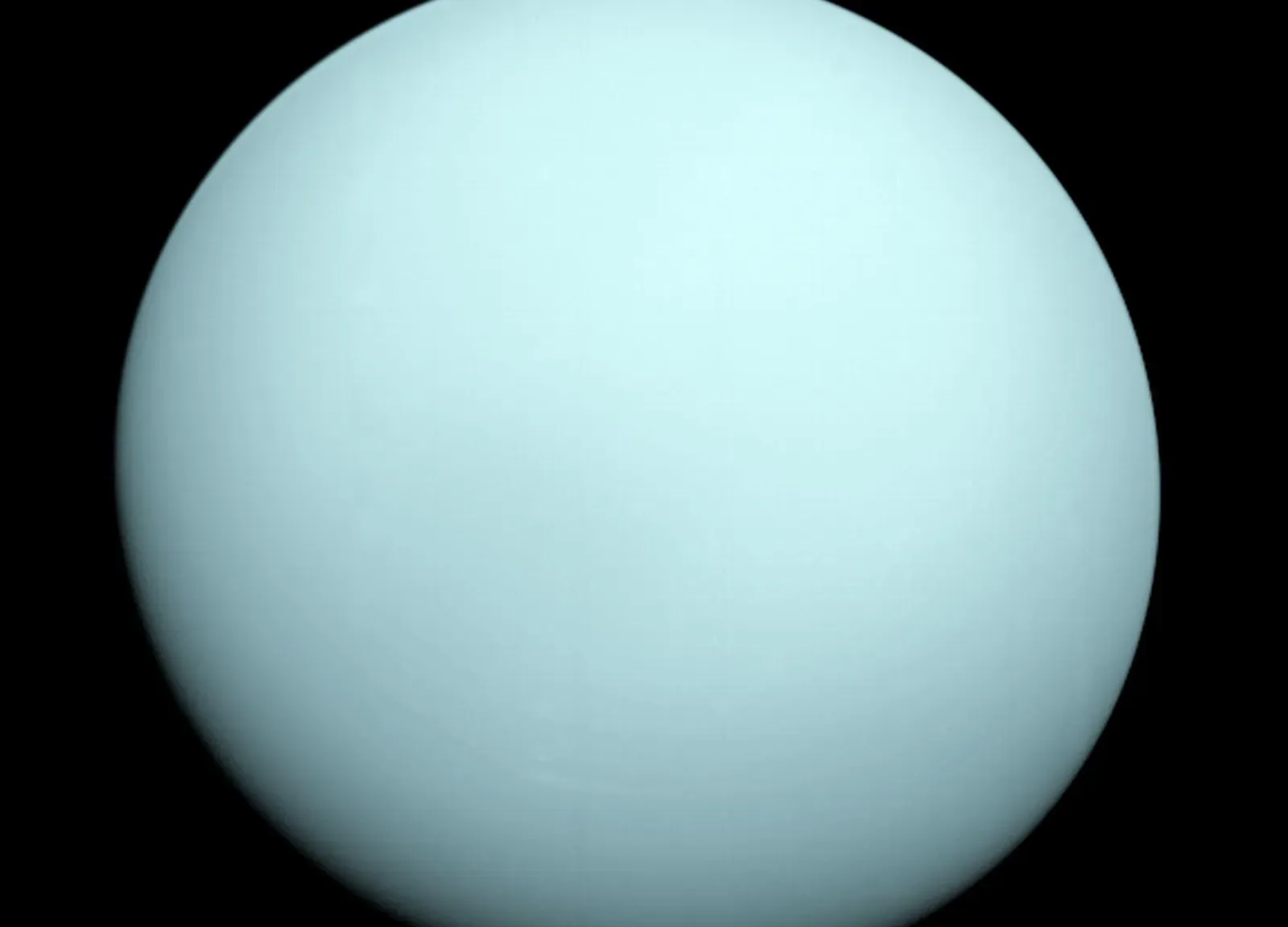
One of the boldest ideas in modern planetary science is that our solar system might still be hiding a full-sized planet far beyond Pluto. Some distant icy bodies seem to move in clustered, oddly tilted orbits, and one possible explanation is the gravitational pull of a massive, unseen world, often called Planet Nine. It wouldn’t look anything like Earth; it might be a cold, distant, mini-Neptune, taking tens of thousands of years to orbit the Sun once.
Not everyone agrees it exists, and that disagreement is healthy. Some researchers argue that the weird orbits could be a statistical mirage or the result of observational bias, since we don’t search the sky evenly. But the fact that this debate is even serious shows how incomplete our picture of the solar system still is. Until deep, dedicated surveys sweep more of the sky to the faintest levels, we can’t confidently say whether Planet Nine is a real, mysterious neighbor or just a clever mathematical ghost.
Trojan Hideouts and Co-Orbital Companions
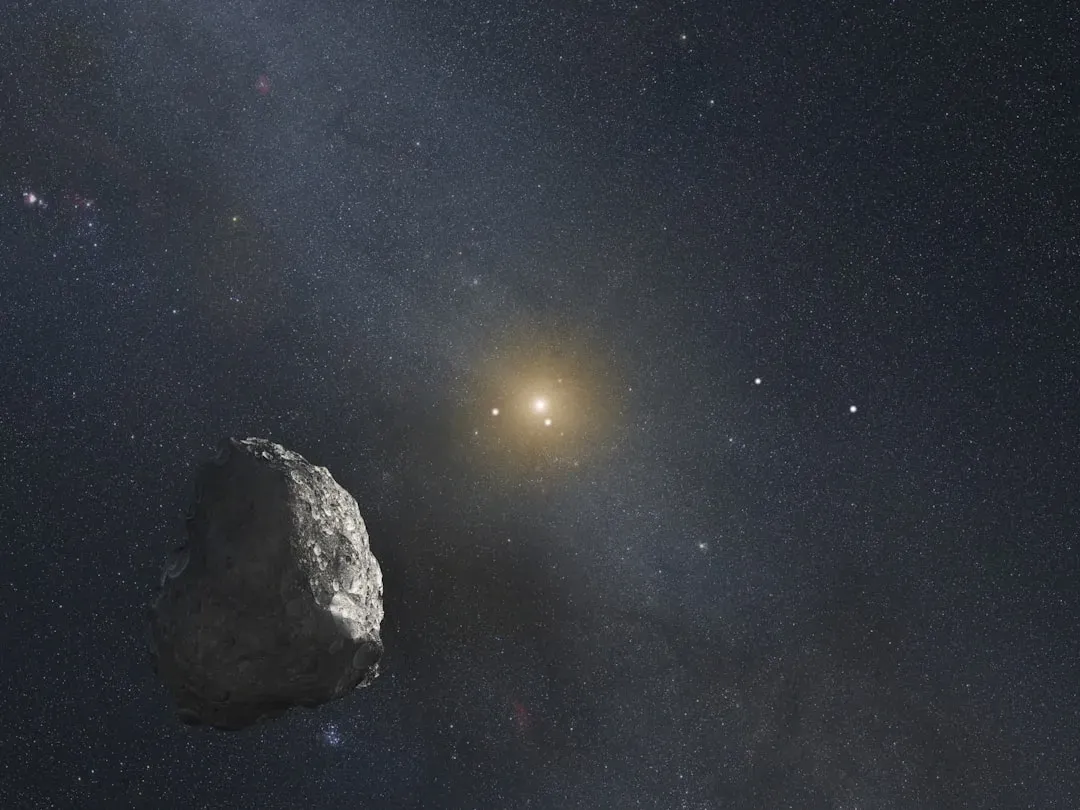
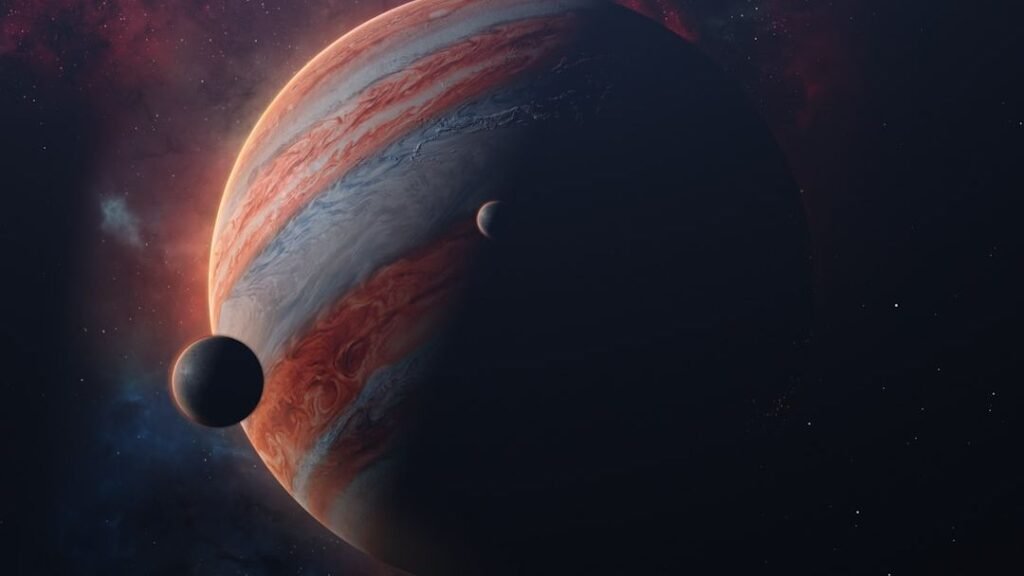
It’s easy to picture each planet as a lonely traveler on its path around the Sun, but reality is messier and more interesting. In certain gravitational sweet spots – called Lagrange points – asteroids can share a planet’s orbit, leading or trailing it like quiet companions. Jupiter’s Trojan asteroids are famous, but other planets, including Earth, also have these hidden hitchhikers, some of which we’ve only just started to detect properly.
Because these regions are stable, they can trap material for billions of years, turning Trojans into fossil time capsules of the early solar system. We’ve barely begun exploring them in detail, and missions are only now targeting these clusters more seriously. It’s entirely possible that there are surprises waiting there: binary asteroids, contact binaries shaped like peanuts, or even objects with unique chemistry that don’t fit neatly into what we think we know.
Subtle Shadows: Tiny Moons and Fleeting Rings
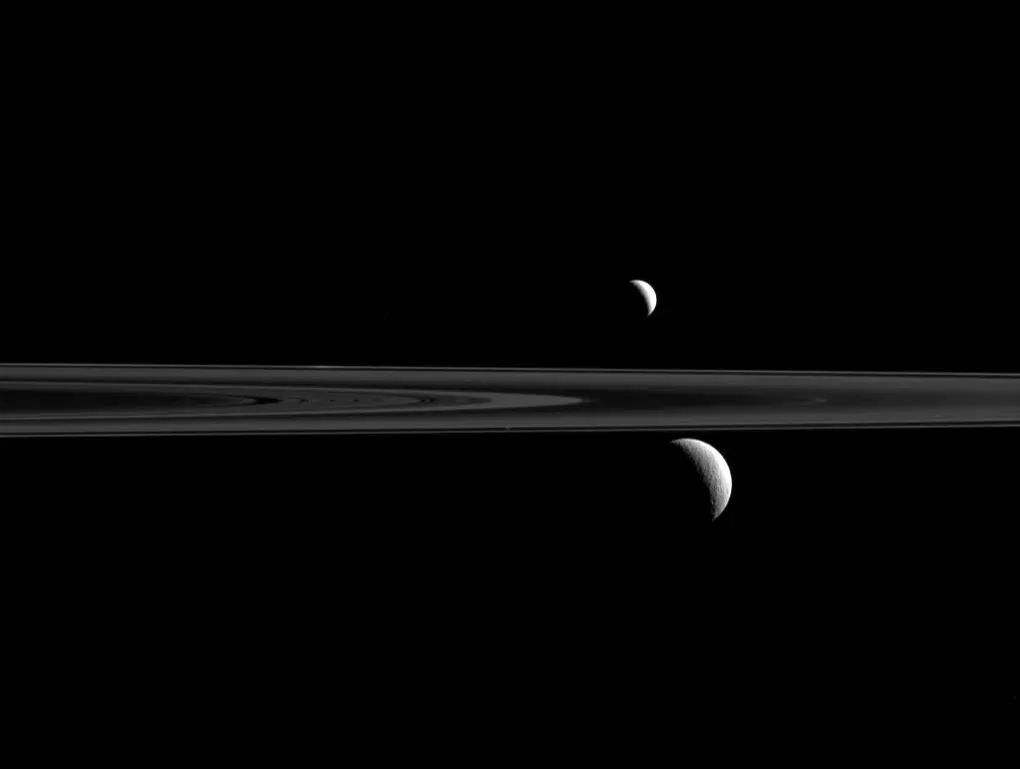
Not all unseen worlds are big; some are so small they’re almost more idea than object until you catch them in the act. Many planets and dwarf planets likely host tiny moons – irregular, lumpy, and faint – that are simply too dim or too close to their parent body for current instruments to pick out easily. Saturn alone has had dozens of additional small moons found over the years, and there may be more still hiding in its complex system of rings and gaps.
Then there are the even more delicate structures: faint rings around planets and even small bodies like Chariklo and Haumea, discovered only when they briefly blocked the light of a distant star. Those kinds of events, called occultations, are short and tricky to catch, but they reveal that apparently plain objects can have intricate, unsuspected architectures. It’s not unrealistic to think there are still moons, arcs, and wispy rings out there that we’ve never seen, simply because we weren’t looking at the right place at the right moment.
Half-Explored Moons of Familiar Planets
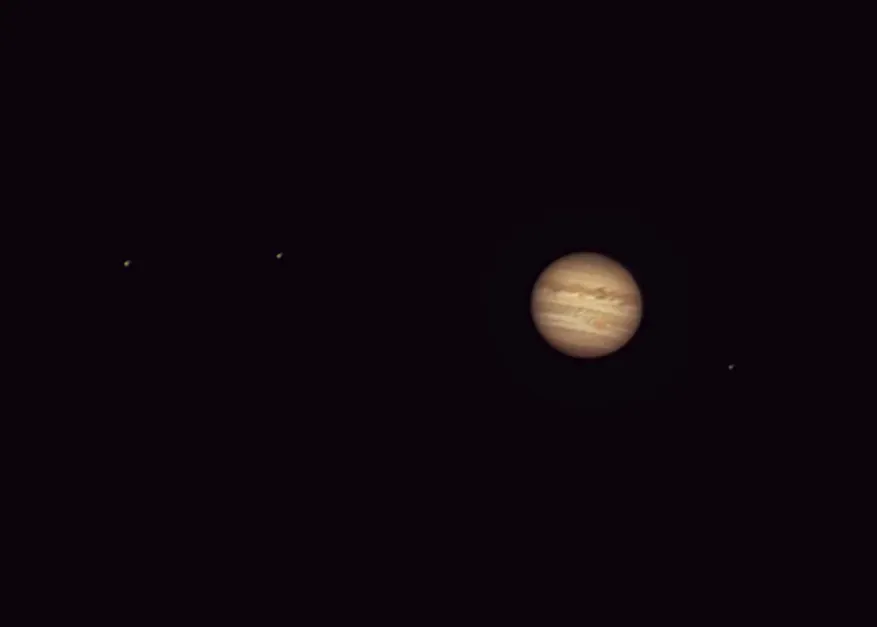
Some of the most overlooked unseen worlds are the ones we’ve already photographed, but never really studied in depth. Think of Uranus’s and Neptune’s moons: some were glimpsed in a quick flyby decades ago and then effectively forgotten by our spacecraft. Those brief encounters showed hints of geological activity, canyons, impact scars, and maybe even internal heating, but then the camera turned away and never came back.
If we sent orbiters there in the future, we might find cryovolcanoes, resurfaced plains, layered ice, and perhaps even underground oceans similar to Europa’s or Enceladus’s. These moons are like old snapshots of friends you never got to know properly, faces captured in a rush with a film camera and then left in a shoebox. They’re not just background scenery for their planets; they’re independent worlds with their own histories that we’ve barely skimmed.
Faint Rocks in Deadly Orbits: The Inner System’s Blind Spots
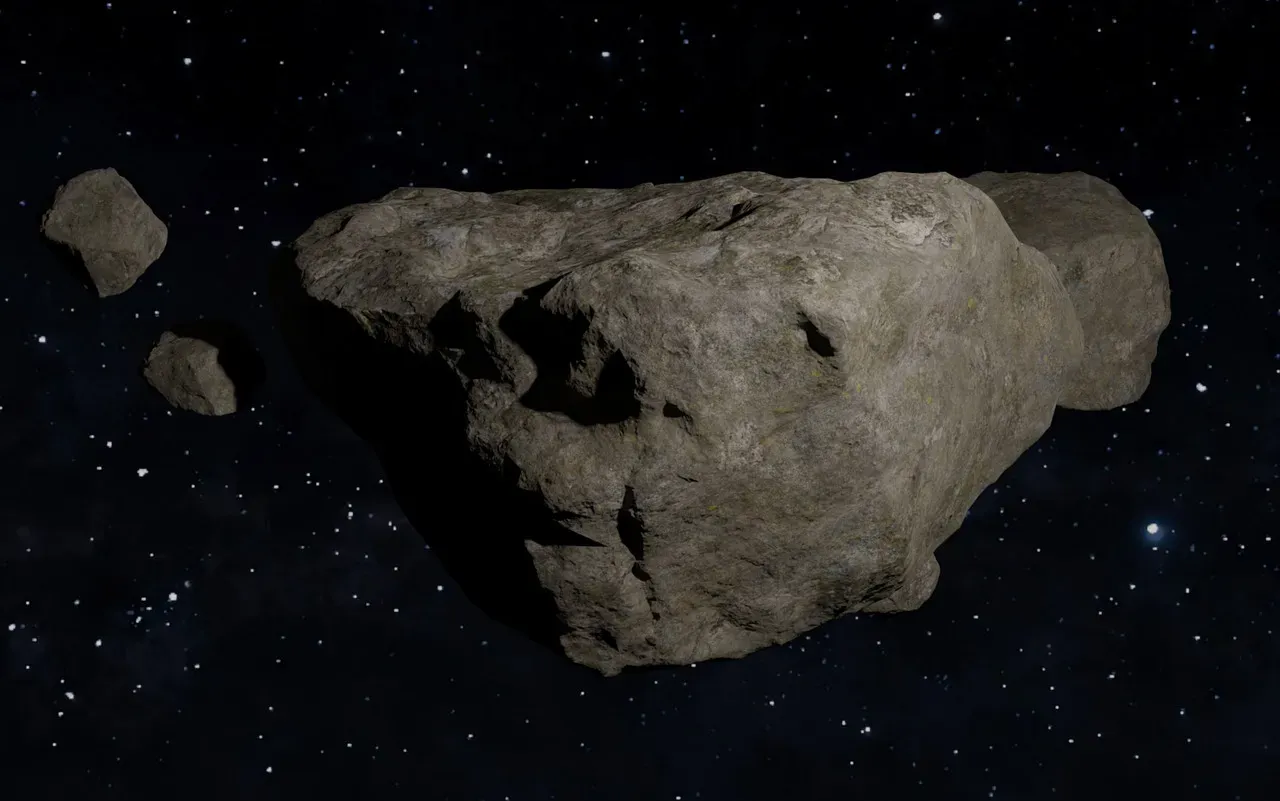
It’s surprisingly hard to spot small objects hurtling close to the Sun or near Earth’s orbit, even though they’re physically much closer than the distant icy worlds. Near-Earth asteroids, tiny shards of rock, and sun-hugging objects can hide in the Sun’s glare or approach us from angles where our telescopes are nearly blind. Over the last years, surveys have improved a lot, but new, unexpectedly large near-Earth objects still occasionally turn up later than anyone would like.
These inner-system bodies might not be “worlds” in the usual sense, but many are big enough to be complex: rubble piles held together by weak gravity, rotating so oddly that they shed material into temporary mini-rings or clouds. Some may even host tiny companion moons. Tracking and understanding them isn’t just a matter of curiosity; it also matters for planetary defense and resource planning, showing that our ignorance about them has very real, practical stakes.
A Familiar Sky, Still Full of Secrets
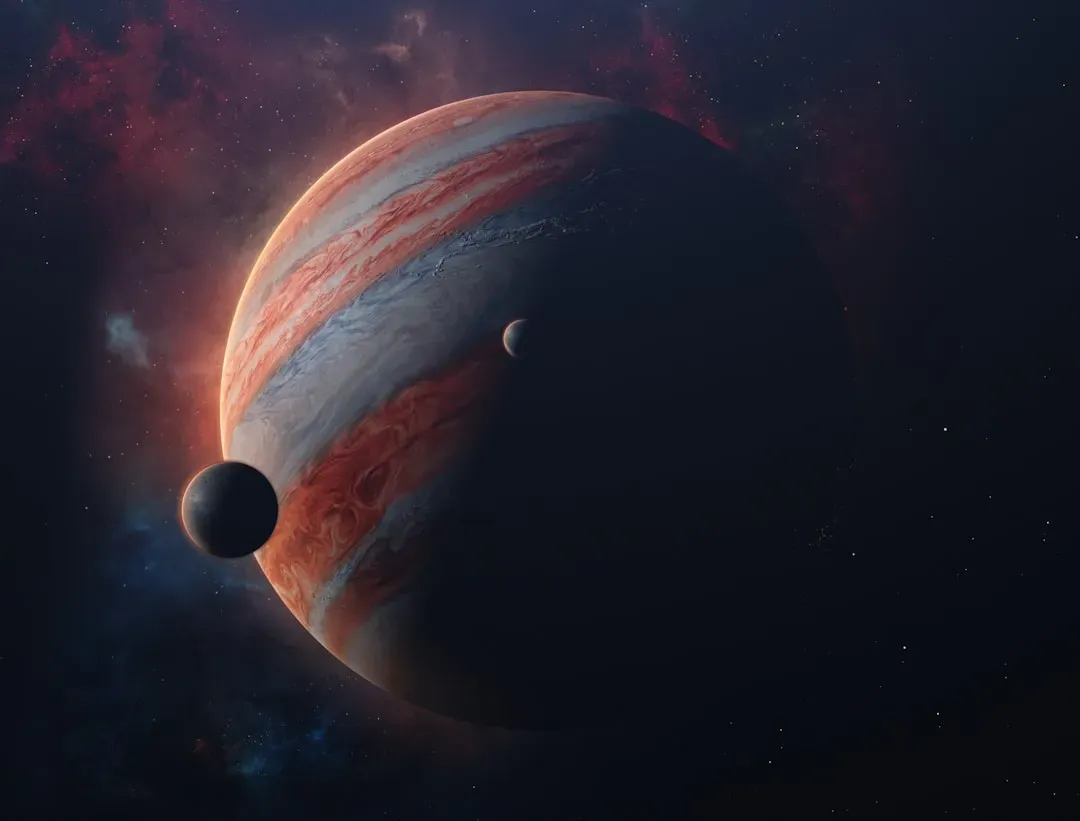
For all our maps and models, our solar system is still an unfinished story, full of missing pages and half-seen characters lurking in the margins. From buried oceans under ice to distant dwarf planets in the dark, from possible hidden giants to tiny moons clinging to the edges of rings, every new discovery keeps reminding us that we’ve been underestimating the richness of the space around us. It feels less like we live in a neat, solved neighborhood and more like we’re still surveying the first few streets in a vast, unlit city.
Personally, that gap between what we think we know and what’s actually out there is the most exciting part. It means the next breakthrough might come from a faint blip in survey data, a brief star-dimming event, or a mission that finally revisits a long-ignored moon. The unseen worlds are not in some distant galaxy; they’re orbiting the same Sun that rises outside your window. Which hidden corner of our own cosmic backyard do you think will surprise us first?