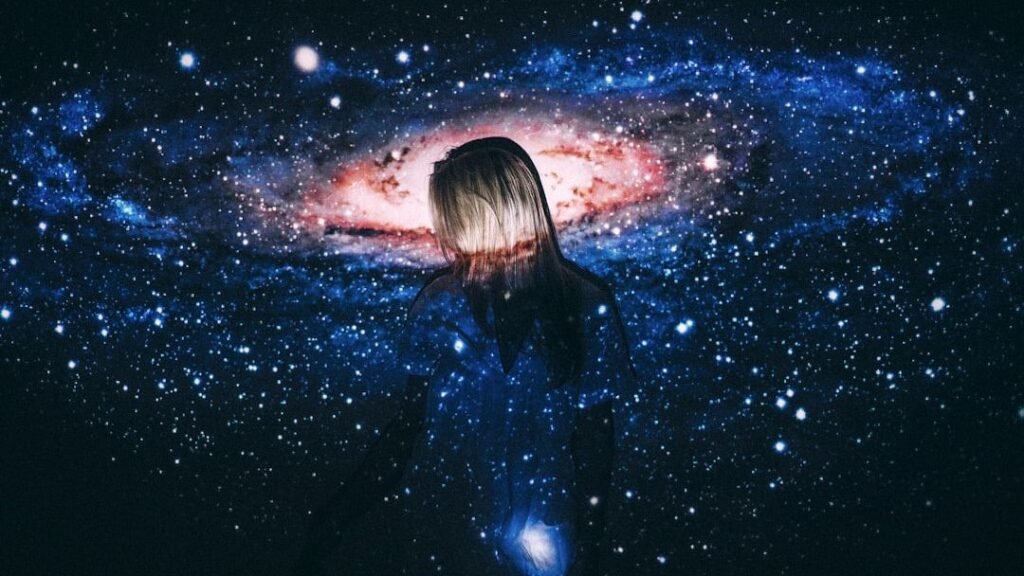

What if everything you’ve ever believed about your mind being locked inside your skull turned out to be wrong? Not just a little wrong. Completely, fundamentally, gloriously wrong. Science has spent decades telling us that consciousness is simply neurons firing, chemicals exchanging, electrical pulses racing through tissue. A brain-made storm in a biological cup. That’s the official story, anyway.
But now? A wave of groundbreaking research is shaking that story at its foundations. Physicists, neuroscientists, and cosmologists are starting to ask a question that sounds almost too strange to take seriously: what if your consciousness is not contained by your body at all, but is instead connected to the very fabric of the universe itself? What you’re about to read will challenge how you think about your own mind. Let’s dive in.
The Idea That Changes Everything: Consciousness as a Cosmic Foundation
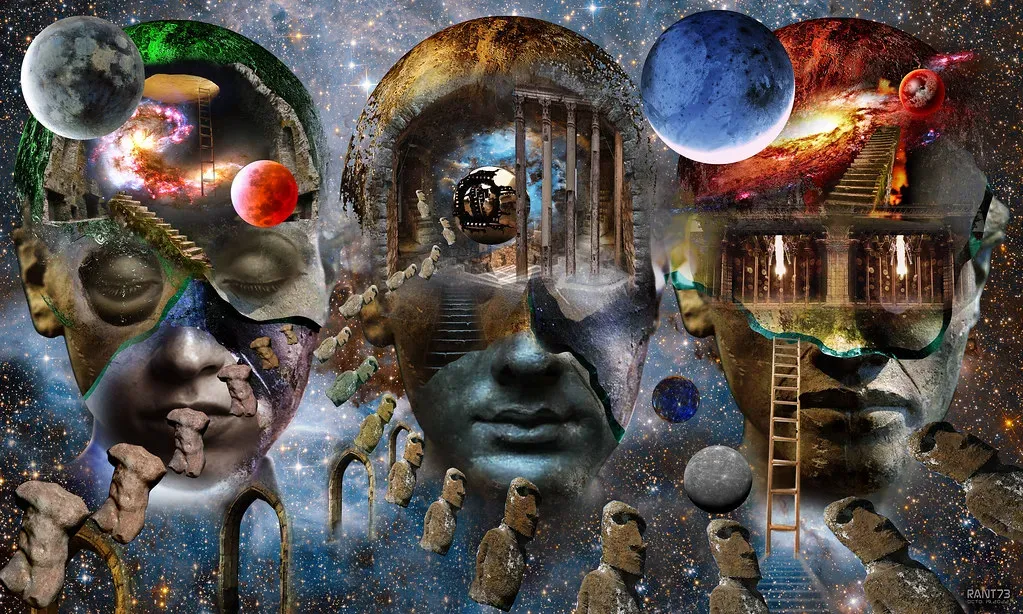
Here’s the thing. For most of modern science, the brain has been treated as the obvious home of consciousness. You think because you have neurons. Simple as that. The prevailing assumption has been that consciousness is a byproduct of brain activity, something that simply emerges once biology gets complex enough. Convenient, tidy, and, according to a growing number of researchers, almost certainly incomplete.
A bold new theoretical model now proposes the exact opposite: consciousness is fundamental, and only thereafter do time, space, and matter arise. This framework was presented by Maria Strømme, Professor of Materials Science at Uppsala University, published in AIP Advances. The paper proposes that consciousness is not an emergent property of neural processes but a foundational aspect of reality, building upon insights from quantum field theory and non-dual philosophy, and introducing a model based on the three principles of universal mind, universal consciousness, and universal thought. Honestly, that is one of the most radical scientific statements you will encounter in your lifetime.
Before the Big Bang: Where Did Consciousness Come From?
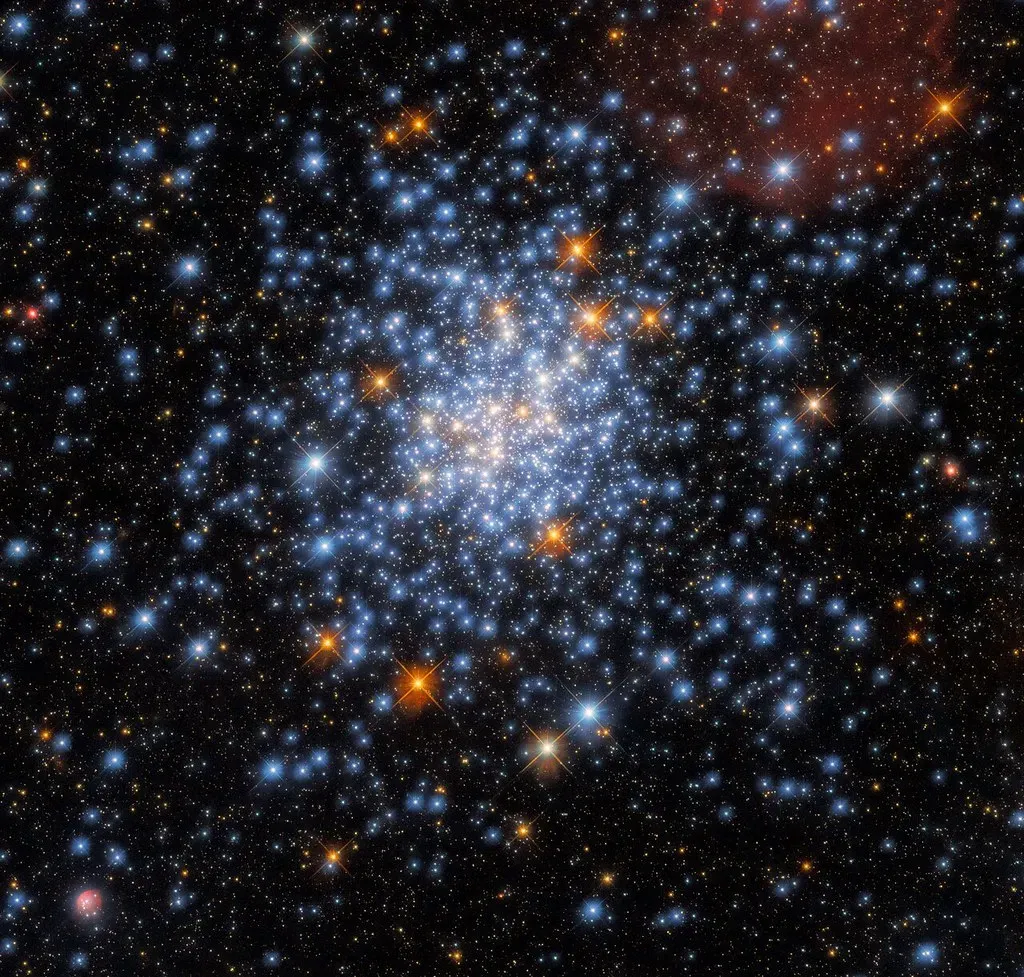
One of the most provocative claims in recent consciousness research is a peer-reviewed paper published in AIP Advances that proposed that “universal consciousness” may have existed before the Big Bang, functioning not as a byproduct of matter but as a foundational feature of reality itself. Think about that for a moment. Not matter first, then awareness. Awareness first, then everything else. It’s the kind of idea that makes your brain do a double take.
The quantum vacuum, for instance, is understood as the foundational state of the universe, containing the potential for all physical phenomena. Similarly, pre-Big Bang models in cosmology describe a timeless, spaceless domain from which the observable universe is thought to have emerged. Such claims remain hotly debated by researchers, although they reflect a growing willingness among scientists to explore questions about consciousness, whether it is purely emergent or could play a deeper role in shaping the universe. The result has been a reignition of discussions long relegated to philosophy, now increasingly framed through modern cosmology and theoretical physics.
Microtubules: The Tiny Structures That Might Link You to the Quantum Universe
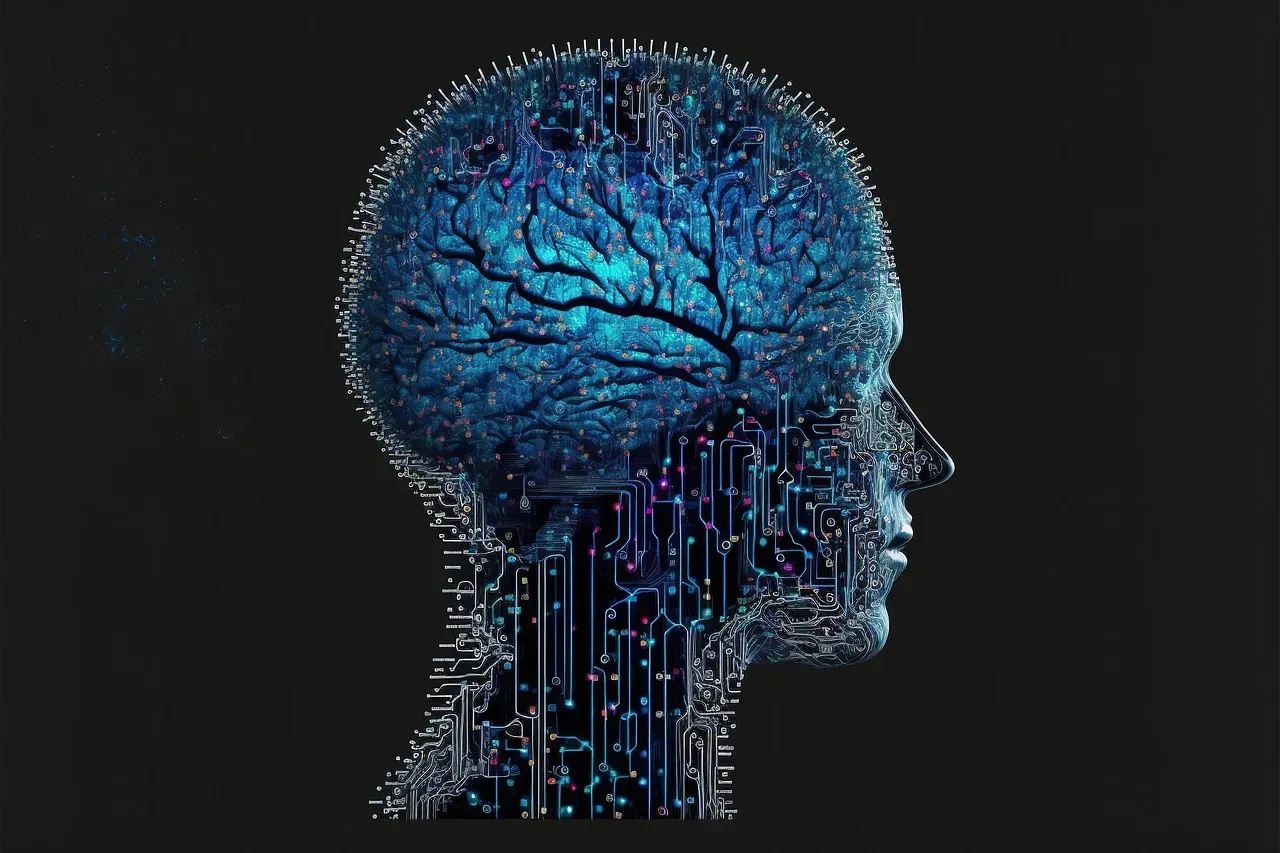
A groundbreaking experiment in which anesthesia was administered to rats has convinced scientists that tiny structures in the rodents’ brains are responsible for the experience of consciousness. To pull it off, these microscopic hollow tube structures called “microtubules” don’t rely on everyday classical physics. Instead, experts believe microtubules perform incredible operations in the quantum realm. You might think of microtubules the same way you’d think of fiber optic cables inside a skyscraper. They’re the hidden infrastructure making the whole thing run.
The notion that quantum physics must be the underlying mechanism for consciousness first emerged in the 1990s, when Nobel Prize-winning physicist Roger Penrose and anesthesiologist Stuart Hameroff popularized the idea that neural microtubules enable quantum processes in our brain, giving rise to consciousness. A groundbreaking study has now provided experimental evidence suggesting a quantum basis for consciousness, by demonstrating that drugs affecting microtubules within neurons delay the onset of unconsciousness caused by anesthetic gases, supporting the quantum model over traditional classical physics theories. The science is no longer purely theoretical.
Quantum Entanglement Inside Your Brain: You Are Already Connected
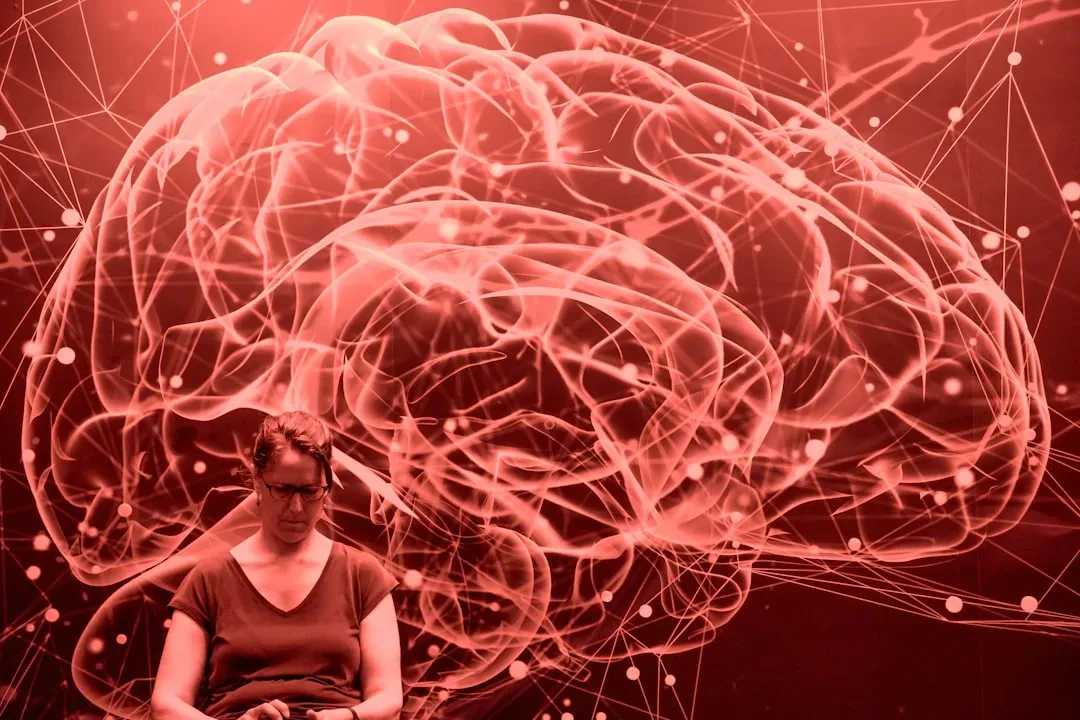
Quantum entanglement is a phenomenon in quantum physics where two or more particles become so deeply linked that the state of one instantaneously influences the state of the other, no matter how far apart they are. Now here is where things get truly mind-bending. Scientists are beginning to suggest this same phenomenon might be happening right inside your skull, between billions of firing neurons.
An August 2024 study in the journal Physics Review E proposes that a fatty material called myelin, which sheaths the brain cell’s axon, provides the ideal environment for this entanglement. Because quantum entanglement links objects instantly regardless of distance, every collapse in your cortex might already be braided with particles beyond Earth. Penrose’s equations even allow those linkages to stretch across the cosmos, hinting that subjective experience could share the same physical substrate as spacetime itself. Let that sink in. Your thoughts might not stop at your skin.
The Zero-Point Field: Your Brain May Be Tuned Into the Universe’s Hum
New evidence published in Frontiers in Human Neuroscience indicates that conscious states may arise from the brain’s capacity to resonate with the quantum vacuum, the zero-point field that permeates all of space. If that sounds like science fiction, it isn’t. The zero-point field is a well-established concept in physics. It is the lowest possible energy state of a quantum system, and it exists absolutely everywhere, filling the cosmos like an invisible ocean.
This insight results from a synthesis of brain architectural and neurophysiological findings supplemented with quantitative model calculations. The novel synthesis suggests that the brain’s basic functional building blocks, cortical microcolumns, couple directly to the zero-point field, igniting the complex dynamics characteristic of conscious processes. Researcher Peter Verheyen of the Sola Society and Academy at Vienna University explores the notion that the conscious reality we experience as human beings is drawn from information constantly emitted from the real physical world, arguing that the real physical world is akin to a giant quantum computer that gives rise to consciousness itself. The universe, in other words, could be the machine your mind runs on.
Consciousness May Be Far Older and More Widespread Than You Think
Neuroscientists and cognitive researchers have increasingly argued that consciousness may be far older and more widespread than traditionally believed. Studies examining simple organisms, brain networks, and evolutionary pathways, undertaken by researchers at Ruhr University Bochum, suggested that rudimentary forms of awareness could predate complex nervous systems throughout the animal kingdom. In other words, consciousness might not be a human invention at all. It might be something much older, woven into life from its very beginning.
Rather than being the apex of the human evolutionary process, researchers argue that consciousness “rather represents a more basic cognitive process, possibly shared with other animal phyla.” This reframing has major implications not only for how scientists define consciousness but also for how humans understand their relationship to other life forms. The hypothesis posits that the principles of quantum mechanics are not confined to the invisible tapestry of the subatomic world but are intrinsically linked to the very essence of human experience, consciousness itself. Consciousness, it seems, may be the rule of the universe, not the exception.
What Happens to Your Consciousness When You Die?
Let’s be real. This is the question everyone’s really thinking about. The new theoretical framework suggests that our individual consciousness does not cease at death, but returns to the universal field of consciousness from which it once emerged, a conclusion that has also been formulated in quantum-mechanical terms. That’s a remarkable scientific claim, and it echoes what philosophical and spiritual traditions around the world have been saying for thousands of years.
This process resonates with Wheeler’s participatory universe, in which reality is not passively observed but actively co-created through conscious interaction, with conscious acts of observation being integral to the manifestation of physical events. More broadly, a quantum understanding of consciousness “gives us a world picture in which we can be connected to the universe in a more natural and holistic way.” For now, the universe-wide consciousness model remains a daring explanation rather than proven fact. Still, each year brings fresh data that chips away at the classical firewall between mind and matter, and the conversation is shifting from “if” to “how.”
Conclusion
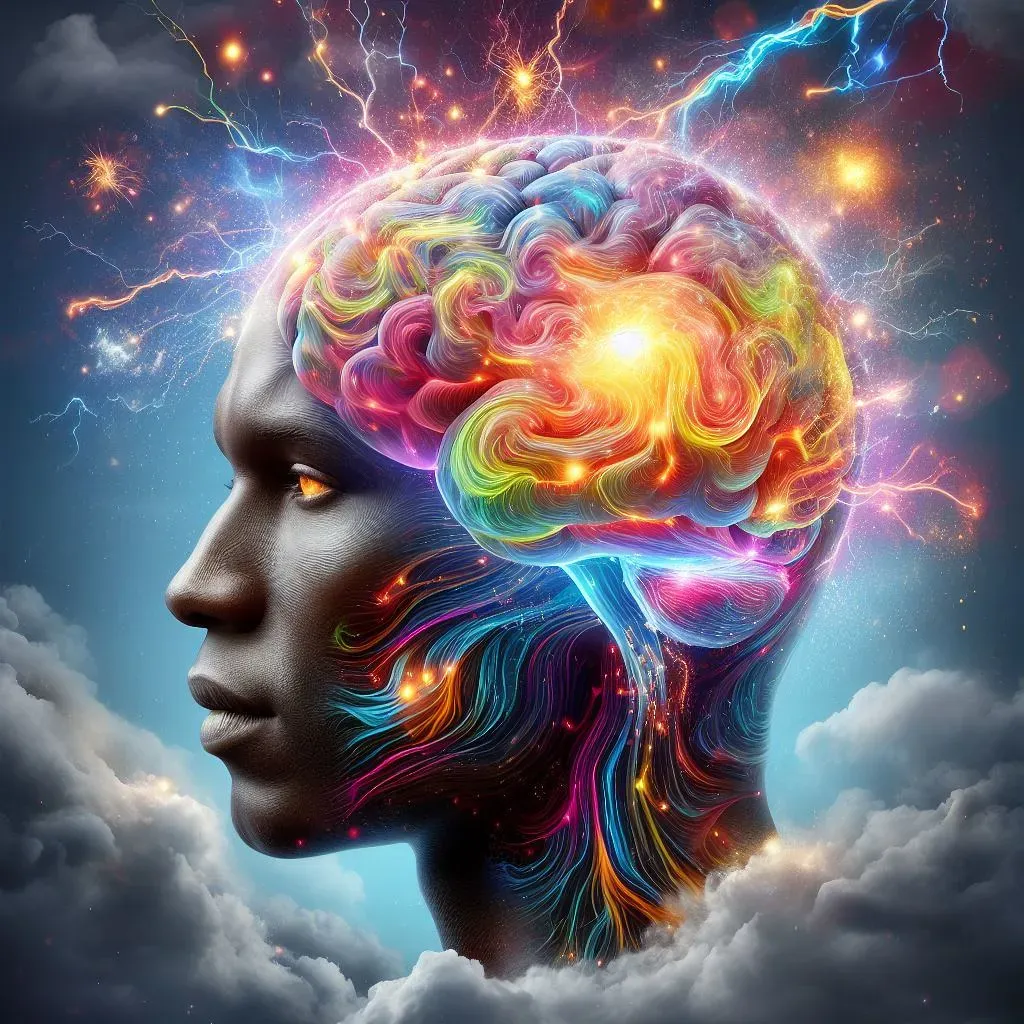
It’s hard to say for sure where all of this leads, scientifically speaking. The research is real, the questions are legitimate, and the implications are staggering. You might be walking around every day carrying something far more remarkable than you realize: a mind that doesn’t just exist inside the universe, but is in some deep and measurable way, part of it. This quantum perspective could revolutionize our understanding of consciousness and its broader implications, potentially impacting the treatment of mental illnesses and our understanding of human connection to the universe.
Science is still doing the painstaking work of testing, verifying, and debating these ideas. Not every researcher is convinced, and that’s healthy. Skepticism is how good science survives. Strømme believes this may be the beginning of a new way of viewing the universe and the lives we perceive ourselves to be living, and her article offers several testable predictions within physics, neuroscience, and cosmology. The frontier is real. The conversation is alive. And you, staring at a screen right now, may be far more connected to the cosmos than any of us have ever dared to believe. What do you think about that? We’d love to hear your thoughts in the comments.