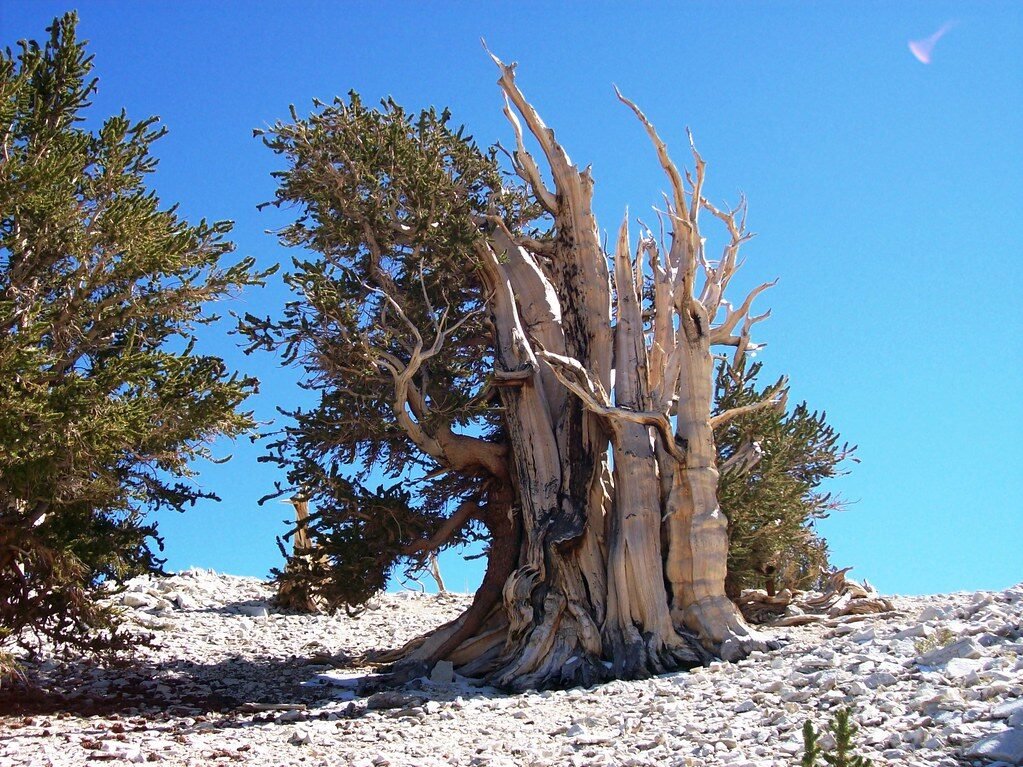

Imagine standing in a forest where some of the trees around you were already ancient when the Egyptian pyramids were being built. Not old in the way that a grandmother’s rocking chair is old, but genuinely, staggeringly old, in a way that makes your own lifespan feel like a brief footnote. These extraordinary living organisms have silently watched civilizations rise and crumble, ice ages shift, and climates swing wildly, and they carry all of it inside them, written in wood.
The idea that a tree could serve as a natural diary of Earth’s climate is one of those things that sounds almost too elegant to be true. Yet scientists have been reading these wooden chronicles for decades, and what they are uncovering is nothing short of remarkable. If you want to understand where our climate has been, and perhaps where it is heading, the oldest trees on the planet are an excellent place to start. Let’s dive in.
Methuselah: The Ancient One With a Hidden Address
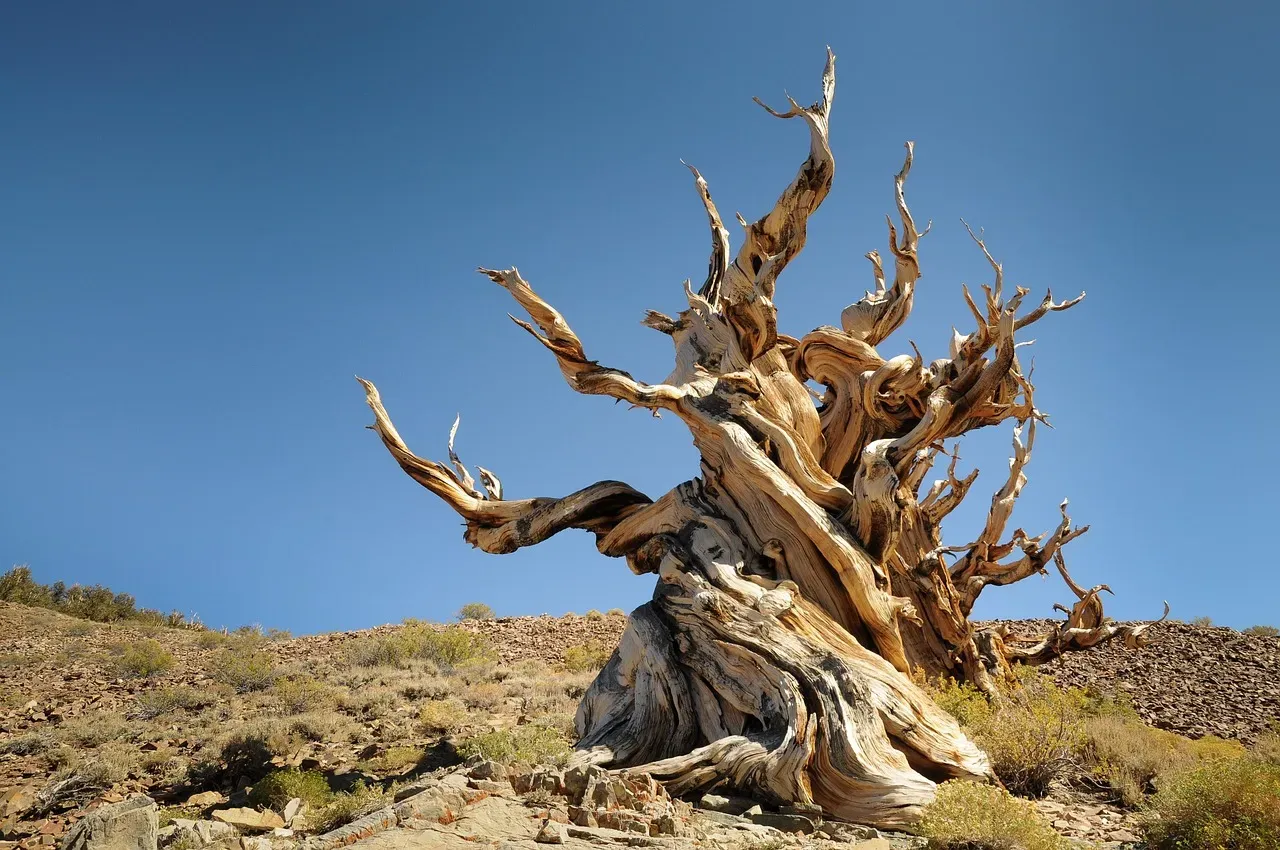
You might think a tree nearly five thousand years old would be easy to find on a map. Honestly, you would be wrong. Methuselah, the Great Basin bristlecone pine, holds the crown for the oldest known non-clonal tree, and its precise location is kept secret to protect it from vandalism and environmental damage. There is something poetically fitting about that, a tree so important to our understanding of Earth’s past that scientists hide it in plain sight.
Discovered in 1957 by scientist Edmund Schulman, its age is estimated to be 4,856 years, which would mean it germinated around 2832 BCE, making it older than the great pyramids of Egypt. Think about that for a moment. While the ancient Egyptians were mixing mortar and hauling limestone, this tree was already a sapling pushing up through rocky soil in California’s White Mountains. Its entire existence is a living bridge across human history.
The Science Behind the Rings: How Trees Encode Time
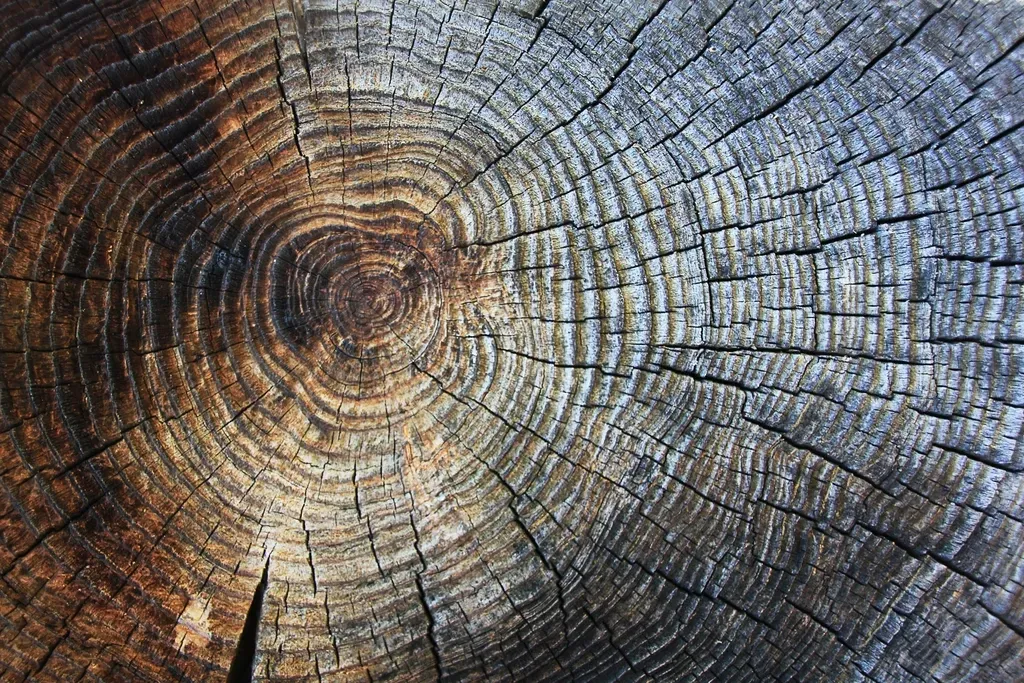
Dendrochronology is the scientific method of dating tree rings to the exact year they were formed in a tree, and it can give data for dendroclimatology, the study of climate and atmospheric conditions during different periods in history from the wood of old trees. It sounds technical, but the core idea is beautifully simple. Think of each ring as one page in a diary, written by the tree itself.
Each ring represents one year of growth, with wider rings indicating favorable conditions and narrower rings suggesting periods of stress. A thin ring in a dry year is like a sentence written in a cramped, anxious hand. A wide, lush ring speaks of abundance, good rain, warm sun, and ideal growing conditions. Growth layers appearing as rings in the cross section of the tree trunk record evidence of disastrous floods, insect attacks, lightning strikes, and even earthquakes that occurred during the lifespan of the tree.
Pando: The Forest That Is Actually One Single Tree
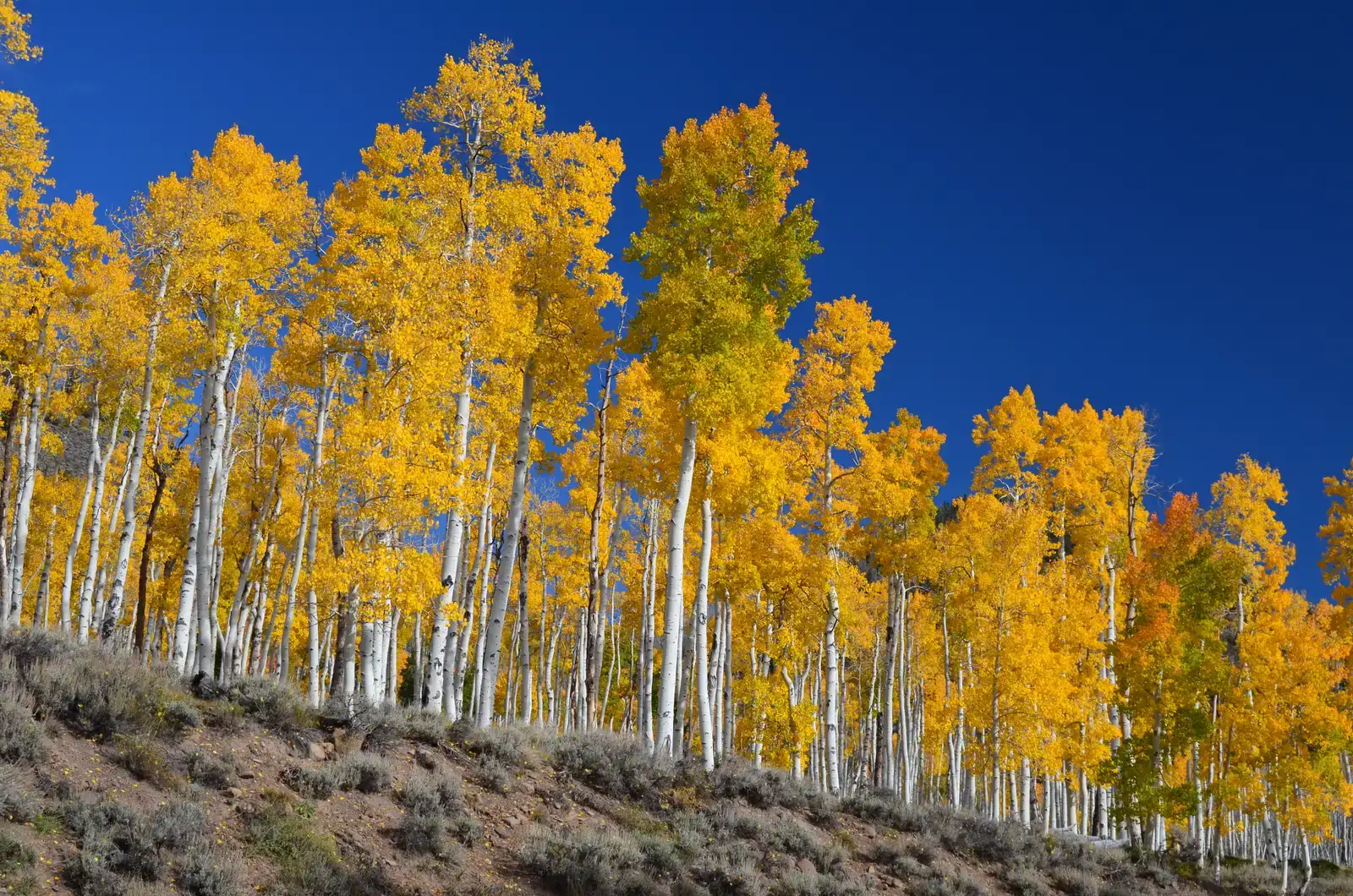
Here is where things get genuinely mind-bending. Not all ancient trees look like gnarled, solitary survivors perched on a mountainside. Some of them look like entire forests. Pando is the name of a quaking aspen clone located in Sevier County, Utah, and this male clonal organism has an estimated 47,000 stems that appear to be individual trees but are genetically identical parts of a single tree connected by a root system spanning 42.8 hectares.
Pando is also estimated to be the oldest living plant on Earth, with some research estimating it to be between 60,000 and 80,000 years old, which means it was alive during the last Ice Age. That makes it a climate witness of almost incomprehensible scale. Pando’s long-lived nature suggests it has survived droughts that have driven out human societies for centuries at a time. You cannot help but feel a little humbled by that.
Old Tjikko and the Mystery of Ancient Root Systems
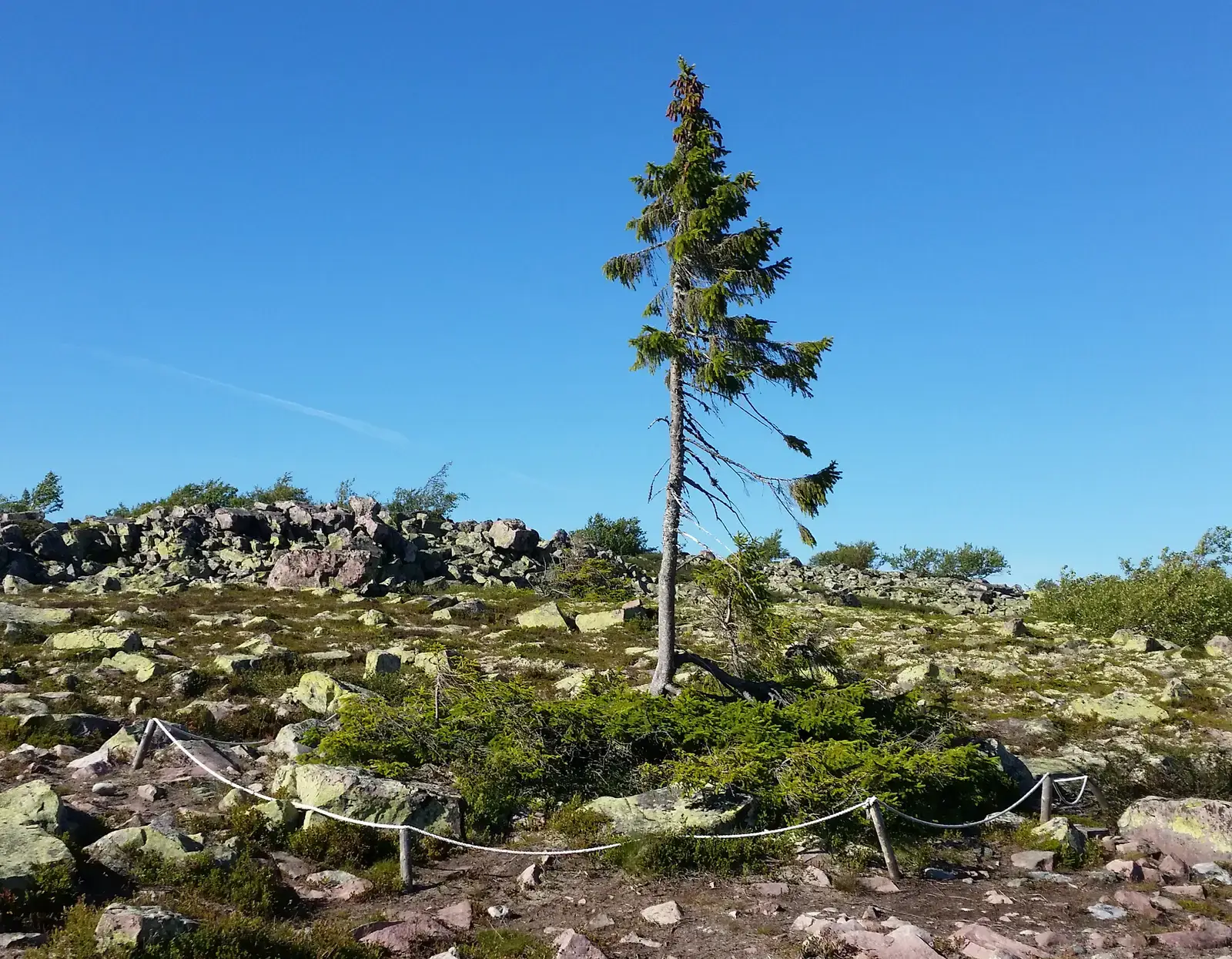
Sweden is not typically where you would look for the world’s oldest trees, yet tucked away in the mountains of Dalarna province stands Old Tjikko, a Norway spruce with a deeply surprising secret. Old Tjikko is the oldest known single-stemmed clonal tree, with a root system dated to approximately 9,567 years, while the visible trunk itself is only a few hundred years old. It is like discovering that a house built last century has foundations laid in the Stone Age.
What makes Old Tjikko fascinating from a climate perspective is precisely this combination of ancient roots and young trunk. The true record for longevity belongs to clonal colonies, where the age refers to the persistent underground root system or genetic material rather than the visible trunk, and these systems achieve immense age by continually regenerating new, genetically identical stems. The roots have essentially outlived countless climatic upheavals by simply regenerating what the surface conditions destroyed. That is survival strategy at its most elegant.
What Tree Rings Actually Tell Us About Past Climates
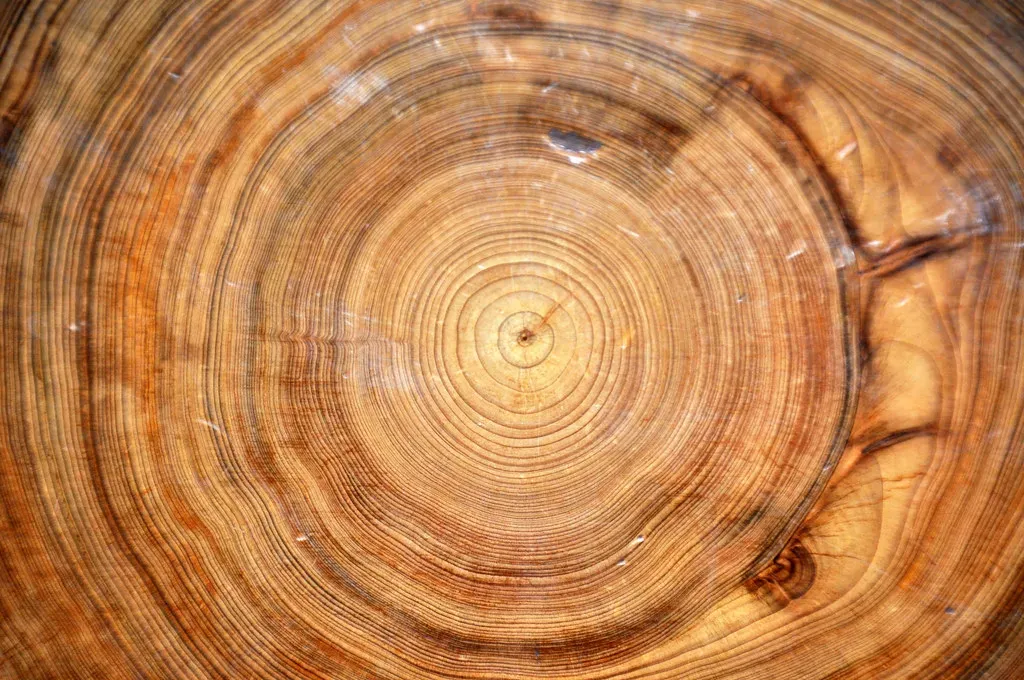
Dendrochronology provides critical data for understanding historical climate patterns and validating climate models, because tree rings create annual records of temperature, precipitation, and growing conditions extending back thousands of years, which climate scientists use to reconstruct past climate variability, identify natural climate cycles, understand how ecosystems responded to historical climate changes, and improve predictions about future climate impacts. That is an enormous amount of information packed into what looks like a simple pattern of circles.
In dry environments, such as the Middle East or the U.S. Southwest, tree rings typically record wet or dry years, and in cooler areas at high latitudes or high elevations, the ring widths are often a proxy for temperature. So the same science gives you different kinds of climate information depending on where the tree grew. It is like how the same type of diary entry, written by people in different cities, can tell you different things about the regional experience of a global event.
Master Chronologies: Stitching Centuries Together
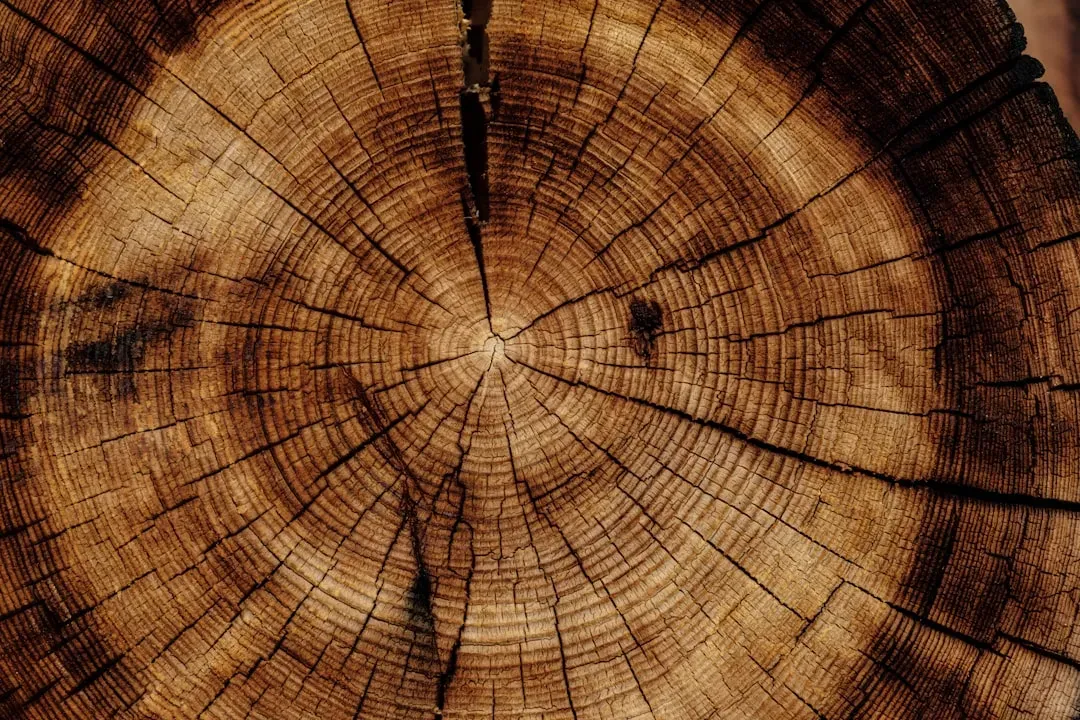
One living tree can only tell you so much. But what happens when scientists begin stitching together the ring records of living trees, dead trees, and ancient timber from buildings? The result is staggering. When enough overlapping tree ring patterns exist, a master chronology can be created, and the master chronology for bristlecone pines extends almost 9,000 years back to around 7,000 BCE, while the master chronology for the Hohenheim oak in Europe goes back 12,500 years.
As of 2023, securely dated tree-ring data for Germany, Bohemia, and Ireland are available going back 13,910 years. That is nearly 14,000 years of documented climate information, assembled ring by ring from thousands of individual trees, living and long-dead. Beams from old buildings or ruins, samples from wooden frames of old paintings, and the wood from violins have all been used to add tree ring samples to climate records. Yes, violins. Even a Stradivarius carries its own tiny piece of climate history.
Ancient Trees and the Fingerprint of Human-Caused Climate Change
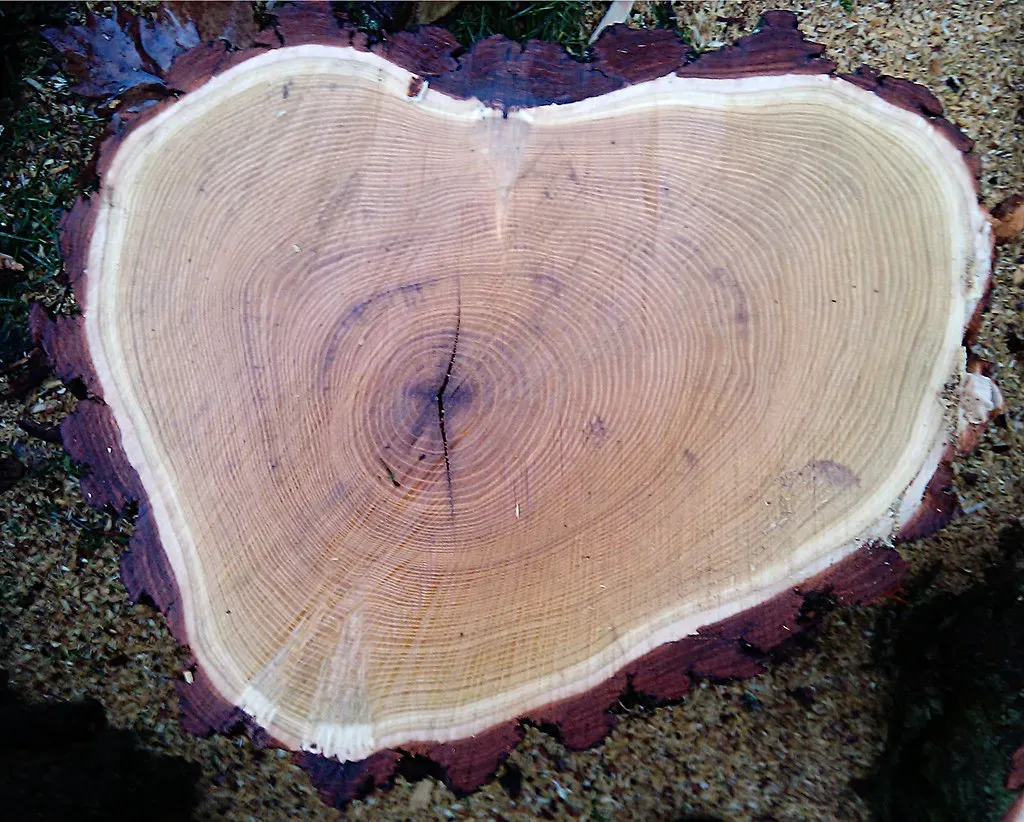
Here is where the story becomes more urgent. Scientists are not just reading tree rings to satisfy historical curiosity. They are looking for something specific: the moment when human activity began to visibly alter Earth’s climate. A study tracking temperature seasonality found that major indicators of global warming were present as early as 1870. That is earlier than many people might expect, and the proof came largely from tree ring records.
To reconstruct paleoclimate data for the past 300 years, researchers turned to tree ring records collected on the Tibetan Plateau from trees that can live for more than 300 years, and by measuring the width and density of the trees’ rings, they were able to track changes in seasonal temperature fluctuations, finding that temperature seasonality was relatively stable until the 1860s and then began decreasing in the 1870s. The trees had been silently logging this shift for over a century before scientists came to read their record.
Bristlecone Pines: Built to Survive the Unthinkable
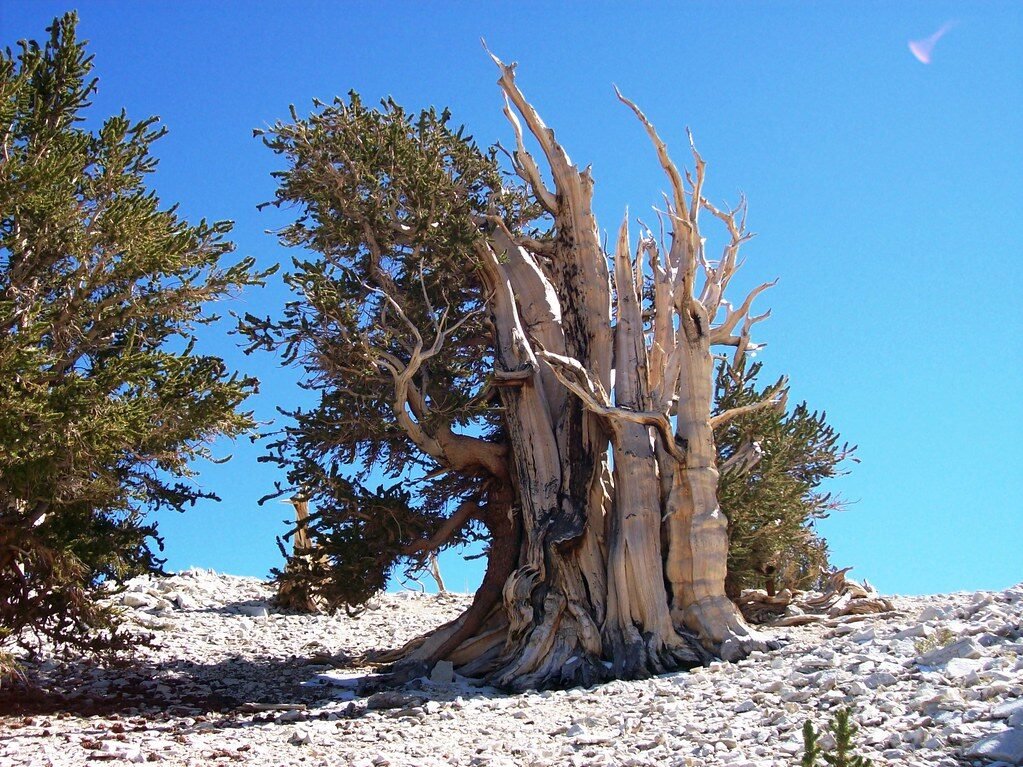
Let’s be real: most species do not survive for five thousand years by accident. The Great Basin bristlecone pine has evolved a remarkable set of survival tools that would leave most trees in the dust. They grow at high altitudes in harsh, dry conditions with poor soil, which limits competition from other plants, their wood is incredibly dense and resinous making it resistant to insects, rot, and erosion, and they have a unique growth pattern of allocating resources to only a portion of their foliage at any given time, allowing them to survive even when severely damaged.
The longevity of these species stems from biological adaptations that allow them to resist structural decay and environmental stresses, with a significant factor being the slow rate of metabolism and growth, especially in the harsh, resource-limited environments where the oldest trees thrive, and this slow growth produces dense, resin-rich wood that is highly resistant to insects, pathogens, and fungal decay. Slow, quiet, and extraordinarily tough. There is a lesson buried in that for all of us.
What Ancient Trees Mean for Our Climate Future
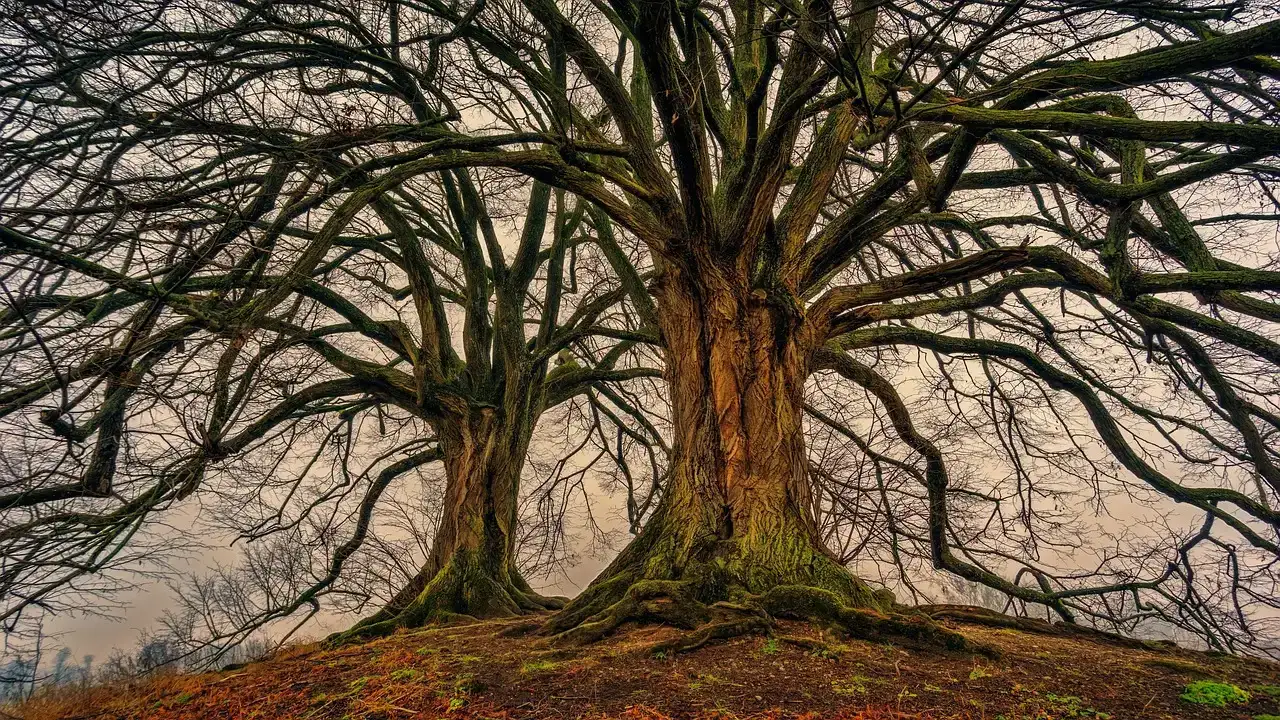
The question that haunts every scientist who studies ancient trees is not just about the past. It is about what these biological archives can teach us about what lies ahead. By understanding the past climate using tree rings and other paleoclimate proxy data sources, scientists can more accurately predict future changes in the climate system. The trees are handing us a roadmap, if only we are willing to read it carefully.
In many parts of the world, trees can provide a climate history for hundreds of years, with some extending back 1,000 years or more, and the resulting climate histories enhance our knowledge of natural climate variability and also create a baseline against which human-induced climate change can be evaluated. Without that baseline, we would be flying blind. For scientists studying these trees, the climate record written in the rings offers guidance for how we might think about what is happening in the present as we plan for the future.
Conclusion: The Forest Is Still Talking
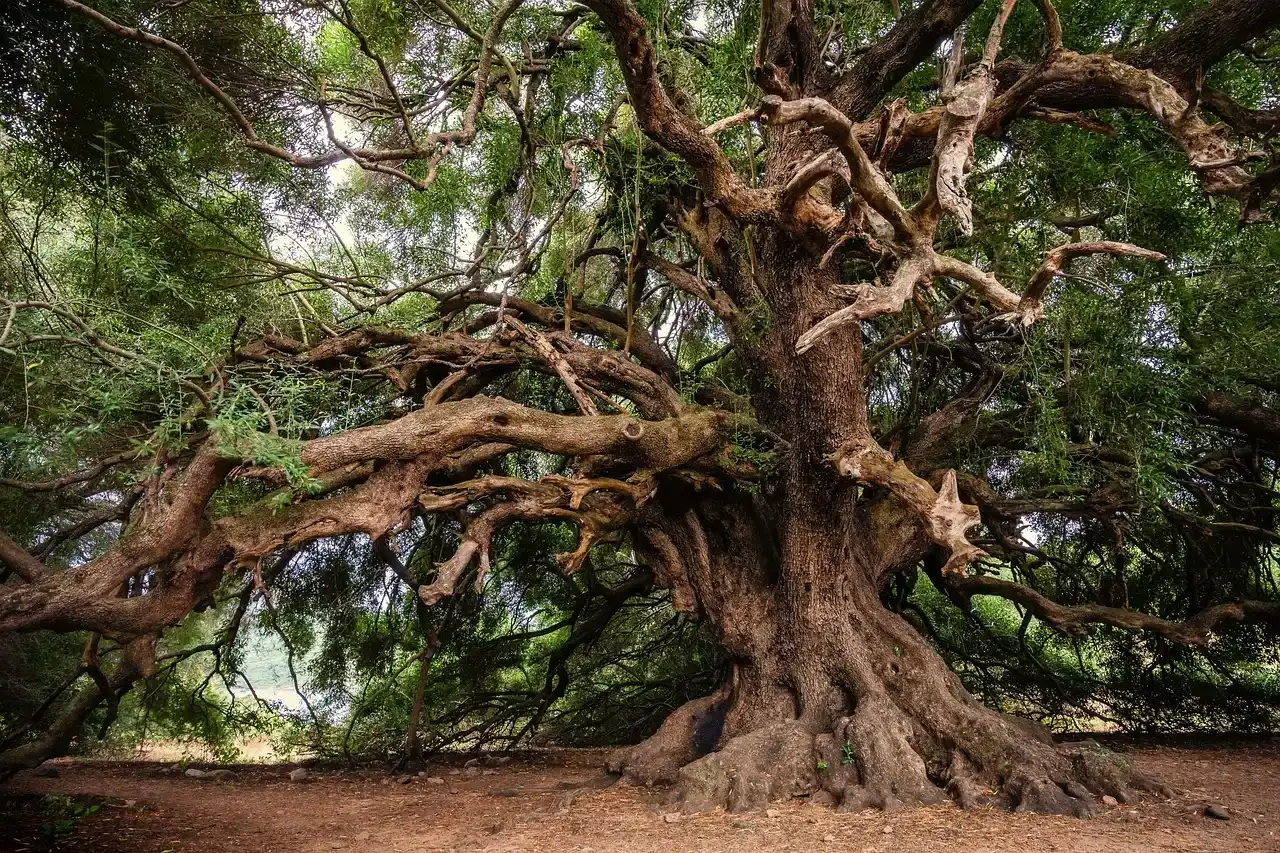
There is something profoundly moving about the idea that a tree standing silently in the mountains of California, or a forest in Utah, or a lone spruce in Sweden carries within its very body a record of tens of thousands of years of planetary change. These are not passive observers. They are active archives, biological hard drives loaded with information that no instrument invented by human hands could have captured so far back in time.
What strikes me most is the humility this science demands. We arrive with our drills and microscopes and borrow the memory of a tree that was ancient before our civilization began. Whether it is the individual endurance of Methuselah or the clonal persistence of Old Tjikko, these ancient trees offer valuable lessons about adaptation, resilience, and the importance of preserving our natural heritage, because they are more than just old trees, they are living archives of Earth’s history.
The planet’s oldest trees have been patient for thousands of years. The real question is whether we are wise enough to listen before it is too late. What do you think? Share your thoughts in the comments below.