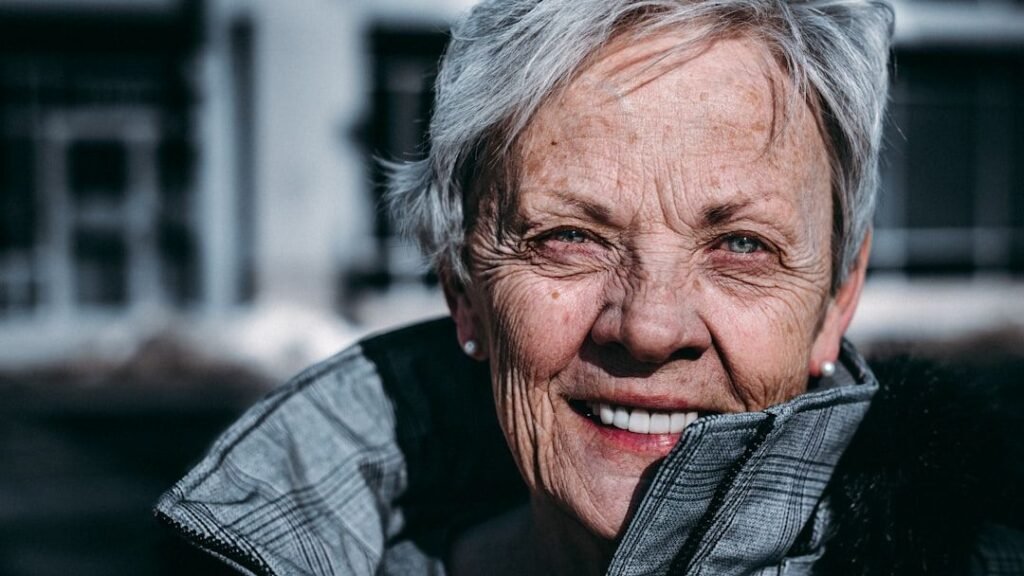
Imagine blowing out the candles on your hundredth birthday cake and feeling like you’re only halfway through your life. That idea used to sound like pure science fiction, like something out of a late-night movie. Now, in 2026, some scientists are honestly asking whether we might one day push human lifespans far beyond what we’ve ever seen.
We’re not talking about just stretching out old age and suffering longer. The real question is whether we can extend the number of healthy, active years we get to enjoy. That dream sits at the crossroads of biology, technology, and some uncomfortable questions about what it really means to be human. The answers are more surprising, and more complicated, than most people expect.
The Difference Between Living Longer and Living Better
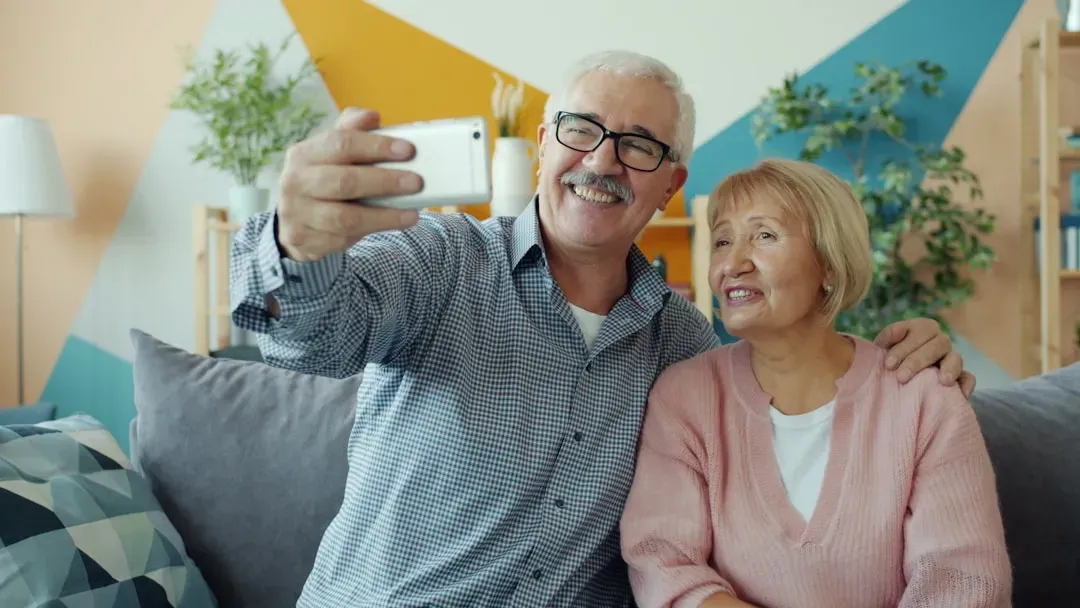
Here’s a slightly shocking truth: we’ve already extended human life dramatically, but mostly by cutting down early deaths, not by changing how we age. Modern medicine, clean water, vaccines, and safer childbirth pushed average lifespans up, but the maximum human lifespan has barely budged beyond the oldest records from a century ago. We’ve gotten really good at stopping people from dying too soon, but not at keeping the very old from breaking down.
That’s why scientists now talk less about “longevity” and more about “healthspan.” Healthspan means the number of years you live without serious disease or disability, not just the years you remain technically alive. Nobody dreams about being frail, confused, and in pain for decades; they picture hiking, learning, traveling, and playing with great-grandchildren. The real frontier isn’t endless life at any cost, but longer life where your brain is sharp, your body still works, and you actually want to be here.
Why Our Cells Age: Senescence, Telomeres, and Cellular Damage

At the heart of aging is something that sounds almost poetic: your cells remember everything. Every time they divide, little bits of damage slip through – broken DNA, stressed-out mitochondria, junk proteins that don’t get cleared away. Over time, those tiny mistakes pile up like dust in the corners of a room no one ever cleans properly. Eventually, some cells become “senescent”: they stop dividing, start leaking inflammatory molecules, and quietly sabotage the tissues around them.
Another key piece is telomeres, the protective caps at the ends of your chromosomes. With every cell division, these caps get shorter, like the burning end of a fuse. When they become too short, the cell either shuts down or self-destructs. In theory, if we could stop or reverse this shortening safely, we might slow some aspects of aging. But biology never gives us a free lunch: the same mechanisms that help cells divide forever also show up in cancer, so simply turning aging off isn’t an option without careful control.
Can We Clear Out “Zombie Cells”? The Rise of Senolytics
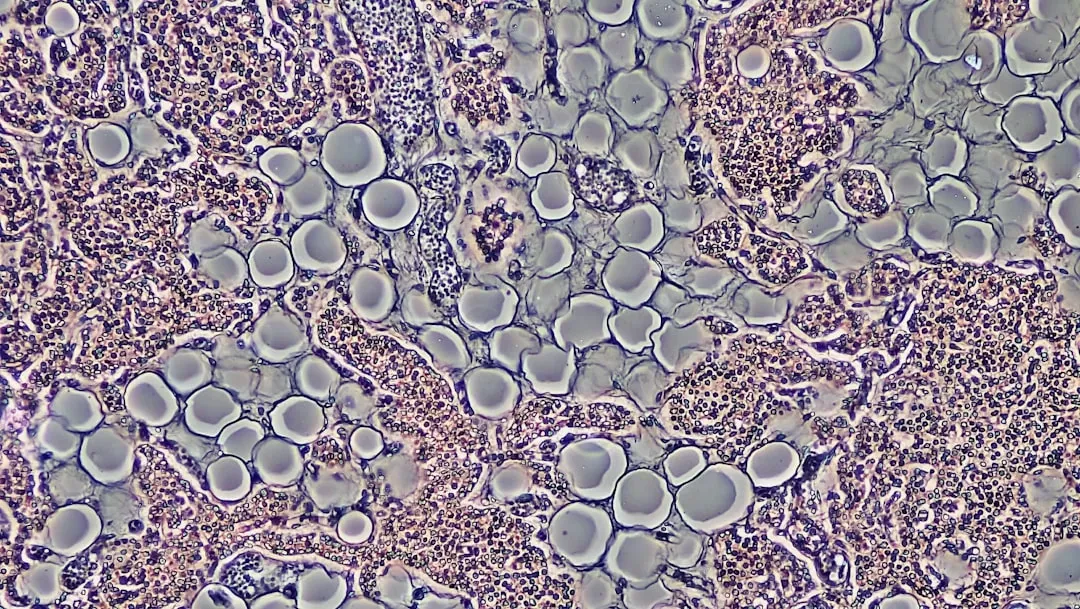
One of the most exciting (and slightly creepy) ideas in aging research involves getting rid of zombie-like senescent cells. These cells don’t die, but they no longer pull their weight. Instead, they release signals that promote inflammation, weaken nearby cells, and seem to accelerate diseases like arthritis, diabetes, and even some forms of dementia. In animal studies, drugs that selectively kill these cells – called senolytics – have improved heart function, reduced frailty, and extended healthy lifespan.
Several early-stage human trials are already testing senolytic drugs in conditions such as lung scarring and age-related diseases. The results so far are cautious but hopeful, suggesting that clearing out these troublemaker cells might genuinely help some people. Still, the human body isn’t a simple machine where you can just swap out bad parts without side effects. We don’t yet know what happens if we aggressively remove senescent cells over decades, or whether the body will compensate in unexpected, less pleasant ways.
Rewriting Aging: Gene Therapy and Cellular Reprogramming
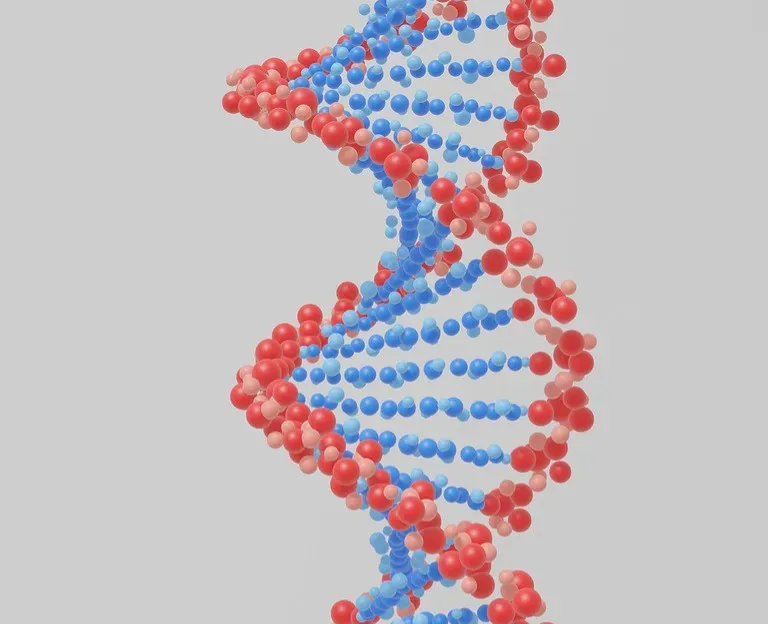
If the idea of living longer by taking pills sounds futuristic, gene therapy and cellular reprogramming feel like something even bolder. Researchers are exploring ways to tweak or repair DNA instructions in our cells, aiming to reduce the risk of age-linked diseases before they show up. Some experiments in animals use carefully controlled sets of genes to “reprogram” cells into a more youthful state, almost like restoring an old photograph to sharper focus. In a few studies, this approach has partially reversed signs of aging in certain tissues without causing full-blown cancer or chaos.
This line of research is thrilling but risky. You’re essentially trying to roll back the clock inside living cells without erasing their identity or letting them grow uncontrollably. Companies and academic labs are racing to refine safer methods, including ways to target specific organs like the eye, heart, or brain. From my own view, this is the branch of aging science that feels like walking on a razor’s edge: it might transform medicine, or it might run into hard biological limits we don’t yet see.
The Role of Everyday Choices: Diet, Exercise, and Stress

It’s tempting to focus only on dazzling high-tech solutions, but some of the strongest evidence we have for extending healthspan is annoyingly simple: how we live still matters a lot. Communities known as “blue zones,” where many people live past ninety in relatively good health, tend to share patterns – plant-heavy diets, regular movement built into daily life, strong social ties, and a sense of purpose. These aren’t magic tricks; they’re small nudges that, multiplied over decades, keep our cells and systems more resilient.
On a personal level, I’ve noticed that the people who age “well” around me are rarely the ones obsessed with fancy supplements; they’re the ones who walk, sleep decently, eat mostly real food, and stay curious about life. Clinically, regular exercise reduces risk for almost every major age-related killer – heart disease, stroke, diabetes, some cancers, and even cognitive decline. It’s not as glamorous as gene therapy, but it’s the one lever we already know works for nearly everyone, right now, without waiting for the next breakthrough.
Even stress plays a bigger role than most people want to admit. Chronic, grinding stress can speed up biological aging markers and shorten healthspan, while strong relationships and emotional support seem to protect against some of that wear and tear. It’s almost ironic: in a world chasing immortality, the basics – moving, resting, connecting, and eating sensibly – are still the most reliable tools we have.
Radical Ideas: Cryonics, Brain Uploading, and Digital Immortality
Beyond biology, some people are betting on more extreme approaches: freezing the body after death in the hope that future tech can revive it, or one day “uploading” the mind to a digital system. Cryonics organizations promise to preserve the brain’s structure at ultra-low temperatures, gambling that future scientists might fix what today looks impossible. Right now, though, there’s no proof that a frozen human can be revived with memories and personality intact; it’s more a philosophical bet than a tested medical strategy.
The idea of brain uploading raises even stranger questions. Even if we could someday map every connection in a human brain and simulate it in a computer, would that digital copy really be you, or just an imitation that thinks it is you? There’s no experiment yet that can answer that. For some people, the possibility is inspiring; for others, it feels like a high-tech version of an old fear: losing your humanity while trying too hard to escape death.
Ethical Dilemmas: Who Gets to Live Longer, and What Changes?

Let’s say we do figure out how to extend healthy human life by several decades. Who actually gets access? If powerful anti-aging treatments are expensive, they could deepen the gap between the wealthy and everyone else, turning extreme longevity into a privilege rather than a shared benefit. That possibility isn’t abstract – many cutting-edge therapies already launch at prices far out of reach for most people, at least at first.
There are also big social questions. If people routinely lived to one hundred and twenty in good health, what happens to work, retirement, and family life? Do younger generations get blocked from opportunities because older people never step aside? How do pensions, housing, and climate pressures cope with many more long-lived humans? Aging science doesn’t exist in a vacuum; every step toward longer life tugs on the threads of economics, politics, and culture in ways we’re only beginning to think through.
So, Could We Live Forever?
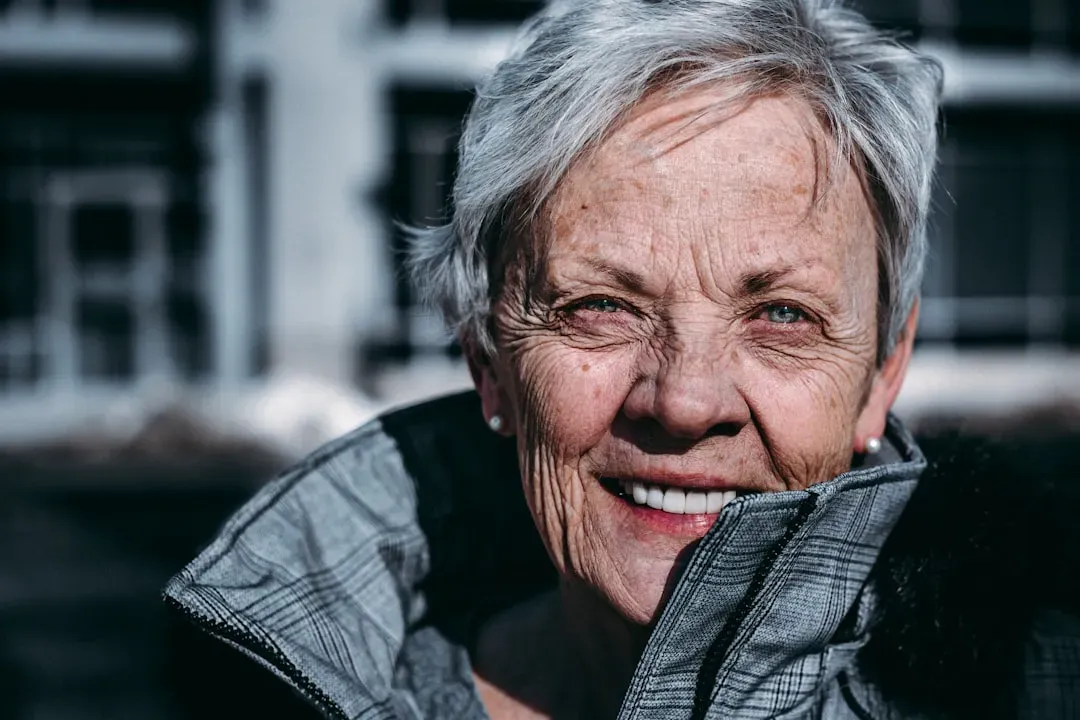
Right now, true biological immortality for humans is far beyond anything we can achieve, and maybe beyond what’s realistic at all. What does look possible, and increasingly likely, is adding meaningful, healthy years to the average life. Tools like senolytics, gene therapy, and smarter lifestyle interventions might, together, push back the onset of age-related disease and disability. Instead of living forever, we may end up living longer and better, with fewer years spent in decline.
In a way, that might be a more powerful shift than outright immortality. If most of us could count on extra decades of clear thinking and functional bodies, the stories we tell about work, love, learning, and purpose would change. The science of aging is moving quickly, but it’s still full of unknowns, trade-offs, and hard choices. For now, the real question isn’t just whether we could live forever, but how we want to live with the extra time we might already be on track to gain.