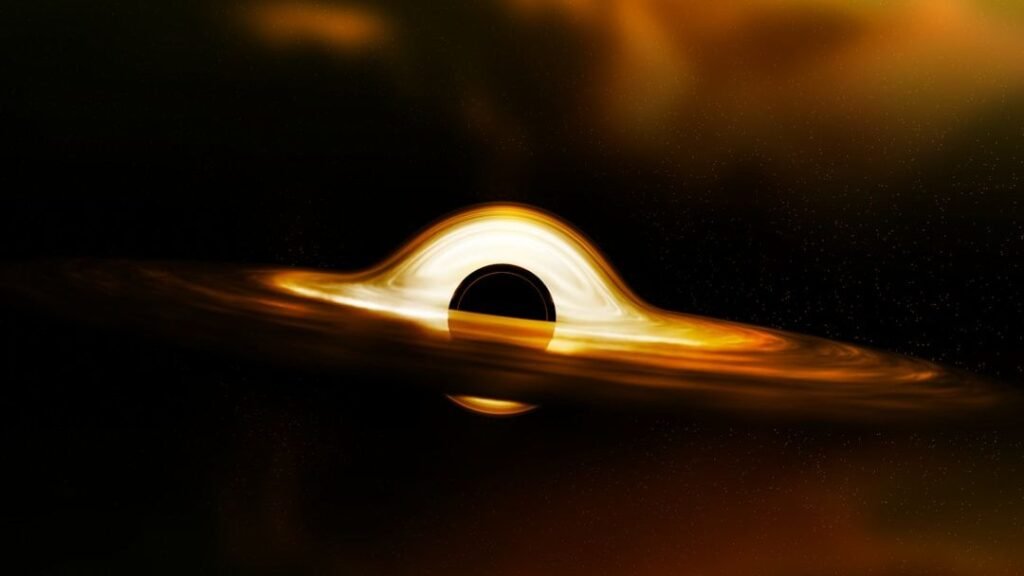

If you could fall into a black hole and somehow survive, what would you actually see? Would time freeze, would you be stretched like spaghetti, or would you slip into some hidden universe beyond our own? For decades, black holes have been treated like cosmic “game over” screens, places where physics breaks down and questions go unanswered.
But in the last few years, scientists have begun to sketch out bolder and more detailed pictures of what might really be happening inside these invisible monsters. Using advances in quantum gravity, high-resolution observations, and relentless thought experiments, new theories are pushing past the old idea of a simple, dark void. The inside of a black hole, it turns out, might be stranger, more structured, and more dynamic than anyone expected.
The Classic Picture: Singularities, Event Horizons, And The Point Of No Return
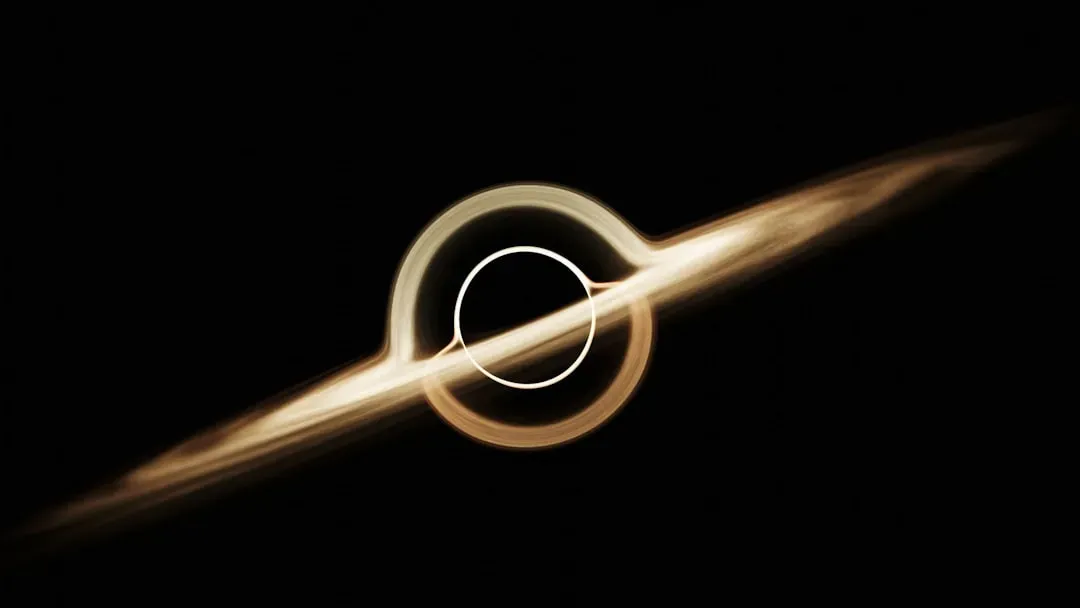
The traditional view of a black hole comes from Einstein’s general relativity: matter collapses under its own gravity until it forms a singularity, a point where density becomes effectively infinite and the known laws of physics stop making sense. Around that singularity sits the event horizon, a one-way boundary where the escape velocity exceeds the speed of light. Once you cross it, no signal, not even light, can get back out.
From the outside, this picture is clean and brutally simple: black holes are defined entirely by their mass, spin, and electric charge, with all other details of the matter that fell in apparently “erased.” Inside, though, the classic model is almost aggressively vague. It says you’ll be crushed at the singularity in a finite amount of your own time, but it doesn’t really tell you what the journey feels like or how space and time behave on the way down. That gap – between what the equations predict and what a physical experience might be like – is exactly what newer theories are trying to fill.
Spaghettification And The Fall: What Would You Actually Experience?
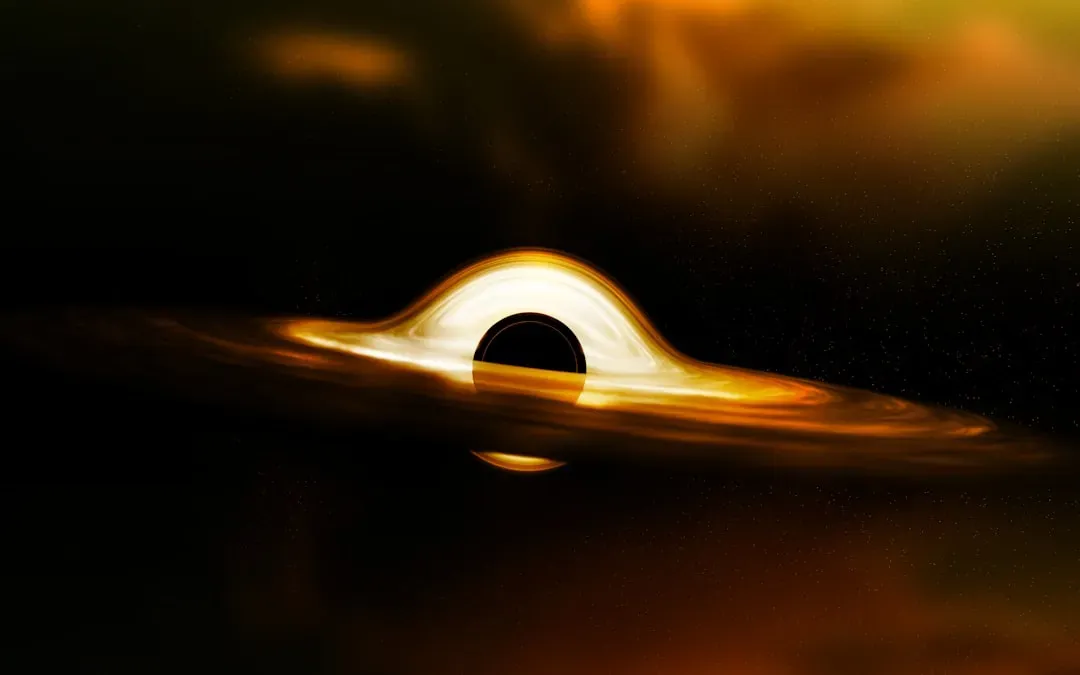
One of the most unsettling ideas about entering a black hole is spaghettification, the stretching of your body into a long, thin strand due to extreme tidal forces. Your feet would feel stronger gravity than your head, pulling you apart like taffy. Around smaller black holes, these tidal forces become lethal well before you even reach the event horizon, so you’d never notice crossing the boundary at all – you’d be torn apart first.
But for truly gargantuan supermassive black holes, maybe millions or billions of times the mass of the Sun, the story changes. Near their event horizons, gravity can be surprisingly gentle, at least at first; you might cross the point of no return without feeling anything special, while distant observers see you slow down and fade away. From your perspective, you’d fall freely, time would pass normally, and the universe above you would appear increasingly distorted and blue-shifted, as if the cosmos were being crumpled into a bright, shrinking patch of sky.
Do Singularities Really Exist, Or Does Quantum Physics Save The Day?
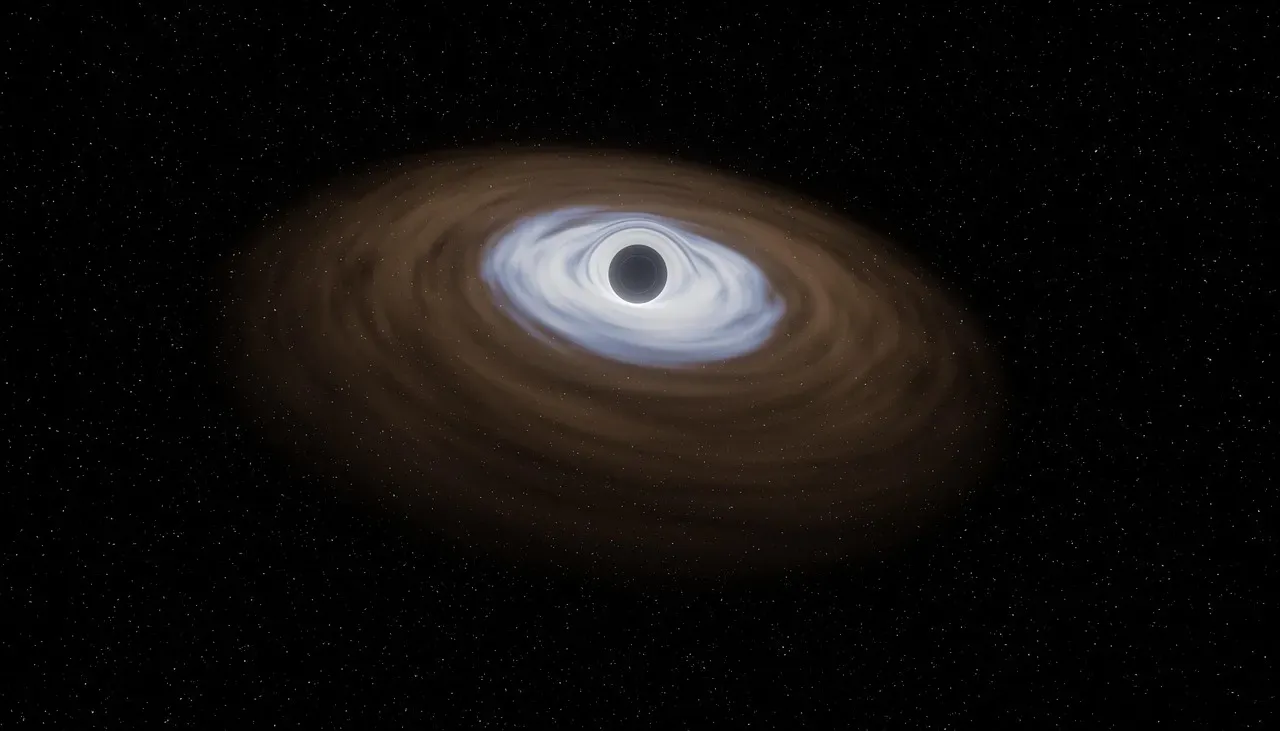
The singularity at the center of a black hole is a huge red flag that relativity alone isn’t enough. Infinite density is usually a sign that a theory has been pushed beyond its domain, not that nature literally makes infinities. That’s where quantum mechanics steps in, because any complete description of black holes has to merge gravity with quantum rules, something physicists are still struggling to do.
Some modern approaches to quantum gravity suggest that the singularity might not be a point at all, but a region where space and time become “quantized” into small, discrete chunks. Instead of a catastrophic end, you get a kind of insanely compressed, quantum foam-like structure that resists further collapse. In a few theories, the interior may even bounce, turning a collapsing black hole into something more like a reborn object – a possibility that connects directly to more radical ideas like black hole to white hole transitions.
The Information Paradox: Can Black Holes Really Erase Reality?
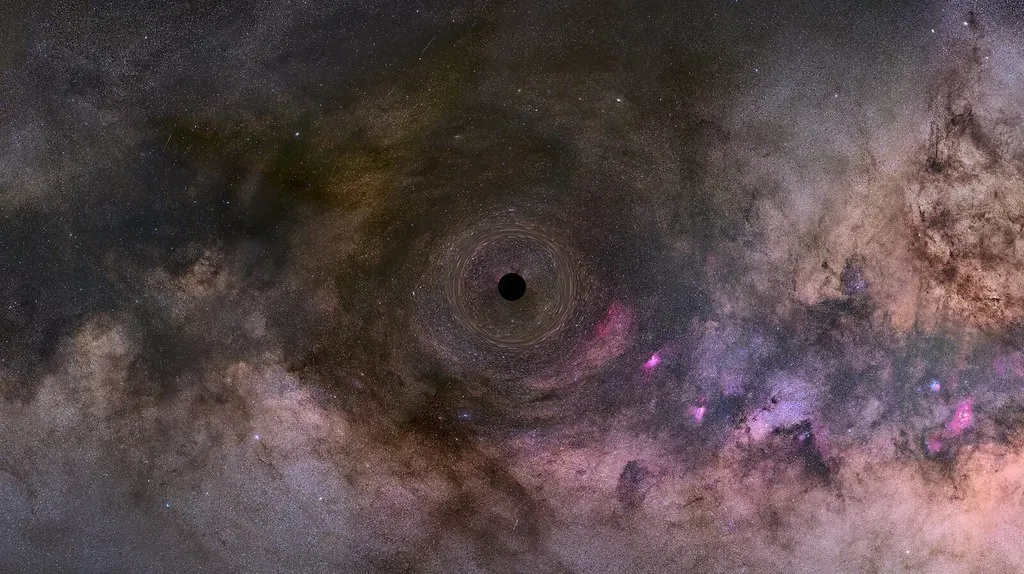
One of the most intense debates about black holes centers on information. According to quantum theory, information about a physical system can’t simply be destroyed, even if that system changes form. But in the classic black hole view, anything that falls in is lost forever, and Hawking radiation slowly evaporates the hole into a kind of featureless, random glow. That seems to say the universe is shredding information, which clashes with quantum mechanics at a fundamental level.
To fix this, newer ideas propose that the information is never truly lost but encoded in highly scrambled ways. Some researchers think the event horizon might act like a storage surface, with information smeared across it and eventually leaking out via subtle correlations in the radiation. Others argue that the interior and exterior of the black hole are more deeply connected than we first thought, possibly through quantum entanglement in ways that blur the very meaning of “inside” and “outside.” The fight over where the information goes is really a fight over what the interior must be like.
Firewalls, Fuzzballs, And Other Wild New Interior Ideas
One of the most controversial proposals is the firewall hypothesis. In this view, rather than gliding harmlessly through the event horizon, you’d slam into a blazing wall of high-energy particles that destroys you instantly. The firewall idea came out of trying to fix the information paradox but does so at the cost of breaking a cherished principle in relativity: that a freely falling observer shouldn’t feel anything special at the horizon of a large black hole.
Another bold line of thought, mostly emerging from string theory, is the fuzzball concept. Instead of a smooth horizon with an empty interior and a singularity, the entire black hole is a tangled ball of fundamental strings and quantum states, “fuzzy” all the way down, with no traditional inside region at all. In this picture, what we think of as the interior is replaced by an intricate, extended surface where information is stored and never truly lost. These scenarios sound extreme, but they highlight just how far theorists are willing to go to reconcile gravity, quantum mechanics, and the strange reality of black holes.
Cosmic Gateways? Wormholes, White Holes, And Baby Universes
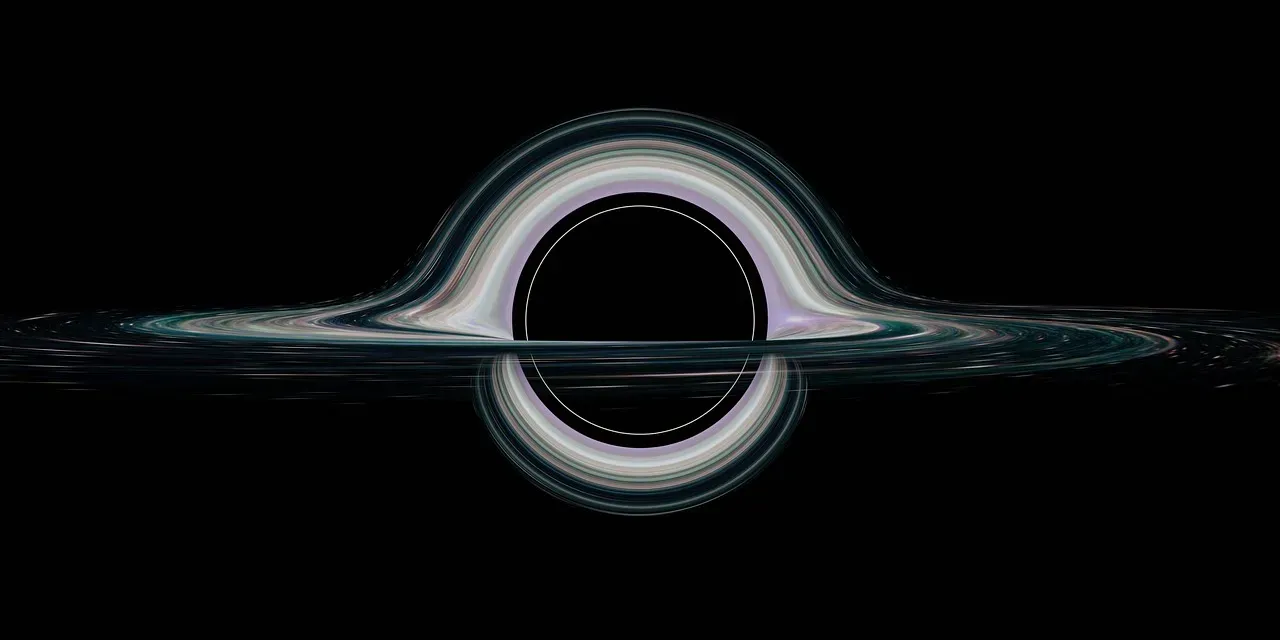
Whenever people talk about black hole interiors, the topic of wormholes inevitably shows up. Mathematically, some solutions to Einstein’s equations suggest that a black hole could be connected to another region of spacetime, forming a tunnel-like structure. Most of these wormholes turn out to be unstable in realistic scenarios, collapsing too quickly for anything to pass through. Still, the idea that the “other side” of a black hole might exist as more than just a poetic image continues to inspire serious research.
Some models inspired by loop quantum gravity and related approaches go further, proposing that a black hole could eventually transition into a white hole, an object that spits matter and energy out instead of swallowing it. There are also speculative ideas in which black holes seed baby universes, with their interiors expanding into completely separate regions of spacetime while only a tiny “throat” remains connected to our cosmos. These ideas are far from proven, but they paint a dizzying picture: the interior of a black hole might not be an end, but a beginning somewhere else.
What Observations Are Telling Us About The Inside, Without Going In
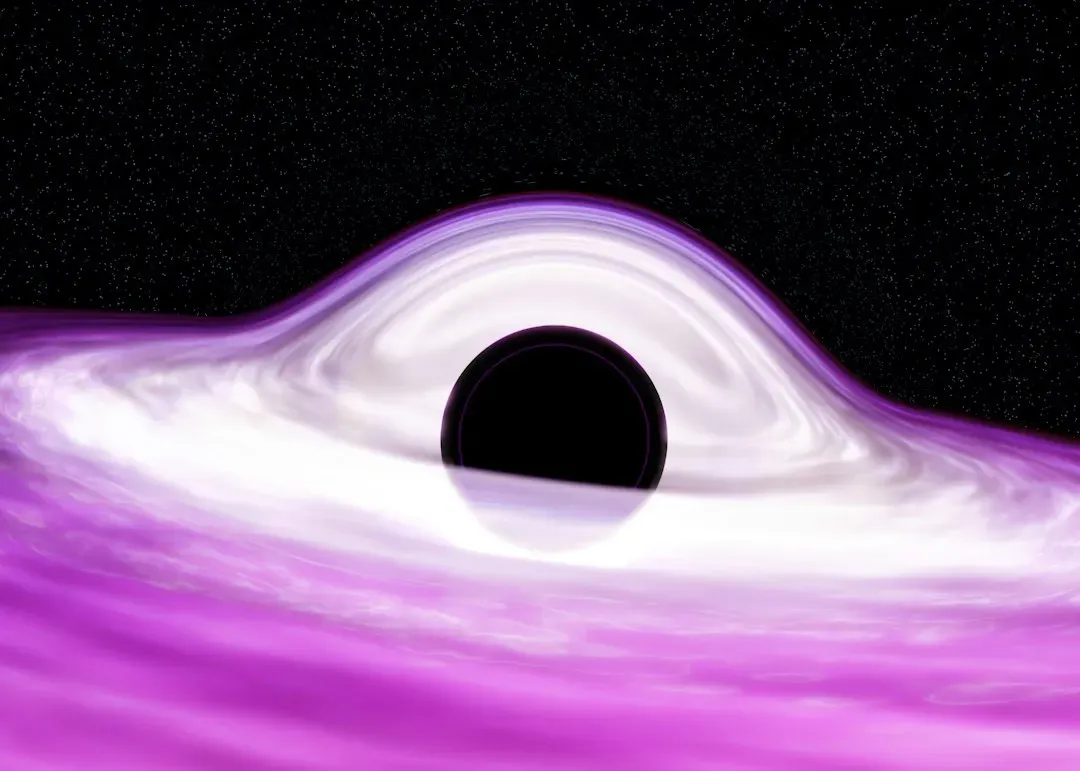
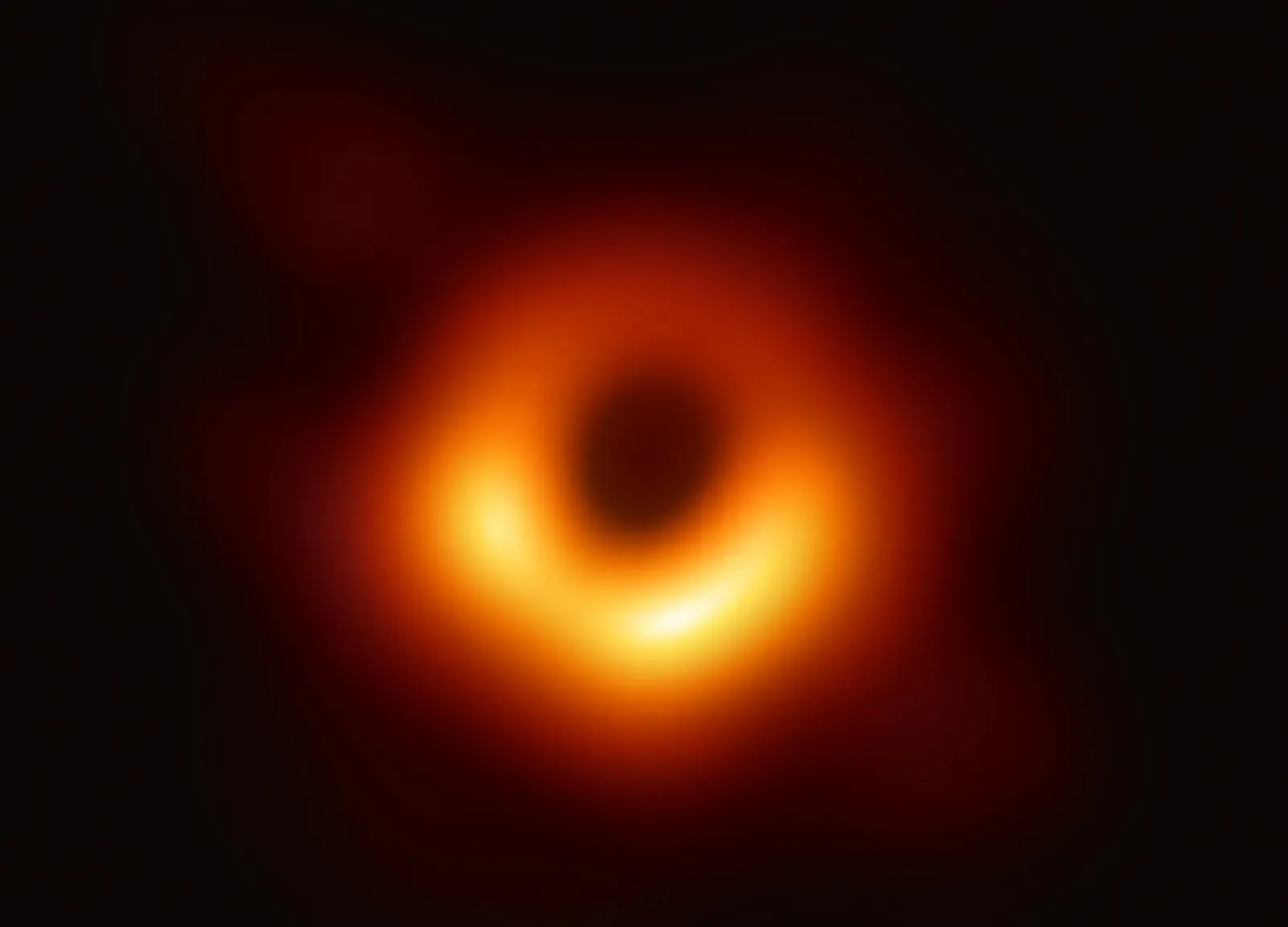
We can’t send a probe into a black hole and expect a postcard back, but observations are slowly tightening the leash on wild theories. The Event Horizon Telescope’s images of the black holes in the galaxy M87 and the center of the Milky Way show that the region just outside the event horizon behaves in line with general relativity’s predictions. Gravitational wave detections from merging black holes also match the expected “ringdown” patterns of standard black hole models, which puts pressure on the most exotic interior ideas.
At the same time, precise measurements of black hole shadows, accretion disks, and gravitational waves leave room for subtle deviations that could hint at quantum effects. Some researchers are hunting for tiny echoes in the gravitational wave signal, which might indicate reflective structures near or at the horizon instead of a perfectly absorbing surface. Others are examining whether black holes of different masses and spins behave exactly as predicted or show hints of extra structure. We’re still far from peeking inside, but the outer behavior is starting to trace the outline of what must be within.
Where The Theories Stand Now – And Why The Mystery Matters
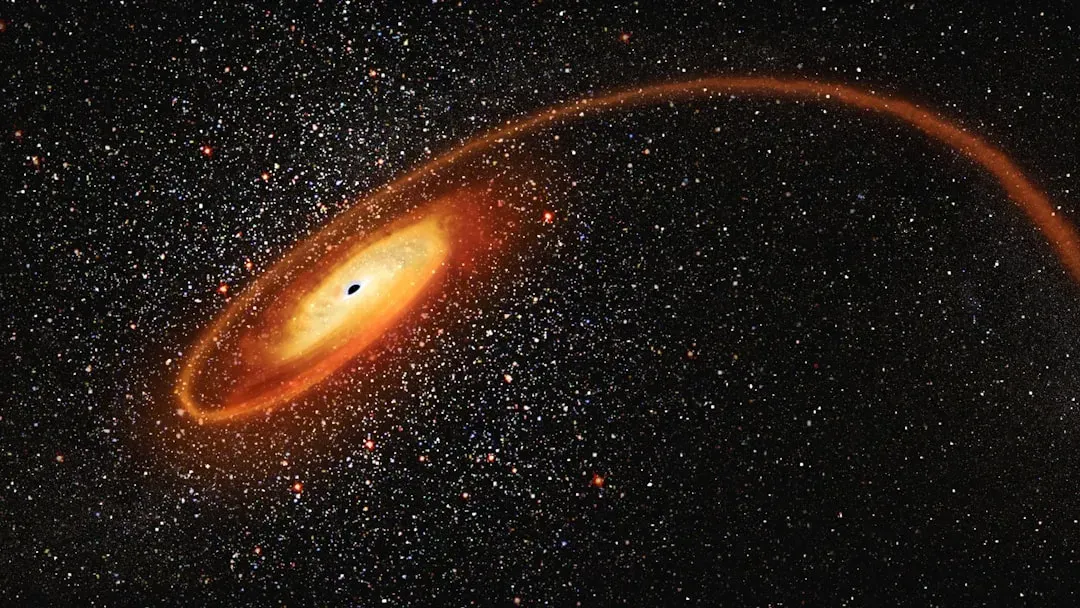
Right now, there is no single, universally accepted answer to what black holes are really like on the inside. General relativity gives a clean exterior and a problematic singularity; quantum theories suggest richer, more complicated structures, from fuzzballs to bounces to possible new phases of spacetime. The best we can say is that the interior is unlikely to be an empty void and almost certainly not as simple as the earliest models suggested.
Personally, I find it strangely comforting that nature still keeps a few secrets this big. Black holes force us to confront where our best theories collide, whether information can truly vanish, and what space and time even mean under the most extreme conditions. As new telescopes, detectors, and theories sharpen our view, we may discover that the interiors of black holes are not endpoints, but laboratories for the universe’s deepest rules. If you could peek inside one, what kind of reality would you expect to see?