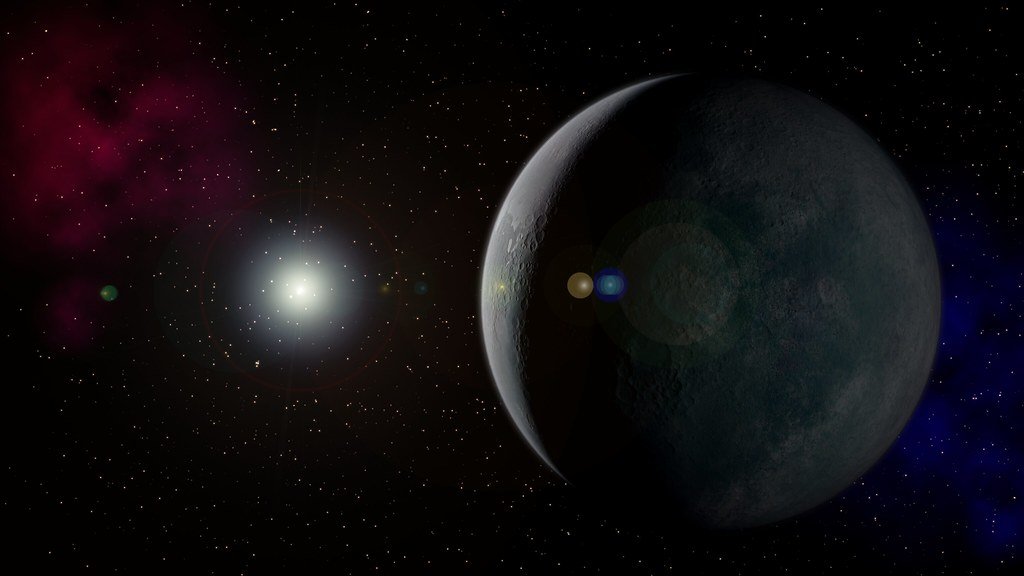
Out past Neptune, where the Sun is no more than a bright star in a black sky, something strange seems to be tugging on the orbits of distant icy worlds. They appear to be lining up, clustering in ways they simply shouldn’t if nothing else were there. For a growing number of astronomers, this pattern whispers the same unsettling question: is there a giant, unseen planet lurking in the dark?
The idea sounds like pure science fiction, the sort of thing you’d expect to see in an animated space documentary, not in serious research papers. But since around 2016, the possibility of a hidden “Planet Nine” has gone from fringe speculation to a genuine scientific debate. No one has seen it yet, and it may not exist at all, but the case for it is too intriguing to ignore.
The Strange Orbits That Started the Planet Nine Hunt
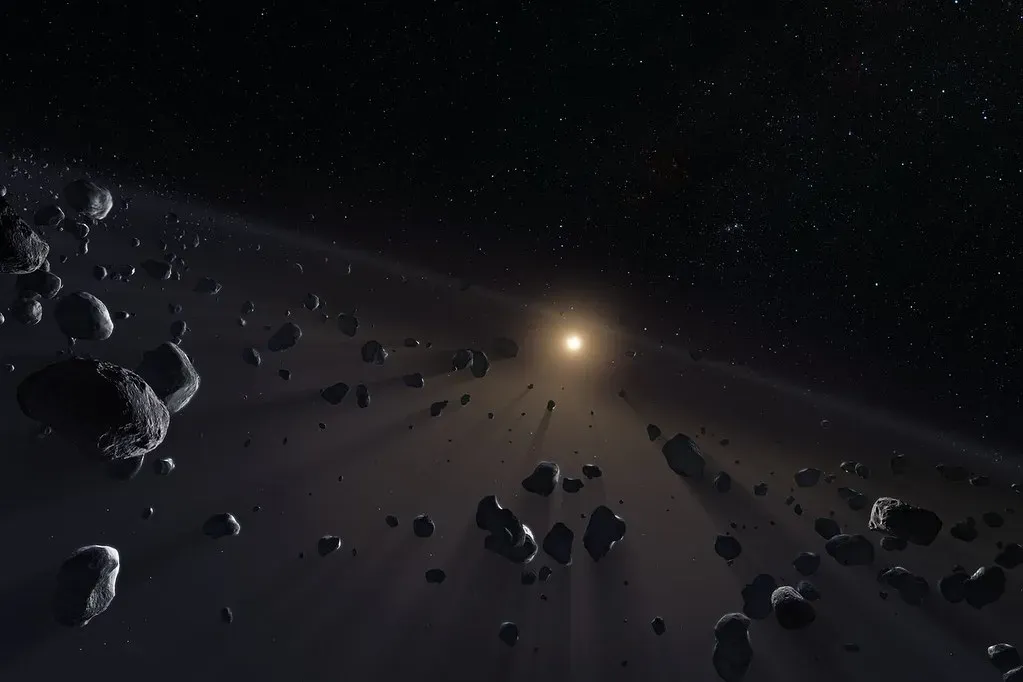
Imagine tossing a handful of marbles onto a floor and finding that, instead of scattering randomly, they all come to rest in the same corner. That’s roughly what astronomers noticed with certain icy objects far beyond Neptune, in the region called the Kuiper Belt and beyond. A number of these distant bodies, like Sedna and others, travel on long, stretched-out orbits that seem to cluster in a similar direction and tilt.
Under normal physics, with only the known planets and the Sun pulling on them, those orbits should be far more randomly distributed. Instead, they look suspiciously organized, as if something massive is shepherding them from the shadows. This odd alignment is one of the main reasons researchers began seriously considering the presence of an unseen planet with a strong gravitational influence in the outer solar system.
What Planet Nine Might Actually Look Like
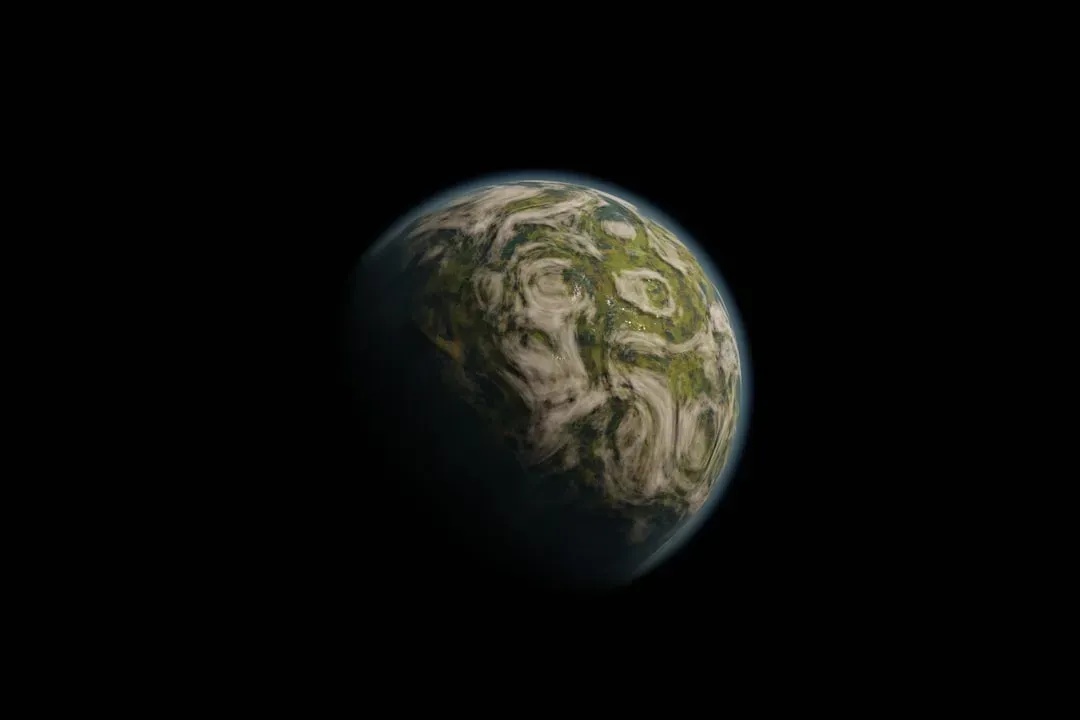
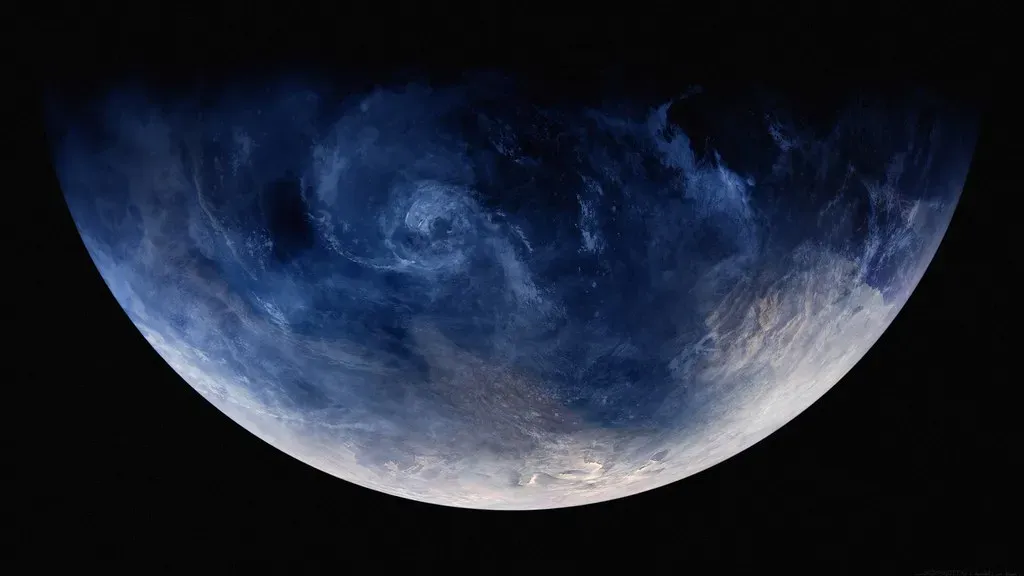
If Planet Nine is real, it’s not another Pluto-sized dwarf planet or a small icy rock. Many models suggest it could be several times more massive than Earth, possibly in the range of a so‑called “super‑Earth” or “mini‑Neptune.” That means it might be wrapped in a thick atmosphere of gas and ice, more like Uranus or Neptune than like our rocky home.
It would also be unimaginably far away, orbiting the Sun at a distance hundreds of times greater than Earth does. From that vantage point, one year on Planet Nine could last many thousands of Earth years. The sunlight out there would be so faint that even at noon, the sky might resemble permanent twilight, with the Sun looking more like a fat star than the blazing disk we see from here.
Why We Haven’t Seen It Yet
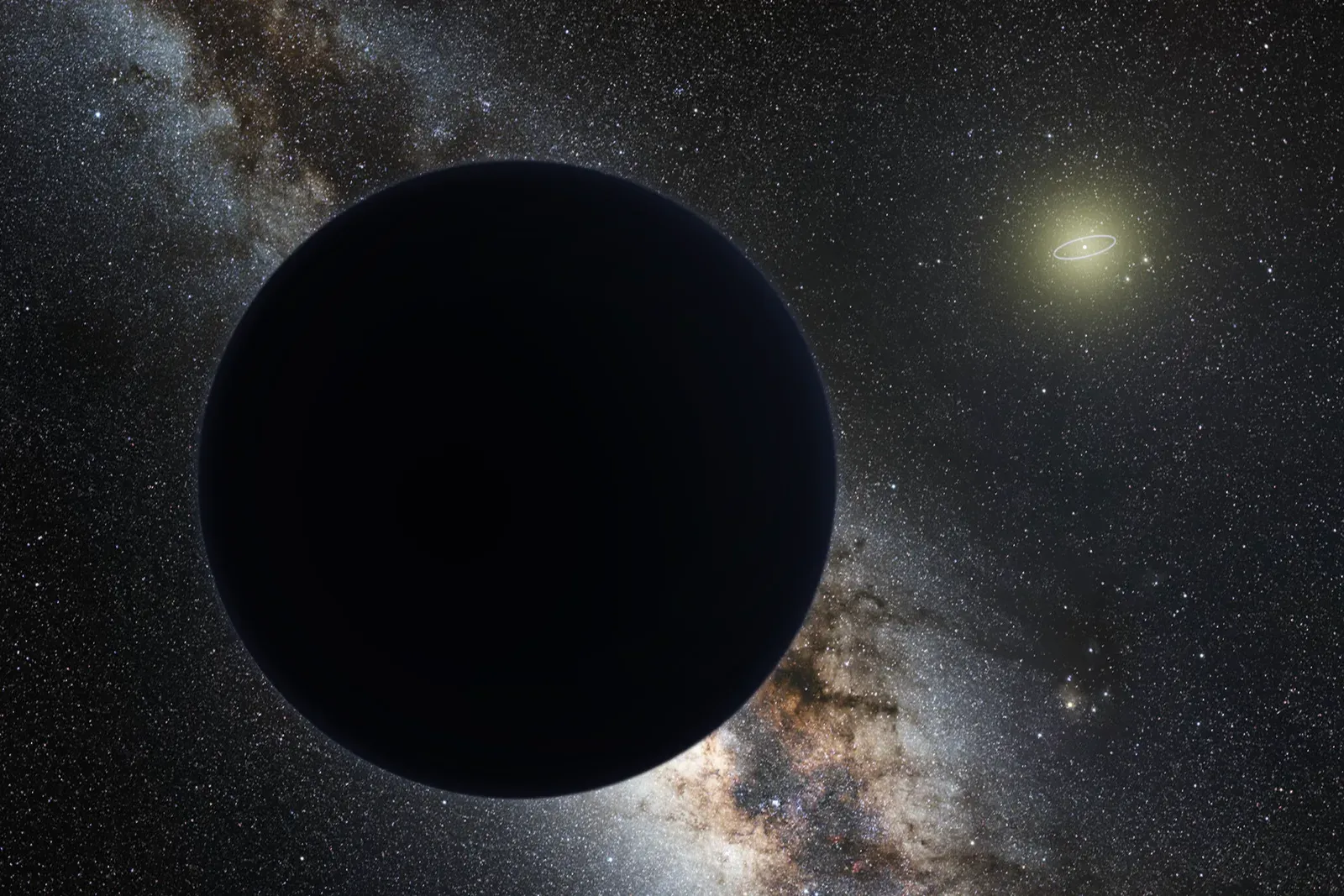
It’s reasonable to ask how a planet several times the mass of Earth could still be hiding in our own solar system in 2026. The simple, slightly humbling answer is that space is enormous and dark, and our telescopes mainly scan thin slices of the sky at a time. At the extreme distances proposed for Planet Nine, it would appear incredibly faint and slow‑moving, practically blending into the static background of stars.
On top of that, we don’t know exactly where to look. The possible orbit of Planet Nine is an elongated, large ellipse, and current models only narrow it down to a broad region of sky. Searching for it is like trying to find a single, dim grain of sand on a massive black beach at night, with only a flashlight and a rough map. Even modern surveys, powerful as they are, can easily miss something that far out and that faint if it happens to be in an under‑observed patch of sky.
The Leading Theories: Giant Planet or Just an Illusion?
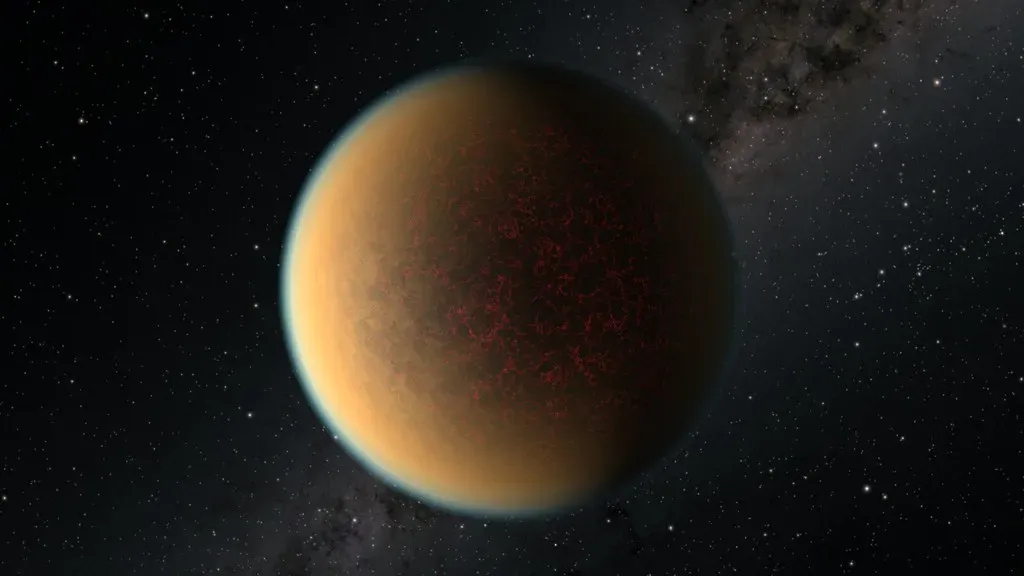
Scientists are split, and that tension is part of what makes this story so compelling. One camp argues that the orbital alignments of distant objects are best explained by a single, unseen massive planet shaping their paths over billions of years. Their simulations show that a large planet in a distant, tilted orbit can naturally produce the clustering patterns we observe.
Another camp counters that we might be fooling ourselves. Our telescopes don’t scan the sky evenly; we are more likely to discover objects in some areas than others, which can create patterns that only look meaningful. Some researchers suggest that observational bias, combined with the limited number of known distant objects, could produce apparent clustering even if there is no Planet Nine at all. In other words, it might be a mirage created by where and how we’ve been looking.
How Astronomers Are Hunting for the Hidden World
The search for Planet Nine is happening on computer screens as much as through telescope eyepieces. Researchers run detailed simulations, tweaking the mass, orbit, and position of a hypothetical planet to see which setup best matches the orbits we see in the outer solar system. They then compare those models to real data, refining and narrowing down the possible location in the sky.
On the observational side, powerful ground‑based telescopes are scanning deep into the outer solar system, image by image. A new generation of sky surveys is especially important, because they repeatedly photograph the same parts of the sky over time. That repetition allows astronomers to spot tiny points of light that slowly shift position, revealing themselves as nearby objects rather than distant stars or galaxies.
What Finding (or Not Finding) Planet Nine Would Mean
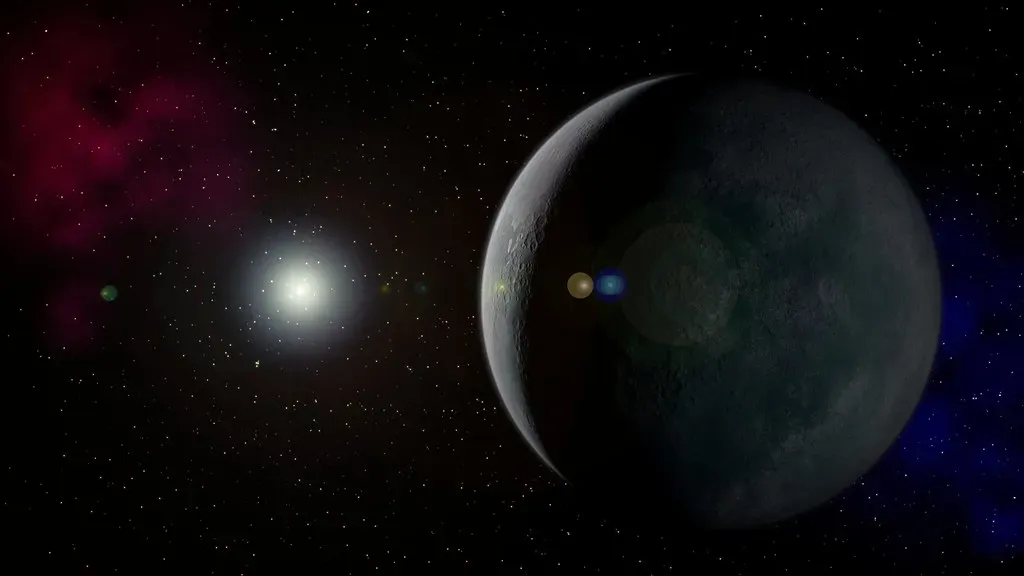
If Planet Nine is eventually seen, it would instantly rewrite our understanding of the solar system. We would no longer be studying a neat, finished family of eight planets but a more chaotic, evolving system where giant worlds can lurk in the darkness far from the Sun. It would raise big questions about how such a planet formed, whether it was born alongside the others or captured from elsewhere, and what that says about planets around other stars.
On the other hand, if years of deeper surveys keep coming up empty and the orbital evidence weakens, that outcome would be just as scientifically important. It would mean the weird alignments we see must be explained in other ways, maybe through new ideas about how countless small objects interact or how the early solar system evolved. Either way, the search forces astronomers to confront the limits of what we know and pushes them to sharpen their tools and theories.
Why the Mystery of Planet Nine Captivates Us
There’s a particular kind of thrill in realizing that we might still have missed something huge right in our own cosmic backyard. For many people, the idea that a massive planet could be hiding just beyond our reach feels both unsettling and exhilarating at the same time. It reminds us that even with spacecraft, sky surveys, and decades of observation, the solar system is not a solved puzzle.
On a more personal level, the Planet Nine story taps into a familiar human feeling: the sense that there’s always more going on just beyond what we can see. Growing up, I loved looking at star charts and feeling certain that the map was complete, that every major thing was already labeled. Now, watching professionals argue over a maybe‑planet in our own system, it’s impossible not to wonder what else might still be hiding in the dark.
A Question Hanging in the Dark
Right now, Planet Nine sits in a strange place between possibility and proof. The orbits of distant icy worlds keep nudging astronomers to consider a hidden giant, while skepticism and new data constantly test that idea. No telescope has yet caught the faint glow of such a world, but the search continues, more focused and determined than ever.
Whether the outcome is a dramatic discovery or a careful dismantling of the hypothesis, the process itself is reshaping how we explore the farthest reaches of our own system. The edge of the solar system, once a vague and distant boundary, has become a frontier buzzing with questions, models, and quiet, relentless observations. As the surveys deepen and the data grow, the sky will eventually answer the question for us: is there really a ninth planet hiding out there, or have we been chasing a shadow all along?