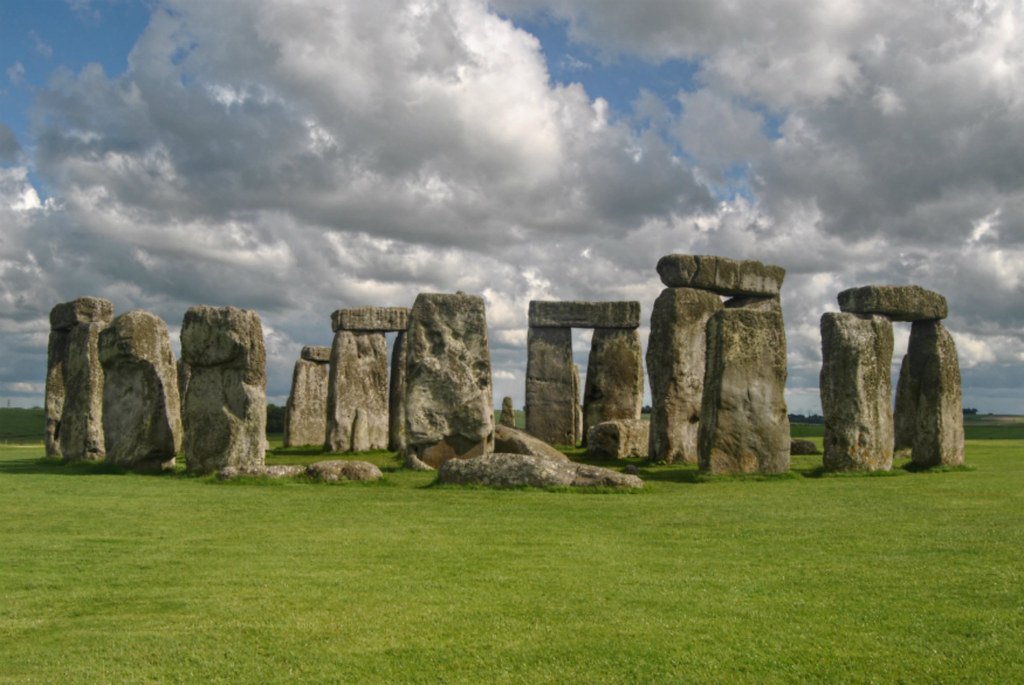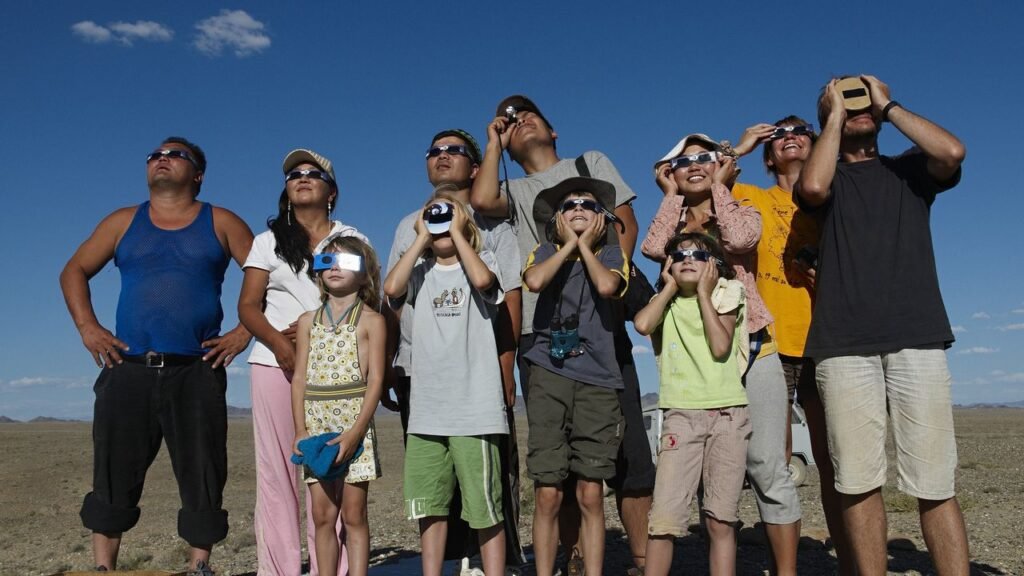
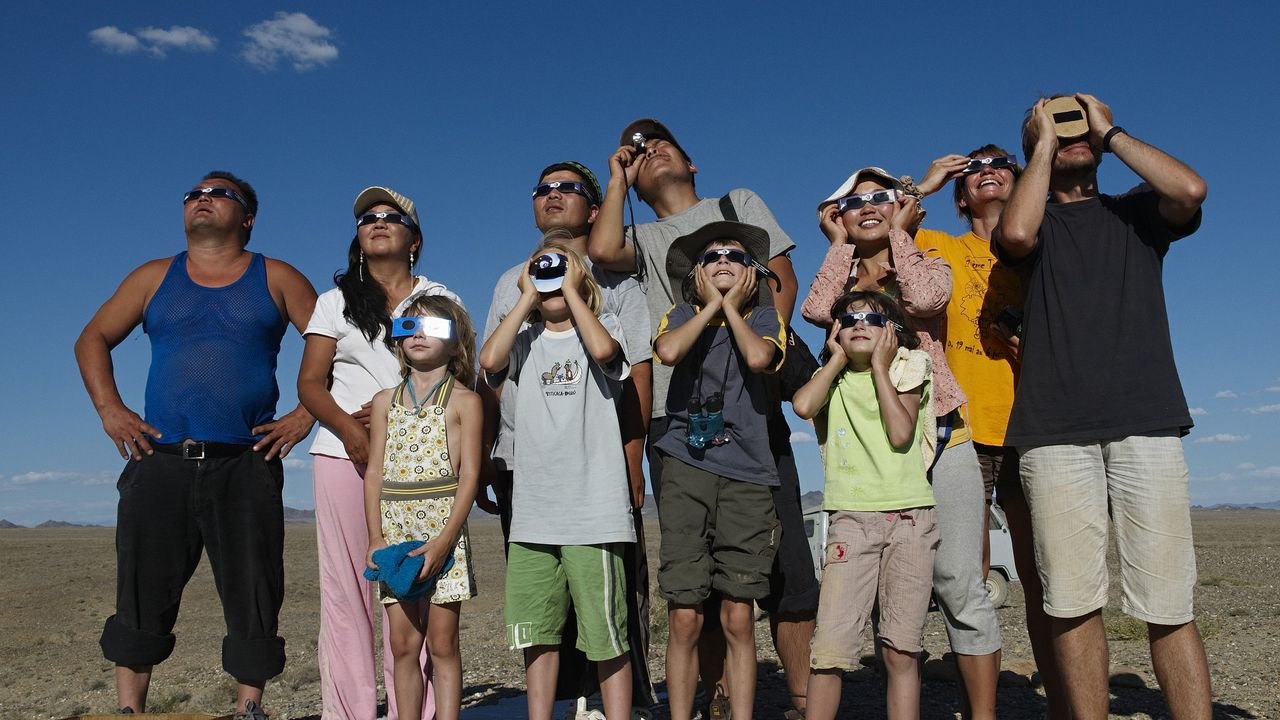
A Cosmic Rarity with Dramatic Variance (Image Credits: Cdn.mos.cms.futurecdn.net)
Total solar eclipses grace Earth’s surface with remarkable unevenness, leaving some locales in cosmic shadow far more often than others.[1][2]
A Cosmic Rarity with Dramatic Variance
Certain spots endured waits exceeding 1,000 years between total solar eclipses, while others enjoyed two within a single decade. Researchers calculated an average interval of 373 to 375 years for totality at any given location. NASA’s analysis of 3,742 total eclipses over 5,000 years – from 2,000 B.C. to 3,000 A.D. – revealed frequencies from one to 35 events per site, with a global average of 13.66 occurrences, or roughly every 366 years.[2][1]
Paths of totality typically span just 100 miles wide, sweeping across the planet in narrow bands dictated by the precise alignment of sun, moon, and Earth. This geometry ensures no place escapes forever, but the distribution favors specific zones.
The Latitude Effect Boosts Polar Frequency
Near the Arctic and Antarctic Circles, solar eclipses of any type strike most often – every 2.2 years on average – compared to 2.8 years at the equator. A study spanning 15,000 years confirmed this “latitude effect” through over a trillion computations on eclipse paths across latitude bands.[3]
Several factors contribute. Prolonged daylight at high latitudes extends the window for the moon’s shadow to cross a location. Earth’s curvature also angles the shadow more shallowly poleward, effectively broadening paths near 66 degrees north and south.
| Region | Average Interval for Any Solar Eclipse |
|---|---|
| Equator | 2.8 years |
| Arctic/Antarctic Circles | 2.2 years |
Northern Hemisphere’s Orbital Edge
Total eclipses favor the north today due to Earth’s elliptical path around the sun. Northern summers coincide with aphelion – Earth’s farthest point – when the sun appears slightly smaller, easing the moon’s full coverage.
NASA visualizer Ernie Wright explained: “Summer in the northern hemisphere happens when the Earth is near aphelion, its farthest distance from the sun for the year, and this makes the sun a bit smaller in the sky, giving the moon a better chance of covering it completely.”[1]
- Aphelion shrinks the sun’s apparent size by up to 3 percent versus perihelion.
- Summer eclipses dominate because longer days align with peak shadow opportunities.
- This imbalance cycles every 21,000 years; the south gains advantage in about 9,500 years.
- Annular eclipses, conversely, prevail southward where the sun looms larger.
From Eclipse Deserts to Frequent Flyers
Jerusalem last saw totality on August 2, 1153; the next arrives August 6, 2241 – a 1,088-year drought. Contrast that with southern Illinois towns like Carbondale and Makanda, which caught totalities in 2017 and 2024, mere seven years apart.
Svalbard, Norway – Earth’s northernmost community – emerges as a prime hotspot, its high latitude inviting repeated visits from the moon’s shadow.[4] These extremes underscore orbital intricacies over millennia.
Key Takeaways
- Total solar eclipses average every 375 years per site, but range widely.
- Polar circles see any eclipses 27 percent more often than the equator.
- Northern Hemisphere leads now, thanks to aphelion timing; shifts south long-term.
The celestial lottery of eclipses highlights our planet’s dynamic orbit. As paths evolve, eclipse enthusiasts chase the next totality. Where would you position yourself for the ultimate view? Tell us in the comments.