
Every year, billions of animals set off on journeys so precise, so impossibly timed, and so mind-bending in scale that even our best scientists are left scratching their heads. You’d think that with satellites, GPS trackers, genetic sequencing, and decades of field research, we’d have most of it figured out by now. Honestly, you’d be wrong.
Recent improvements in technology have helped us understand migration better, but there is still a lot we do not know. Scientists are not yet entirely sure how animals know where to go and when to leave, especially when they have never made the journey before. That gap between what we observe and what we can actually explain is where things get truly fascinating. Be surprised by what nature has hidden in plain sight.
1. The Monarch Butterfly’s Multigenerational Memory That Defies Logic
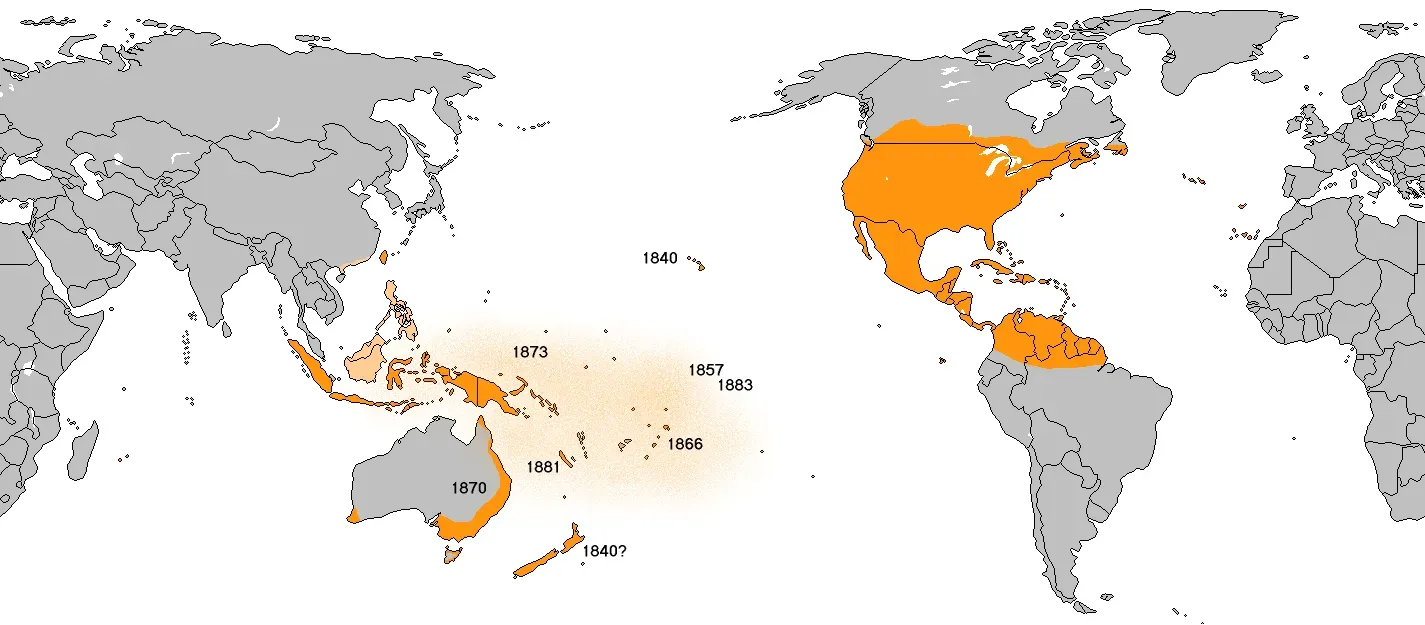
Here’s the thing that makes monarch butterflies genuinely one of the most mind-bending cases in all of biology. The monarch migration is mostly multigenerational. While individual birds complete one or more complete round-trip migrations during their lifetime, it takes three to five generations for most monarchs to complete the full journey. Think about that for a second. No single butterfly ever makes the round trip. They pass a navigational baton to children they will never know.
One of the unique aspects of the migration is that during their summer stay in Canada, monarchs occupy close to 400,000 square miles, while during their overwintering hibernation in Mexico they occupy less than half a square mile. They often migrate back to the same tree that their ancestor butterflies departed from. That means they must have an extremely accurate method of navigation to locate such a small target. Scientists have identified a time-compensated sun compass and even a possible magnetic backup, but exactly how they navigate from Canada to Mexico remains another unsolved mystery.
2. The Arctic Tern’s Pole-to-Pole Odyssey and Its Impossible Precision
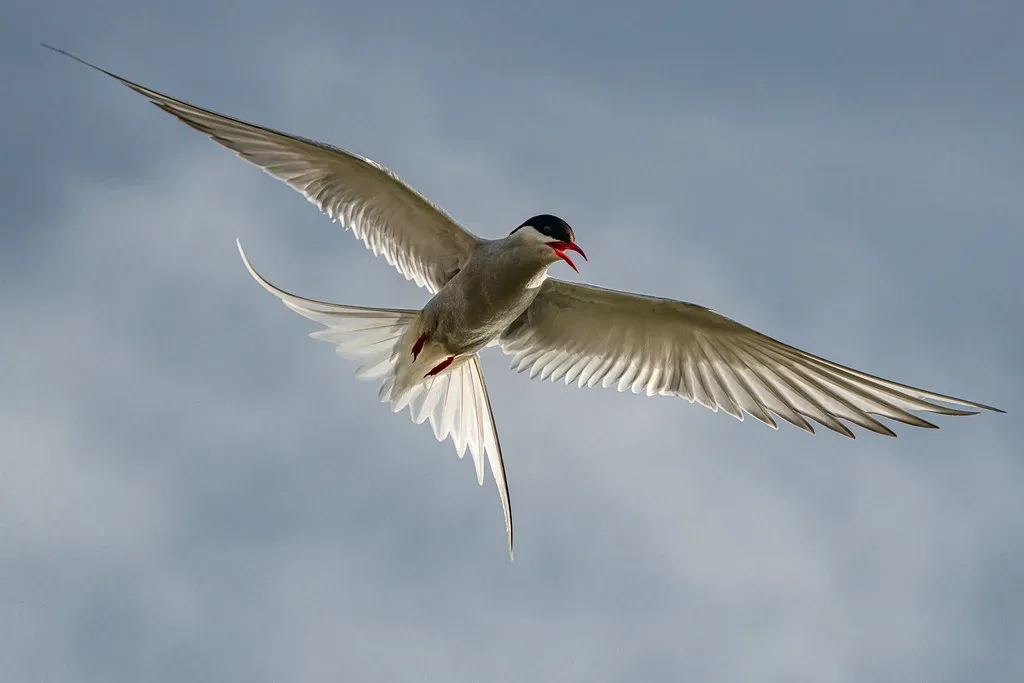
If sheer distance were enough to break a biologist’s brain, the Arctic tern would win every time. Arctic terns complete the longest known animal migration, traveling from the Arctic to the Antarctic and back each year, a round trip of about 44,000 miles. That is roughly the equivalent of circling the entire Earth nearly twice, accomplished by a bird that weighs about as much as a slice of bread.
The world record migration for this bird starts within weeks of hatching and will take it from northern Greenland, down the western coasts of Europe and Africa, across the Antarctic Ocean to the South Pole, a total of around 11,000 miles. Less than a year later, it will cover the same distance again on its return journey home. What still leaves scientists baffled is how young terns, making the journey for the very first time, with no experienced adult to follow, hit the same oceanic waypoints with extraordinary accuracy. Although there have been successful experiments to show that several navigational factors play a part, the theory is not entirely satisfactory. One of its flaws is that the heavenly bodies are not always visible, either due to cloudy conditions or, in the case of fish or marine turtles, because they are underwater; another is that the Earth’s magnetic field is constantly varying and therefore cannot be relied upon.
3. Bar-Headed Geese Flying Over Mount Everest, Literally
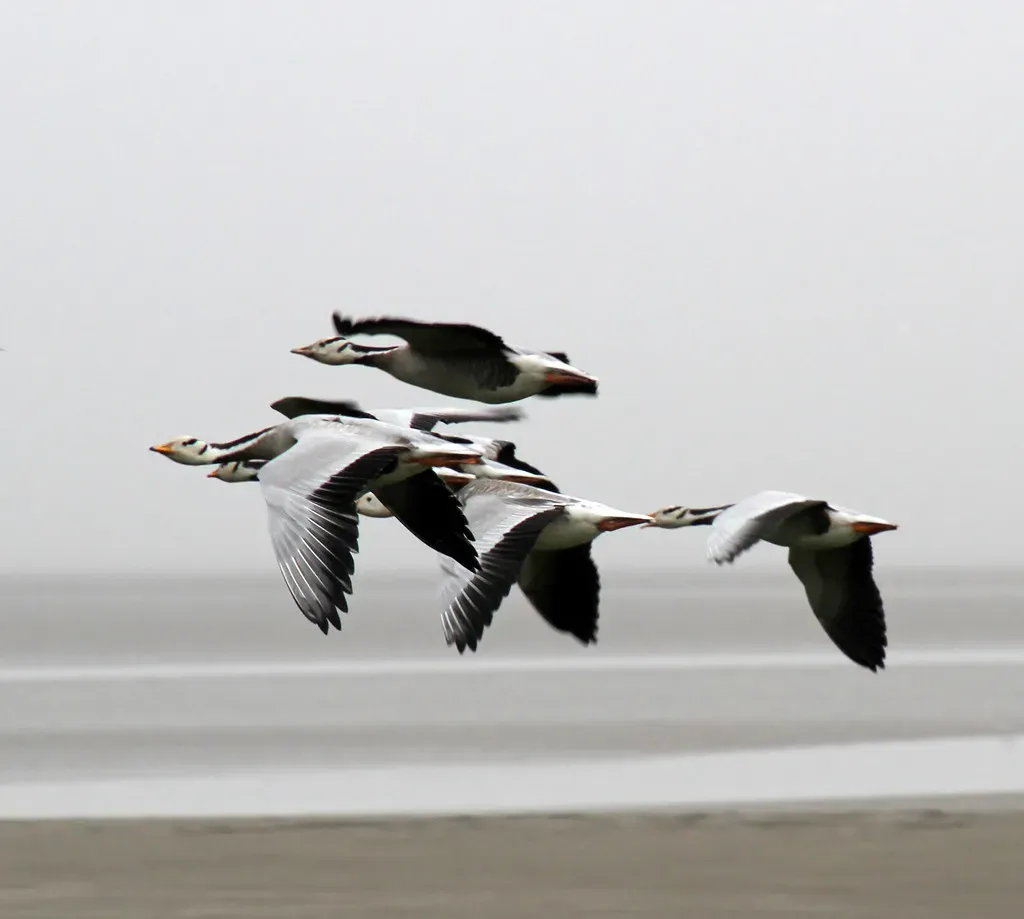
I know it sounds crazy, but there are birds that routinely fly over the highest mountains on Earth, not around them. Bar-headed geese make one of the highest and most iconic transmountain migrations in the world. Those populations that winter at sea level in India are capable of passing over the Himalayas in one day, typically climbing between 4,000 and 6,000 meters in seven to eight hours. At those altitudes, oxygen levels are roughly a third of what is available at sea level, and temperatures plunge well below freezing.
Recent research using satellite telemetry has tracked the migration of bar-headed geese from Mongolia to India, showing that these birds can sometimes reach altitudes of 7,000 meters and above. Early mountaineers have reported seeing bar-headed geese or hearing their honks crossing the highest peaks. Scientists know that bar-headed geese have several physiological adaptations, including a very large heart with a high density of capillaries which deliver oxygen to the muscles, and haemoglobin that has a high affinity to oxygen, enabling them to meet the oxygen demands of flight, which are ten to fifteen times the oxygen needed at rest. Yet many questions still remain to be answered about what enables and drives these birds to routinely undertake these challenging feats of endurance.
4. Humpback Whales and the Ocean Highways Nobody Can Map
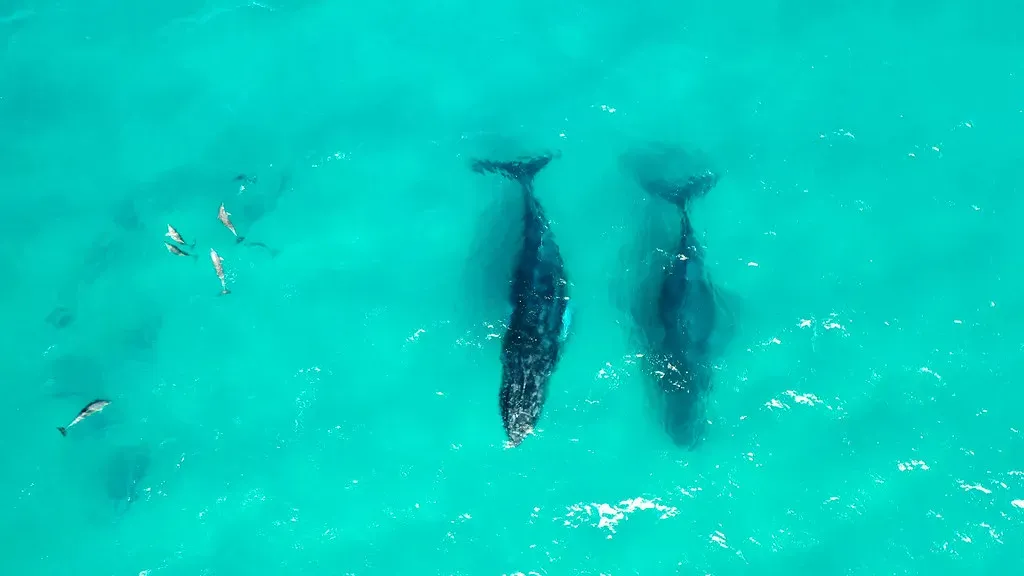
Picture navigating thousands of miles of open ocean with no landmarks, no road signs, no GPS. That is precisely what humpback whales do, and they do it with extraordinary consistency. Humpback whales undergo long journeys of up to 6,500 kilometers through currents, storms, and waves. They feed in nutrient-rich polar waters during the summers and then migrate toward the warm tropics during the winter to mate and give birth. A single wrong turn in a featureless ocean could mean catastrophe.
The navigation methods of humpback whales remain an intriguing mystery to scientists. Several theories aim to explain their precise long-distance travel. Among the most notable is their potential use of environmental cues, such as the position of the sun and stars, to guide their journeys. One prominent theory suggests that humpbacks might detect and use Earth’s magnetic field to navigate, proposing that whales can sense magnetic variations, allowing them to stay on course even across vast, featureless oceans. Still, none of these theories fully explains how individual whales return to the exact same feeding and breeding grounds year after year, often to within a few miles.
5. The Wandering Dragonfly’s Transoceanic Marathon
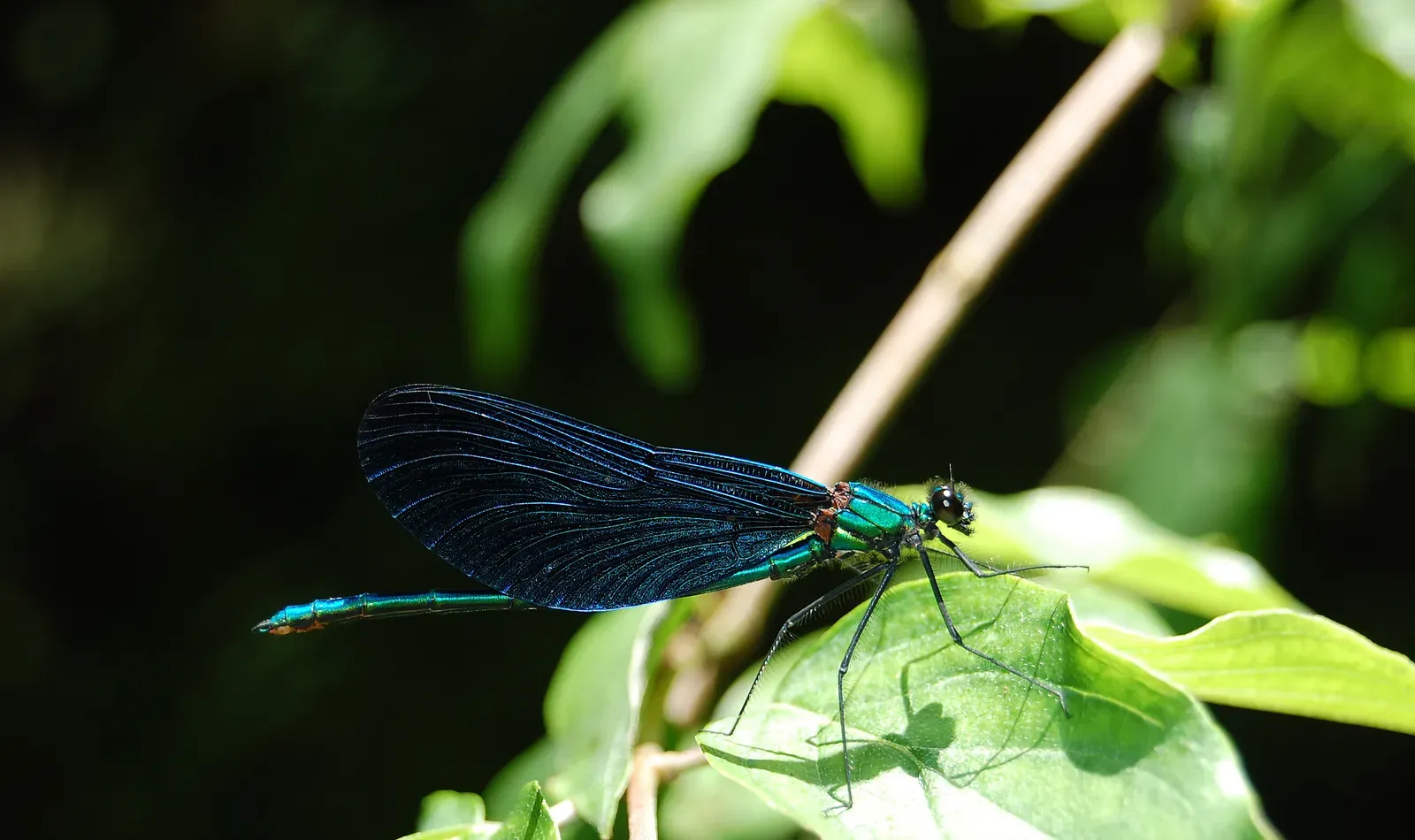
Most people do not think of a dragonfly when they imagine epic migrations. That is a serious oversight. In 2009, biologist Charles Anderson deduced that millions of dragonflies, mostly wandering gliders, undertake an 8,700 to 11,000-mile round-trip journey from India to East Africa, with key refueling stops in the Maldives and Seychelles. That is about twice as long as the famed monarch migration in North America. A dragonfly. Crossing the open Indian Ocean. Repeatedly.
Researchers glued tiny radio tags onto green darner dragonflies and followed them by car and airplane until the transmitters died. The insects surprised scientists by acting a lot like birds. Like birds, the dragonflies stopped to rest and refuel, took advantage of tail winds, and hunkered down when bad weather made travel inadvisable. Anderson later revealed that the wandering glider’s migration might even include a high-altitude traverse over the Himalayas. What drives these tiny insects to attempt transoceanic crossings, and how they survive them, remains one of entomology’s biggest open questions.
6. The Christmas Island Red Crab Invasion That Runs on a Clock No One Can Find
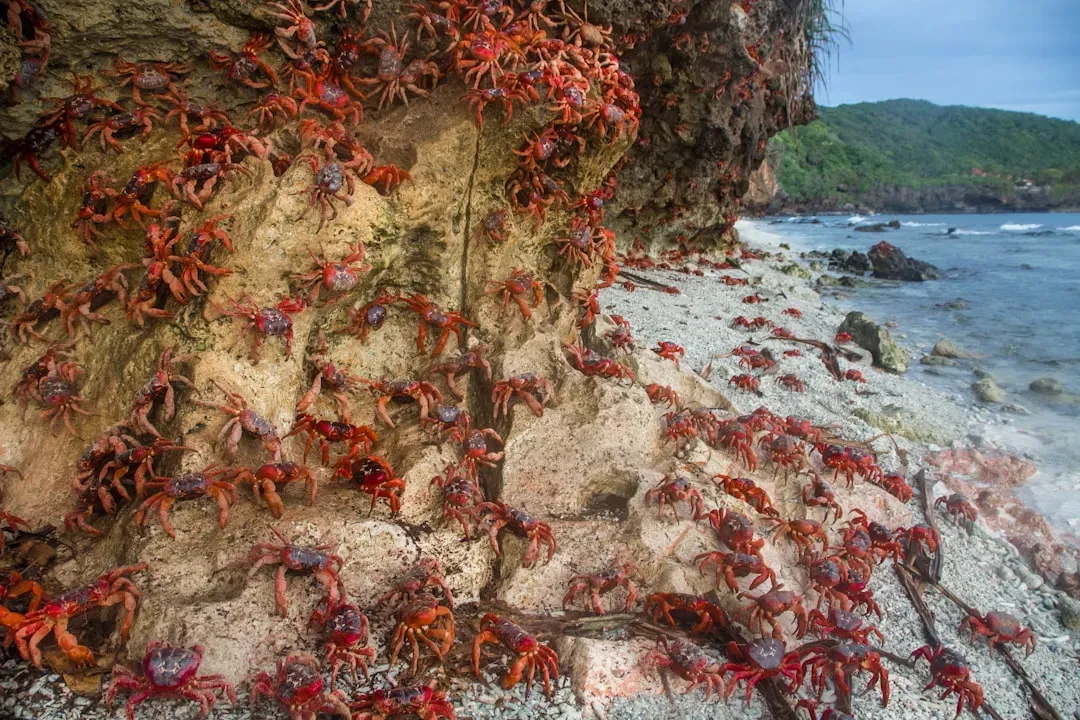
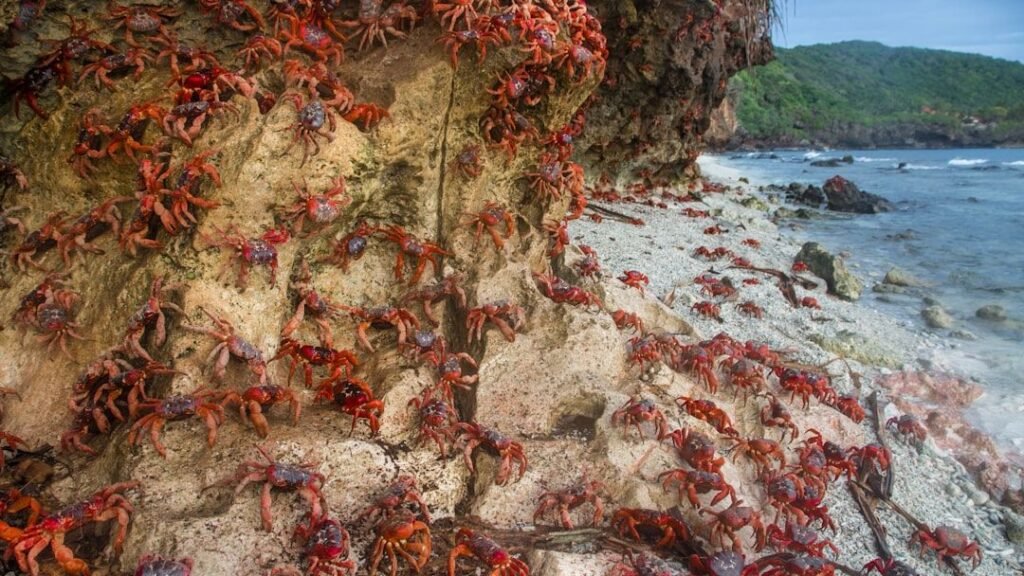
Picture a sea of crimson covering an entire island, with millions of determined crabs taking over roads, climbing buildings, and even forcing the local airport to occasionally pause operations. Every year, these flame-colored crustaceans turn Christmas Island into their red carpet, marching from the rainforest to the ocean in numbers so vast that they can be seen from space. It is one of the most visually stunning migration events on Earth, and the timing mechanism behind it still puzzles researchers.
Around November, when the rains hit Christmas Island and the Cocos Islands, tens of millions of spectacularly colored crustaceans begin marching from the islands’ lush interior rainforests to the beach. The migration appears tied to rainfall and lunar cycles, but the precision of the timing goes far beyond what a simple environmental cue should be able to produce. Climate change may be upsetting the precise nature of this migration by making rainfall more erratic, a 2013 study found. If the rains never come, the crabs don’t reproduce, which is what happened in 1997 during a strong El Niño. The internal trigger that synchronizes millions of individual crabs to move on the same day remains poorly understood.
7. The Serengeti Wildebeest Migration and Its Mysterious Decision-Making
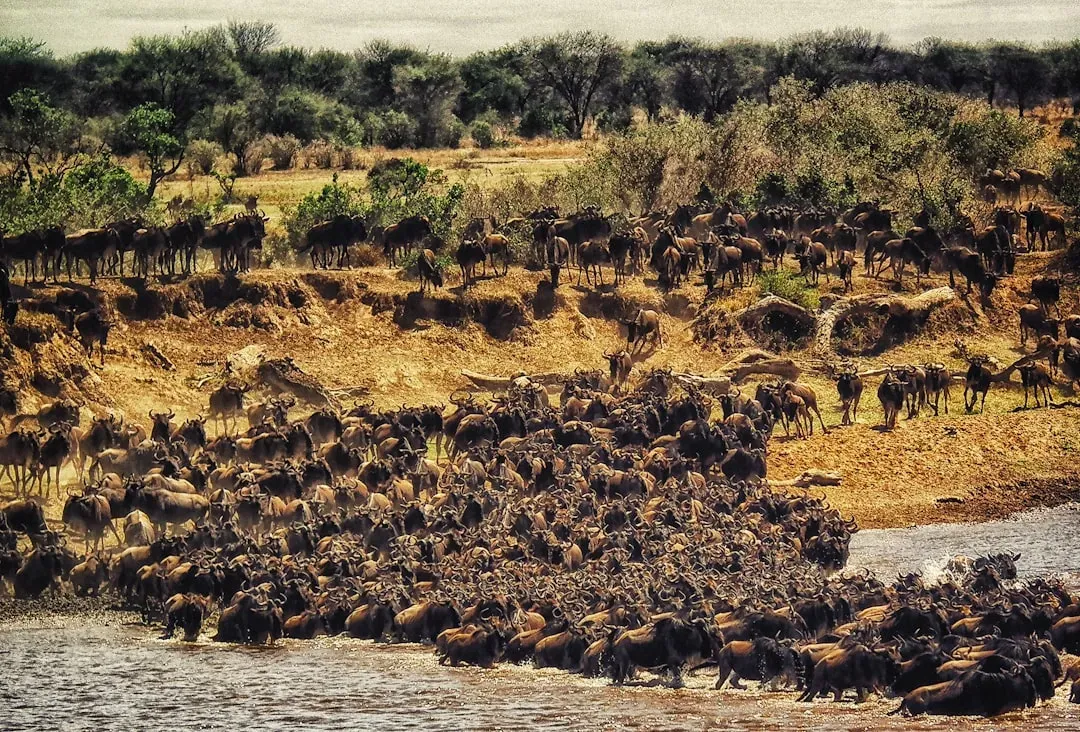
Over a million wildebeest move across the Serengeti in what is often called the greatest wildlife spectacle on Earth. You might assume we have this one fully figured out. We don’t. Mass migration occurs in mammals such as the Serengeti “great migration,” an annual circular pattern of movement with some 1.7 million wildebeest and hundreds of thousands of other large game animals, including gazelles and zebra. The sheer coordination of this movement across such a vast ecosystem still defies full scientific explanation.
What puzzles biologists most is not the migration itself but how the herd “decides” where to move next. There is no leader. No single animal appears to be in charge, yet the herd pivots and changes direction with an almost eerie collective intelligence. One wonders how the ecology of the Serengeti would change if its migratory population of wildebeest were to collapse, given the major role these animals surely play in terms of consuming herbaceous vegetation and redistributing nutrients via their urine and dung. The mechanism behind this distributed decision-making, where the right move emerges from a million individual choices, remains one of the most compelling open puzzles in behavioral ecology.
8. The Loggerhead Sea Turtle’s First-Time Flawless Navigation

Imagine being born, never having traveled anywhere in your life, and then immediately setting out on an 8,000-mile journey through open ocean, without a map, without a parent to follow, and getting it exactly right. That is the loggerhead sea turtle’s reality. Baby loggerhead sea turtles are able to find their way along an 8,000-mile migration route the first time they ever see it. Scientists took some turtles off course, but they were able to find their way back with little difficulty.
Believing that some magnetic orienteering was going on, the next experiment subjected the turtles to a variety of magnetic fields that differed from the Earth’s natural field. These turtles went off course. Exposure to a magnet that mimicked the Earth’s field set them right again, proof that the turtles can detect the Earth’s magnetic field and use it to navigate. Yet the deeper question remains: how is this 8,000-mile route, with all its specific turning points and ocean current patterns, encoded into the DNA of an animal that has never swum a single mile of it? Juvenile green sea turtles make use of Earth’s magnetic field to navigate, but the precise genetic and neurological mechanisms behind that innate programming are still far from fully understood.
9. The Bar-Tailed Godwit’s Nine-Day Non-Stop Flight Across the Pacific
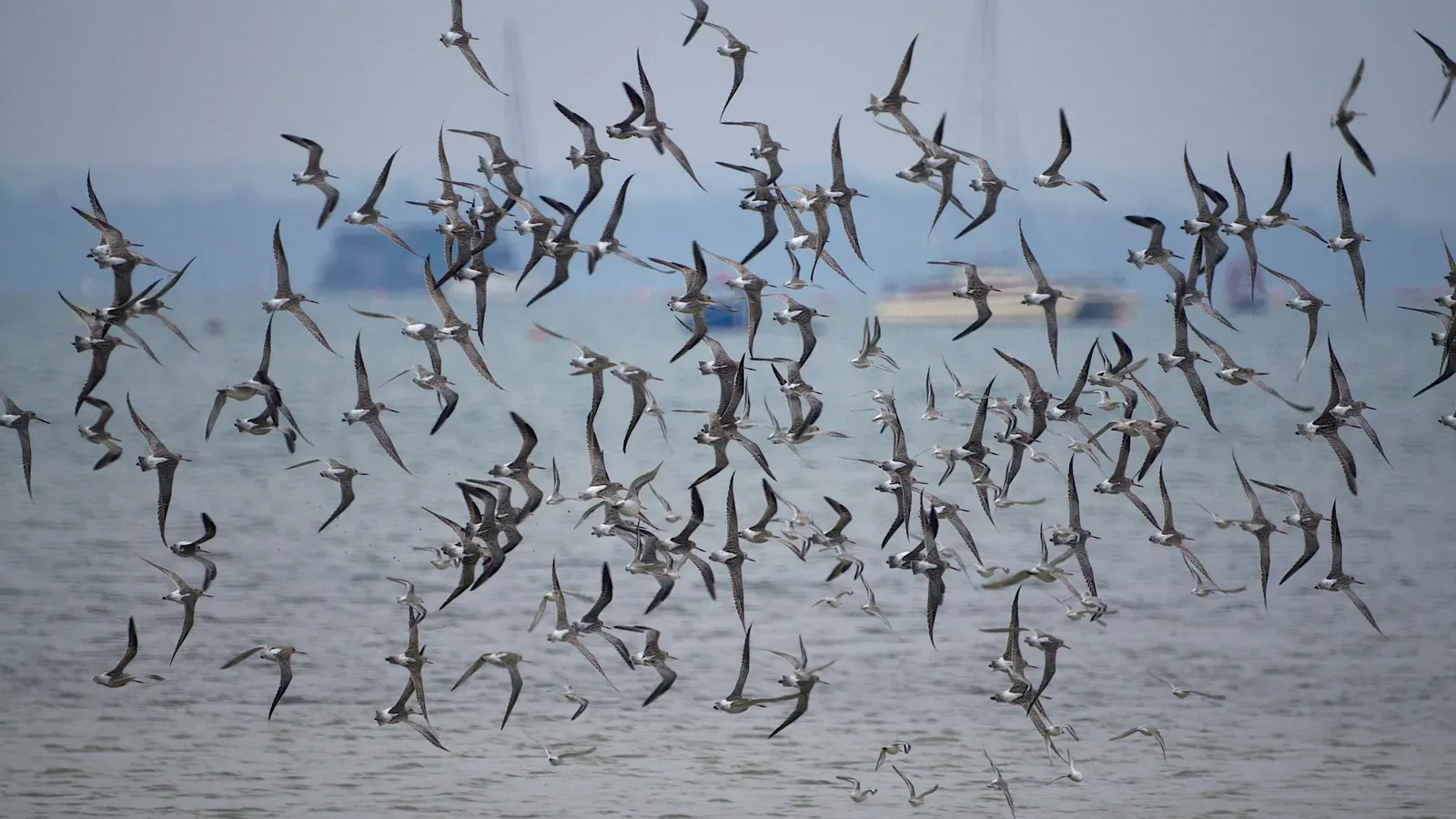
Let’s be real – when you hear “non-stop flight,” you probably think about a long-haul airplane journey. The bar-tailed godwit makes that look like a weekend stroll. Some of the most astonishing feats of endurance are performed by long-distance migrants, such as the nine-day non-stop flight of the bar-tailed godwit across the Pacific Ocean. Nine days. No food. No water. No rest. Just continuous flight over open ocean.
One of the longest non-stop flights is performed by the bar-tailed godwit. The subspecies that breeds in Alaska migrates south to its non-breeding quarters in Australia and New Zealand. Tracking individuals using lightweight satellite tags revealed that these birds are able to cross the Pacific Ocean in a non-stop marathon flight lasting over nine days. Before departure, the bird’s digestive organs actually shrink to make room for extra fat reserves, a kind of biological repacking that still astonishes physiologists. In some avian migrants, organs related to flight, such as heart and flight muscles, increase in size in preparation for migration. By contrast, organs related to feeding become smaller before departure and return to normal size upon arrival, when feeding and digestion resume. How the godwit manages fuel burn across nine days of sustained flight with such precision that it arrives exactly where it needs to be – without running dry – is a question biologists still cannot fully answer.
Conclusion
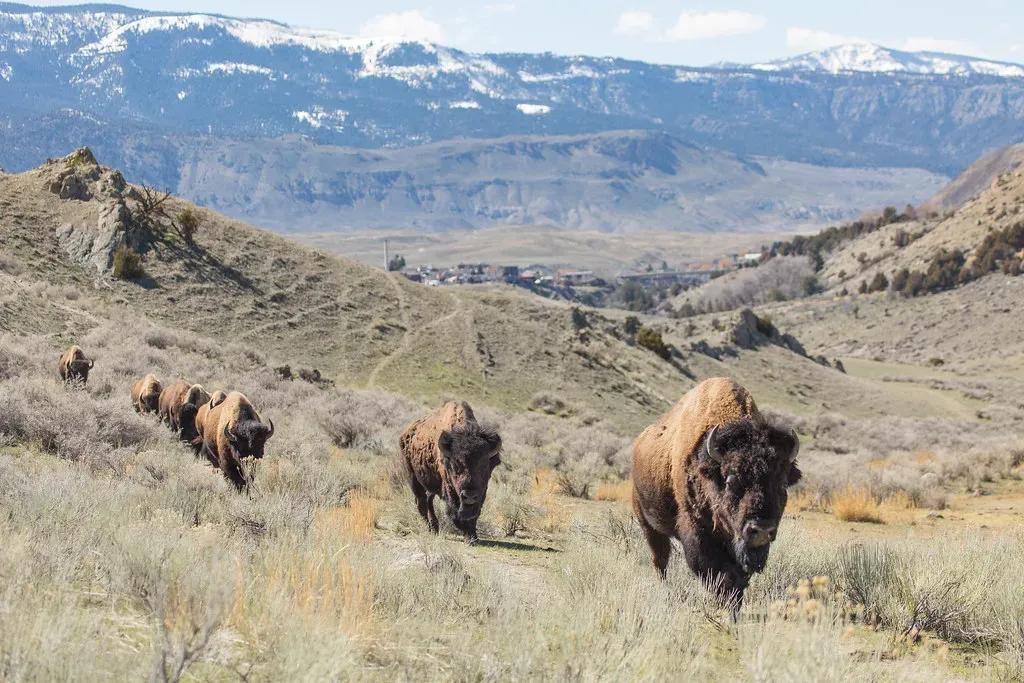
What you have just read is only a glimpse of what is out there. The mind-boggling thing about migration is that it happens everywhere on the planet there are animals, it involves all types of animals from bumblebees to elephants, and it is a critically important phenomenon, both for the environment and for human welfare and human enjoyment of the world. Every single one of these nine migrations tells you something extraordinary about the living world.
It is humbling, honestly. We have sequenced genomes, launched satellites, and tagged thousands of animals, and yet the core of what drives a butterfly to a specific tree it has never seen, or a turtle to a beach it was born on decades ago, remains gloriously out of reach. The origins of migration remain in the realm of pure conjecture; neither observation nor experiment has resolved the matter. Perhaps that is a good thing. Some of the most powerful forces in nature should remain a little mysterious.
The animals do not care that we cannot explain them. They just keep moving. Which of these nine migrations surprised you most? Share your thoughts in the comments below.