
Think about the last time a song brought back a flood of images from years ago, so vivid you could almost smell the room. Or the way you still remember how to ride a bike, even after a decade without trying. Memory is so deeply woven into who you are that it is easy to forget it is actually the product of ruthless biology happening right inside your skull. Trillions of connections firing, molecules shifting, neurons practically shouting at one another across microscopic gaps.
What neuroscience has uncovered about all of this in recent years is, honestly, mind-bending. The old, tidy explanations of memory are being torn down and rebuilt with far more surprising blueprints. So buckle up, because the brain you’ve been living with your entire life is stranger, smarter, and more fascinating than you ever imagined. Let’s dive in.
The Basics: What Actually Happens When You Learn Something New
Here’s the thing most people don’t realize: every single memory you’ve ever made started as a physical change in your brain. Memory resides within a dense network of billions of neurons, and we rely on synaptic plasticity, the strengthening and modulation of connections between those neurons, to facilitate learning and memory. Synapses, the junctions where neurons communicate, lay the groundwork for every memory you form, from a childhood melody to a loved one’s face to what you ate for breakfast.
Memory formation begins with encoding sensory inputs, during which groups of neurons, known as ensembles, form distinctive activation patterns that represent the memory trace. Synaptic plasticity, especially through mechanisms called long-term potentiation (LTP) and long-term depression (LTD), adjusts the strength of synaptic connections based on neuronal activity and experience. LTP strengthens synapses, facilitating easier reactivation of the neural circuit associated with a memory. Think of it like wearing a groove into a wooden floor. The more you walk the same path, the deeper and more permanent the groove becomes.
The Hippocampus: Your Brain’s Memory Hub
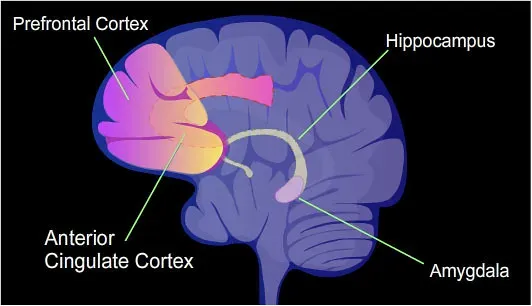
The hippocampus serves as a critical hub for forming new memories, while the neocortex stores long-term memories distributed across multiple areas. It is one of the most studied structures in all of neuroscience, and for good reason. Damage here can devastate a person’s ability to form new memories while leaving old ones eerily intact, like a librarian who can retrieve old books but can no longer catalogue the new arrivals.
The entorhinal–hippocampal circuit has long been central to how the brain forms and recalls memories, yet key questions remain about how these networks maintain stable representations while learning new information. A recent Science study led by researchers from NYU Langone Health provides important mechanistic clarity by showing how coordinated excitatory and inhibitory inputs from the lateral entorhinal cortex help stabilize hippocampal place maps during learning. This work is especially relevant because it also points toward future opportunities for targeted neuromodulation aimed at restoring memory stability in neurological and neuropsychiatric diseases.
Mapping Memory at the Molecular Level: A Breakthrough Tool Called EPSILON
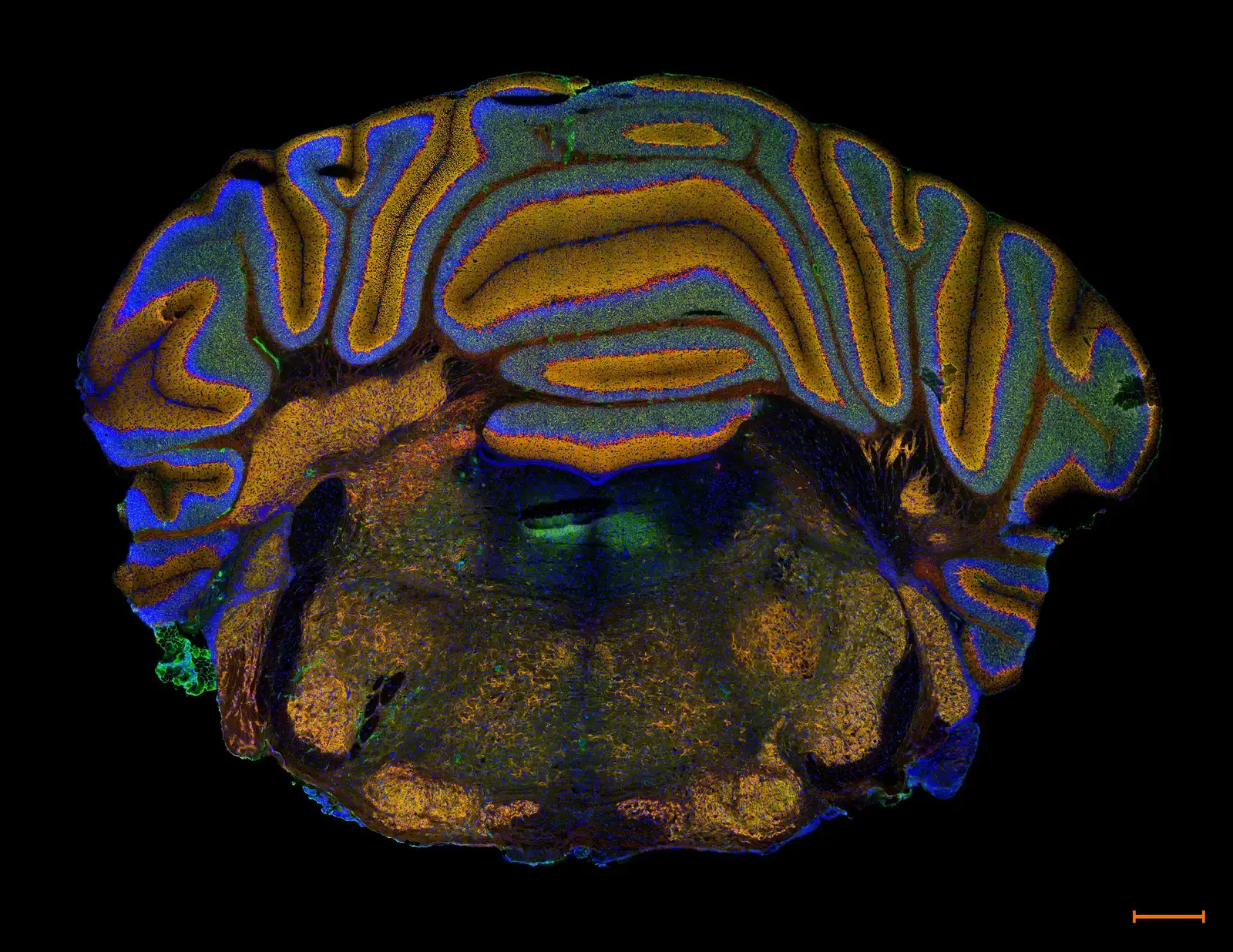
A team of Harvard researchers unveiled a way to map the molecular underpinnings of how learning and memories are formed, a groundbreaking new technique expected to offer insights that may pave the way for new treatments for neurological disorders such as dementia. The technique is called EPSILON, which stands for Extracellular Protein Surface Labeling in Neurons. I think of it as giving scientists a flashlight they never had before in one of biology’s darkest rooms.
A combination of fluorescent labeling and cutting-edge microscopy allowed researchers to illuminate synaptic behavior at unprecedented resolution. The technique’s precision was akin to shining a spotlight on some of the brain’s most intricate functions, allowing the team to monitor the synaptic interactions critical for learning. As synaptic changes of specific memories came into view with greater clarity, patterns started to reveal rules governing how the brain decides which synapses to make stronger or weaker when storing a memory.
Short-Term vs. Long-Term Memory: Scientists Just Rewrote the Rules
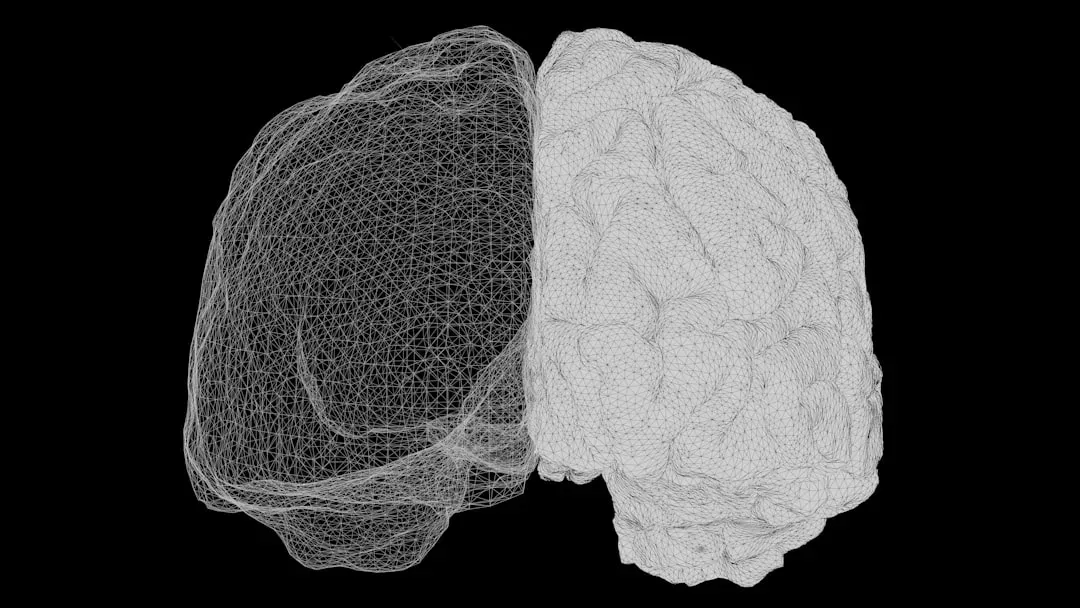
For a long time, scientists believed there was essentially one highway from short-term memory to long-term memory. You experienced something, it lodged briefly in a temporary mental holding zone, and then either got promoted to permanent storage or evaporated. Simple, right? Well, not anymore. The prevailing theory suggested a single pathway, where short-term memories were consolidated into long-term memories. However, researchers now have strong evidence of at least two distinct pathways to memory formation, one dedicated to short-term memories and another to long-term memories.
Researchers from the Max Planck Florida Institute for Neuroscience discovered a new pathway to forming long-term memories in the brain. Their work suggests that long-term memory can form independently of short-term memory, a finding that opens exciting possibilities for understanding memory-related conditions. Scientists are now investigating how this newly discovered pathway to long-term memory formation occurs, and what it could mean for preserving long-term memory retention even when short-term memory is compromised by aging or cognitive impairment. That is genuinely shocking when you think about what it means for people with memory disorders.
Why Some Memories Last a Lifetime While Others Vanish by Tuesday
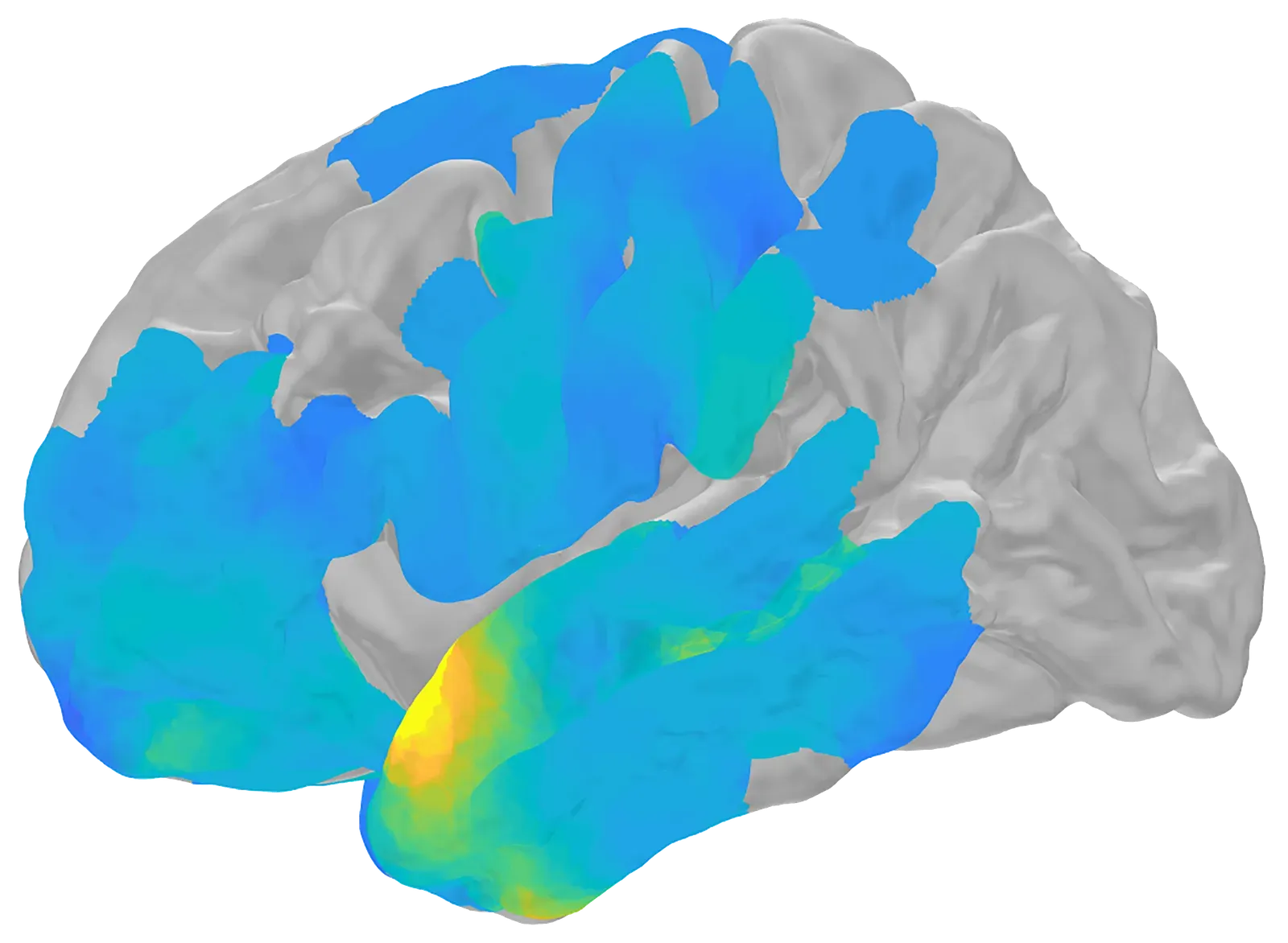
Ever wonder why you can still remember your childhood home address but completely forget what you had for lunch three days ago? It turns out your brain uses a layered, almost clock-like system to decide what stays. Long-term memories form through a layered series of molecular programs that gradually strengthen important experiences while allowing others to fade. Scientists have uncovered a stepwise system that guides how the brain sorts and stabilizes lasting memories. By tracking brain activity during virtual reality learning tasks, researchers identified molecules that influence how long memories persist. Each molecule operates on a different timescale, forming a coordinated pattern of memory maintenance.
The results indicate that long-term memory relies not on a single on/off switch, but on a sequence of gene-regulating programs that unfold like molecular timers across the brain. Early timers activate quickly but fade fast, allowing memories to disappear. Later timers turn on more gradually, giving important experiences the structural support needed to persist. By understanding the gene programs that preserve memory, scientists may even be able to redirect memory pathways around damaged brain regions in conditions such as Alzheimer’s. That possibility alone is worth getting excited about.
Sleep and Memory: Your Brain’s Secret Night Shift

Here’s a fact that should make you feel less guilty about a long sleep: your brain is working incredibly hard while you’re unconscious. Systems-level memory consolidation during sleep involves the gradual reorganization of neural connections, particularly between the hippocampus and neocortex. It is like your brain running a backup program every single night, quietly transferring the day’s important files into long-term storage.
Sharp-wave ripples play a fundamental role in memory replay and reactivation, where during sleep, neural representations of experiences from wakefulness are temporally compressed and reactivated. This replay mechanism is considered an important process that underlies memory consolidation. A Cornell University study added another fascinating layer, finding that at certain times during deep sleep, certain parts of the hippocampus go silent, allowing those neurons to reset. In other words, sleep doesn’t just store memories. It clears the deck so you can make new ones tomorrow.
The Surprising Discovery That Memory Lives Beyond the Brain
Honestly, when I first came across this finding, I had to read it twice. We have always assumed memory was the brain’s exclusive territory. Turns out, that assumption may need serious revision. New York University research showed that other cells in the body can learn and form memories too. The research sought to better understand if non-brain cells help with memory by borrowing from a long-established neurological property, the massed-spaced effect, which shows that we tend to retain information better when studied in spaced intervals rather than in a single intensive session.
The results showed that non-brain cells could determine when chemical pulses, which imitated bursts of neurotransmitter in the brain, were repeated rather than simply prolonged, just as neurons in our brain can register when we learn with breaks rather than cramming all the material in one sitting. Specifically, when the pulses were delivered in spaced-out intervals, they turned on the memory gene more strongly, and for a longer time, than when the same treatment was delivered all at once. This shows that the ability to learn from spaced repetition isn’t unique to brain cells, but in fact might be a fundamental property of all cells. Let that sink in for a moment.
Conclusion: Your Memory Is Far More Dynamic Than You Think
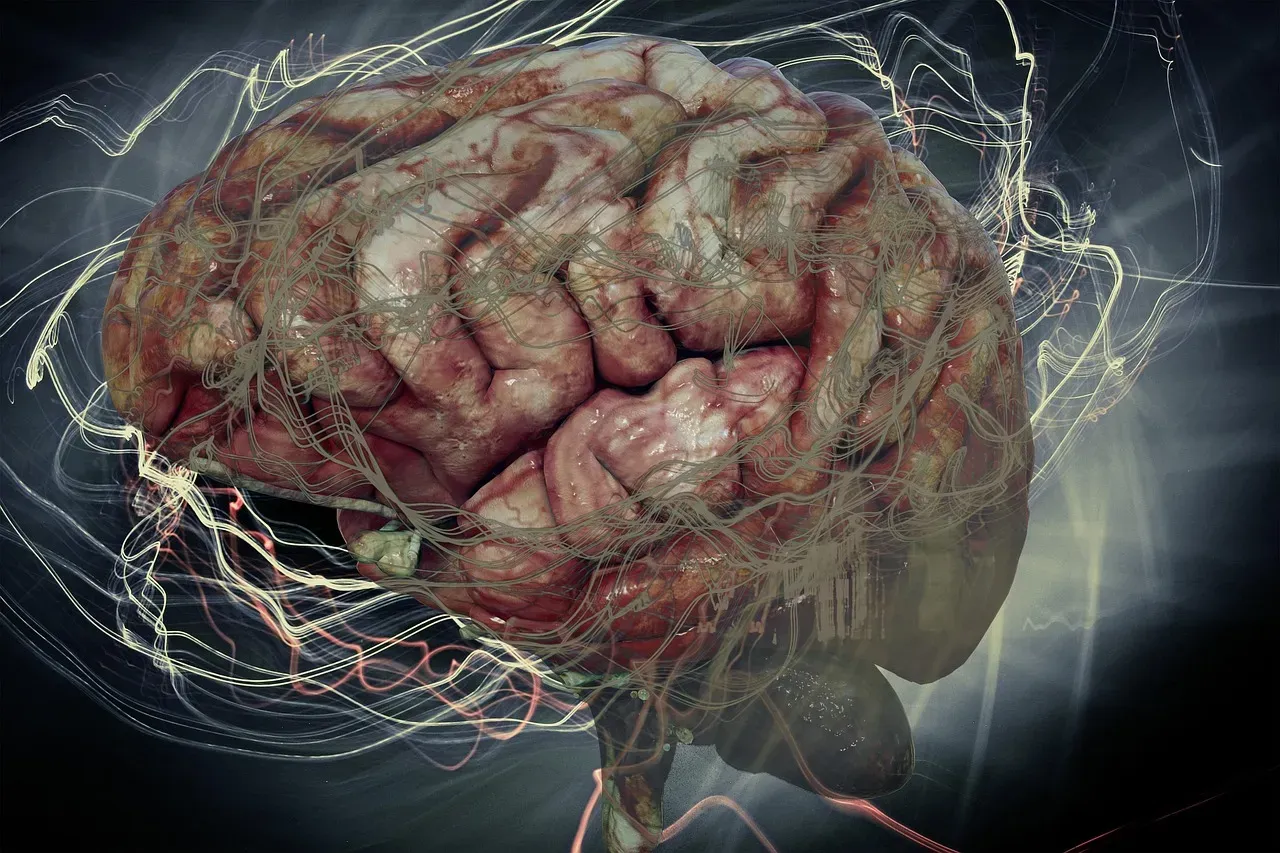
What all of this research ultimately reveals is that memory is not a filing cabinet where experiences are neatly stored and retrieved. It is a living, shifting, deeply molecular process that unfolds across multiple brain regions, responds to sleep, is shaped by timing, and may even extend into the cells of your body. The brain’s capacity to form and forget memories is an intricate process involving molecular, cellular, and systemic changes within a vast neural network. Advances in memory science, including new molecular mapping techniques and insights into astrocyte-neuron interactions and immune system roles, highlight the complexity and adaptability of memory mechanisms.
The discoveries emerging from neuroscience labs right now are not just academic curiosities. They carry real promise for understanding and treating conditions like Alzheimer’s disease, PTSD, and age-related cognitive decline. Neuroscience in recent years has felt like a turning point, where instead of merely watching how the brain works, scientists are increasingly learning how to repair, support, or even augment human cognition. We are standing at the edge of a genuinely new chapter in understanding what makes us who we are.
The deeper you look at memory, the more extraordinary it becomes. Every time you remember something, you are witnessing a biological miracle playing out in real time. What is the one memory you’re most grateful your brain decided to keep?