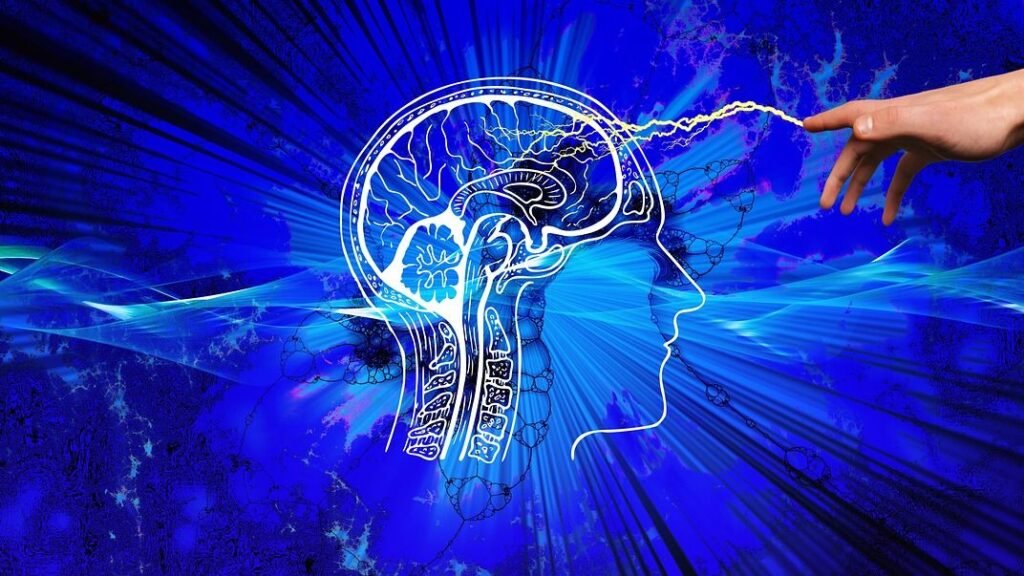

There is an organ sitting inside your skull right now that is doing something extraordinary. It is processing this sentence, predicting the next word before you even read it, managing your heartbeat, storing memories from decades ago, and quietly running thousands of biological programs, all at the same time. And here is the truly wild part: scientists believe we have barely scratched the surface of understanding it.
The human brain holds 86 billion neurons connected by roughly 100 trillion synapses, making it one of the most complex objects in the known universe. Year after year, researchers push deeper into this biological marvel and keep finding things that defy expectation. From hidden memory systems to quantum-level mysteries of consciousness, the discoveries are nothing short of breathtaking. Buckle up, because what you are about to read will change how you think about the thing doing your thinking. Let’s dive in.
Your Brain Is a Masterpiece of Raw Power You Never Notice
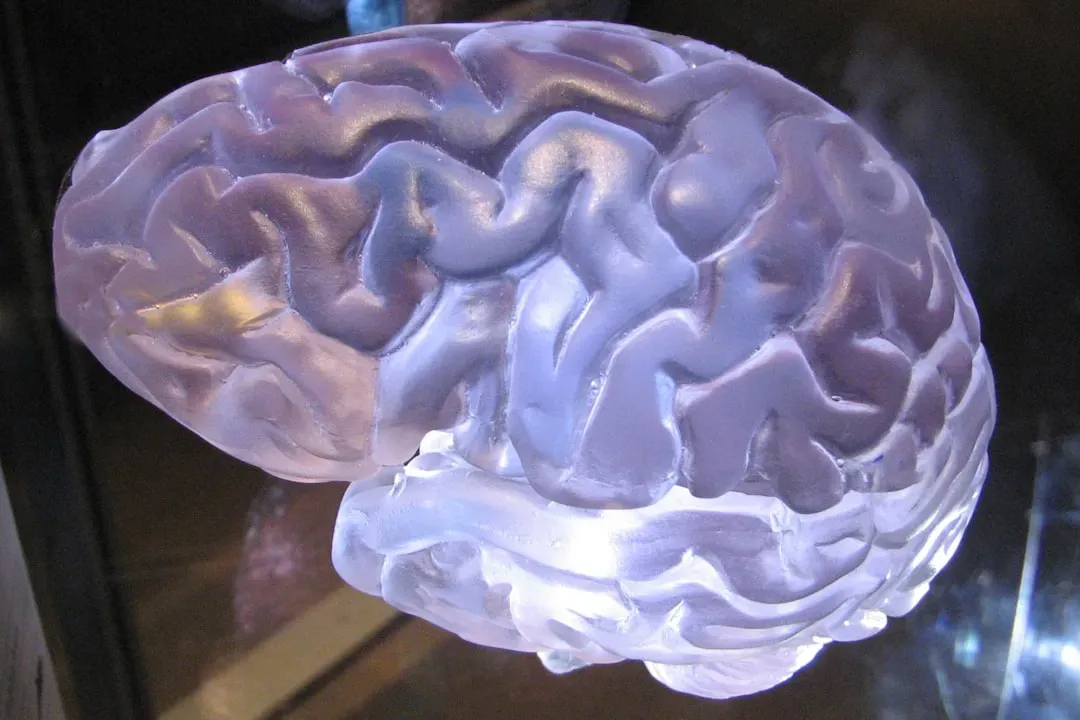
Most people picture the brain as a passive receiver, like a television set waiting for a channel to tune in. That picture could not be more wrong. Your brain is a three-pound organ that quietly runs everything you do, from breathing and movement to emotions, creativity, and memory. Despite its small size, it generates about 20 watts of electrical power and processes vast amounts of information every second. That is roughly the same wattage as a dim lightbulb, yet the complexity it powers is unmatched by any technology humans have ever created.
The human brain is estimated to perform around one exaFLOP of computations per second. This rivals the fastest supercomputers but at a fraction of the energy cost. Think about that for a moment. The most powerful machines we have ever built, housed in massive facilities and consuming staggering amounts of electricity, are still essentially playing catch-up with a structure that fits inside a football helmet. Every second, the brain performs up to a quadrillion synaptic operations, with signals traveling as fast as 100 meters per second along myelinated axons. It is, honestly, one of the most humbling facts in all of science.
The Plastic Brain: Your Mind Rewires Itself Every Single Day
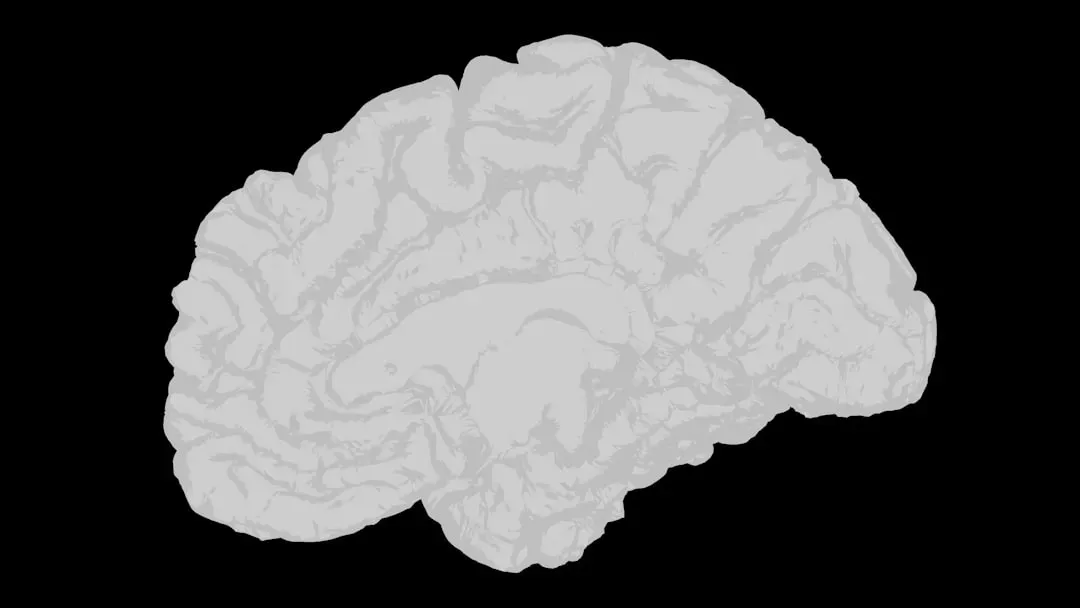
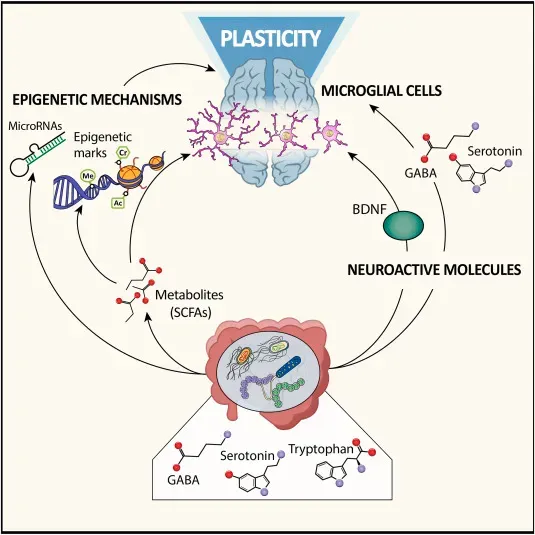
Here is something that used to be considered heresy in neuroscience: your brain never stops changing. Once believed to occur only during early development, research now shows that plasticity continues throughout the lifespan, supporting learning, memory, and recovery from injury or disease. This property, called neuroplasticity, is essentially your brain’s superpower, and it is active in you right now whether you realize it or not.
Neuroplasticity illustrates the brain’s dynamic ability to rewire neural connections, enabling learning, recovery, and mental health transformation through lifelong adaptability. Neuroplasticity is the brain’s dynamic ability to reorganize itself through forming and reorganizing neural connections based on experience, learning, or injury. This fundamental property allows the brain to adapt to new information, develop new skills, and recover functions after damage. The practical implications are staggering. For example, blind individuals can have enhanced sensory processing in other modalities, such as touch and hearing, due to cortical reorganization. Your brain does not just accept its circumstances. It actively reroutes, rebuilds, and reimagines itself in response to them.
The Secret Lives of Your Memories: What You Forget You Actually Remember
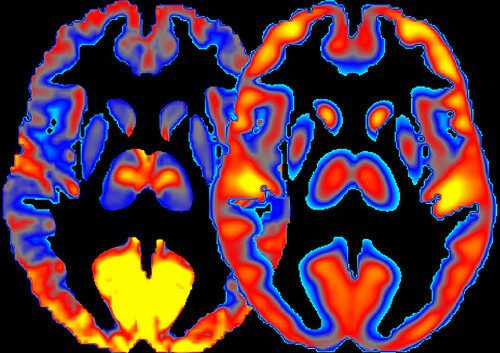
You probably believe you remember the things you remember and have simply lost the things you have forgotten. Turns out, it is far stranger than that. Recent research suggests that your brain was making memories back in early infancy; you just do not have access to them now. A study of the infant hippocampus, a deep-brain structure crucial for memory formation, found that it can store memories once babies are around one year old, though it is not clear why we cannot recall them once we grow up. Those first years of your life were not blank. They were recorded. You just cannot play them back.
Memory consolidation is closely tied to sleep, especially during REM cycles. During sleep, the hippocampus repeatedly replays daily experiences, strengthening neural connections in the cortex by up to 300 percent. This means every night while you are dreaming, your brain is essentially running a secret software update, compressing the day’s experiences into long-term storage. Neuroscience research now shows that intelligence, memory, and emotional regulation are not fixed traits but dynamic processes influenced by sleep, nutrition, learning, and environment. Memory, in other words, is not a filing cabinet. It is a living, breathing, constantly shifting archive.
Your Brain Is a Prediction Machine Operating in the Shadows
I think one of the most mind-bending ideas in modern neuroscience is this: you are never actually experiencing the present moment. In neuroscience, predictive coding is a theory of brain function which postulates that the brain is constantly generating and updating a mental model of the environment. According to the theory, such a mental model is used to predict input signals from the senses that are then compared with the actual input signals from those senses. Everything you see, hear, and feel is your brain’s best guess, constantly checked and updated against incoming data. Reality, as you experience it, is a beautifully crafted simulation.
Emerging research suggests the brain operates as a prediction machine, continuously anticipating sensory, motor, and cognitive outcomes. This is not just a philosophical curiosity. It has enormous practical consequences. The problematic bugs this system creates include illusions, weird beliefs, anxiety, depression, chronic pain, chronic fatigue, psychosomatic problems, and placebo effects. So the next time you feel anxious without obvious reason, consider that your brain may simply be predicting a threat that is not yet, or may never be, there. It is trying to protect you. Sometimes it overshoots.
The Mystery of Consciousness: Science’s Most Stubborn Question
Neuroscience can explain how neurons fire. It can map the pathways of vision, track the circuits of fear, and locate the regions where language is born. What it cannot yet explain is why any of it feels like anything. Humans know they exist, but how does that knowing work? Despite all that has been learned about brain function and the bodily processes it governs, we still do not understand where the subjective experiences associated with brain functions originate. This is the so-called “hard problem” of consciousness, and it keeps philosophers and neuroscientists up at night.
Things got even more intriguing recently with bold new research entering the picture. In a paper published in Frontiers in Human Neuroscience, new evidence indicates that conscious states may arise from the brain’s capacity to resonate with the quantum vacuum, known as the zero-point field that permeates all of space. It is hard to say for sure whether quantum effects truly drive consciousness, but the very fact that serious researchers are asking the question signals how profoundly unresolved this mystery remains. The corpus callosum helps to create an experience of unified consciousness by synchronizing sensory, motor, and cognitive processes, and new research suggests you do not need the whole structure intact to maintain that unified experience. The brain, it seems, will find a way.
Adult Neurogenesis: Your Brain Is Still Growing New Cells
For most of the 20th century, the scientific consensus was clear and rather grim: you are born with all the brain cells you will ever have, and it is all downhill from there. That consensus is now officially outdated. Neuroscientists long believed that you are born with all of the neurons you will ever have. Evidence has slowly accumulated to suggest that adults can form new neurons, a process called neurogenesis. It was a controversial idea for a long time, with only circumstantial evidence to support it.
This year, researchers discovered newly formed neurons and the precursor cells that birthed them in the brains of adults, some as old as age 78. Let that sink in. Nearly eight decades old, and the brain is still generating fresh neural cells. Several studies have shown that increased physical activity, exposure to enriched environments, and certain drugs can enhance neurogenesis and improve learning and memory. What this means practically is empowering. The choices you make about exercise, learning, and environment are not just good habits. They are literally sculpting the physical structure of your brain, at any age.
The Gut-Brain Axis: Your Second Brain Is Running a Parallel Program
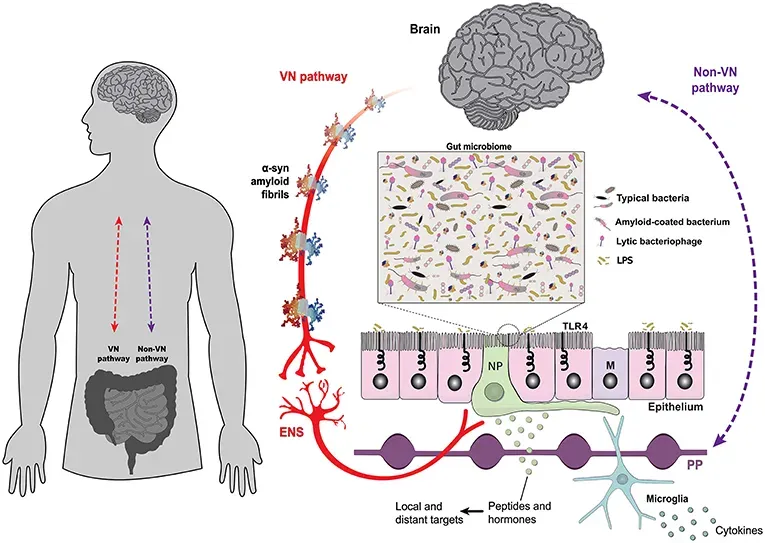
When people say they have a gut feeling, they are closer to the neurological truth than they know. One fascinating aspect of the gut’s widespread impact on health is its direct influence on and communication with the brain, a conduit known as the gut-brain axis. Through direct signals from the vagus nerve, which connects the brain and the gut, as well as through molecules secreted into the bloodstream, our brains and digestive tracts are in constant communication. This is not metaphor. It is hard biology.
The enteric nervous system is more brain-like than other peripheral nerves because it consists of lots of different types of neurons that communicate with each other. In fact, the gut’s nervous system can act alone. This system not only keeps the gut working but plays a central role in health and disease and perhaps even in our experience of the mind. Think of it like a co-pilot that nobody told you about. It affects your mood, your sleep, even your motivation to exercise. There is convincing evidence that it is the starting point for Parkinson’s disease and could be responsible for long COVID’s cognitive effects. The idea that mental health is purely a brain issue is becoming harder and harder to defend.
The Brain in Five Acts: Science Discovers Your Mind’s Hidden Timeline
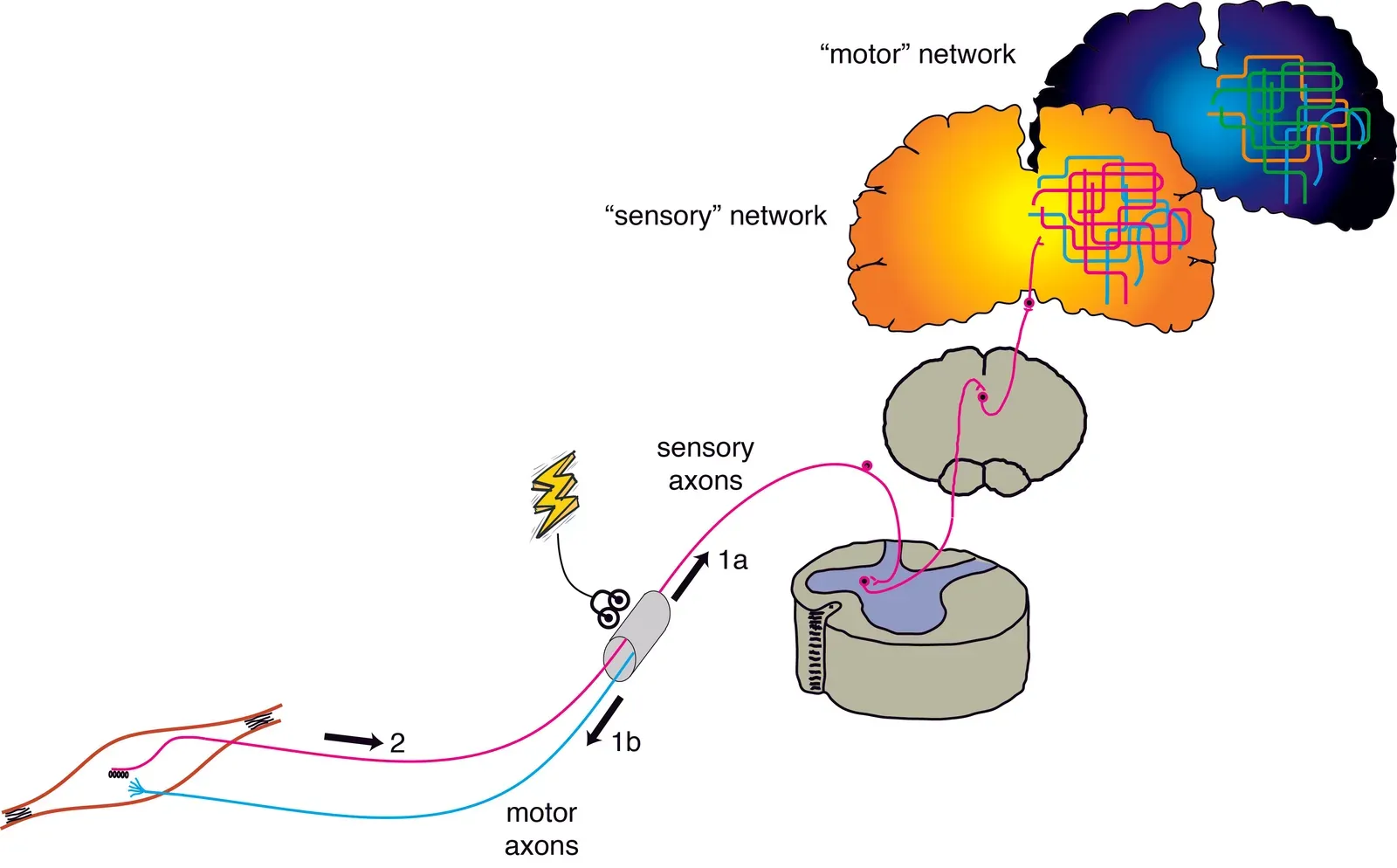
If someone told you your brain goes through five distinct eras across your lifetime, like chapters in a novel, you might raise an eyebrow. Yet that is precisely what science is now confirming. Brain scans of thousands of people revealed that the human brain has five distinct eras, with turning points in the way it is organized occurring at age nine, 32, 66, and 83. Across each of these stages, people’s brains tend to experience the same types of changes. Your brain at 40 is not just an older version of your brain at 20. It is an entirely different organizational chapter.
This discovery reshapes how we should think about education, career planning, mental health, and aging. As human brain studies continue to integrate AI, genetics, and high-resolution imaging, future therapies will likely focus on precision rather than broad treatment. Protecting brain health early and supporting adaptability later may become central to healthcare. Meanwhile, the pace of discovery is accelerating fast. A major study involving about 2,000 people in their 60s and 70s found that those who spent two years getting aerobic exercise, eating a Mediterranean diet, managing blood pressure, and taking part in demanding cognitive training ended up performing better on tests of thinking and memory, with scores as good as those from people a year or two younger. Your brain’s age, it turns out, is not a fixed destiny. It is a negotiation.
Conclusion: The Most Extraordinary Frontier Is the One Between Your Ears
Neuroscience in 2026 is standing at a doorway unlike anything humanity has faced before. We now know the brain rewires itself daily, generates new neurons across a lifetime, runs a predictive simulation of reality before experience even arrives, and communicates with organs we once thought were completely separate. These discoveries are not just scientific milestones. They redefine how we understand being human.
What makes this frontier genuinely thrilling is not just the knowledge itself, but what it means for you personally. Your brain is not a fixed machine you were handed at birth. It is a living, adaptive, endlessly surprising instrument shaped by how you sleep, what you eat, how you move, and what you choose to learn. Every new skill you acquire, every walk you take, every good night’s rest you give yourself is, in the most literal sense, an act of brain architecture.
The organ that makes you who you are is still full of secrets. And honestly? I think that is one of the most exciting things about being alive right now. What about you, what unseen power of your brain surprises you most? Drop your thoughts in the comments.