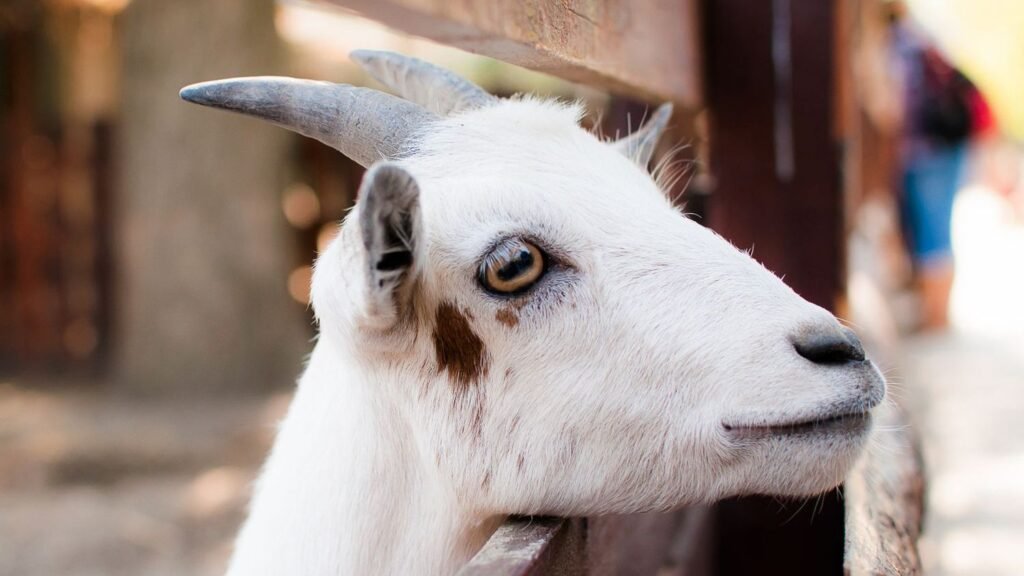
If you think goats are just stubborn lawn mowers with horns, you’re seriously underestimating them. These animals have shaped human history, inspired myths, climbed impossible mountains, and even helped advance modern medicine. Goats are far stranger, smarter, and more emotional than most people realize, and once you scratch beneath the surface, they go from “farm background noise” to “how did I not know this before?”
I still remember the first time a goat stared straight into my eyes and then untied my shoelaces with its teeth like it had done it a hundred times. That was the moment I stopped seeing goats as background animals and started seeing them as individuals with curiosity, humor, and personality. Let’s dig into some of the most surprising, often overlooked facts about goats that might just change how you see them forever.
1. Goats Recognize Human Faces And Remember Them
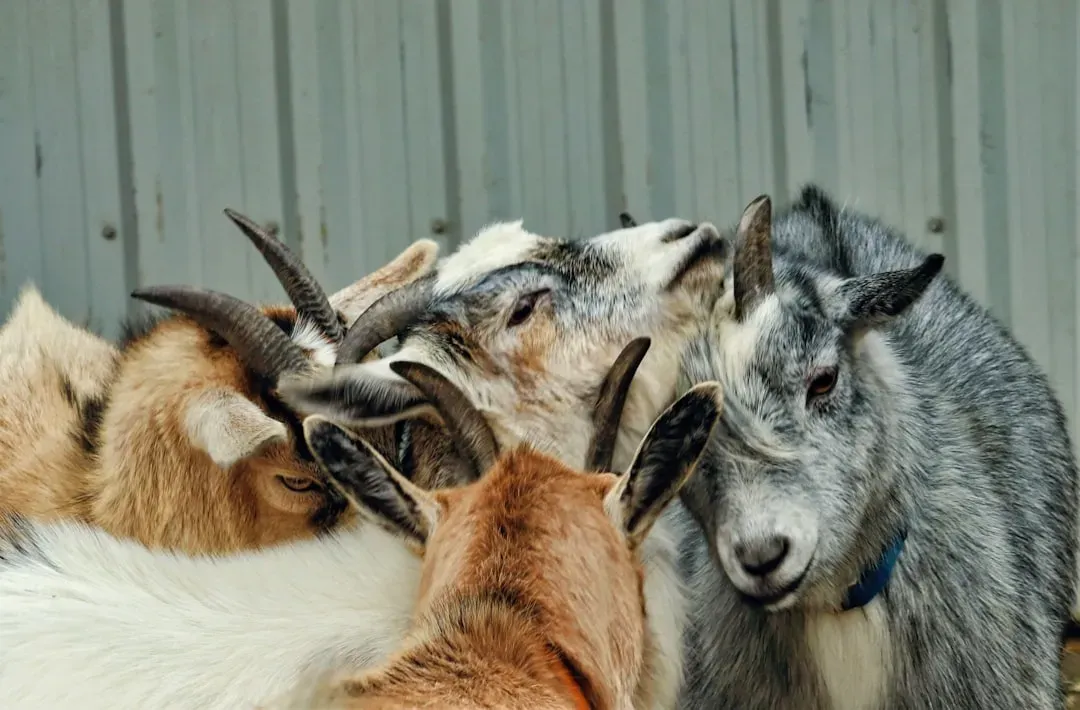
It might shock you, but goats are watching you more closely than you think. Research has shown that goats can distinguish between different human faces and even prefer friendly, smiling expressions over angry ones. They don’t just live in their own little goat bubble; they actually look to humans for social cues in a way that’s oddly similar to dogs.
What’s even wilder is that goats can remember these human faces over time. That means if you treat a goat kindly, it can recognize you later and react more positively, and the opposite is true if you’ve been rough or scary. In a very real sense, your relationship with a goat is something you build, not something automatic. They’re not just livestock; they’re observers, quietly tracking who’s who in their world.
2. They Have Rectangular Pupils For A Very Specific Reason
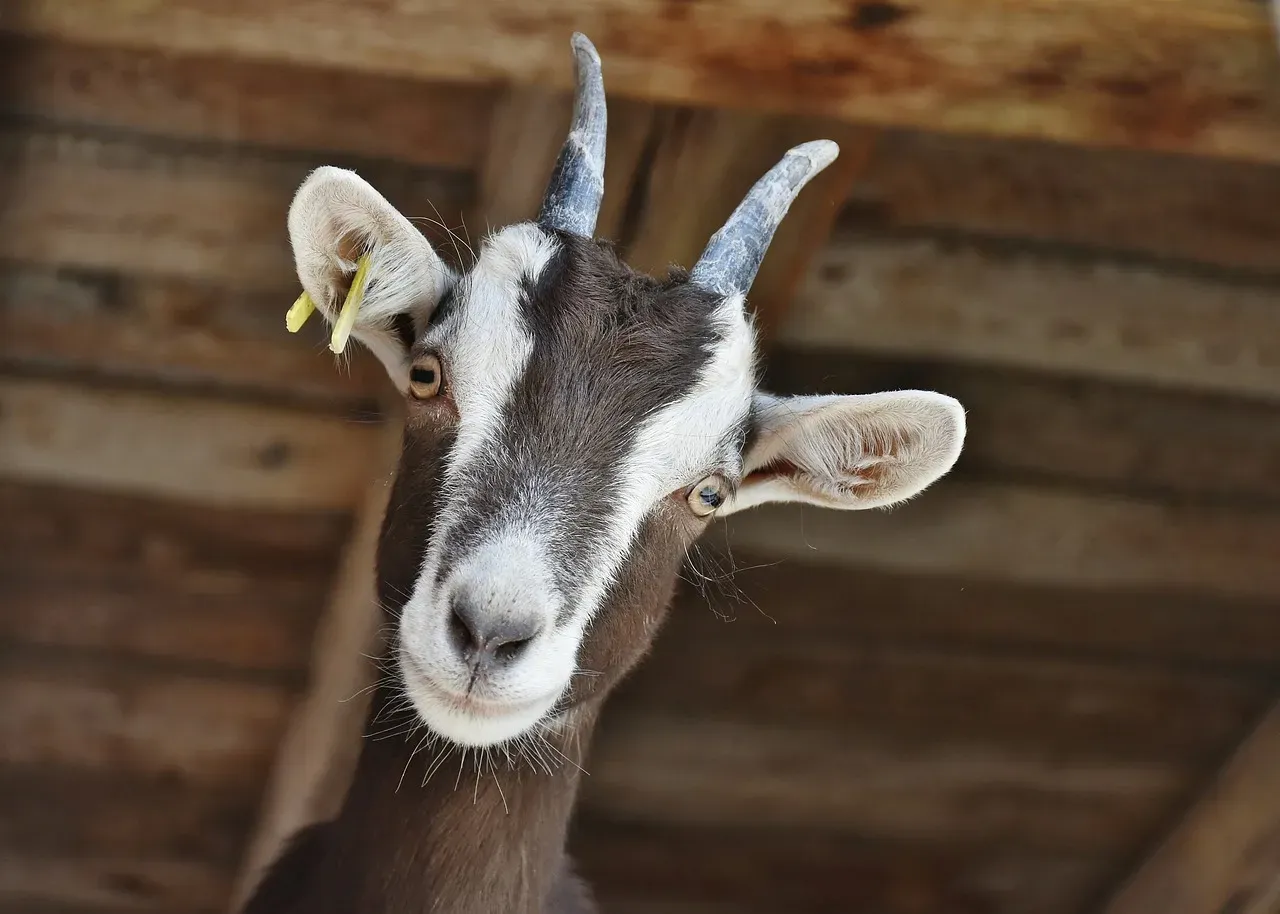
Those eerie, horizontal, rectangular pupils that make goats look a bit otherworldly are not a design mistake; they’re a survival upgrade. Goats are prey animals, and their eyes are built to scan the horizon for danger. The unusual shape of their pupils gives them a super wide field of vision, letting them see almost all the way around their bodies without turning their heads.
Even more impressive, their pupils rotate to stay level with the horizon as they move their heads, which helps them judge distances on steep slopes and rocky cliffs. Imagine having a panoramic camera built into your face that automatically stabilizes; that’s basically what goats have. It’s one of the reasons they can move so confidently in places that would make most humans freeze in fear.
3. Goats Are Incredible Climbers – Even On Vertical Surfaces

You’ve probably seen those viral photos of goats standing on near-vertical dams or perched in trees like oversized birds. That’s not a trick of the camera; goats have an insane sense of balance and shockingly good coordination. Their hooves have a hard outer shell with a softer, more rubbery inner pad that grips uneven surfaces like a high-end hiking boot.
In the wild, this ability is a survival tool, not a party trick. Mountain goats and other similar species can escape predators by darting up cliffs and narrow ledges where larger animals can’t follow. Watching a goat calmly navigate a rocky ledge is like watching a rock climber who doesn’t believe in gravity. They make danger look boringly routine.
4. They Are One Of The First Animals Ever Domesticated

Goats have been hanging around humans for thousands of years, long before many of the animals we now think of as “common” farm creatures. Archeological evidence suggests people domesticated goats roughly around ten thousand years ago in parts of the Middle East. They were walking food, clothing, and fertilizer factories all in one compact, hardy package.
Because goats are adaptable and can live in tough environments, they helped early humans survive and spread into new regions. They provided milk, meat, hides, and even bone tools long before grocery stores or warehouses existed. In a quiet way, goats helped build human civilization, one step and one village at a time, especially in rough areas where other livestock would’ve failed.
5. Goat Milk Is Easier To Digest For Many People
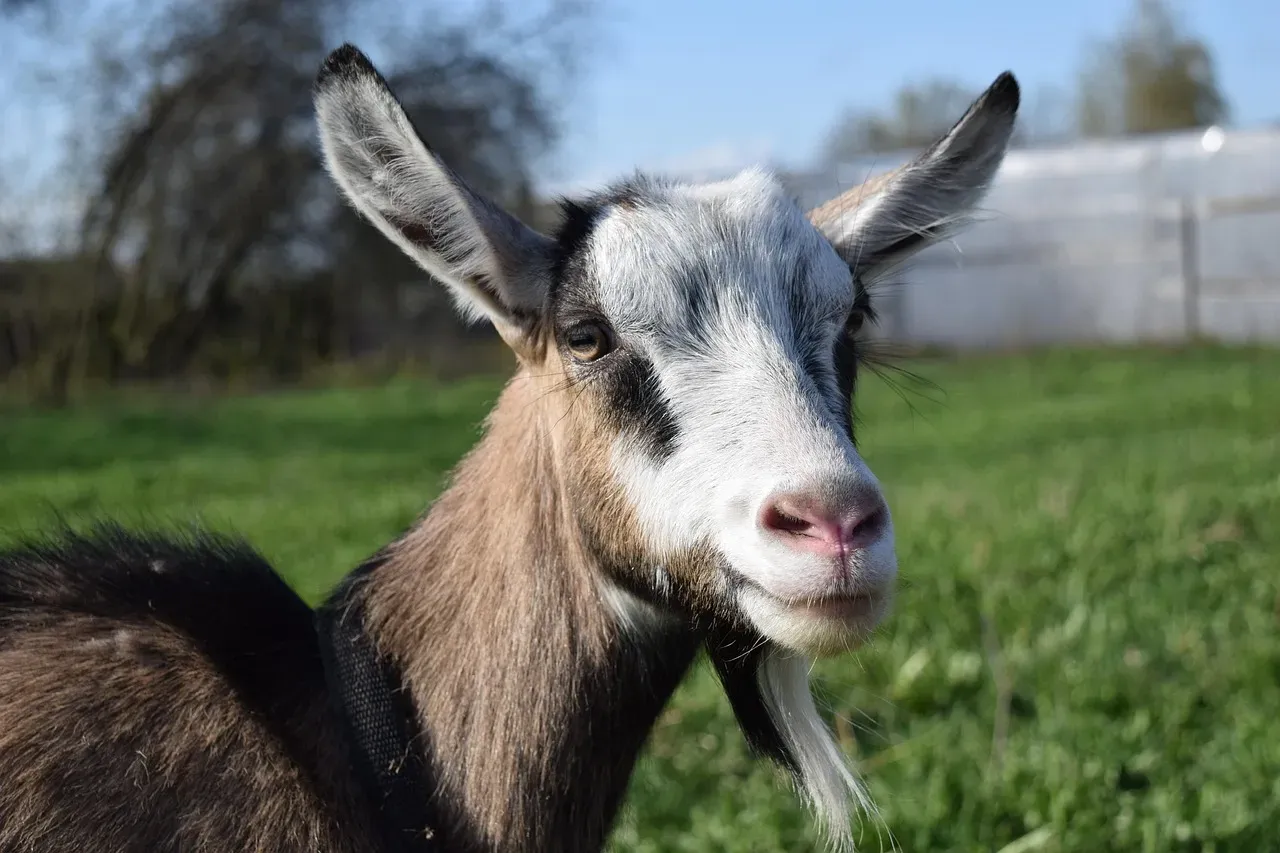
You might have noticed goat milk and goat cheese showing up more often on store shelves, and there’s a good reason. For some people, goat milk is easier on the stomach than cow’s milk. Its fat globules are naturally smaller, and the structure of its proteins can be gentler on the digestive system, especially for folks who struggle with certain types of dairy.
That doesn’t mean goat milk magically fixes all lactose issues, but for some, it can be a game changer. In many parts of the world, goat milk has been the main dairy source for generations, especially in areas where keeping cows is harder. It’s like the tough, resilient cousin of cow’s milk that quietly keeps whole communities nourished without much fanfare.
6. Goats Have Strong Personalities And Social Hierarchies
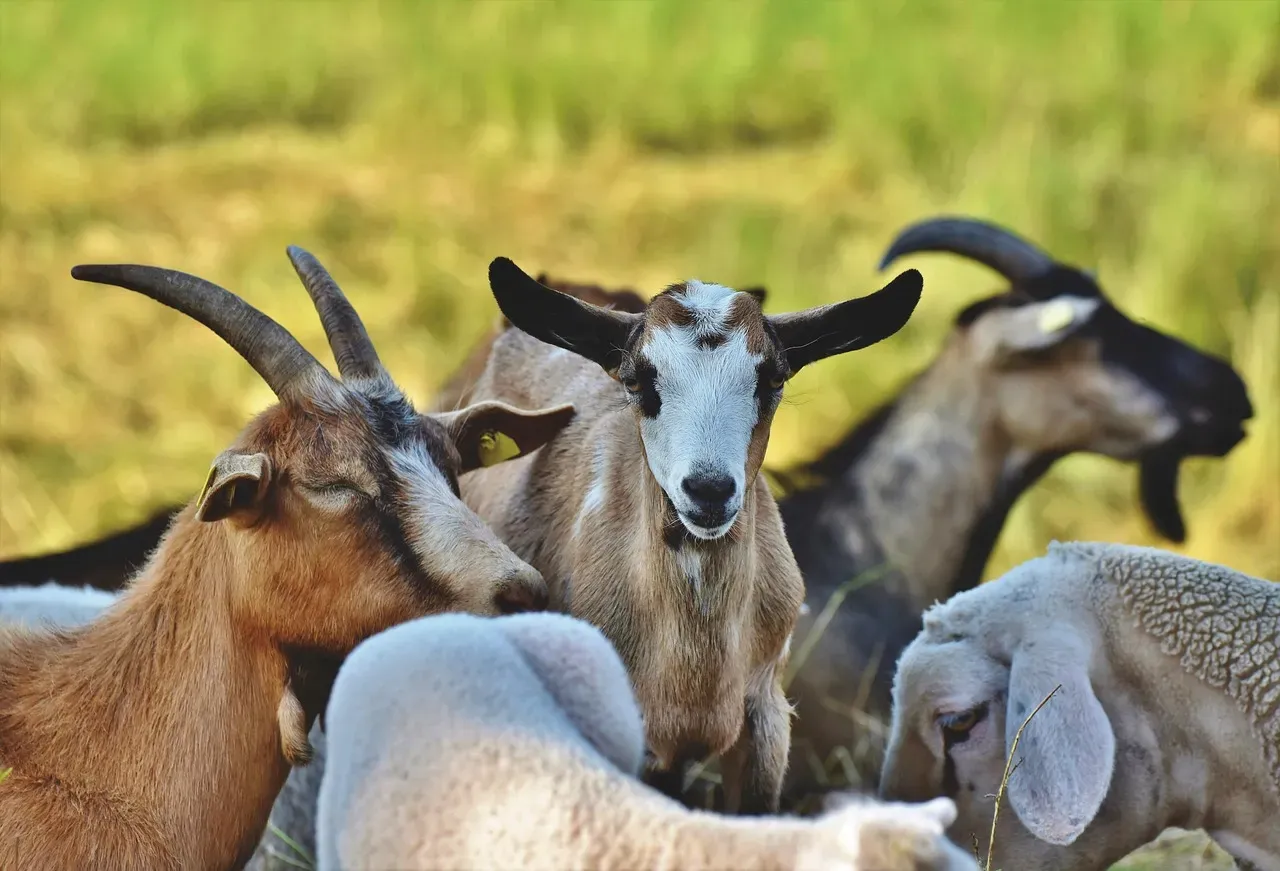
If you spend time with a group of goats, you quickly realize they’re not all the same. Some are bold and pushy, some are shy and observant, and some have a mischievous streak a mile wide. Goats form complex social structures, with clear pecking orders that determine who gets the best food, the best resting spots, and who moves first.
They use body language, head butts, and subtle postures to communicate status and settle disagreements. Watching them is a bit like watching a tiny society with its own politics and drama. Once, I watched one smaller goat quietly wait until the herd leader was distracted, then sneak in to grab the best hay like a stealthy thief. It was hard not to respect the hustle.
7. They Can Communicate Using Different Bleats
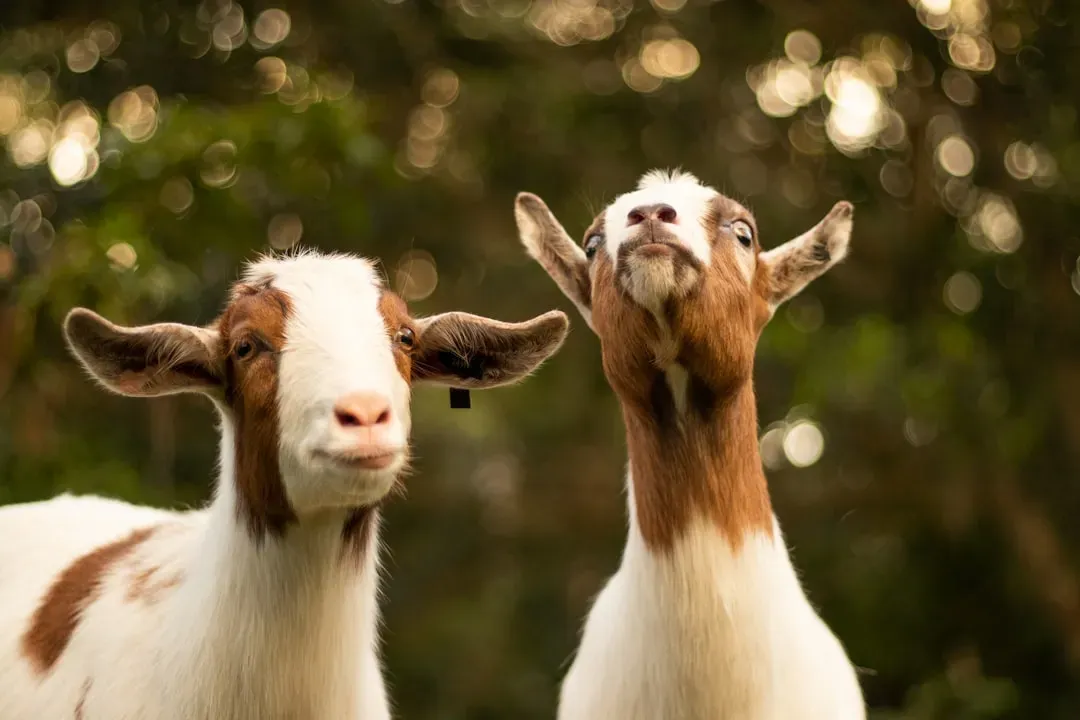
What’s even more surprising is that goats can adjust their calls depending on who they’re around. Young goats raise around certain accents or sound patterns can pick those up, almost like developing a local “goat dialect.” It’s a reminder that their lives are full of communication and nuance, even if it just sounds like noise at first to human ears.
8. They Are Naturally Curious Problem-Solvers
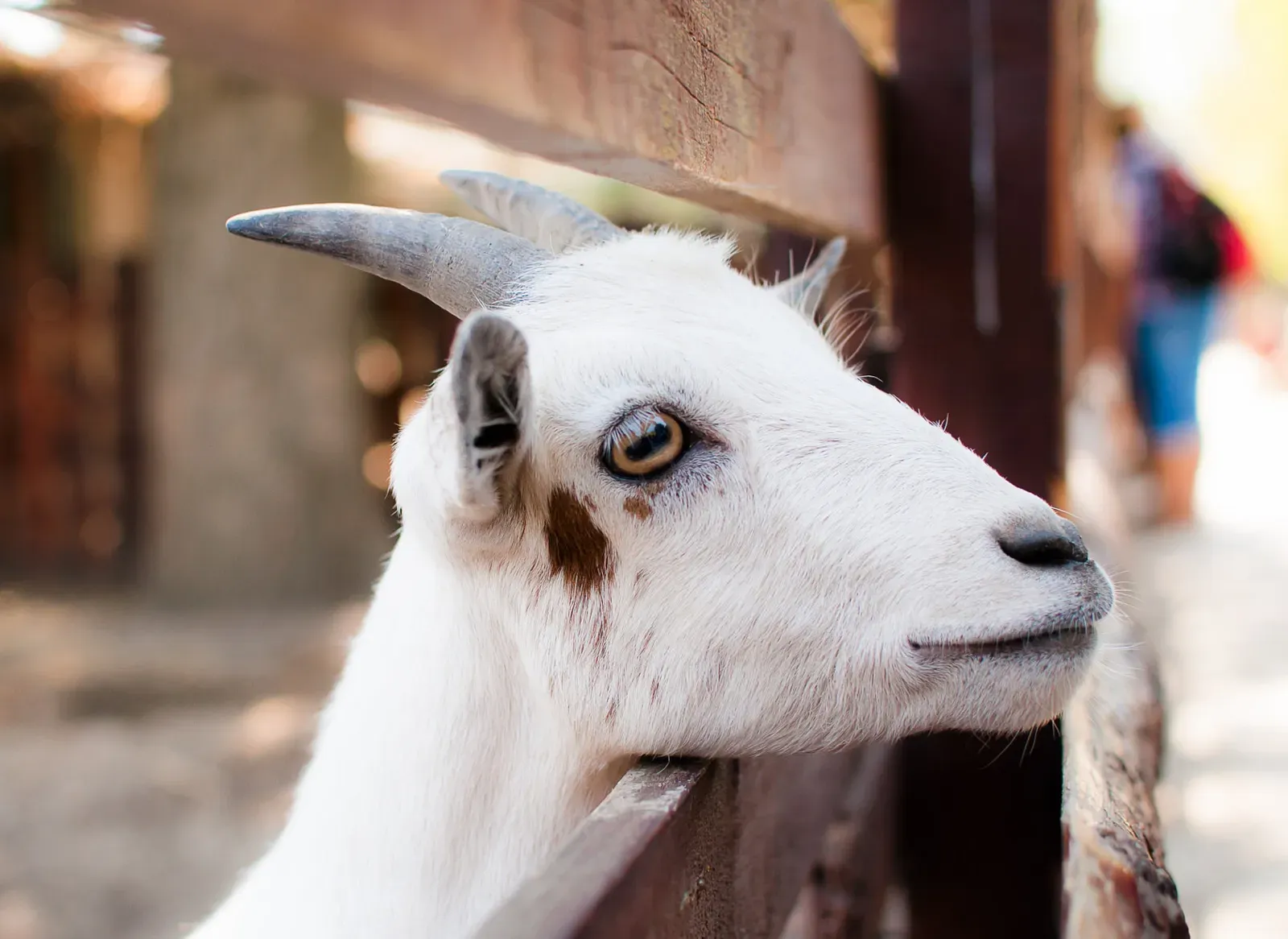
Goats are the kind of animals that see a gate and think, “Challenge accepted.” They explore the world with their mouths, testing latches, ropes, and loose boards, not because they’re evil escape artists, but because they’re genuinely curious and surprisingly clever. If there’s a weak spot in a fence, a goat will find it the way water finds cracks in rock.
People who keep goats learn quickly that you can’t just build something strong; you have to build it smart. Goats can figure out how to open simple latches, push through unlatched doors, and test barriers repeatedly over time. Their curiosity can be frustrating if you’re chasing them back into a pen, but it’s also part of what makes them so fascinating to watch.
9. Goats Can Form Strong Bonds With Humans
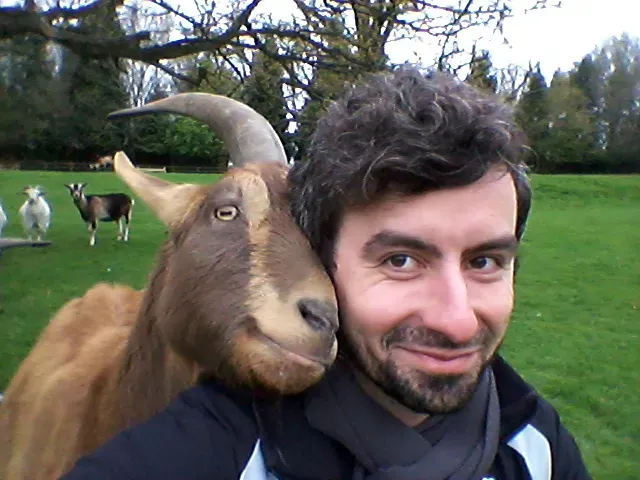
Despite their reputation for being independent and a bit stubborn, goats can become deeply attached to the people who care for them. Many will follow their favorite human around like a dog, nuzzle for attention, or rest nearby just to be close. Over time, they learn your voice, your scent, and even your routines, anticipating when you’ll bring food or come to visit.
On small farms or homesteads, it’s common for certain goats to become clear “favorites,” not just because of what they produce, but because of their personalities and relationships. Caring for them can start to feel less like managing livestock and more like hanging out with slightly chaotic, four-legged friends. Once you’ve had a goat lean its head gently against you, it’s hard to see them as just farm equipment ever again.
10. They Are Picky Eaters, Not Garbage Monsters
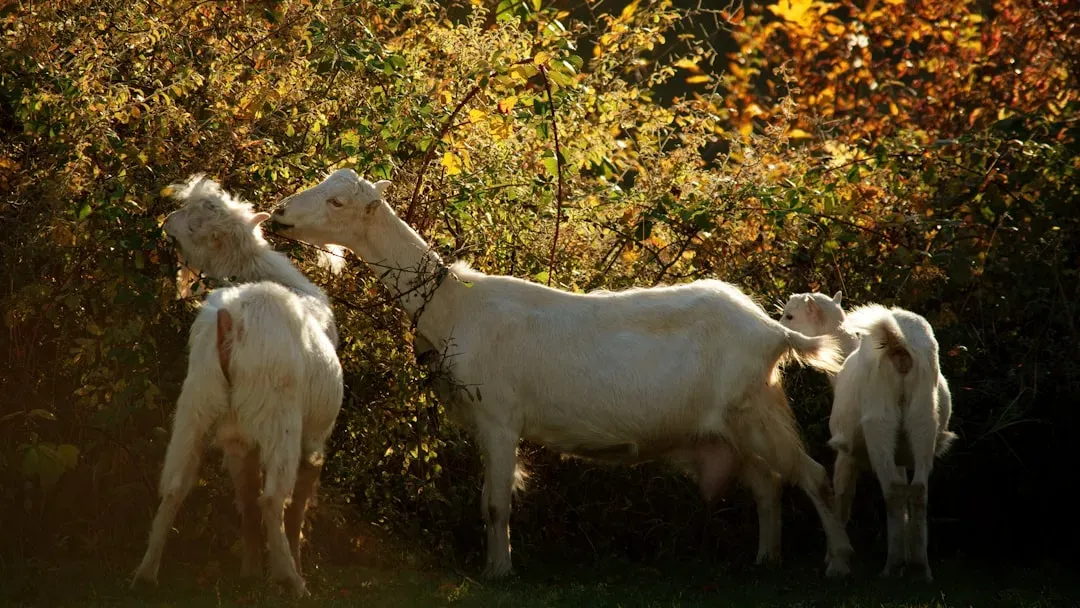
The stereotype that goats eat tin cans and anything in sight is wildly misleading. Goats are actually quite selective about what they swallow. They will nibble and investigate objects with their mouths, which makes it look like they’re eating everything, but they tend to spit out things that don’t taste right or seem like real food.
What they do excel at is browsing, which means they like to eat leaves, shrubs, and weeds that many other animals ignore. That’s why they’re sometimes used for eco-friendly vegetation control, clearing invasive plants and underbrush. They might chew on a cardboard box out of curiosity, but they’d still prefer a tasty shrub or a leafy branch over random junk.
11. Goats Can Help Restore Landscapes And Prevent Wildfires
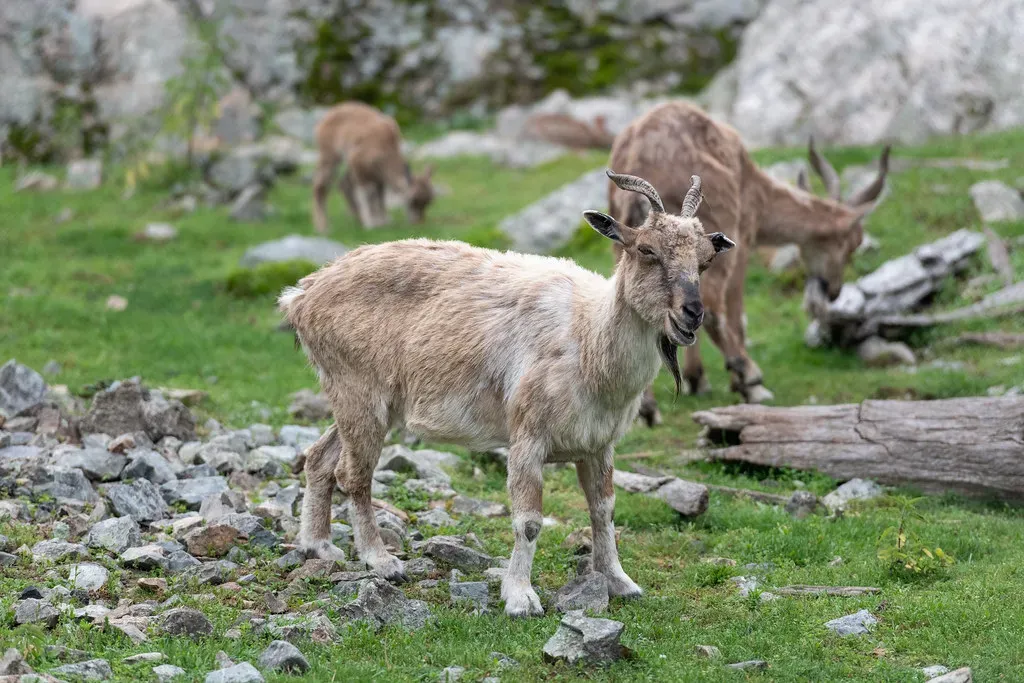
In recent years, goats have quietly become unlikely environmental helpers. Because they love eating brush, weeds, and dry vegetation, they’re used in some regions to clear out overgrowth that could otherwise fuel wildfires. It’s like sending in a living, low-noise, low-emission cleanup crew with hooves instead of engines.
Goats can also help manage invasive plant species, reducing the need for chemical herbicides in some areas. By chewing down tough plants, they can open space for native species to come back, especially when managed carefully. It’s not a magic solution to every environmental problem, but it’s a surprisingly effective tool that turns their natural appetites into a public service.
12. Some Goats “Faint” Due To A Genetic Condition
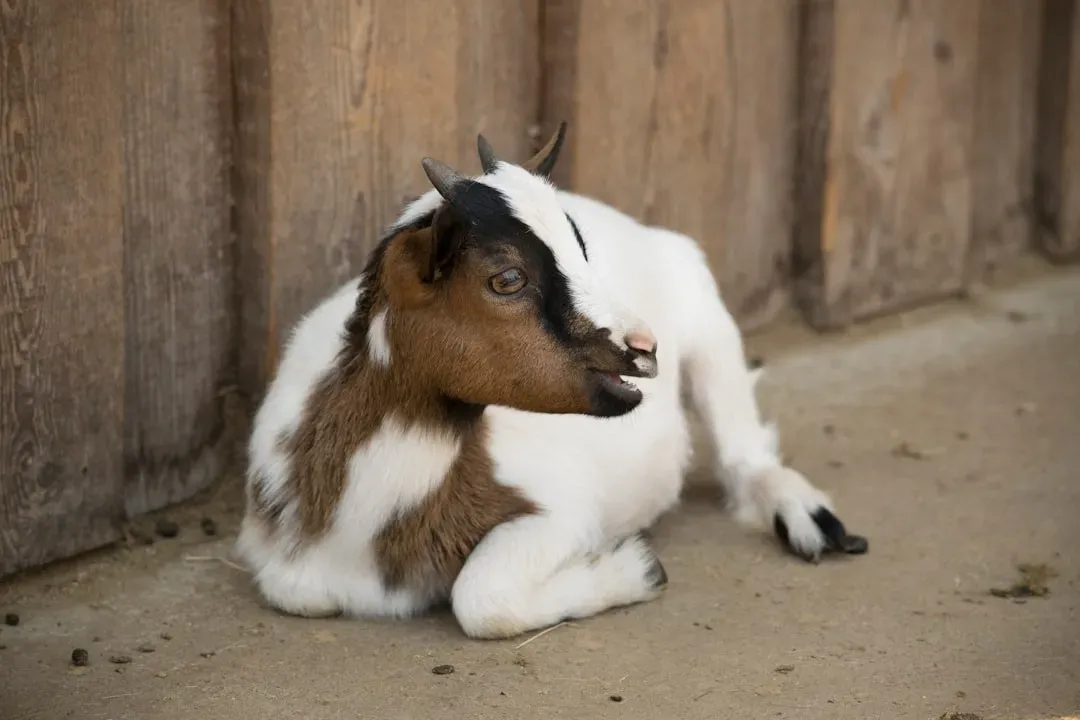
There’s a specific type of goat often nicknamed “fainting goat,” although they’re not truly fainting in the usual sense. These goats have a genetic condition that briefly stiffens their muscles when they’re startled or excited. They can topple over for a few seconds, then get back up and continue like nothing happened.
While these episodes look dramatic and sometimes funny, the goats remain conscious the whole time. Over time, many of them learn to adapt, sometimes bracing themselves or leaning against objects when they feel it coming on. This trait is inherited, and these goats have been bred in some regions mostly for novelty, though their condition doesn’t usually shorten their lives when they’re cared for properly.
13. Their Beards And Horns Serve More Than Just A Look
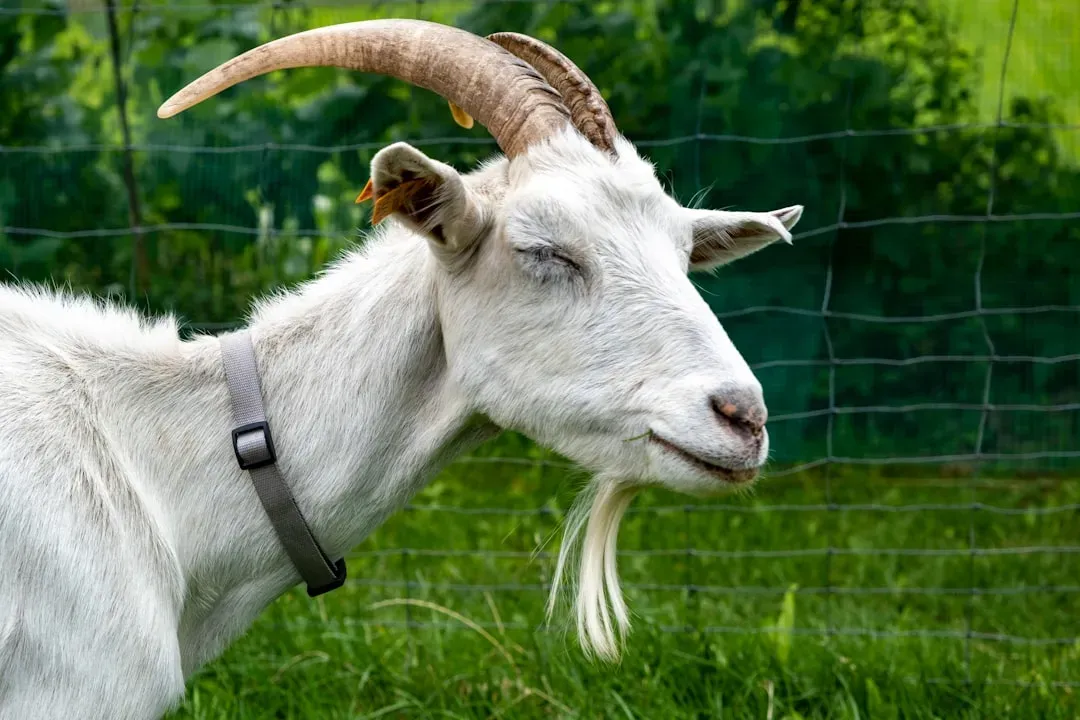
Their beards might look like a fashion statement, but they play roles in both protection and communication. Beards can help channel water away and add a bit of insulation, but they’re also part of the goat’s visual presence, especially in males. In some breeds, that long, flowing beard adds to a more imposing look during dominance displays.
Horns, too, are multipurpose tools. Goats use them for defense, for settling disputes, and sometimes even for scratching hard-to-reach spots. Horns can also help with temperature regulation because blood flows through them and releases heat. So while they can make goats look tough or intimidating, they’re also practical built-in tools shaped by generations of survival.
14. Goat Kids Play Just Like Little Children
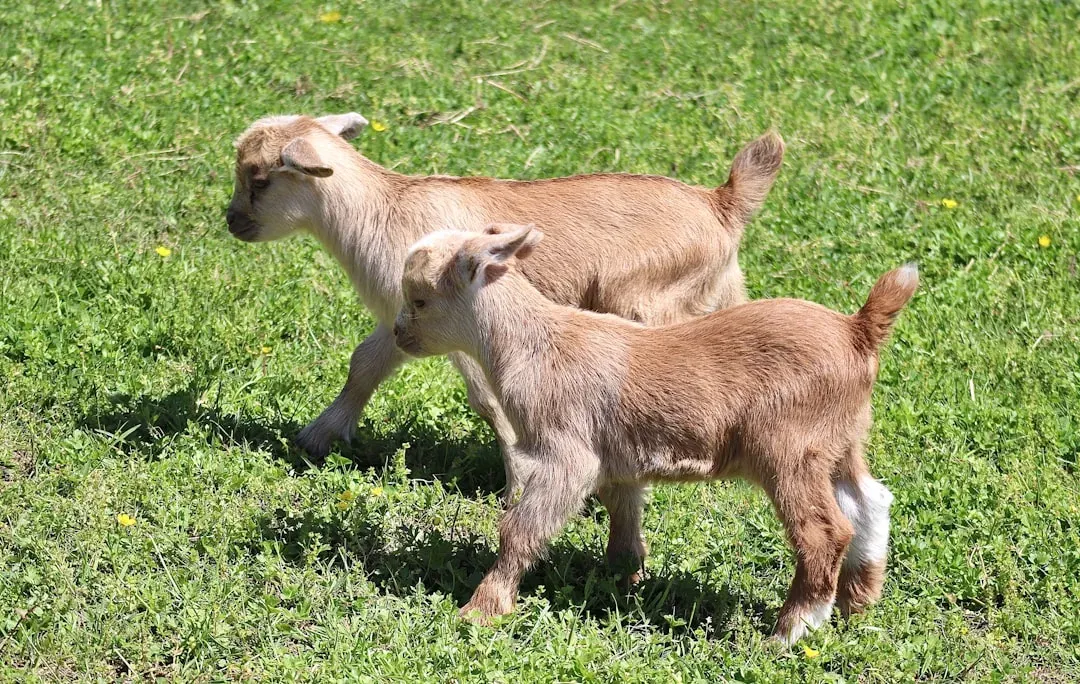
Watching baby goats, or kids, might be one of the purest joys in the animal world. They bounce, twist in midair, climb on anything available, and chase each other with chaotic enthusiasm. This play isn’t just for fun; it helps them build balance, coordination, and social skills that they’ll use as adults.
Kids often form small play groups, inventing little games that sometimes look suspiciously like tag or king of the hill. If you give them a low platform, they’ll turn it into their personal stage within minutes. Their energy is contagious, and it’s hard not to smile watching them test out their bodies and the world, like toddlers in hooves and pajamas.
15. There Are Hundreds Of Goat Breeds With Wildly Different Traits
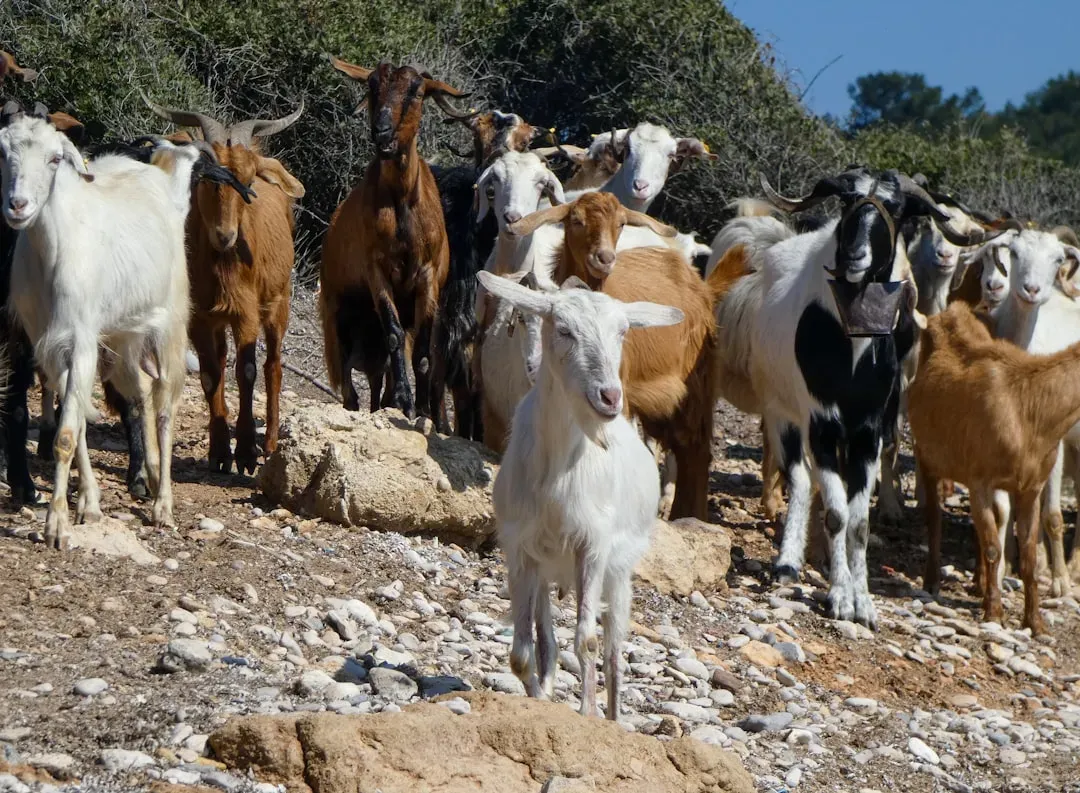
When people think of goats, they often picture one generic farm goat, but the reality is much more diverse. There are hundreds of goat breeds worldwide, each developed for different purposes: meat, milk, fiber, or even just appearance. Some are tiny and compact, others massive and imposing, some with long floppy ears, others with spiraled horns or unusual coats.
From fiber-producing Angora and Cashmere goats to hardy, desert-adapted breeds and charming small Pygmy goats, the range is huge. This diversity is the result of centuries of selective breeding by people living in very different climates and cultures. In a way, goat breeds are like a living map of human history, showing how people adapted animals to survive and thrive alongside them.
Goats turn out to be far more than background animals in a field; they’re climbers, communicators, troublemakers, helpers, and quiet partners in human survival. The more we learn about them, the harder it is to see them as simple or one-dimensional. Which of these goat facts surprised you the most?