
Every time we think we’ve finally figured out how the universe works, it throws us another curveball. We’ve split the atom, mapped the human genome, and landed probes on comets, yet some of the biggest questions remain stubbornly out of reach. It’s a bit like finishing a thousand-piece puzzle, stepping back proudly, and then noticing there’s a whole second box you never opened.
These seven mysteries are the ones that keep world‑class scientists awake at night. They sit at the edge of what we know and poke at our curiosity in the most uncomfortable, thrilling way. Some of them might be solved in the next decade; others might outlive us all. But together they show one thing very clearly: for all our progress, we’re still just getting started.
The Deep Enigma of Consciousness

Here’s a slightly unsettling thought: we have no idea how your sense of “you” actually arises from the gray lump of tissue in your skull. We can scan brains, track neural activity, and even predict some decisions seconds before you’re aware of them, but the raw feeling of being conscious is still a complete mystery. How does electrical firing in neurons turn into the experience of pain, color, music, or love? No one can currently bridge that gap in a way that satisfies both biology and philosophy.
Scientists sometimes call this the “hard problem” of consciousness, and that name isn’t just dramatic flair. We know a lot about correlations – that certain brain regions light up when you see a face, remember a song, or feel afraid. But correlation isn’t explanation. Is consciousness something the brain generates like a movie projector, or is it more like a property that emerges when enough complexity is reached, like a crowd suddenly starting to chant? Personally, I suspect we’re still missing a whole layer of description, the way early physicists were before they even knew atoms existed.
What Dark Matter Really Is
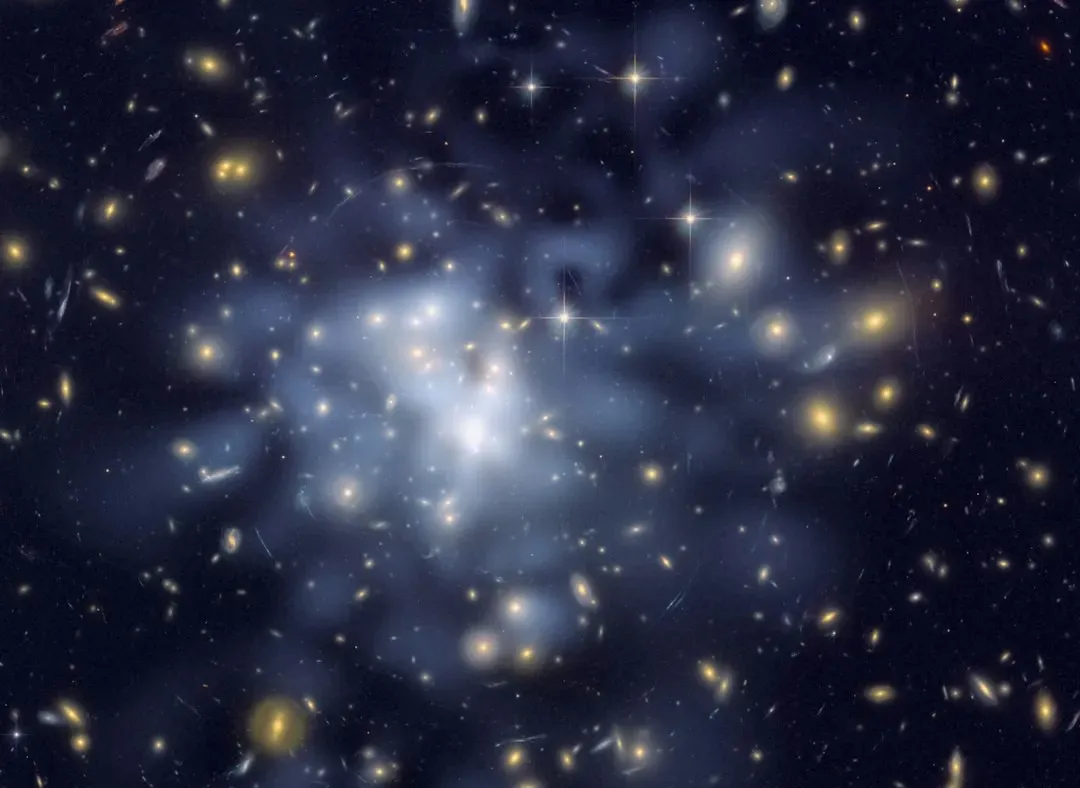
Take a moment to imagine this: most of the matter in the universe is invisible, untouchable, and unidentified. Galaxies spin in a way that can’t be explained by the stars and gas we can see; if they relied only on visible matter, they’d fly apart like fireworks. Something extra – something heavy but invisible – is holding them together. That “something” is what scientists call dark matter, and despite decades of effort, we still don’t know what it’s made of.
Physicists have built gigantic underground detectors, fired up particle colliders, and surveyed the sky in painstaking detail, all in the hope of catching dark matter in the act. The leading ideas range from exotic particles that barely interact with normal matter to new types of physics that might tweak how gravity works at large scales. So far, every time we point a new instrument at the problem, the mystery just digs in its heels. It’s a bit like knowing there’s a huge animal in the forest because of the tracks and broken branches, but every camera trap comes up empty.
Dark Energy and the Runaway Universe
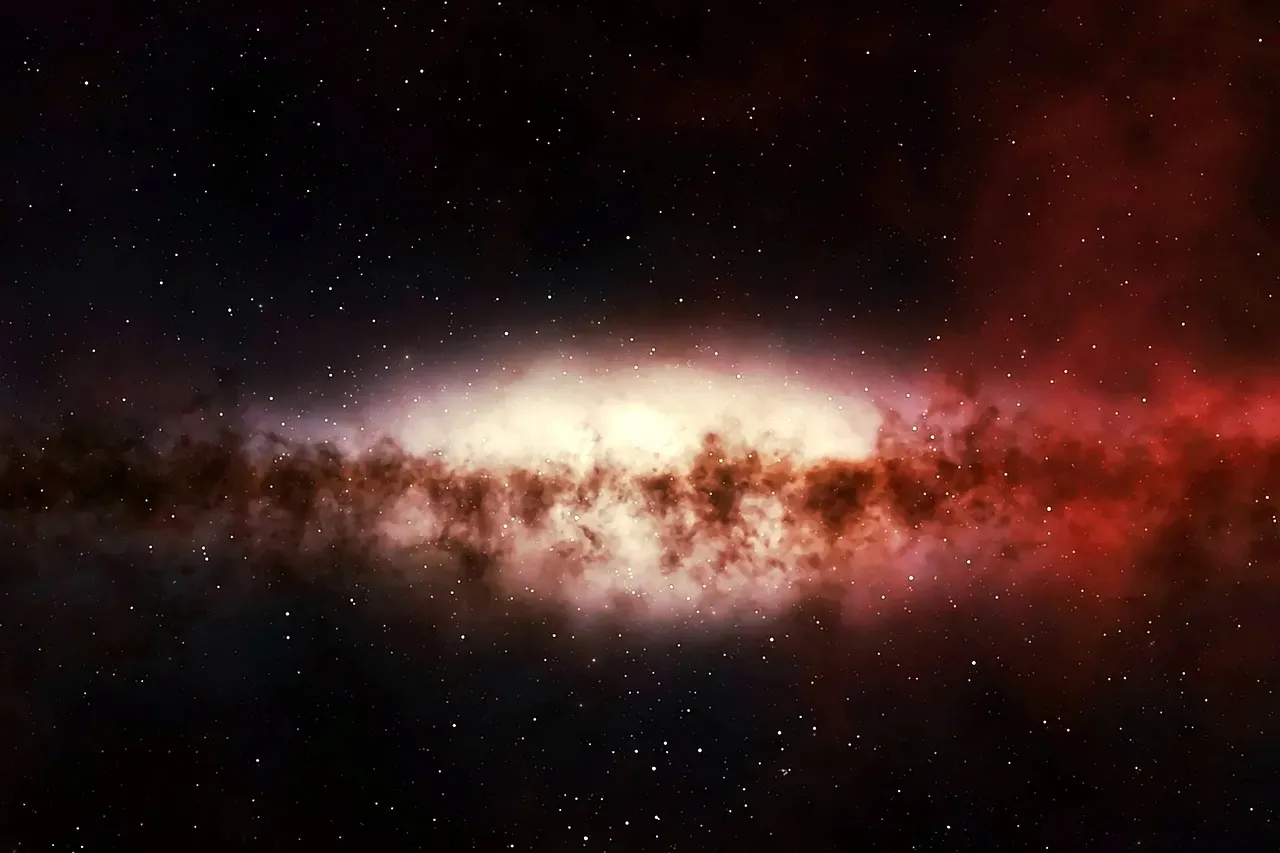
As if dark matter weren’t strange enough, the universe comes with a second invisible ingredient that’s even weirder: dark energy. In the late twentieth century, astronomers discovered that the expansion of the universe isn’t slowing down as gravity pulls things together; instead, it’s speeding up. Space itself is stretching faster and faster, as though some unseen force is pushing galaxies apart. Whatever is driving that acceleration is called dark energy, and right now it’s winning the tug-of-war with gravity.
One of the most baffling parts is that dark energy seems to make up the bulk of the universe’s total energy budget, yet we only detect it indirectly through its effects. Some theories treat it as a property of empty space itself, while others suggest completely new fields or particles permeating the cosmos. The stakes are huge: how dark energy behaves over time could determine whether the universe drifts into a cold, lonely darkness or tears itself apart more violently. It’s hard not to feel small when you realize that the ultimate fate of everything depends on something we can’t even properly define.
The Puzzle of Life’s Origin on Earth

We know that life on Earth has flourished for billions of years, branching into everything from bacteria to blue whales. But how did it get started in the first place? The step from simple chemistry to the first self‑replicating molecules is one of the biggest missing chapters in our story. Scientists can recreate some of the basic building blocks of life in the lab – amino acids, simple RNA pieces, fatty bubbles – yet the path from that messy chemical soup to a living cell is still murky.
Different camps propose different scenarios: deep‑sea hydrothermal vents rich in minerals, shallow ponds drying and refilling in cycles, or even icy environments that concentrate molecules in strange ways. Each idea has intriguing evidence but also big gaps, like a crime scene with plenty of clues but no clear suspect. I find it oddly comforting that we’re still working this out; it means that life isn’t just a solved formula, it’s a rich, ongoing detective story. And if we crack this mystery here on Earth, we might finally have a realistic sense of where else in the universe life could arise.
The Question of Whether We’re Alone in the Universe
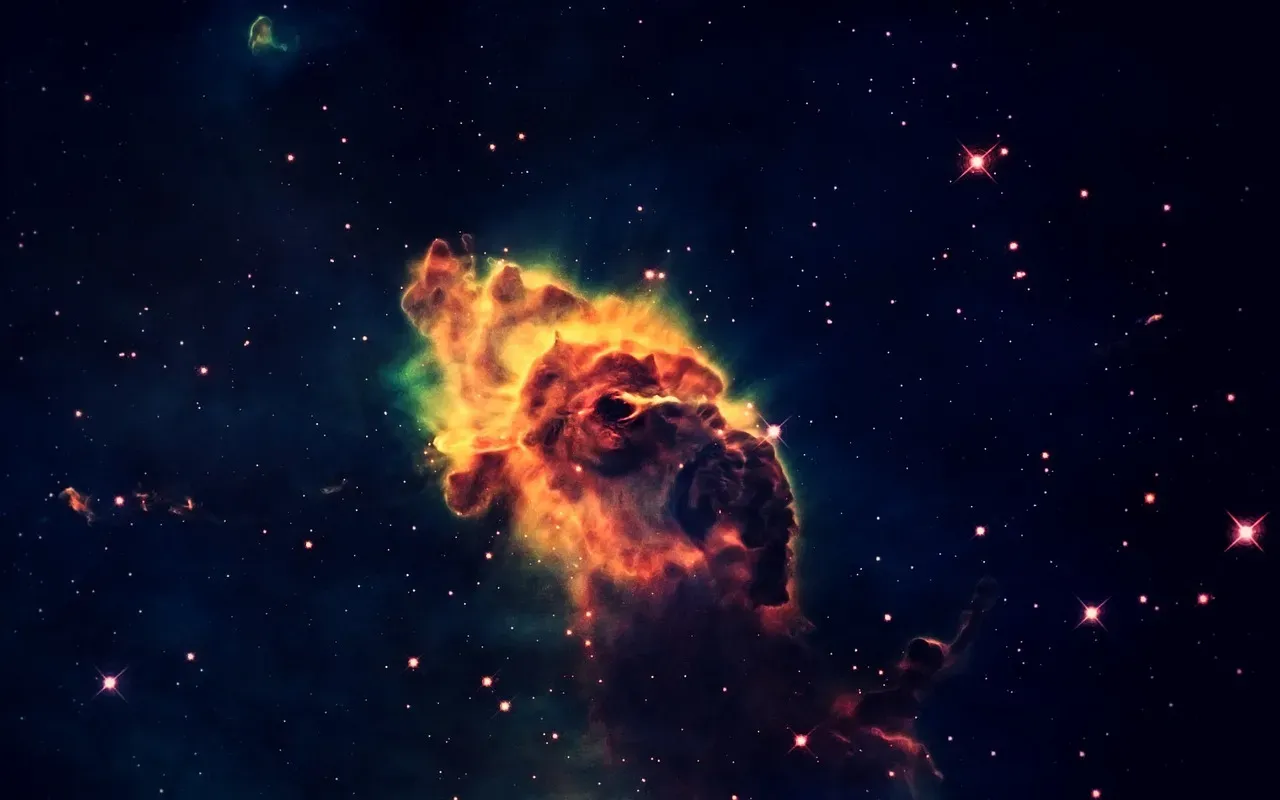
Look up at the night sky and you’re seeing just a tiny slice of a universe filled with mind‑boggling numbers of stars and planets. Astronomers have found thousands of exoplanets so far, and a good chunk of them are in zones where liquid water might exist. Statistically, it feels almost absurd to believe Earth is the only place where life has ever appeared. Yet, despite decades of searching, we still have zero confirmed evidence of life beyond our planet, intelligent or otherwise.
This tension – between the apparent likelihood of life and the total silence we’ve observed – is sometimes described as a paradox. Maybe life is extremely rare, or intelligent civilizations tend to self‑destruct, or advanced beings are deliberately avoiding us. Or maybe we’re simply listening with the wrong tools, like trying to tune into a digital stream with an old analog radio. I lean toward the idea that the universe is teeming with microbial life and maybe a few scattered advanced civilizations, but the distances and timescales are so extreme that contact is painfully unlikely. It’s a sobering thought that we may never know the answer, even as we keep listening.
The Nature of Time Itself

We live inside time so completely that it’s hard to even step back and ask what it is. You feel it passing, you watch clocks tick, you remember the past and anticipate the future, but physics paints a much stranger picture. Many of our best equations treat past, present, and future as part of one unified “block,” with no special moment that’s truly “now.” Yet our everyday experience insists that time flows, and that flow seems to give our lives meaning.
On top of that, time behaves differently depending on where you are and how fast you move. Fast‑moving clocks tick more slowly, and clocks deeper in gravity wells lag behind those farther out. Experiments have confirmed these effects over and over again, even on airplanes and satellites. The real mystery is why time appears to have a direction at all – why scrambled eggs don’t leap back into their shells and why we remember yesterday but not tomorrow. Many scientists tie this to the universe’s early conditions and the growth of disorder, but a satisfying, intuitive explanation is still out of reach. It’s as if time is a river whose current we can measure perfectly but whose source remains hidden in the fog.
The Unified Theory That Still Eludes Physics
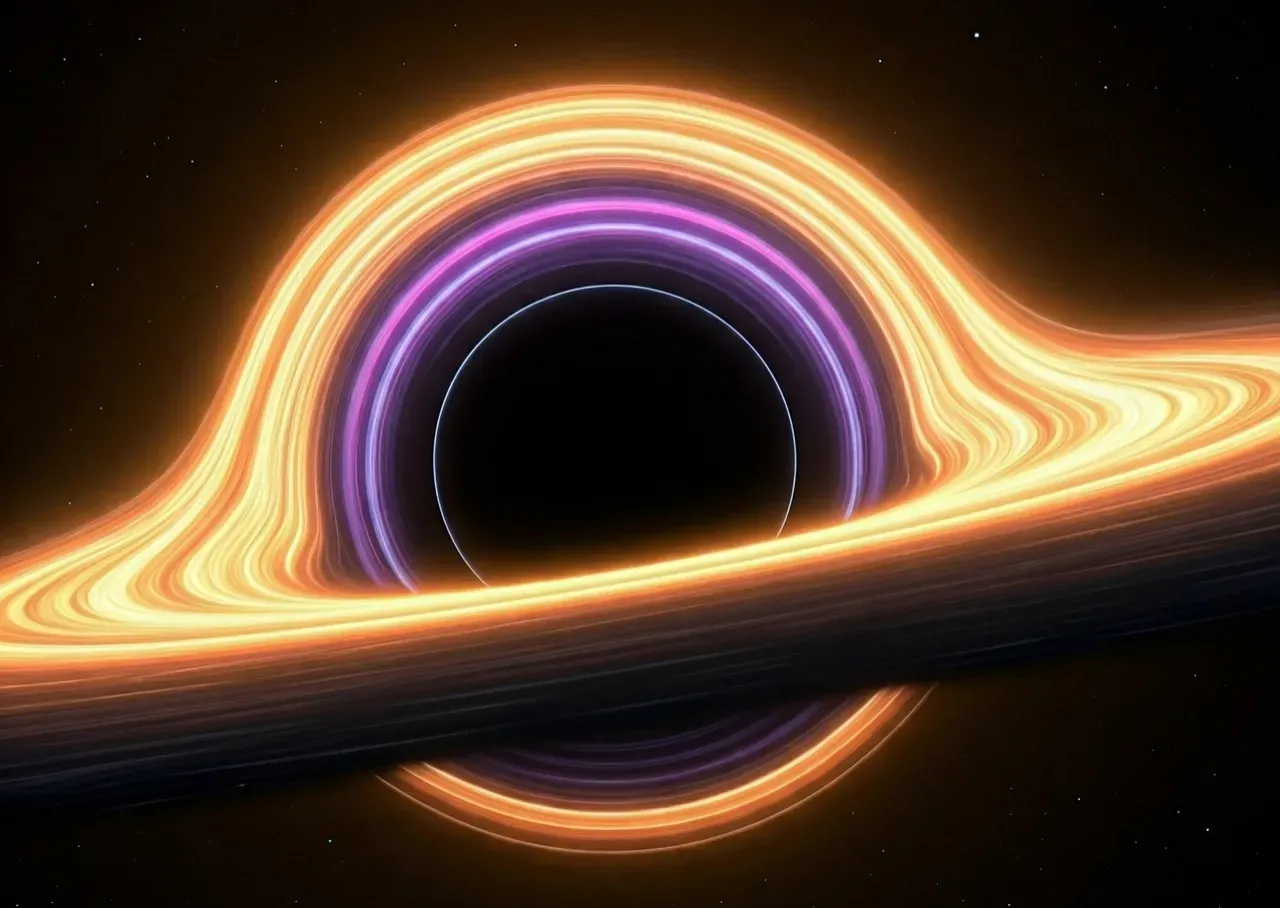
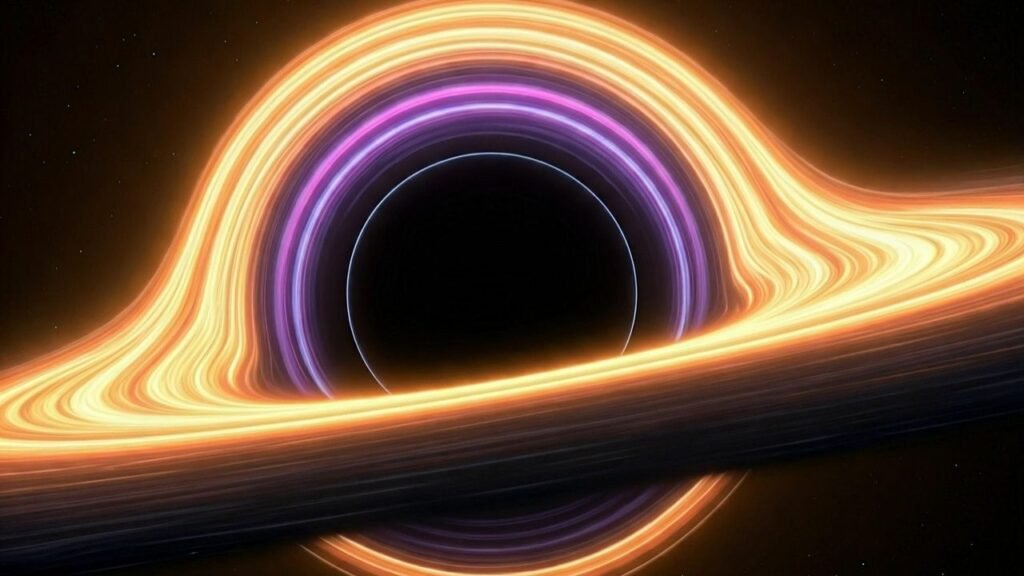
At small scales, quantum mechanics rules, describing particles that behave like waves and probabilities instead of certainties. At large scales, general relativity takes over, explaining gravity as the curvature of space and time. Both theories have been tested to extreme precision in their own domains, and both work astonishingly well. The catch is that they don’t play nicely together. When you try to use them at the same time, in places like the center of a black hole or the first instant of the Big Bang, the math falls apart.
Physicists have spent decades chasing a deeper framework that could unify these two pillars into a single coherent theory. Ideas like string theory and loop quantum gravity offer enticing possibilities, but so far, none have delivered clear, testable predictions that everyone can agree on. It’s a bit like having two incredibly accurate maps that overlap but don’t line up in a crucial region, leaving a blank where you need information most. My hunch is that when we finally find a successful theory of everything, it will feel shockingly simple in hindsight and make us wonder how we ever missed it.
Conclusion: Living Comfortably With the Unknown
These seven mysteries stretch from the inner world of our minds to the outer reaches of the cosmos, and they all share a common thread: they expose the limits of what we currently understand. It’s tempting to see those limits as failures, but in a way, they’re the most exciting parts of science. They mark the places where a new idea, a better experiment, or a different perspective could completely reshape how we see reality.
We may not get neat, tidy answers to all of these questions in our lifetimes, and that’s okay. Curiosity doesn’t really need closure; it thrives on the chase, on the late‑night “what if” conversations and the half‑finished theories on whiteboards. Maybe the most honest way to live in 2026 is to admit we’re standing on a tiny island of knowledge in a vast ocean of mystery – and to keep building better boats. Which of these puzzles would you most want to see solved first?