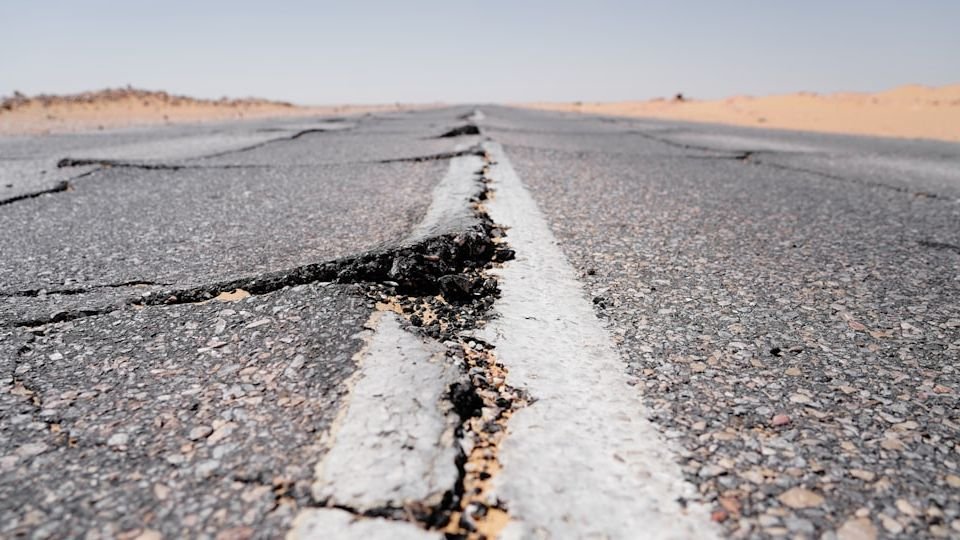
Every few weeks, an earthquake somewhere on the planet flips ordinary life upside down in a matter of seconds. Buildings that took years to construct can crumble in less time than it takes to read this sentence, and whole communities are forced to rebuild from the ground up. For decades, the brutal truth has been that we can locate earthquakes after they start, but not really predict them before they strike.
Now something quietly revolutionary is happening: artificial intelligence systems are beginning to spot patterns and signals in seismic noise that human experts and traditional models simply could not see. We are still far from a sci‑fi world where your phone calmly tells you an exact magnitude and time days in advance, but early research hints that AI might finally crack parts of a problem that has frustrated scientists for over a century. The big question is how close we really are – and what happens if these systems work as promised.
The Old Problem: Why Earthquakes Have Been So Hard To Predict

For most of modern science, earthquake prediction has been the white whale of geophysics: tempting, visible on the horizon, but always out of reach. Traditional seismology relies on known fault lines, historical records, and the physics of rocks under pressure, yet the Earth’s crust is messy, layered, and deeply complex. Two regions with nearly identical fault types can behave differently, and even the same fault can act unpredictably over time. The result is that scientists have been able to map long‑term risk quite well, but near‑term prediction has remained maddeningly elusive.
What we’ve had instead are rough probabilities, like saying that a certain region has a significant chance of a strong quake in the next few decades. That’s useful for building codes and insurance, but it doesn’t help you decide if you should evacuate a hospital tomorrow morning. Early warning systems exist, but they don’t predict in advance; they merely detect an earthquake after it starts and send alerts seconds before the strongest shaking arrives. For people living above dangerous faults, that gap between “decades” and “seconds” has felt like a cruel joke for years.
Why AI Is Suddenly Showing Promise Where Physics Struggled
Artificial intelligence, especially deep learning, thrives on problems that generate vast amounts of messy data – exactly the kind of pattern soup that defines earthquake signals. Traditional physics‑based models need clear equations and assumptions; AI models do not, as long as they can feed on enough examples. Over the past decade, the number of seismic sensors around the world has exploded, from dense regional networks to low‑cost devices and even smartphone‑based sensors. That means terabytes upon terabytes of continuous seismic noise, most of which used to be ignored.
Instead of starting from the question “How should the Earth behave physically?” these AI systems start from “What hidden patterns show up just before earthquakes in the real world?” It sounds like a subtle difference, but it’s huge. In several regions where AI has been tested, models have picked up on faint, low‑level signals and subtle changes in background noise that seemed meaningless to humans. When the same patterns kept showing up shortly before certain types of quakes, researchers realized they might be staring at the early language of an earthquake that we’d never understood before.
The Data Goldmine Beneath Our Feet

Earthquake AI runs on data the way rockets run on fuel, and the planet has been quietly generating the perfect dataset for decades. Seismic networks have recorded continuous vibrations from tectonic plates, waves, traffic, ocean storms, mining operations, and everyday human life, all layered on top of each other. For a long time, most of this ended up in archives where only big, obvious quake signals were pulled out for analysis. But to an AI model, that “background noise” is not junk; it is a potential treasure map.
On top of traditional seismic arrays, newer tools are now joining the chorus. Fiber‑optic cables, originally laid down for internet traffic, can be repurposed as hyper‑dense seismic sensors over tens or hundreds of kilometers. Satellites monitor tiny shifts in the Earth’s surface, while GPS stations track slow motions of tectonic plates with surprising precision. When all of these streams are combined, the amount of information is so overwhelming that no human team could ever manually study it all. That’s exactly the kind of problem AI was built for.
How AI Actually Tries To Predict an Earthquake
At a simple level, many earthquake AI models work like pattern‑matching engines trained on the past to make guesses about the future. Researchers feed years of seismic recordings into neural networks and label what happened before known earthquakes, including their locations, magnitudes, and timing. Over thousands of examples, the models begin to associate specific patterns of low‑level signals or noise changes with the eventual occurrence of certain types of quakes. The more varied the data – different regions, depths, and fault styles – the more general and robust these models can become.
Some systems focus on forecasting daily or hourly probabilities for a specific region, flagging time windows when the risk appears elevated. Others try to pick out precursory signals around known faults, essentially asking if the fault is “warming up” to fail. A few experimental models go even further and attempt to estimate quake timing or magnitude ranges, though these are still in very early stages and often controversial within the scientific community. In many tests, the goal isn’t perfect prediction, but doing better than random chance and beating traditional statistical methods by a convincing margin.
Early Successes That Shocked Even the Experts
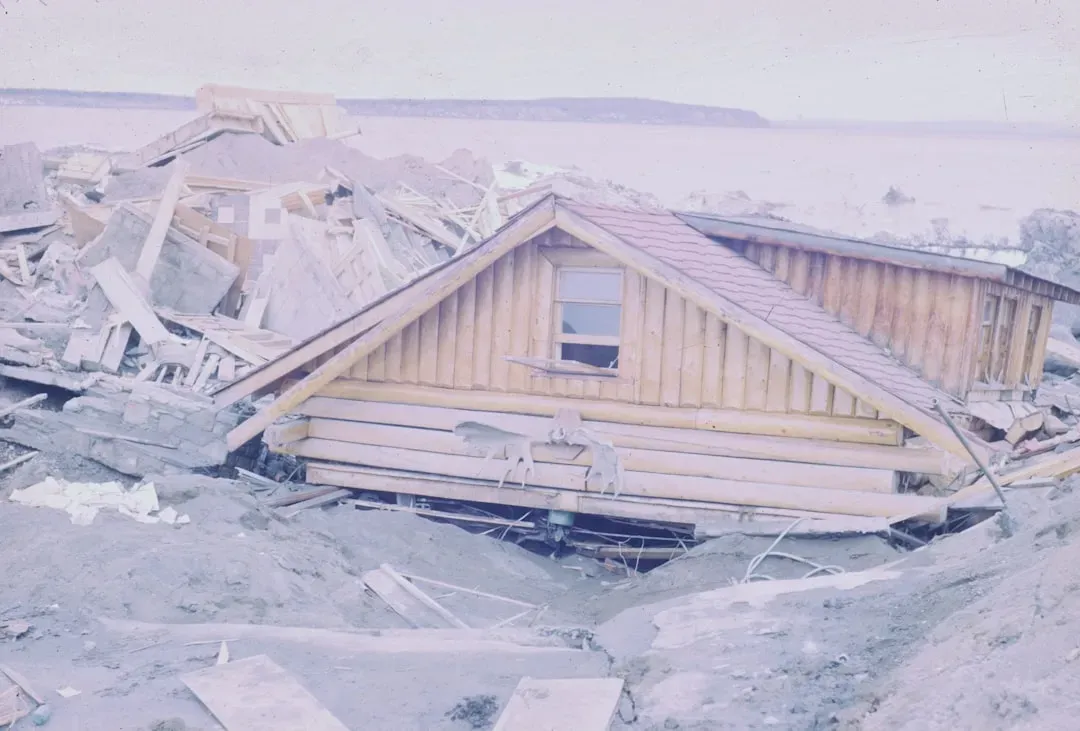
In the last several years, several research groups have reported results that even seasoned seismologists initially met with raised eyebrows. Machine‑learning models have, in some cases, managed to forecast regional earthquake probabilities over days to weeks better than long‑used baseline methods. In carefully controlled experiments using historical data, these AI systems identified periods of elevated risk that lined up with clusters of actual earthquakes more often than expected by chance. That does not mean guaranteed predictions, but it does suggest that the data holds more information than we once believed.
In laboratory experiments with rock samples under controlled stress, AI models have sometimes performed even more dramatically. As rocks are slowly pushed toward failure, they emit acoustic signals, a kind of miniature seismic noise. Neural networks trained on these signals have successfully estimated how close the sample is to breaking with remarkable accuracy. Of course, a lab rock is far simpler than a tectonic plate, but seeing AI nail the “time to failure” problem in that setting gave researchers a surge of cautious optimism that similar principles might scale up, at least partially, to natural faults.
The Risks of Overconfidence and False Alarms
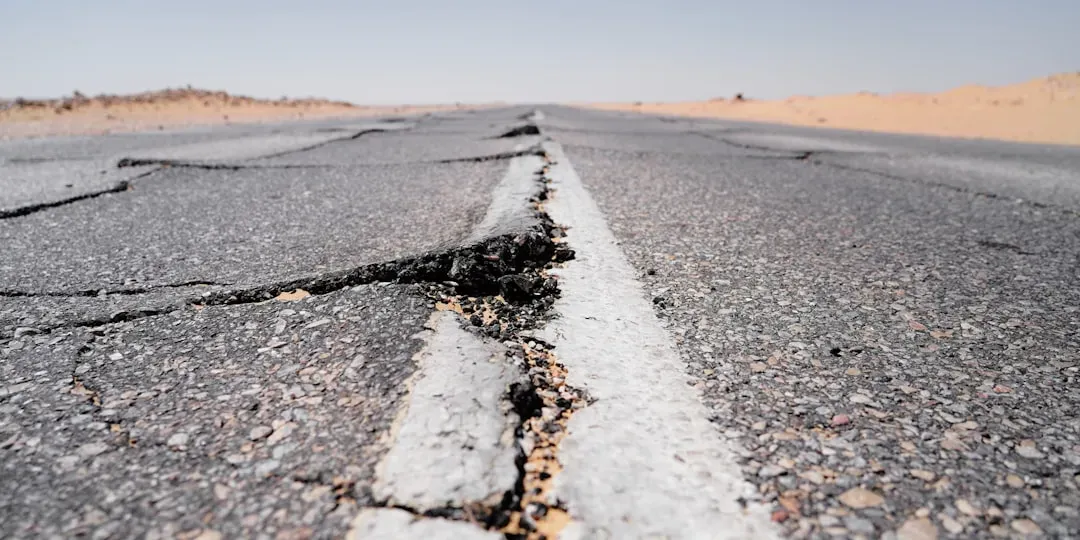
For all the excitement, there is a real danger in treating AI forecasts like magical crystal balls. Earthquake prediction has a painful history of overhyped claims that fell apart when tested in new regions or over longer time spans. An AI model that seems impressive in one dataset might completely fail in another, simply because the local geology or fault behavior is different. When you add huge social consequences – deciding whether to evacuate a city, shut down a nuclear plant, or send people back into their homes – the cost of being wrong becomes enormous.
False alarms are not just embarrassing; they erode trust. Imagine receiving repeated warnings of a high earthquake risk that never leads to a damaging event. After a while, people would likely start ignoring alerts altogether, which is dangerous if one of them eventually coincides with a real disaster. There is also the ugly possibility of missed events: AI systems that fail right when they are needed most. That is why most researchers argue for a slow, careful path forward, where AI is tested rigorously, independently validated, and initially used to support existing systems rather than replace them overnight.
From Lab to Life: How AI Could Actually Protect People
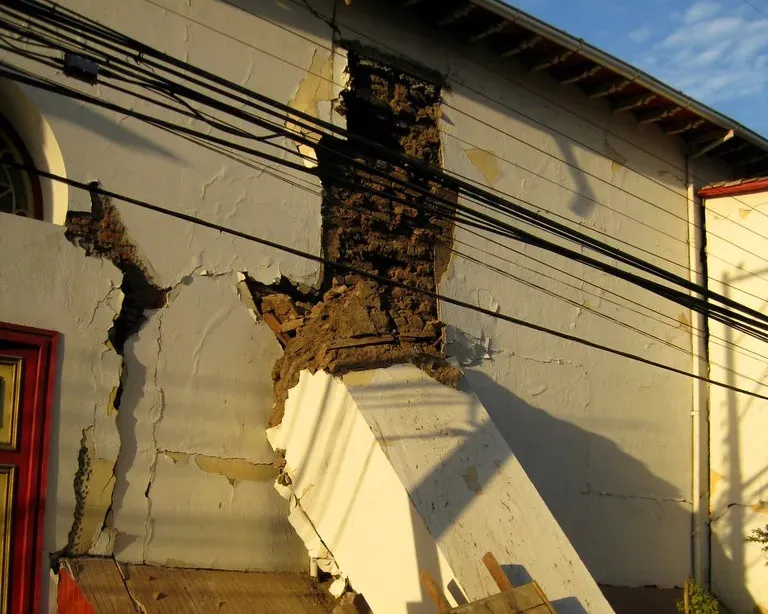
Even if AI never delivers an exact day‑and‑time prediction, more modest improvements could still save a lot of lives. Better short‑term risk forecasts could help authorities decide when to temporarily move patients out of vulnerable hospitals, pause work in deep mines, or inspect key bridges and dams. Utilities could choose safer times for maintenance, and emergency managers could stage resources in high‑risk areas when AI models suggest heightened activity. These might sound like small steps, but when multiplied across millions of people, the impact is significant.
On the personal level, imagine earthquake alerts that are not just generic notifications, but tailored by neighborhood and building type, refined by AI models that understand local soil conditions and building responses. Insurance could also shift from blunt regional averages to finer‑grained, risk‑sensitive pricing and incentivize better construction in the most fragile areas. My own view is that the biggest win may be cultural: if people feel that earthquakes are not completely unknowable bolts from the blue, they may take preparedness more seriously and support investments in resilient infrastructure before tragedy strikes.
The Road Ahead: A New Kind of Partnership With the Earth
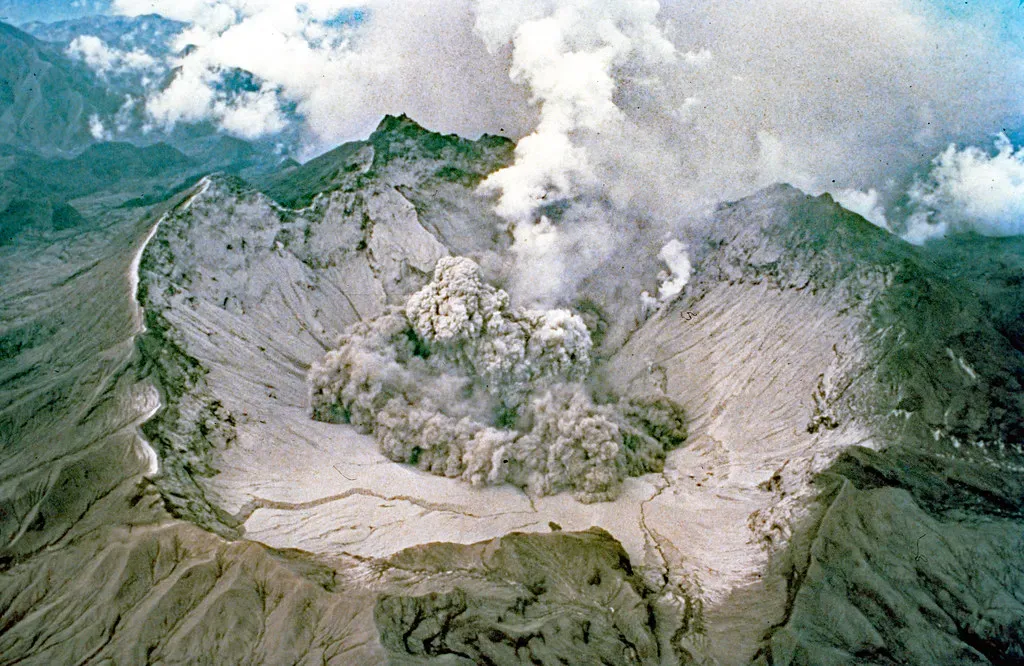
The most honest answer today is that AI is not a magic solution to earthquake prediction, but it is the most promising new tool we have seen in a long time. Over the next few years, researchers will be busy checking whether early successes hold up across different continents, tectonic settings, and timescales. As computing power keeps growing and more sensors are deployed, models will get a clearer, more detailed picture of how the crust behaves in the restless hours, days, and weeks before it slips. That process will likely bring surprises, disappointments, and new breakthroughs in waves.
In a sense, AI is teaching us to listen more carefully to a planet that has always been talking; we just did not understand the accent. The future of earthquake safety may not be defined by perfect predictions, but by slightly better foresight used wisely and humbly. If that means turning a deadly surprise into a slightly less deadly one, that alone is worth the effort. How different would our world feel if we could turn even a little bit of that blind fear into informed anticipation instead?