For most of human history, we treated animal sounds like background noise: birds chirp, dogs bark, whales sing, and that was pretty much the end of it. But in the last few years, new recording tech, artificial intelligence, and some incredibly patient scientists have started to reveal something unsettling and amazing at the same time: a lot of animals may be “talking” in ways that are far more complex than we ever imagined. It’s almost like we’ve been living next to a foreign country without learning a word of the language.
What’s really wild is how much of this progress is happening right now. Research teams are dropping underwater microphones in the deep ocean, attaching tiny audio loggers to bats and elephants, and running petabytes of animal sounds through machine-learning models. We’re not at the point of chatting with a whale or a bee, but we’re much closer to decoding their messages than we were even ten years ago. As someone who once thought my cat just meowed randomly for food, I’ve been stunned by how much meaning can hide in sounds, scents, and even vibrations we barely notice.
1. Whale Songs That Change Like Pop Music
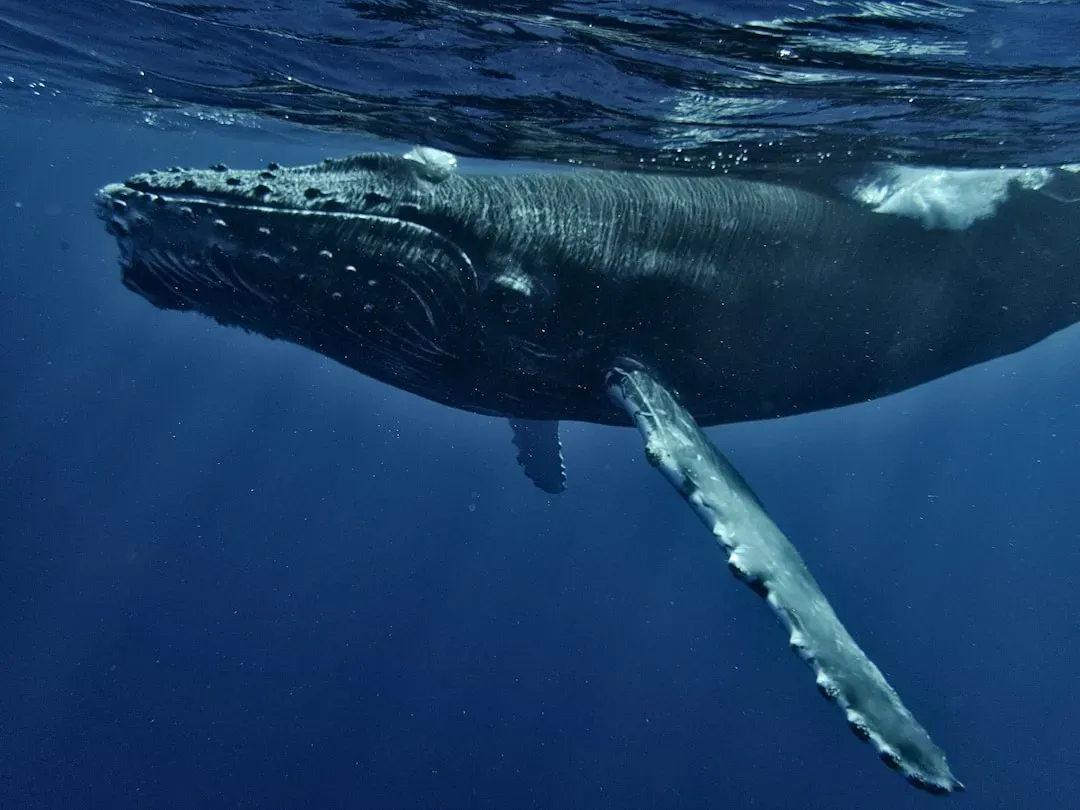
Here’s a shocking twist: some whale species seem to treat their songs like evolving cultural trends, almost like oceanic pop hits that go in and out of style. Male humpback whales, for instance, sing long, intricate songs that can last for many minutes, and entire populations will gradually shift to new versions over time. Researchers have tracked these changes moving across the ocean basin, spreading from one population to another the way a catchy tune spreads on social media.
What’s especially intriguing is that these songs are not just random noise; they have structure, repeated themes, and sections that can be rearranged, a bit like musical phrases. Although we still don’t know exactly what every part “means,” there’s growing evidence that these songs are used in mating and possibly in social bonding across large distances. With better underwater microphones and long-term datasets, scientists have started to map how song variants appear, grow popular, then fade away, suggesting that whales have something like traditions that rise and fall over years.
2. The Secret Grammar of Bird Calls, Not Just Songs
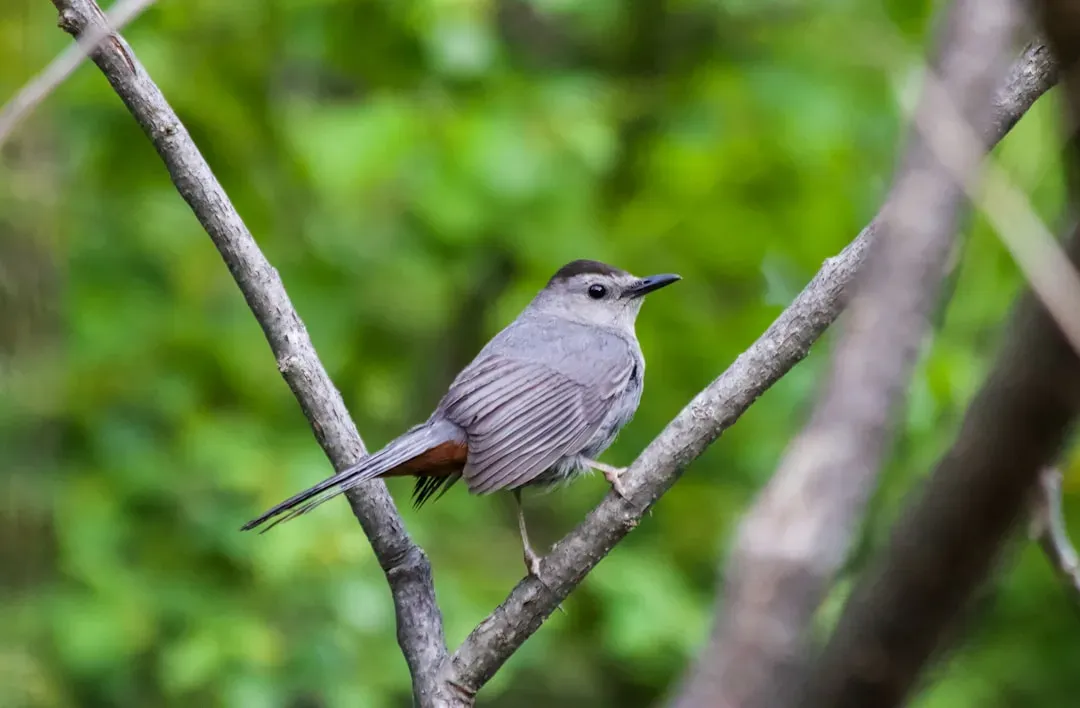
Most people know that many birds have beautiful songs, especially in the breeding season, but there’s a quieter, more cryptic side to bird communication that’s only recently getting respect: their calls. Some small songbirds string different call notes together in ways that follow rules, almost like a simple grammar. In certain species, altering the order of notes can change the meaning from “look out above” to “danger near the ground,” which implies more than just instinctive noise; it implies a flexible, combinational code.
New field studies using high-speed microphones and detailed behavioral tracking have shown that these call combinations can influence how other birds react in very specific ways. For example, when a bird hears a particular sequence, it might dive for cover or scan the sky, depending on how the call is arranged. What’s wild is that some birds even seem to “borrow” calls from other species in mixed flocks, creating something like a shared alarm language. It’s not the kind of grammar we use in human speech, but it challenges the old idea that complex structure in communication is uniquely ours.
3. Elephants Using Infrasound: Conversations Beyond Our Hearing
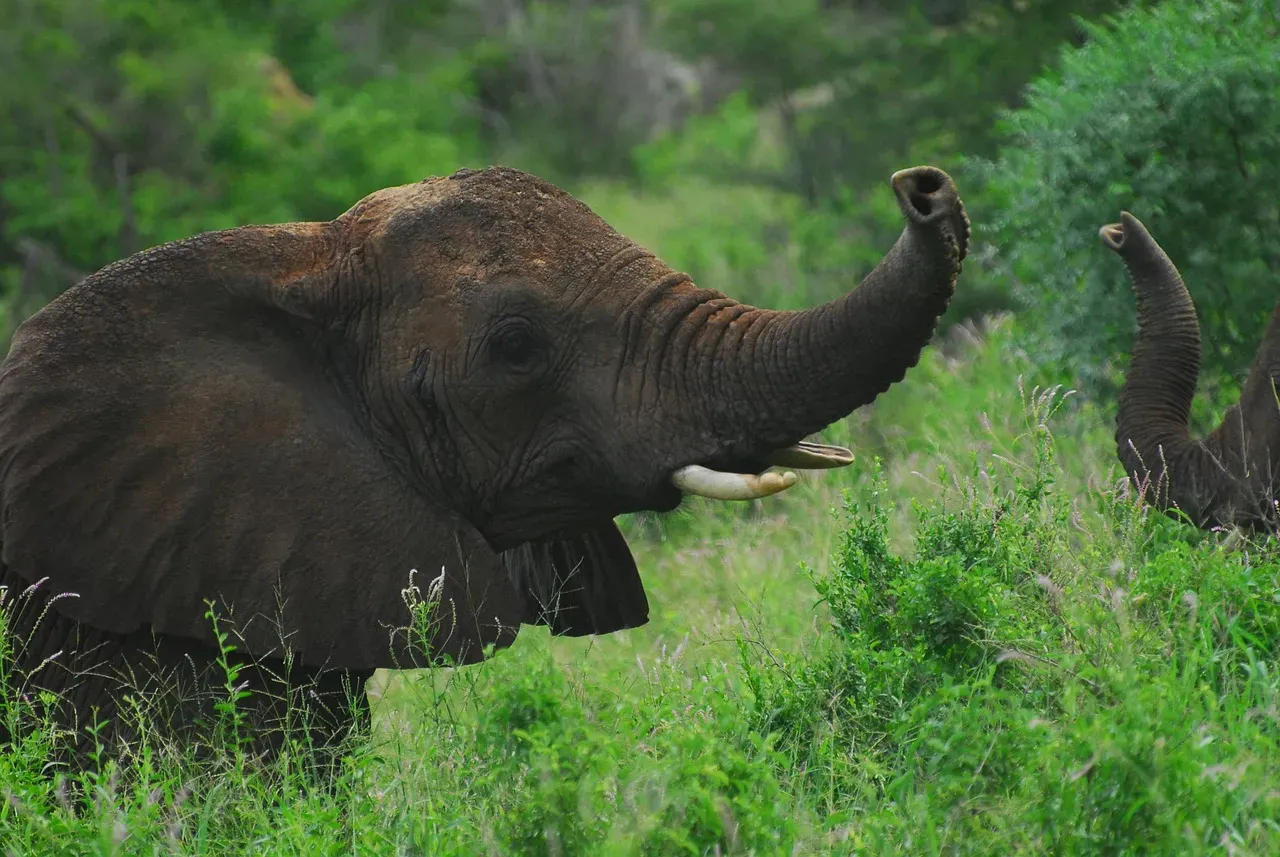
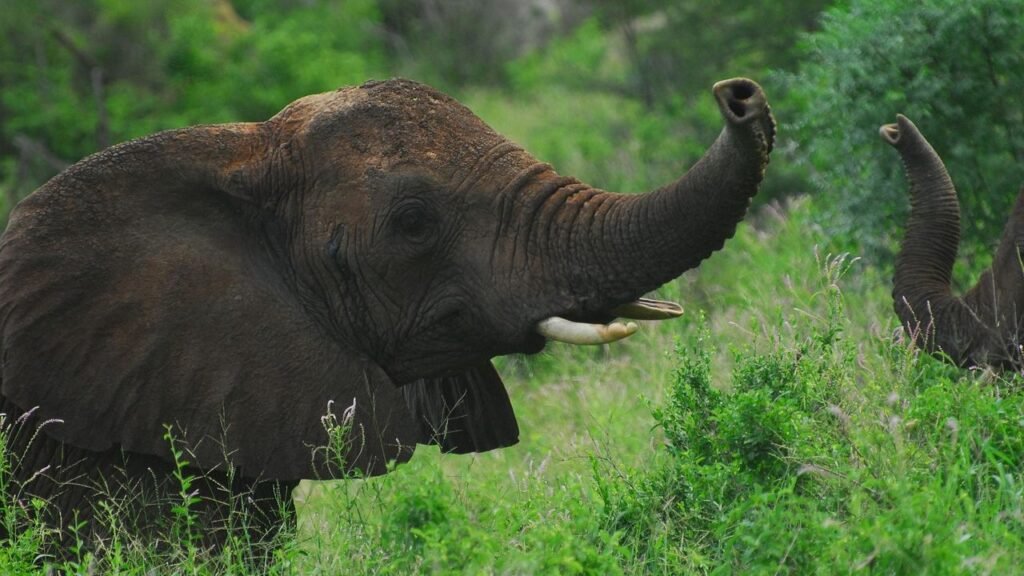
Elephants have always seemed expressive – those trumpets, rumbles, and gentle touches – but a huge part of their communication literally happens under our radar. They produce infrasound, extremely low-frequency calls that travel over long distances, far below the range of human hearing. With specialized microphones and vibration sensors, scientists have realized that elephants may coordinate movements, warn each other, and maintain social bonds through these deep, rolling calls.
Some infrasound calls can travel several kilometers, allowing elephants to “speak” to distant family members or signal danger long before a predator is in sight. Researchers have observed that specific low rumbles correlate with particular situations, such as a reunion, a threat, or even the presence of humans. There’s also evidence that elephants can sense some of these signals through their feet, picking up ground vibrations. The more we uncover, the more it feels like elephants are running a rich, low-frequency group chat we’ve been completely deaf to.
4. Bees Doing Symbolic “Dance Maps”
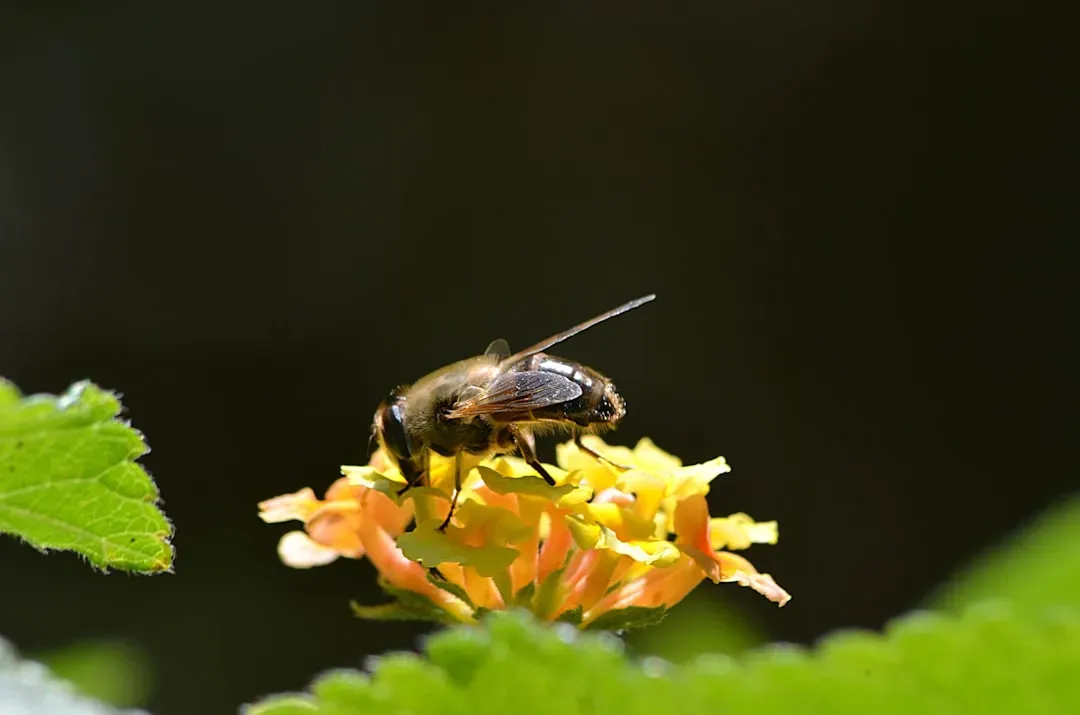
The waggle dance of honeybees has been famous for decades, but what’s changing now is how much detail we can pull from it and how flexible it might be. When a forager bee finds a good patch of flowers, she returns to the hive and performs a dance that encodes the distance and direction to the food source relative to the sun. The angle and duration of the waggle part create a kind of living map on the vertical surface of the honeycomb, which other bees read and then fly off following those instructions.
Recent work using high-speed cameras and computer vision has shown that bees fine-tune their dances based on wind, obstacles, and even the quality of the food. It’s not simply a fixed instinctive pattern; there’s room for adjustment, correction, and maybe even something like “emphasis” when a source is especially rich. This looks eerily close to symbolic communication: movements standing in for locations in the outside world. It forces us to admit that an animal with a brain dramatically smaller than a grain of rice can still share navigational information in a surprisingly sophisticated way.
5. Bats Using Individual “Names” and Social Calls
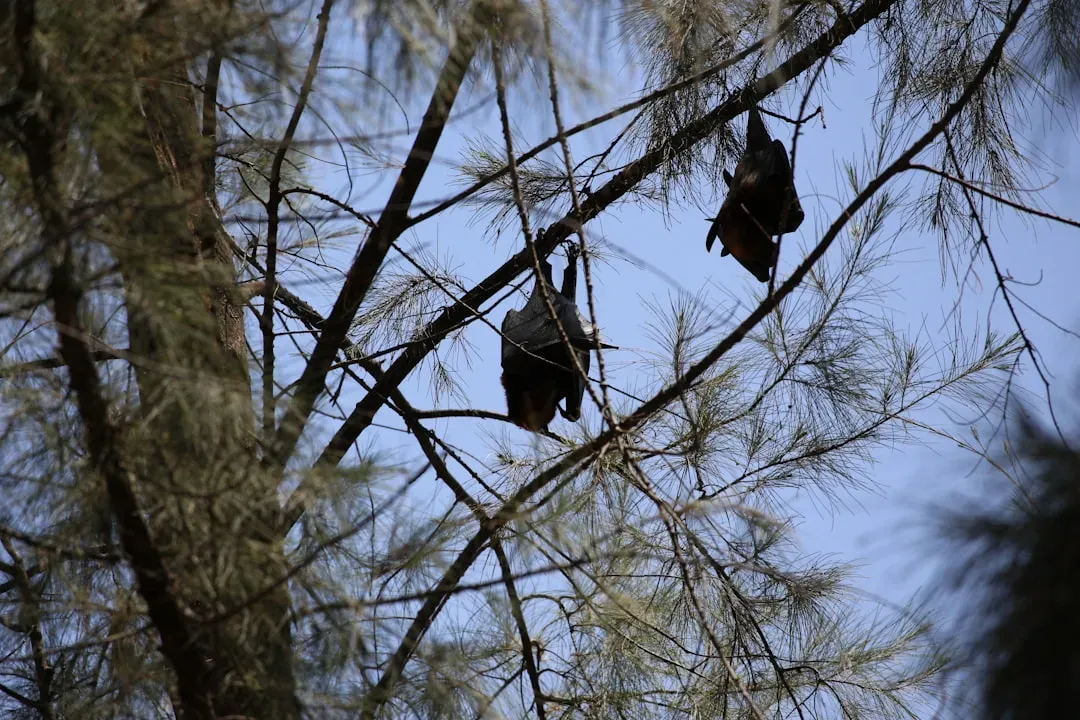
Bats often get reduced to spooky silhouettes and echolocation clichés, but their social lives are far more complicated than that. In several bat species, researchers have found that mothers and pups use distinct, individualized calls that function almost like names. Pups respond more strongly to specific call patterns from their own mothers, and mothers can pick out their pups’ calls in the chaos of a crowded roost, which is basically like trying to find one screaming child in a packed concert hall.
On top of that, adult bats use a range of calls in social situations that seem to signal arguments, food disputes, or friendly interactions. With audio recorders placed inside bat roosts and machine-learning tools to sort different call types, scientists are gradually building something like a bat “dictionary.” Some calls appear consistently when bats fend off unwanted advances, others when they share food or change roosting spots. It’s a reminder that just because a sound is harsh or high-pitched to us doesn’t mean it’s simple; for bats, it might be closer to a full-blown conversation.
6. Fish Talking in Clicks, Grunts, and Drums

It’s easy to assume the underwater world is mostly silent, but that’s mostly because our ears are terrible at hearing what many fish are up to. Using underwater microphones, scientists have recorded fish producing rhythmic sounds – clicks, grunts, booms, even drumming noises generated by vibrating muscles against their swim bladders. These sounds can play roles in courtship, territory defense, and group coordination, forming an underwater soundscape that we’ve only recently started to map out in detail.
In some species, males create persistent drumming patterns to attract mates or to warn rivals, something like a repetitive, low-key beat pulsing through the water. Other fish emit sharp clicks when startled or when interacting with neighbors on a reef. What’s new is the realization that these acoustic patterns are not just background racket but could be vital to how fish choose mates and avoid danger. This matters more now than ever, because human-made noise from ships and construction can mask these signals, potentially scrambling communications that fish rely on to survive.
7. Insects and Spiders Using Vibrations as Hidden Messages

Not all communication is about sound in the way we experience it. Many insects and spiders “talk” through vibrations sent through leaves, webs, stems, or the ground itself. Tiny leafhoppers, for example, send patterned vibration signals along plant stems that others can detect with specialized organs in their legs. Some of these patterns map onto courtship rituals, others onto warnings or coordination, forming a kind of silent Morse code running through the greenery.
Spiders, especially web-building species, use web vibrations to tell the difference between prey, a potential mate, or something non-threatening like a leaf. In the last few years, researchers using ultra-sensitive lasers and high-speed imaging have started decoding these patterns, discovering that spiders modulate their plucks and pulses in surprisingly nuanced ways. It turns out the “empty” silence in a garden or forest is full of tiny tremors and coded signals we never feel. Once you understand that the ground and plants are buzzing with hidden messages, you never look at a still branch the same way again.
Conclusion: We Were Never the Only Ones Talking
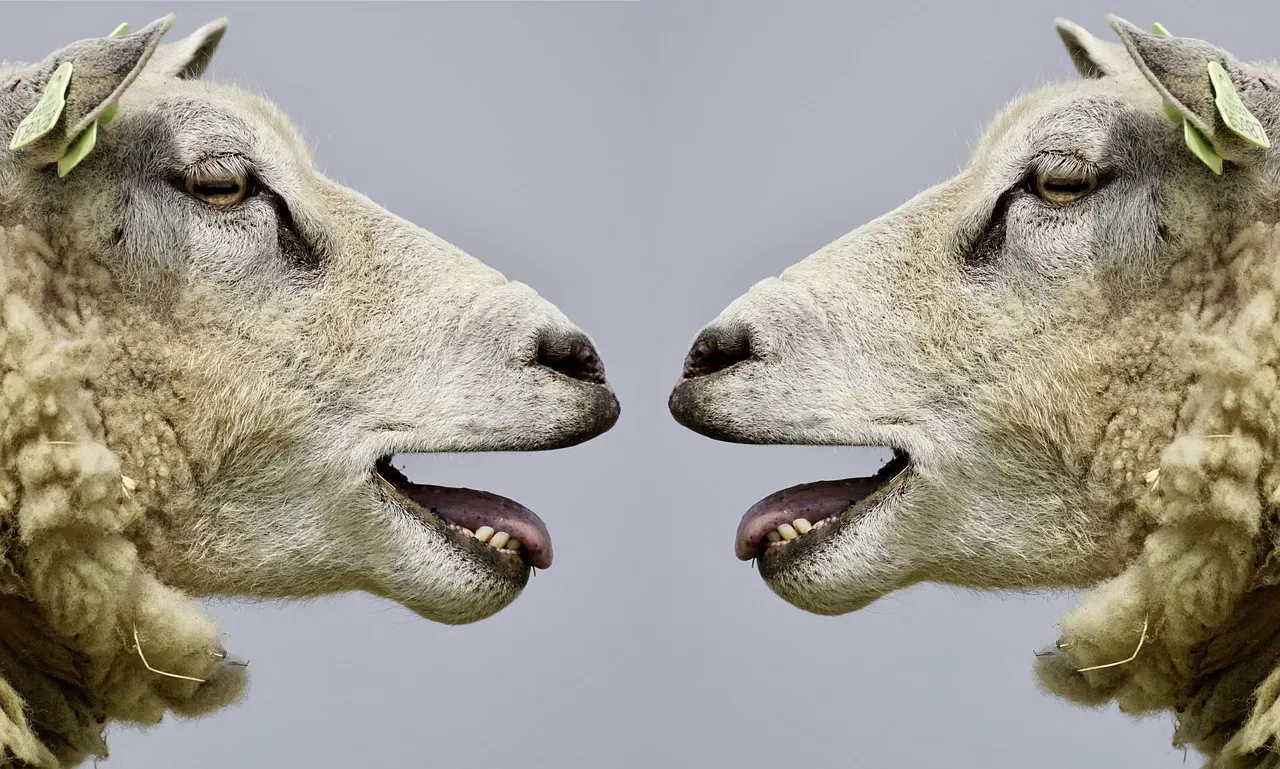
All of this emerging research points to an uncomfortable but thrilling conclusion: humans are not the lone masters of meaningful communication. From whales remixing their songs across entire oceans to bees sketching maps with their bodies, the animal world is filled with codes, signals, and even something close to culture that we are only starting to crack. Technology is not just helping us record more; it’s forcing us to admit that we’ve underestimated our neighbors on this planet for a very long time.
As we get better at listening – not just with our ears, but with microphones, sensors, and open minds – we may have to rethink what intelligence and language really mean. Maybe the question is no longer whether animals have “real” communication, but whether we’re willing to treat their signals as worthy of understanding and protecting. If the world is this full of unnoticed conversations, what else might be happening right under our noses, waiting for us to finally pay attention?