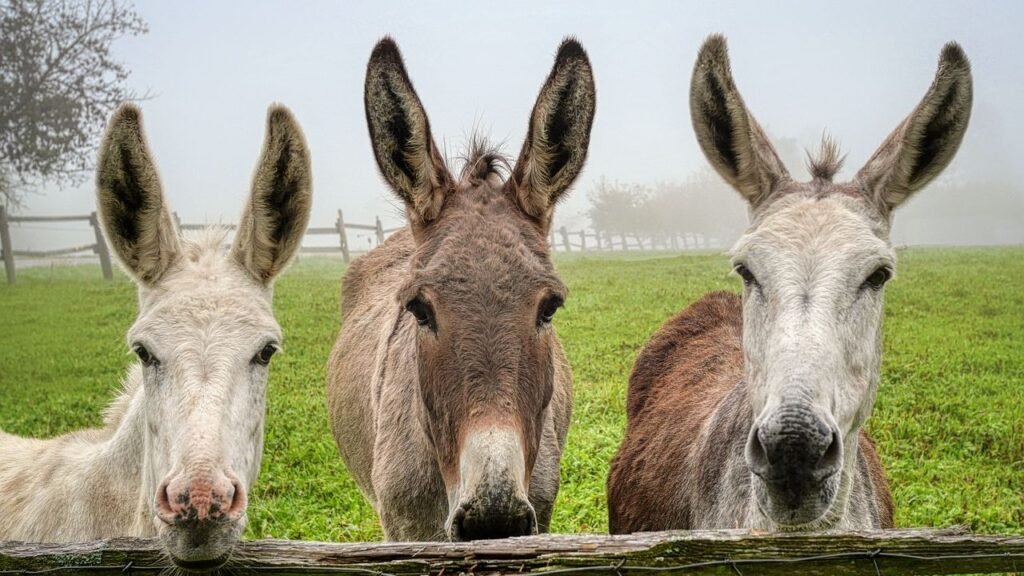

Most people have a picture-perfect image of a donkey in their heads: a slow, stubborn animal standing at the side of a dirt road, refusing to move. Honestly, that image could not be further from the truth. are layered, fascinating creatures that have quietly shaped human civilization for thousands of years, all while being dramatically underestimated.
You might think you know everything about these four-legged animals, but what you’re about to read could completely change your perspective. From extraordinary memory to emotional depth that rivals your family dog, are full of jaw-dropping surprises. Let’s dive in.
1. Donkeys Were Domesticated Before Horses
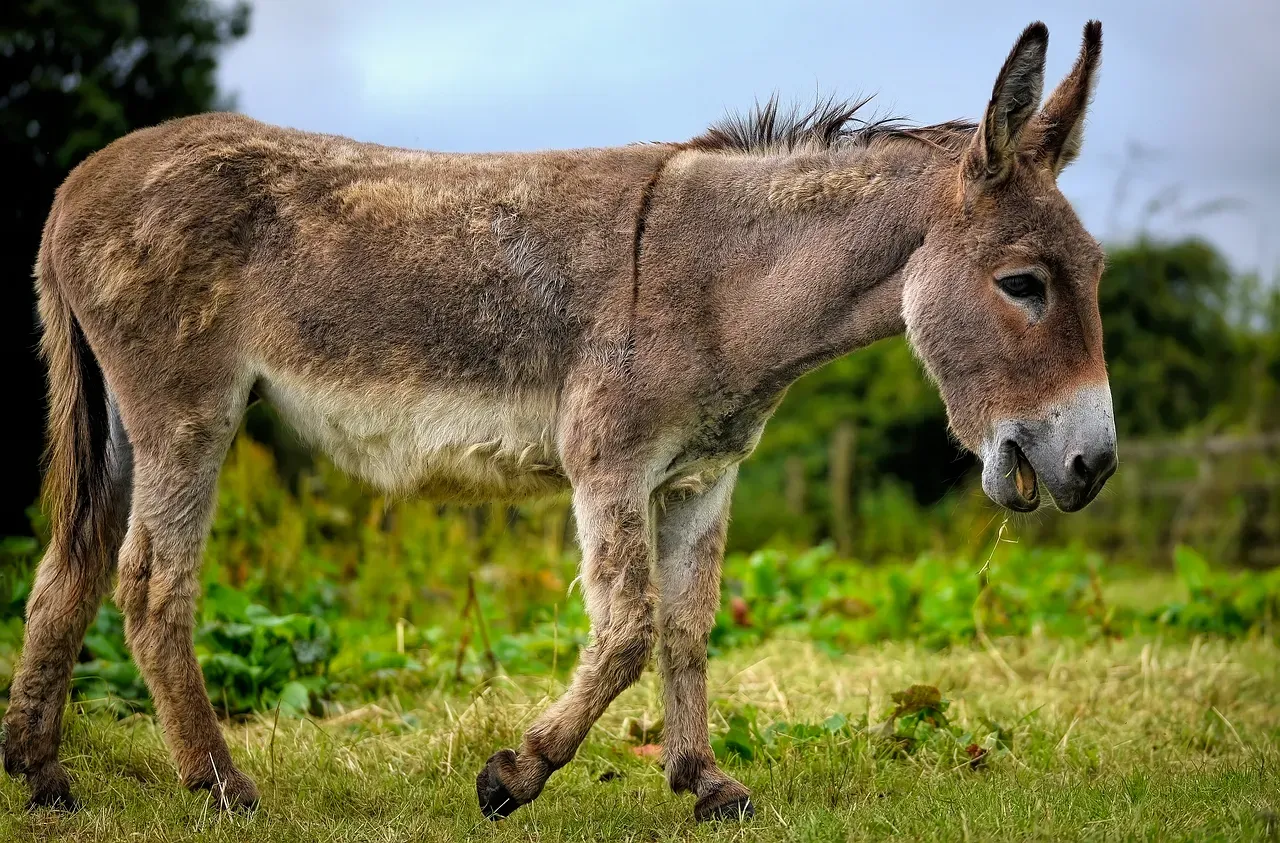
Here’s something that might genuinely stop you in your tracks. Researchers have traced donkey domestication back to a single event around 7,000 years ago in East Africa – about 3,000 years before humans tamed horses. Think about that for a second: every time you picture someone riding a horse through ancient history, a donkey was already doing the heavy lifting millennia earlier.
The domestication of donkeys served to increase the mobility of pastoral cultures, giving them a crucial advantage, and in the Dynasty IV era of Egypt, between 2675 and 2565 BC, wealthy members of society were known to own over 1,000 donkeys, employed in agriculture, as dairy and meat animals, and as pack animals. You could say donkeys were essentially the original engine of ancient economies. No horses required.
2. Their So-Called “Stubbornness” Is Actually a Sign of Intelligence
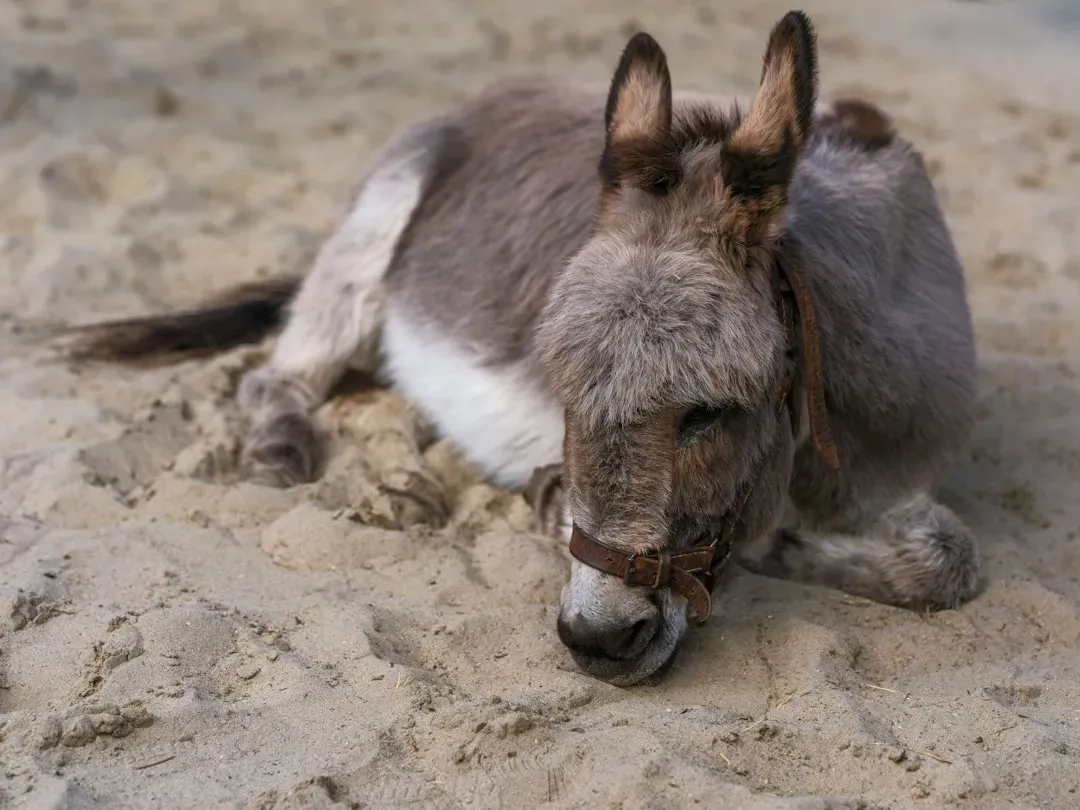
If you have ever called a donkey stubborn, you owe them a small apology. Donkeys may appear stubborn, but in reality they are only reacting to their instinct of assessing the situation and taking time to ensure their surroundings are safe – which shows that they make decisions prioritizing their well-being, a clear indicator of their cognitive abilities. It is not obstinacy. It is pure, calculated self-preservation.
This misunderstanding stems from three donkey characteristics: a stoic nature with very subtle body language especially when showing pain or fear, a natural propensity to freeze when threatened or frightened, and a strong sense of self-preservation. When these characteristics are combined, it can be easy to misinterpret a donkey’s refusal to complete an activity as stubbornness. The next time a donkey plants its feet, consider that it might simply be thinking harder than you expected.
3. Donkeys Can Learn as Fast as Dolphins and Dogs
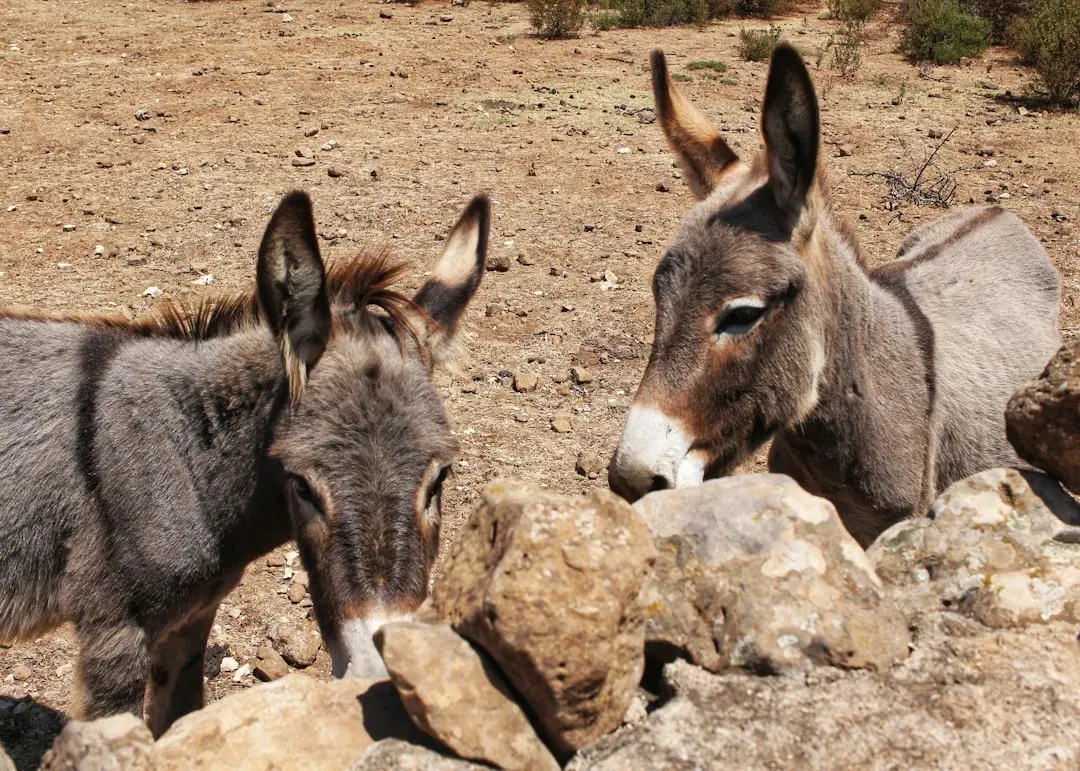
Let’s be real – when most people think of highly intelligent animals, donkeys are rarely the first to come to mind. Yet donkeys have an excellent memory and great ability to learn, and a 2013 study by The Donkey Sanctuary found that they can learn and problem-solve at the same pace as dolphins and dogs. Those are two animals we celebrate endlessly for being clever. Donkeys deserve the same applause.
Donkeys have rational minds and use logic to solve problems. They are even considered smarter than horses. Another surprising fact is that their limbic system – the part of the brain that regulates emotions and behaviour – is the same size as humans. I think that last detail is the most mind-bending part. The emotional architecture of a donkey’s brain mirrors our own far more than anyone expected.
4. Their Memory Is Extraordinary – and Long-Lasting
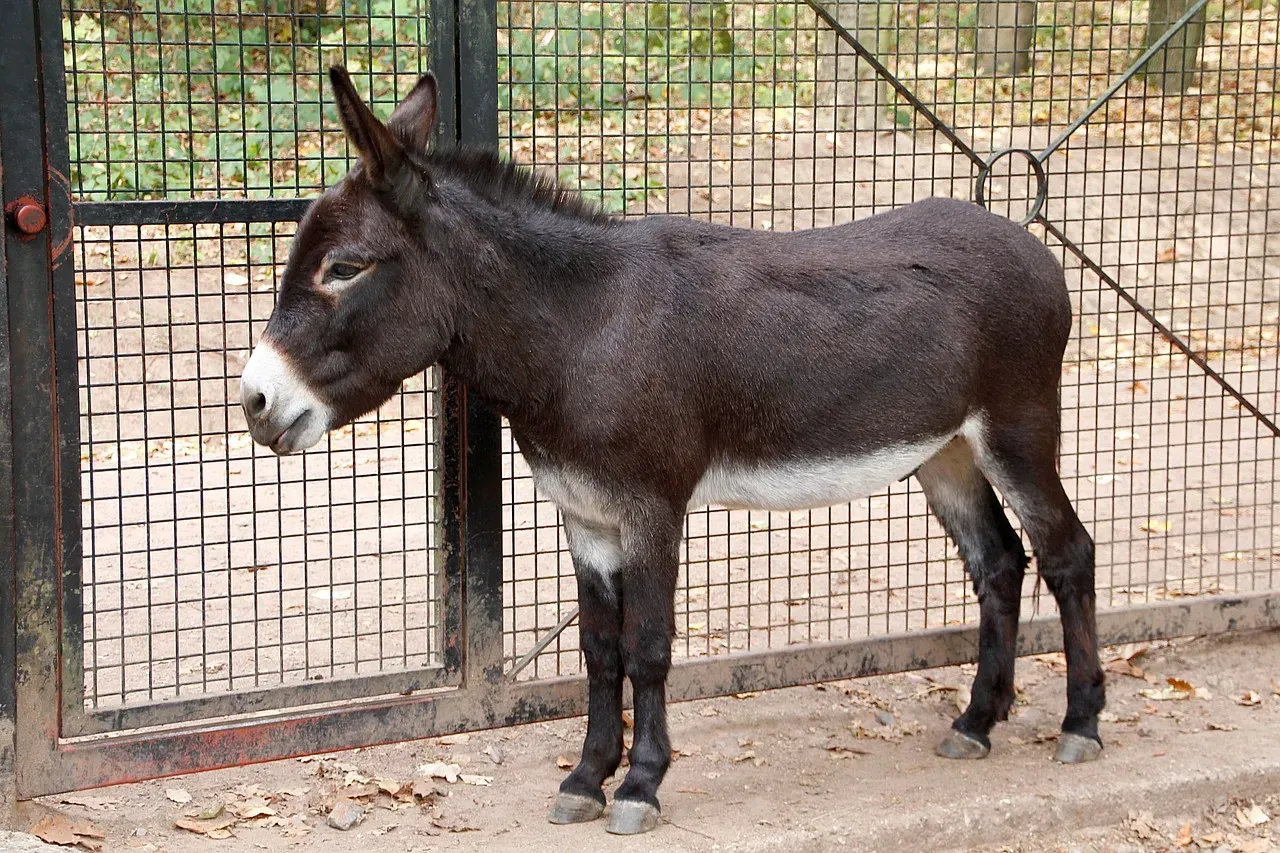
You might have heard the phrase “memory like an elephant,” but honestly, donkeys deserve that title more. Donkeys have a very good memory. Even after 25 years they remember other donkeys in the areas where they were living. They also remember for years people who have treated them particularly badly or particularly kindly. So if you were ever rude to a donkey, know that it probably remembers you – and not fondly.
Donkeys have excellent long-term memory and remember everything that happens to them, both good and bad. Negative or painful experiences can traumatise them, just like us, affecting their health and behaviour, sometimes for years. That is a sobering thought. Donkeys are not blank slates – they carry their histories with them, just as we do.
5. Their Bray Is a Sophisticated Communication System
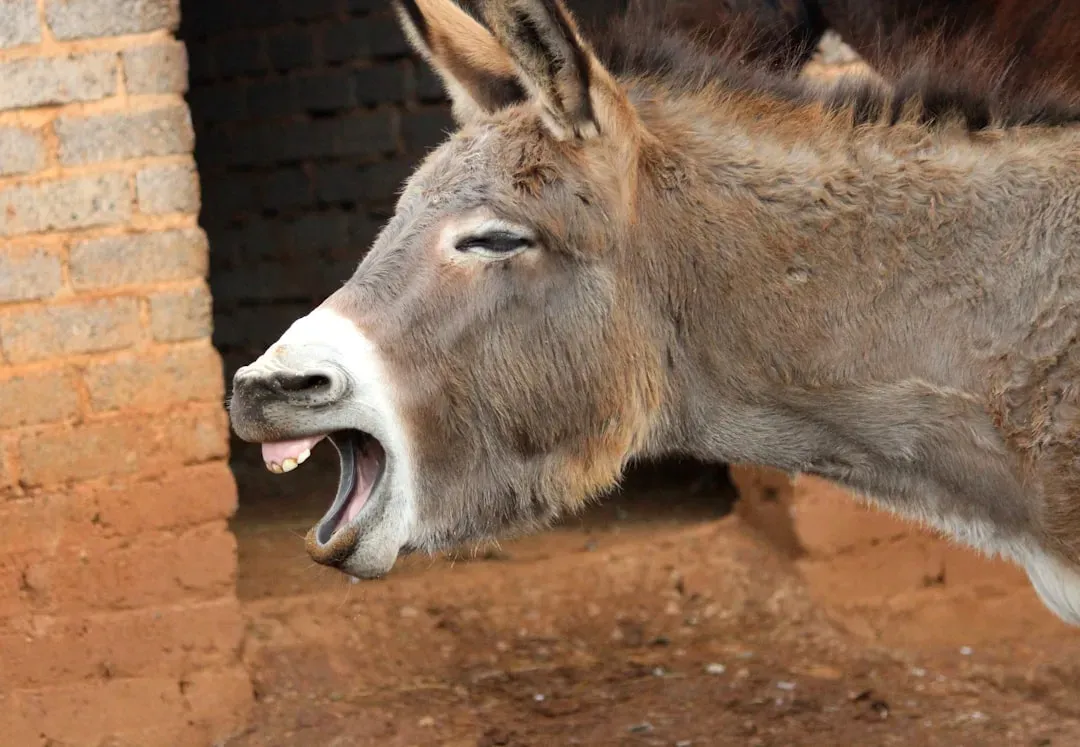
That loud, slightly goofy “hee-haw” sound is far more than just noise. What is special is that they can make sounds when both inhaling and exhaling, which creates that characteristic hee-haw sound we all know. Donkeys communicate with others using different sounds, thus expressing their feelings such as happiness, loneliness, discomfort, pain, or distress. It is essentially a full emotional vocabulary delivered in sound.
A donkey’s call is around 80 decibels loud – as loud as a truck – and can sometimes reach up to 120 decibels, similar to a plane taking off. It can be heard over 3 kilometres away. Every donkey also has a unique sound, so the animals can recognise each other even without being able to see each other. Think of it like a fingerprint, but for your voice. Remarkably personal, and shockingly loud.
6. Donkeys Form Deep Emotional Bonds – and Actually Grieve
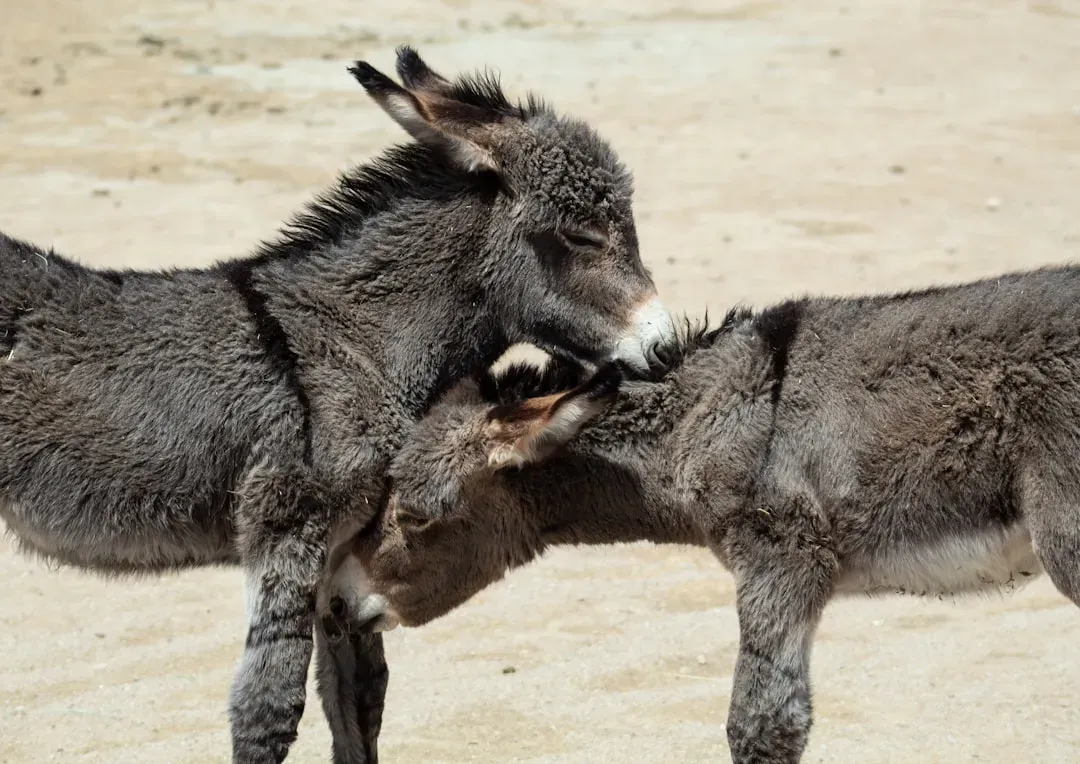
You might not expect it from an animal often dismissed as a stubborn work beast, but donkeys are profoundly social and emotionally connected. As social animals, donkeys enjoy company and develop strong emotional bonds with other animals. Donkeys often pick a best friend, with whom they spend most of their time, and pairs are frequently observed grooming one another by softly scratching and nibbling their partner’s neck and shoulders. It is genuinely adorable, when you think about it.
Their fellow donkey friends are extraordinarily important to them; they form such strong bonds that when a companion dies, they mourn them. The stress of their grief can cause them to become severely ill. Being such social creatures, donkeys sometimes will quit eating altogether when deprived of a companion. Grief, loss, and loyalty – these are not just human experiences. Donkeys feel them too.
7. Their Giant Ears Are Surprisingly Multi-Functional
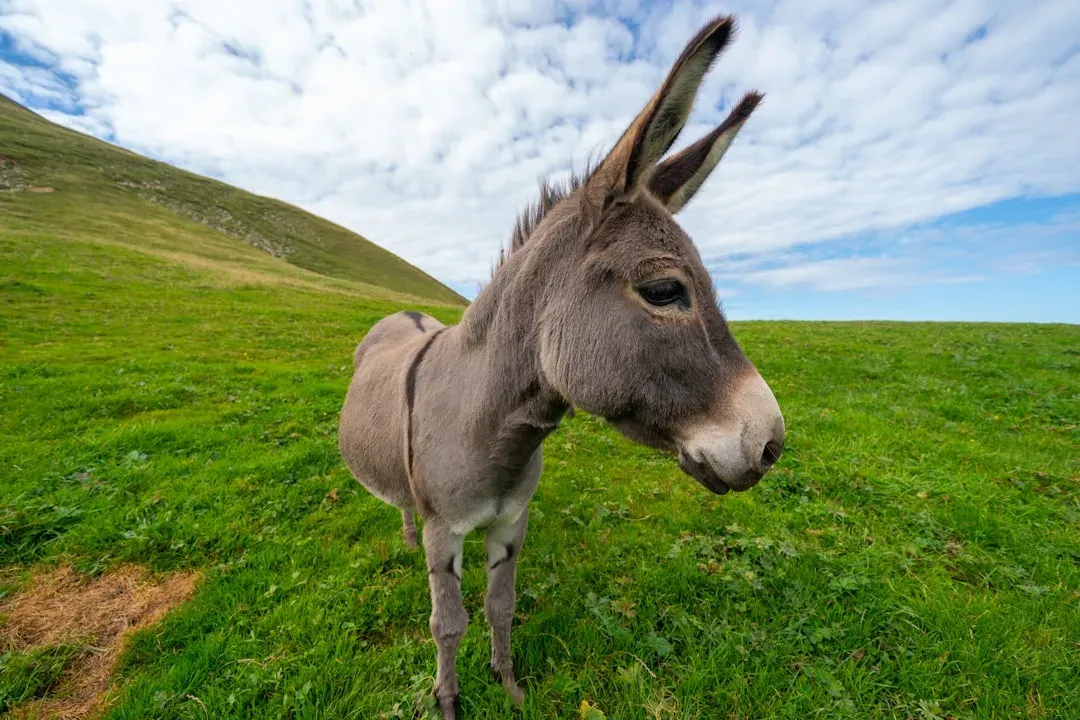
Those oversized, cartoonishly large ears are one of the donkey’s most iconic features. One of the most noticeable features of a donkey is its large ears, which are not just for hearing. Evolved in the arid regions of Africa and Asia, these large ears are incredibly efficient at detecting sounds over long distances, which is crucial in the wide, open landscapes where donkeys originally lived. It is like having built-in radar dishes on your head.
Modern donkeys descend from the African wild ass, an animal adapted to survive in extreme heat with very little water. Donkeys’ long ears help regulate body temperature, and their tough coats protect them from both heat and cold. So those ears are not just for listening – they are also a natural cooling system. Nature really does pack a lot of engineering into a single feature. Impressive, honestly.
8. Donkeys Are Natural-Born Livestock Guardians
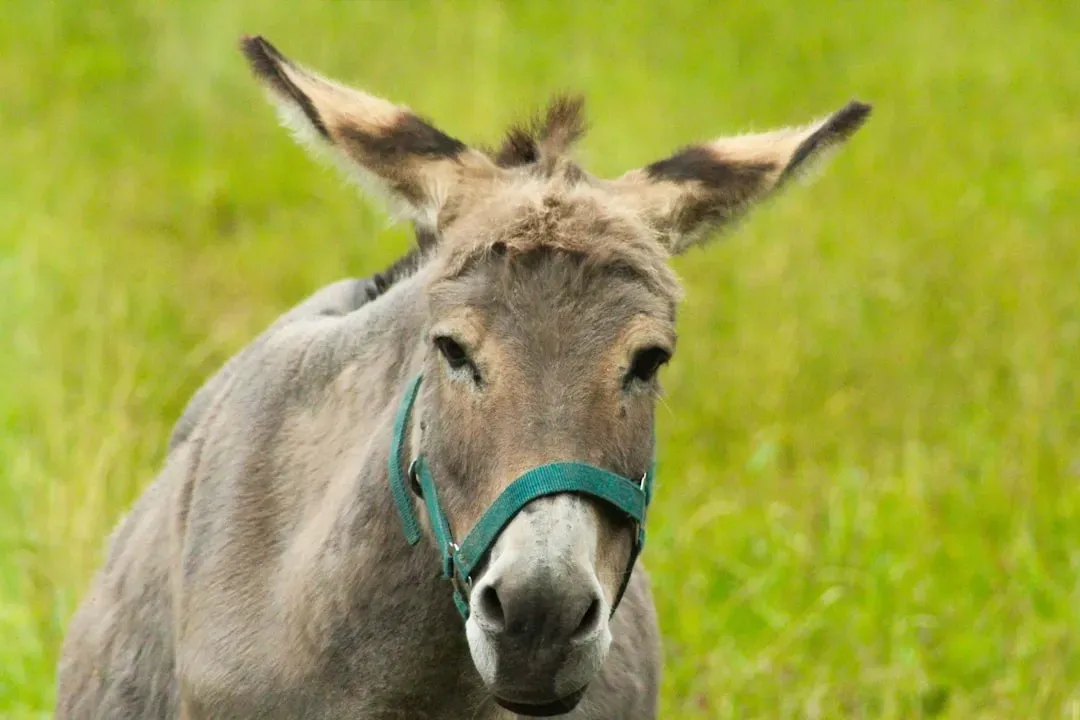
Here is something that surprises most people: donkeys are not just passive farm animals. Donkeys are often used as guard animals for livestock because they have a natural aversion to canines and will bray loudly, chase, and even attack intruders or predators like foxes and coyotes, thereby protecting sheep, goats, and other farm animals. Picture a donkey charging at a coyote, ears back, making an ear-splitting racket. Terrifying. Effective.
Donkeys are sometimes trained to protect other domestic livestock such as sheep and goats. When under threat, they show a remarkable degree of aggression, occasionally attacking and trampling large dogs and humans. It is hard to say for sure how many farms rely on this tactic, but it is more widespread than you might think. Who knew the humble donkey was moonlighting as a security guard?
9. Miniature Donkeys Are a Naturally Small Species – Not a Breed-Down
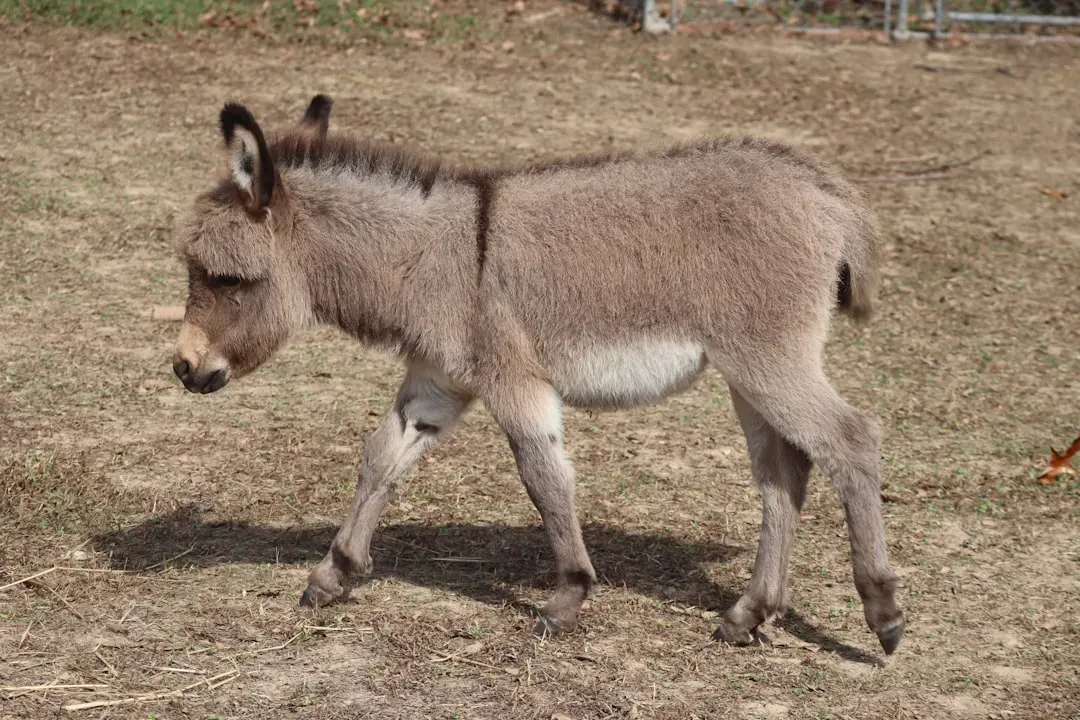
Many people assume miniature donkeys were selectively bred to be smaller over time, the way some dog breeds were engineered for size. That is not the case at all. Miniature donkeys are one of the most endearing varieties of donkey. Native to the Mediterranean islands of Sicily and Sardinia, these donkeys are exceptionally small, standing no taller than three feet at the shoulder. Despite their size, they are hardy and strong, with the same social and protective instincts as their larger counterparts.
The smallest known donkey, KneeHi, measured just over 25 inches tall, but other miniature donkeys have stood even shorter. These little donkeys are beloved as pets and companions due to their manageable size and gentle nature. Honestly, an animal that small with the heart of a full-sized guardian is something close to magical. They are nature’s little paradox – tiny in stature, enormous in personality.
10. Donkeys Have Surprisingly Long Lives – and Incredible Longevity Records
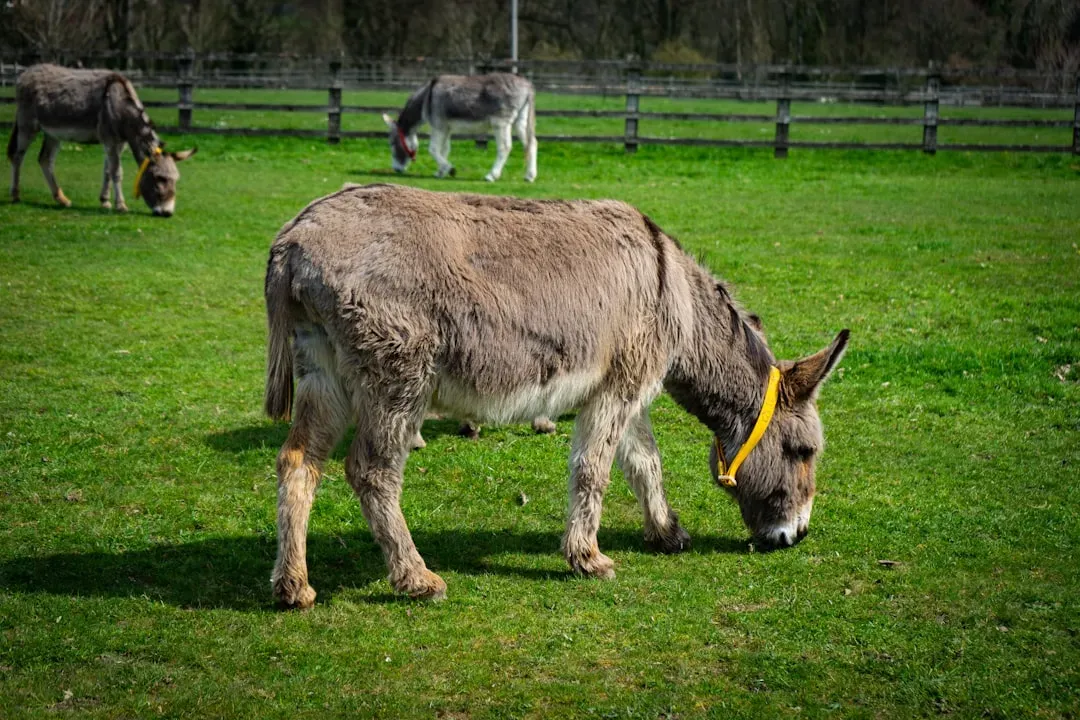
When it comes to lifespan, donkeys outpace what most people expect from working animals. Donkeys live 25 to 30 years in the wild, and up to 40 years in human care. For context, that is longer than many dogs, most farm animals, and even some wild predators. A donkey born today could still be going strong long after some of the children who grow up around it have started their own families.
Donkeys typically live 25 to 30 years. Some exceptional individuals stand out, including Bubble of Warwickshire, UK, who lived to be 64 years old, Suzy of New Mexico who lived for 54 years, and Bam Bam of Australia who was 51. Those are extraordinary figures by any measure. A 64-year-old donkey is basically a living fossil – a testament to just how resilient and hardy these animals truly are.
Conclusion: You Will Never Look at a Donkey the Same Way Again
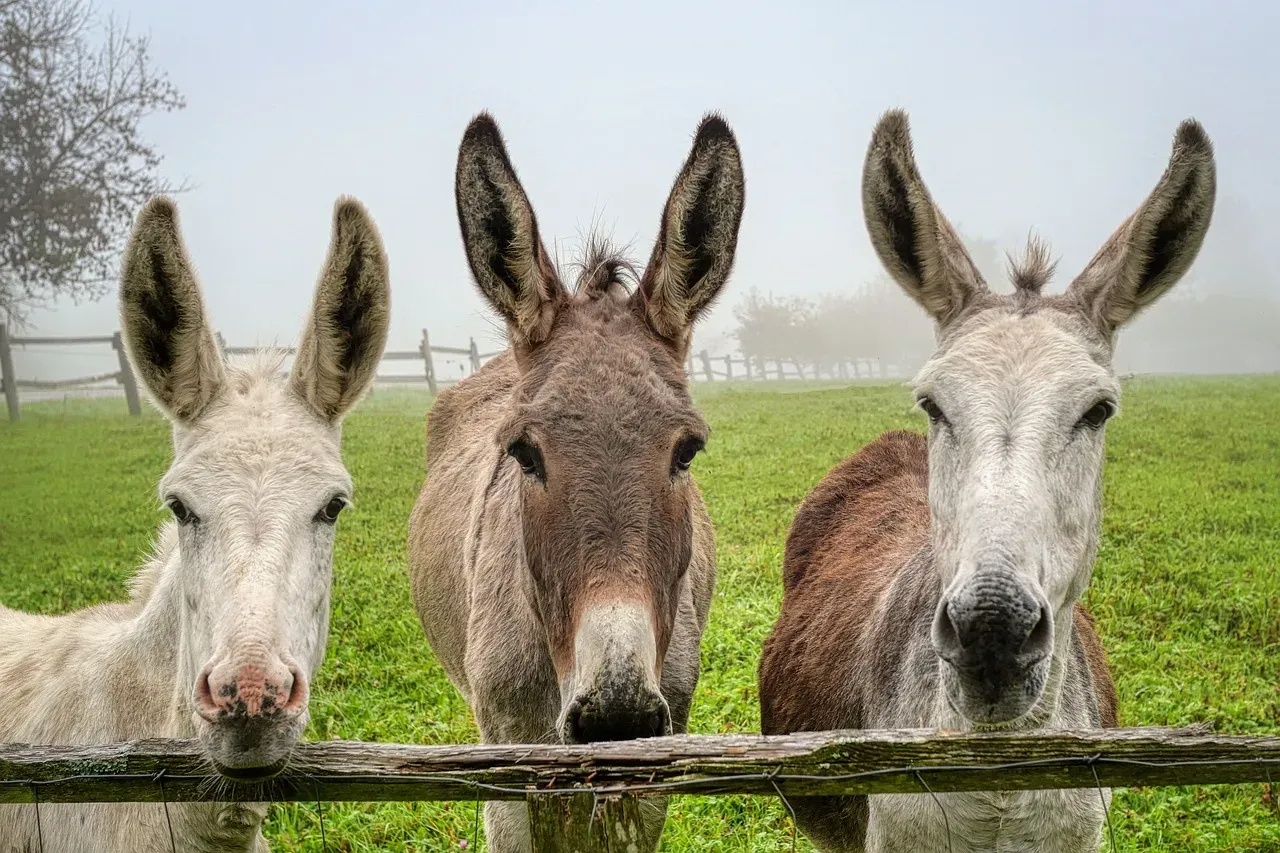
Donkeys have carried civilizations on their backs, literally and figuratively, for roughly seven millennia. They learn like dolphins, grieve like humans, remember faces for decades, and protect the animals they live alongside with fierce, surprising courage. The “stubborn” donkey of popular imagination is a myth, and the real animal underneath that reputation is far more fascinating.
Perhaps the most striking takeaway is how much these animals have given us over thousands of years, and how little credit we have given them in return. They are not background characters in human history – they are central to it. Every fact here is a reminder that the animals we overlook most often are sometimes the most remarkable ones of all.
So the next time you spot a donkey staring at you with those enormous, intelligent eyes, take a moment. They are probably sizing you up, remembering your face, and deciding whether you are worth trusting. Did you ever expect that?