
You carry, right inside your skull, the most complex structure ever discovered in the known universe. That might sound like hyperbole, but it genuinely is not. Neuroscience, once a field of slow, painstaking progress, has exploded in recent years into something almost cinematic in its revelations. The discoveries being made right now about how your brain works, adapts, rewires itself, and even glows in the dark, are the kind of things that would have seemed like science fiction just a generation ago.
Honestly, it’s a little overwhelming to keep up with. Each year brings fresh evidence that the brain is far more capable, far more flexible, and far stranger than anyone imagined. So let’s dive in, because what you’re about to read might change the way you think about what’s happening right inside your own head.
Your Brain Is Literally One of the Most Complex Objects in the Universe
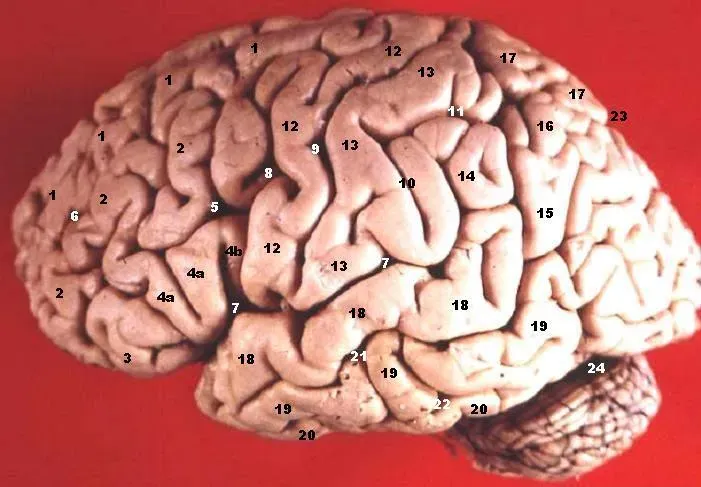
Stop for a second and consider what you’re working with. Your brain holds 86 billion neurons connected by roughly 100 trillion synapses, making it one of the most complex objects in the known universe. That’s not a metaphor. That number is so large it genuinely defies intuition, like trying to count the stars in a clear night sky and realizing you’d never finish in a lifetime.
Think of each synapse as a tiny conversation happening between two brain cells. Now multiply that by 100 trillion. Happening simultaneously. Right now. While you read this sentence. The human brain is arguably the most powerful computer known to humankind, and it acts with extraordinary efficiency and precision. Most of what makes us human resides in the structure and function of this wondrous, multitalented organ.
The Brain Never Stops Rewiring Itself, Even Well into Old Age
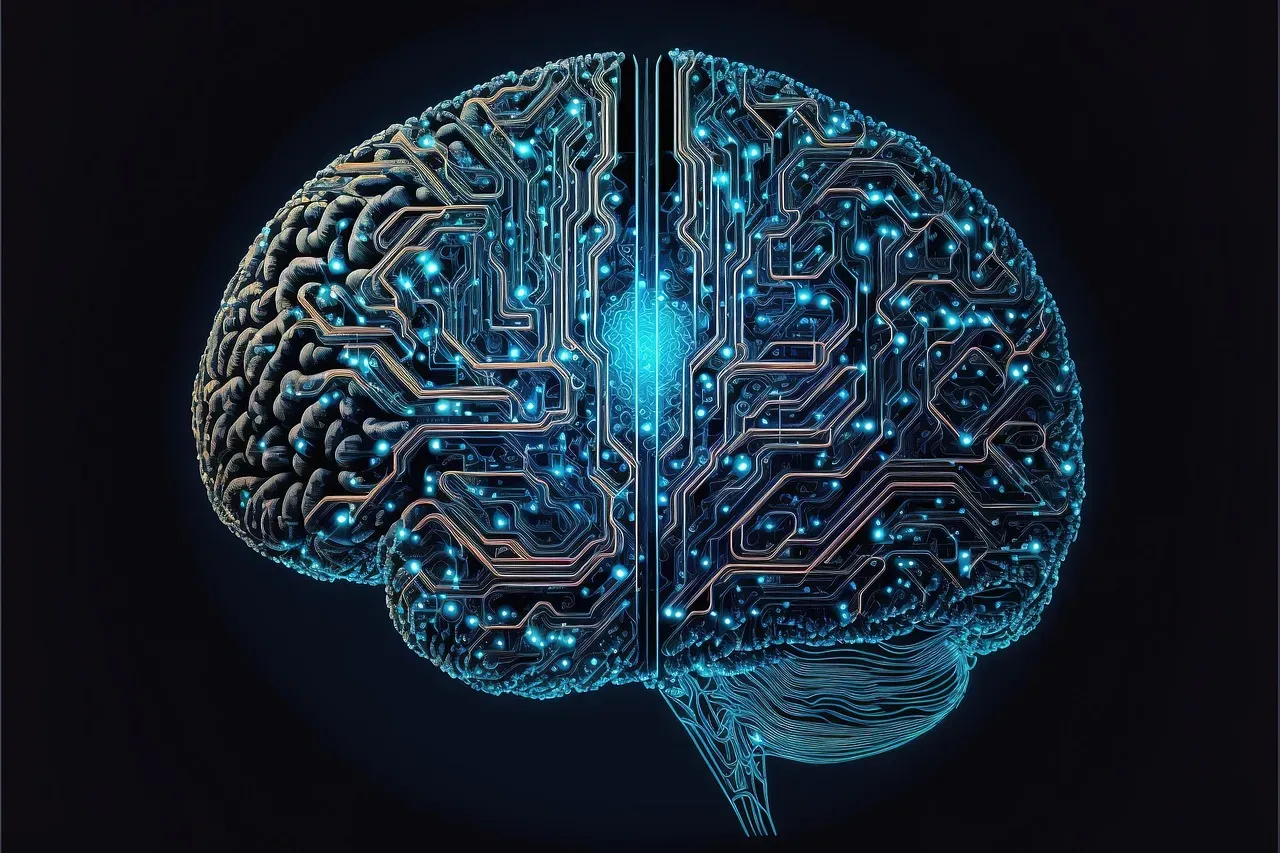
Here’s a fact that should genuinely excite you: your brain is not fixed. Not even close. Neuroplasticity was once thought by neuroscientists to manifest only during childhood, but research in the latter half of the 20th century showed that many aspects of the brain exhibit plasticity through adulthood. Scientists used to believe you were more or less stuck with the brain you had by the time you hit your 30s. That belief has been completely dismantled.
A surprising consequence of neuroplasticity is that brain activity associated with a given function can be transferred to a different location. This process can occur in response to learning new skills, experiencing environmental changes, recovering from injuries, or adapting to sensory or cognitive deficits. Such adaptability highlights the dynamic and ever-evolving nature of the brain, even into adulthood. It’s a bit like discovering that the road you’ve always driven on can spontaneously reroute itself if there’s an obstacle. Your brain does that, constantly, without you even noticing.
Adults Can Grow Brand New Neurons, and That Changes Everything
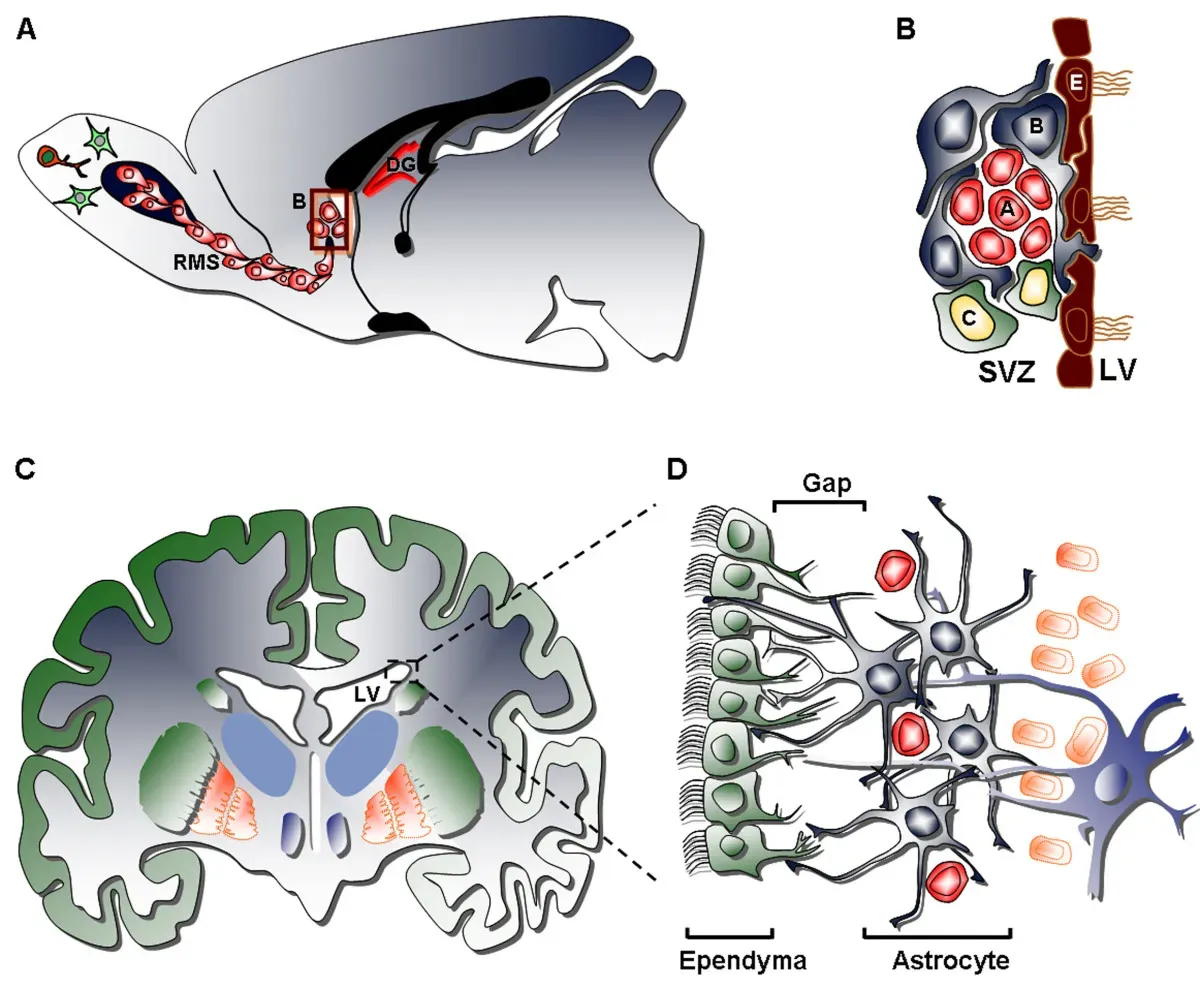
For most of the 20th century, neuroscientists held firm to the idea that you were born with all the neurons you’d ever have. Lose them, and they’re gone forever. That idea, it turns out, was wrong. Neuroscientists long believed that you’re born with all the neurons you’ll ever have. Evidence has slowly accumulated to suggest that adults can form new neurons, a process called neurogenesis. Until recently, the evidence was mostly circumstantial and controversial. This year, researchers discovered newly formed neurons and the precursor cells that birthed them in the brains of adults, some as old as age 78.
This is enormously significant. Neurogenesis has spurred an interest in stem cell research, which could lead to an enhancement of neurogenesis in adults who suffer from stroke, Alzheimer’s disease, Parkinson’s disease, or depression. Research suggests that Alzheimer’s disease in particular is associated with a marked decline in neurogenesis. In other words, the discovery isn’t just academically fascinating. It could become the foundation of treatments that genuinely reverse damage to the aging brain.
Your Brain Has a Reality Signal, and Without It You Could Hallucinate
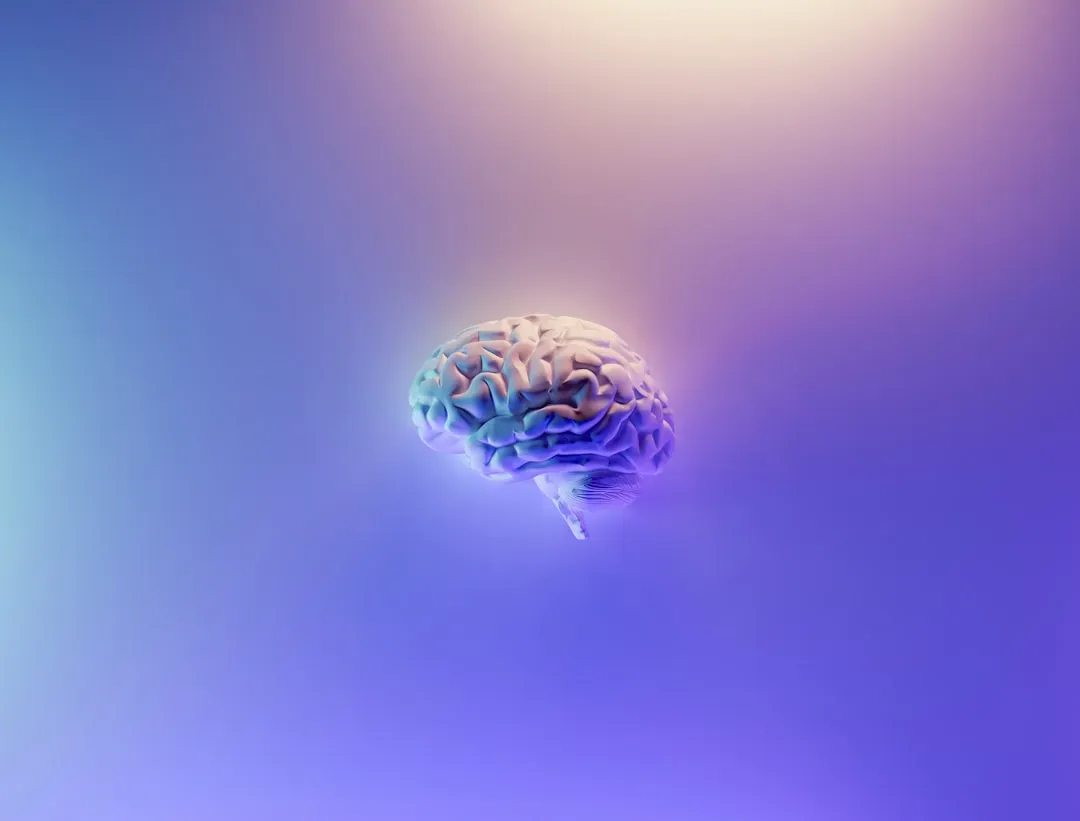
Here is something I think deserves far more attention than it gets. When you vividly imagine something, your brain activates in patterns remarkably similar to when you actually see that thing in front of you. So how does it tell the difference between the real and the imagined? When you imagine an apple, your brain activity is not that different from when you actually see one. Scientists have now discovered a “reality signal” generated by a region of the brain called the fusiform gyrus, which is then evaluated by another region to determine whether something is real or imagined.
Researchers think that dysfunction of this system could lead to hallucinations, in which people mistake something generated by the brain for something real. Think about that. Hallucinations aren’t random glitches. They may be the result of this very specific reality-checking circuit breaking down. UCL researchers show that the fusiform gyrus emits a signal whose strength determines whether an experience is reported as real or imagined, and this reality signal is interpreted by the anterior insula, which forms part of the prefrontal cortex. The implications for conditions like schizophrenia are staggering.
Your Brain Actually Glows, and Scientists Are Still Trying to Understand Why
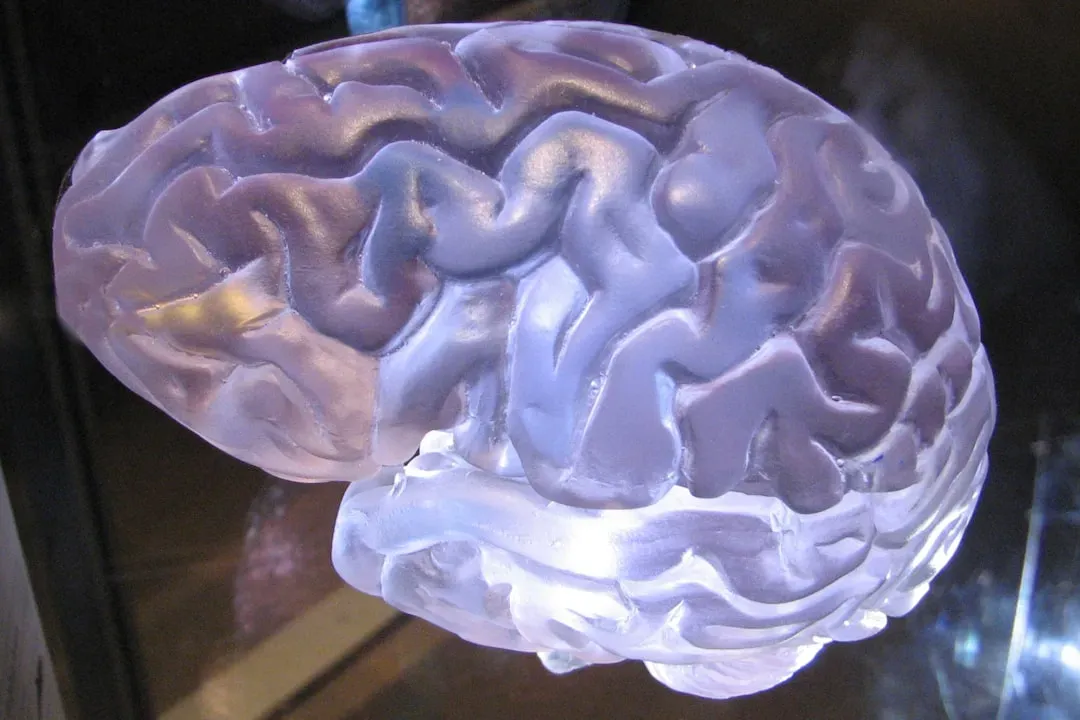
This one still floors me every time I think about it. Living tissues emit light called biophotons as a by-product of consuming energy, and the brain consumes a whole lot of energy. In a recent experiment, scientists detected biophotons emitted by the human brain from outside the skull for the first time. The emission changed as people performed different mental tasks, but whether these photons play a role in cognition at all remains to be seen. Your brain emits light. Actual light.
Emissions of biophotons from the brain changed when participants switched between different cognitive tasks, though the relationship between brain activity and biophoton emissions was far from straightforward. Study authors think this may be hinting at a deeper role these particles of light might be playing in the brain. Some scientists have even theorized that neurons can emit photons that could serve as signals between neurons, in addition to well-known electro-chemical signals, and that myelinated axons could serve as photonic waveguides for targeted communication. The whole idea of a brain using light as a secondary communication system sounds absolutely wild, but the data is real, and the questions it raises are extraordinary.
Consciousness Remains the Greatest Mystery in All of Science
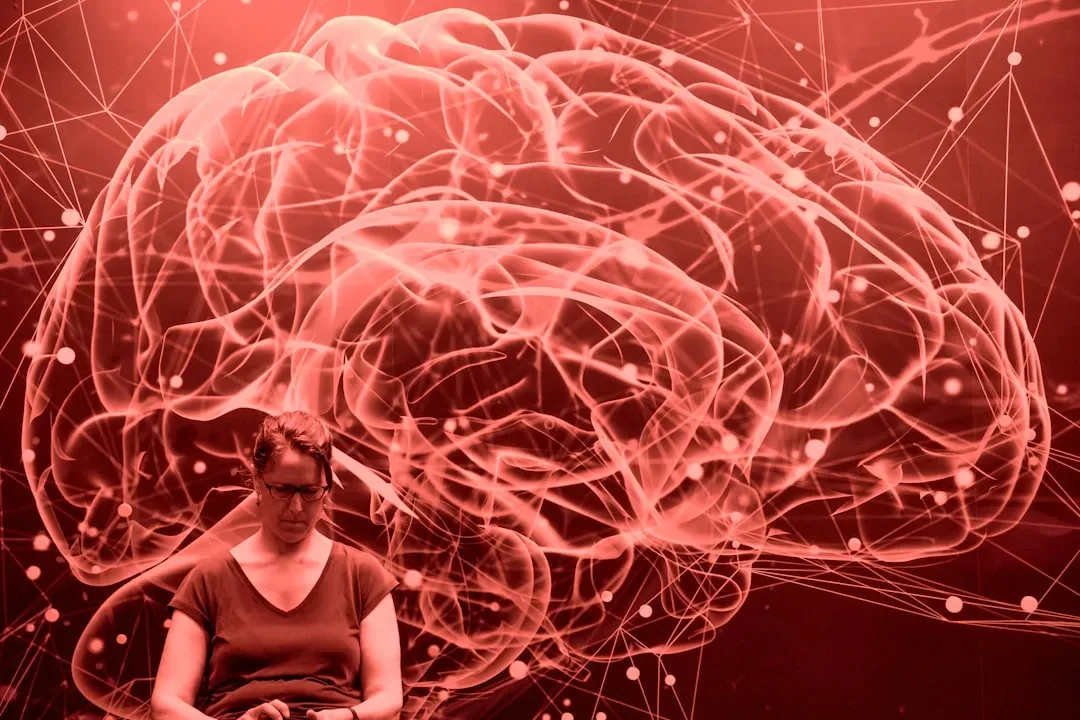
The greatest mystery about the brain is how it creates consciousness. How does the activity of tens of billions of neurons create your experience of the world? Scientists have many theories of consciousness, and two recently went head-to-head in a scientific face-off. The results were extremely mixed, challenging some of the central tenets of both theories and highlighting just how much mystery remains in the quest to understand our mind. Let that sink in. Our best scientific minds, armed with the finest brain-imaging tools ever built, still cannot agree on a fundamental explanation for how you experience being you.
Some researchers are now exploring truly bold territory. New evidence has been presented indicating that conscious states may arise from the brain’s capacity to resonate with the quantum vacuum, the zero-point field that permeates all of space. It’s hard to say for sure whether such theories will hold up to scrutiny, but they reveal how far scientists are willing to look for answers. Empirical findings indicate that conscious states are inextricably linked to long-range synchronized activity patterns that result from phase transitions and exhibit the key features of self-organized criticality. Consciousness, it seems, may be less a light switch and more a symphony.
The Brain Does Not Peak in Your 20s, It Has Multiple Life Stages of Growth
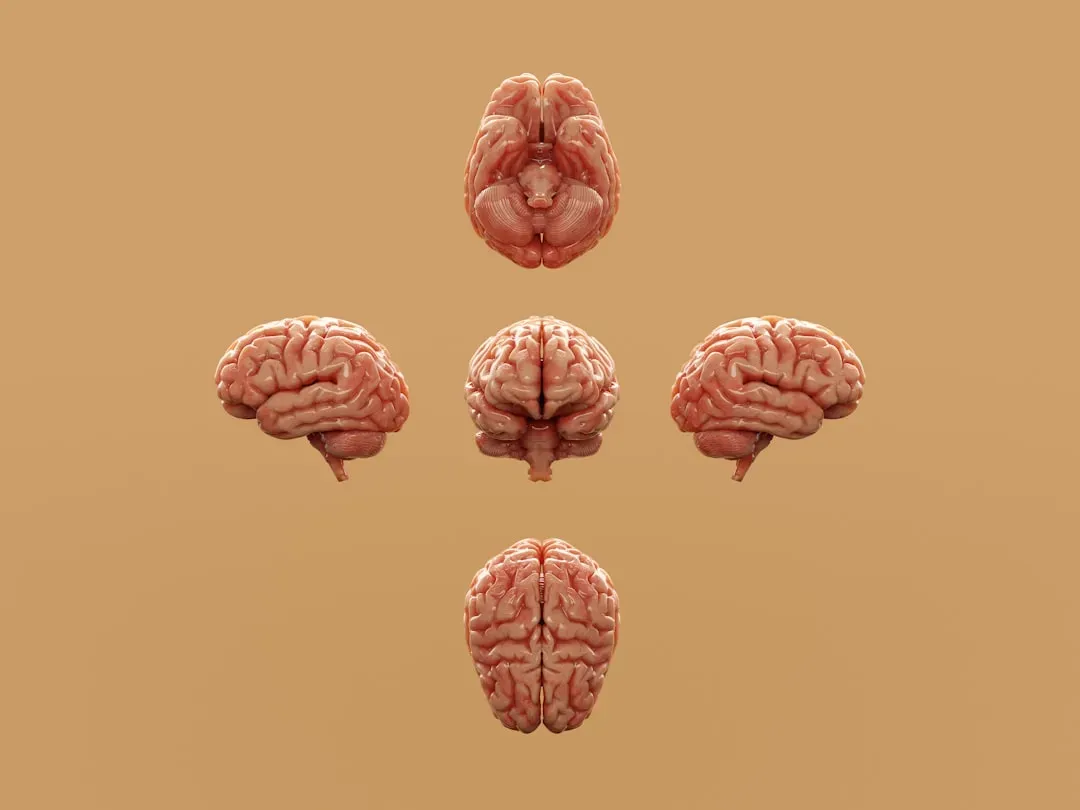
You’ve probably heard that the brain peaks in your mid-20s and it’s all downhill from there. Well, that comfortable narrative has officially been retired. A massive lifespan study rewrote one of the most persistent myths in neuroscience: that the brain “peaks in your mid-20s.” Instead, researchers identified five major stages of brain-network organization, with transitions around ages 9, 32, 66, and 83. Each of these stages represents a genuine shift in how the brain is organized, not simply a slide into decline.
While total network strength continues to rise with age as individual connections become stronger, efficiency declines as pathways lengthen and redundant routes fade. This explains why older adults may retain knowledge but struggle with processing speed or multitasking. The architecture is intact, but less optimized. Think of it this way: your brain in your 60s is not a broken version of your younger brain. It’s a different operating system, rebuilt and reconfigured, with its own unique strengths. The data actually supports that.
You Can Actively Train Your Brain to Reverse Signs of Aging
Here’s where things get genuinely practical, and encouraging. You are not a passive passenger in your brain’s journey through time. A McGill-led study reveals that digital brain exercises can rejuvenate aging brain systems responsible for learning and memory. Older adults using a specific cognitive training program for 10 weeks showed restored cholinergic function, effectively turning back the clock. Ten weeks. That’s remarkably short for that kind of measurable biological change.
Participants in an intensive, highly structured program that included aerobic exercise four times a week, adherence to a heart-healthy Mediterranean diet, online cognitive training, mandatory social activities, and monitoring of blood pressure and blood sugar performed markedly better than those in a standard lifestyle group. And the results were not trivial. These people obtained cognitive function scores similar to people one to two years younger than they were. That might not sound like much, but being cognitively younger than your biological age, measurably so, is a remarkable outcome achieved simply through lifestyle. Imagine what becomes possible as science continues to refine these approaches.
Conclusion: The Most Fascinating Discovery May Still Be Coming
We are living through what may be the most exciting era in the history of brain science. The developments discussed here, from adult neurogenesis to brain-generated light, to the shattering of the “peak at 25” myth, all point toward the same extraordinary truth: the brain is far more capable, adaptable, and mysterious than any previous generation of scientists dared to assume.
What is perhaps most inspiring is that these discoveries are not just theoretical. Many of them translate directly into how you might choose to live, think, move, and challenge yourself each day. More than a century ago, Spanish neuroscientist Santiago Ramón y Cajal wrote that every person can become the sculptor of their own brain. Modern science shows that this sculpting never truly ends.
The deeper we look, the more we realize we have only just scratched the surface of what the human brain is capable of. Every new answer opens three new questions. Every discovery reshapes what we thought was possible. The greatest chapter of neuroscience, in all likelihood, hasn’t been written yet. What do you think that discovery will be? Tell us in the comments below.