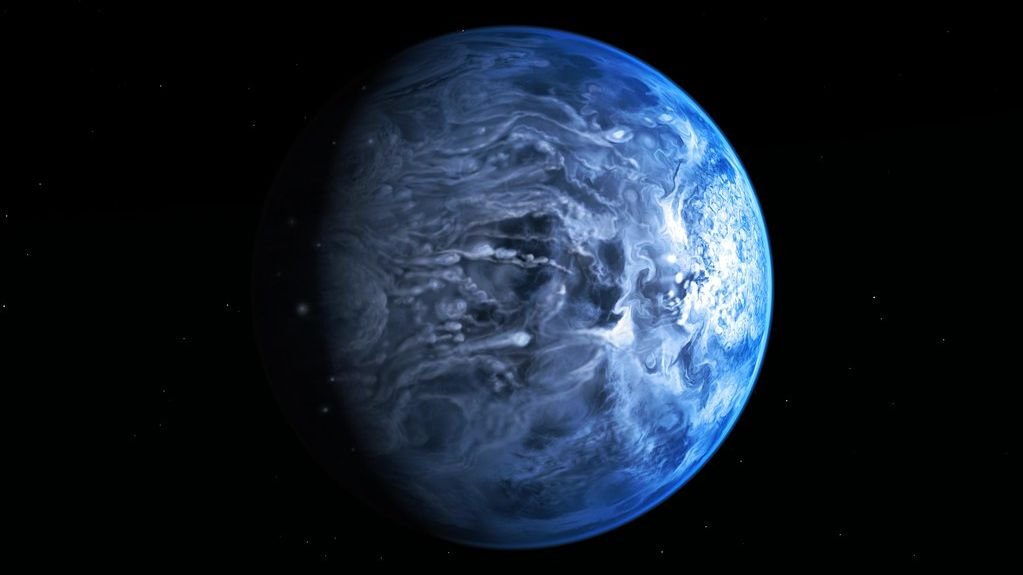

Picture this: you’re standing under a night sky filled with more stars than grains of sand on every beach on Earth combined. Now imagine that around almost every one of those stars, a planet quietly orbits. Some of those planets are rocky. Some have atmospheres. Some, right now, might have something living on them.
That’s not science fiction anymore. That’s science. The question of whether life exists beyond Earth has shifted from an abstract philosophical musing into a real, pressing, scientifically rigorous pursuit. Researchers are no longer simply wondering whether extraterrestrial life is possible, they’re actively designing instruments to find it, pointing telescopes at distant worlds, and analyzing rocks from asteroids for clues. What they’re discovering is startling.
So let’s dive in.
The Universe Is Teeming With Planets That Could Host Life
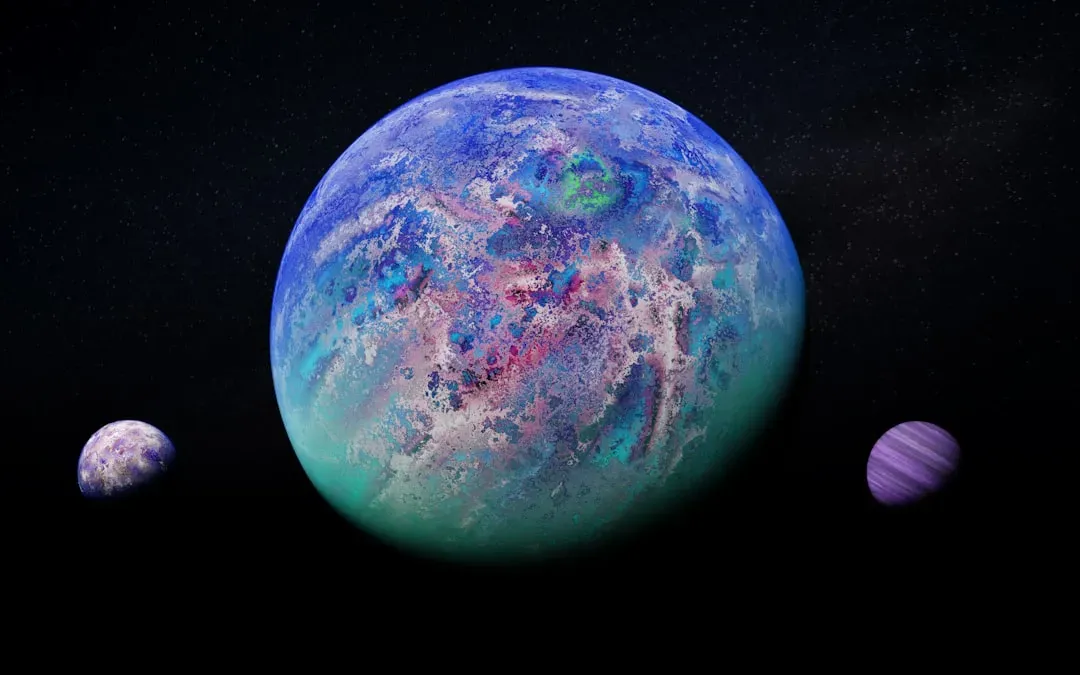
Here’s the thing: the sheer scale of the universe makes it almost statistically absurd to think we’re alone. There is at least one planet on average per star, and roughly one in five Sun-like stars have an Earth-sized planet in the habitable zone, with the nearest expected to be within 12 light-years from Earth. When you do that math across hundreds of billions of stars in just our galaxy, the numbers become almost impossible to comprehend.
Since 1992, over four thousand exoplanets have been discovered, reaching 6,128 planets in 4,584 planetary systems, including 1,017 multiple planetary systems, as of October 2025. Each new confirmation on that ever-growing list adds another candidate world where life, in some form, might have found a foothold. Honestly, it’s hard not to feel a little awe about that.
GJ 251 c: The Nearby Super-Earth Turning Heads
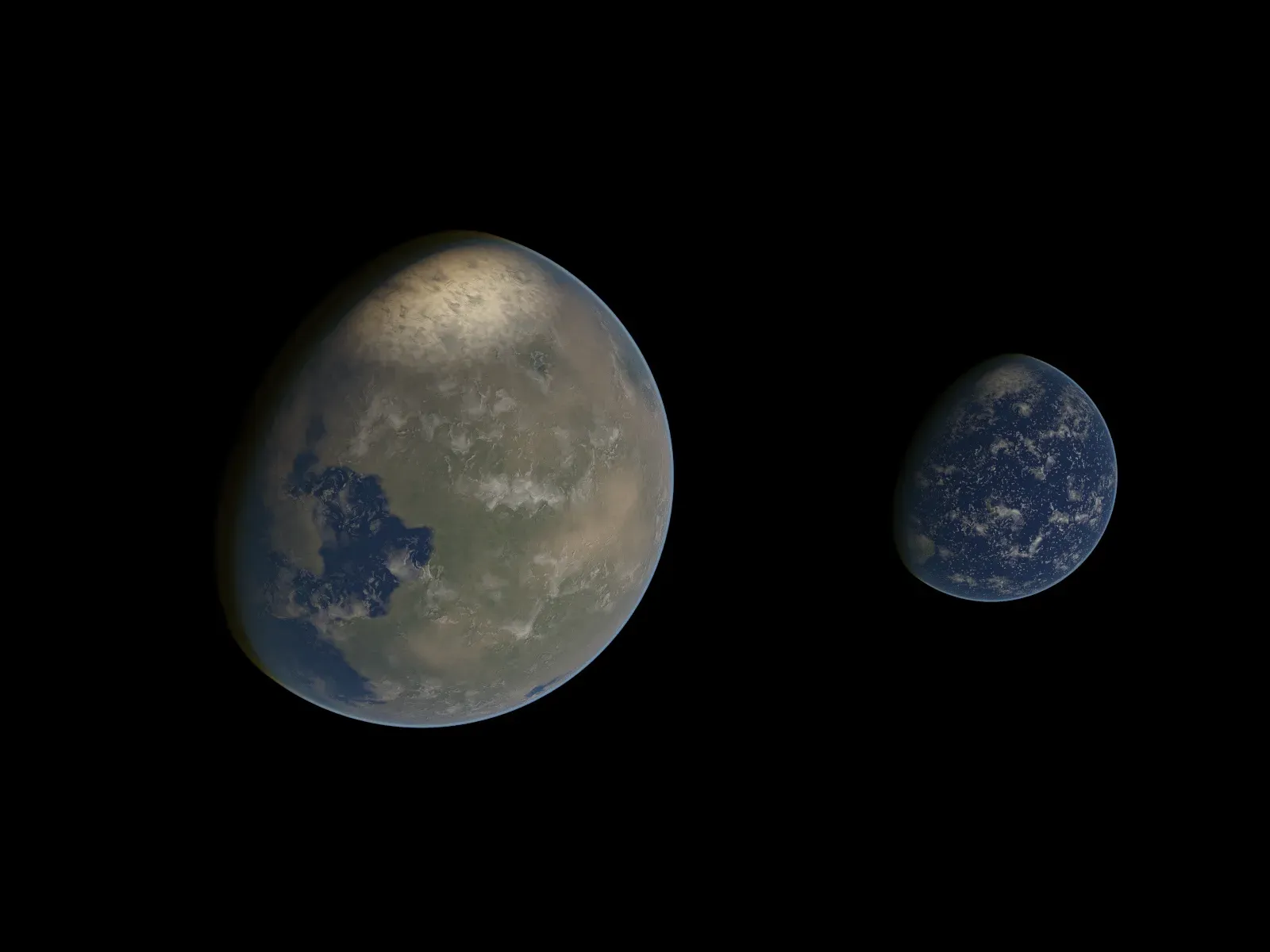
A newly detected super-Earth just 20 light-years away is giving scientists one of the most promising chances yet to search for life beyond our solar system, with its discovery made possible by advanced spectrographs designed at Penn State and by decades of observations from telescopes around the world. That’s practically next door in cosmic terms, the equivalent of a neighbor a few blocks down the street.
An international team of scientists dubbed the exoplanet GJ 251 c a “super-Earth,” as data suggest it has a rocky composition similar to Earth and is almost four times as massive. While the exoplanet cannot be imaged with current instruments, the next generation of telescopes would be able to analyze the planet’s atmosphere, which could potentially reveal chemical signs of life. The discovery wasn’t quick either. This latest finding was the result of two decades of observational data.
K2-18b and the Molecule That Set the Scientific World Buzzing
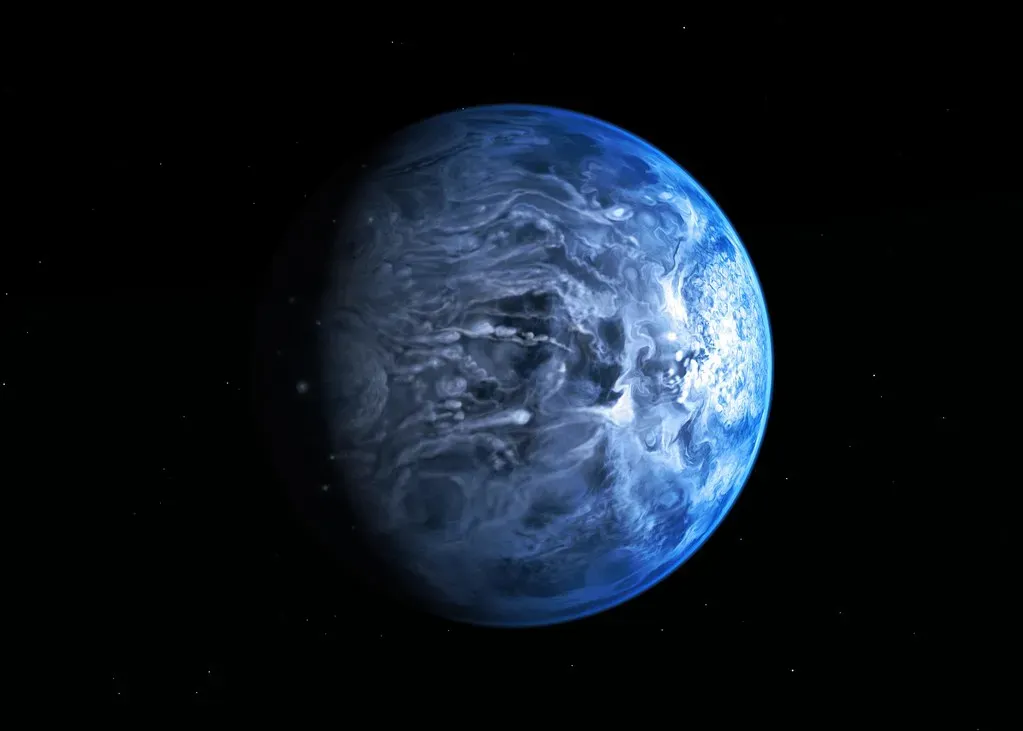
The exoplanet K2-18b arguably became one of 2025’s loudest flashpoints when a University of Cambridge-led team announced what it called its strongest evidence yet for potential biosignature gases in the planet’s atmosphere, arguing that data from the James Webb Space Telescope were consistent with dimethyl sulfide, and possibly dimethyl disulfide, gases that on Earth are strongly associated with marine biology. On our own planet, that molecule is made exclusively by ocean microbes, things like phytoplankton. Finding it on another world? That’s the kind of thing that makes your head spin.
To address initial concerns about the weakness of the signal, the team turned JWST back to K2-18b a year later, using another camera to look at a different range of wavelengths. The new results, announced on April 16, 2025, supported their initial findings, showing a stronger signal attributed to DMS or a very similar molecule, and the fact that this signal appeared on a second instrument during another set of observations made the interpretation considerably more compelling. Still, it is worth emphasizing that the claims about K2-18b remain compelling but inconclusive.
The Asteroids Are Giving Up Cosmic Secrets
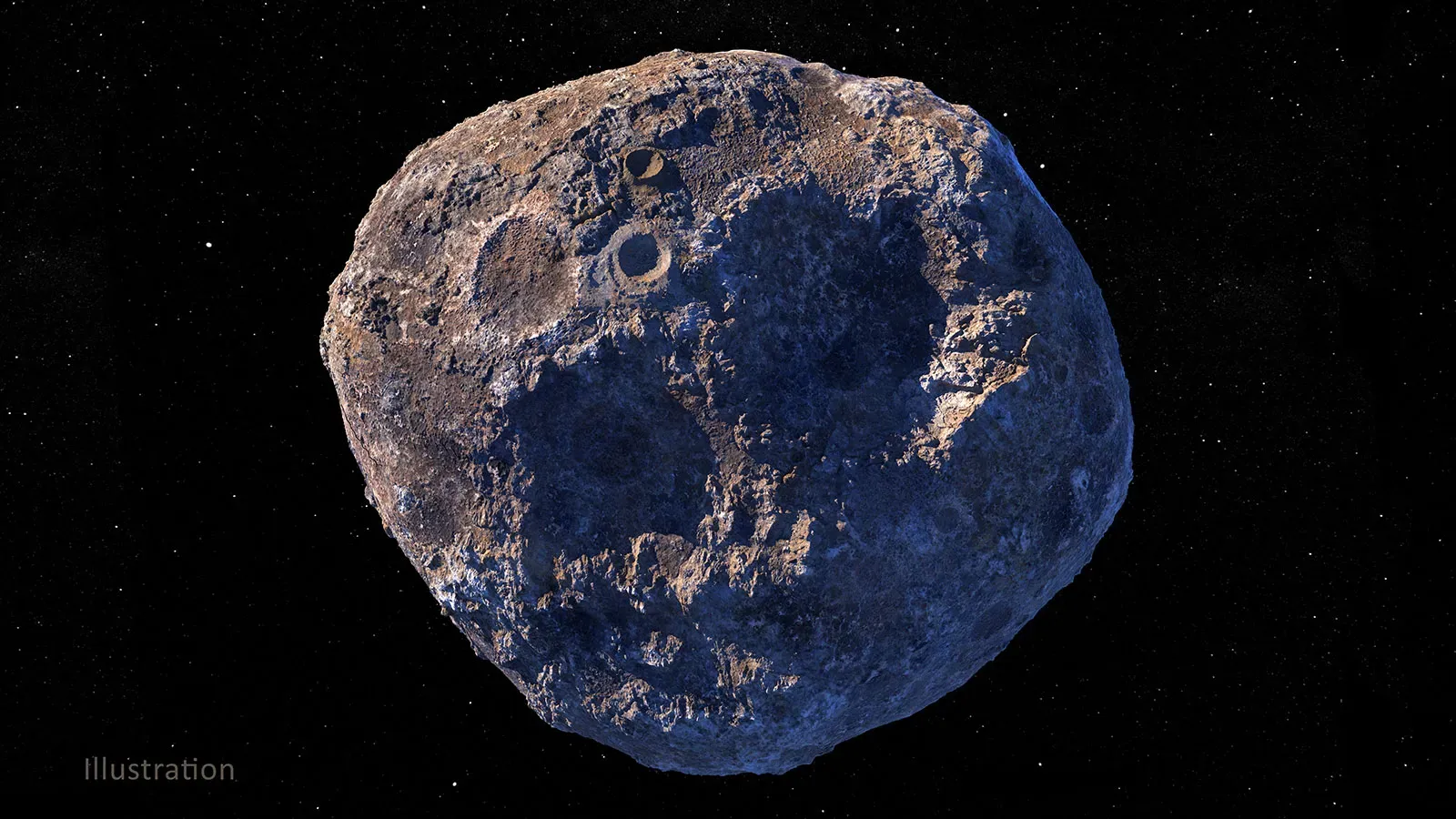
You might not immediately think of asteroids as evidence for life. But stay with me here. The discovery that amino acids can form in more ways than previously thought is another boost to the search for life beyond Earth, because if life’s building blocks can form in a wide variety of conditions, it increases the number of locations where we could potentially look for life. The asteroid Bennu, sampled by NASA’s OSIRIS-REx mission, delivered stunning confirmation of this idea.
Think of asteroids as ancient cosmic delivery trucks, ferrying the ingredients of life across the solar system for billions of years. As researchers concluded, this confirms that life’s building blocks can be formed in a diversity of environments throughout the universe. That single sentence might be one of the most quietly profound things scientists have said in recent memory. If the building blocks aren’t rare, then maybe life itself isn’t either.
Europa and Enceladus: Oceans Hidden Beneath Ice
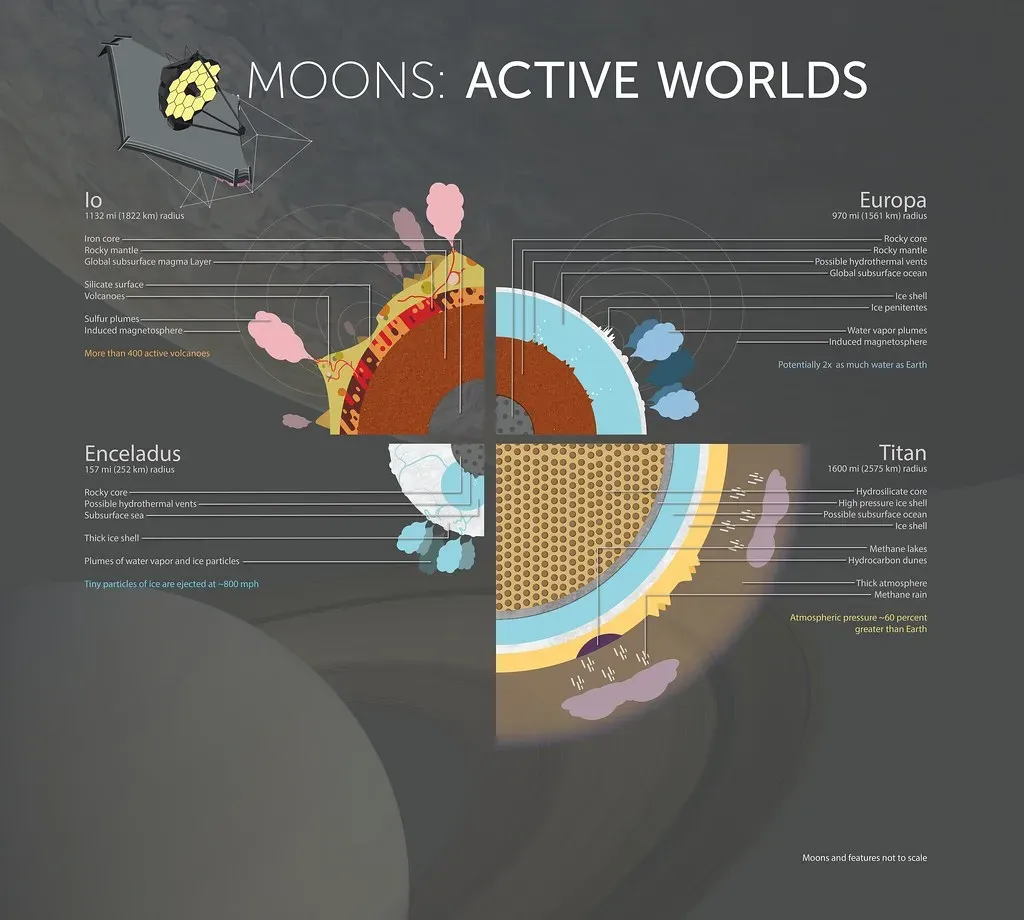
Some of the most tantalizing prospects for life don’t sit on distant exoplanets. They’re right here in our own solar system, beneath thick shells of ice. Ocean worlds such as Jupiter’s icy moon Europa and Saturn’s counterpart Enceladus could be among the most favorable places to discover life beyond Earth, and perhaps even a second, independent origin of life. That last part is important. A second, independent origin would mean life isn’t a fluke. It means life is what the universe does.
NASA’s Cassini spacecraft flew through Enceladus’s plumes and found a range of chemicals including molecular hydrogen, a potential energy source for life, and carbon compounds that are precursors to amino acids, the building blocks of proteins. Grains of rocky silica in those plumes also suggested the mixtures were created around hot, seafloor vents, structures that on Earth provide a home to hardy microbes. If life exists on the icy ocean moons of Enceladus and Europa, detectable trace molecules could survive just below their frozen surfaces.
Extremophiles: Earth’s Own Proof That Life Thrives Anywhere
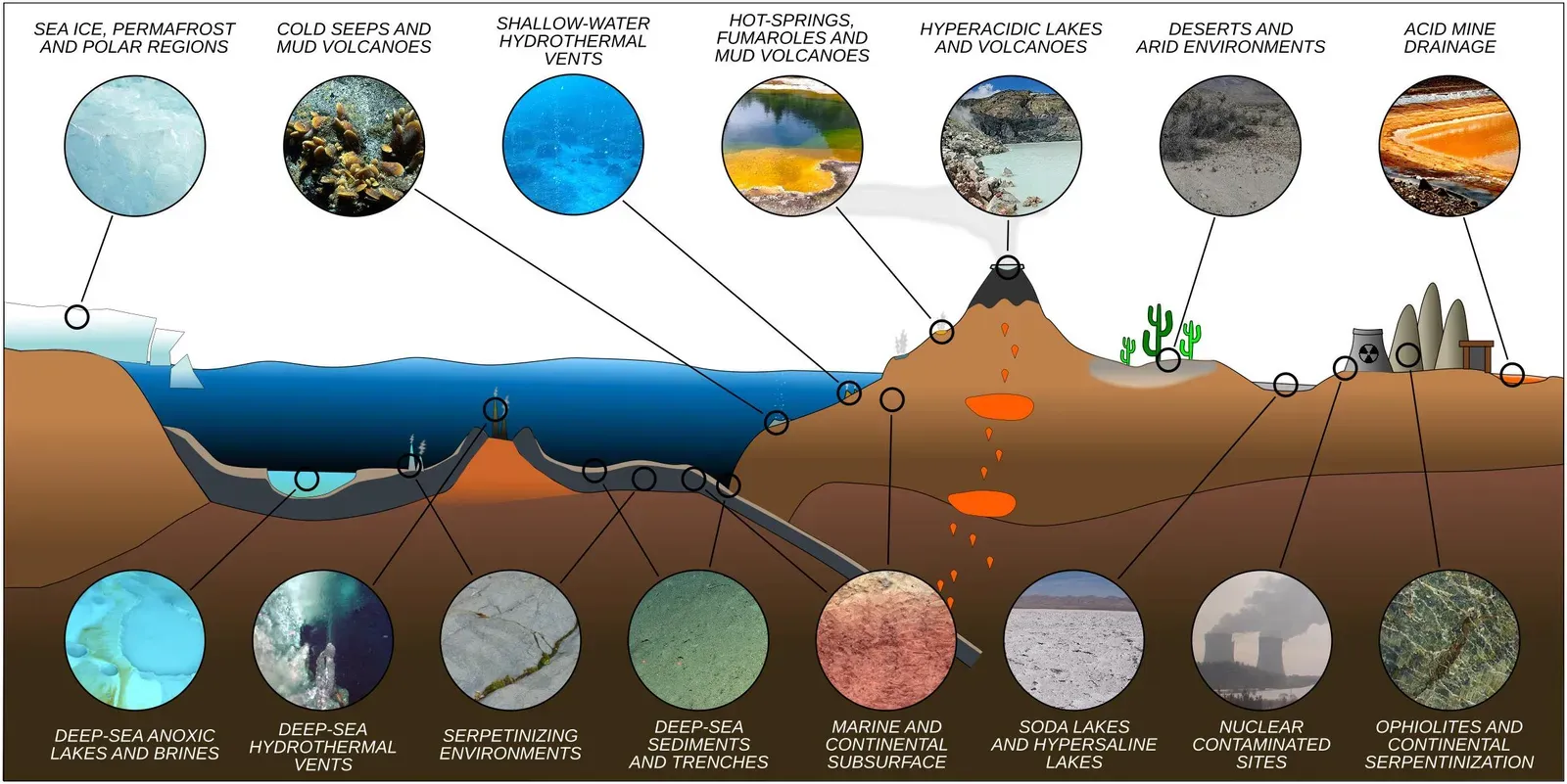
Let’s be real: for a long time, scientists assumed life needed pretty specific, comfortable conditions. Moderate temperatures, liquid water, stable chemistry. Then we started looking in the really inhospitable corners of our own planet and found life absolutely everywhere. Extremophiles, organisms adapted to survive and thrive under extreme conditions, inhabit some of the harshest environments on Earth, from Antarctic ice to deep-sea hydrothermal vents and hypersaline lakes.
Because of their ability to survive in extreme conditions, extremophiles have significantly expanded the scope of environments considered potentially habitable, showing that life can adapt to very diverse conditions, even those that at first glance seem truly uninhabitable. Astrobiology no longer focuses solely on Earth-like planets but now considers worlds with supervolcanoes, underground oceans, frozen giants, or atmospheres rich in toxic substances. Think about that for a moment. We’ve essentially moved the goalposts for what “habitable” even means.
Biosignatures: The Chemical Fingerprints of Life
Short of an alien radio message, spectra of chemicals produced exclusively by living things, called biosignatures, may be the only evidence of life we can collect from planets light-years away. It’s a bit like trying to tell if someone baked cookies in a house you can never enter, purely by sniffing the air from the street. Imprecise, often ambiguous, but not hopeless. New research published in Nature suggests that the search for biosignatures, chemical fingerprints that may indicate life, is entering a new era.
Researchers say that more detections of these hints of life are inevitable as people learn more about the universe, identify more exoplanets, and build more powerful instruments to study them. Exoplanet researcher Sara Seager of MIT and colleagues recently published a preprint identifying 15 potential biosignature gases, including chlorofluorocarbons and molecular oxygen. That list will only grow. The tools are getting sharper, and the targets are multiplying.
Mars and Venus: The Confounding Neighbors
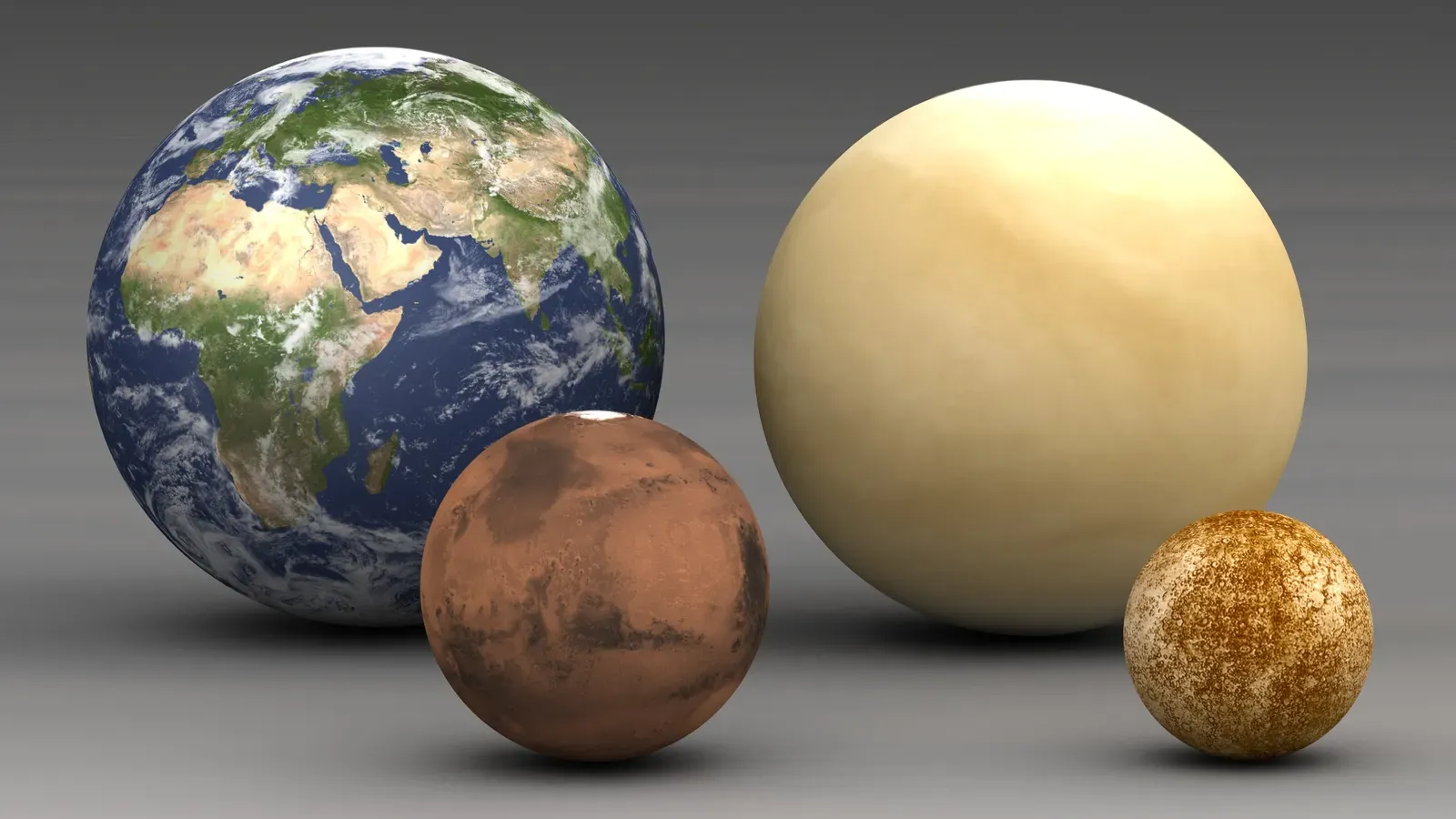
You’d think that after centuries of telescope observations and decades of robotic missions, Mars and Venus would have given up all their secrets. They haven’t. Venus’s atmosphere, rich in sulfuric acid and scorching temperatures, recently produced tantalizing readings of phosphine, a compound typically linked to biological activity on Earth, while Mars continues to yield traces of methane that fluctuate mysteriously with the seasons. Both of these remain deeply controversial, and that’s exactly what makes them fascinating.
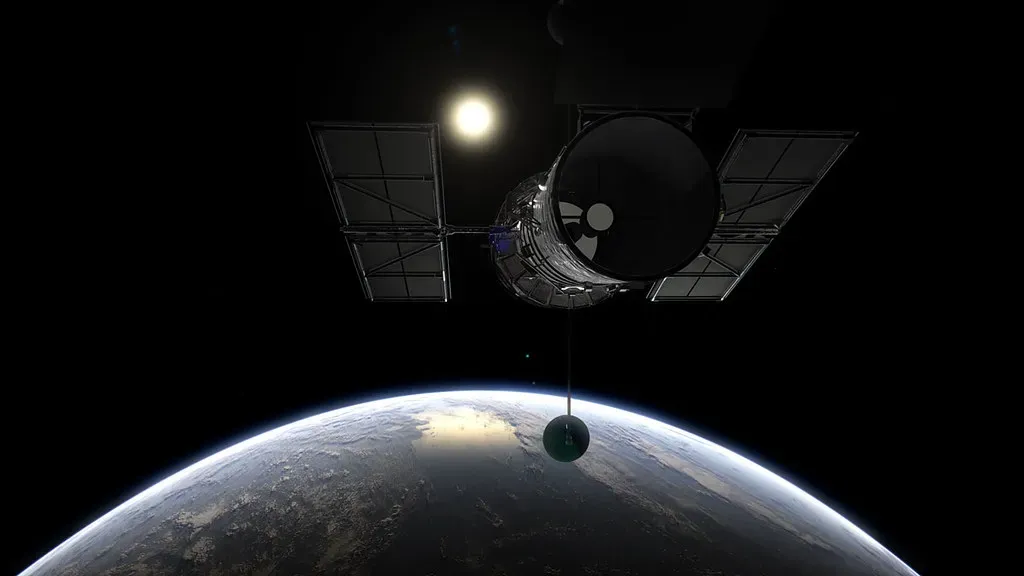
The James Webb Space Telescope now detects atmospheric compositions of exoplanets dozens of light-years away, while NASA’s Perseverance rover analyzes Martian rock cores with tools more advanced than any lab ever sent to another planet. Instruments aboard ESA’s EnVision mission to Venus, launching in the next decade, promise unprecedented data about that planet’s upper atmosphere, potentially confirming or refuting the phosphine anomaly that sparked worldwide debate. We’re in the middle of an era where questions that used to be purely philosophical are becoming answerable.
The Path Forward: Patience, Technology, and a Gradual Revelation
Here’s something that’s hard to accept in a world used to instant information: the discovery of extraterrestrial life, if it happens, probably won’t arrive as a single thunderclap announcement. While more possible biosignatures will almost certainly be detected, the field will grow slowly. Scientific publishing and commissioning new telescopes all happen at a snail’s pace, and it’s unlikely we will wake up to the discovery of aliens being announced in the newspapers. Instead, the realization will be gradual, built on a plethora of evidence suggesting that life exists beyond Earth.
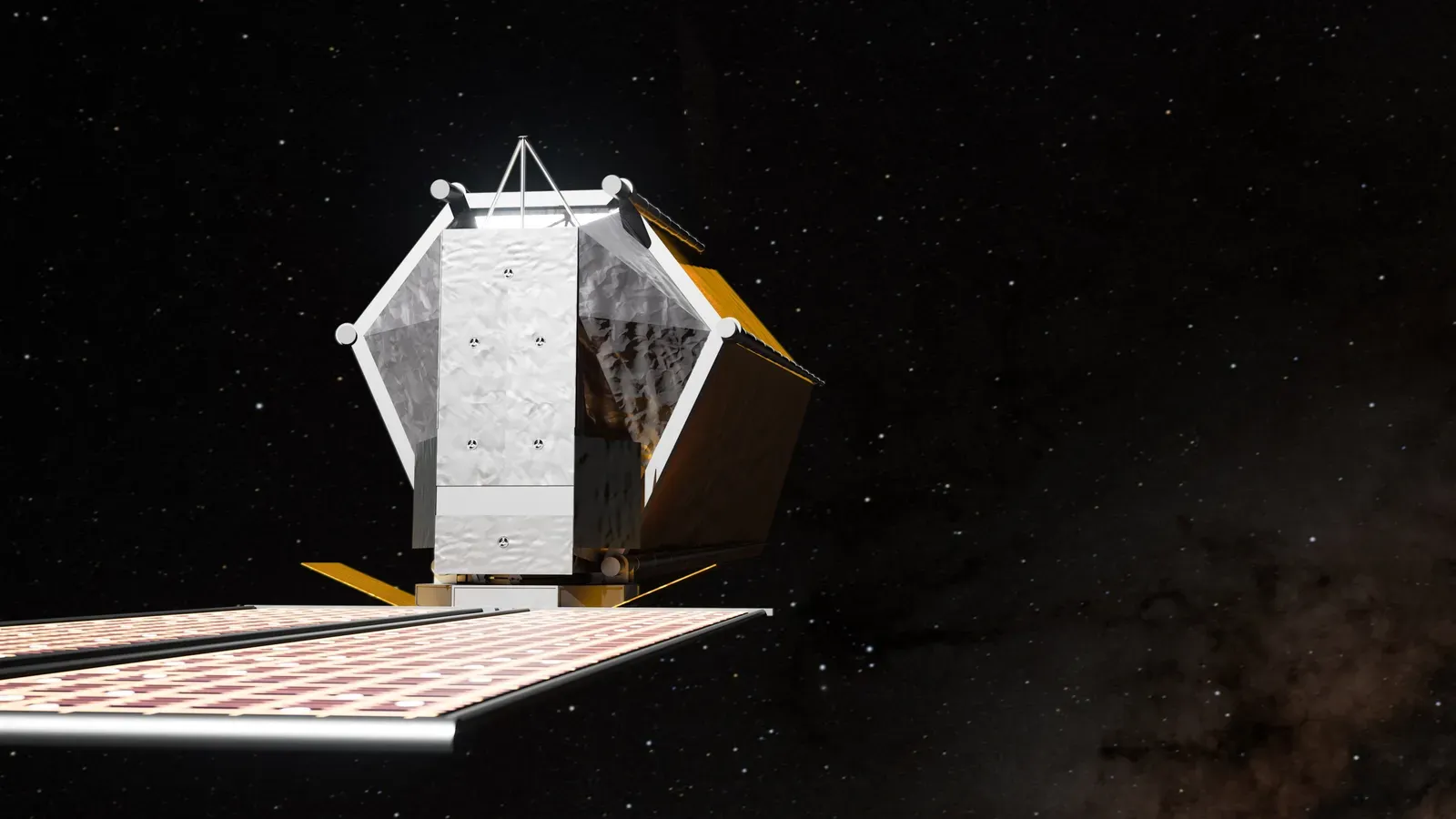
Researchers are already planning for when more powerful telescopes, the new generation of 30-meter-class ground-based telescopes, come online. Equipped with advanced instruments, these new telescopes are expected to have the capability to image nearby rocky planets in habitable zones. That doesn’t mean we aren’t making progress. Each new observation adds to a growing body of knowledge about the universe and our place in it. The search continues, not because we’re too cautious, but because we are rightly so.
Conclusion: We Are Likely Not Alone
The evidence, taken as a whole, is not a single smoking gun. It is something more interesting: a mosaic of clues, each imperfect on its own, but increasingly compelling in combination. Super-Earths orbiting nearby stars. Amino acids on asteroids. Mysterious gases on distant ocean worlds. Microbes thriving in conditions we once called impossible. Every piece nudges the scientific community closer to a conclusion that would reshape everything we thought we knew about our place in the cosmos.
I think, honestly, the question is no longer really “is there life out there?” It’s more like “how common is it, and what does it look like?” The universe is enormous, ancient, and apparently very good at assembling the chemical ingredients that life needs. The coming decade, with its new telescopes, new missions to icy moons, and new analytical tools, may well deliver the first definitive whisper of an answer. The real question is: are you ready for what we might find?