
There is a place on this planet so remote, so crushingly dark, and so utterly alien that fewer humans have visited it than have walked on the surface of the Moon. You’d think we’d know everything about Earth by now, but the truth is we’ve mapped more of Mars than we have our own ocean floor. Down in the darkest, deepest chasms of the sea, an entire world exists, one that has been quietly going about its business for millions of years, mostly unnoticed and completely misunderstood.
What scientists are now discovering down there is rewriting the rulebook on life itself. Bizarre creatures. Invisible ecosystems. Oxygen produced in total darkness. Even, heartbreakingly, our own garbage. The deeper we look, the more we realize how little we actually know. So buckle up, because what lies beneath is far stranger, more spectacular, and more important than most people ever imagined. Let’s dive in.
A Depth That Defies Comprehension
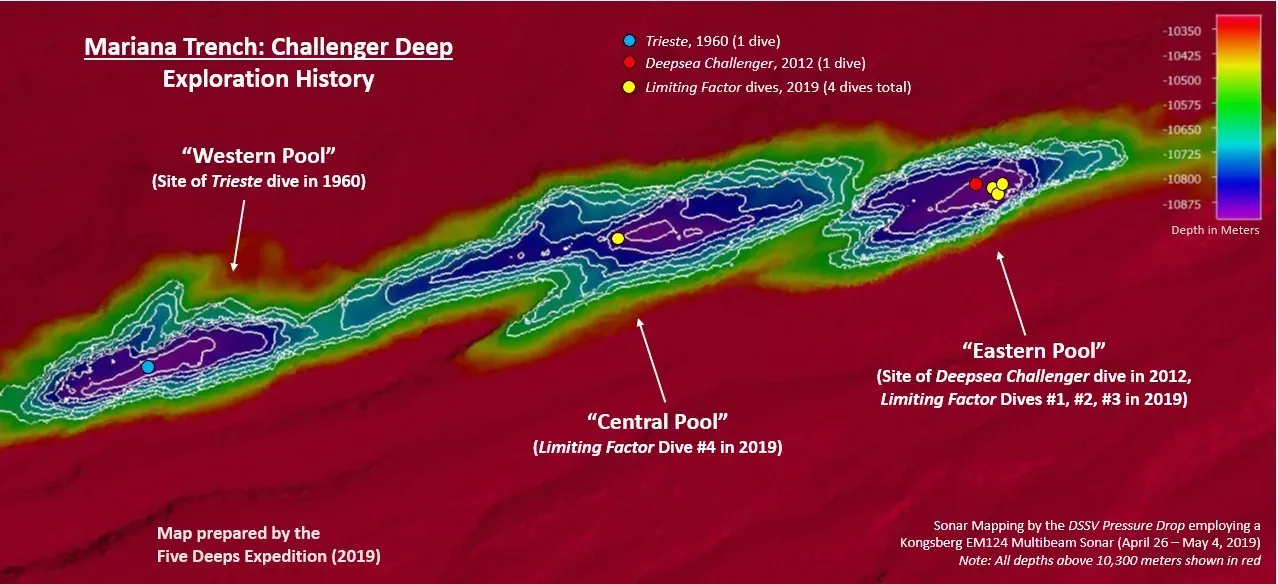
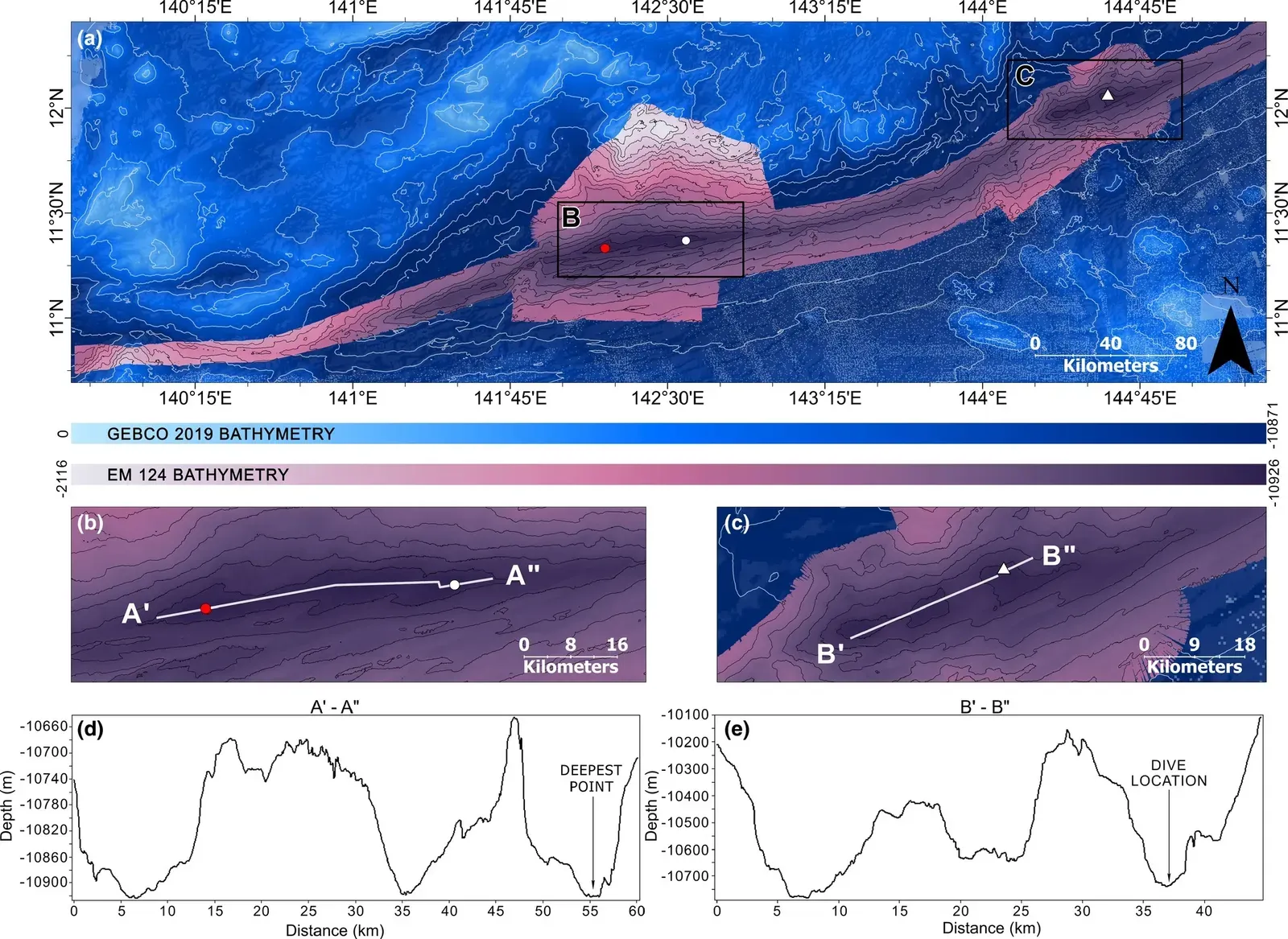
Most people hear the word “deep ocean” and picture something a few hundred feet underwater. The reality is something else entirely. The Mariana Trench’s deepest point, known as the Challenger Deep, reaches approximately 10,984 meters, or roughly 36,037 feet, below sea level, making it the deepest known point on Earth. To put that in perspective you can actually feel: the ocean is so unfathomably deep that if Mount Everest, our planet’s tallest mountain, were placed inside the Mariana Trench upside down, it would be completely swallowed.
In most areas, the ocean floor lies between 13,000 and 20,000 feet below the surface, but deep ocean trenches can extend to around 36,000 feet. The region extending from 6,000 to 11,000 meters is called the hadal zone, named after Hades, the Greek god of the underworld. Honestly, even the name feels right. This zone occurs only in trenches, and combined across all oceans, the hadal zone covers an area roughly the size of Australia. It is characterized by extreme depth and pressure, temperatures hovering just above freezing, and complete darkness.
How the World’s Deepest Trenches Were Formed
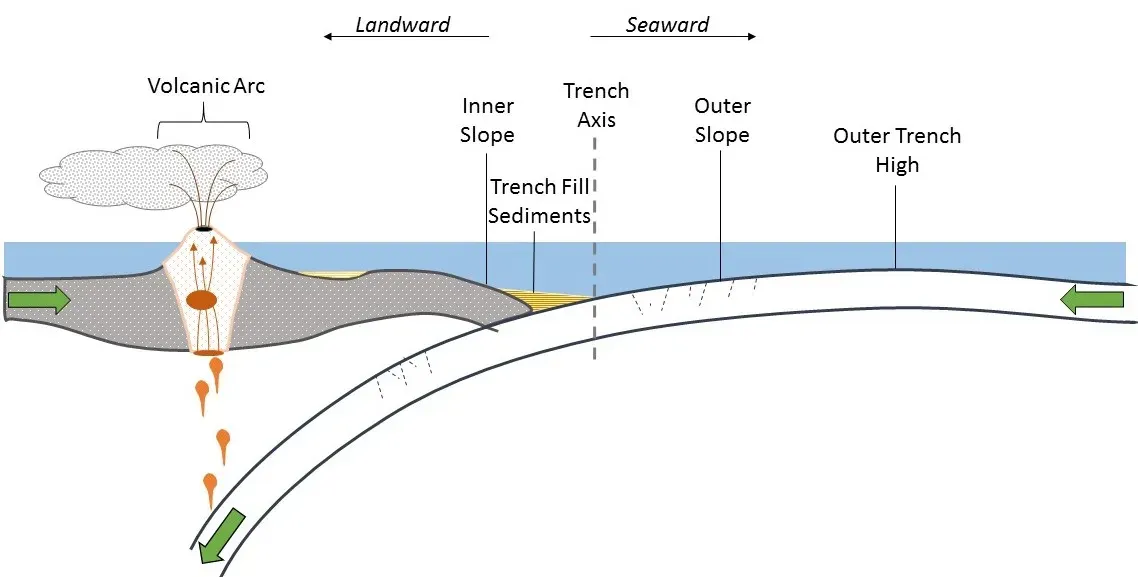
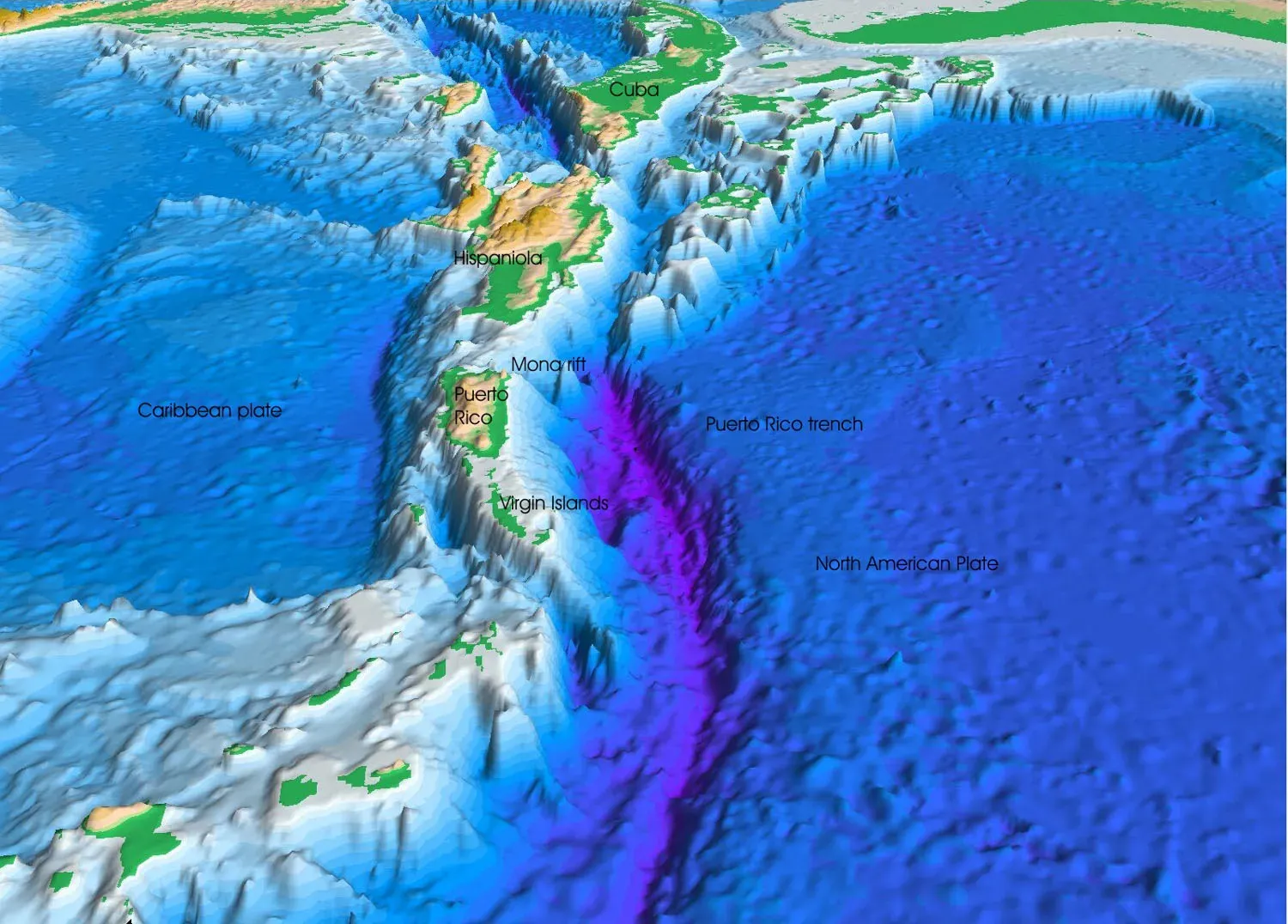
An oceanic trench is a significant geological feature characterized by a deep depression in the ocean floor, formed through the collision of tectonic plates. These trenches can be several miles wide and thousands of feet deep, and are predominantly found in the Pacific Ocean. The formation process involves one tectonic plate sliding beneath another, creating a subduction zone and leading to extreme conditions such as immense pressure and near-freezing temperatures. Think of it like a slow-motion car crash happening over tens of millions of years, where one enormous slab of Earth simply loses the battle and gets forced under.
These hadal zones comprise only about one percent of the world’s seafloor surface area but are key hinge points of the Earth system. Tectonically, they are formed in subduction zones where old, cold subducting plates plunge beneath younger, softer overriding plates, creating long but narrow V-shaped depressions. The nine deepest hadal trenches are located along the western arc of the Pacific Ocean. Movement of one plate over another can cause earthquakes and tsunamis that affect people on land, meaning understanding tectonic motion in these trenches is essential for warning communities at risk.
Life Where It Has No Business Existing
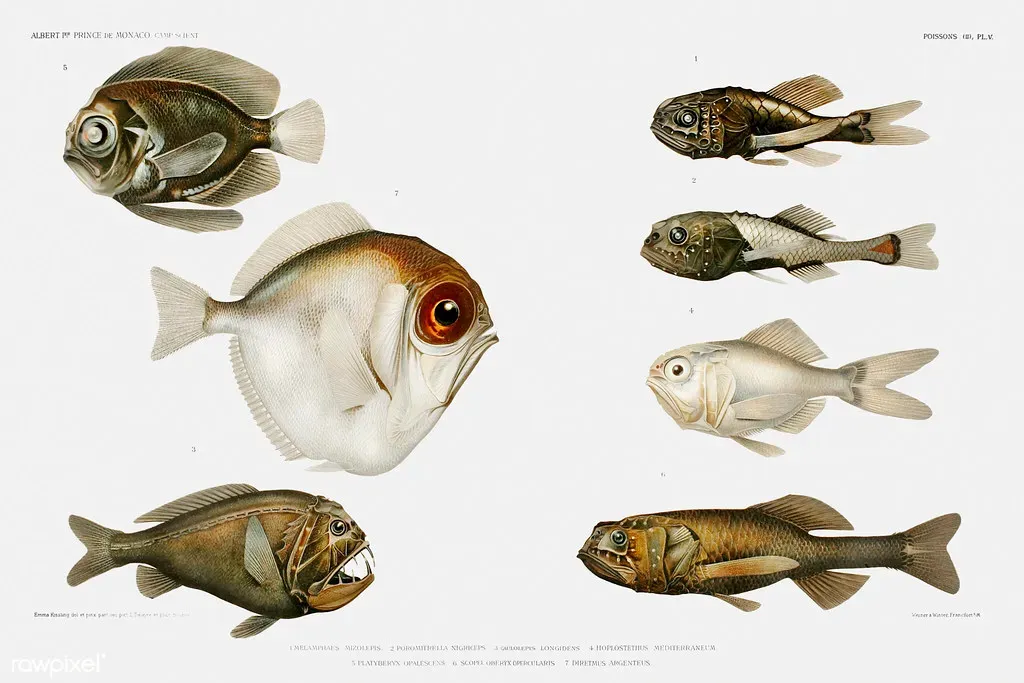
Here’s the thing that genuinely makes your jaw drop. For a long time, scientists assumed the deepest parts of the ocean were essentially dead zones. At depths where sunlight has never reached and pressure could crush a submarine like a soda can, life was long thought to exist only in the form of tiny microbes. That assumption has now been completely shattered. Instead of a barren, lifeless seafloor, researchers encountered a rich ecosystem: thousands of tube worms, some over a foot long, alongside mollusks, crustaceans, and even sea cucumbers.
The hadal snailfish, with delicate fins and a translucent body, roams the dark and freezing waters. Giant shrimp-like creatures up to a foot long scavenge fallen debris, including wood and plastic, while transparent eels with fish-like heads hunt prey. A carpet of bacteria breaks down dead sea creatures and plankton to recycle nutrients. It’s a fully functioning, layered ecosystem, doing everything life should do, in one of the most hostile environments imaginable. Like a city hidden under a mountain of rock and seawater.
The Deepest Ecosystem Ever Found: Life on Chemical Energy
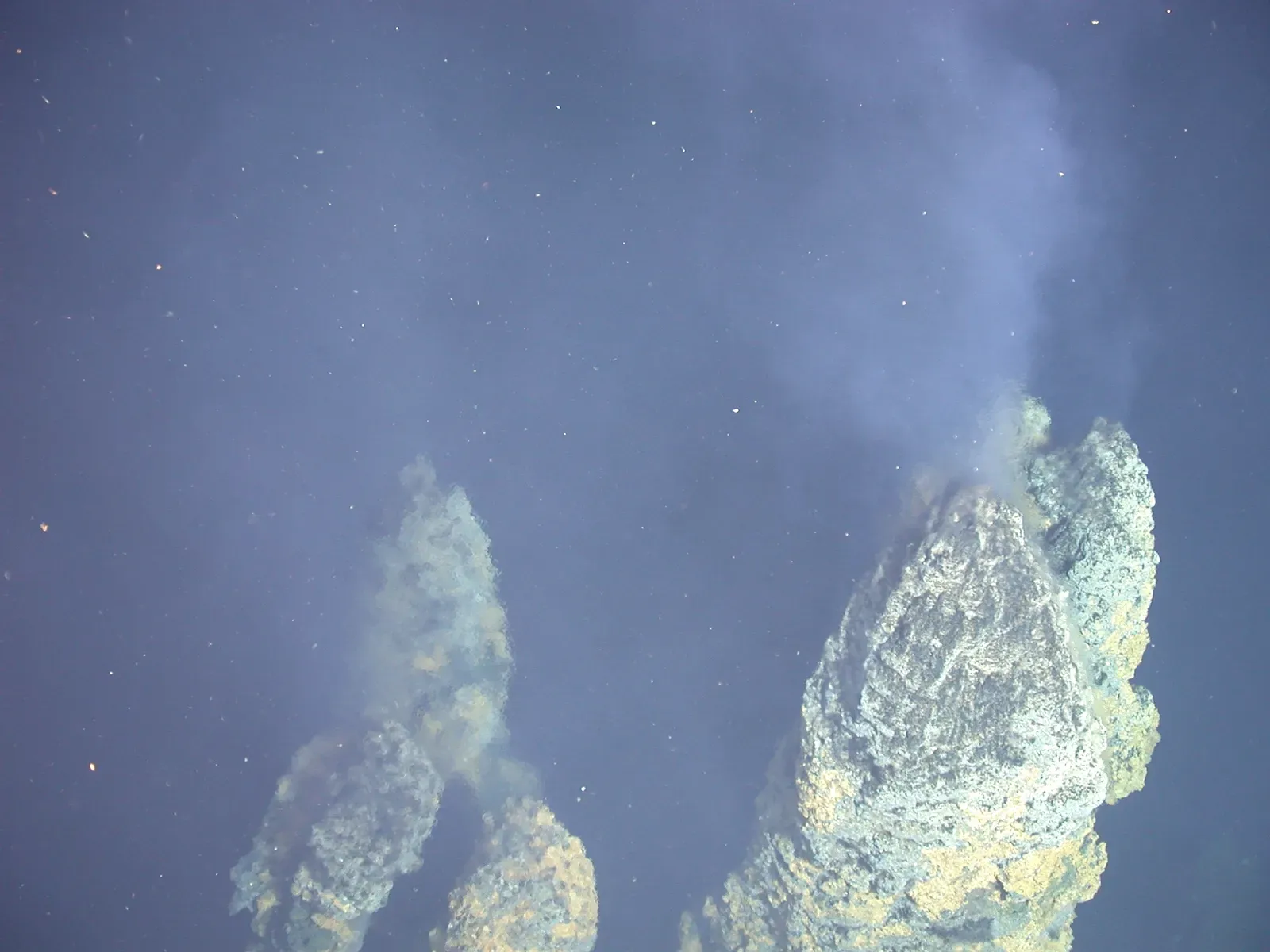
Marine researchers exploring extreme depths discovered an astonishing deep-sea ecosystem of chemosynthetic life that is fueled by gases escaping from fractures in the ocean bed. The expedition revealed methane-producing microbes and marine invertebrates making their home in unforgiving conditions where the sun’s rays don’t reach. This is a genuinely profound discovery. These creatures don’t need the sun at all. They’ve essentially invented their own energy source from scratch.
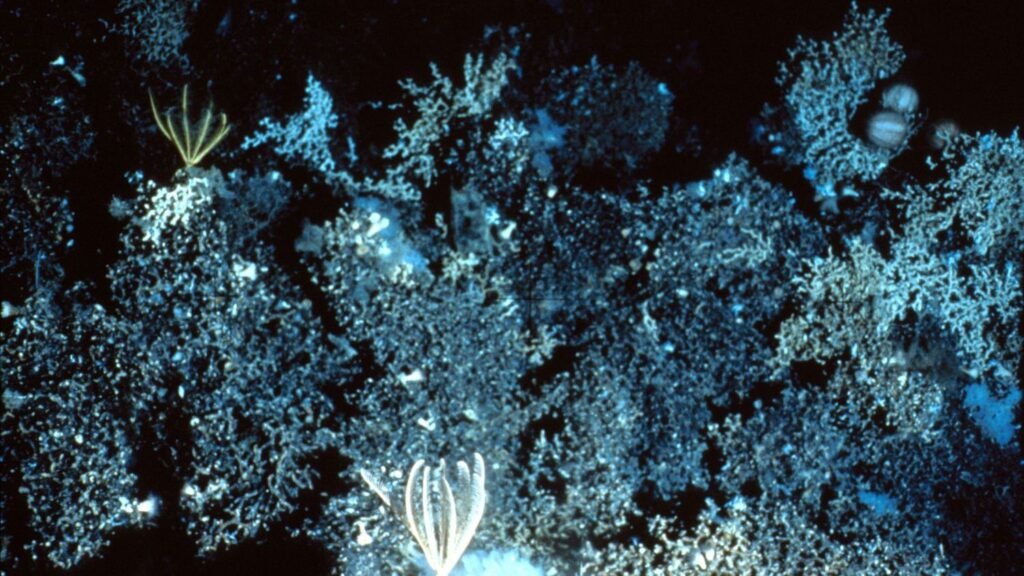
Scientists reported the discovery of the deepest and most extensive chemosynthesis-based communities known to exist on Earth during an expedition to the Kuril-Kamchatka Trench and the western Aleutian Trench. The communities, dominated by polychaete worms and bivalves, span a distance of 2,500 kilometers at depths from 5,800 to 9,533 meters, sustained by hydrogen sulfide-rich and methane-rich fluids transported along faults in deep sediment layers. In the absence of sunlight, these deep-sea organisms rely on chemosynthesis, a process by which lifeforms metabolize methane and hydrogen sulfide from hydrothermal vents and seafloor faults. Microbes at the base of the ecosystem produce methane, which then sustains higher organisms.
Thousands of New Microbial Species Hidden in the Dark
Let’s be real: when people think about deep-sea discoveries, they picture massive glowing monsters. The truly staggering finds, however, are microscopic. Scientists uncovered an extraordinary diversity of hadal microorganisms, with over 7,564 newly identified species-level genomes, and nearly nine out of ten of them had never been documented in public databases. Think about what that means. Entire families of life, entirely unknown to science, quietly existing at the bottom of the world this whole time.
The Mariana Trench Environment and Ecology Research project, known as MEER, provides the first systematic exploration of microbial and macrofaunal life in these depths, revealing an unprecedented level of biological diversity and adaptation strategies. In the study published in the journal Cell, researchers conducted large-scale metagenomic sequencing to investigate microbial diversity and adaptation in the hadal zone. Genetic analysis of the microbes provided fascinating clues as to how they survive in such extreme conditions, with some microbes having smaller, more efficient genomes that help them specialize under extreme pressure, and shared adaptation mechanisms observed across both microbes and larger organisms.
Strange New Animals That Break Every Rule
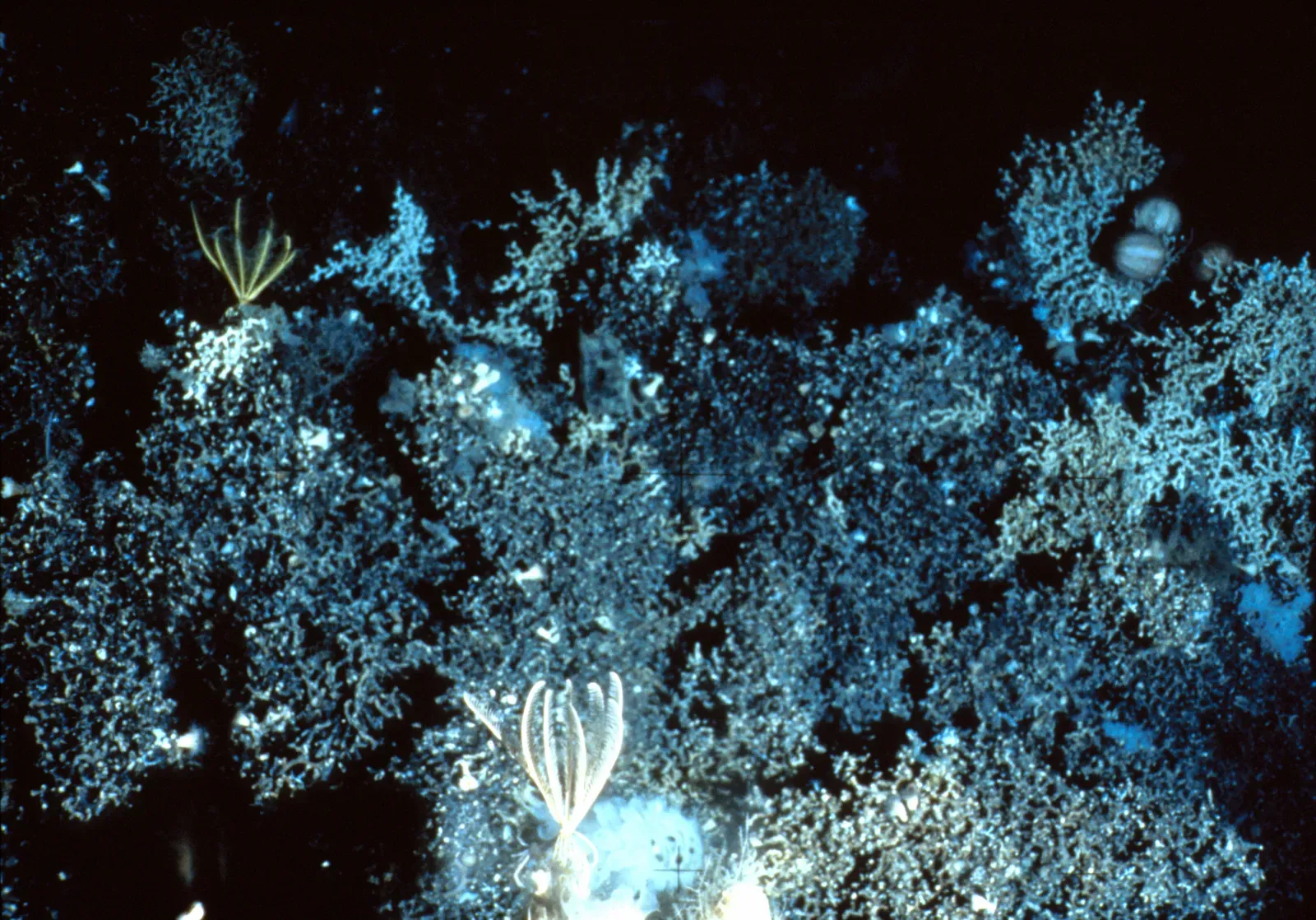
Scientists discovered a remarkable crustacean species, a large ghostly white amphipod, lurking nearly 8,000 meters beneath the ocean’s surface in the Atacama Trench. Named after the word for “darkness” in languages from the Andes region, the Dulcibella camanchaca is just four centimeters in length but a mighty predator in its own right. It possesses specialized raptorial appendages it uses to capture smaller prey. It’s a tiny predator in a world of crushing darkness, and it’s completely new to science.
Scientists made a surprising discovery when a glowing sea slug was found in the midnight zone of the ocean where no sunlight reaches. Around the same size as a baseball, the sea slug had first been spotted about 25 years ago, but had evaded formal identification until recently. Scientists captured 18 of them and found the slug was so distantly related to known species that it belonged to an entirely new family. Named Bathydevius caudactylus, some of its adaptations include a forked tail which glows and then detaches when threatened, as well as a floppy hood it uses to propel itself through the water.
Dark Oxygen: A Discovery That Could Change Everything
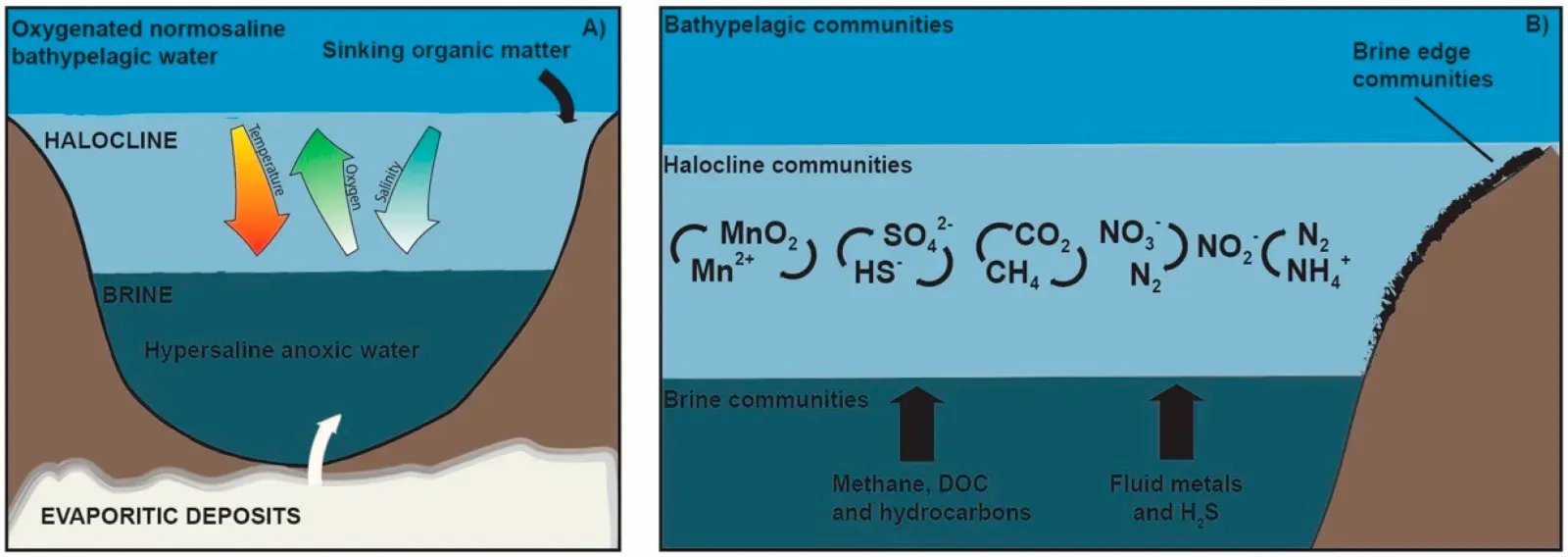
A fascinating discovery about how oxygen is produced was made in 2024. New research conducted in the Pacific Ocean revealed that oxygen production occurs in complete darkness at the seafloor by metallic nodules, almost 2.5 miles below the ocean surface where no light can reach. Scientists theorized that this oxygen is likely to support a host of life underwater, though deep-sea mining companies are already eyeing up the nodules since they contain valuable metals like lithium and copper used in battery production.
In July 2024, a scientific paper published in Nature claimed that dark oxygen production was occurring on the ocean floor and may be associated with polymetallic nodules. The authors hypothesized that the oxygen production could be the result of electrolysis, the splitting of water into hydrogen and oxygen. It’s hard to say for sure just yet whether this finding will hold up, as several scientists who conducted similar studies using remotely operated vehicles have not observed the same result, and a number of researchers say they believe the oxygen measurements are real but are not sure electrolysis is the right explanation. The debate is very much alive, and its outcome could reshape our understanding of life’s origins on Earth.
Plastic in the Deepest Place on Earth
Prepare yourself, because this section is genuinely troubling. Microplastics were found prevalent in the deepest parts of the Earth, the hadal trenches. Microplastics in hadal trenches outnumbered previous reports from the deep sea, and researchers have concluded that hadal trenches will be the major depositories and ultimate sink for microplastics. This isn’t a distant environmental problem. Your plastic bag could literally end up at the bottom of the Mariana Trench.
Researchers found that microplastic abundances in hadal bottom waters were several times higher than those in open ocean subsurface water. Microplastic abundances in hadal sediments of the Mariana Trench varied from 200 to 2,200 pieces per liter, distinctly higher than those in most deep-sea sediments. These results confirm that human-made plastics have contaminated the most remote and deepest places on the planet. Scientists even named a newly described species of hadal crustacean Eurythenes plasticus, after the high concentration of microplastics found inside the animal. That says everything, doesn’t it?
The Technology Racing to Unlock the Abyss
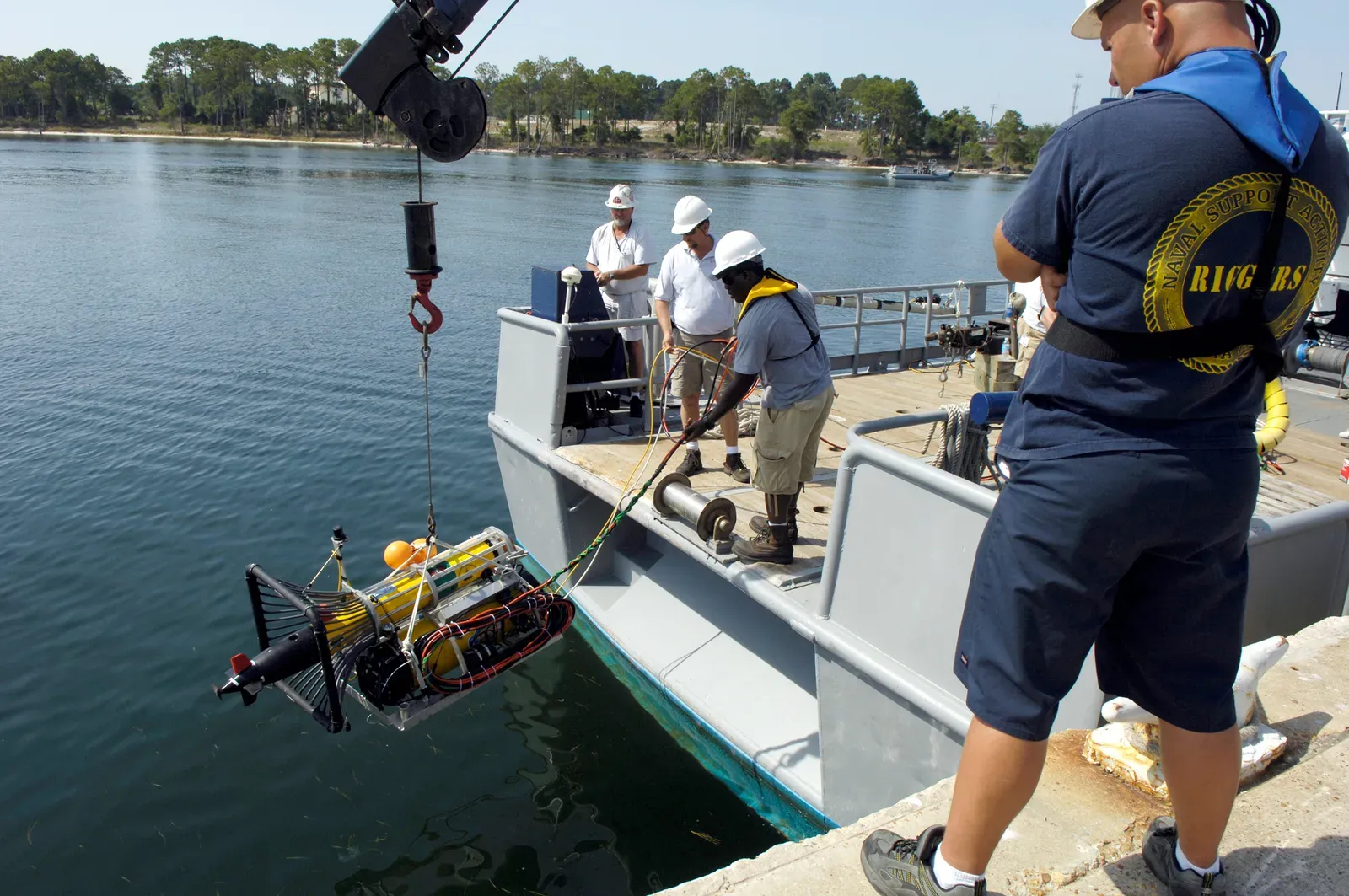
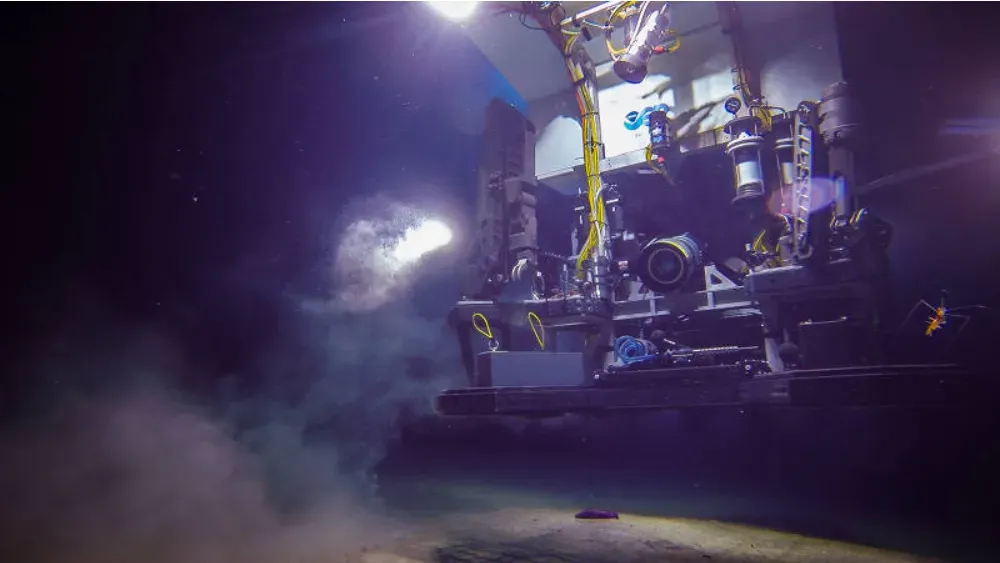
Researchers are actively working to investigate trenches and the waters within them. The Woods Hole Oceanographic Institution is collaborating with NASA’s Jet Propulsion Laboratory to develop technology that allows exploration of the hadal zone, an effort not without challenges given the remote location and extreme pressures. Together, they have developed Orpheus autonomous underwater vehicles, small AUVs that can withstand pressure greater than one thousand times that at the ocean’s surface and navigate narrow, rocky sections of trenches.
The Chinese submersible Fendouzhe, which means “striver” or “fighter,” is self-propelled and can survive freezing temperatures and tremendous pressure. It holds three crew members and is equipped with two mechanical arms bristling with cameras, sonars, and drills. Research on deep-sea ecosystems is only a few decades old, and the technology for new discoveries is rapidly improving. Collaboration between countries and scientific disciplines is increasingly recognized as essential, and the Global Hadal Exploration Program, co-led by UNESCO and the Chinese Academy of Sciences, aims to create a network of deep-sea scientists from multiple countries.
Why the Deepest Trenches Matter to All of Us
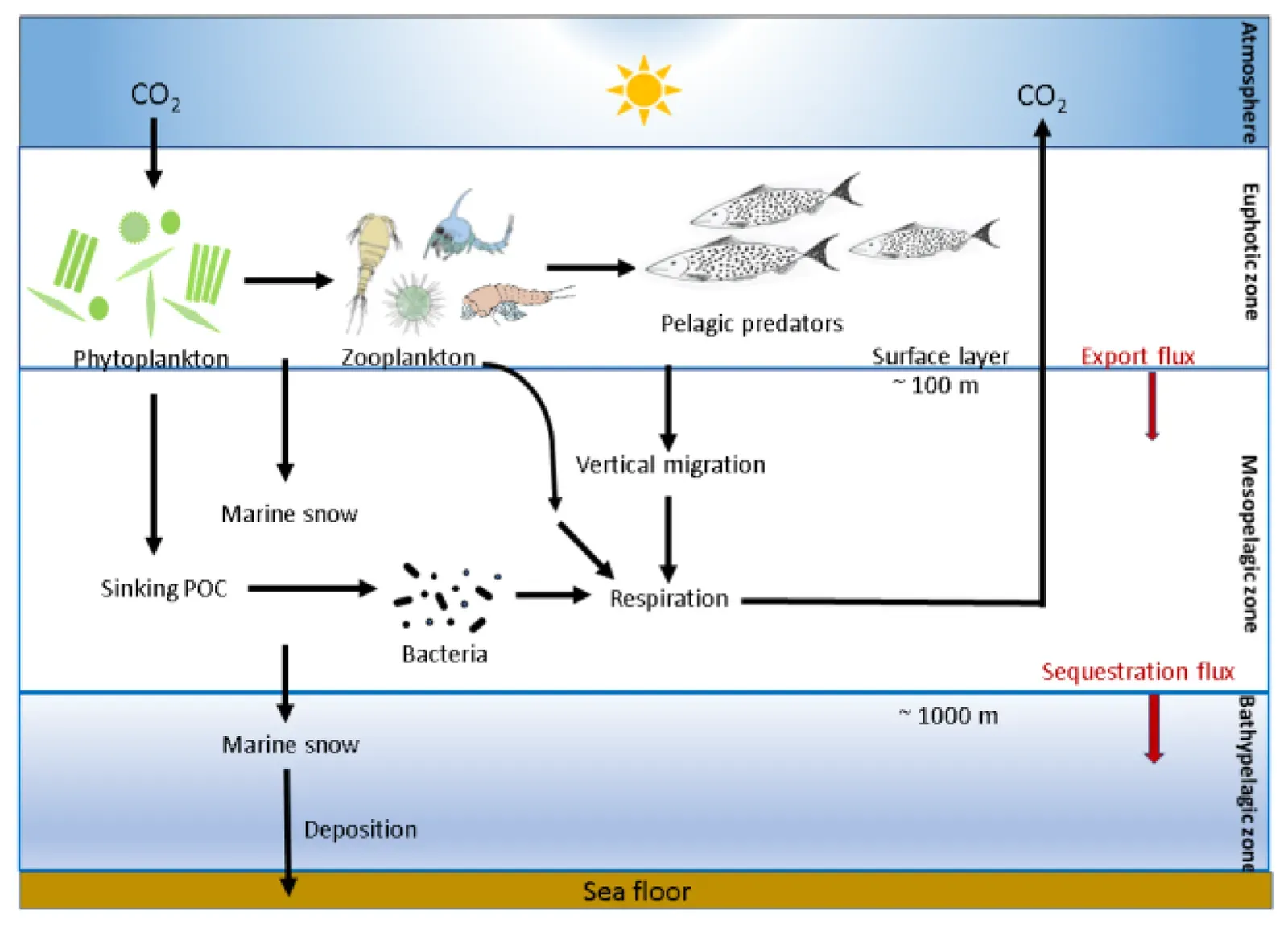
Accumulation of carbon along the base of the trenches may play a key role in the carbon cycle and climate regulation. Exploring the hadal zone may also advance knowledge that can be used when exploring oceans beyond Earth, such as those believed to exist on the moons of Jupiter and Saturn. In other words, what you find at the bottom of the ocean could one day guide the search for life on other worlds. That’s not science fiction, that’s where we are right now.
Scientists emphasize that it’s critical to know who is in these ecosystems so we can understand how they’re functioning and protect habitats like the deep sea that play hugely important roles. Some of those roles, including the deep sea’s ability to store enormous amounts of carbon, are especially important given the threat of climate change. These newly discovered ocean creatures are a powerful reminder that the ocean is still full of surprises, and that protecting it ensures scientists can continue uncovering, understanding, and safeguarding the life within it for generations to come.
Conclusion
The ocean’s deepest trenches are not empty voids. They are living archives of evolution, geology, chemistry, and resilience. Every dive, every sediment sample, every robotic camera feed brings back something that rewrites what we thought we knew. From chemosynthetic ecosystems thriving at depths that crush steel, to microbes with entirely unknown genomes, to glowing slugs belonging to families that never had a name before, the abyss is anything but barren.
It is both humbling and inspiring to realize that on the very same planet we’ve called home for our entire existence, so much still waits to be found. The trenches hold secrets that could reshape medicine, inform climate science, and even guide the search for life on other worlds. The only honest question left is this: if we’re only just beginning to understand what lives at the bottom of our own ocean, what else have we been wrong about all along?
Hi, I’m Andrew, and I come from India. Experienced content specialist with a passion for writing. My forte includes health and wellness, Travel, Animals, and Nature. A nature nomad, I am obsessed with mountains and love high-altitude trekking. I have been on several Himalayan treks in India including the Everest Base Camp in Nepal, a profound experience.