Nature is full of surprises. You’d think that after centuries of scientific inquiry, we’d have a pretty solid handle on why animals do what they do. Yet, every time researchers feel like they’re closing in on answers, the animal kingdom throws another curveball that leaves even the most seasoned biologists completely baffled.
From insects marching themselves to death to whales sleeping like statues underwater, these behaviors feel less like biology and more like something out of a fever dream. The honest truth is, science still doesn’t have satisfying explanations for all of them. So buckle up, because this one is going to make you question everything you thought you knew about the natural world. Let’s dive in.
The Ant Death Spiral: Thousands of Ants Marching to Their Own Doom
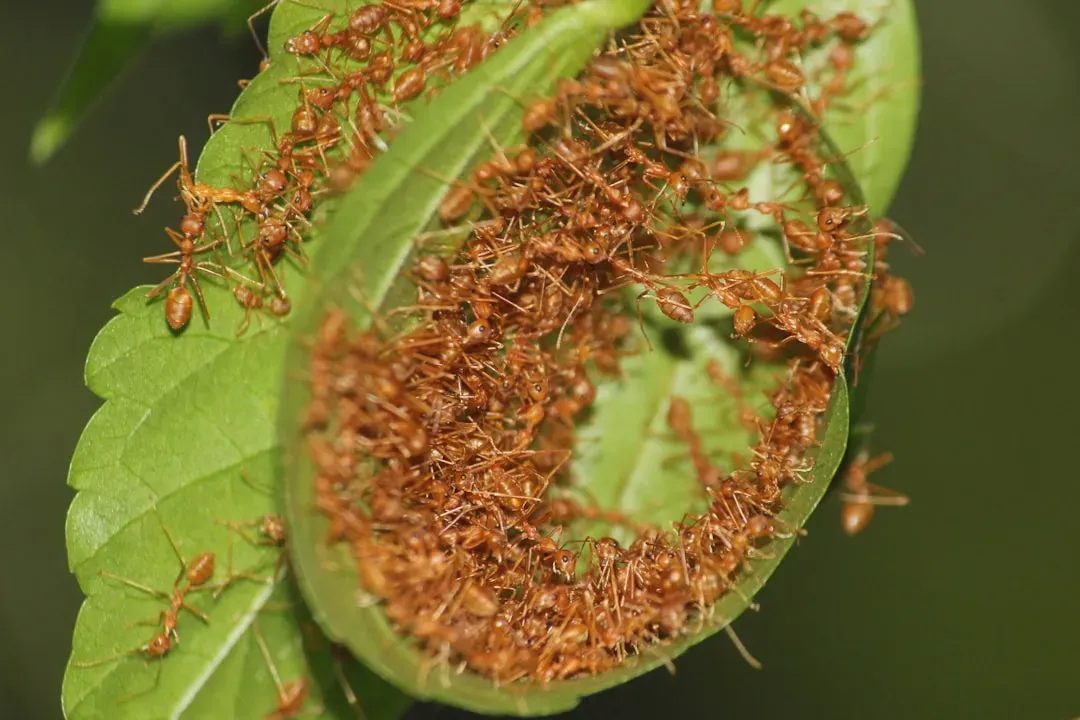
Imagine being in a crowd where everyone is blindly following the person in front of them, with no one actually knowing where they’re going. That’s essentially what happens when army ants get caught in what scientists call a “death spiral.” Known as an ant death spiral, or circular milling, this deadly phenomenon can cause hundreds of ants to follow each other, driven by instinct, in a never-ending circular pattern that lasts for hours, only ending when the last circling ant has died. It’s equal parts mesmerizing and horrifying.
Unlike most other ant species, army ants are blind and lack permanent nesting sites, meaning ant colonies are constantly on the march for food, communicating their movement patterns through pheromone trails. Each traveling ant leaves behind a pheromone trail that other ants follow. When successful, this system allows foraging parties to lead larger groups back to food, but when unsuccessful, it produces a deadly phenomenon: the ant mill. Army ants have been around for millions of years, so why didn’t they evolve out of this clearly glitchy behavior? Scientists still haven’t determined why these ants have not grown out of this behavior. The colony marches on, quite literally, to its own death.
Sperm Whales Sleeping Vertically: Floating Like Underwater Ghosts
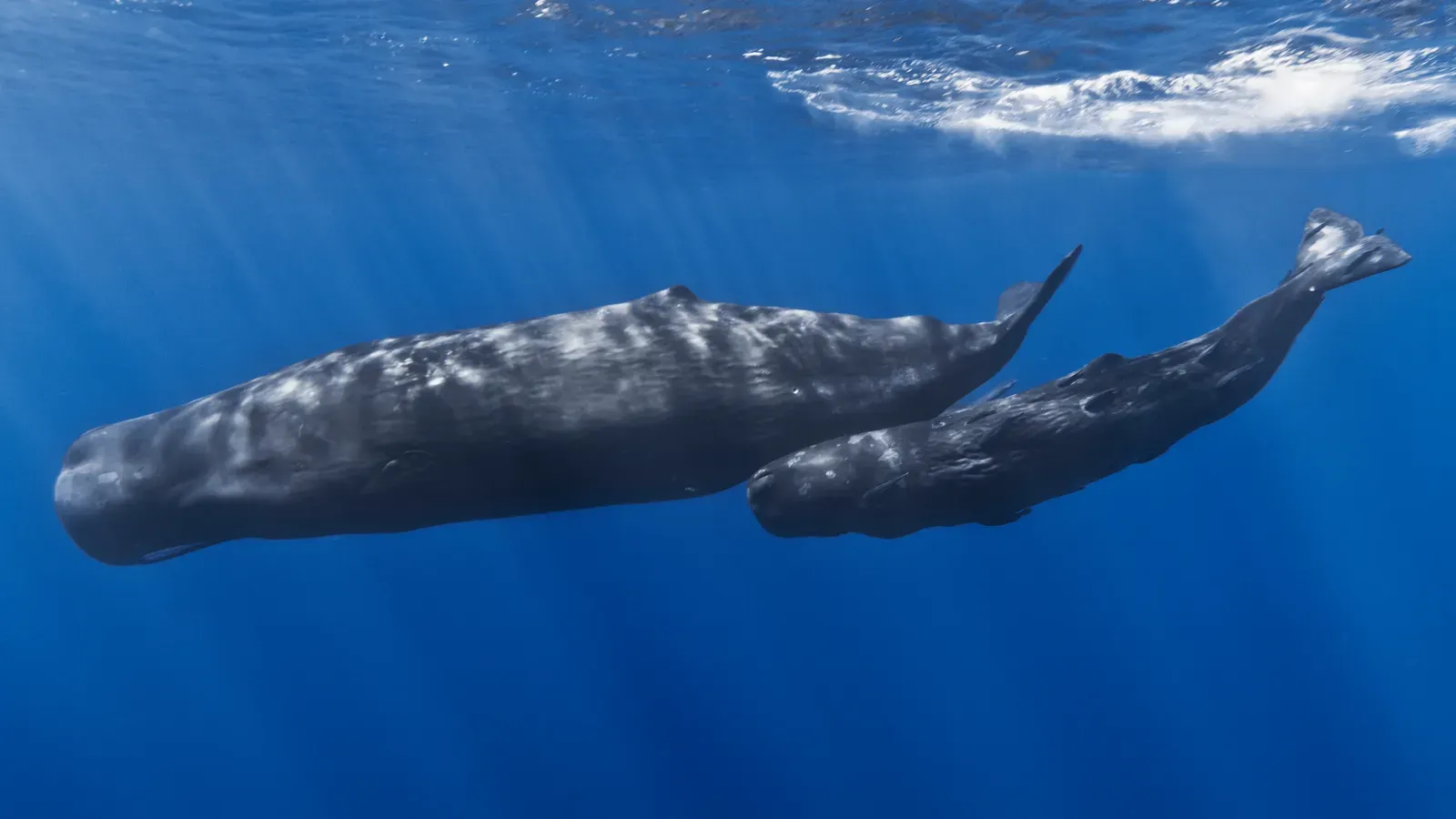
You’ve probably heard the saying “sleep like a log.” Well, sperm whales have taken that concept somewhere altogether stranger. Sperm whales have been observed engaging in a bizarre sleeping behavior that defies conventional understanding of mammalian rest. Unlike most mammals that must remain partially conscious to breathe, sperm whales have been documented floating vertically in the water column, completely motionless for up to 30 minutes at depths of around 10 to 15 meters. During these periods, they appear to be in a state of deep unconsciousness. That’s right. Completely knocked out. Drifting like enormous, breathing torpedoes.
What perplexes scientists is how these massive air-breathing mammals manage this sleep state without drowning, especially considering they typically need to surface every 90 minutes to breathe. Some researchers hypothesize they might be engaging in unihemispheric sleep, where one brain hemisphere remains alert while the other rests, but the complete vertical posture and total immobility suggest a different mechanism. Additionally, the vulnerability this creates to predators like killer whales raises serious questions about the evolutionary advantage of such behavior. Honestly, it’s a mystery that keeps marine biologists up at night, which is a little ironic given the circumstances.
Crow Funeral Rituals: Birds That Mourn the Dead
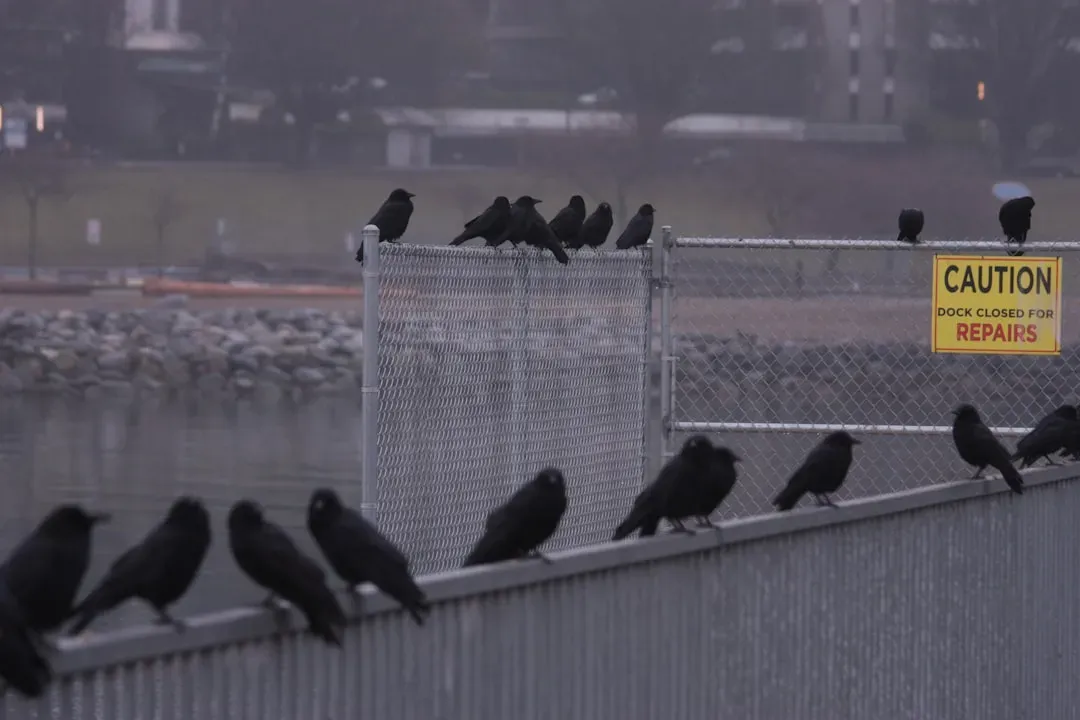
Here’s something that’ll make you look at crows very differently the next time you see a group of them gathered around a fallen bird. Some scientists theorize these gatherings help crows identify potential dangers that killed their companion, essentially functioning as a form of threat assessment. Others suggest these rituals may serve social functions within crow communities, potentially reinforcing bonds or communicating important information about territories. That’s a wide spectrum of possible explanations, which tells you just how little scientists actually agree on.
What makes this behavior particularly mysterious is that similar rituals have been observed across different crow species worldwide, suggesting a deep evolutionary purpose that transcends simple curiosity. The behavior indicates a level of death awareness that challenges our understanding of avian cognition and raises profound questions about how non-human animals perceive mortality. Crows also show different responses to dead crows versus other species, suggesting some form of species recognition and special treatment for their own kind. While studies have shown crows possess remarkable cognitive abilities, including tool use and facial recognition, scientists remain uncertain whether these funeral-like behaviors represent a form of grief, risk assessment, social communication, or some combination of factors still not fully understood.
The Narwhal’s Mysterious Tusk: Nature’s Most Debated Tooth
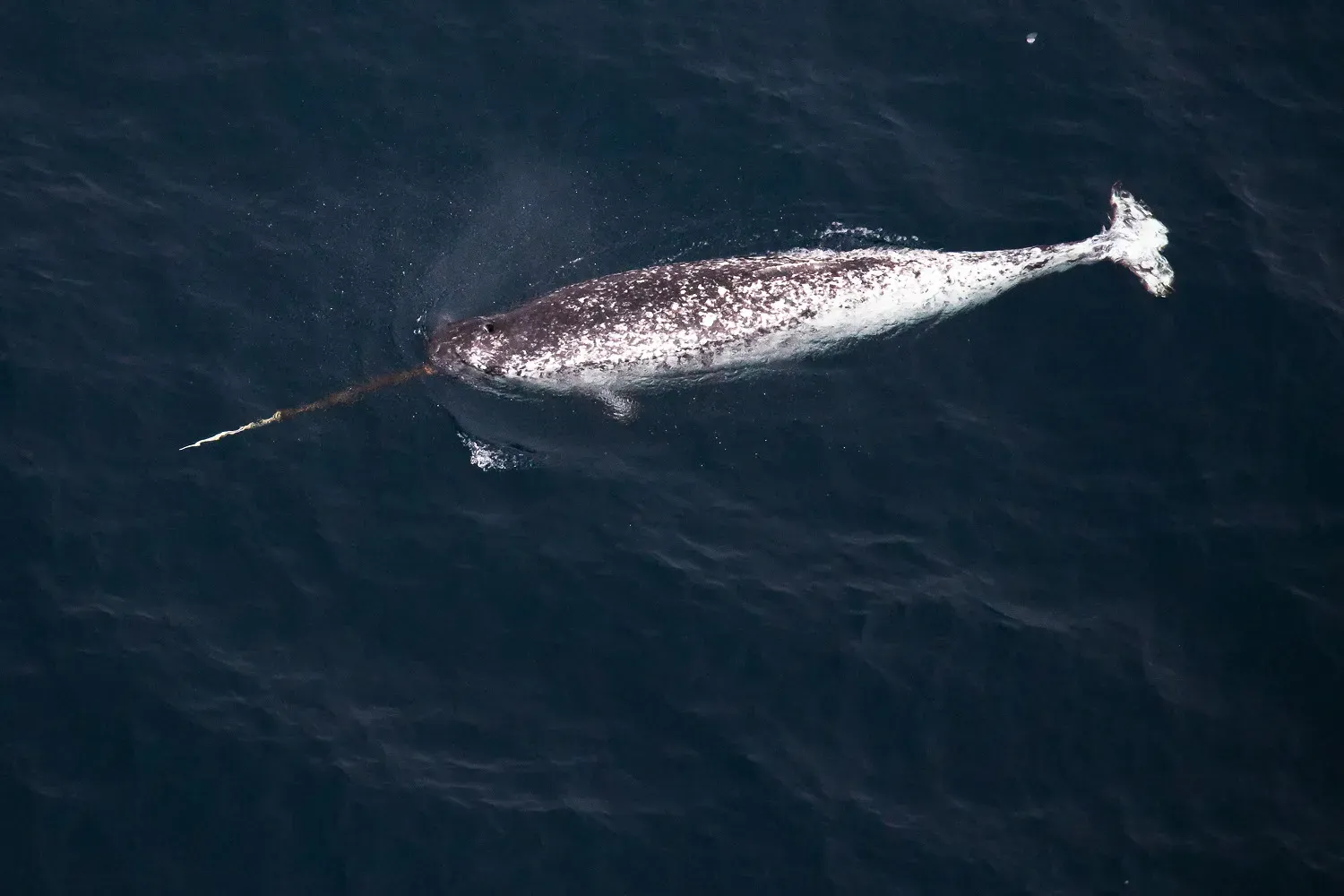
Let’s talk about the narwhal, or as it’s lovingly called, the “unicorn of the sea.” The narwhal is a beautiful marine mammal known for the single, swordlike tusk that adorns its head, which is the most extraordinary tooth on the planet. As is so common in the natural world, the tusk is both an icon and a mystery. What circumstances selected for a single, protruding tusk to replace the narwhal’s now-absent dozen teeth? Scientists have been wrestling with that question for centuries, and they still don’t have a clean answer.
While drone footage confirms one theory of how narwhals use their tusks, they may be used for other purposes as well, such as for ice picks, weapons, sexual selection, or as a tool for echolocation. Some experts think they may be especially important as sensory organs. Tusks are covered in thousands of nerve endings and pores that help narwhals sense the environment around them. If tusks are important tools for surviving icy environments, it begs the question: why don’t all females have a tusk? That one question alone keeps researchers scrambling. I think it’s one of those beautiful biological puzzles that reminds us just how humbling nature really is.
Animals Predicting Natural Disasters: A Sixth Sense Science Can’t Crack
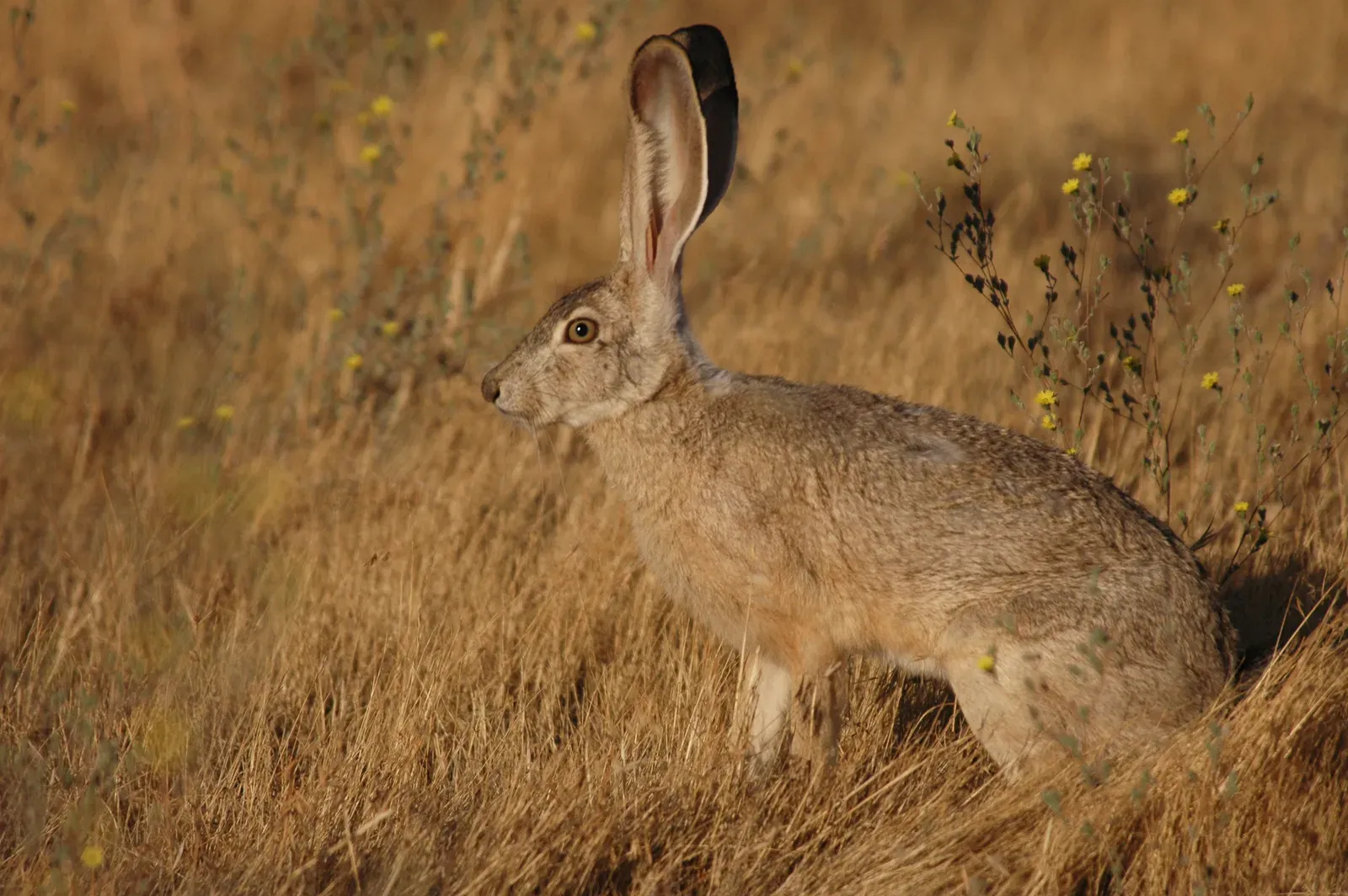
Think about this for a moment. What if animals can sense things you simply cannot? Not in a mystical way, but through biological mechanisms science hasn’t yet mapped. Although researchers are hesitant to fully confirm it, a lot of evidence points to the fact that animals do sense major upcoming natural disasters, sometimes long before we have a clue. The US Geological Survey notes that the earliest documented proof of this ability was in 373 BC, when, before an earthquake struck Greece, animals like rats, weasels, and snakes left their nests and headed for higher ground days before the event occurred. That’s not a small anecdote. That’s history.
According to National Geographic, hours before a massive tsunami hit the coastlines of Sri Lanka and India, elephants were trumpeting and running for high ground. Dogs acted strangely and refused to go outside. Flamingos abandoned their low breeding grounds, and zoo animals retreated into their shelters and would not come out. Even though the tsunami slammed into a wildlife reserve home to over 130 species of animals, the only victims seemed to be two water buffalo who were perhaps just too stubborn to run away. Farm animals have been known to head to safety and alert others up to 20 hours before an event, while some wild animals have been studied exhibiting strange behaviors days, or even weeks, before disaster strikes. It’s baffling, it’s documented, and it remains entirely unexplained.
Cattle Running in Perfect Circles: The Mystery in the Pasture
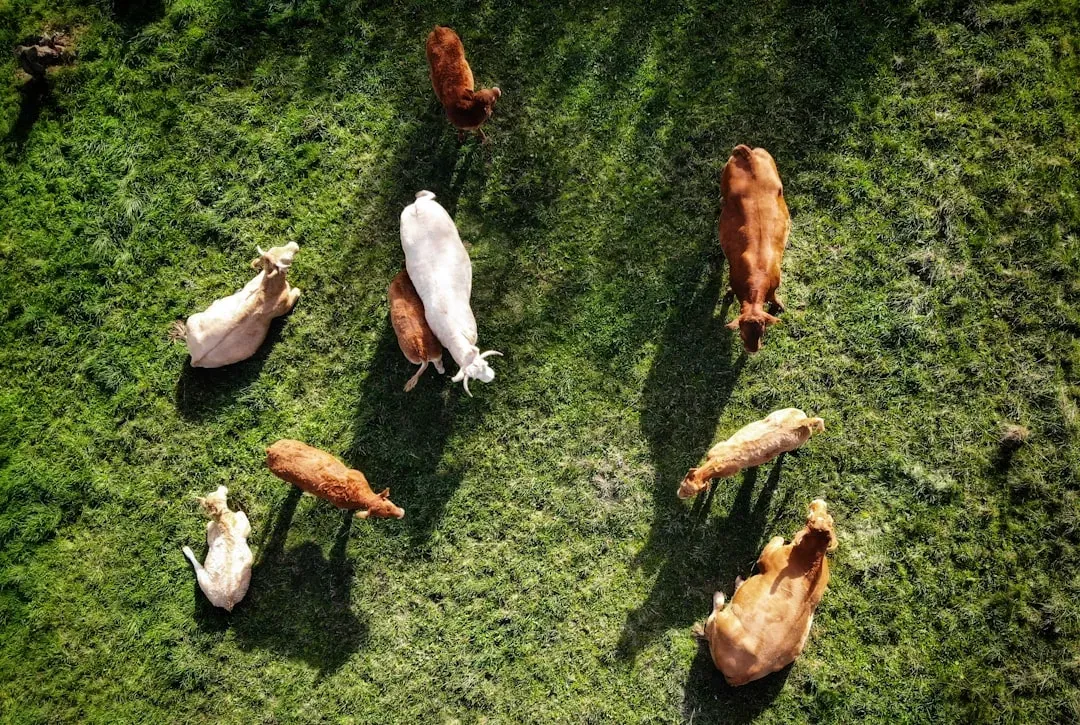
You might assume that if you saw a herd of cattle running in circles for hours, something would obviously be wrong. Disease. Panic. Poison. But here’s the baffling part: sometimes, everything checks out perfectly fine. In 2021, a video from Russia went viral showing dozens of cows and sheep moving in a continuous circular pattern for nearly twelve hours without stopping. Similar incidents have been documented across continents, with animals maintaining these circular movements despite obstacles or attempts to disrupt the pattern. While some cases have been linked to listeriosis, a bacterial infection that can cause neurological symptoms, many others occur in perfectly healthy herds with no evidence of disease.
Some scientists theorize these behaviors might result from extreme anxiety, perhaps triggered by environmental stressors undetectable to humans, while others propose they could represent a primitive defensive strategy gone haywire. Particularly puzzling is the synchronized nature of the movement, with dozens or even hundreds of animals maintaining perfect formation. Think of it like a flash mob that no one planned and no one knows how to stop. The herd moves as a single, inexplicable unit. To this day, no one has been able to consistently reproduce or fully explain the trigger. It’s one of those agricultural mysteries that farmers and scientists alike have simply learned to live with.
Monarch Butterfly Migration: Navigation Without a Map
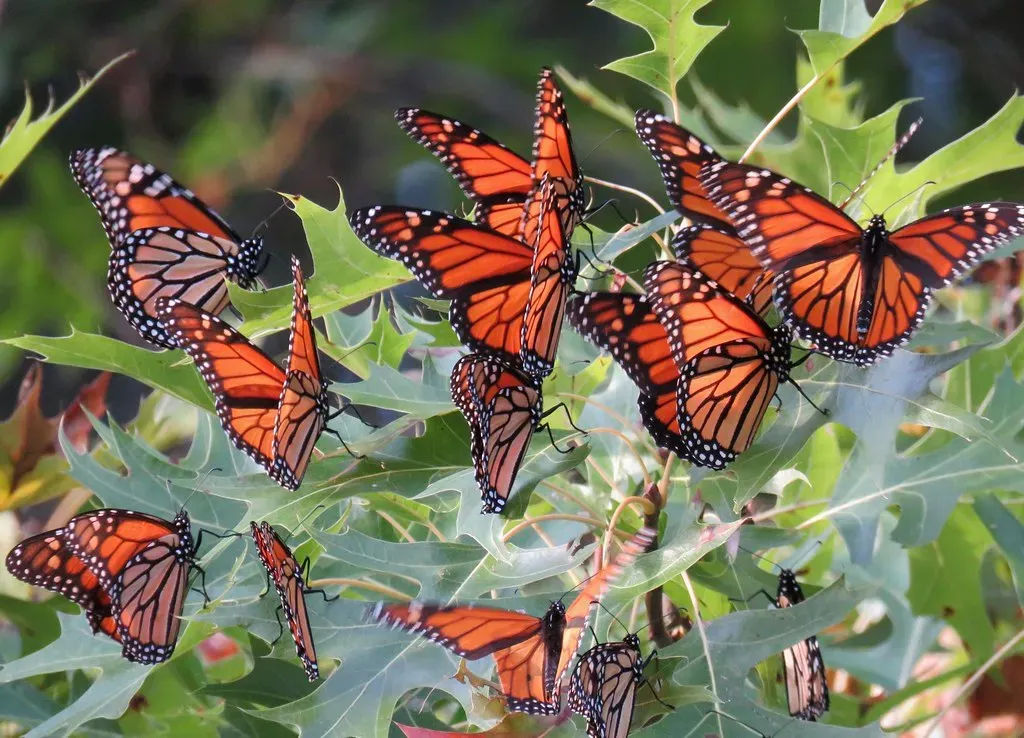
Monarchs butterflies might be small, but their annual journey is one of the most staggering feats in all of the animal world. Every year, monarch butterflies embark on one of the most incredible migrations in the animal kingdom, traveling thousands of miles from North America to Mexico, crossing vast landscapes with no map and no GPS, relying purely on instinct. That sentence alone should make your jaw drop. These are insects with brains the size of a pinhead navigating better than most people do with a smartphone.
Scientists don’t fully understand how these tiny creatures navigate such a long, complex journey. The butterflies don’t follow landmarks. They rely on the Earth’s magnetic field, the sun’s position, and possibly even the stars. But here’s the real mystery: monarchs born in captivity, who’ve never seen the migration route, still find their way to Mexico. That right there is what keeps entomologists lying awake at night. The knowledge appears to be somehow encoded, inherited, and perfectly calibrated from birth. It’s like having a built-in GPS downloaded into your DNA, and scientists still haven’t figured out how the signal works.
Octopuses Throwing Things at Each Other: Aggression, Art, or Just Bad Manners?
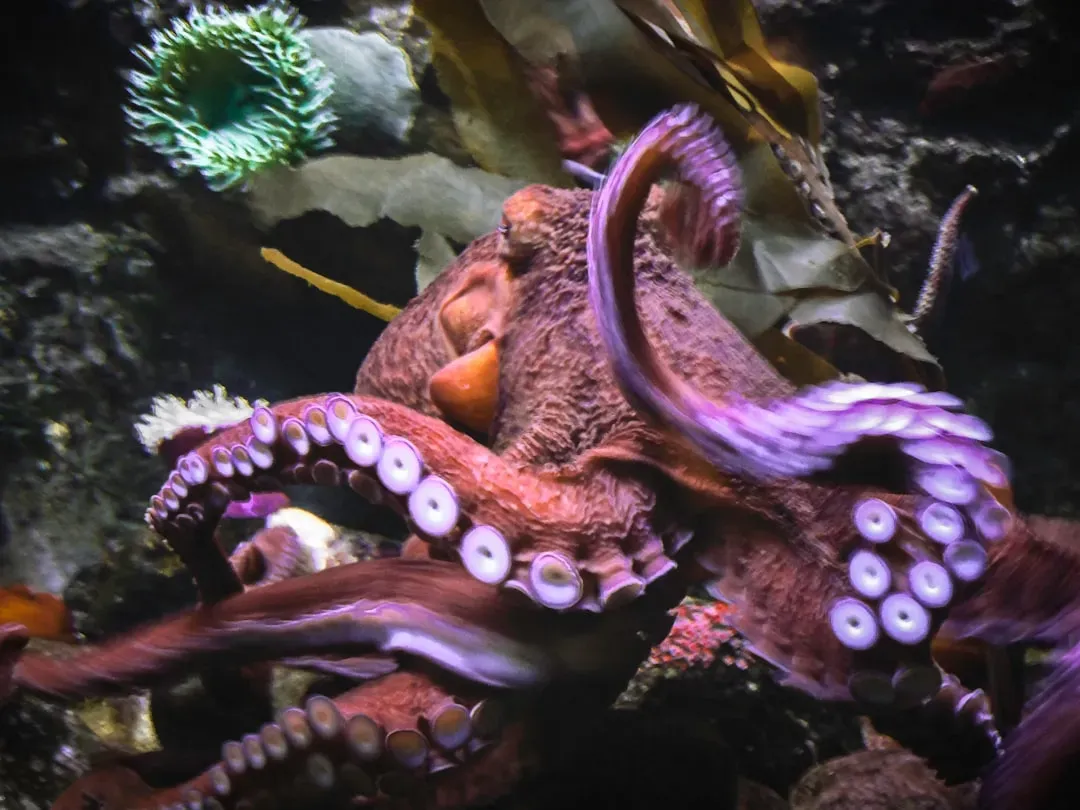
Let’s be real: the idea of octopuses hurling objects at one another sounds like something out of an absurdist cartoon. Yet, it’s been captured on camera and published in peer-reviewed research. Like a New Yorker declaring “Hey, I’m walkin’ here!”, gloomy octopuses living in dense conditions off the coast of Australia might communicate with their fellows by throwing things. Underwater cameras captured the cephalopods collecting shells, silt and algae with their arms and hurling them at one another by using jets of water from their siphon to propel the scraps. The researchers even observed the receiving octopuses ducking to avoid a hit. Yes, they dodge incoming projectiles. Consciously.
What’s unclear is the “why.” Is this play? Aggression? A form of social communication we haven’t mapped yet? It’s hard to say for sure, but the behavior is deliberate enough that it rules out pure accident. The targeting appears intentional, the dodging is absolutely reactive, and the fact that it happens repeatedly suggests this is a consistent social behavior, not a fluke. These remarkable behaviors remind us that despite our technological advances and scientific understanding, the animal kingdom still holds countless mysteries. For every behavior we explain, several more are discovered that defy our comprehension. Octopuses, in particular, seem determined to stay ahead of us.
The Animal Kingdom Still Has Secrets You Haven’t Heard Of
What you’ve just read through is only a small sample of the strange, unexplained, and deeply fascinating behaviors that researchers are still actively chasing. Science has given us tools that would have seemed like magic just a century ago. Drones, genetic sequencing, satellite tagging, deep-sea cameras. Yet even armed with all of that, the animal kingdom manages to keep its best secrets close.
There’s something genuinely exciting about that. These are not just puzzles for scientists to solve in laboratories. They’re reminders that the world is stranger, richer, and more layered than even our most ambitious theories can contain. The next time you watch a crow or spot a butterfly or catch a nature documentary about whales, remember: what you’re seeing might be behavior that has baffled entire generations of researchers. The questions are still open. The mysteries are still alive.
What animal behavior do you find most baffling? Drop your thoughts in the comments below. You might just be onto something scientists haven’t considered yet.