Every year, without maps, without GPS, and without any guarantee of survival, billions of animals leave home. They cross mountain ranges, fly over open oceans, navigate featureless deserts, and brave predators lurking at every crossing. You might think of travel as something planned, something comfortable – but for these extraordinary creatures, the journey is simply life itself.
Every year, across continents and oceans, billions of animals embark on extraordinary journeys – some flying halfway around the planet, others crossing entire oceans or trudging across frozen tundras. These migrations are not mere movements; they are the pulse of the planet, the timeless dance of survival choreographed by evolution itself. From the smallest butterfly to the mightiest whale, nature puts on its greatest show – and you’re about to witness every act. Let’s dive in.
Why Animals Migrate: The Deep Science Behind the Urge to Move
Honestly, migration might seem like an inconvenient, dangerous endeavor. So why do animals do it? The answer is both simple and profound. Animal migration science shows that long-distance movement is not optional behavior but a core survival mechanism shaped by millions of years of evolution. Through ecological behavior, species synchronize migration with seasonal food availability, breeding cycles, and climate patterns that maximize energy efficiency.
Think of it like a giant seasonal clock. Migration is not just a seasonal routine – it’s a matter of survival. Birds migrate primarily to find food, suitable weather, and safe breeding grounds. During the harsh winters of temperate or polar regions, insects disappear, seeds freeze, and nectar sources dry up. To avoid starvation, birds journey to warmer places where food is available year-round. The same principle drives mammals, fish, reptiles, and even insects on their own remarkable paths.
The Arctic Tern: Pole-to-Pole and Back Again
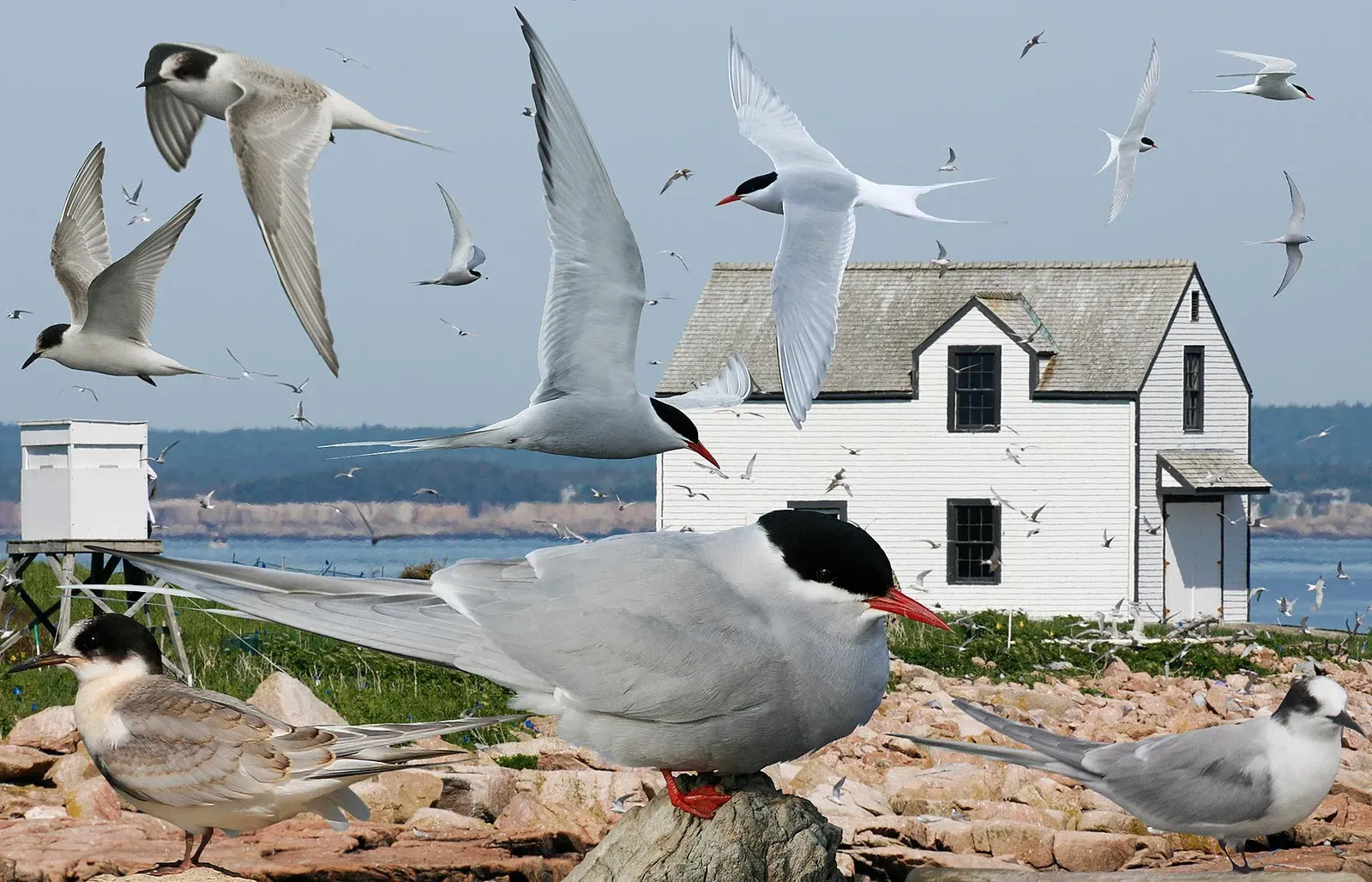
Let’s start with the undisputed champion of long-distance travel. You wouldn’t expect it from such a small bird – yet the Arctic tern achieves something no other creature on Earth can match. Arctic terns are small, plain-looking birds, weighing between 90 to 120 grams. To the untrained eye, they do not look as if they are built for endurance, but these birds take the trophy for the longest migration of any animal in the world. Flying from pole to pole, Arctic terns spend most of their year at sea chasing a perpetual summer.
Seasons are reversed in the Northern and Southern hemispheres, so as winter approaches in their Arctic breeding grounds, the terns head south to the Antarctic where summer is just beginning. Arctic terns are believed to migrate around 40,000 kilometers a year, but a recent scientific study suggests that they might fly double that distance. Over a lifetime of up to 34 years, this means the Arctic tern would cover around 1.3 million miles – the equivalent to going to the moon and back three times. That is breathtaking no matter how you look at it.
The Bar-Tailed Godwit: The Nonstop Flying Machine
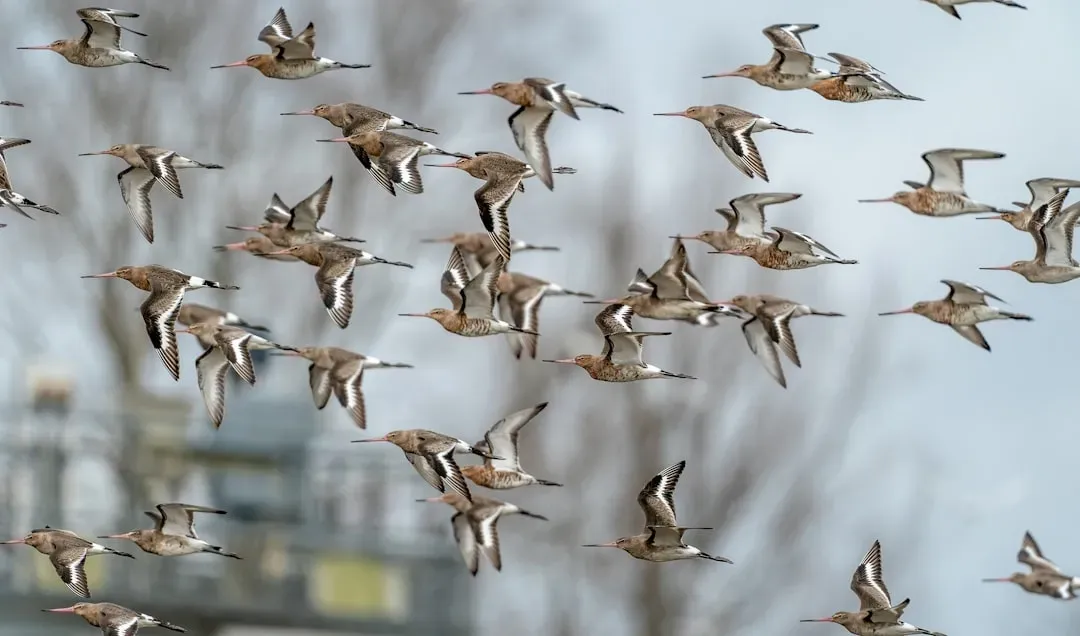
Here’s the thing – if the Arctic tern is the mileage champion, the bar-tailed godwit is the king of relentless, unbroken flight. No stops. No snacks. No rest. The migration of the subspecies Limosa lapponica baueri across the Pacific Ocean from Alaska to New Zealand is the longest known non-stop flight of any bird, and also the longest journey without pausing to feed by any animal. The round-trip migration for this subspecies is over 29,000 km.
Records keep getting broken with this species. A four-month-old bar-tailed godwit known as B6 set a new world record by completing a non-stop 11-day migration of 8,425 miles from Alaska to Tasmania, Australia – the longest documented non-stop flight by any animal. Think about that. A bird barely a few months old, flying more than eight thousand miles without landing once. The bar-tailed godwit’s precisely timed migration faces growing challenges from climate change, which threatens to disrupt the environmental cues these birds depend on. Rising Arctic temperatures are altering insect emergence timing, while changes in global wind patterns may reduce the reliability of favorable tailwinds that godwits depend on for their nonstop flight.
Monarch Butterflies: A Migration Across Generations
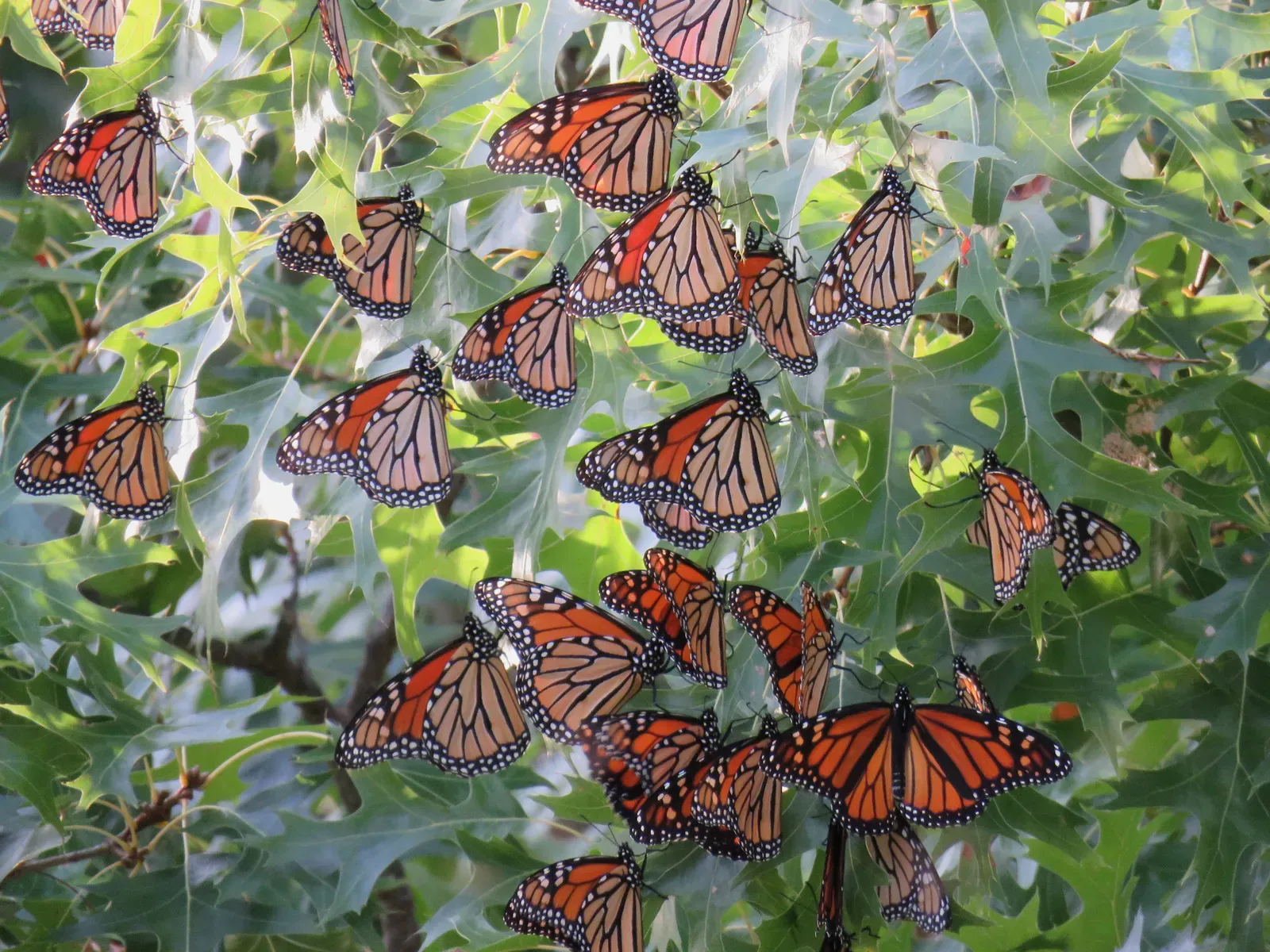
You’d be forgiven for dismissing the monarch butterfly as too delicate to make any kind of epic journey. It weighs less than a paperclip. Yet it accomplishes something that genuinely defies logic. Perhaps one of the most famous migrations is the multi-generational round trip of the monarch butterfly. Monarch butterflies can be found all over the United States and further afield, but it is the northeastern American population that is famous for making the 4,800-kilometer journey from Canada to Mexico. Each year, millions of monarch butterflies leave their northern ranges and fly south to the oyamel fir forests near the Sierra Madre mountains, where they gather in huge roosts to survive the winter.
Here’s where it gets even more astonishing. What makes this animal migration unique is that the round-trip – Canada to Mexico and back to Canada – takes longer than the butterflies’ maximum lifespan. The migrating butterflies are actually made up of four to five generations; along the way, female butterflies lay eggs on milkweed plants. The eggs hatch, the caterpillars eat, and then the mature butterflies continue on the trip started by their parents and grandparents. Scientists still don’t know exactly how the butterflies know where to go, especially those who are born on the way. I find that both poetic and deeply mysterious.
Humpback Whales: Giants of the Ocean Highway
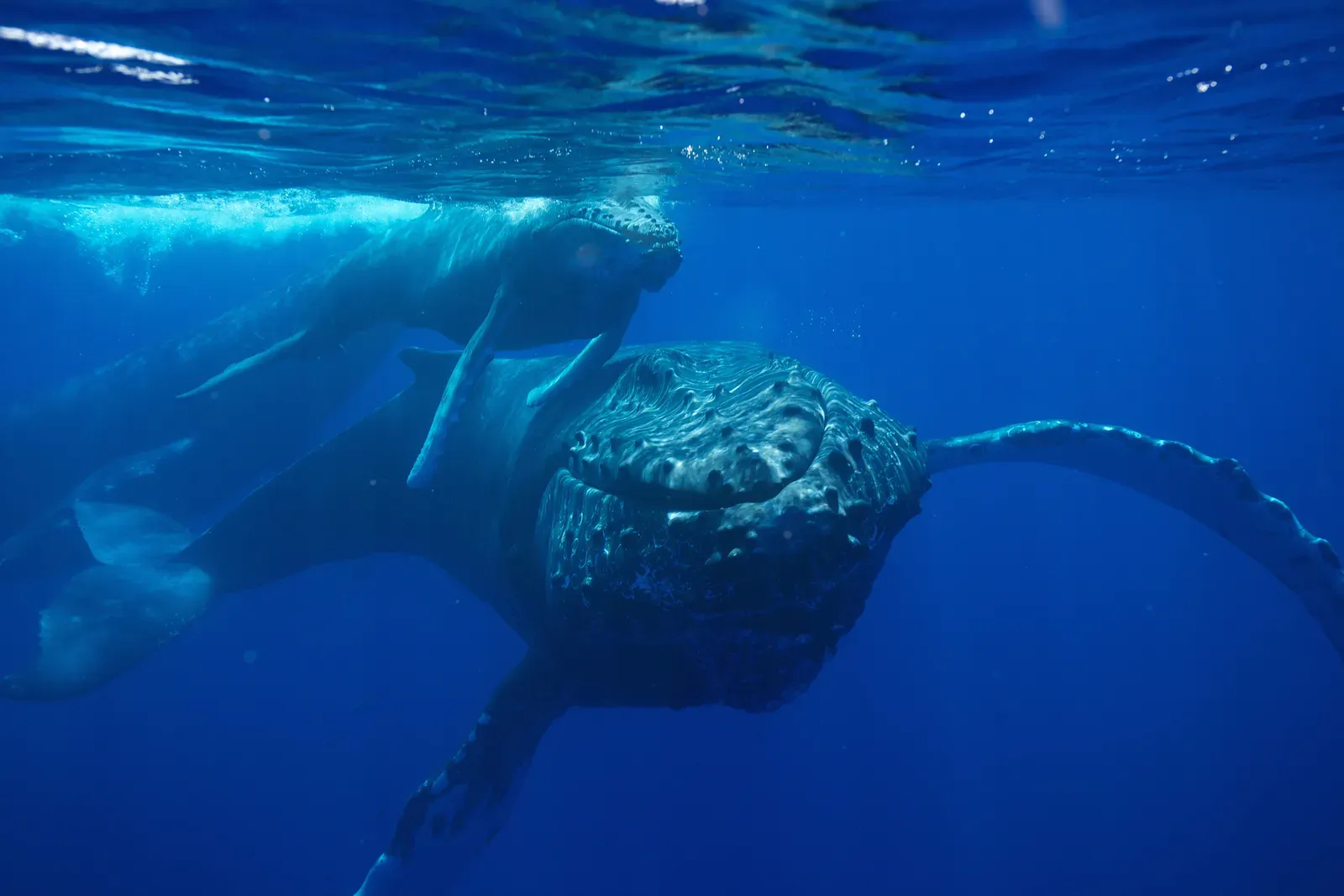
Switching from the skies to the deep blue ocean, humpback whales bring their own breathtaking version of endurance travel. These massive creatures, weighing tens of thousands of kilograms, move between entirely different worlds each year. These giants spend their summers at feeding grounds in cold, nutrient-rich waters that support an abundance of krill and small fish. In the winter, they migrate to warmer waters to raise their calves and avoid predation by killer whales. It is a journey that can take over 8,000 kilometers each way, making it the longest migration of any mammal on Earth.
Humpback whales are slow swimmers, but they make up for it by traveling non-stop for days at a time. They do not feed along their migration route and instead survive on fat reserves built up during the summer months. In 2024, the records were shattered further. Scientists recorded a male humpback whale making one of the longest-ever migrations known in the species, travelling from the Pacific Ocean off Colombia to Zanzibar in the Indian Ocean in a journey of at least 13,000 kilometres. These are the ocean’s great wanderers, and their journeys never cease to astonish.
The Great Wildebeest Migration: Africa’s Living River
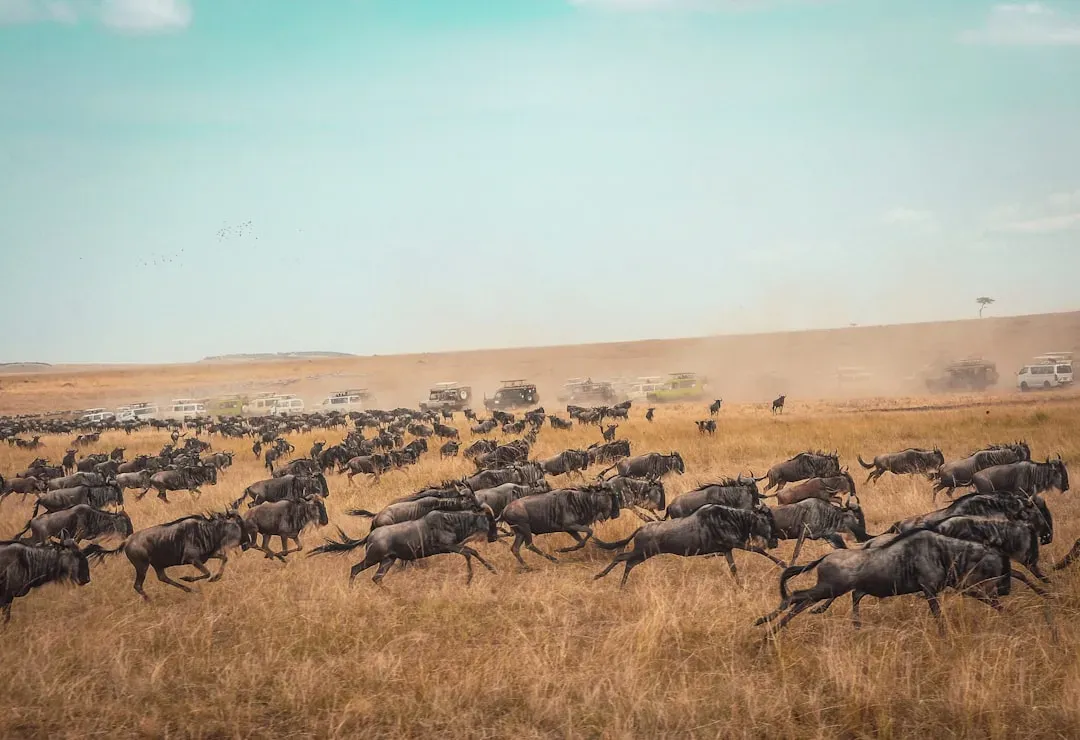
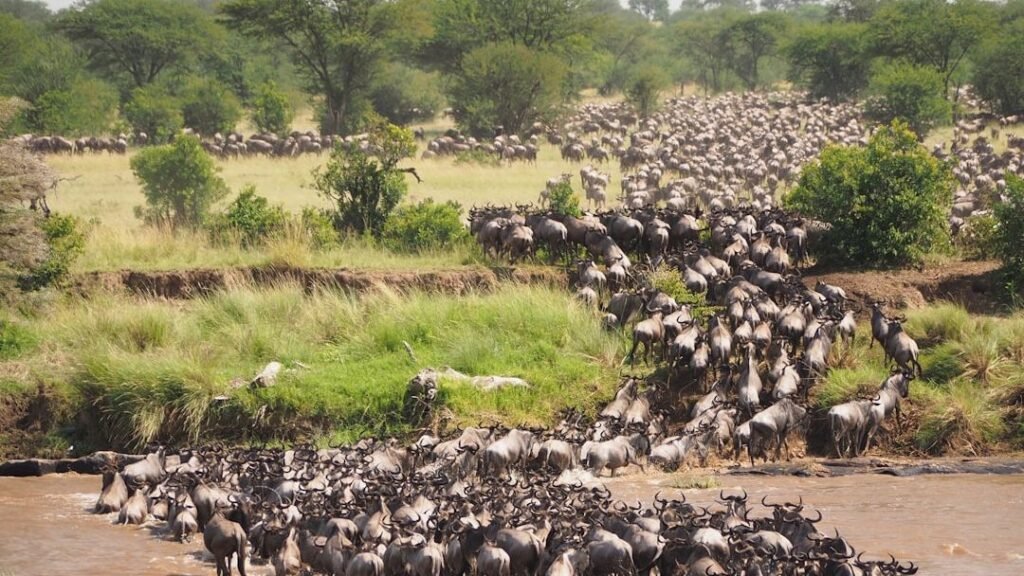
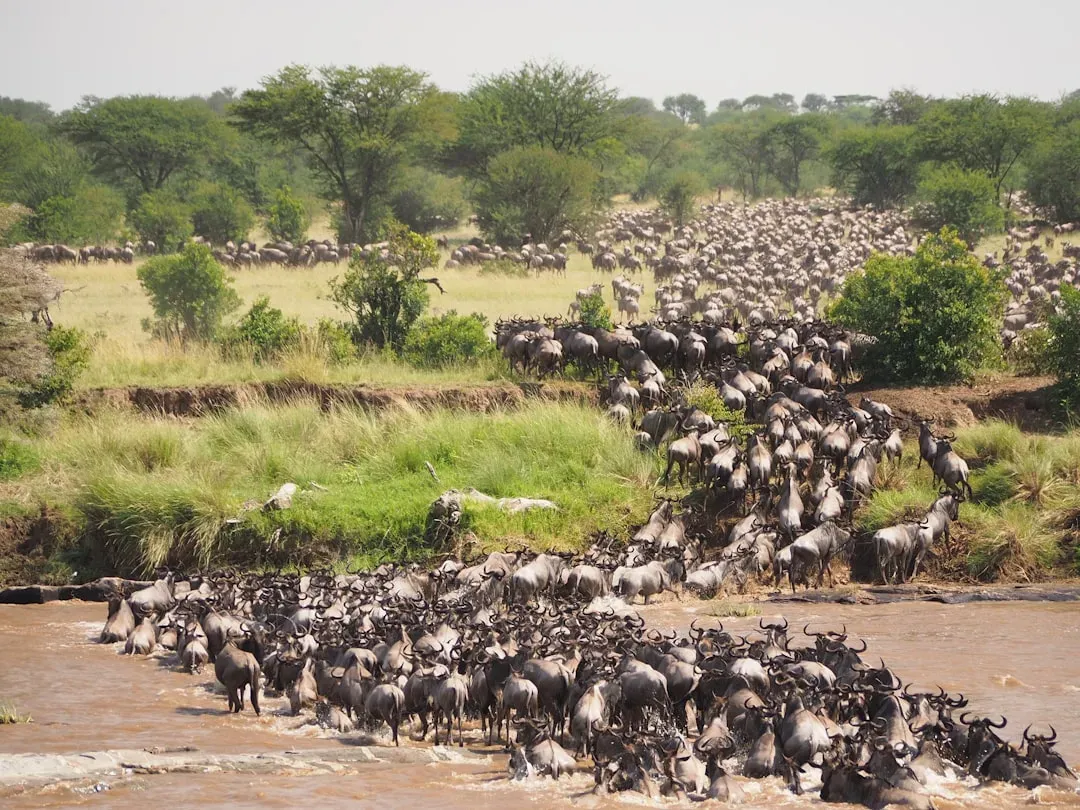
There is nothing quiet about the wildebeest migration. It is raw, thunderous, and strangely beautiful. Nothing in the natural world quite prepares you for the sight of over a million animals moving as one. These wild bovine-like antelopes participate in perhaps the largest terrestrial migration in terms of sheer numbers. The Serengeti-Mara migration involves about 1.3 to 1.5 million wildebeest, plus zebras and gazelles. They travel between 500 and 1,000 miles per year, searching Kenya and Tanzania for food and water.
The journey is relentlessly brutal. Their journey is filled with peril – raging rivers, hungry crocodiles, and stalking predators such as lions and hyenas. For many, it’s a fight for survival, and only the strongest make it through. Families are separated, and dramatic scenes unfold at every river crossing. This migration is not just about moving; it’s a dramatic struggle for life that captivates anyone lucky enough to witness it. Still, life insists on continuing. Baby wildebeest born along the way are able to take up the journey just minutes after birth.
Caribou: Champions of the Land
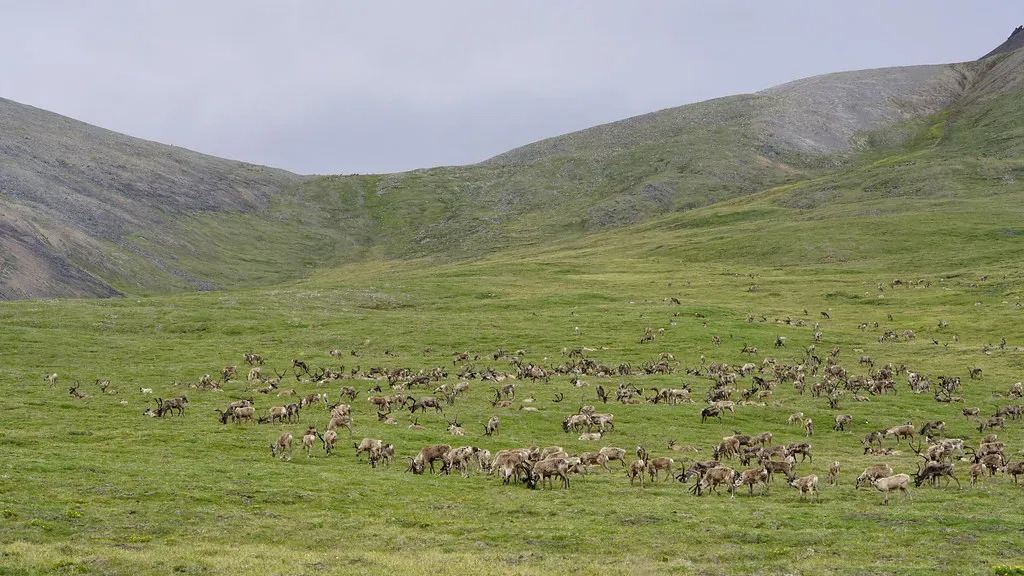
When you think of land-based migration, caribou deserve far more credit than they typically get. These Arctic animals travel distances that would exhaust even the most seasoned human adventurer. Recent scientific studies have proven caribou have the longest terrestrial migrations on Earth, making round trips exceeding 1,200 kilometres – equivalent to walking between Washington DC and Los Angeles. Their movements across such vast distances are likely triggered by weather conditions such as snowfall or cold spells.
The scale is staggering when broken down to individual herds. The farthest distance travelled by a migrating land animal belongs to Grant’s caribou of Alaska and the Yukon Territory of North America, which travel up to 4,800 km per year. Even the predators follow. Research found that caribou likely do exhibit the longest terrestrial migrations on the planet, but over the course of a year, gray wolves move the most – shadowing the herds relentlessly, racking up their own extraordinary annual distances in the process.
Leatherback Sea Turtles: Ancient Navigators of the Deep
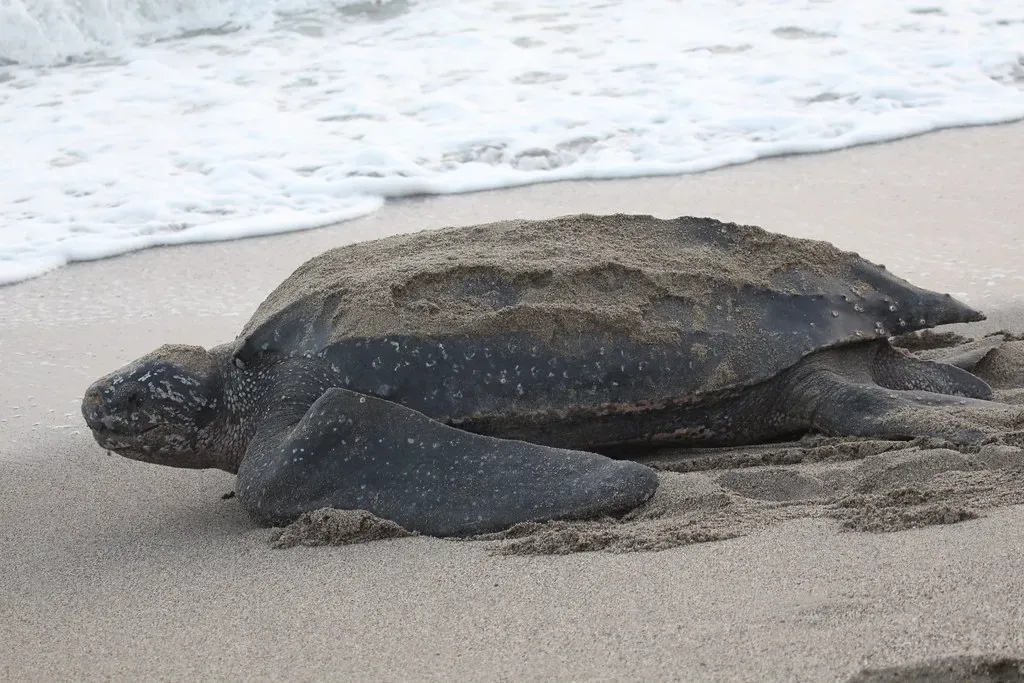
If you want to talk about ancient travelers, sea turtles have been migrating across oceans for millions of years. The leatherback, the largest of all sea turtles, is by far the most wide-ranging of the group. Leatherback sea turtles are among the most highly migratory animals on earth, traveling as many as 10,000 miles or more each year between foraging grounds in search of jellyfish. In the Atlantic, they go from Caribbean beaches up the US East Coast to Canada. In the Pacific, many go from Southeast Asia to California and then up to Alaskan waters.
How they navigate across featureless open ocean remains one of science’s most captivating mysteries. Guided by the earth’s geomagnetic field to navigate, leatherback turtles can migrate more than 10,000 kilometres across oceans from breeding to feeding grounds. Unlike other marine turtles, leatherbacks can regulate their body temperature by a combination of their large size, insulation, and a blood circulation mechanism known as a counter-current heat exchanger, enabling them to maintain a core body temperature higher than the surrounding water. That adaptation is like wearing a built-in wetsuit – and it allows them to roam into sub-arctic waters that would stop other sea turtles cold.
Salmon: The Impossible Homecoming
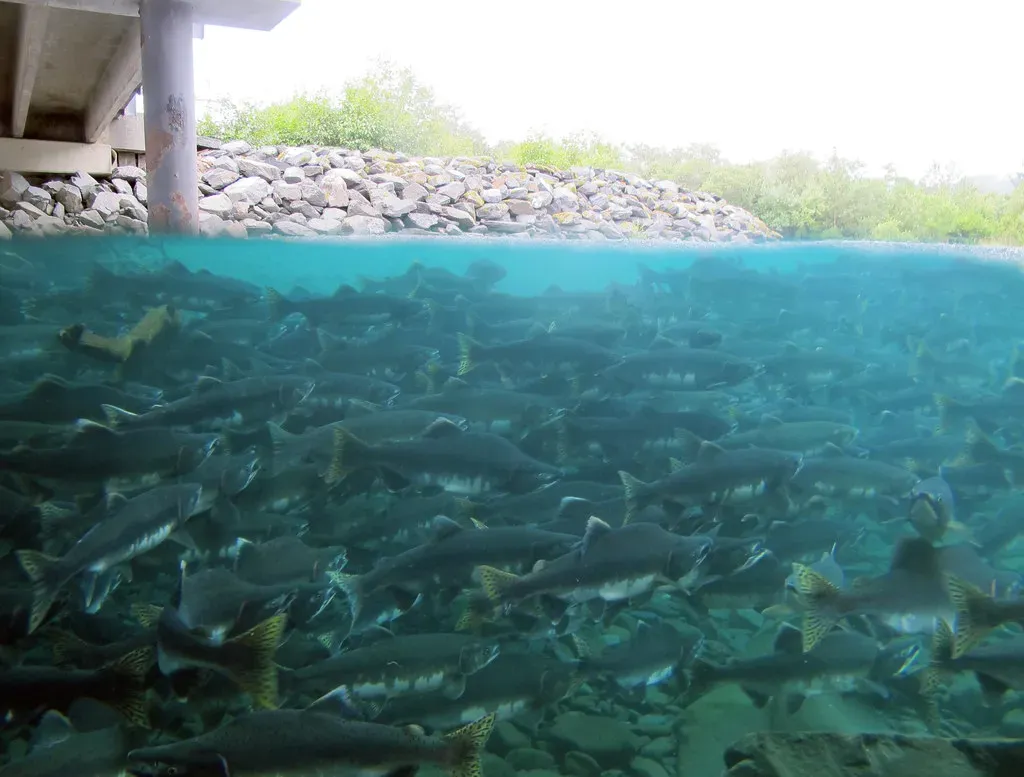
It’s hard to say for sure which migration is the most emotionally charged, but the salmon run comes close. These fish spend most of their lives in the open ocean, growing powerful and strong, only to return to the very stream where they were born – guided by smell and instinct across thousands of miles of salt water. Salmon spend most of their lives in the Atlantic and Pacific Oceans, where they feed and grow before migrating back to the rivers where they were born. Salmon swim across the ocean to the mouth of the river, navigating using a combination of chemical cues, the sun, and Earth’s magnetic field. To reach their final destination, the salmon must swim up the river, in an event known as the salmon run.
In an incredible feat of endurance, they swim up to 400 kilometers against the current, battling rapids and leaping up waterfalls, all while avoiding predators that congregate along the banks in hopes of catching a nutritious meal. When Pacific salmon finally reach their birthplace, they spawn and then die. Every salmon run is both a birth and an ending – a cycle so complete, so perfectly designed, that it has sustained entire ecosystems for thousands of years. Bears, eagles, wolves, and even the surrounding forest trees depend on the nutrients these returning fish bring with them.
How Animals Navigate: The Built-In Compass Inside Every Migrator
Let’s be real – when you get lost driving somewhere you’ve been a dozen times, you reach for your phone. These animals have no such luxury. Yet somehow they arrive at the right destination, year after year, across thousands of miles of sky, land, and ocean. From the smallest butterfly to the mightiest whale, animals navigate unimaginable distances with precision that defies human understanding. They use the stars, the Earth’s magnetic field, and even the scent of the wind to guide them.
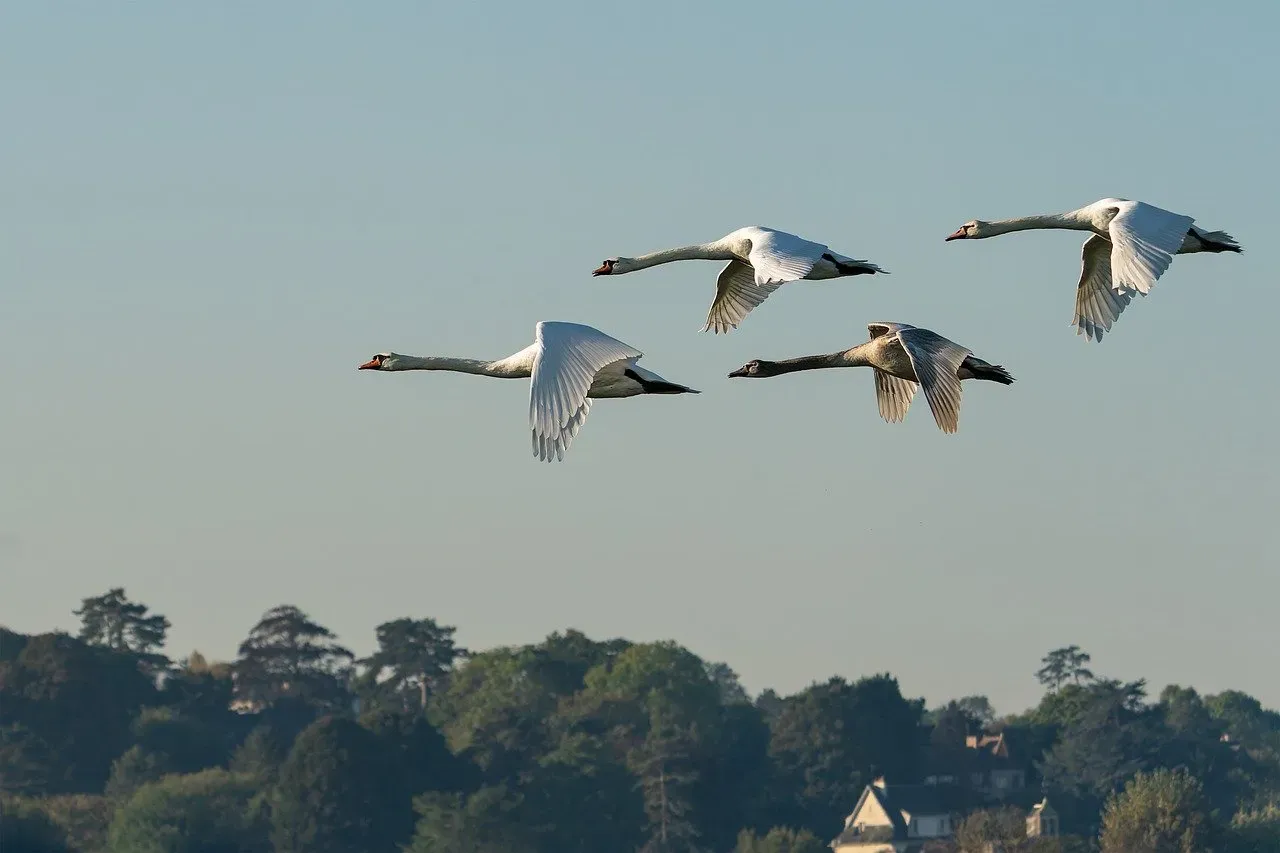
Birds, in particular, have evolved a truly remarkable navigation system. Birds don’t just wander aimlessly across continents. They follow ancient, well-established migration routes known as flyways – invisible highways in the sky shaped by geography and climate. These flyways are lined with critical stopover sites – wetlands, forests, and coastal zones – where birds rest and refuel before continuing their journey. Meanwhile, magnetic orientation has been demonstrated in many long-distance migrants, including monarch butterflies, yellowfin tuna, birds, sockeye salmon and sea turtles – making the Earth’s magnetic field one of nature’s most universal and reliable navigational tools.
Conclusion: The Planet in Motion
Migration is more than animals moving from one place to another. It is the circulatory system of a living planet, carrying nutrients, genes, and energy across hemispheres that would otherwise remain disconnected. These incredible journeys are certainly captivating, but they also have a vital role to play in the ecosystem. Migration affects the distribution of prey and predators, keeps nutrients cycling around the planet, helps with the spread of pollen and seeds, and even influences human economies. Animal migrations are impressive, but they are also essential for a healthy ecosystem and, ultimately, a healthy planet.
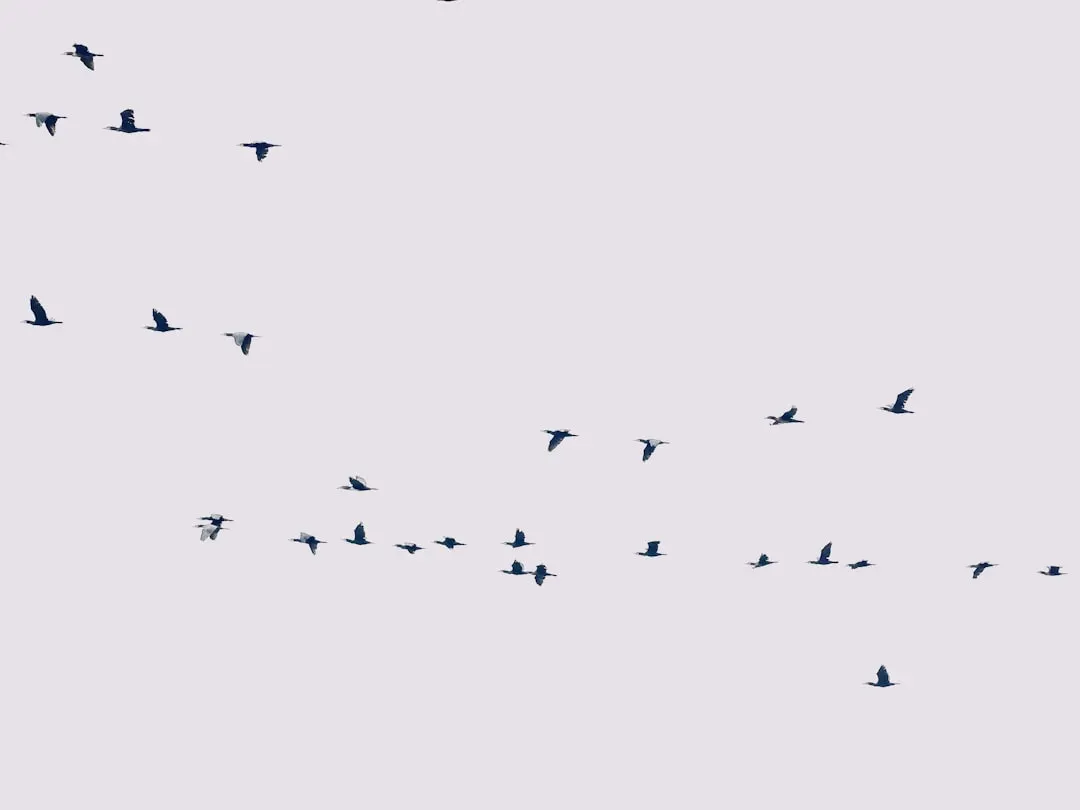
Every one of these animals embarks on a journey it has never been taught, guided only by instinct, biology, and millions of years of evolutionary wisdom. These journeys connect ecosystems across continents, ensuring nutrient flow, population balance, and genetic diversity on a planetary scale. The world we live in is shaped, in part, by the footprints, wingbeats, and wake trails of animals moving across it. The next time you look up at a flock of birds crossing a grey autumn sky, take a moment. They’re not just flying – they’re following a path as old as the Earth itself. Which of these incredible journeys surprised you most?