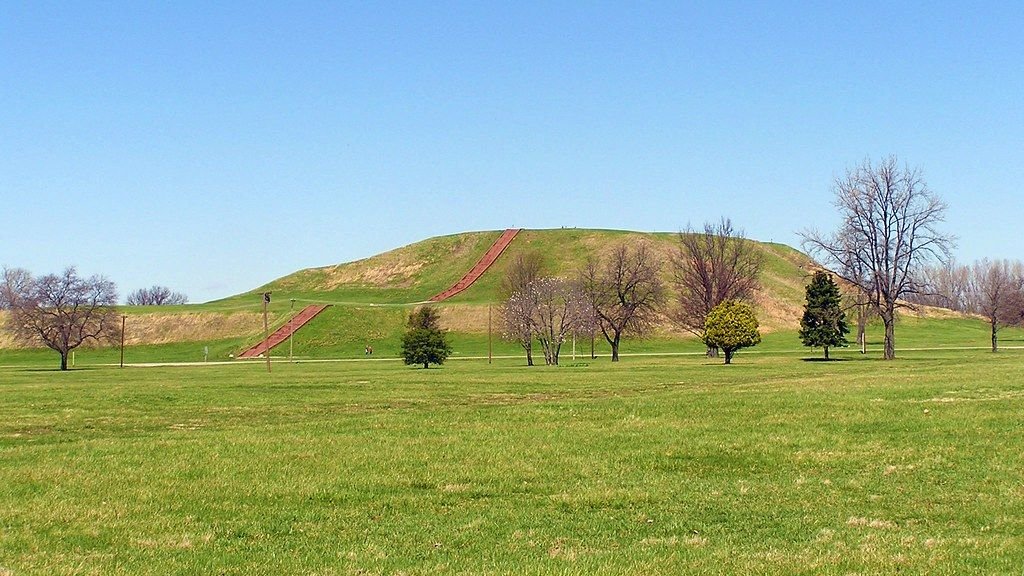

There is something deeply unsettling about realizing that the land beneath your feet holds secrets far older than any history textbook ever bothered to mention. Across North America, from the misty hills of New England to the wind-battered plains of Wyoming, ancient people shaped stone, earth, and sky into something that still defies easy explanation. These weren’t simple people doing simple things. They were engineers, astronomers, spiritual architects, and builders of civilizations that mainstream history has, for too long, quietly sidelined.
What you’re about to discover might make you rethink everything you thought you knew about early America. The stones were always there. We just weren’t ready to truly look at them. Let’s dive in.
America’s Stonehenge: A Mystery in New Hampshire That Refuses to Stay Quiet
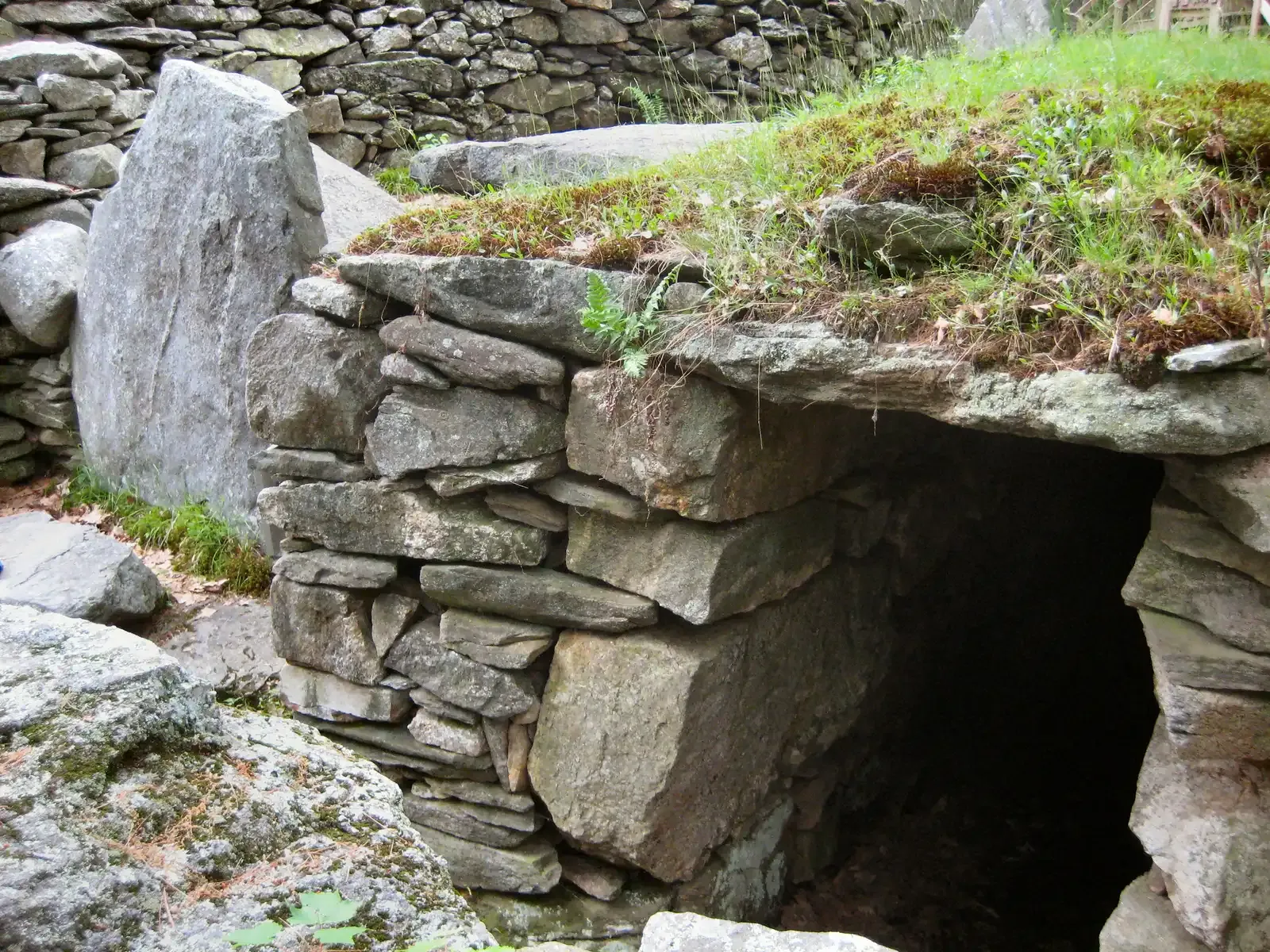
Imagine stumbling upon a sprawling complex of stone chambers, standing monoliths, and underground passages tucked into the wooded hills of New Hampshire. That’s exactly what greets you at a site now called America’s Stonehenge, located in Salem. On a hilltop in New Hampshire near the Massachusetts border, this 30-acre site is the largest collection of stone structures in North America, consisting of standing stones, stone walls, cairns, natural caves, horizontal stone slabs, rock circles, and stone chambers that has long puzzled archaeologists, astronomers, and historians.
Here’s the thing that really gets under your skin: the science keeps pointing to something ancient. Archaeologists’ radiocarbon analysis of charcoal on the site shows that there were humans occupying the area 4,000 years ago. The surface of the stone suggests it was quarried with percussion techniques, indicating that the stone was modeled by indigenous stone workers using stone tools rather than the metal tools used by European settlers, and some speculate that the structure is an accurate astronomical calendar that can be used to predict lunar and solar events in North America.
The Stone Chambers of New England: Root Cellars or Something Far More Fascinating?
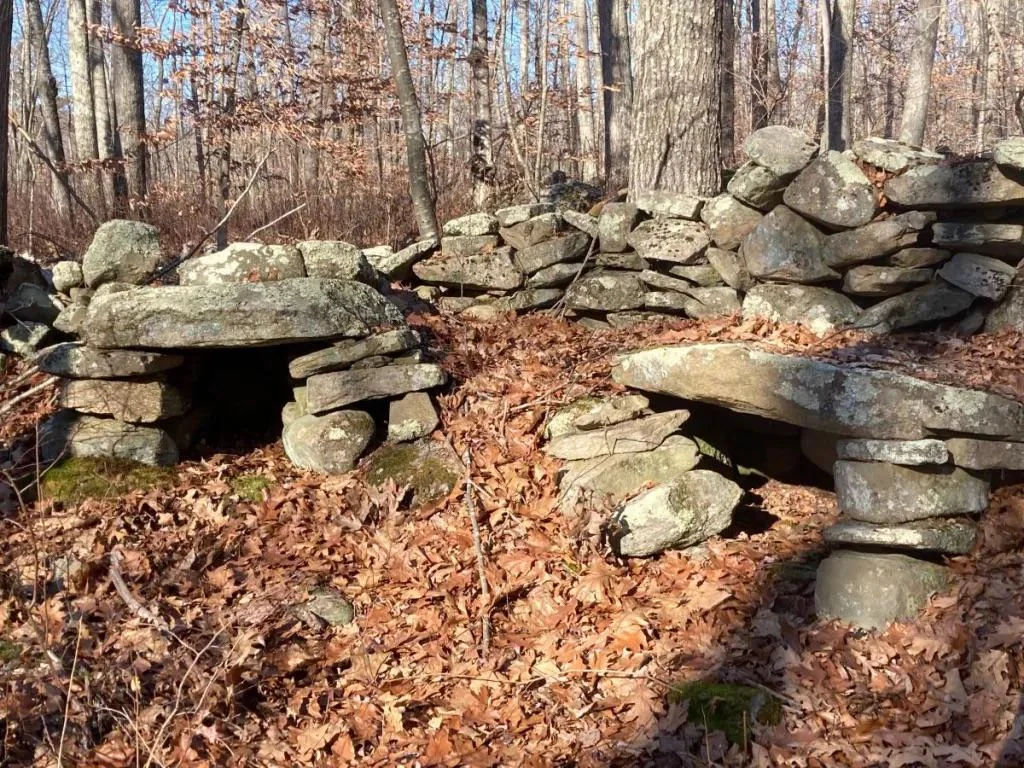
You’ve probably never heard of Gungywamp, Upton, or any of the dozens of beehive-shaped stone chambers scattered across New England states. These chambers have been found in New York, Massachusetts, New Hampshire, Pennsylvania, New Jersey, Rhode Island, Vermont, Maine, Ohio, Virginia, West Virginia, and Kentucky. That’s an extraordinary concentration of structures. And yet, for generations, the dominant explanation was embarrassingly mundane: root cellars.
Honestly, that explanation never quite satisfied the more curious minds. Early records of New England colonists mention stone chambers preexisting before they settled the land, describing in their writings the existence of strange “Indian forts,” and the chambers have soil floors that would rot vegetables. Most noteworthy, just three Northeast counties account for the majority of stone structures in North America: Putnam County, New York; New London County, Connecticut; and Windsor County, Vermont, with Massachusetts having 105 sites containing stone structures, Connecticut with 62, New Hampshire with 51, and Vermont with 41. Those numbers are staggering for structures supposedly built just for storing turnips.
The Bighorn Medicine Wheel: North America’s Ancient Observatory in the Sky
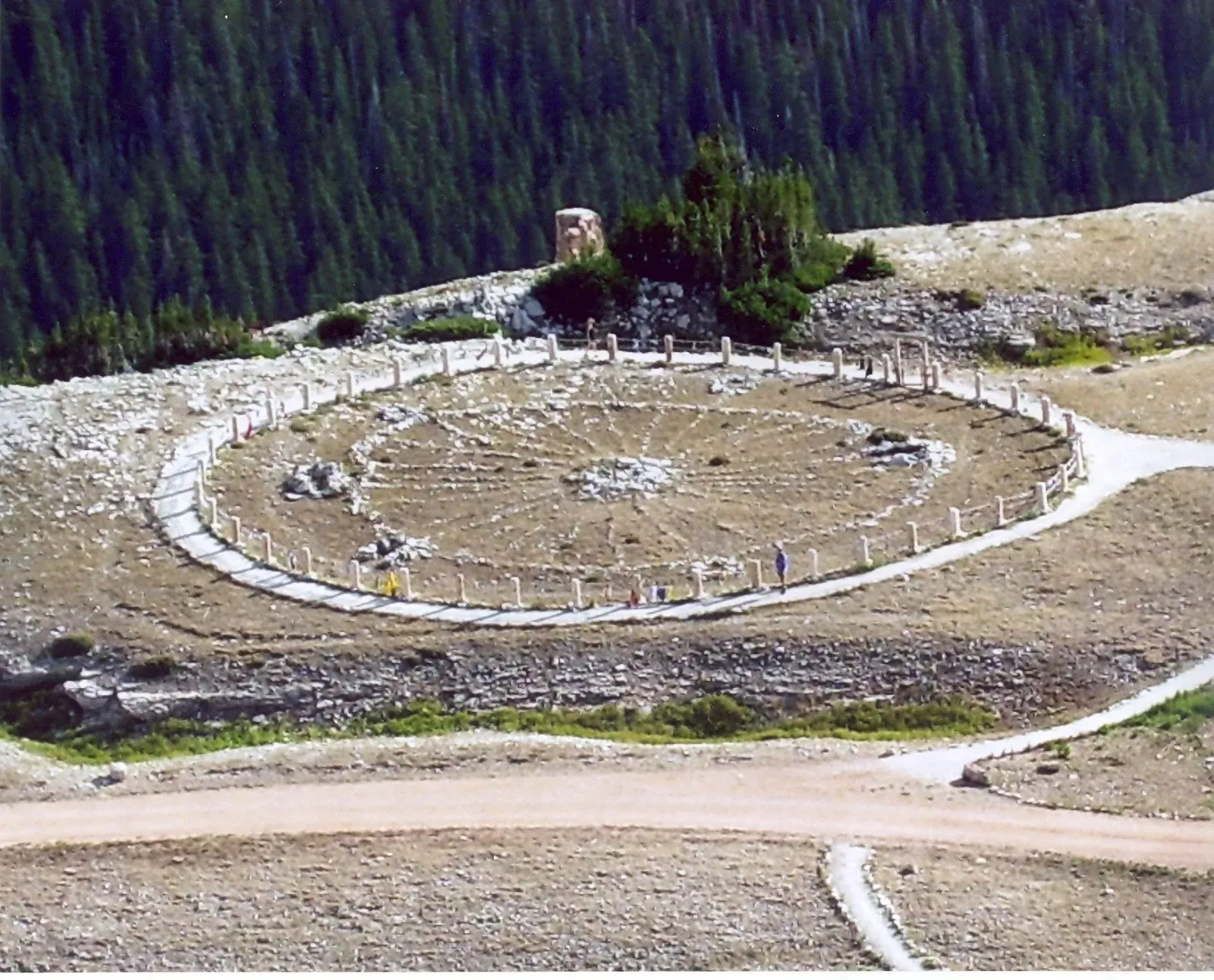
Perched high in the Wyoming mountains, at an altitude that leaves most modern visitors gasping for breath, you find one of the most quietly stunning stone structures on the continent. The Medicine Wheel is a circular alignment of limestone boulders about 80 feet in diameter with 28 rock “spokes” radiating from a prominent central cairn, with five smaller stone enclosures connected to the outer circumference of the wheel. Think of it as a prehistoric clock face, except the hands point to stars.
The astronomical connections are genuinely jaw-dropping. The arrangement of the Medicine Wheel points to the rising as well as setting places of the Sun during the summer solstice, and also points to the rising places of Sirius in Canis Major, Aldebaran in Taurus, and Rigel in Orion, important and bright marker stars for the Solstice. Over 150 such medicine wheel sites have been documented, with the oldest examples in Alberta dating back more than 5,000 years. That’s older than Stonehenge. Let that sink in for a moment.
Poverty Point: The Giant Ritual Gathering Place That Rewrote the Rules
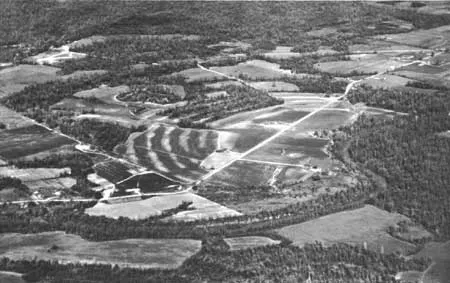
In northeast Louisiana, along the Mississippi River, something extraordinary rises from the landscape. The Poverty Point site contains earthen ridges and mounds, built by indigenous people between 1700 and 1100 BCE during the Late Archaic period in North America. Without horses, wheels, or agricultural infrastructure, ancient builders transported and shaped an estimated 140,000 dump-truck loads of soil, an extraordinary achievement that has puzzled archaeologists for decades. That’s not a typo. One hundred and forty thousand dump-truck loads, by hand.
The really radical part? New research published in 2025 suggests the builders weren’t even a structured chiefdom. Recent research suggests Poverty Point was not a permanent settlement run by leaders commanding laborers, but instead a large meeting place where people from across the Southeast and Midwest gathered periodically to trade, celebrate, collaborate, and participate in shared rituals. Artifacts found at the site reveal a remarkable network of interaction stretching across much of eastern North America, including thousands of clay cooking balls, quartz crystal from the Ozarks, soapstone from the Atlanta region, and copper ornaments originating near the Great Lakes, all pointing to extensive trade and travel, showing that Poverty Point was not isolated but deeply connected to distant communities.
Cahokia: The Pre-Columbian City That Dwarfed Medieval London
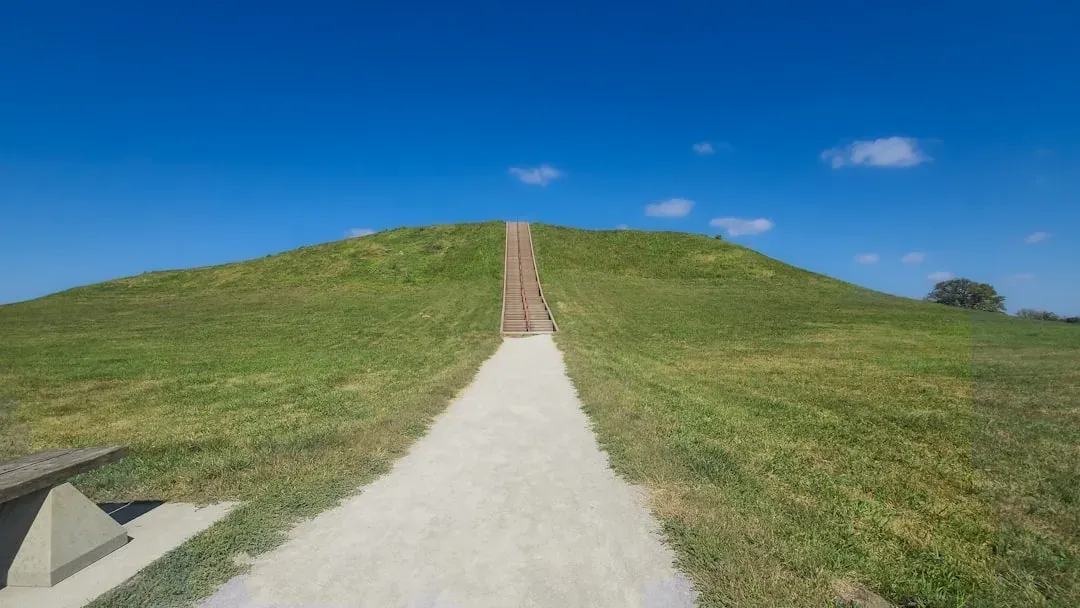
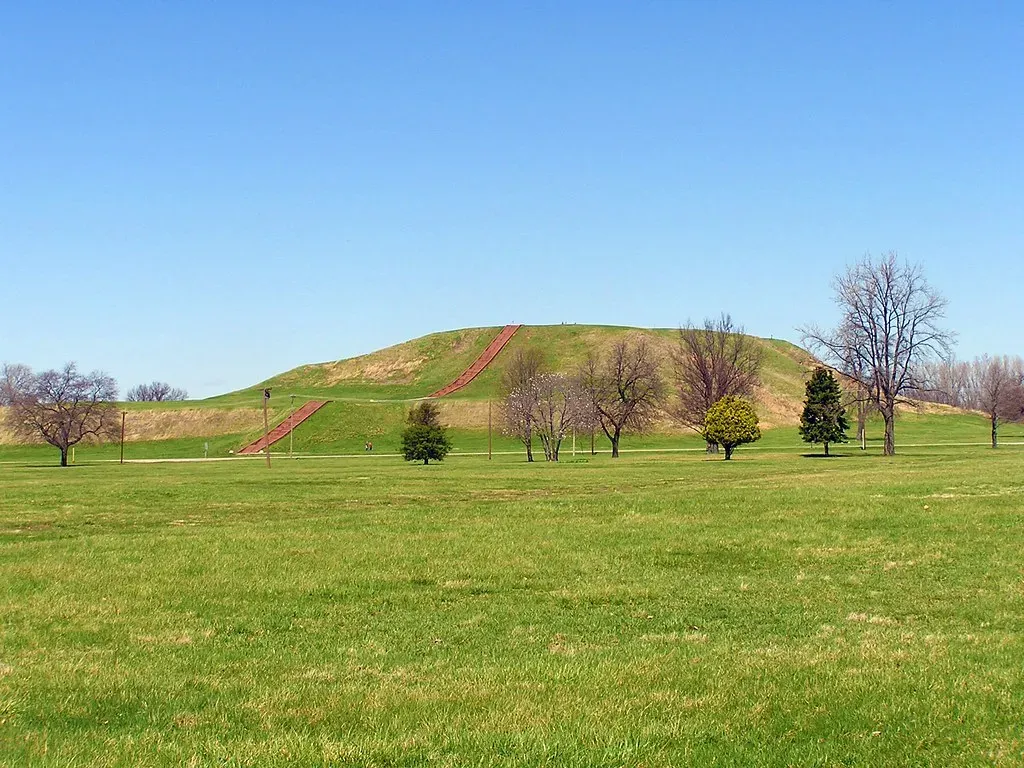
You have almost certainly never been taught in school about the city that once stood where modern-day Illinois meets the Mississippi River. At its apex around 1100 CE, the city covered about six square miles, included about 120 earthworks in a wide range of sizes, shapes, and functions, and had a population of between 15,000 and 20,000 people. Cahokia was the largest and most influential urban settlement of the Mississippian culture, which developed advanced societies across much of what is now the Central and Southeastern United States, beginning around 1000 CE.
The scale of construction at Cahokia borders on the incomprehensible. Construction made use of 55 million cubic feet of earth, and much of the work was accomplished over decades, with its highly planned, smoothed-flat ceremonial plazas sited around the mounds, suggesting the location served as a central religious pilgrimage city. Woodhenge at Cahokia is a reconstructed timber circle with posts arranged in a circle, where the original had 48 posts aligned to solstices and equinoxes, marking a solar calendar and used for astronomical observations and ceremonies. Think of it as a North American version of Stonehenge, except nobody in school ever told you about it.
Ancient Astronomical Knowledge: How Early Americans Read the Sky in Stone
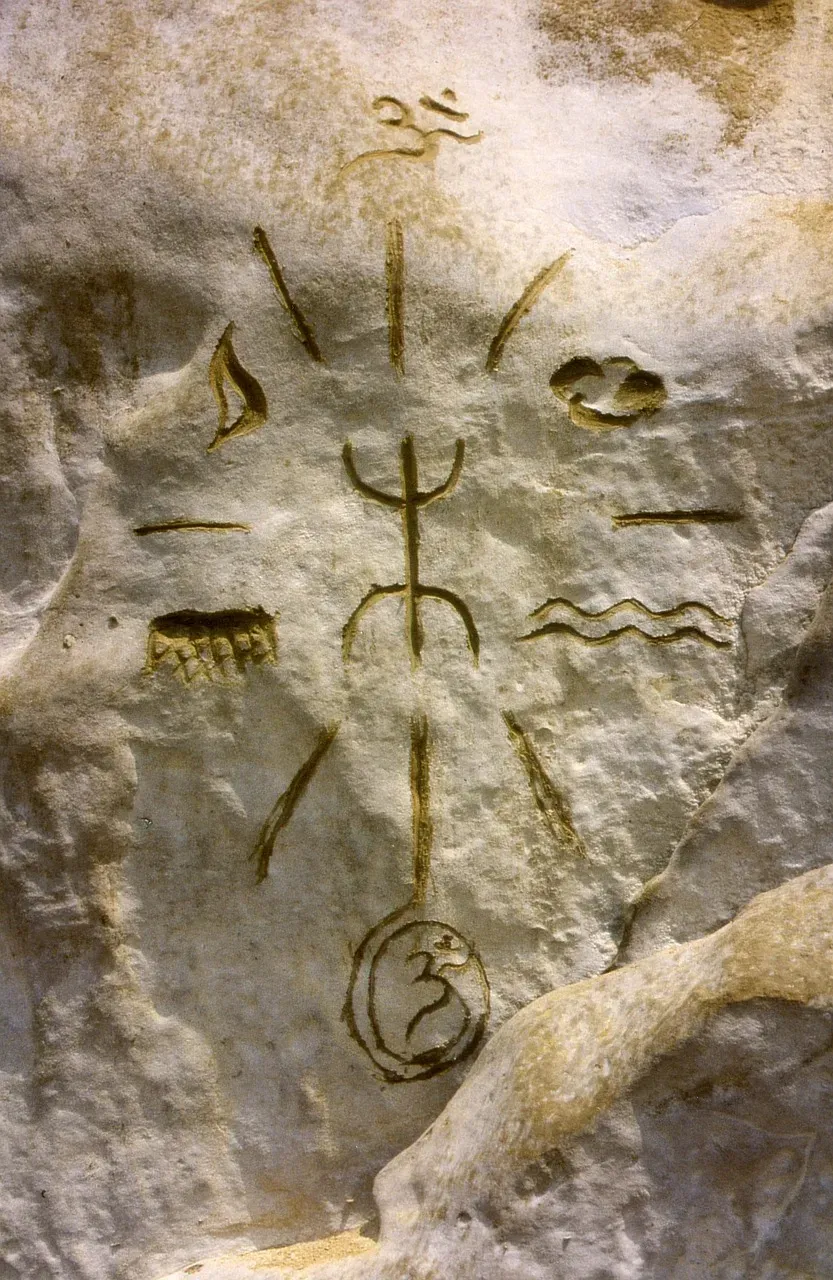
It’s easy to underestimate just how sophisticated ancient North American people were as astronomers. Let’s be real, we tend to reserve words like “advanced” and “complex” for the pyramids of Egypt or the monuments of Greece. Native American astronomy encompasses a rich and diverse understanding of the cosmos, interwoven with cultural practices and beliefs across various tribes, and from complex Mayan calendars to simpler solstice markings, early Native American civilizations demonstrated significant astronomical knowledge, which is often reflected in their creation stories and rituals.
The stone structures themselves carry the proof of that knowledge. Archaeological studies have revealed that many medicine wheels are precisely aligned with astronomical events like solstices and equinoxes, reflecting a profound understanding of celestial movements and their influence on the natural world, aiding precise calendar calculations and supporting spiritual understanding, as by carefully observing the sun’s position on these key dates, Indigenous peoples could track the passage of time, plan agricultural cycles, and predict important events. More and more evidence is accumulating to support the case for prehistoric observation-based astronomical alignments in northeast America. The sky was their calendar, and the stones were how they wrote it down.
New Technology Is Cracking Open Secrets That Stone Alone Couldn’t Tell
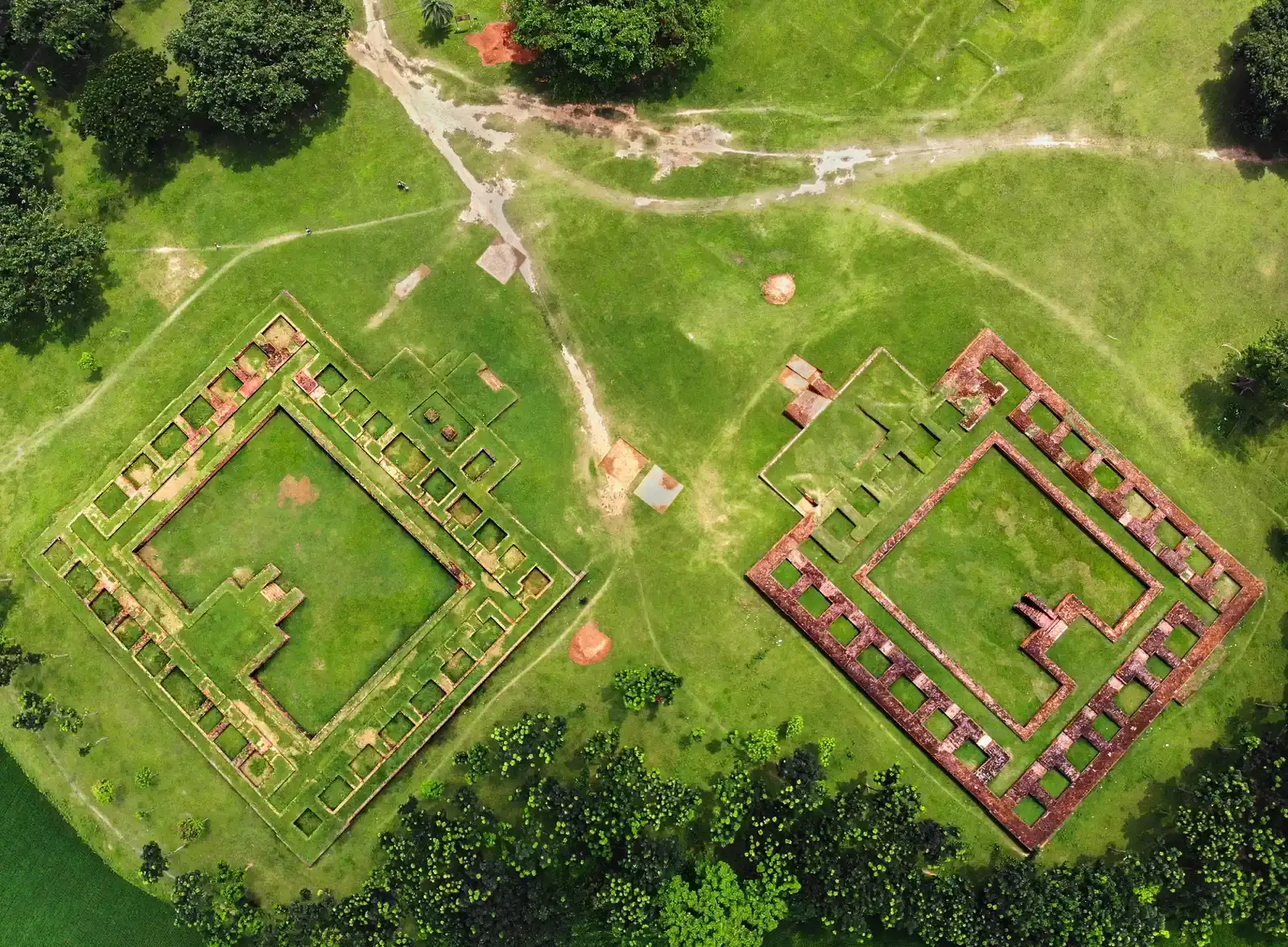
Here is where things get genuinely exciting for the world of archaeology in 2026. Tools that didn’t exist a generation ago are now stripping away centuries of forest, soil, and assumption to reveal what was always hiding underneath. LiDAR keeps scanning jungles, drones dive ever deeper, and DNA analysis rewrites the genealogy of ancient peoples. Ancient DNA, ground-sensing technology, and even artificial intelligence played a part in discoveries made recently across the globe. These tools are changing not just what we find, but what we allow ourselves to believe.
The implications for early American megaliths are profound. History and archaeology have often portrayed megalithic architecture as a cultural phenomenon specific to ancient European peoples, focusing on the study of mortuary and ritualistic constructions dating back to the Neolithic Era, yet in reality, megalithic structures have been found all over the globe, including the American continent, where different pre-Columbian cultures erected large stones to commemorate gods, represent religious symbols, or build sacred or mortuary spaces. Building with stone is considered one of the oldest, most important activities of early humans, and there’s no reason to believe this was not also done by prehistoric northeast North Americans. Every scan, every new date, every recovered artifact chips away at the assumption that North America was somehow architecturally quiet before European contact.
Conclusion: The Story Was Always Here. We Just Stopped Looking.
The megaliths of early America were never truly lost. They were overlooked, misidentified, dismissed as root cellars, or simply crowded out by a more convenient historical narrative. Yet the stones endured. The mounds endured. And now, with better tools, more open minds, and an urgent need to correct the record, the full picture of ancient American civilization is finally beginning to emerge. It is stranger, more sophisticated, and more spiritually layered than most of us were ever taught to imagine.
What strikes me most, honestly, is the sheer human determination behind all of it. Whether you’re talking about people hauling 140,000 loads of earth at Poverty Point, arranging star-aligned stones in the Wyoming mountains, or carving sacred chambers into the New England hills, you’re looking at communities who poured immense meaning into the physical world around them. They were reading the cosmos and building their answers in stone and soil. The question worth sitting with is this: How many other secrets are still out there, waiting just beneath the surface? What would you think if your entire understanding of early America had to be rewritten?