Every time a new photo of Mars drops from NASA or ESA, there’s this tiny flicker of hope: maybe this is the one, the image that finally shows something unmistakably alive. But for all the rovers, orbiters, drills, and chemistry labs we’ve sent, the Red Planet has stayed stubbornly silent. No microbes waving at the camera. No weird Martian slime clinging to the wheels. Just rock, dust, ice, and more questions.
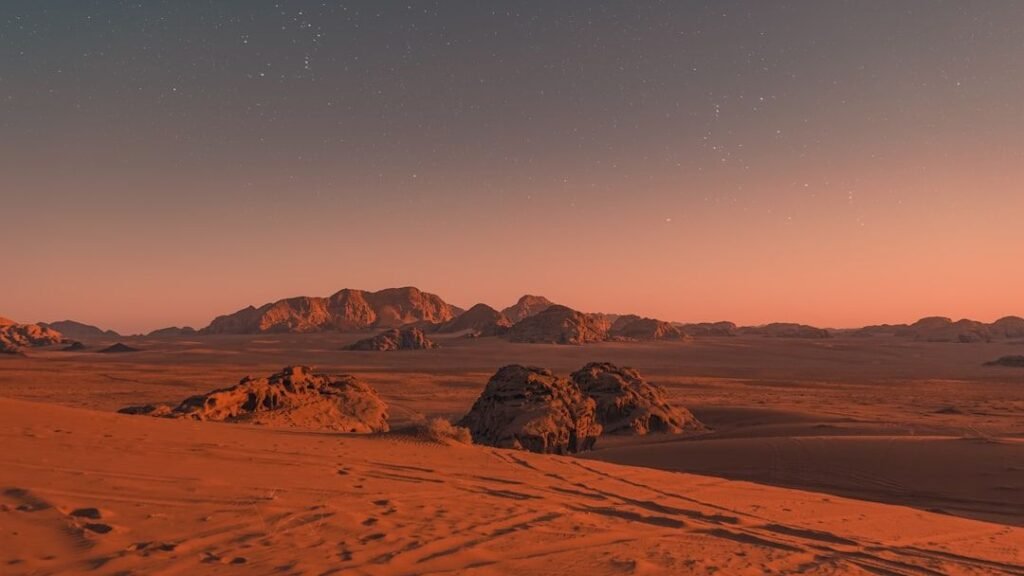
That silence is strangely haunting. Mars has ancient riverbeds, polar ice caps, and minerals that formed in water, and yet our instruments keep coming up empty. Are we looking in the wrong places, using the wrong tools, or is life simply not there anymore – if it ever was? Scientists have a few big theories about why we still don’t have a clear answer, and they’re a lot more interesting (and complicated) than just “there is no life.”
Mars May Have Lost Its Habitability Too Early
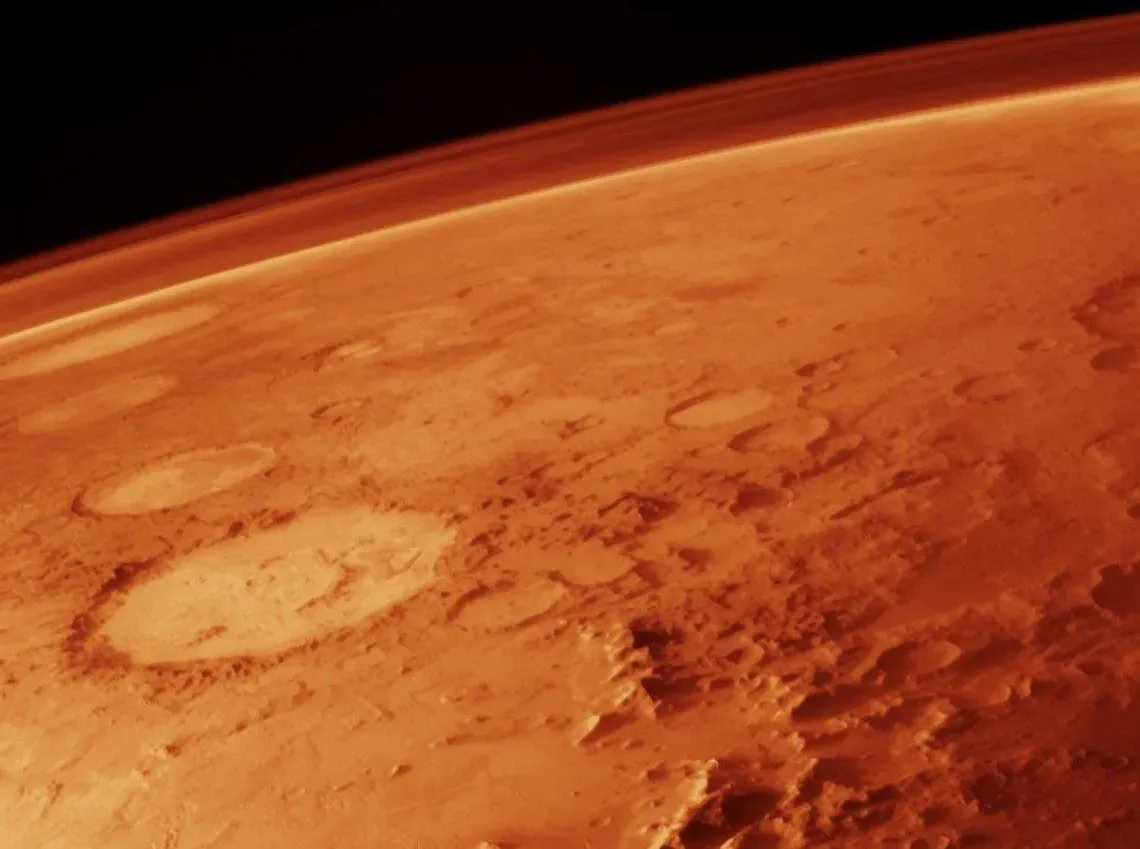
One of the leading ideas is brutally simple: Mars might have been promising for life, but only for a short window of time. Billions of years ago, Mars likely had lakes, rivers, and maybe even shallow seas, along with a thicker atmosphere that helped keep things warm enough for liquid water to exist at the surface. If life ever needed a chance, that era would have been it. But planetary history can be cruel, and Mars seems to have changed faster than life could get going – or at least fast enough to make it incredibly rare.
Over time, Mars lost most of its atmosphere to space, and with that went its ability to support stable surface water. The planet cooled, dried out, and turned into the cold desert we see today. If life did start, it might have needed millions of years of relative stability to evolve beyond very simple forms. It’s possible that habitability on Mars was like a match flaring briefly in the dark, bright for a moment and then gone before anything complex could take hold.
We’ve Mostly Looked in the Wrong Places
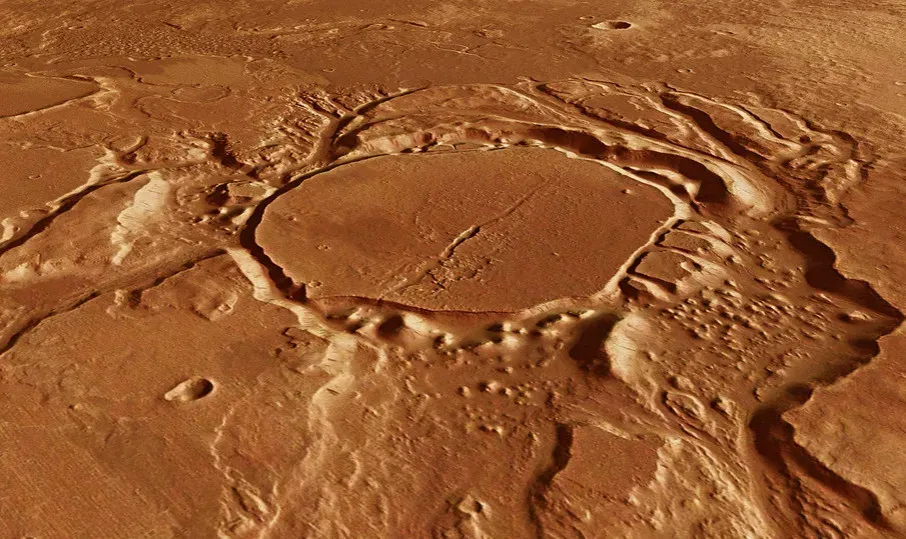
There’s a slightly embarrassing possibility: life might exist (or have existed) on Mars, and we just haven’t checked the right spots yet. Almost all of our surface missions have landed in places that are safe for robots, not necessarily the juiciest targets for biology. Flat, relatively rock-free plains are great for landings but not always the best environments for preserving delicate signatures of life. It’s a bit like trying to understand a whole city just by walking the parking lot outside the airport.
The most promising environments – ancient lakebeds, hydrothermal deposits, deep subsurface ice layers – are harder to access. Even the Perseverance rover, which is in a very promising ancient crater lake, can only scratch a few centimeters into the surface. If anything living exists today, it’s likely hidden deeper underground, where it’s shielded from solar radiation and wild temperature swings. Until we can drill meters down or bring carefully chosen samples back to Earth, we might simply be skimming over the clues.
Radiation and a Thin Atmosphere May Have Erased the Evidence
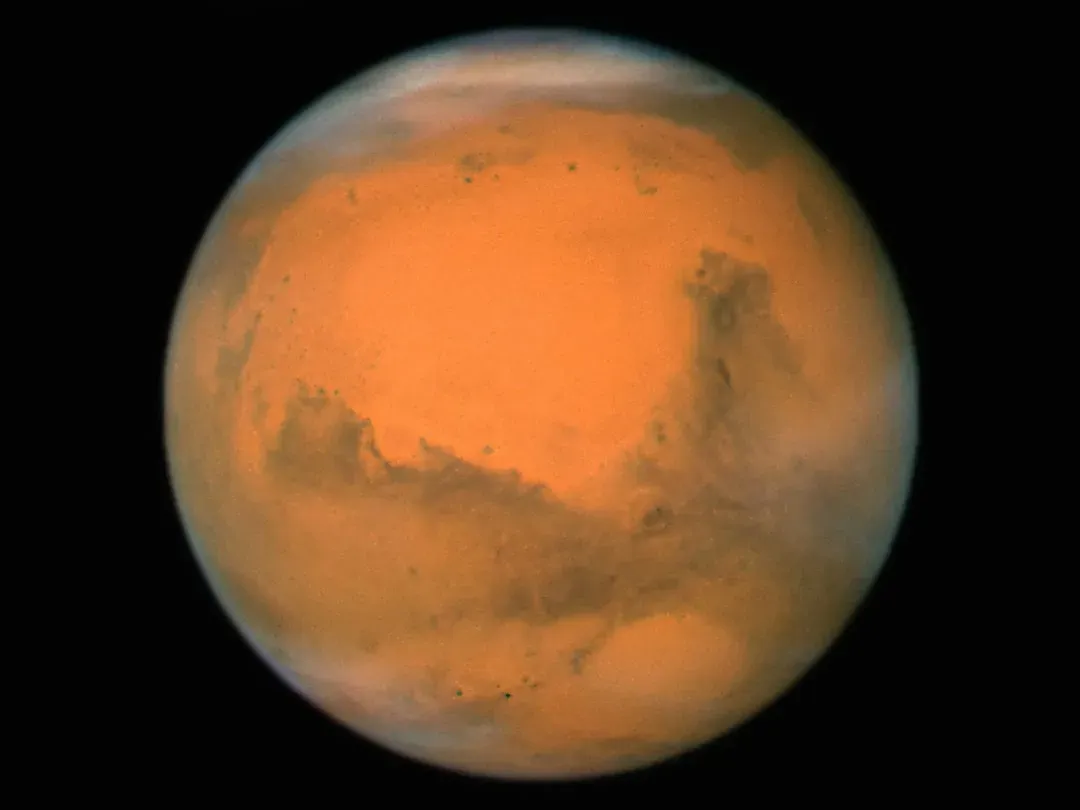
Another theory isn’t that life never existed, but that the planet has been quietly erasing the traces for billions of years. Mars has no global magnetic field and only a very thin atmosphere, which means the surface is constantly bombarded by high-energy radiation from space and the Sun. That radiation breaks down organic molecules over time, shredding the very chemical structures we look for when we search for signs of life. Even if something once lived on the surface, the fingerprints may now be scrambled beyond recognition.
This is a big deal because our rovers mostly study surface materials or just slightly beneath. Experiments that look for organic molecules have found some, but not in patterns that clearly scream “life.” Instead, we see evidence that organics – and even potential biosignatures – can be damaged or altered by the harsh Martian environment. It’s like trying to read a book that’s been left outside for ages in the sun and rain; eventually, the pages fade, tear, and become unreadable, even if the story was once there.
Life Might Be There, But in Extremely Simple or Sparse Forms
There’s a humbler, more patient theory: maybe life on Mars is not dramatic or obvious. If Martian life exists today, it’s probably microbial, deeply buried, and incredibly sparse. We’re talking tiny communities of organisms clinging to marginal energy sources, surviving in films of salty brine or trapped in microscopic pockets within rocks. That kind of life doesn’t leave spectacular fossils or bright green patches on the soil. It’s almost designed to be overlooked by cameras and quick chemical tests.
On Earth, we’ve found microbes living kilometers underground, in such low densities and with such slow metabolisms that their entire communities barely change over thousands of years. If Mars has anything similar, our current search methods might not be sensitive enough to distinguish their faint chemical whispers from the non-biological background. The harsh truth is that finding a few cells per cubic meter, or extremely subtle metabolic byproducts, is far from easy on another planet – especially when your tools have to survive launch, space, landing, and Martian dust storms.
Our Instruments and Experiments May Be Too Limited or Too Earth-Centric
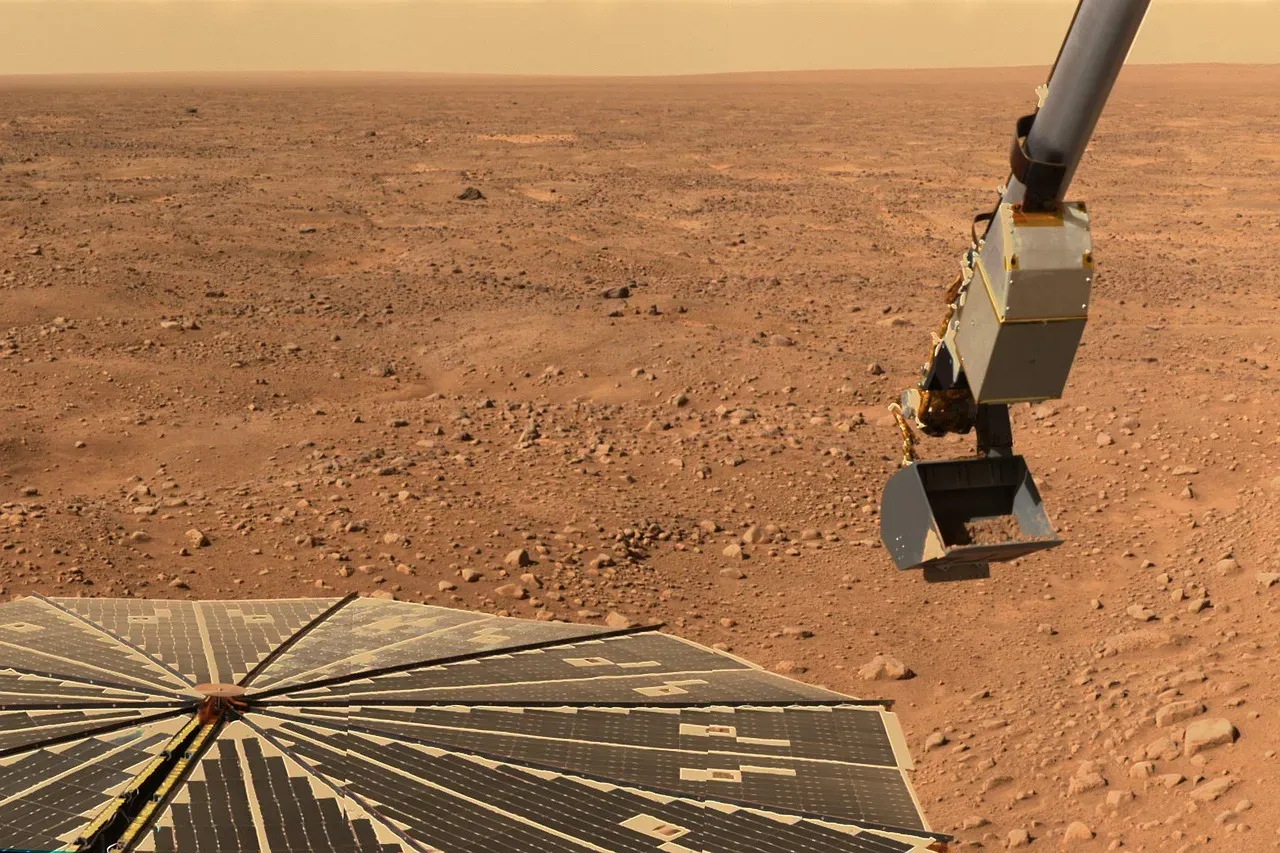
Every mission to Mars carries a small, carefully chosen set of tools. Those tools are designed by humans who have exactly one example of life to work with: life on Earth. Most of our experiments are tuned to detect the types of chemistry Earthly organisms use – carbon-based molecules with certain structures, specific isotopic patterns, or familiar metabolic gases like oxygen, methane, or carbon dioxide in particular combinations. But what if Martian life, past or present, plays by slightly different rules?
There’s also the catch that instruments on rovers have to be miniaturized, rugged, and power-efficient, which forces a lot of compromises. Some of the experiments that would be ideal for detecting delicate biosignatures are difficult to fly or operate remotely. It’s possible that our robotic labs are a bit like trying to diagnose a complex illness with only a basic first-aid kit. We may not be missing life because it isn’t there, but because our questions are too narrow and our tools too blunt for the full range of possibilities.
Life Never Started There in the First Place
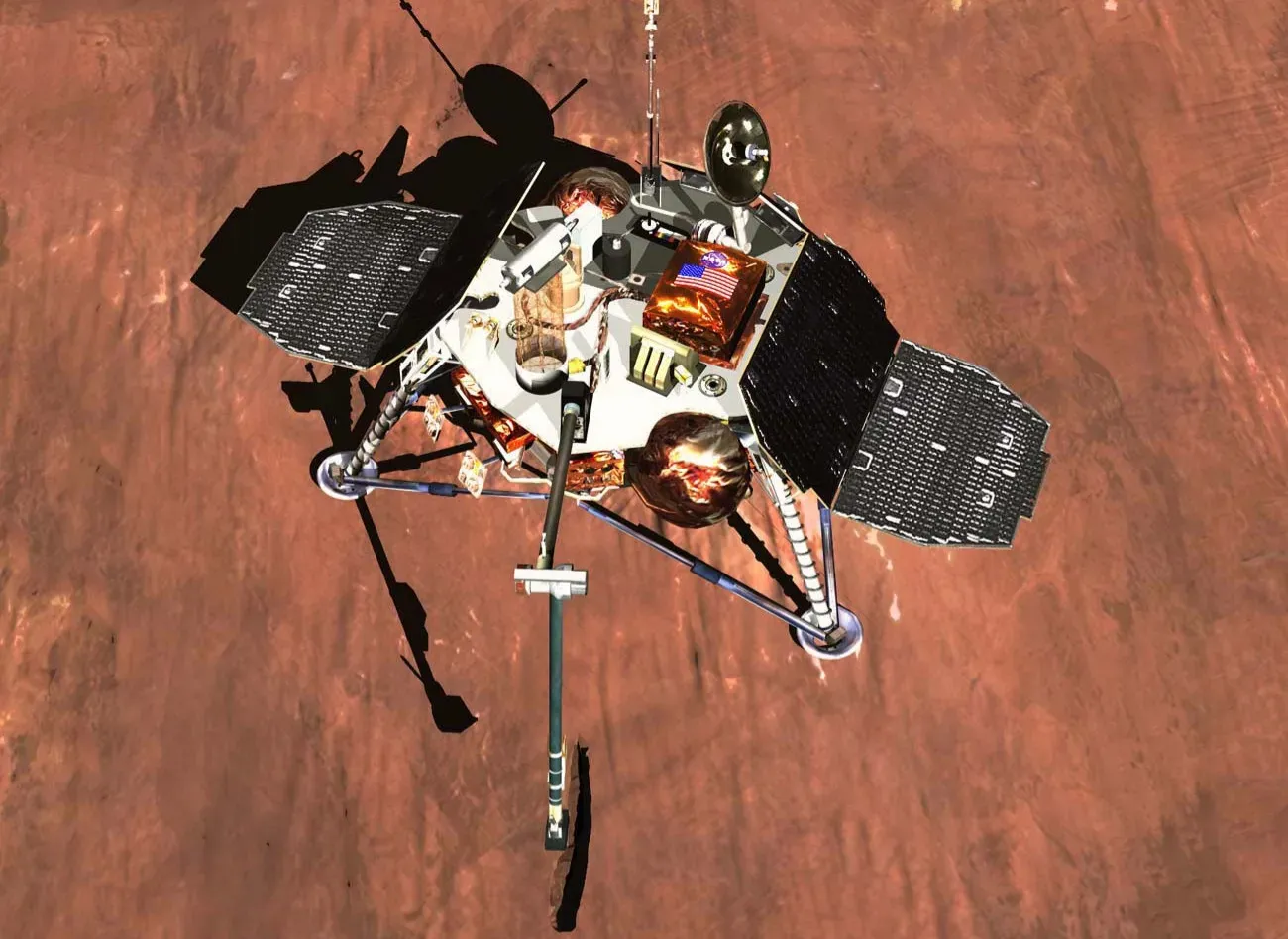
Then there’s the stark, unsettling possibility: Mars simply never developed life at all. Maybe the ingredients were there – water, the right minerals, some basic organics – but the spark never caught. Origin-of-life chemistry is still a mystery even on Earth; we don’t fully understand how non-living chemistry assembled into self-replicating systems. It could be that this process is incredibly rare or fragile, needing just the right combination of conditions, timing, and planetary stability that Mars never quite managed to sustain.
This idea paints a sobering picture of the universe. If Mars had water, energy, and the same basic chemistry, yet still remained lifeless, it might mean that Earth is more of a cosmic exception than we’d like to believe. On the other hand, if we eventually confirm that Mars is sterile, it will also sharpen our understanding of what truly makes a world come alive. Either way, the emptiness would still teach us something profound about how special – or how fragile – life really is.
Why haven’t we found life on Mars yet? It could be that we’re late to the party, that the planet’s brief habitable era ended long ago and erased most of the clues. It could be that life is still there, tucked away underground in tiny, quiet pockets we haven’t reached. Or it might be that our tools, expectations, and Earth-based assumptions are blinding us to what we should really be looking for.
There’s also the unsettling possibility that Mars never crossed the line from chemistry to biology, leaving it as a kind of frozen “what if” in our own cosmic backyard. The next generation of missions – especially sample return and deeper drilling – will push these theories harder than ever. Whatever they find, the answer will reshape how we think about life in the universe and our place in it. Which theory feels most convincing to you right now?