
Some of the most advanced machines on Earth still struggle to recognize the earliest signs of an incoming disaster. Yet a dog in a quiet village, a colony of ants under a rock, or a school of fish in deep water might react hours before the first alert reaches our phones. It feels almost supernatural when animals flee, hide, or go silent right before something terrible happens, but much of it is rooted in senses and instincts that humans simply do not have.
Scientists in recent years have started taking these strange behaviors more seriously, using GPS collars, camera traps, and acoustic sensors to track what wild and domestic animals do before earthquakes, tsunamis, volcanic eruptions, or major storms. The more we look, the clearer it becomes: animals are not magical prophets of doom, but they are astonishingly sensitive to subtle environmental shifts that we barely notice. If we listen carefully, their behavior might one day become part of an early-warning system that saves lives.
1. Dogs That Panic Before Earthquakes

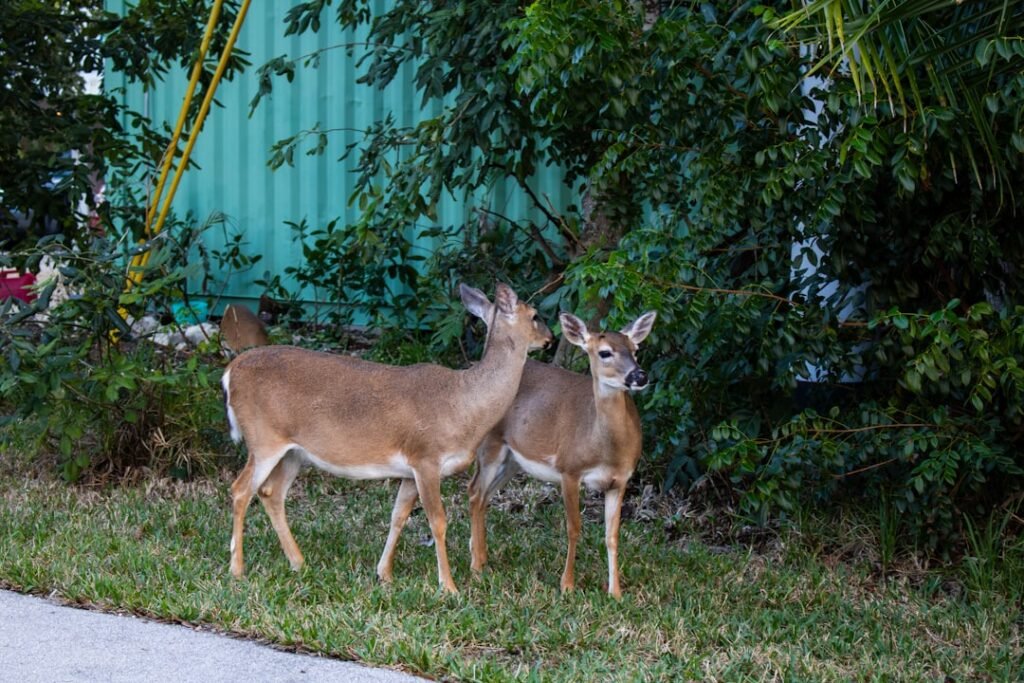
Stories of dogs whining, pacing, or bolting out of houses right before the ground starts shaking go back centuries, and they keep surfacing after major quakes even today. Some dogs suddenly refuse to go indoors, others scratch at doors to escape, and a few become uncharacteristically clingy or aggressive in the hours before a tremor. For families who have seen it up close, it can be deeply unsettling, like watching an alarm go off that only the dog can hear.
Researchers suspect that dogs may detect tiny foreshocks, subtle vibrations, or low-frequency sounds traveling through the ground that humans cannot sense at all. They may also pick up on changes in air ions, ground gases, or even shifts in human behavior as people subconsciously react to micro tremors. Not every dog reacts, and not every reaction means a quake is coming, which makes this tough to use as a hard prediction tool. But when enough dogs in the same area behave strangely at once, it raises an intriguing question: what exactly are they feeling that we are missing?
2. Elephants That Flee Before Tsunamis
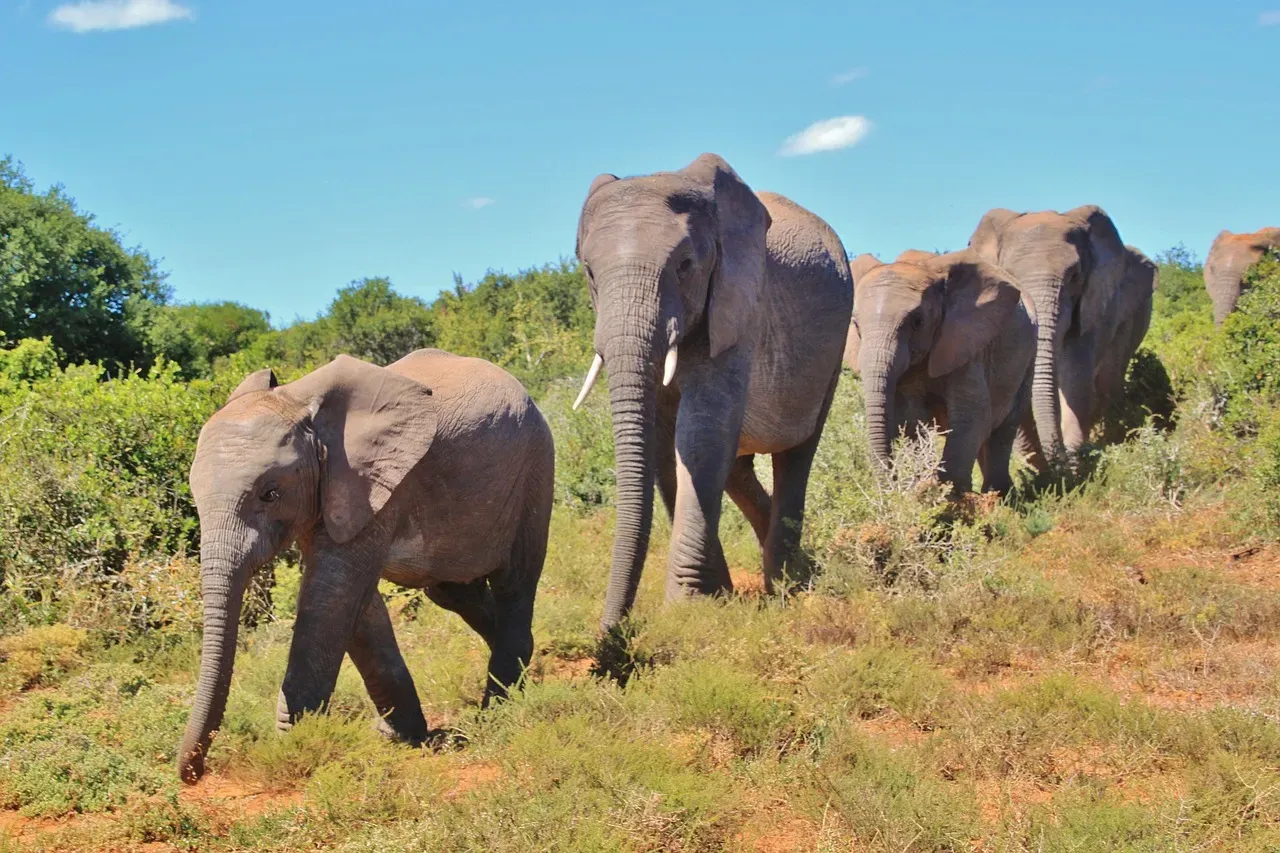
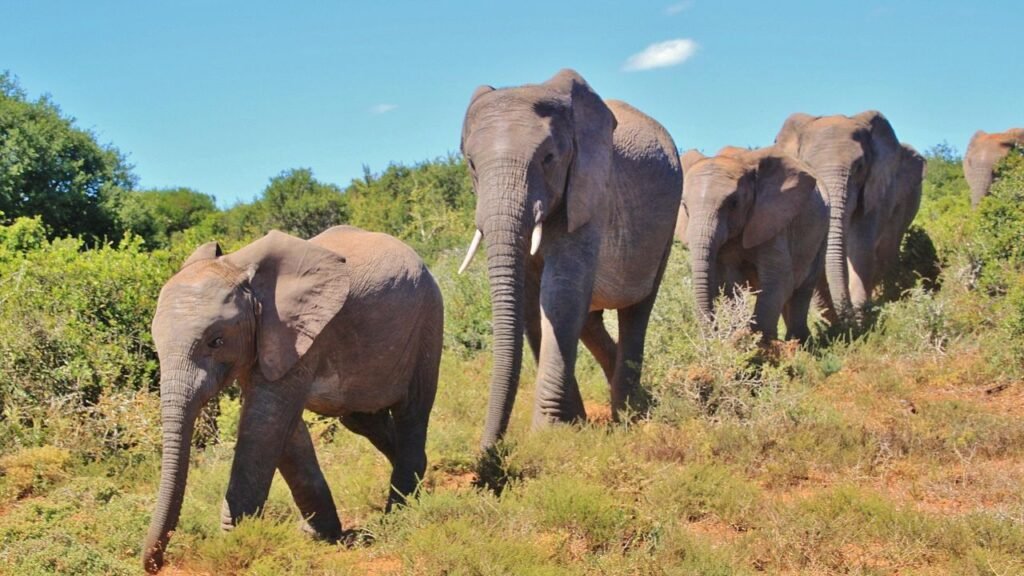
One of the most striking examples of animal foresight comes from elephants near coasts hit by tsunamis. Witnesses have described elephants trumpeting, breaking their tethers, and running inland toward higher ground long before ocean water charged ashore. In several cases, captive elephants reportedly refused to carry tourists on beaches and instead pulled them away from danger, as if driven by sheer panic.
Elephants have remarkable hearing and can detect very low-frequency sounds and vibrations through both their ears and the soles of their feet. When an undersea earthquake or tsunami generates powerful waves and pressure changes, elephants may feel the seismic energy or hear infrasound long before visible signs appear. Their instinct seems to translate that strange sensation into one simple response: move, and move fast. If we had paid closer attention to their stampedes in the past, some coastal communities might have had precious extra minutes to escape.
3. Birds That Fall Silent Before Storms and Eruptions
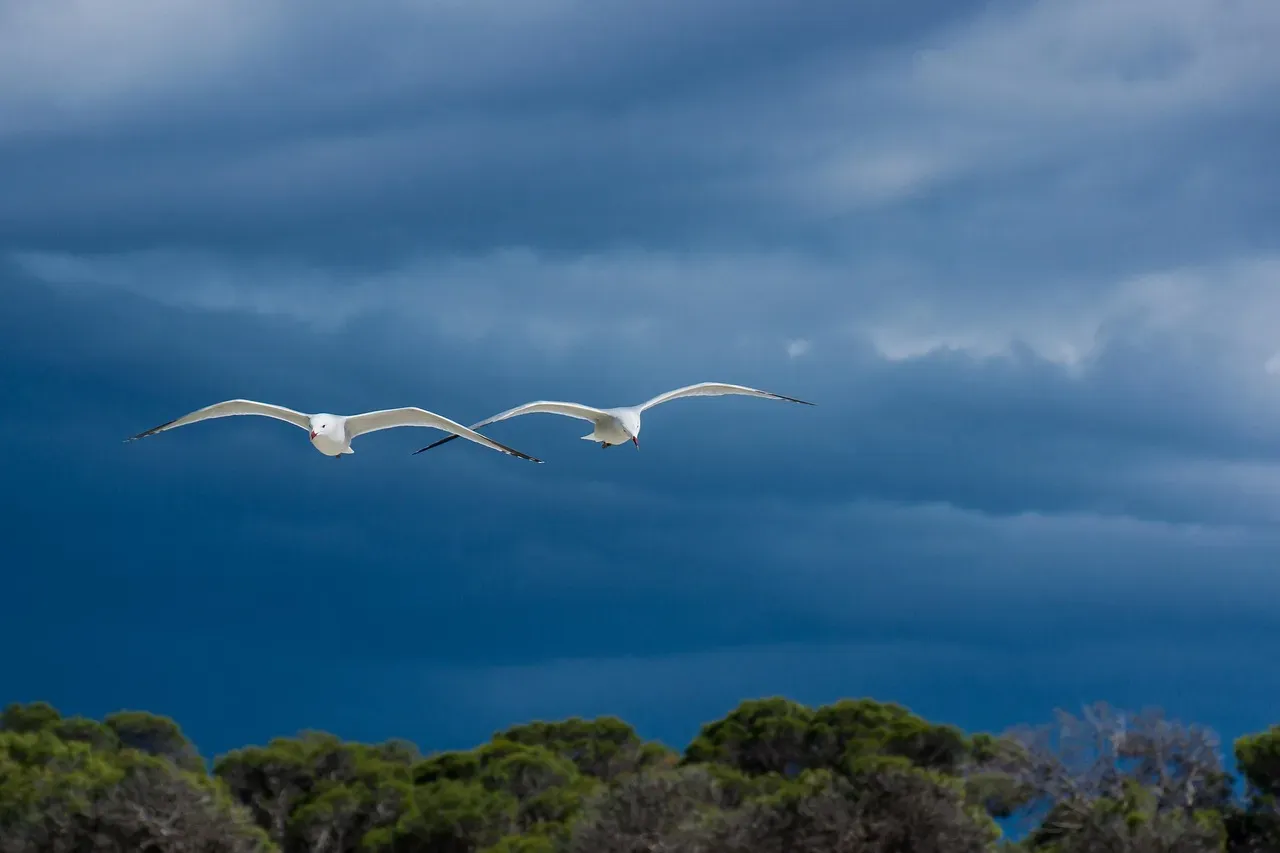
Spend time outside and you start to realize that silence can be just as loud as noise. Before some major storms or volcanic eruptions, people have reported forests going eerily quiet, as if someone suddenly turned down the volume on nature. Birds that were singing moments before may vanish into dense cover or take off in large flocks, leaving behind a heavy, uncomfortable stillness.
Birds are highly attuned to pressure changes in the atmosphere and can detect shifts in wind patterns, temperature, and even faint chemical cues far earlier than we do. When a severe storm or eruption is brewing, the sky and air may look normal to us, but to birds the world already feels wrong. Their choice to hide, conserve energy, or migrate away is a survival strategy wired by evolution, not an act of prophecy. That spooky quiet is nature’s version of an alarm siren, if we choose to notice it.
4. Fish and Marine Life That Sense Tsunami Shockwaves
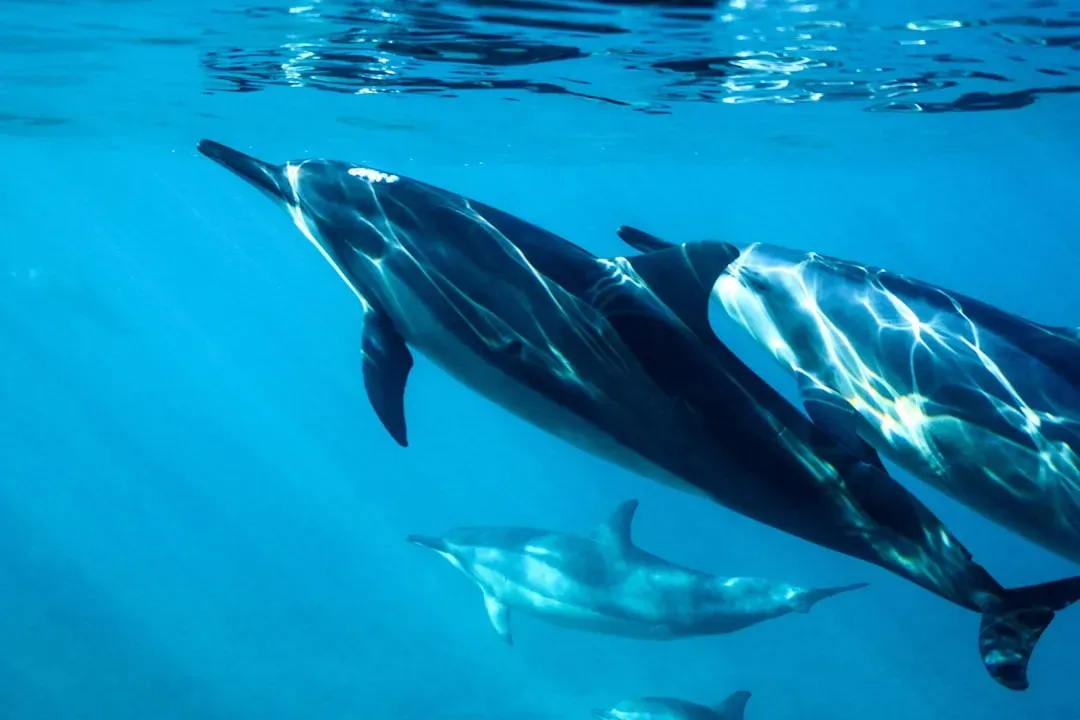
Fishermen and coastal residents have often noticed bizarre behavior in fish, dolphins, and other marine animals before tsunamis or undersea earthquakes. Schools of fish may suddenly dive deeper, abandon shallow reefs, or move erratically, while some species appear closer to shore than usual. To someone watching from a boat, it can look like the entire underwater world is suddenly nervous.
Water carries sound and pressure waves extremely efficiently, and marine animals are built to read those signals with remarkable precision. Many fish have specialized organs that sense pressure, and whales and dolphins can detect infrasonic sounds that travel huge distances through the ocean. When a quake or tsunami disturbs the seafloor, these creatures may feel the disturbance long before the first surface wave forms. While human instruments now measure these events with great accuracy, animal responses still offer a raw, real-time perspective from inside the ocean itself.
5. Ants and Insects That Change Their Routines Before Quakes
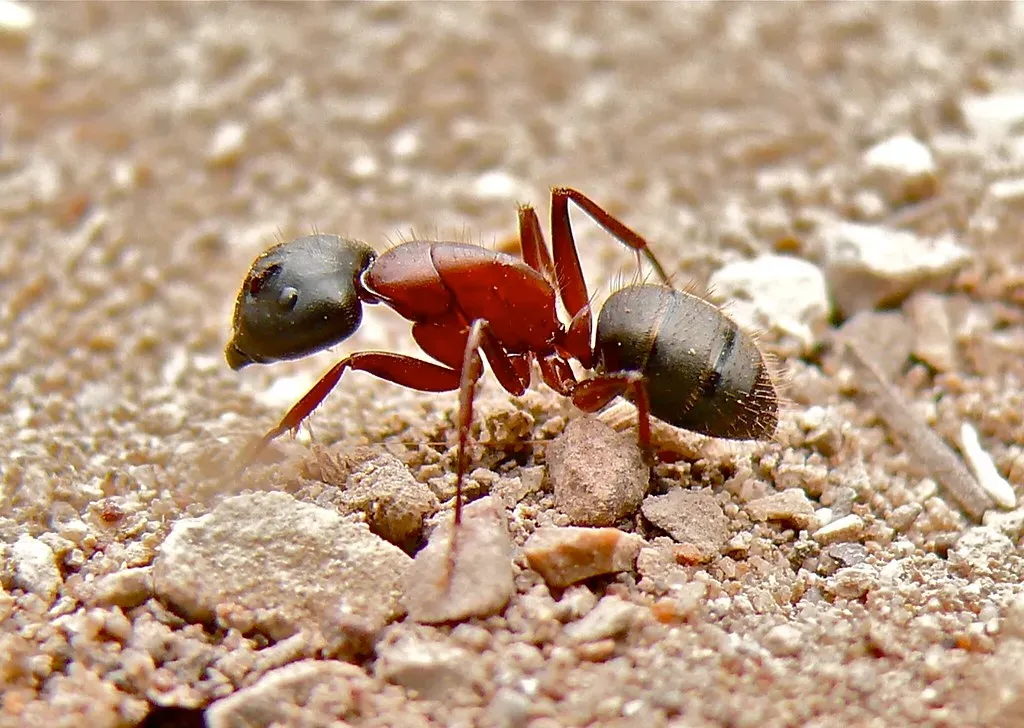
It might sound strange, but some of the most convincing patterns linked to earthquakes come from ants. Observers have noticed red wood ants abandoning their nests, moving eggs, or shifting their daily activity rhythm in the days or hours before seismic events. Colonies that were normally busy at night may suddenly stay hidden, while others relocate parts of their nest away from cracks in the ground.
Scientists studying these behaviors have suggested that ants could be responding to changes in gas emissions from the soil, shifts in electromagnetic fields, or micro vibrations too weak for humans to sense. Since ants live in such close contact with the ground, even tiny changes in soil chemistry or humidity affect them quickly. They do not know an earthquake is coming in any conscious way, but their survival instincts push them to adapt their routines when the environment feels unstable. Watching the smallest creatures closely might one day sharpen our understanding of Earth’s quiet warnings.
6. Snakes, Frogs, and Reptiles That Vanish Before Disasters
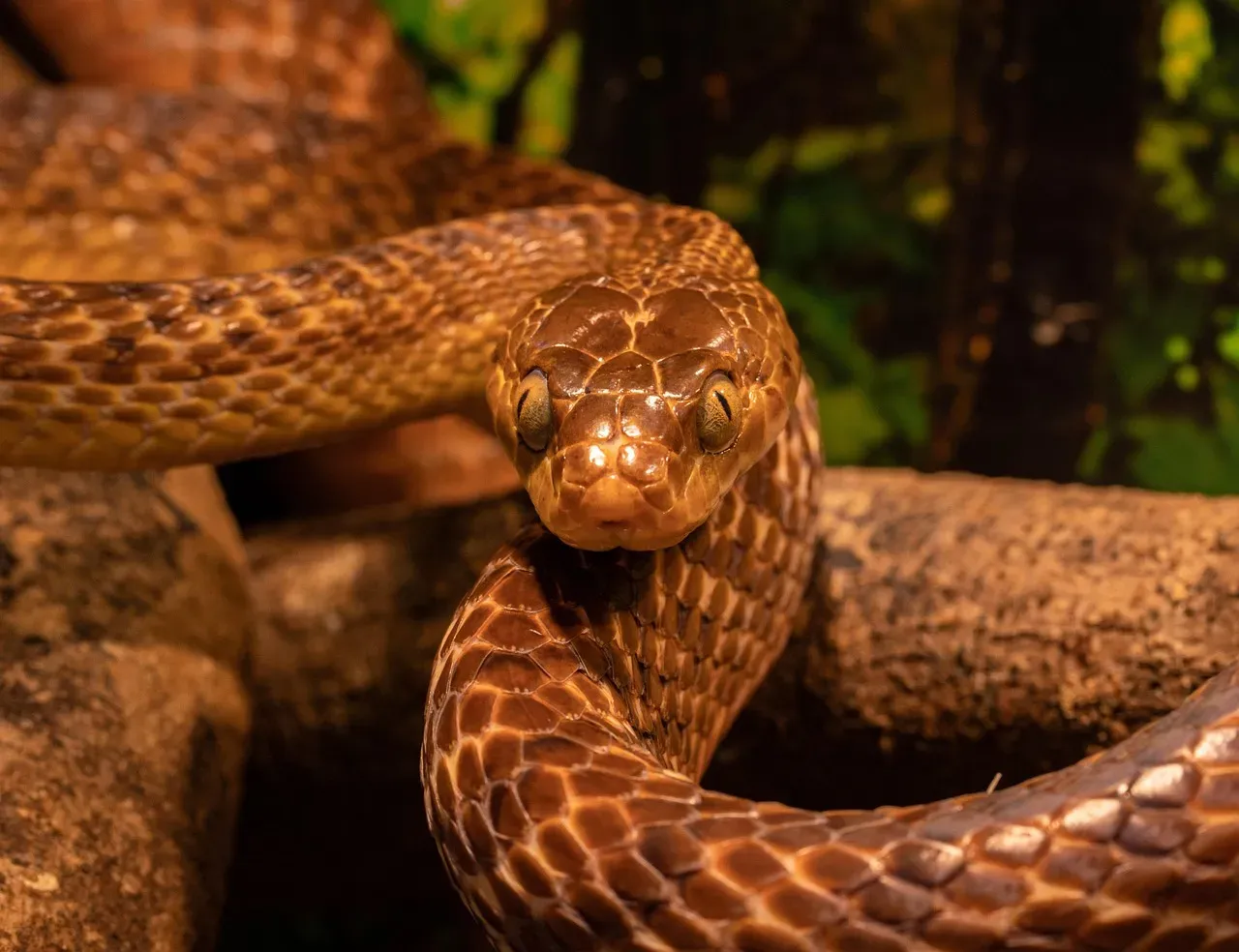
Reptiles and amphibians often disappear or behave oddly before earthquakes, floods, or cold snaps. People living near rivers and rice fields have reported frogs going silent or leaving water bodies en masse ahead of heavy flooding, while snakes have been seen emerging from underground hiding places days before a major quake. To locals who pay attention, the sudden absence or mass movement of these animals can feel like a flashing red light.
These creatures are extremely sensitive to ground moisture, temperature, and vibrations, and many depend on small environmental cues to regulate their hibernation or breeding cycles. When those cues suddenly change, they react quickly because their survival window is small. A snake may leave a burrow if the soil starts vibrating subtly or if gases seep up from deep below. Frogs may climb to higher ground when water chemistry or pressure hints at incoming floods. It is less a prediction and more an urgent reaction that just happens to precede the disaster humans will later name.
7. Farm Animals That Refuse Shelter Before Storms
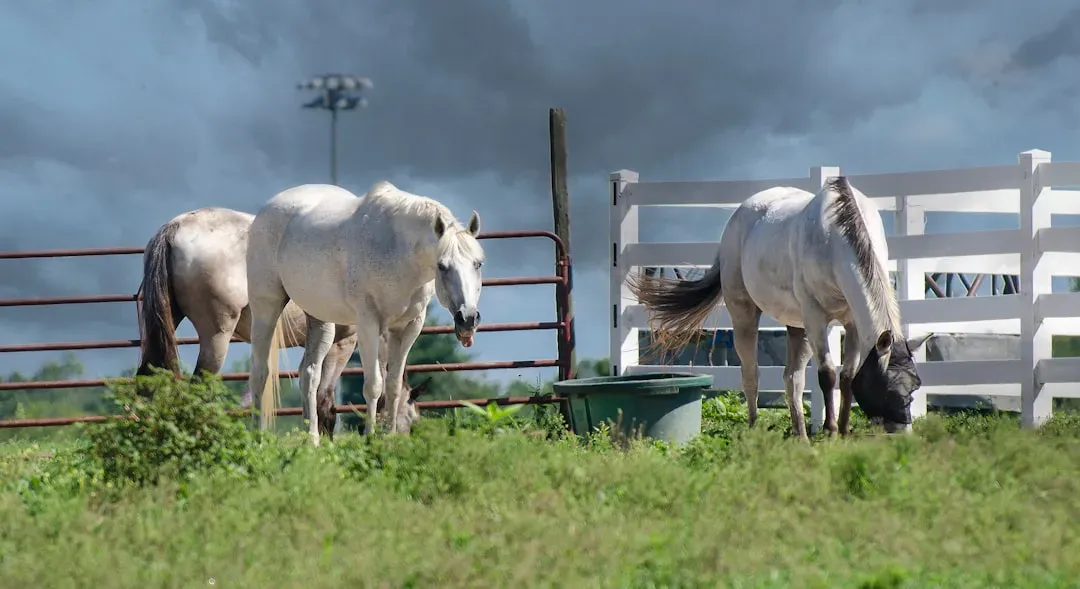
Farmers around the world quietly rely on their animals as unofficial weather forecasters. Cows that bunch together tightly, horses that become restless, and chickens that suddenly rush to roost in broad daylight can all signal that something fierce is brewing in the sky. Before intense thunderstorms, hurricanes, or blizzards, some animals refuse to leave open fields or, paradoxically, refuse to step outside at all, as if torn between instinct to flee and instinct to hunker down.
These reactions likely stem from a mix of sensory inputs: changes in barometric pressure, distant thunder, static electricity in the air, and even the metallic scent of ozone. Large mammals like cows and horses feel these shifts more acutely than we do, especially when they spend all day outside with no artificial shelter from weather cues. I still remember growing up near a small farm where the cows always seemed to gather and face the same direction an hour before a big storm, long before the first rumble reached us. It felt like they were reading a secret script in the clouds.
8. Cats, Goats, and Collared Wildlife Used as Living Sensors
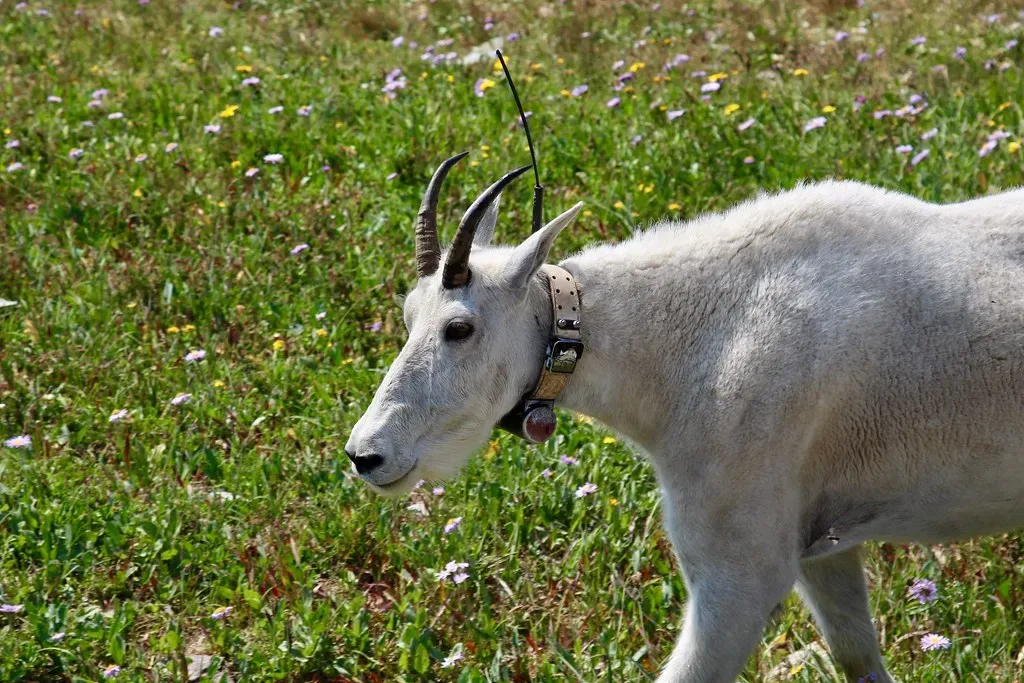
In the last few years, scientists have started turning animal behavior into data instead of just stories. By attaching GPS collars and motion sensors to goats, cows, birds, and wild animals, researchers can track changes in movement patterns around the clock. In some mountainous regions, goats wearing collars showed sudden bursts of activity and changes in how far they roamed in the hours before certain earthquakes, hinting at a measurable warning signal hidden in their daily lives.
This idea of using animals as living sensors is both fascinating and controversial. On one hand, it respects what animals already do naturally and tries to translate it into something humans can understand. On the other, it raises questions about how we treat these creatures if we start depending on them as part of a formal warning system. Still, combining satellite data, seismographs, and animal movement patterns might prove far more powerful than any one method alone. It suggests a future where listening to the wild is not a romantic notion, but a practical step in protecting ourselves.
Listening to the Wild Before It Screams
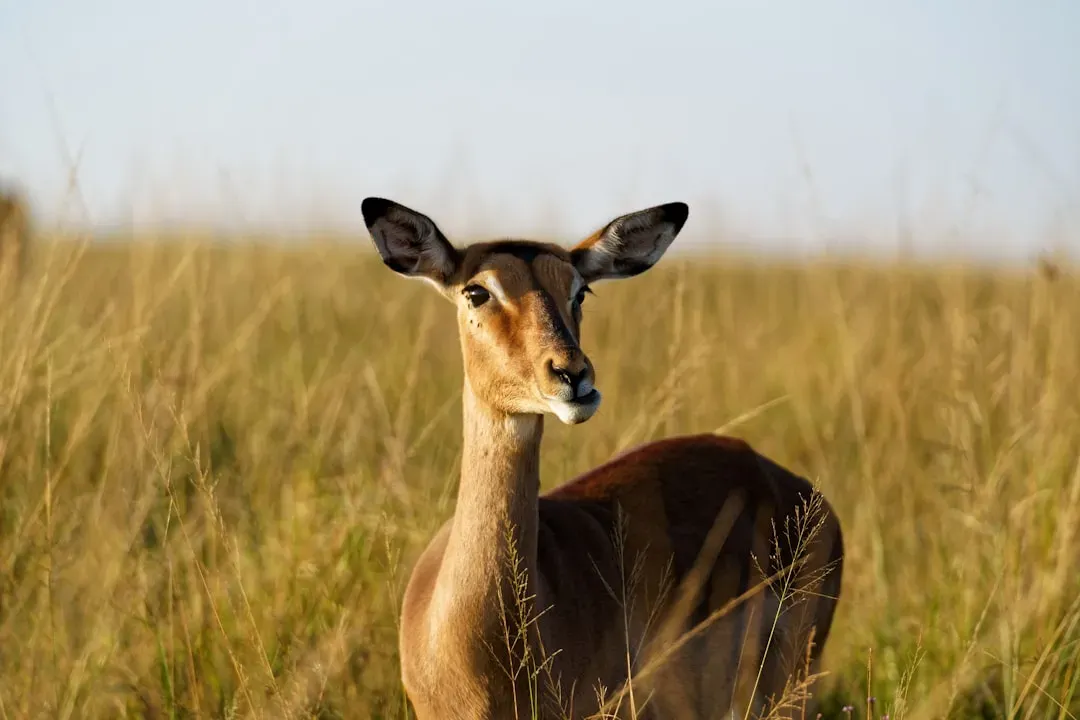
The patterns behind animal reactions to natural disasters are not perfect, and they never will be. For every dog that panics before an earthquake, there are others that sleep straight through it; for every elephant that flees a tsunami, there are birds or fish that do nothing unusual at all. But taken together, these stories and studies draw the same picture: animals are wired into the physical world in ways we have largely forgotten how to feel. Their survival depends on reading tiny changes long before they explode into chaos.
We should not romanticize animals as mystical seers, yet ignoring their behavior seems equally careless in a time when disasters are hitting harder and more often. The real opportunity lies in pairing their ancient instincts with our modern tools, from sensors and satellites to careful observation by people on the ground. Maybe the most important step is simply learning to pay attention again, to notice when the forest goes quiet, when the cattle shift, when the dog will not rest. If the Earth whispers through its animals before it roars at us, why wouldn’t we at least try to listen?