Every time we think we’ve got nature figured out, an animal does something so bizarre it makes scientists sit back and say, “Wait… what?” For all our satellites, supercomputers, and gene sequencers, there are still wild, confusing mysteries happening every single day in forests, oceans, and even our backyards.
Some of these behaviors are almost spooky, like animals predicting disasters before they happen. Others are so tender and emotional that they challenge how we think about intelligence and feelings in non-human creatures. Let’s dive into nine of the strangest animal behaviors that, even in 2026, science still can’t fully explain.
1. Whale Strandings That Happen Without Clear Reason
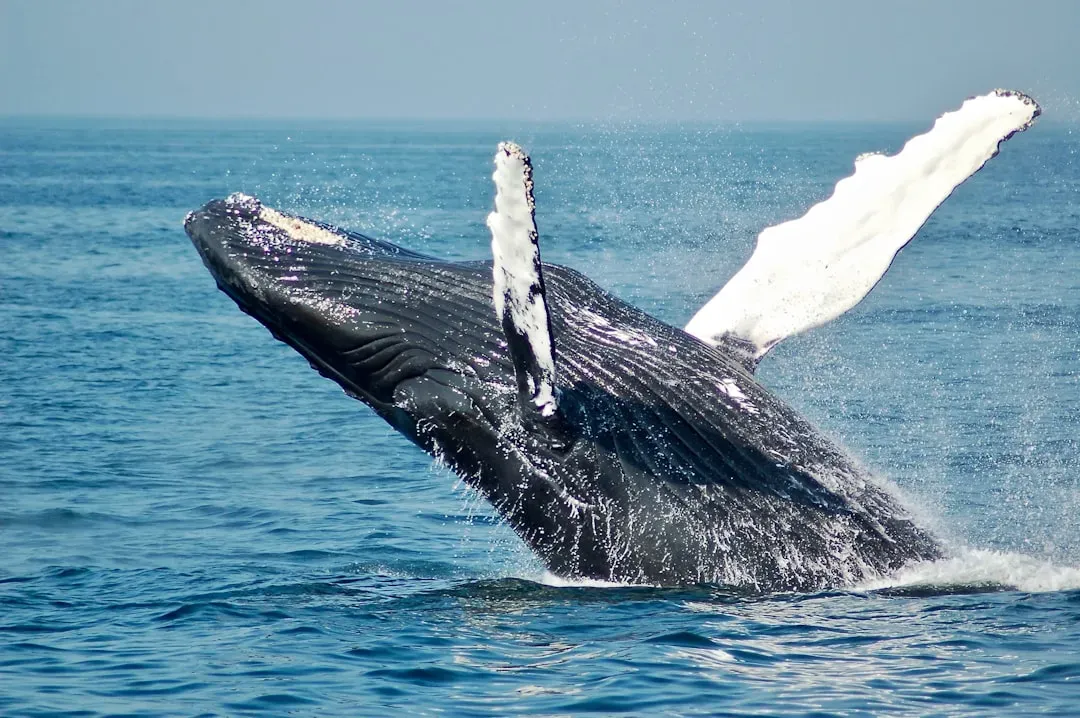
Picture this: a whole group of massive, healthy whales suddenly beaching themselves on a quiet shoreline, sometimes stretching for hundreds of meters. It’s heartbreaking to watch and even more frustrating because, in many cases, no one knows exactly why it happened. Scientists have linked some strandings to naval sonar, shifting magnetic fields, or chasing prey too close to shore, but those explanations don’t fit every event.
In a lot of mass strandings, there are no obvious injuries or signs of illness, and water conditions look normal. Some researchers suspect deeply social behavior might play a role, where one confused or sick leader heads in the wrong direction and the rest of the pod loyally follows. Others wonder if subtle changes in the Earth’s magnetic field can throw off whale navigation like a broken GPS. The truth is, even with modern tracking tags and satellite data, many strandings still end with more questions than answers.
2. The Eerie Death Circles of Ants and Army Insects
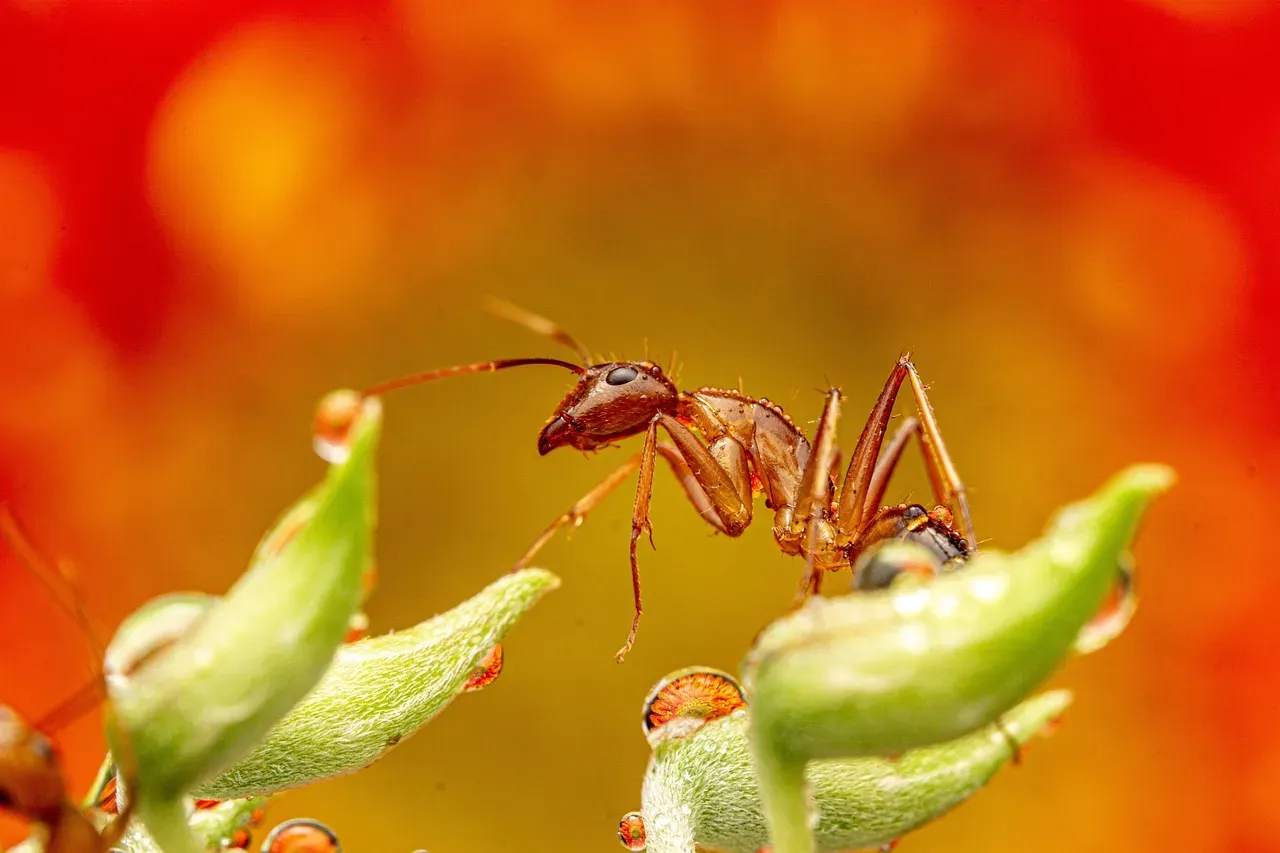
If you’ve ever seen a video of army ants marching in a perfect circle until they literally die of exhaustion, it feels like watching a glitch in nature. These so‑called “ant mills” form when the ants lose track of the main trail and start blindly following each other in a loop. What’s astonishing is how organized and precise the circle can be, like someone hit repeat on their behavior.
Scientists understand the basics: ants follow chemical trails, and when those trails get scrambled, they can end up in a feedback loop. What they don’t fully get is why some situations spin out of control into these fatal spirals while others correct themselves. The same kind of looping behavior has been seen in other social insects too, hinting at a deeper, shared pattern in group behavior and crowd dynamics. It’s like watching a living metaphor for how blindly following the group can literally lead nowhere.
3. The Mysterious Dance of Pigeon and Bird Navigation
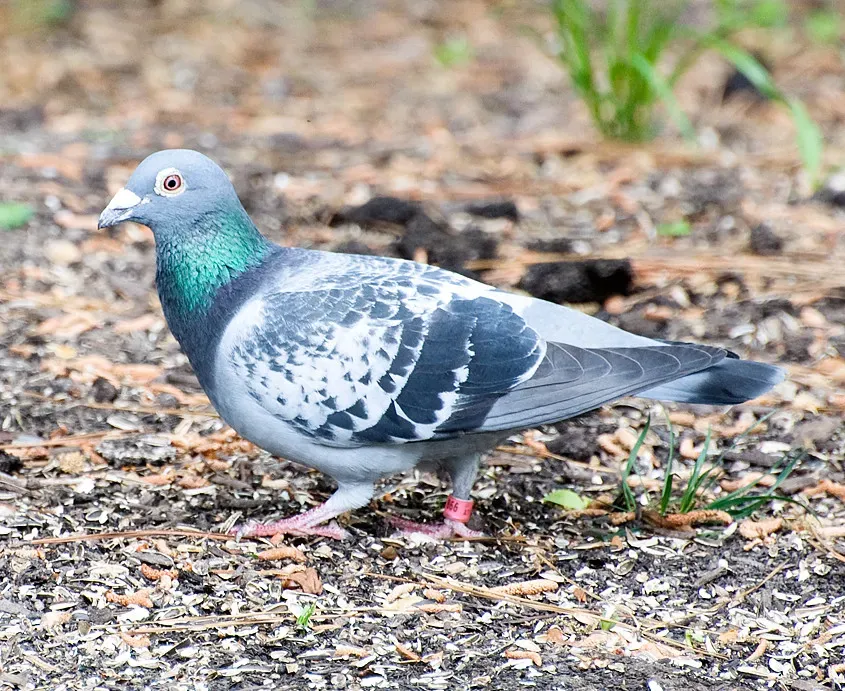
Pigeons can find their way home from places they’ve never seen, over distances that would leave most of us hopelessly lost without a map. Migratory birds routinely fly thousands of kilometers across oceans and continents, often ending up at the exact same tree, rooftop, or pond year after year. The obvious guess is that they follow the sun, stars, landmarks, and smells – and there’s evidence for all of that – but something is still missing.
Researchers strongly suspect that many birds can actually sense Earth’s magnetic field, like having a compass built into their eyes or brain. Experiments have hinted that certain light-sensitive molecules in their eyes might respond to magnetism, basically letting them “see” direction. But no one has nailed down the full mechanism or why some birds are dramatically better navigators than others. The result is a weird half-answer: we kind of know what’s happening in theory, but we can’t fully explain how this incredible internal GPS system truly works.
4. Dolphins That Seem to Heal at Supernatural Speed
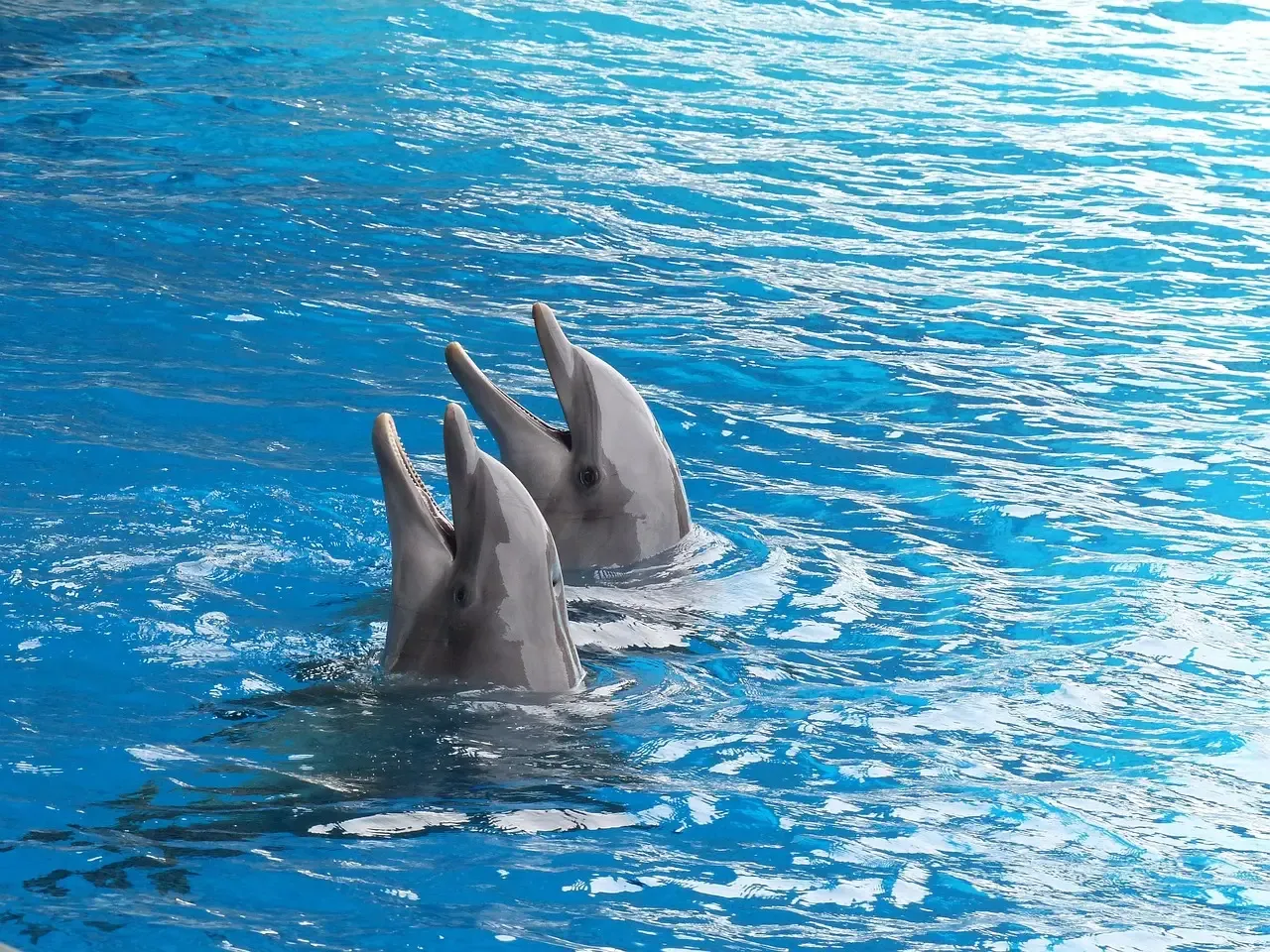
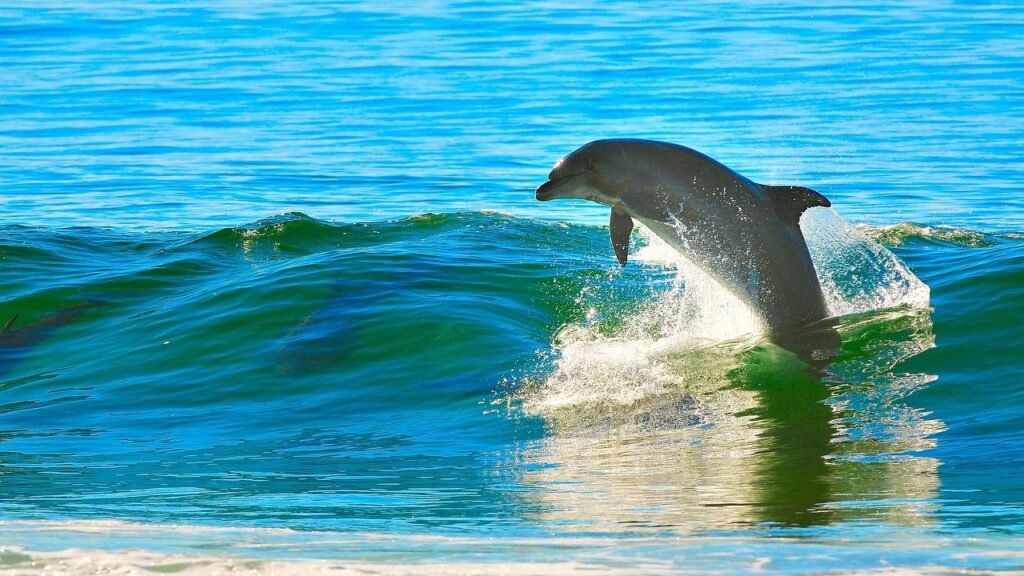
Dolphins can suffer deep bite wounds from sharks and then recover with almost no scarring, no obvious infection, and no apparent long‑term damage. In humans, the same kind of injury would mean surgery, stitches, and a high risk of complications. In dolphins, it often means a smooth, almost clean-looking patch of skin a few weeks later, like nothing happened. To be honest, it borders on science fiction.
Some studies have found hints that dolphin blubber and skin may contain powerful natural compounds that fight bacteria and reduce pain. There’s also speculation that their immune systems are unusually efficient at coordinating tissue repair in harsh saltwater conditions. Still, scientists don’t fully understand how dolphins avoid massive infections in open ocean wounds or how they control scarring so well. If we could crack that secret, it might reshape how we treat serious injuries in humans.
5. Animals That Sense Earthquakes Before They Strike
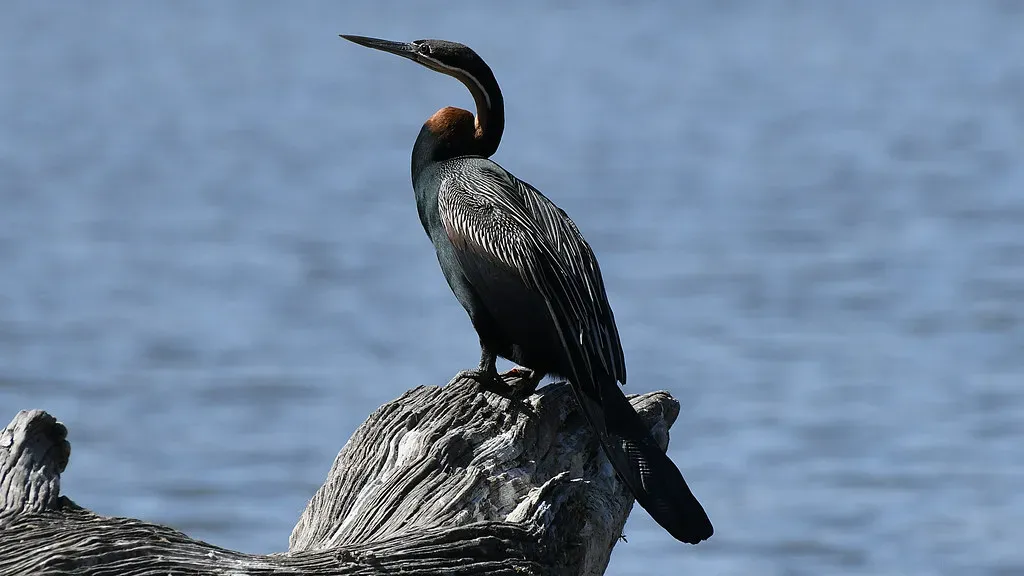
For generations, people have reported strange animal behavior right before earthquakes: dogs barking frantically, toads abandoning ponds, birds taking off in chaotic flocks. Some of these stories are surely coincidence, but there are also documented cases where mass animal reactions happened hours or days before a major quake. The unsettling part is that we still don’t know exactly what they’re picking up on.
There are several theories: animals might sense faint vibrations we can’t feel, detect tiny changes in underground water chemistry, or react to low‑frequency sounds or electrical changes in rocks under stress. Laboratory tests have shown that some animals can indeed perceive extremely subtle shifts that humans completely miss. The puzzle is turning scattered, messy observations into a consistent scientific explanation. For now, animal “earthquake senses” sit in a gray zone – tempting, intriguing, but still not reliably understood.
6. Octopus Intelligence That Feels Almost Alien
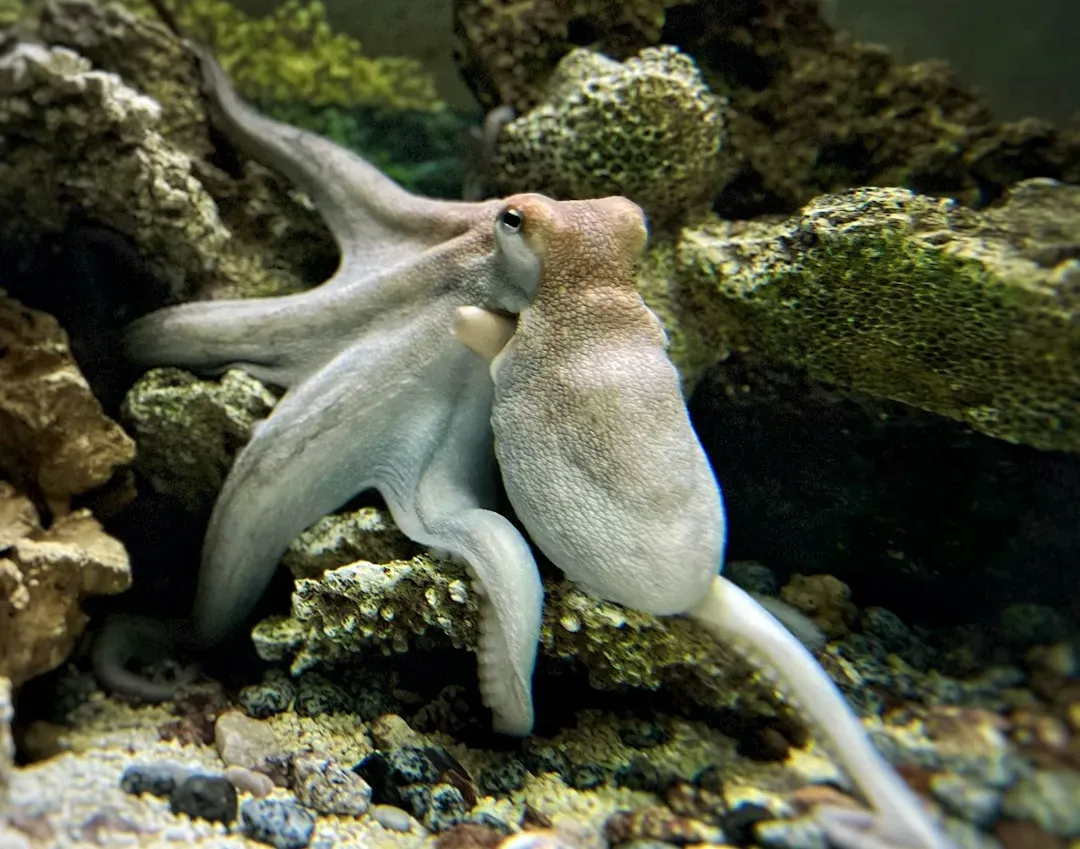
Octopuses can unscrew jars, escape complicated enclosures, and solve puzzles that would stump many pets. They’ll watch another octopus learn a trick and then copy it, and some have even been observed interacting with objects in ways that look playful. Their problem‑solving feels so deliberate that it’s hard not to wonder what’s going on in their minds. And then you remember: their brains are completely unlike ours.
Most of an octopus’s neurons aren’t in its head at all – they’re spread throughout its arms, almost like each limb has a mini-brain. That raises bizarre questions about where “thinking” actually happens for them. Are they conscious in a way remotely similar to us, or is this a totally different style of intelligence that just looks familiar from the outside? Neuroscientists have made progress mapping octopus brains, but they’re still struggling to explain how such a strange system produces such flexible, creative behavior. It genuinely challenges what we thought intelligence had to look like.
7. The Enigmatic Joyrides of Dolphin and Whale Surfing
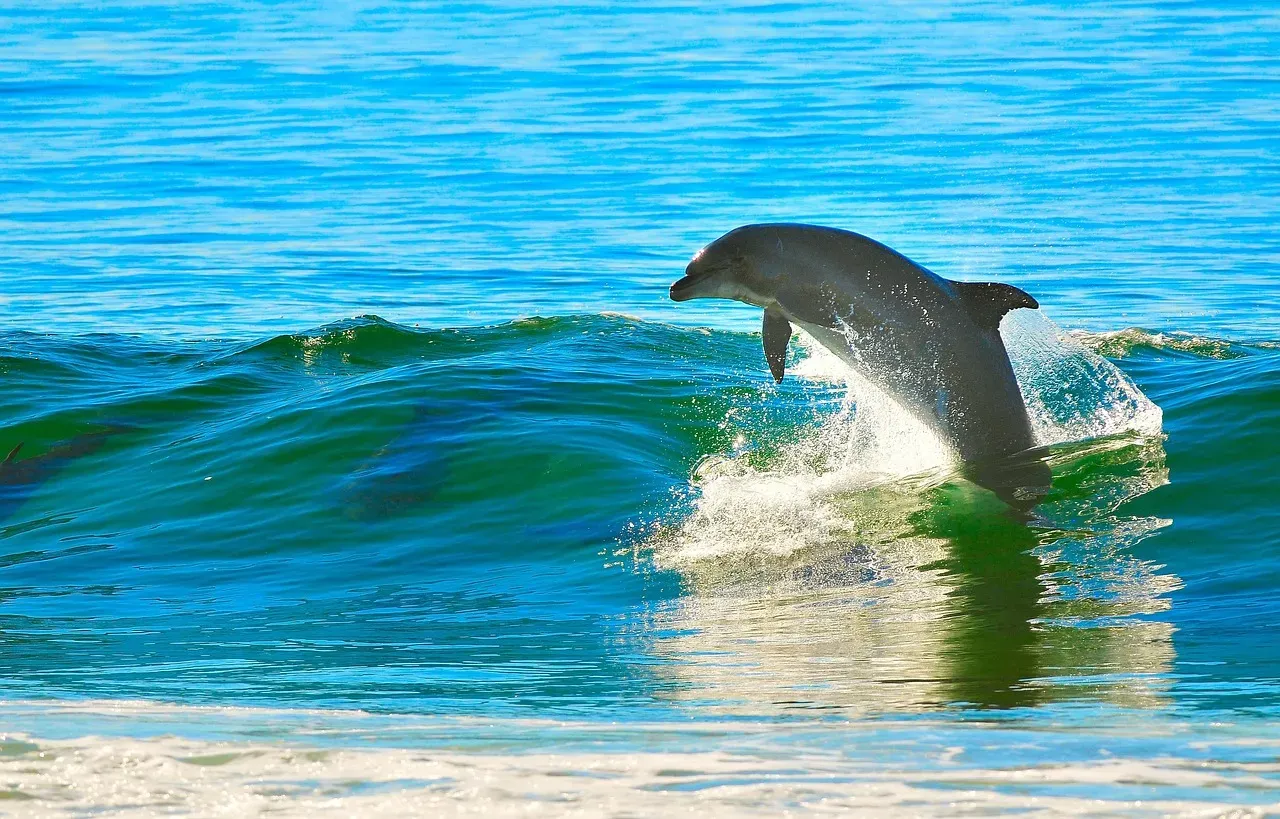
Wild dolphins regularly ride the bow waves of boats for what appears to be no practical reason. They’re not being fed, they’re not traveling more efficiently, and sometimes they even bring calves and juveniles along like it’s a family outing. Similar behavior has been seen in some whales surfing waves near coasts, sometimes seemingly just for the thrill of it. It looks suspiciously like they’re having fun.
Scientists cautiously describe this as play behavior, but no one fully understands why animals spend energy on something that doesn’t directly help them survive. Some think play might help young dolphins practice swimming skills, social bonding, or fast reaction times. Others suggest it keeps brains sharp in complex social species. Still, the level of apparent enthusiasm and creativity – tail slaps, spins, synchronized moves – goes beyond simple practice drills. It hints at inner lives richer than our current models of “instinct plus survival” can comfortably explain.
8. Bizarre Migration Routes That Make No Obvious Sense
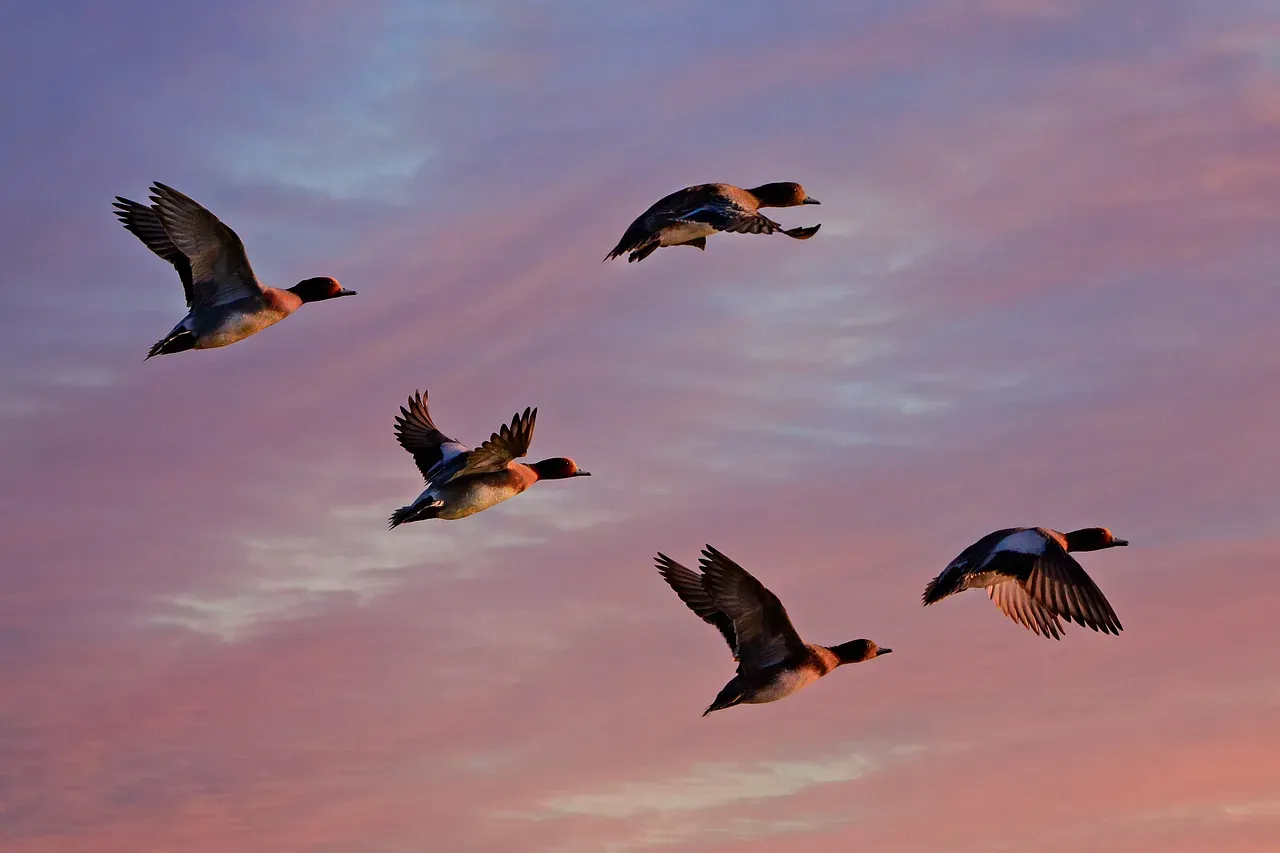
Every year, certain animals embark on journeys that seem, frankly, ridiculous from a survival standpoint. Some birds fly huge detours over land instead of taking shorter routes across water, even when they’re strong fliers. Monarch butterflies travel multiple generations to complete a migration route that no single butterfly fully experiences from start to finish. Sea turtles return to beaches where they hatched decades earlier, crossing entire ocean basins to get there.
Environmental factors, food availability, winds, and currents explain part of these routes, but there are still cases where the chosen paths look wasteful or dangerously exposed. Genetic programming likely sets the basic “map,” yet that doesn’t clarify how such complicated, multistep paths evolved in the first place. Some scientists suspect that long‑term climate patterns, now disrupted, once made these routes more obviously efficient. Others think we just don’t see the hidden advantages yet. Either way, many migration paths remain like ancient, half‑decoded instructions written into animal bodies.
9. Unexplained Acts of Cross‑Species Compassion
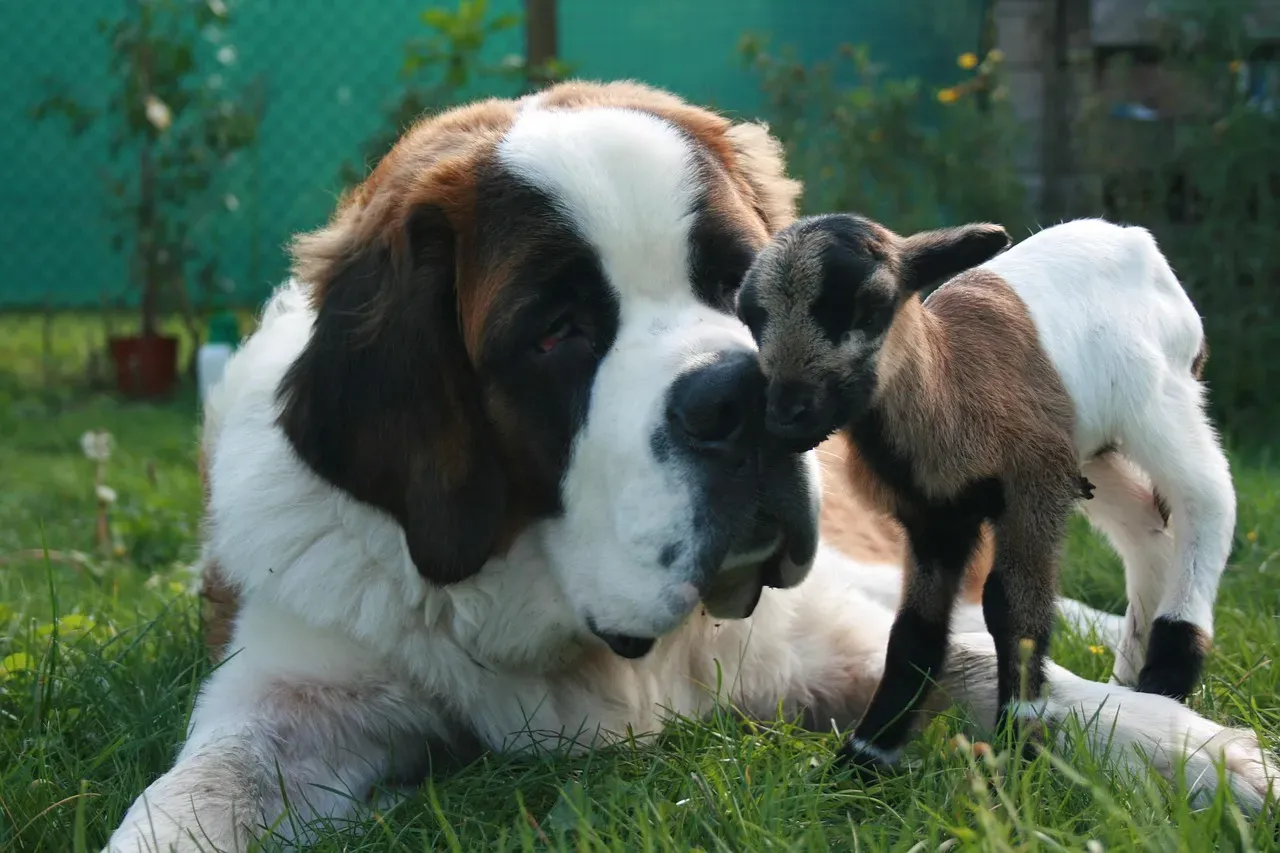
Stories keep surfacing of animals seemingly helping members of other species: dolphins lifting injured swimmers to the surface, dogs adopting orphaned kittens, even wild elephants appearing to protect or gently interact with other distressed animals. Not all of these tales survive scientific scrutiny, but enough have been documented to make researchers pay attention. These actions often come with apparent risk or cost, which makes them hard to frame as simple instinct.
Biologists usually explain cooperation through kin selection or mutual benefit, but those ideas struggle when the animals aren’t related and may never meet again. Some researchers suspect these behaviors might be side effects of highly tuned empathy systems that usually function within a species. Others think we’re still underestimating how flexible and context‑dependent animal social minds really are. The honest answer, at least for now, is that some of these cross‑species rescues and friendships do not fit neatly into current evolutionary models – and they quietly force us to rethink where the boundaries of compassion truly lie.
Nature is clearly playing a deeper game than we fully grasp, with rules we’ve only started to notice and patterns we’re still blind to. For every mystery on this list, there are likely dozens more happening right now in places no one is watching, just waiting to shake up what we think we know. Which of these strange behaviors surprised you the most?