
If you step back and look at human history, it’s not just slow progress and predictable patterns that shape our world. Sometimes, everything changes in a single terrifying moment – a blast, a blaze, a wave, a sky turning strange – and nobody can quite explain why it happened. Those are the moments that haunt people for generations, when the science doesn’t fully add up and the stories grow in the silence between facts.
What makes these disasters so unsettling isn’t just the scale of destruction, but the uncomfortable truth that we still don’t fully understand them. They forced societies to adapt, governments to react, and scientists to rethink what they thought they knew. And even now, with satellites, supercomputers, and labs that can simulate stars exploding, we’re still left with gaps. Let’s walk through five of the most mysterious catastrophes that didn’t just devastate lives in their own time, but quietly bent the entire timeline of human history.
The Tunguska Event: A Blast That Flattened a Forest and Baffled the World
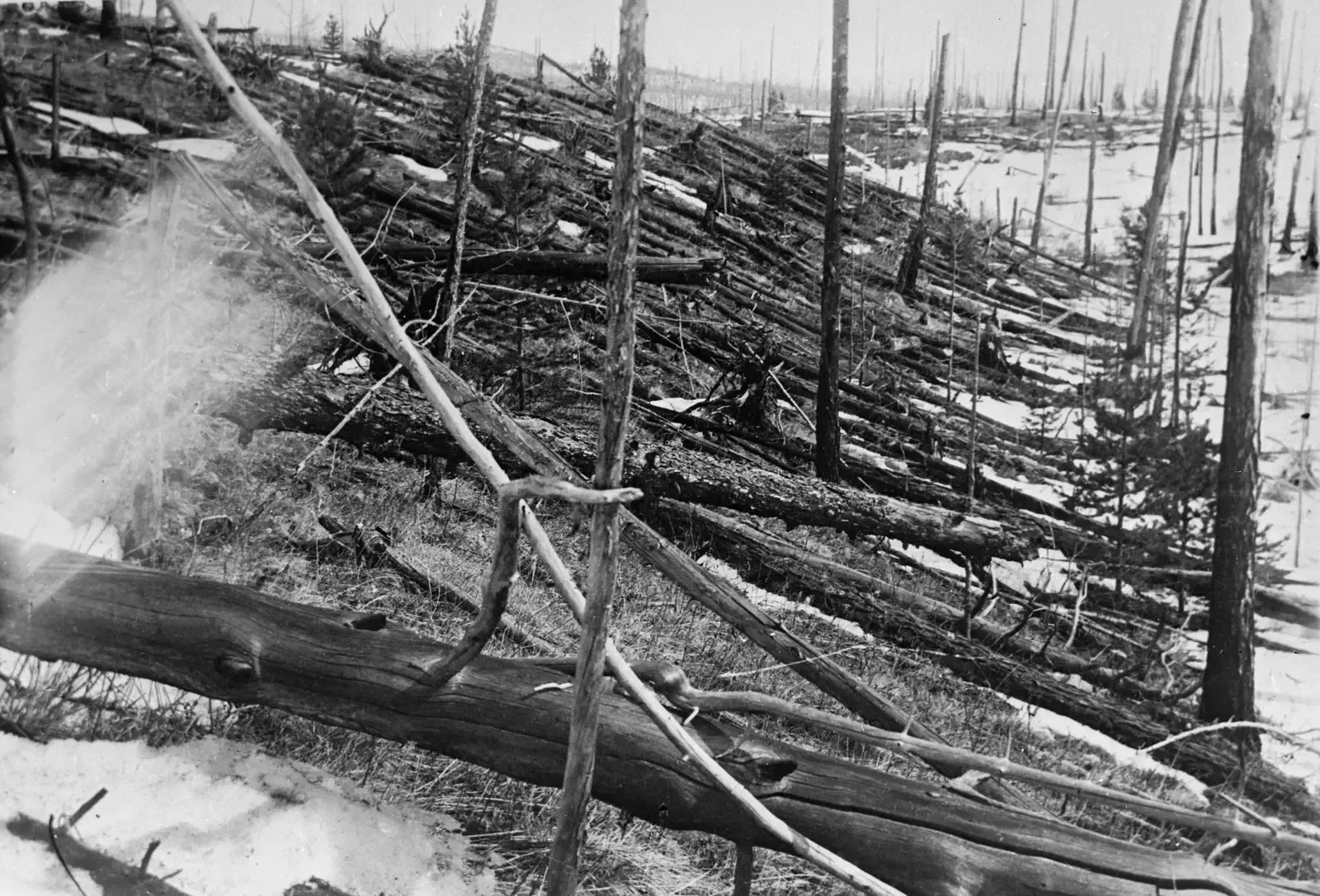
Imagine waking up to a shock wave so powerful it shatters windows hundreds of kilometers away and knocks people off their feet. On a summer morning in 1908, that’s exactly what happened over a remote stretch of Siberia near the Tunguska River. A massive explosion lit up the sky and flattened tens of millions of trees across an area larger than many modern cities, yet when scientists finally reached the site years later, they found no impact crater and no obvious chunks of a meteorite.
The leading idea is that a space rock or icy comet exploded in the atmosphere in what’s called an airburst, releasing energy comparable to a large nuclear weapon, but without ever hitting the ground. Still, the lack of clear physical remains and the remoteness of the site keep the mystery alive, with fringe theories ranging from strange atmospheric phenomena to exotic energy events. Beyond the drama, Tunguska changed how we think about cosmic threats: it was a brutal reminder that Earth is not a closed system, that the sky itself can suddenly turn on us. Today’s efforts to track near-Earth objects, plan deflection missions, and prepare for asteroid impacts are driven partly by the unsettling realization that an event like Tunguska could have wiped out a major city if it had struck just a bit farther south or west.
The Black Death: A Plague That Spread Faster Than Its Explanations
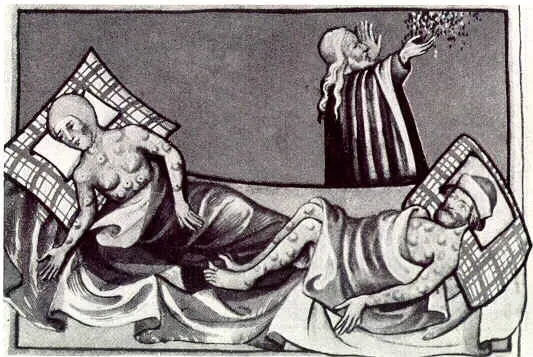
In the middle of the fourteenth century, people across Europe, North Africa, and parts of Asia watched their world unravel in real time. Whole villages were emptied, families were erased in weeks, and the social order fractured under the weight of grief and fear. Historians agree that the Black Death killed a huge portion of the population, in some regions nearly half the people alive, but what still puzzles researchers is exactly how it spread so fast and why it was so ferociously deadly compared to later outbreaks.
The usual explanation centers on the bacterium behind bubonic plague, carried by fleas on rats and spread along trade routes. But the speed and scale of the pandemic, along with descriptions of symptoms that sometimes don’t quite match classic bubonic plague, have led some scientists to suspect a mix of factors: different strains, shifts in climate, human-to-human transmission through the air, or even other diseases tangled in the chaos. Whatever the precise cause, the disaster shattered feudal structures, weakened the authority of churches and rulers, and ultimately helped create space for new economic systems and scientific thinking. In a strange way, the lack of a clear explanation for what hit them pushed later generations to demand better medicine, better records, and better science, so they wouldn’t be so helpless next time.
The Bronze Age Collapse: Cities Fall, Empires Crumble, and No Single Cause Fits
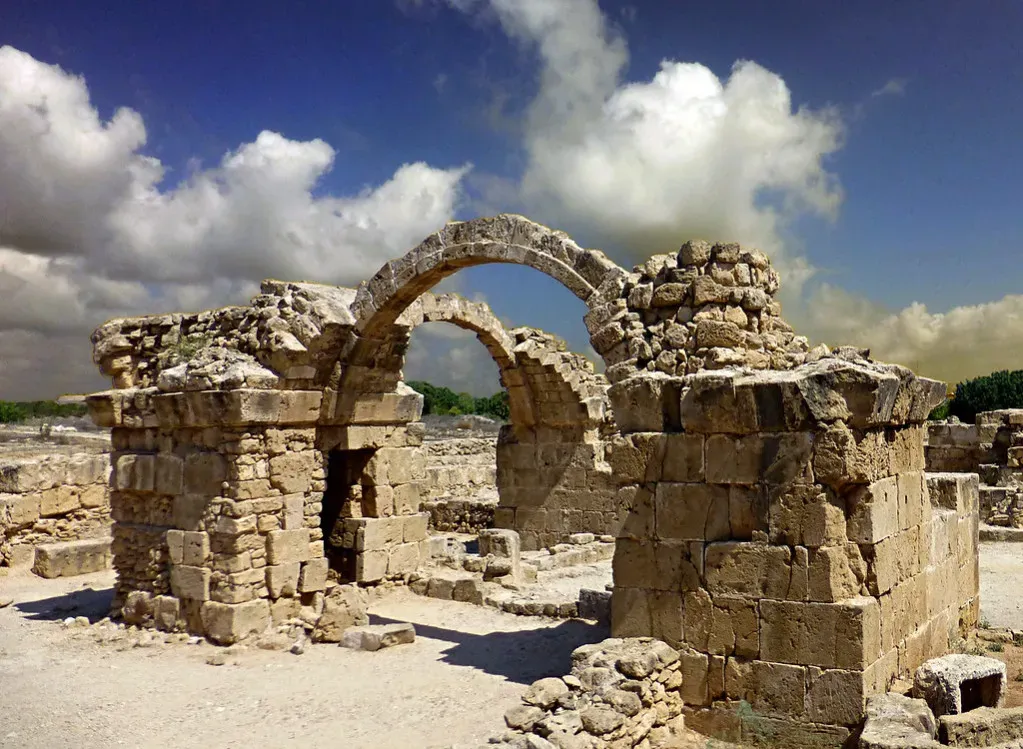
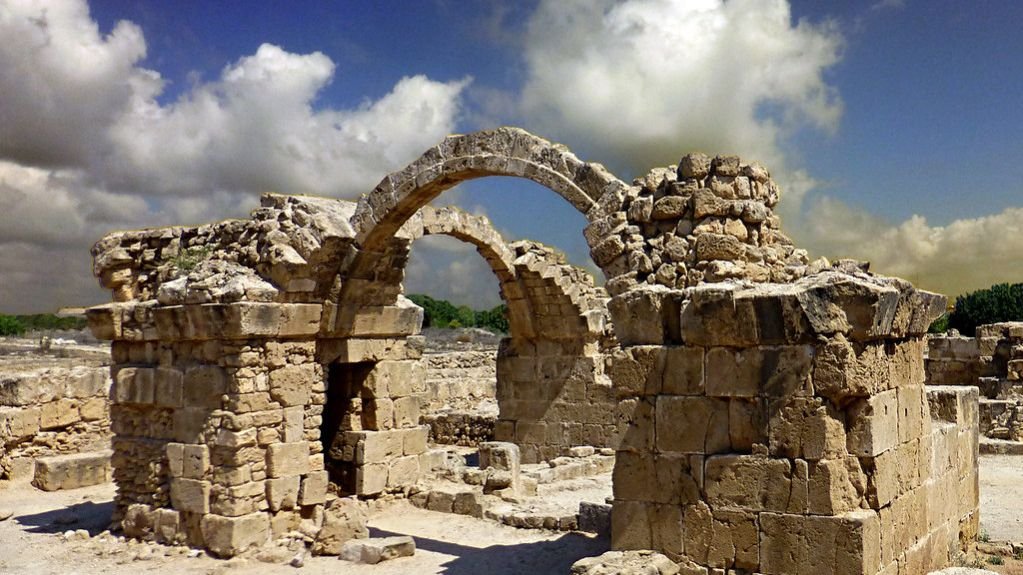
Roughly about thirty centuries ago, around the twelfth century BCE, a network of powerful civilizations around the eastern Mediterranean suddenly unraveled. Palaces burned, trade routes disappeared, writing systems faded, and cities that had thrived for centuries fell silent. Archaeologists have uncovered layers of ash, toppled buildings, and scattered weapons, but there’s no single smoking gun proving why this whole interconnected world collapsed in such a short span of time.
Instead, researchers see a messy storm of possibilities: climate change leading to drought and famine, invasions by so-called Sea Peoples, internal rebellions, earthquakes, plagues, or some cruel combination of several at once. The truth is likely that the entire system was more fragile than it looked, like an elaborate tower of blocks that only needed a few pieces pulled out to crumble. The collapse ended an era of royal bureaucracies and long-distance trade, forcing societies to reconfigure into smaller, more localized cultures. Out of that long “dark age” eventually came new political structures, religious ideas, and technologies, including the conditions that later allowed Greek and Israelite cultures to take root. The mystery of what really happened still matters because it warns us that complex civilizations can fall apart without one neat, simple explanation.
Mystery Famine and the Year Without a Summer: When the Sky Turned Against Humanity
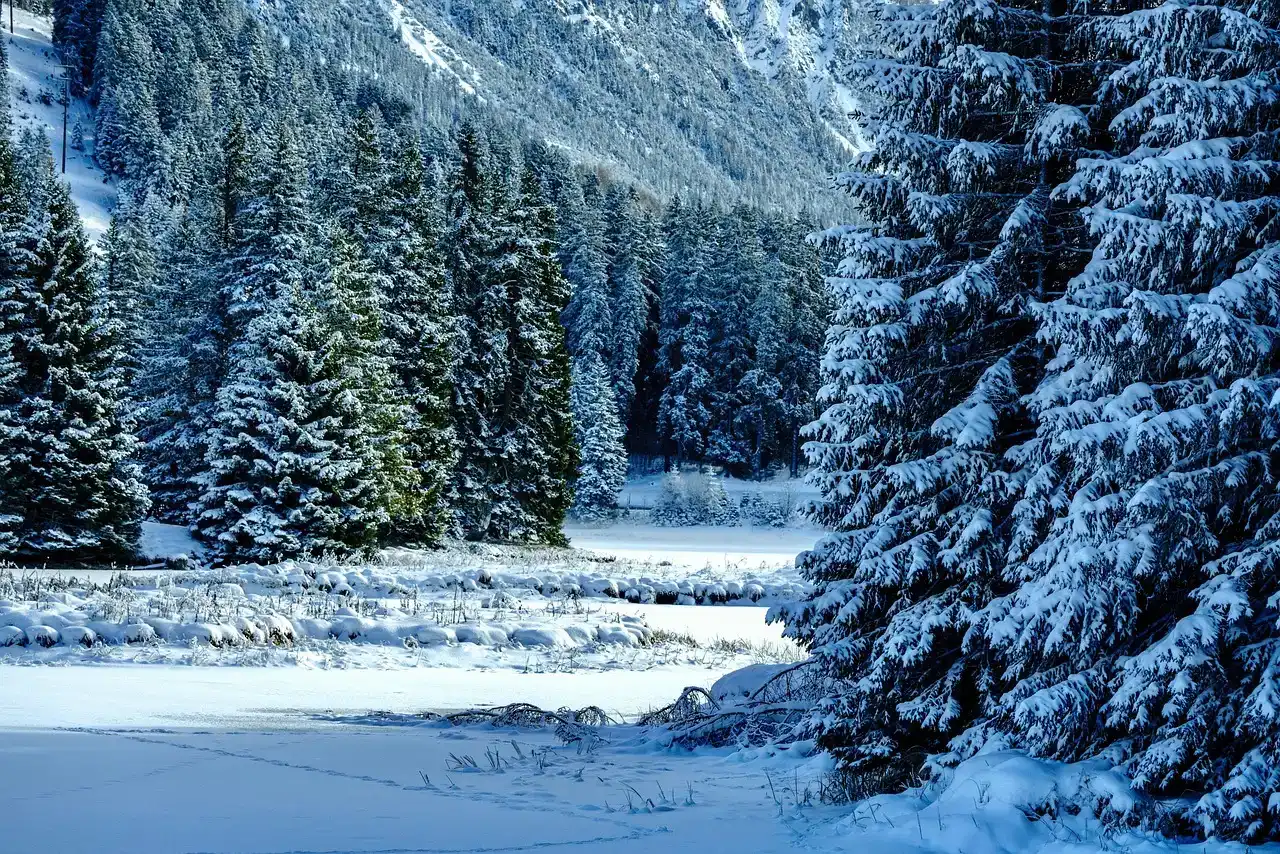
In 1816, people in parts of Europe and North America experienced something that felt almost apocalyptic: snow in June, frosts in midsummer, crops failing repeatedly, and gloomy, dim skies that never seemed quite right. Farmers starved, communities rioted for bread, and desperate migrants moved in search of food. Today we link this “Year Without a Summer” to the massive eruption of Mount Tambora in 1815, which sent immense amounts of ash and particles into the atmosphere, but even with that explanation, there are still puzzles around how different regions were affected and how long the climatic chaos lingered.
What makes it even more intriguing is that Tambora wasn’t the only mysterious climate shock in history; tree rings, ice cores, and historical records hint at earlier sudden famines and cooling events that may have been driven by unidentified volcanic eruptions or other atmospheric disruptions. These disasters reshaped migration patterns, fueled social unrest, and nudged governments to rethink how they handled grain storage, trade, and early forms of welfare. The Year Without a Summer, in particular, helped spark innovations in agriculture and food preservation as people realized how vulnerable they were to a sky they couldn’t control. It’s a reminder that a single volcanic blast on the other side of the world can quietly rewrite the story of entire continents.
Chernobyl: A Technological Disaster Still Surrounded by Questions
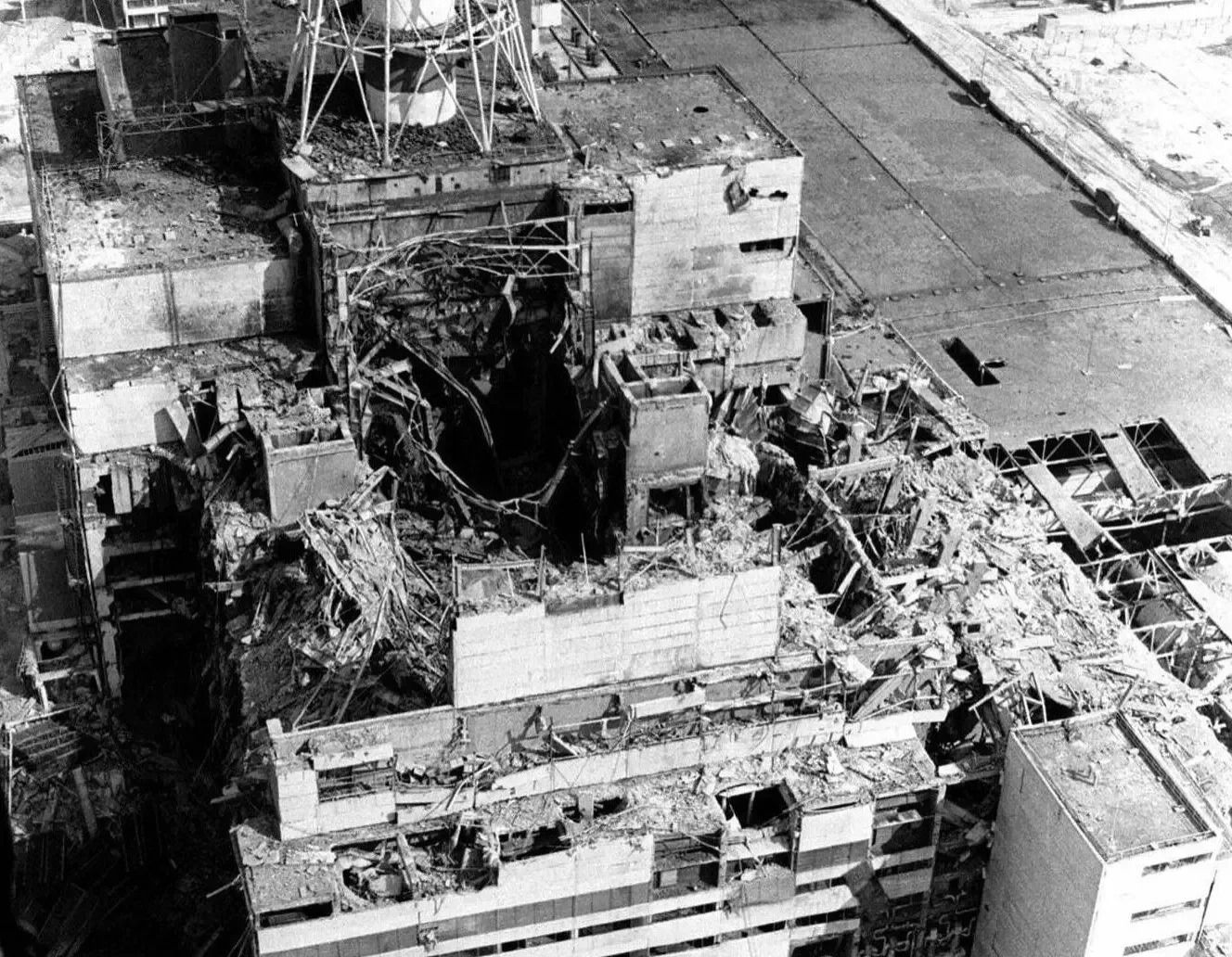
Late in April 1986, a reactor at the Chernobyl nuclear power plant in the Soviet Union exploded during a safety test, unleashing a plume of radiation that drifted across Europe. The immediate cause is usually described as a mix of design flaws and reckless human decisions, but even decades later, many aspects of the disaster remain murky: the true number of deaths, the long-term health effects, and the extent to which political secrecy worsened everything. For many people, Chernobyl became a symbol of modern hubris, a moment when the promise of limitless, clean power suddenly looked fragile and terrifying.
The unexplained side isn’t about some supernatural force; it’s about hidden data, conflicting reports, and the difficulty of tracing radiation’s impact over decades. Different studies estimate very different long-term death tolls, and survivors’ stories often clash with official narratives, leaving a fog of uncertainty hanging over the region. Chernobyl helped erode trust in Soviet authorities and fed growing global skepticism about nuclear power, contributing to policy shifts and slowdowns in nuclear programs in several countries. It also forced the world to rethink safety culture, transparency, and the cost of cutting corners in complex technologies. In a way, the unanswered questions around Chernobyl have been just as influential as the disaster itself, shaping public perception of risk in the modern age.
Looking at these disasters side by side, a pattern emerges that’s as unsettling as it is revealing. We like to believe that every tragedy has a clean cause-and-effect story, a tidy chain of events we can map, label, and learn from, but history keeps throwing us events that refuse to fit neatly into our explanations. An explosion in the sky without a crater, a plague whose speed outstrips its known biology, an entire era of empires collapsing without a single obvious trigger, a darkened summer from a volcano far away, and a nuclear accident clouded by politics and incomplete data – each one leaves us with a trail of questions that never fully closes.
Yet those gaps in understanding are exactly what push societies to change: to track asteroids more carefully, to build better public health systems, to study the climate in greater detail, to demand transparency in technology and governance. The world we live in today is, in part, a product of our struggle to make sense of disasters we still don’t completely understand. And maybe that’s the quiet, uncomfortable truth behind it all: sometimes it’s the mysteries, not the answers, that move history the most. Which of these unexplained disasters surprised you the most?