
If you picture ancient Egypt, you probably see pyramids, golden masks, and rows of mysterious hieroglyphs. But behind all that stone and sand stood something even more powerful: a world of gods and goddesses that shaped how people understood life, death, love, war, and even the rising sun. These deities were not distant, abstract ideas. To ancient Egyptians, they were very real forces that could bless, punish, protect, or completely transform a person’s fate.
What makes their gods so fascinating today is how strange and yet strangely familiar they feel. Animal heads on human bodies, dramatic myths of betrayal and resurrection, cosmic battles fought every single night so the sun could rise again – beneath the symbolism are emotions we still recognize: jealousy, hope, loyalty, fear. Let’s dive into ten striking facts about these ancient deities that reveal just how complex, creative, and surprisingly human this divine world really was.
1. The Gods Could Share One Name But Be Completely Different
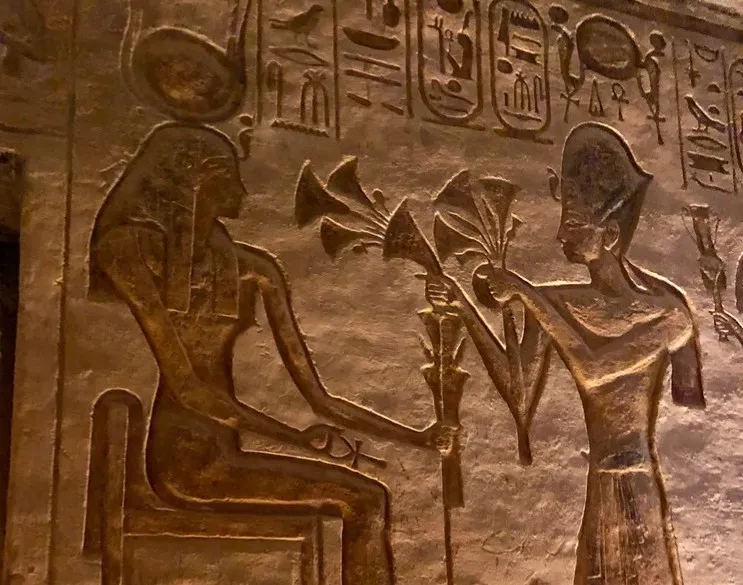
One of the most surprising things about Egyptian religion is how the same god could appear in totally different forms depending on the city, era, or context. Take Amun, for example. In Thebes, he was a powerful creator and king of the gods, but when merged with Ra, he became Amun-Ra, a solar deity linked with the very power of the sun itself. To us that might sound like two separate gods mashed together, but to the Egyptians, identities could overlap and fuse naturally.
This blending of gods is called syncretism, and it let people keep their local traditions while still connecting to wider national beliefs. Instead of arguing about which god was “real,” Egyptians often treated different versions as aspects of a larger divine truth. It’s a bit like how one person can be a parent at home, a boss at work, and a fan in the stadium – same person, different roles. The divine world was flexible, layered, and allowed for many truths to exist at once.
2. Many Gods Had Animal Heads For Powerful Symbolic Reasons
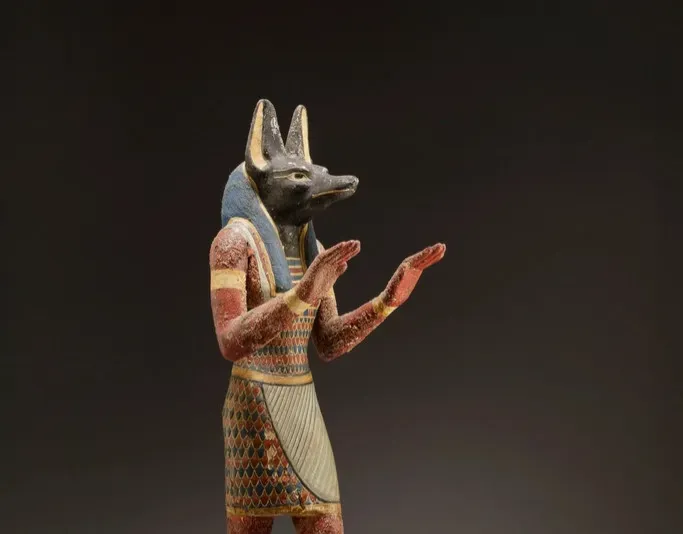
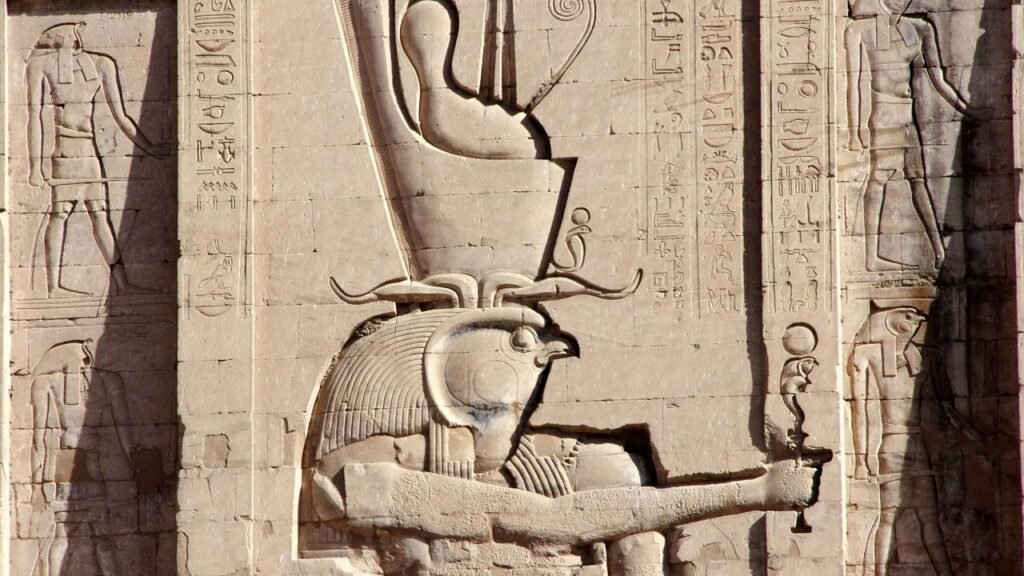
The first time I saw a picture of Anubis with his sleek black jackal head, I remember thinking it looked like something out of a fantasy game. But that animal imagery wasn’t random or purely decorative. Each animal was chosen because it embodied a quality people linked to that deity. Horus had the head of a falcon because falcons soar high above the land, just as a king should watch and protect his kingdom from above.
Bastet, the cat goddess, was connected to grace, protection, and the fierce yet playful independence of cats. Thoth had the head of an ibis or sometimes a baboon, animals tied to wisdom and the moon. These forms made gods more understandable and relatable. People saw the animals around them every day, so giving divine forces animal traits made the unseen world feel closer and more alive, rather than distant and untouchable.
3. Ma’at: The Goddess Who Held The Entire Universe Together
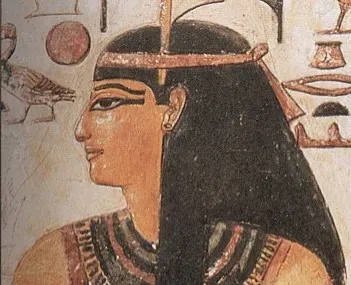
Ma’at isn’t as flashy as Ra or Osiris, but in many ways she’s the quiet center of everything. She represented truth, balance, justice, and the right order of the universe. Egyptians believed the cosmos only functioned properly when Ma’at was upheld. That meant people had to act honestly and fairly, and rulers had the responsibility to maintain social and cosmic harmony, not just collect taxes and build monuments.
In the famous “Weighing of the Heart” scene in the afterlife, a person’s heart is weighed against the feather of Ma’at. If it was heavier than the feather, weighed down by wrongdoing, the soul was destroyed or denied eternal bliss. That image is powerful even now: your life measured not by your wealth, status, or connections, but by how true and balanced you were. In a way, Ma’at is one of the earliest big ideas of moral order guiding an entire society.
4. Osiris Was Both A Murdered King And Lord Of The Afterlife
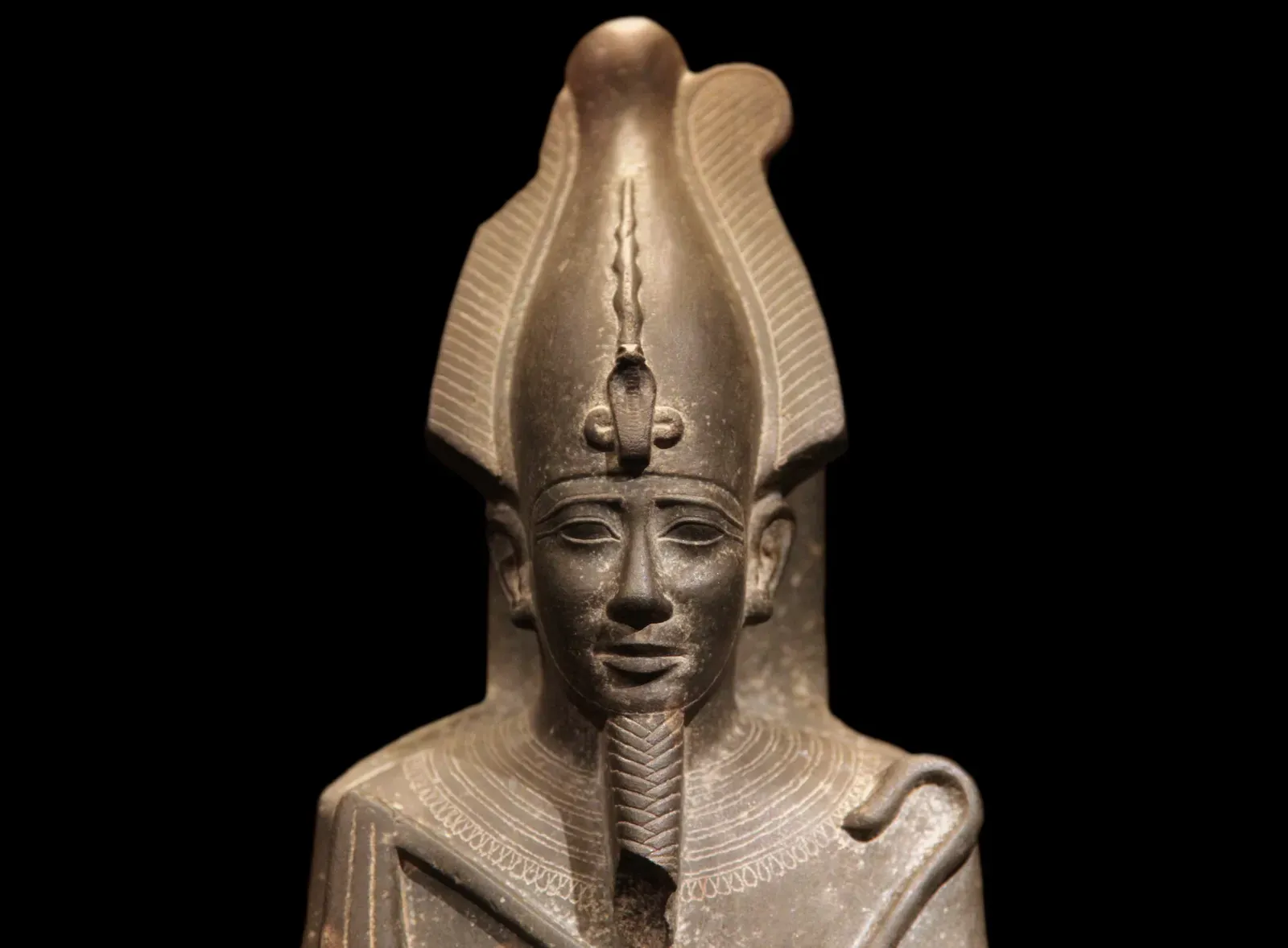
Osiris is one of the most captivating figures in Egyptian mythology, because his story is tragic, brutal, and ultimately hopeful. He was a wise king who brought civilization and order, only to be murdered by his jealous brother Set. After being dismembered and reassembled with the help of his wife Isis, Osiris doesn’t come back to rule the living. Instead, he becomes ruler of the underworld and judge of the dead.
This transformation made Osiris a symbol of rebirth and eternal life. Just like the Nile floods, dies back, and then returns to bring new growth, Osiris shows that death is not the end but a change of state. For ordinary Egyptians, being linked with Osiris in death meant a chance at resurrection and a peaceful afterlife. His story is intense and a bit dark, but underneath it is a deep longing for justice, continuity, and hope beyond the grave.
5. Isis Was A Master Of Magic And A Model Of Fierce Devotion
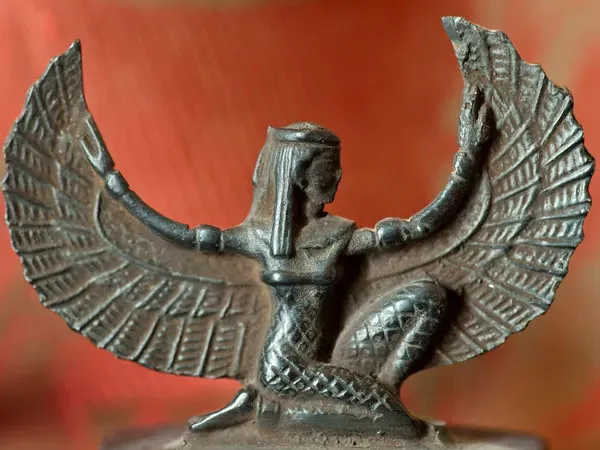
Isis wasn’t just a supportive wife in the background of Osiris’s story; she was one of the most powerful and beloved goddesses in all of Egypt. She searched tirelessly for her husband’s body, used magic to restore him, and then protected their son Horus so he could eventually challenge Set. That combination of tenderness and unstoppable determination gave her a very human appeal. She wasn’t perfect or distant – she was clever, emotional, and relentless.
Over time, Isis became so popular that her worship spread far beyond Egypt, into the Greek and Roman worlds. People prayed to her for healing, protection at sea, and help in childbirth. In some ways, she feels like a spiritual ancestor of later motherly or protective figures in world religions. To me, what stands out most about Isis is how her story shows that love in Egyptian thought was not weak or passive; it was an active, magical force that could literally reshape fate.
6. Ra Battled Chaos Every Single Night So The Sun Could Rise
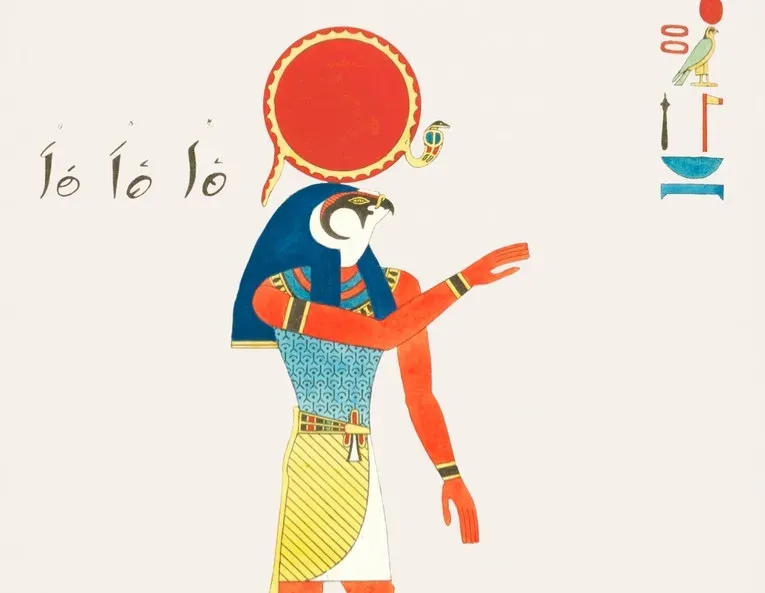
For the ancient Egyptians, the sunrise wasn’t just a pretty moment – it was proof that order had survived another attack from chaos. Ra, the sun god, was believed to travel across the sky each day in a solar boat and then journey through the underworld at night. During that nightly voyage, he faced the monstrous serpent Apophis, a force of pure chaos that tried to stop the sun from rising again.
Priests performed rituals to help Ra defeat Apophis, reinforcing the idea that humans had a role in keeping the universe stable. Every dawn was like a cosmic victory lap. This story might sound mythic and distant, but it captures a very real feeling: the fear that everything could fall apart, and the stubborn belief that light will return. The sun did not rise by accident; in their eyes, it rose because cosmic order kept winning, day after day.
7. Some Gods Were Hyper-Local, Protecting One City Or Even One Temple
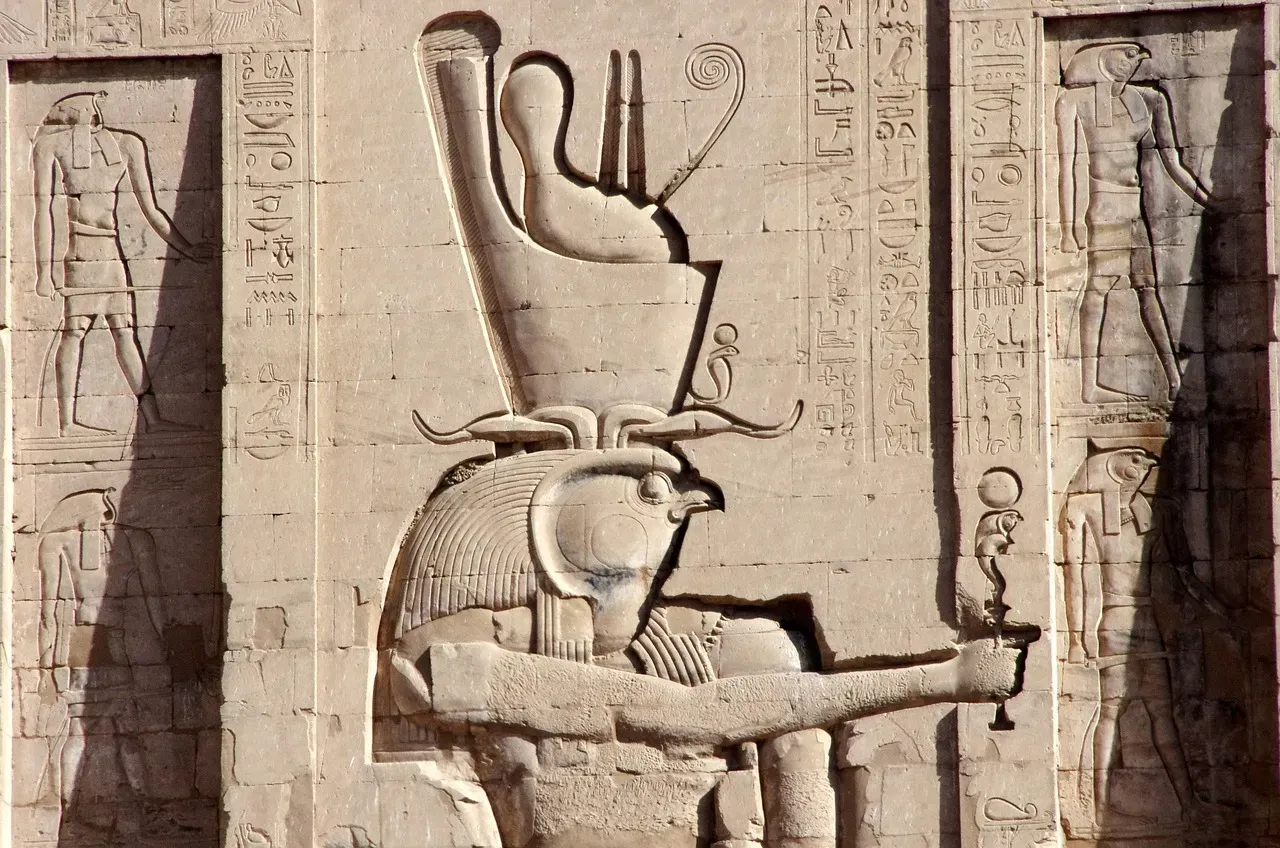
While major gods like Ra and Osiris were known across the country, many deities were deeply connected to specific places. A small town might have a crocodile god worshipped in one special temple, while a nearby village focused on a lioness goddess guarding their borders. These local gods often blended with bigger names, like Sobek the crocodile god who was tied to particular stretches of the Nile where crocodiles were common.
This local focus made religion feel personal and immediate. People didn’t just pray to an abstract “god of the river”; they brought offerings to the very temple whose deity they believed watched over their fields and families. It reminds me a bit of how some neighborhoods today have a particular church, shrine, or sacred spot that everyone knows and respects. The divine was not far away in the clouds; it was anchored in the very soil people walked on every day.
8. The Pharaoh Was Seen As A Living God, Not Just A Political Ruler
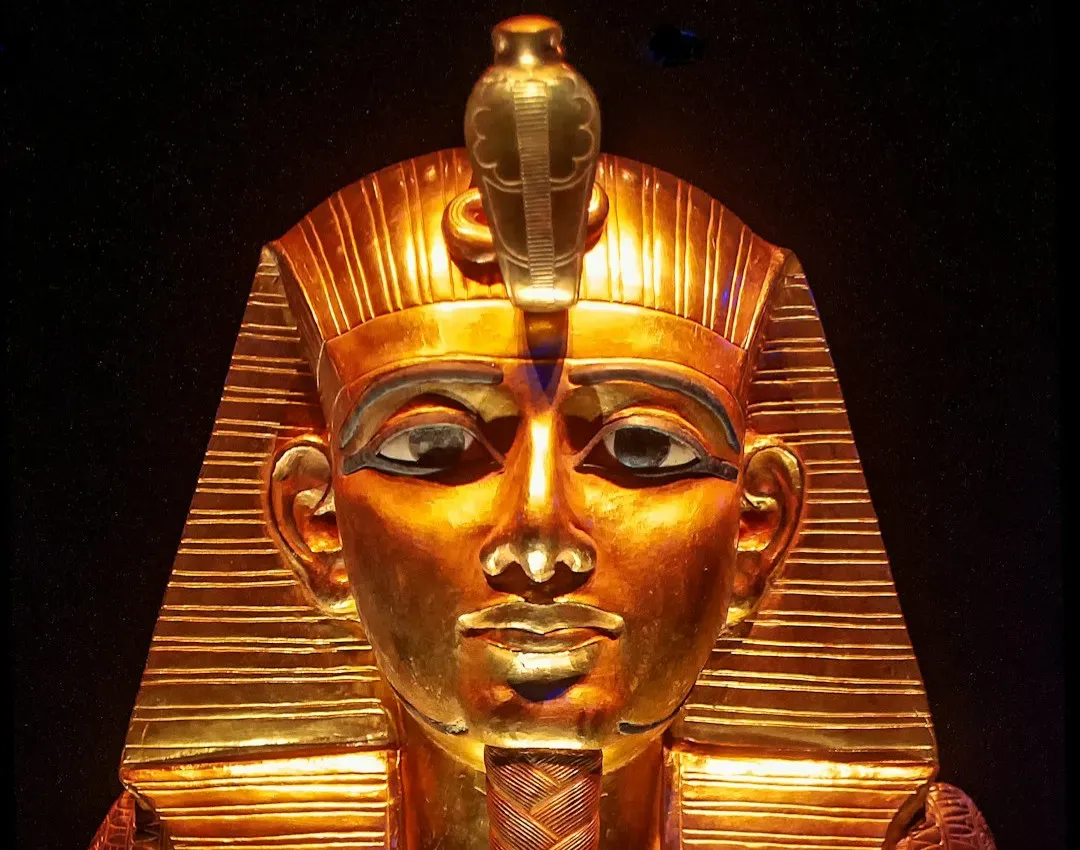
In ancient Egypt, the pharaoh wasn’t simply a king with a fancy crown. He was considered the living embodiment or representative of certain gods, especially Horus while alive and often Osiris after death. That meant ruling the country was not just about laws and warfare; it was about maintaining Ma’at, performing rituals, and literally keeping the universe in balance. If crops failed or enemies invaded, it was seen as a sign that divine order had been disturbed.
This belief gave enormous power to the pharaoh, but also huge responsibility. Royal ceremonies, temple building, and offerings to the gods were all political acts and spiritual duties at the same time. Even today, when we look at giant statues or colossal temples, we’re seeing more than ego projects – we’re seeing attempts to fuse human authority with divine will. The idea that leaders are chosen, blessed, or guided by higher powers never really disappeared from human history.
9. Egyptian Mythology Changed Over Time, Adapting To New Ideas
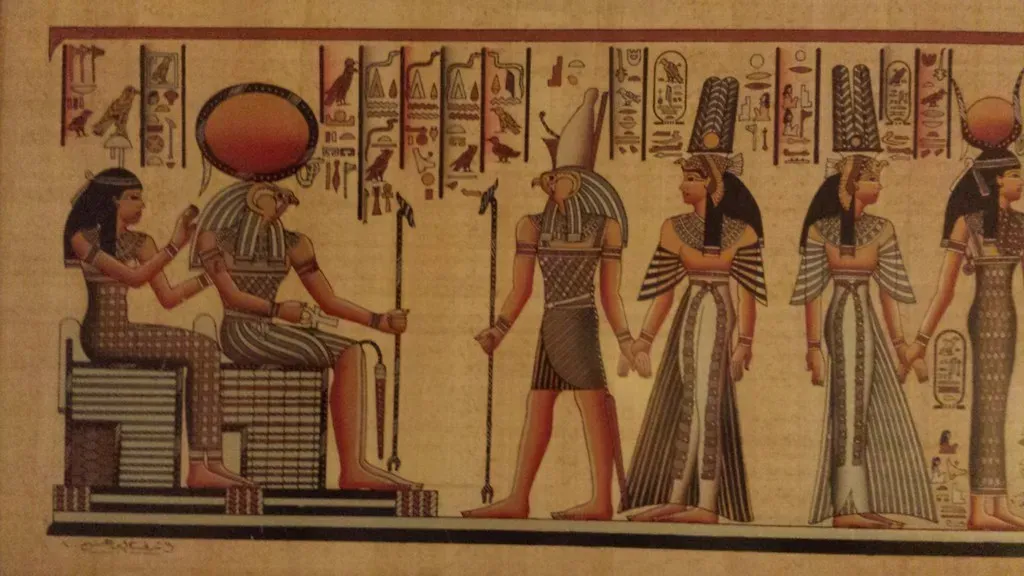
It’s tempting to think Egyptian religion was frozen in time, but it actually evolved a lot over its long history. Some gods rose in importance while others faded, depending on which cities were powerful or which dynasties ruled. For instance, when Thebes became a major political center, Amun’s status soared, and he was merged with Ra into Amun-Ra, becoming almost like a national god at certain periods.
Myths were retold, combined, and reinterpreted to fit new realities. Even foreign gods from neighboring cultures were sometimes adopted or linked with Egyptian ones. This flexibility helped their religion survive for thousands of years. It shows something very human: we keep old stories but tweak them to match new experiences, like updating a family legend with each retelling. The core emotions stay the same, but the details shift with time.
10. Ordinary People Connected With The Gods Through Magic, Amulets, And Daily Rituals
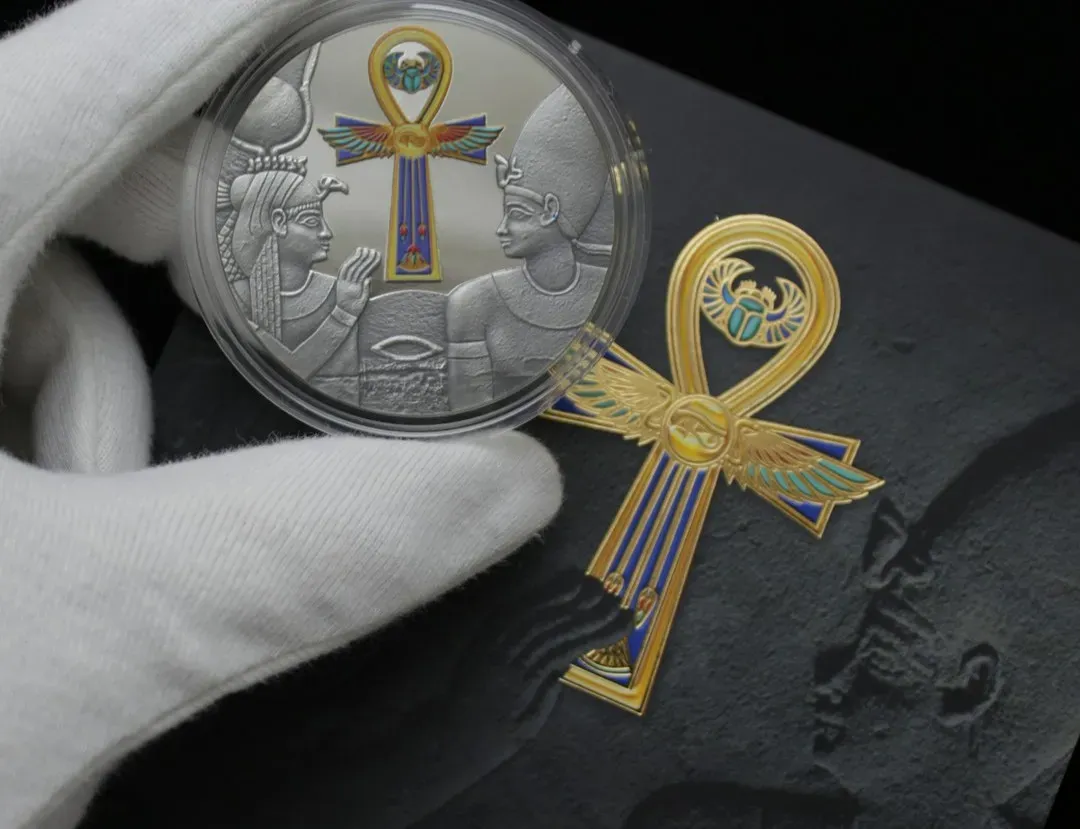
It’s easy to imagine temples and priests as the only gateway to the gods, but regular Egyptians had their own very personal spiritual practices. People wore amulets shaped like gods or sacred symbols to protect themselves from illness, accidents, and bad luck. Small household shrines held statues or images of protective deities, and families left food, incense, or simple offerings, asking for help with everything from fertility to safe travel.
Magic, or heka, was seen as a real force that both gods and humans could use. Spells were written on papyrus, carved on statues, or spoken aloud to call on divine power. From my perspective, this is where the ancient world feels closest to us: people wanting to protect their kids, find love, avoid danger, and feel like they’re not facing life alone. The grand myths of Ra and Osiris were important, but so were the quiet, everyday prayers whispered in dim, smoky rooms as the Nile flowed outside.
The gods and goddesses of ancient Egypt were far more than strange figures in old carvings. They were woven into every sunrise, every law, every harvest, and every hope for life after death. Through animal-headed deities, a murdered king who became lord of the dead, a sun god battling chaos, and a goddess whose feather weighed every human heart, Egyptians built a worldview where the sacred and the everyday constantly overlapped.
Even now, thousands of years later, their stories still echo questions we wrestle with: What makes a life just? How do we face death? Why does chaos exist, and how do we push back against it? Behind the gold and stone, you can feel the same human curiosity and fear and wonder that we carry today. Which of these ancient gods or ideas feels the most unexpectedly familiar to you?