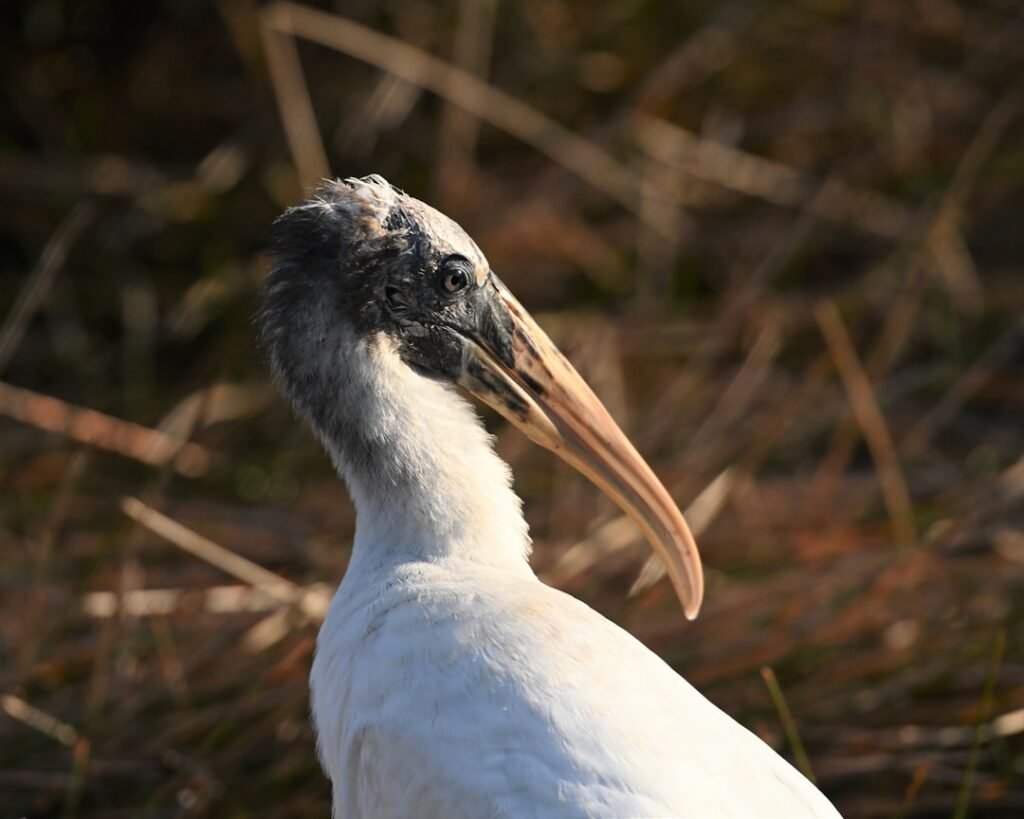
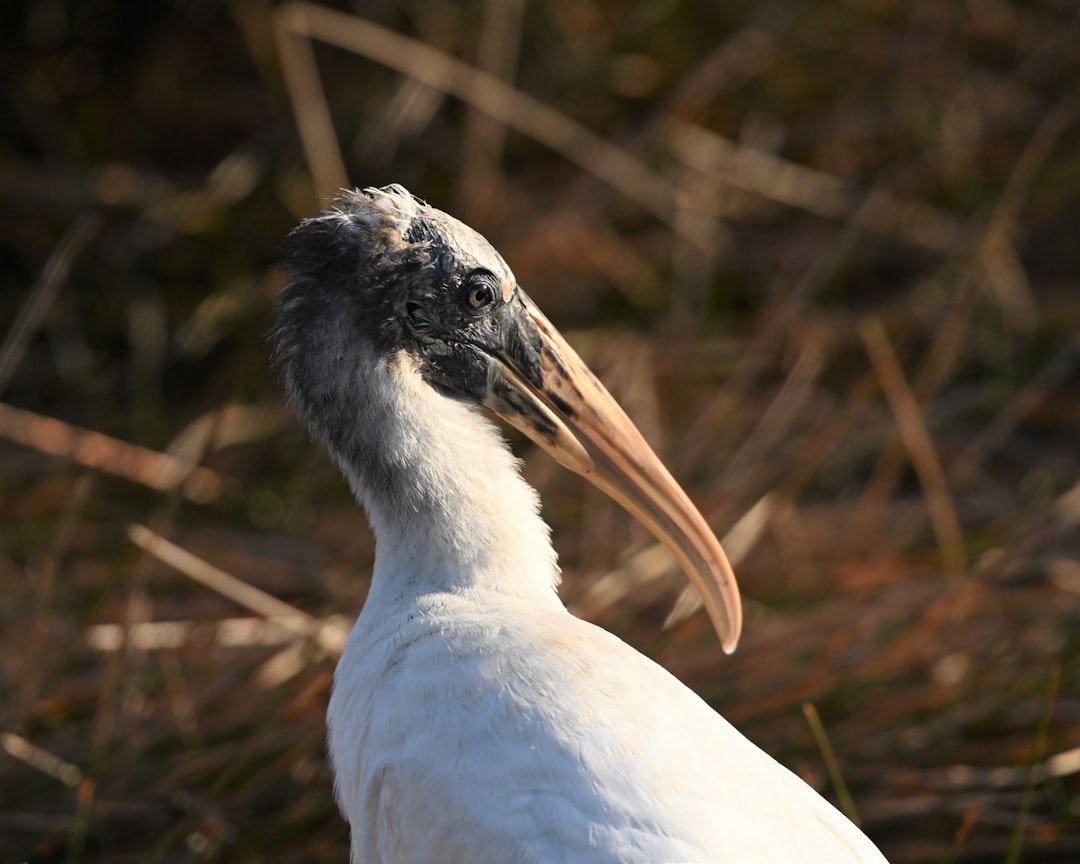
A Steep Decline Sparked Federal Action (Image Credits: Unsplash)
Southeastern United States – Conservationists celebrated a major victory as the U.S. Fish and Wildlife Service removed the wood stork from the federal Endangered Species list after more than four decades of protection.[1][2]
A Steep Decline Sparked Federal Action
Wood stork numbers crashed by more than 75 percent since the 1930s, largely because of widespread wetland losses in South Florida that destroyed vital breeding and foraging grounds. Authorities listed the Southeast U.S. distinct population segment as endangered under the Endangered Species Act in 1984. This move aimed to halt the bird’s slide toward extinction. The species, known scientifically as Mycteria americana, stood as the only stork native to breed in the United States. Habitat destruction from development and water management changes posed the biggest threats at the time.
Efforts intensified after listing, with focus on restoring ecosystems that supported the tall, white birds with black wingtips. Federal protections helped stabilize colonies and encouraged natural recovery processes.
Decades of Targeted Conservation Pay Off
Progress accelerated over time. In 2014, officials downlisted the wood stork to threatened status, reflecting steady population gains.[3] The Service proposed full delisting in February 2023, following years of data showing sustained improvement. On February 9, 2026, the agency finalized the decision, with the change taking effect March 9.[2]
Key factors included habitat restoration projects across the region. Partners worked to preserve wetlands, manage water flows, and reduce disturbances at nesting sites. These initiatives not only aided wood storks but also benefited other wetland species. The bird’s adaptability played a role too, as it shifted to alternative foraging areas during dry spells.
Population Doubles, Range Expands Northward
Nesting pairs now number twice what they were at the time of listing, signaling robust recovery.[1] Colonies thrive at roughly 100 sites spread across six states. Wood storks have pushed their breeding range northward into new territories.
The birds occupy diverse habitats that provide fish-rich waters for their unique “head-swaying” foraging style. Common sites include:
- Coastal salt marshes
- Flooded rice fields
- Floodplain forest wetlands
- Human-created wetlands like stormwater ponds
States hosting major colonies are Mississippi, Alabama, Florida, Georgia, South Carolina, and North Carolina.[4] This expansion underscores the species’ resilience amid changing landscapes.
Ongoing Monitoring Ensures Long-Term Success
Delisting does not mean the end of oversight. The Fish and Wildlife Service committed to a 10-year post-delisting monitoring plan to track population trends and habitat conditions.[5] Officials will watch for any signs of decline and adjust strategies if needed. State laws, the Migratory Bird Treaty Act, and Clean Water Act protections remain in place to safeguard the birds.
Key Takeaways
- Wood stork populations doubled since 1984 listing.
- Range now spans six Southeastern states with 100 colonies.
- 10-year monitoring follows delisting effective March 9, 2026.
This delisting highlights the Endangered Species Act’s power to reverse fortunes for imperiled wildlife. Continued habitat stewardship will keep wood storks thriving for generations. What does this success mean for other endangered birds? Share your thoughts in the comments.