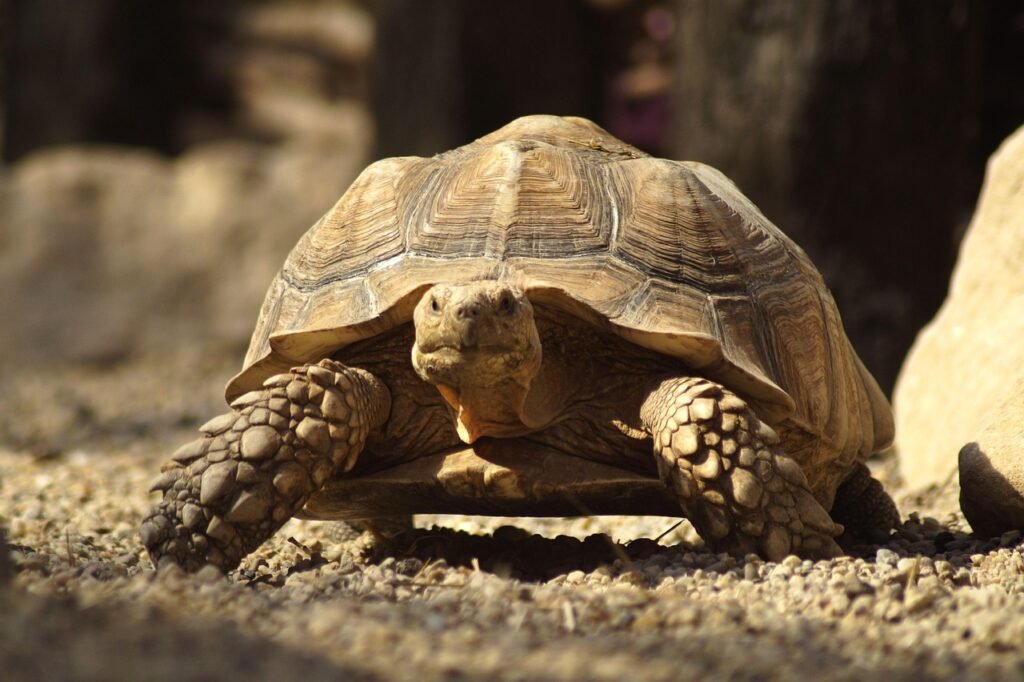
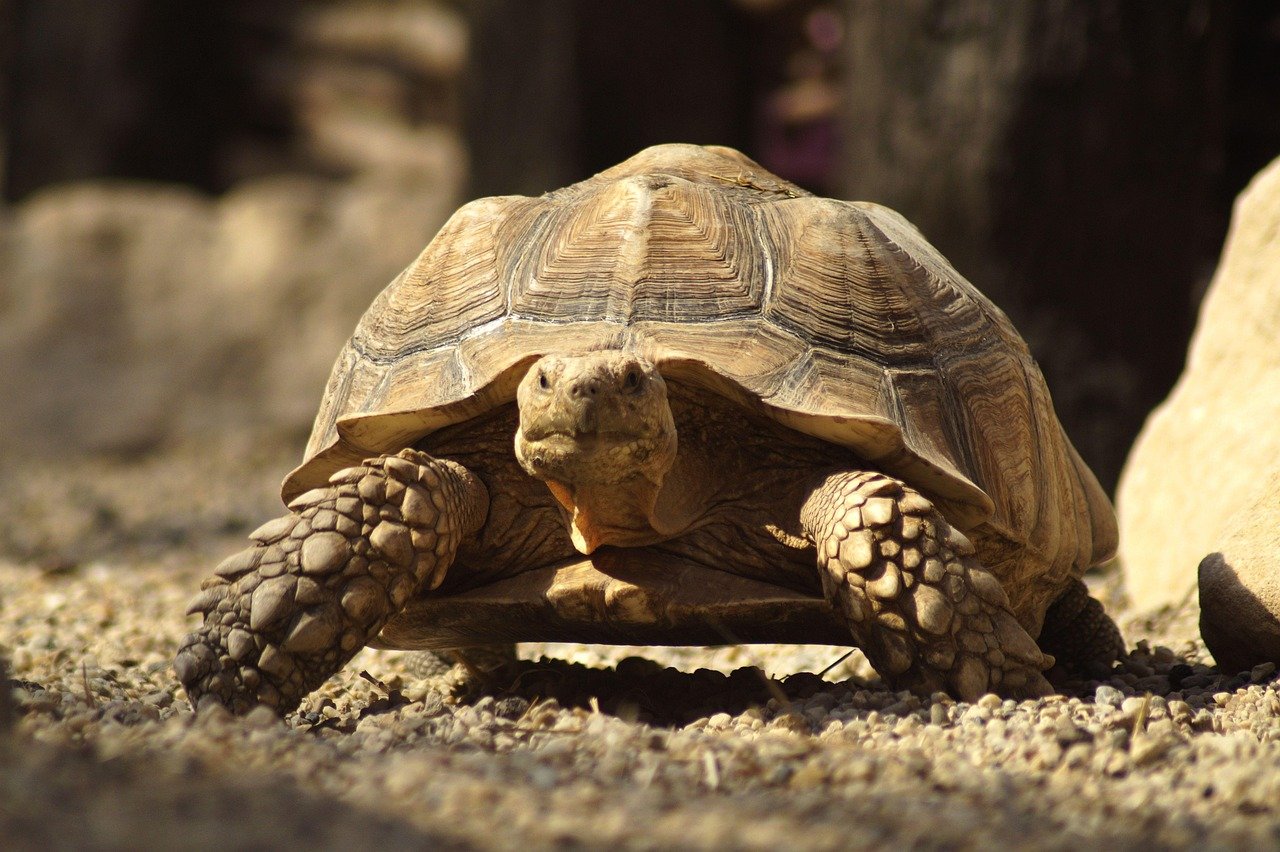
A Legacy Lost to Human Hands (Image Credits: Pixabay)
Floreana Island, Galápagos – Nearly two centuries after vanishing from their native habitat, giant tortoises have stepped onto Floreana’s volcanic terrain once more.[1][2]
A Legacy Lost to Human Hands
Early whalers and settlers decimated Floreana’s giant tortoise population in the mid-1840s. Ships offloaded animals for later provisioning, while hunters targeted the slow-moving reptiles for food. Invasive species such as rats and pigs further ravaged eggs and hatchlings, sealing the subspecies’ fate.[3]
Charles Darwin observed the tortoises during his 1835 visit, noting their decline. By the 1850s, none remained on the island. This absence reshaped the ecosystem, allowing invasive plants to overrun native vegetation and disrupting seed dispersal processes essential to island life.[4]
Rediscovering Lost Genes
Hope emerged in 2000 when researchers on Isabela Island’s Wolf Volcano encountered unusual saddleback tortoises. DNA analysis revealed hybrids carrying significant Floreana ancestry, likely transported centuries earlier by whalers.[5]
A breeding program launched in 2017 at Santa Cruz’s facilities. From 23 initial hybrids, scientists produced over 600 hatchlings with genetics closely matching the originals. These juveniles, aged 10 to 14 years, grew under controlled conditions before release.[2]
Orchestrating a Massive Restoration
On February 20, 2026, park rangers unloaded 158 tortoises at two carefully selected sites on Floreana. NASA satellite data from Landsat and other missions pinpointed areas rich in vegetation, moisture, and nesting potential, ensuring long-term viability.[2]
The Floreana Ecological Restoration Project coordinates this effort. Partners include the Galápagos National Park Directorate, Charles Darwin Foundation, Galápagos Conservancy, Island Conservation, and Fundación Jocotoco. The island’s 160 residents played key roles, from supporting 2025 rat eradications to monitoring releases. Lorena Sánchez, park director, called it “one of the greatest challenges undertaken by the Galápagos National Park.”[1]
- Rat and cat removal to protect nests
- Habitat restoration for native plants
- GPS tracking on tortoises for real-time data
- Annual releases of 25 to 100 more individuals
Keystone Species in Action
Giant tortoises serve as ecosystem engineers. They graze selectively, disperse seeds across vast distances, and create wallows that foster microhabitats. Their return promises to regenerate landscapes, boost native plants, and aid species like seabirds and finches.[3]
Prior successes bolster optimism. The Galápagos rail reappeared after rat eradication, and ground finches have surged. Rakan Zahawi of the Charles Darwin Foundation noted, “Giant tortoises help rebuild ecological processes that many other species depend on.”[1]
Toward a Rewilded Future
This milestone launches reintroductions of 11 more species, including the Floreana mockingbird, racer snake, vegetarian finch, and little vermilion flycatcher. Sustained monitoring will guide adaptive strategies over decades, as tortoises mature around age 25.
Conservationists view Floreana as a model for inhabited islands worldwide. Dr. James Gibbs of Galápagos Conservancy emphasized patience and partnership: “Recovery is possible even after 180 years.”[5]
Key Takeaways
- 158 tortoises released February 20, 2026 – first in 180 years.
- Genetic rescue from Isabela hybrids restores keystone role.
- Project sets stage for 12 species returns amid community support.
Floreana’s revival underscores that ecosystems can rebound with science and collaboration. What steps can your community take to support global conservation? Share in the comments.