Varves Unlock Climate Secrets from 700 Million Years Ago (Image Credits: Upload.wikimedia.org)
Garvellach Islands, Scotland – Ancient rocks preserve clues to ice-free patches of water that sustained life during Earth’s most intense global freeze.
Varves Unlock Climate Secrets from 700 Million Years Ago
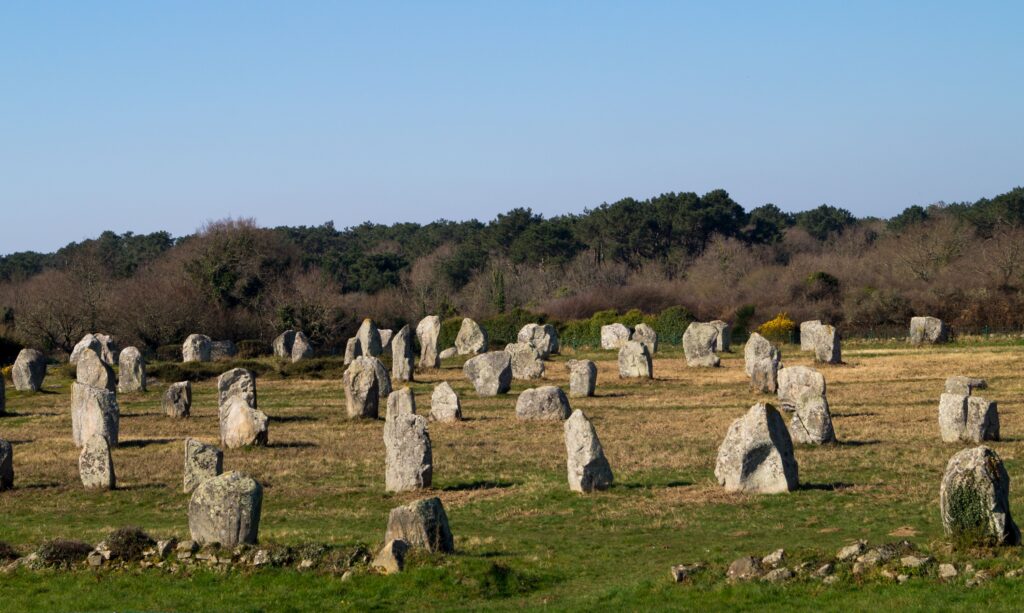
Researchers examined laminated sedimentary rocks known as varves on the Garvellach Islands off Scotland’s west coast. These layers formed during the Sturtian glaciation, which gripped the planet from 720 to 660 million years ago.[1] A 6-meter-thick stack contains about 2,600 varves, acting as natural recorders of environmental shifts.
Microscopic and statistical analysis revealed cycles matching modern patterns: annual seasons, El Niño-like events every 2 to 7 years, and longer solar-influenced rhythms spanning decades to centuries.[1] Such variability challenged assumptions of a static, fully frozen world. The non-uniform layers indicated dynamic conditions persisted despite the ice age.[1]
- Annual layers captured seasonal changes.
- Short-term cycles echoed El Niño disruptions.
- Longer periods aligned with solar activity fluctuations.
- Overall stack spanned roughly 3,000 years within the multi-million-year event.
Chloe Griffin and Thomas Gernon from the University of Southampton led the study, decoding these rocks as a rare deep-time climate archive.[1]
Snowball Earth: A Planet Locked in Ice
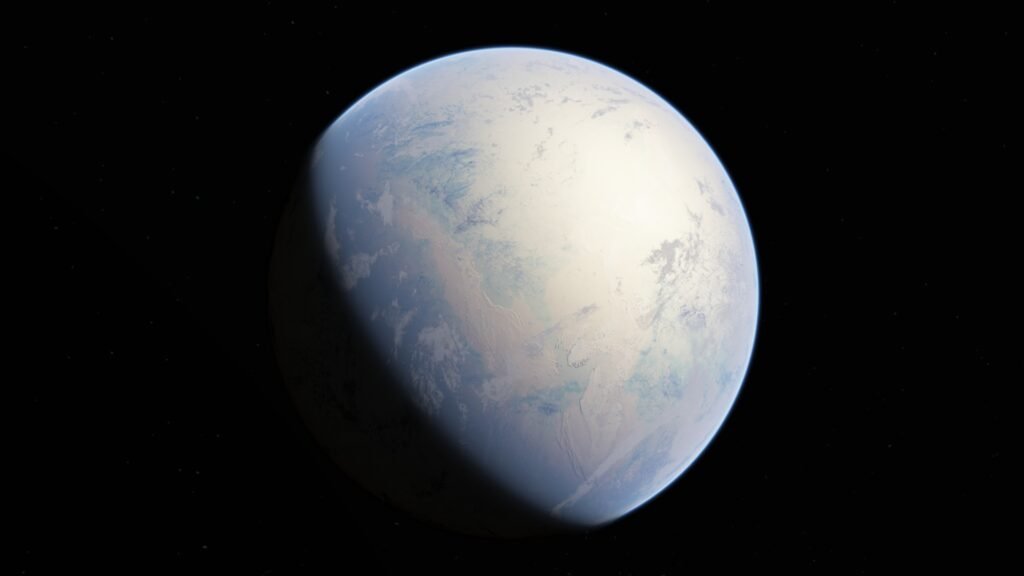
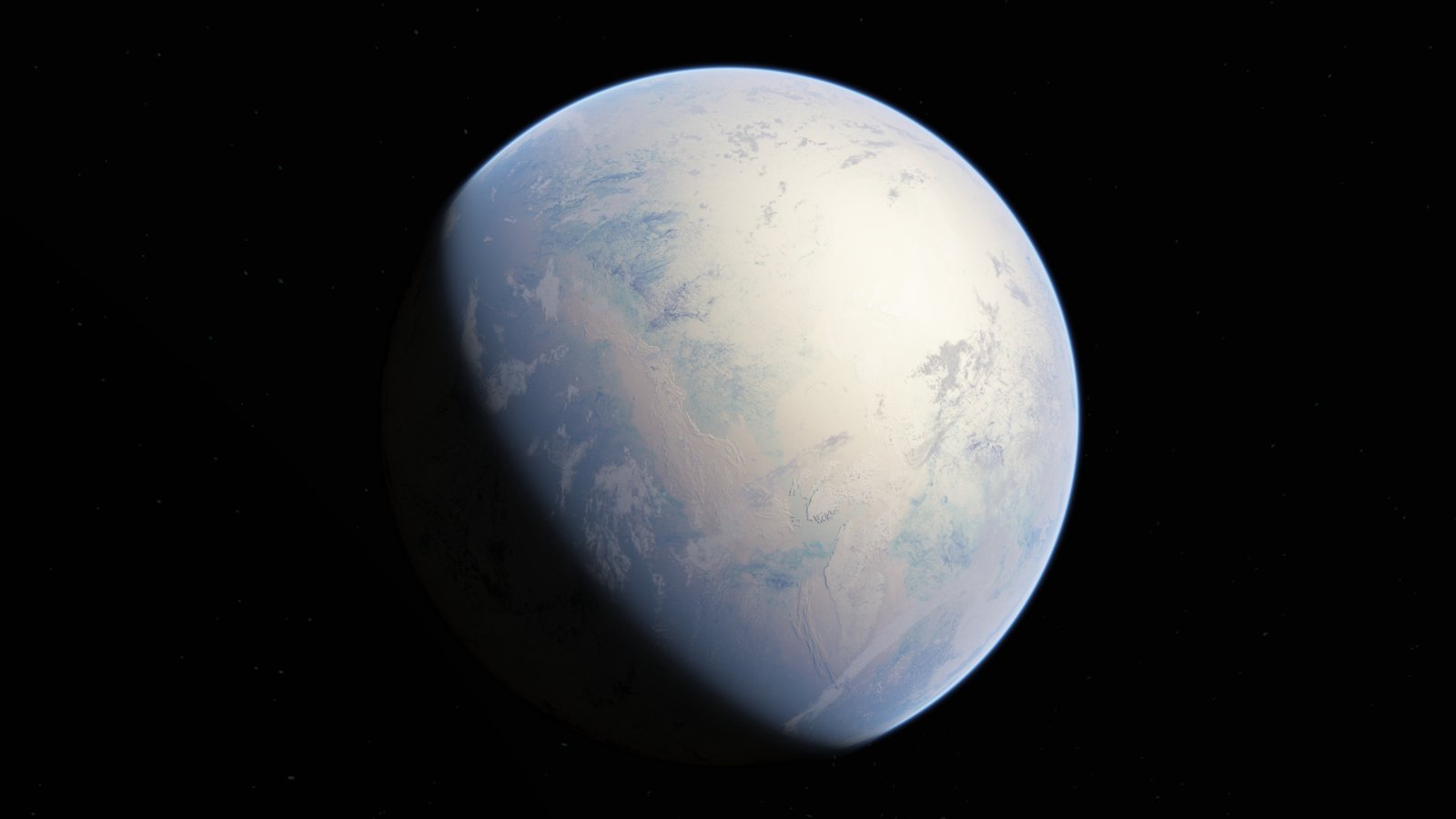
The Cryogenian period featured two major glaciations: Sturtian and later Marinoan from 650 to 635 million years ago. Ice sheets blanketed Earth from poles to equator, with surface temperatures dropping to -50°C.[1] Thick ice, up to a kilometer deep, reflected sunlight via high albedo, perpetuating the freeze for tens of millions of years. Oceans typically sealed off from the atmosphere, muting climate oscillations.
Yet this era preceded a biological surge. Multicellular life diversified dramatically after the ice retreated, fueled by nutrients like phosphorus from glacial dust.[1] Prior models predicted suppressed variability under full ice cover. The new findings suggest otherwise, pointing to partial openness.[1]
Simulations Show Oases Were Key to Variability
Computer models tested ice scenarios. Complete ocean freeze halted atmosphere-ocean interactions and climate rhythms. However, just 15% ice-free surface revived them, matching varve patterns.[1] Tropical oases likely formed these patches, possibly sustained by salty water remaining liquid at -15°C. Thin cracks or broader openings created temporary warm zones in a “Slushball” state.[1]
These refuges documented a 3,000-year window of dynamism amid prolonged cold. Such conditions reconciled a frozen planet with life’s persistence.[1]
Oases as Lifelines for Emerging Life
The oases served as habitable havens for early complex animals. They maintained biodiversity through glaciations, preventing total extinction.[1] “By maintaining biodiversity during Earth’s most extreme ice age, these oases ensured that when the ice finally melted away, life was ready to bloom into the complex ecosystems we see today, eventually leading to us,” stated Griffin and Gernon.[1]
Dynamic environments in these pockets encouraged colonization. Post-melt, preserved lineages exploded into diverse forms. The research appeared in Earth and Planetary Science Letters.[1]
Key Takeaways
- Tropical oases required only ~15% open ocean to drive climate cycles.
- Scottish varves reveal El Niño-like patterns from 700 million years ago.
- Oases preserved early multicellular life for post-glacial diversification.
These findings reshape views of Snowball Earth as an oscillating world with cracks of opportunity. Life’s resilience in extreme conditions offers lessons for today’s climate challenges. What do you think about these ancient refuges? Tell us in the comments.