
If there’s one ancient mystery that refuses to die, it’s the story of the Anunnaki. Depending on who you ask, they were either powerful deities imagined by the first great civilizations, or literal space visitors who engineered humanity and then disappeared. The truth sits somewhere between dusty cuneiform tablets and modern speculation, and the tension between those two worlds is exactly what makes the Anunnaki so fascinating.
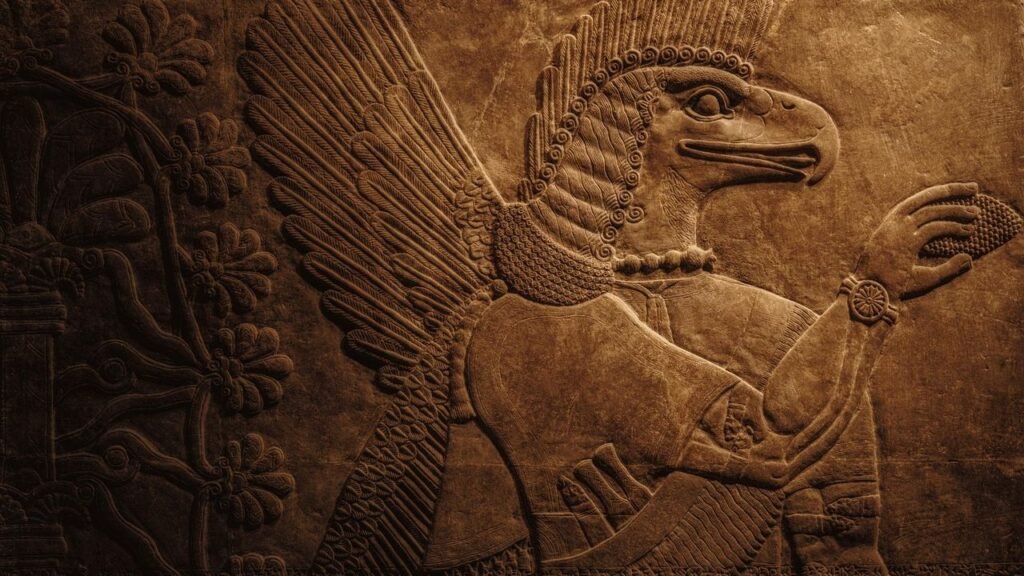
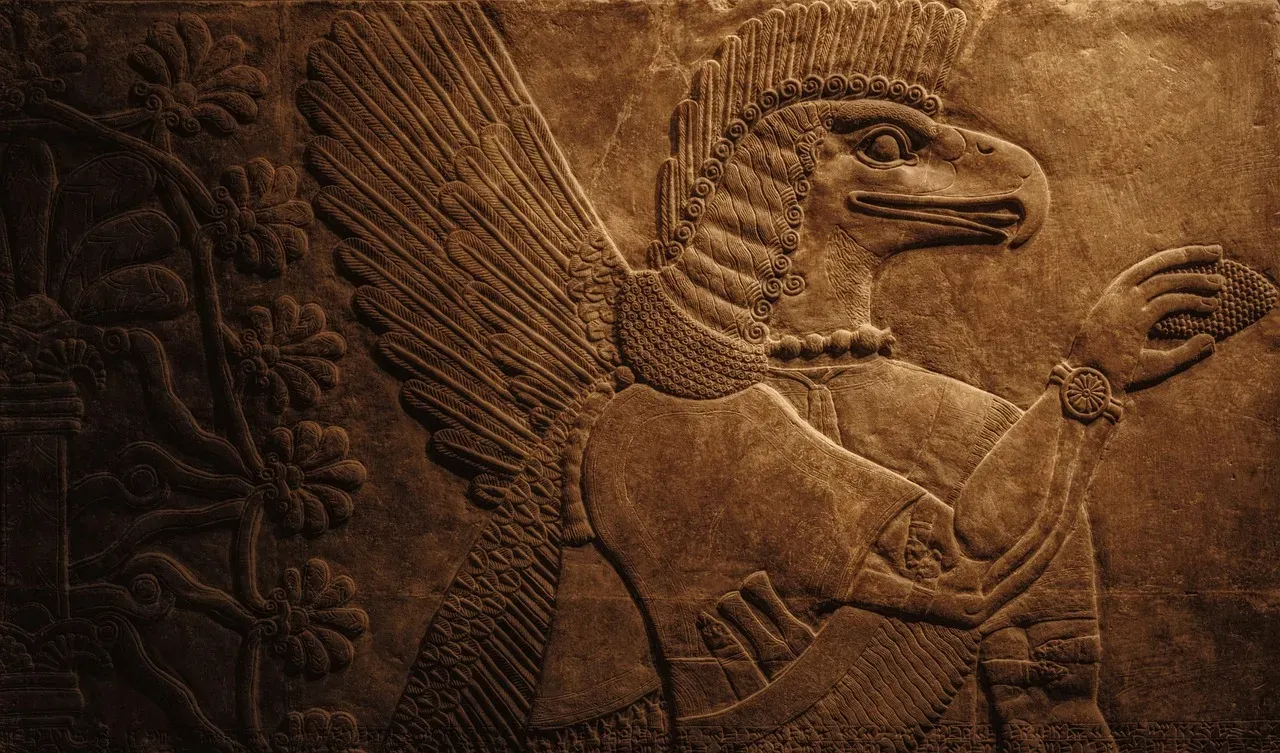
I remember the first time I saw those winged, bearded figures from Assyrian reliefs in a museum. They looked almost sci‑fi, like they’d stepped out of a graphic novel instead of stone walls that are thousands of years old. It’s not hard to see why people started connecting them to UFOs and lost knowledge. But when you dig into what we actually know from archaeology and texts, the story gets more complex, more human, and honestly more interesting than a simple “aliens did it” answer.
Who Were the Anunnaki in Mesopotamian Myth?
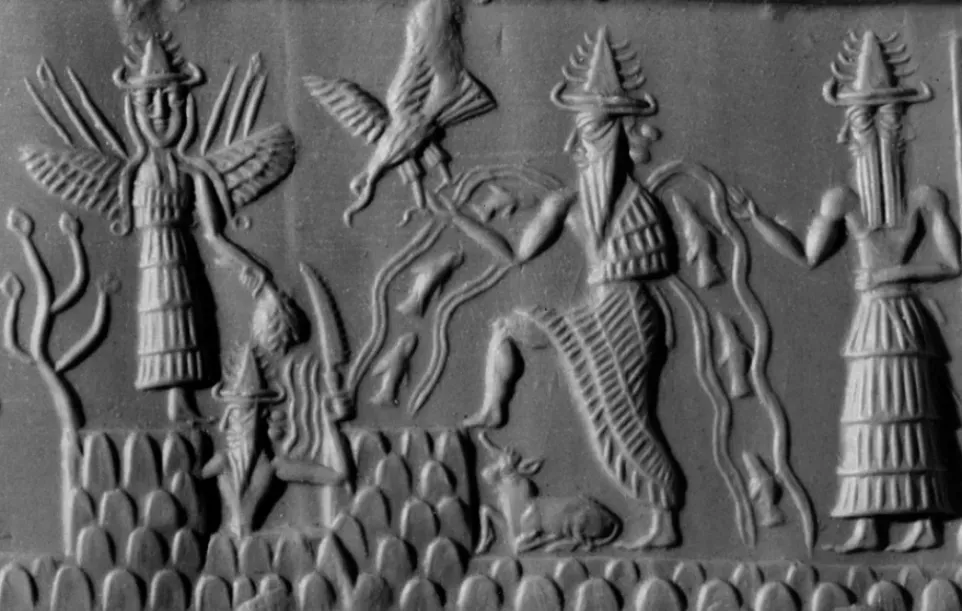
The Anunnaki started out as a group of deities in ancient Mesopotamia, especially within Sumerian, Akkadian, Babylonian, and Assyrian traditions. The word itself is usually understood as “the offspring of Anu,” Anu being the sky god at the top of the divine hierarchy. Instead of one single god with absolute power, Mesopotamian religion imagined a council or family of gods, each with their own roles, rivalries, and domains.
In the earliest Sumerian texts, the Anunnaki are sometimes described as judges in the underworld, or as high-ranking gods who oversee destinies and major cosmic decisions. They weren’t a neat, consistent group like a superhero team with fixed members; different cities and periods emphasized different deities. Think of them less like a fixed pantheon and more like a shifting cabinet of divine elites, whose importance rose and fell with politics, city-states, and priesthoods.
The Mesopotamian Worldview: Gods, Kings, and Cosmic Order
To understand the Anunnaki, you have to get inside the Mesopotamian mindset, where the universe felt precarious and needed constant divine management. Floods, droughts, and invasions could wipe out whole cities, so people saw the world as something held together by agreements between gods and humans. The Anunnaki were central to that cosmic contract, deciding fates and granting legitimacy to rulers.
Kings were not just political leaders; they were chosen and approved by the gods, especially by the higher-ranking deities within the Anunnaki group. Texts describe rituals where rulers “received” authority from the gods, kind of like being sworn in by the universe itself. In that setting, the Anunnaki become the ultimate committee in the sky, whose favor meant stability, harvests, and victory – and whose anger meant chaos.
Myths and Stories: What the Texts Actually Say
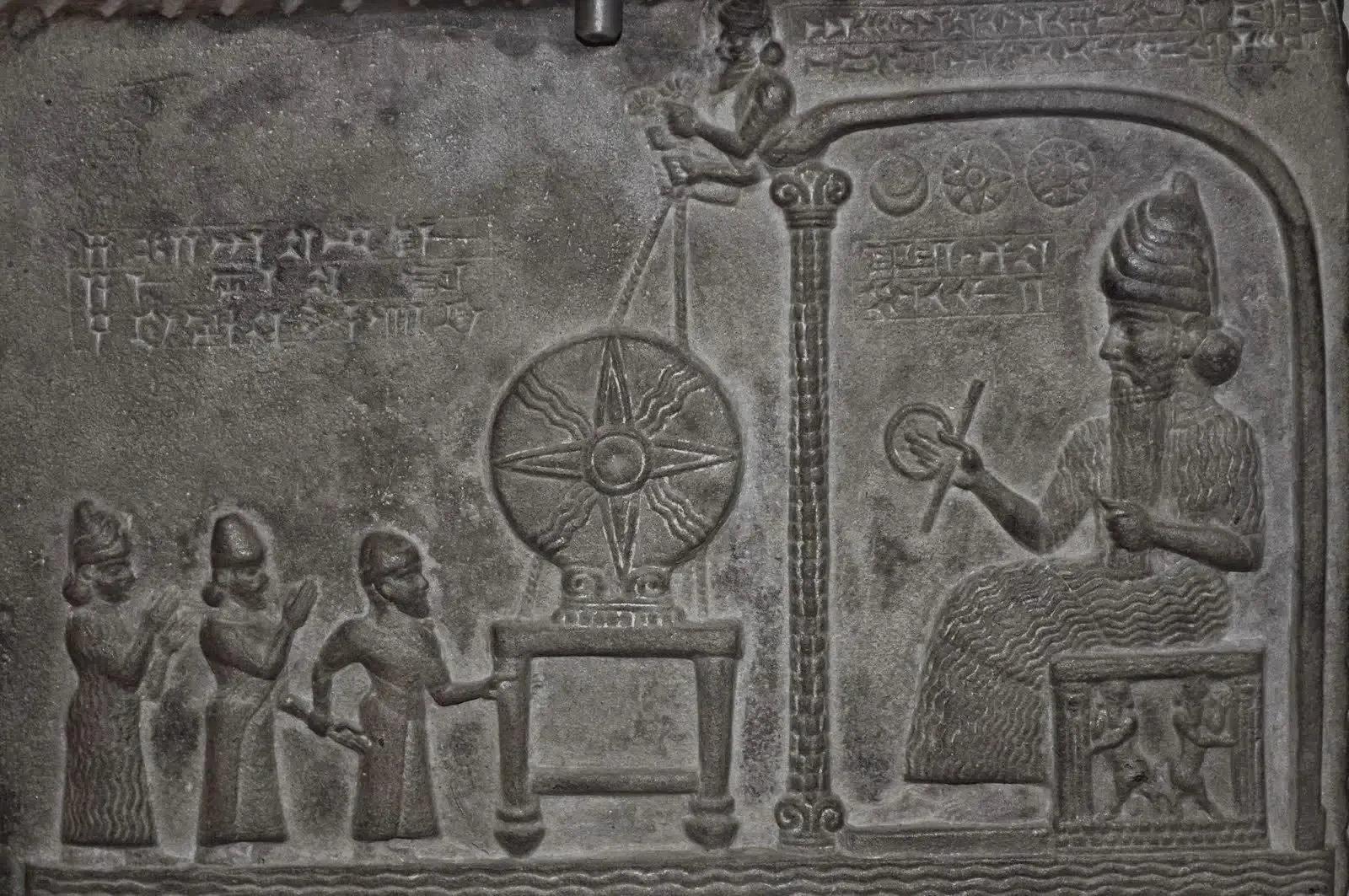
Most of what we know about the Anunnaki comes from clay tablets written in cuneiform, many of them discovered in places like Nippur, Nineveh, and Ur. These include creation myths, hymns, laments, and epic tales. In several of these, the Anunnaki appear not as mysterious strangers, but as familiar, locally understood gods woven into everyday religious life. They show up in lists and invocations much like saints or archangels in later traditions.
In certain myths, the Anunnaki are associated with the underworld and judgment of the dead, while in others they are linked to the heavens and the ordering of the cosmos. Different texts highlight different functions, and sometimes the same term “Anunnaki” gets used for different sets of deities depending on the story. It’s messy, and that’s exactly what you’d expect from a religious tradition that evolved over many centuries, not a clean instruction manual from outer space.
The Ancient Astronaut Theory: How Aliens Entered the Story
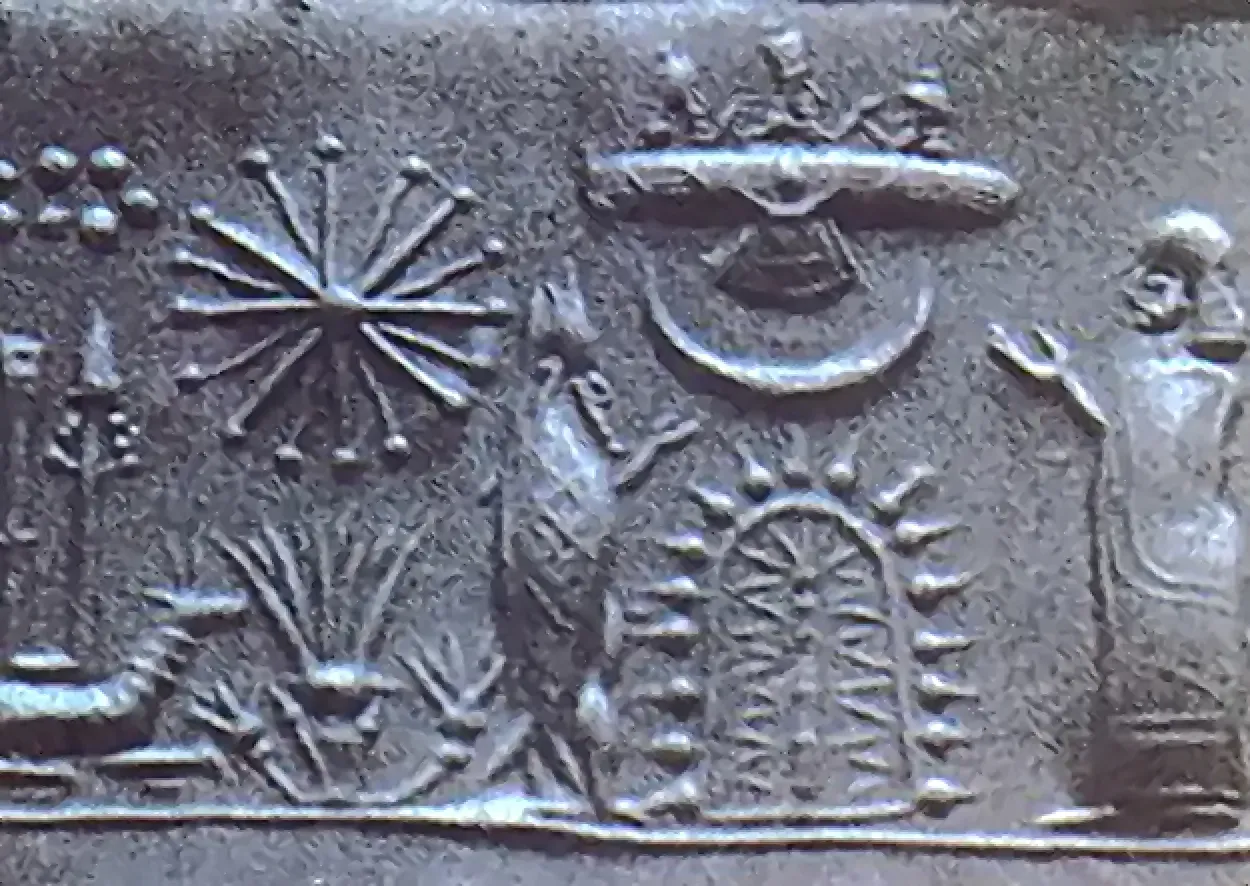
The jump from mythological deities to ancient astronauts really took off in the twentieth century. Popular writers began to argue that the Anunnaki were not symbolic gods but literal beings from another planet who visited Earth in deep antiquity. They pointed to the apparent sophistication of Mesopotamian astronomy, engineering, and mathematics as suspiciously advanced for such an early civilization. The idea was that someone must have helped them, and the Anunnaki became the prime suspects.
Some authors claimed the Anunnaki genetically engineered humans to be workers, interpreting mythic language about “fashioning mankind” as a kind of proto-biotechnology record. Mesopotamian art showing stylized figures with wings, horned headgear, or strange objects were reimagined as depictions of space suits and advanced tools. It’s a bold and dramatic narrative, and that’s why it’s so attractive: it tells us we’re the legacy of cosmic engineers, not just the result of slow, blind evolution and cultural trial and error.
What Archaeology and Linguistics Actually Show
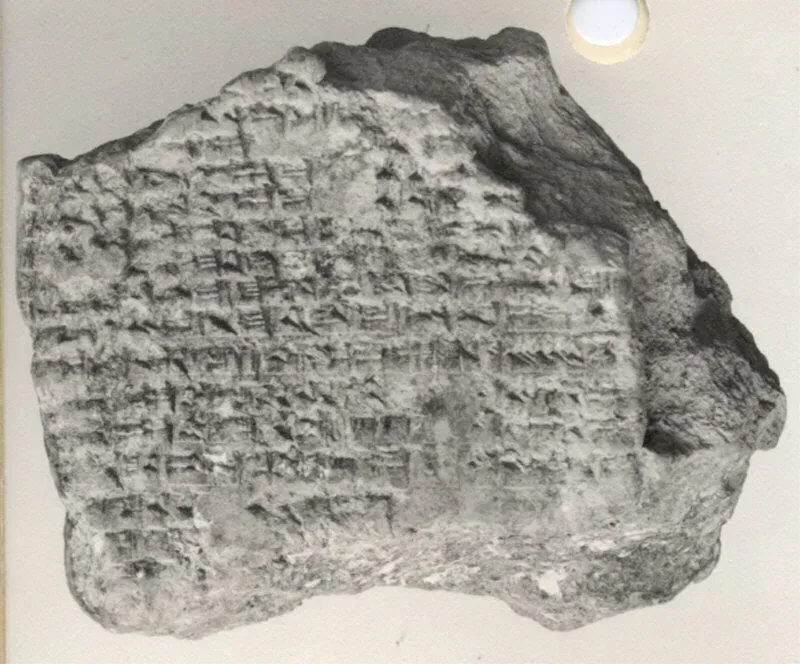
When you pull back from the dramatic storytelling and look at what archaeologists and philologists actually find in the ground and on tablets, the picture is far more down-to-earth. Cuneiform texts about the Anunnaki read like religious literature, not technical manuals. The language is poetic, symbolic, and shaped by ritual, with no hidden equations or schematics hiding in plain sight. Temples, ziggurats, and artifacts can be traced step by step through human craftsmanship, experimentation, and cultural exchange.
Linguists who study Sumerian and Akkadian do not see secret references to spacecraft or star systems; they see metaphors, theological debates, and political messages encoded through myth. The astronomical knowledge of Mesopotamia is impressive, but it grows over centuries, with clear evidence of observation, record‑keeping, and refinement. It looks like the result of curious, careful humans watching the skies night after night, not a sudden download of alien data.
Why the Alien Interpretation Feels So Tempting
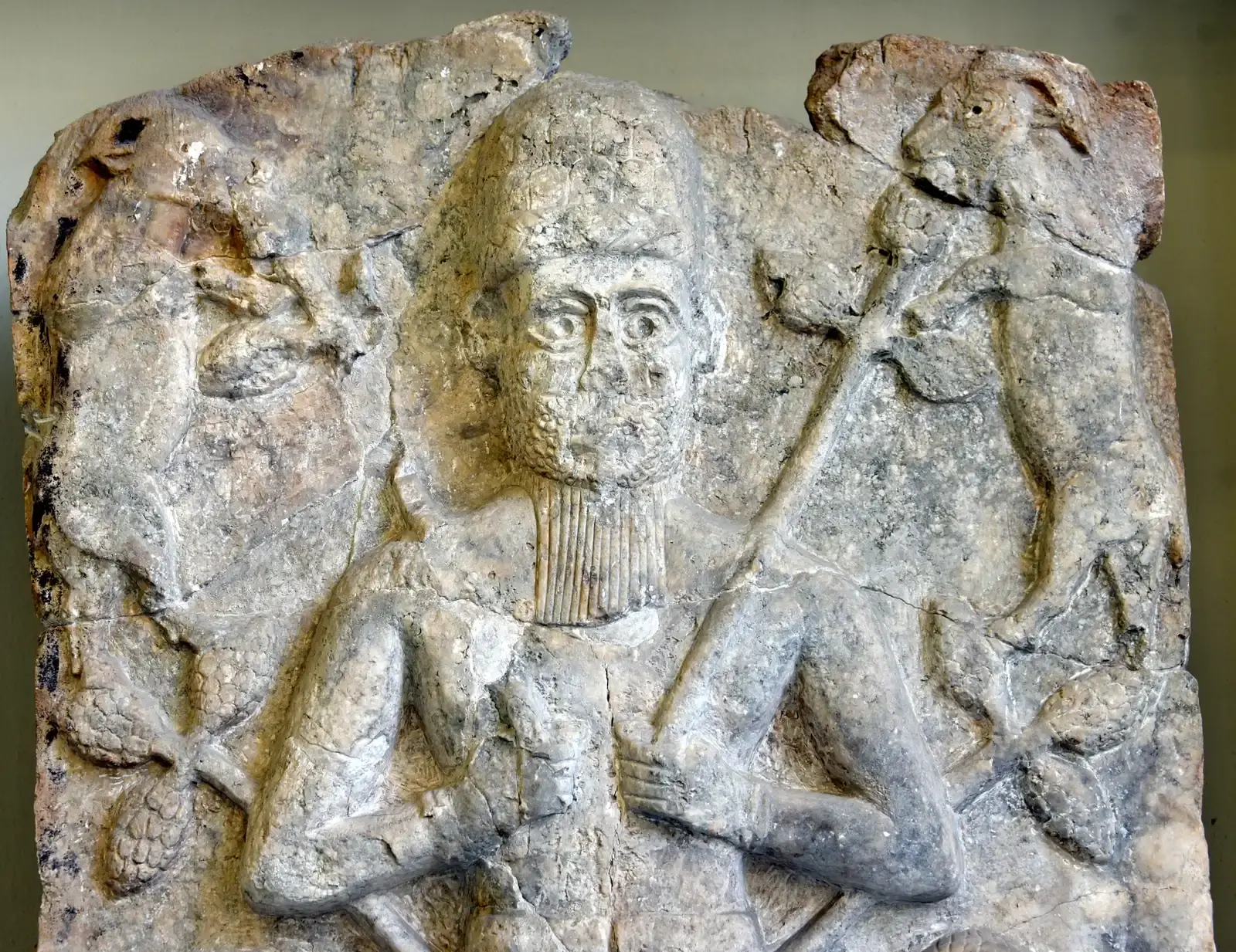
Even if the evidence doesn’t really support the ancient astronaut reading, it’s worth asking why so many people still find it compelling. Part of it is simple: it’s more exciting to imagine ourselves as a project started by beings from the stars than as the product of slow cultural and biological evolution. Alien Anunnaki stories turn ancient Mesopotamia into the prologue of a cosmic saga, where we’re tied to something bigger, stranger, and more dramatic than what textbooks usually allow.
There’s also a quiet frustration many people feel with how history gets taught: dates, names, and dry facts with no sense of wonder. The ancient astronaut theory smuggles wonder back into the story. The problem is that it can unintentionally strip ancient people of credit for their own brilliance, turning them from innovators into side characters in someone else’s experiment. It’s a bit like giving all the praise for a masterpiece painting to the person who sold the brushes instead of the artist.
Myth, Meaning, and Respecting the Ancients
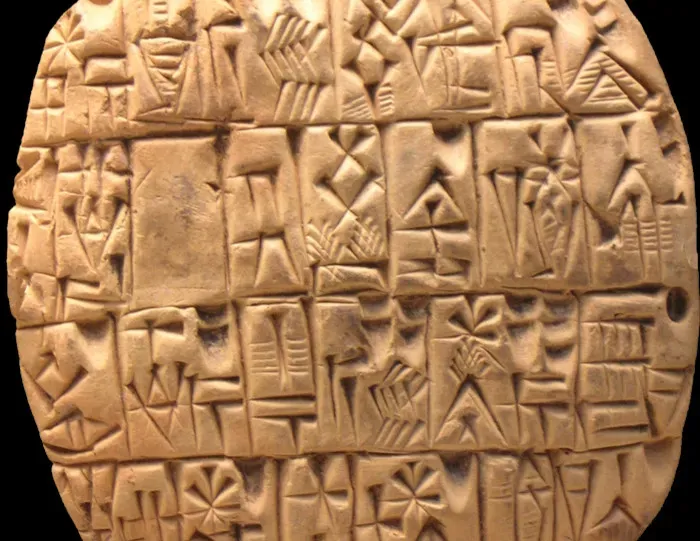
Personally, I think the real power of the Anunnaki story comes from how it shows the human need to organize the chaos around us. Whether or not you believe in any supernatural aspect, these gods reflect real questions: Who’s in charge? Why do some people rule and others serve? What happens when order breaks down? People thousands of years ago were wrestling with the same anxieties and hopes we have now, just with different symbols and stories.
When we insist the Anunnaki must have been aliens to explain Mesopotamian achievements, we risk underestimating just how clever and resourceful ancient humans were. They built cities, mapped the stars, invented writing, and crafted stories that still haunt us millennia later – all with the same kind of brains we have today. To me, that’s almost more awe‑inspiring than any spaceship theory. Isn’t it wild that the most astonishing “alien intelligence” shaping our past might simply be our own?