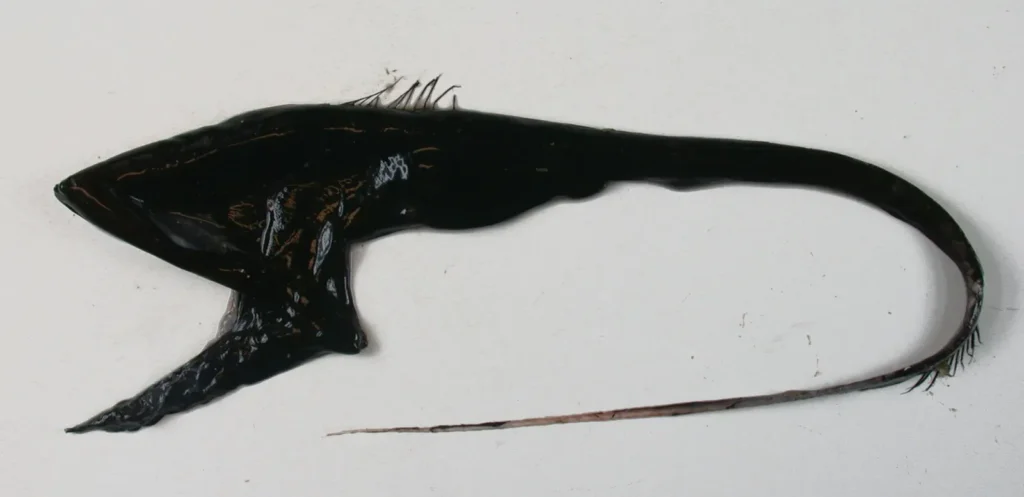
You might think you know what life looks like. You’ve seen birds, insects, mammals, coral reefs in travel documentaries. You have a sense of what a living thing is supposed to do and how it’s supposed to work. Then someone points a remotely operated vehicle into the darkest trenches of the ocean, and everything you thought you knew quietly falls apart.
The deep sea is home to weird and wonderful creatures that, over millions of years, have evolved specific traits to survive the extreme conditions of their habitat, resulting in some truly alien-looking animals. Here, under crushing pressure, in freezing darkness, life has not only survived but flourished in astonishing, often bewildering forms. These are the ten creatures that do exactly that. So let’s dive in.
1. The Anglerfish: Nature’s Most Horrifying Love Story
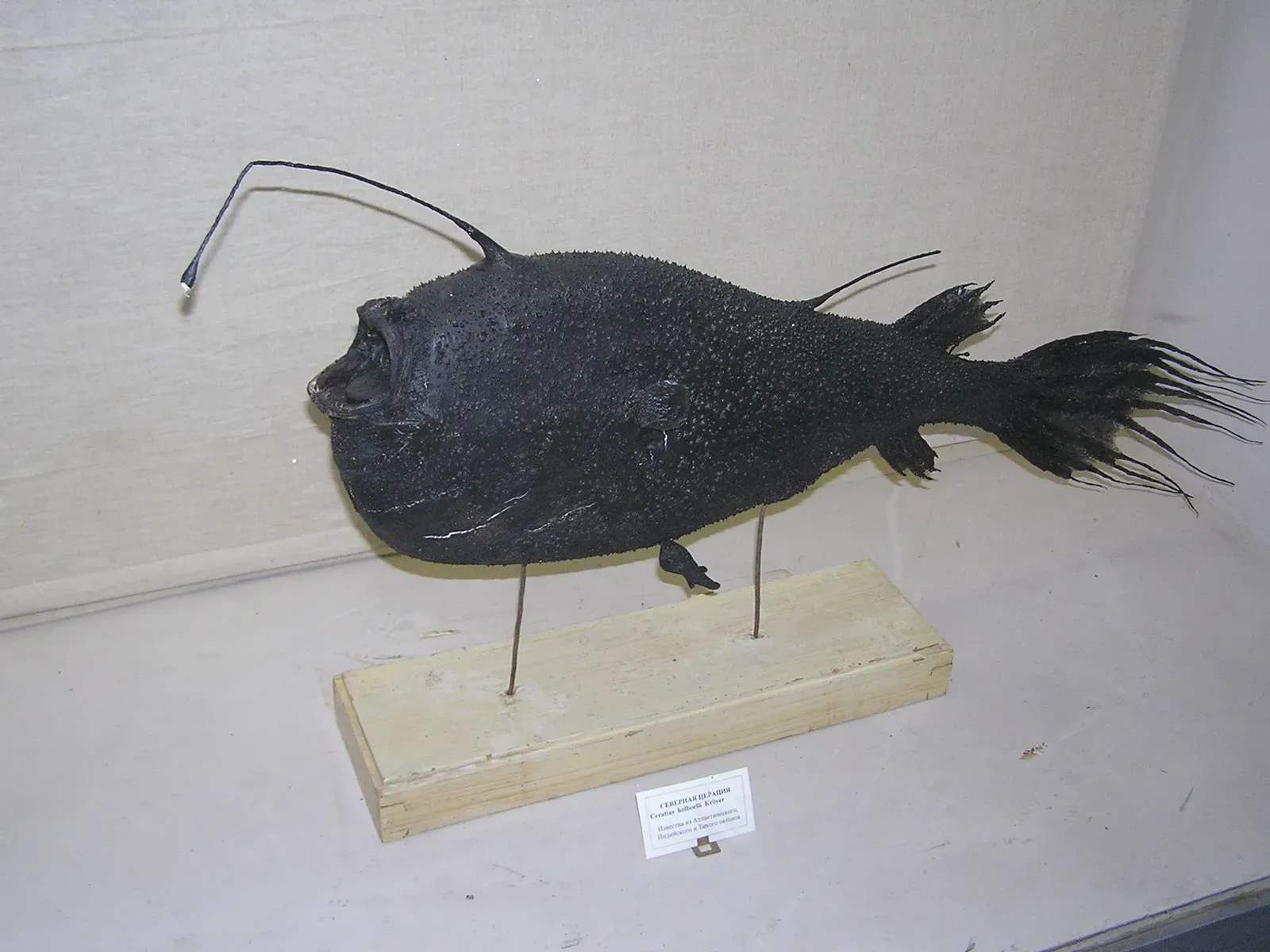
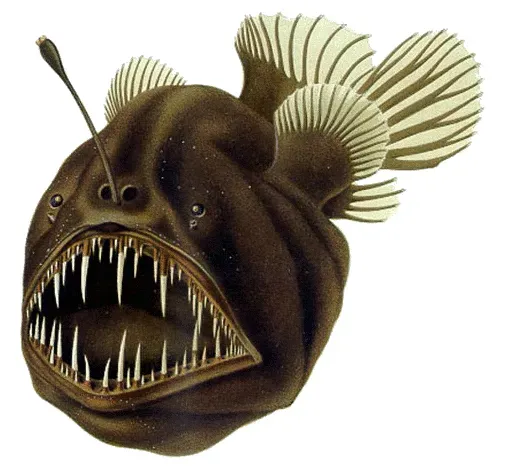
Honestly, the anglerfish might be the single most unsettling creature to ever evolve on this planet. Perhaps the most iconic deep-sea creature, the female anglerfish employs one of nature’s most innovative hunting strategies: a bioluminescent lure extending from her forehead, created through a symbiotic relationship with bacteria. This fishing-rod-like appendage dangles a light-emitting esca that attracts prey in the darkness of the deep ocean, and when small fish investigate this apparent free meal, the anglerfish engulfs them with her enormous mouth lined with needle-like teeth.
The reproductive strategy of anglerfish is equally bizarre: the tiny male permanently fuses to the female’s body, eventually losing his eyes, fins, and most internal organs until he becomes nothing more than a parasitic sperm-producing appendage. Some species of female anglerfish can host multiple males simultaneously. Think about that for a moment. The male essentially dissolves into the female. The male’s blood supply joins up with the female’s through his lips, and he lives off her like a parasite while she catches prey with her bioluminescent lure. The dangling male is a handy accessory for the female to carry around, ready to fertilise her eggs when she releases them. Evolution, clearly, has no sense of romance.
2. The Barreleye Fish: The Creature with a See-Through Head
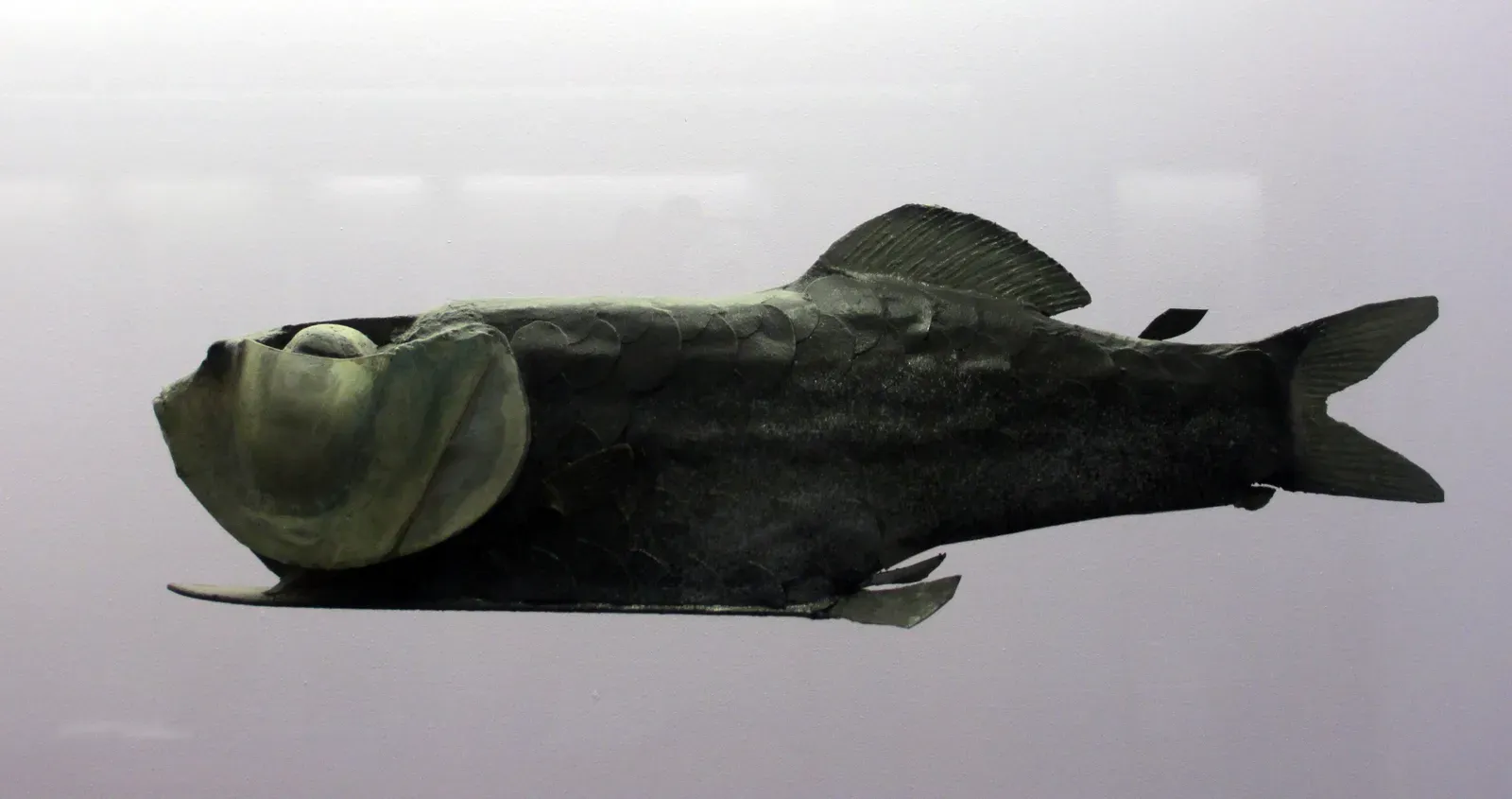
The barreleye, known scientifically as Macropinna microstoma, is a small deep-sea fish with a dome-shaped transparent head that contains glowing green eyes. You read that right. Its entire head is transparent. This protects its sensitive eyes from the nematocysts of the siphonophores, from which it is believed to steal food. Through the dome, the entire inner part of the head can be seen – its eyes, brain, and all the nerve endings that make up its head.
Here’s the thing that really blew scientists’ minds: for a long time, researchers assumed its eyes were fixed in place, pointing straight upward. It was originally believed that the tubular eyes of this fish were fixed in place, offering only tunnel vision above its head. However, in 2008, scientists discovered that its eyes were able to rotate both up and forward within the transparent dome. This feature allows the barreleye to observe prey while keeping its eyes protected from stinging tentacles of jellyfish-like organisms it feeds on. In approximately 5,600 dives, researchers with the Monterey Bay Aquarium have only spotted these fish nine times. Rare, ghostly, and strangely beautiful.
3. The Goblin Shark: A Living Fossil with Slingshot Jaws
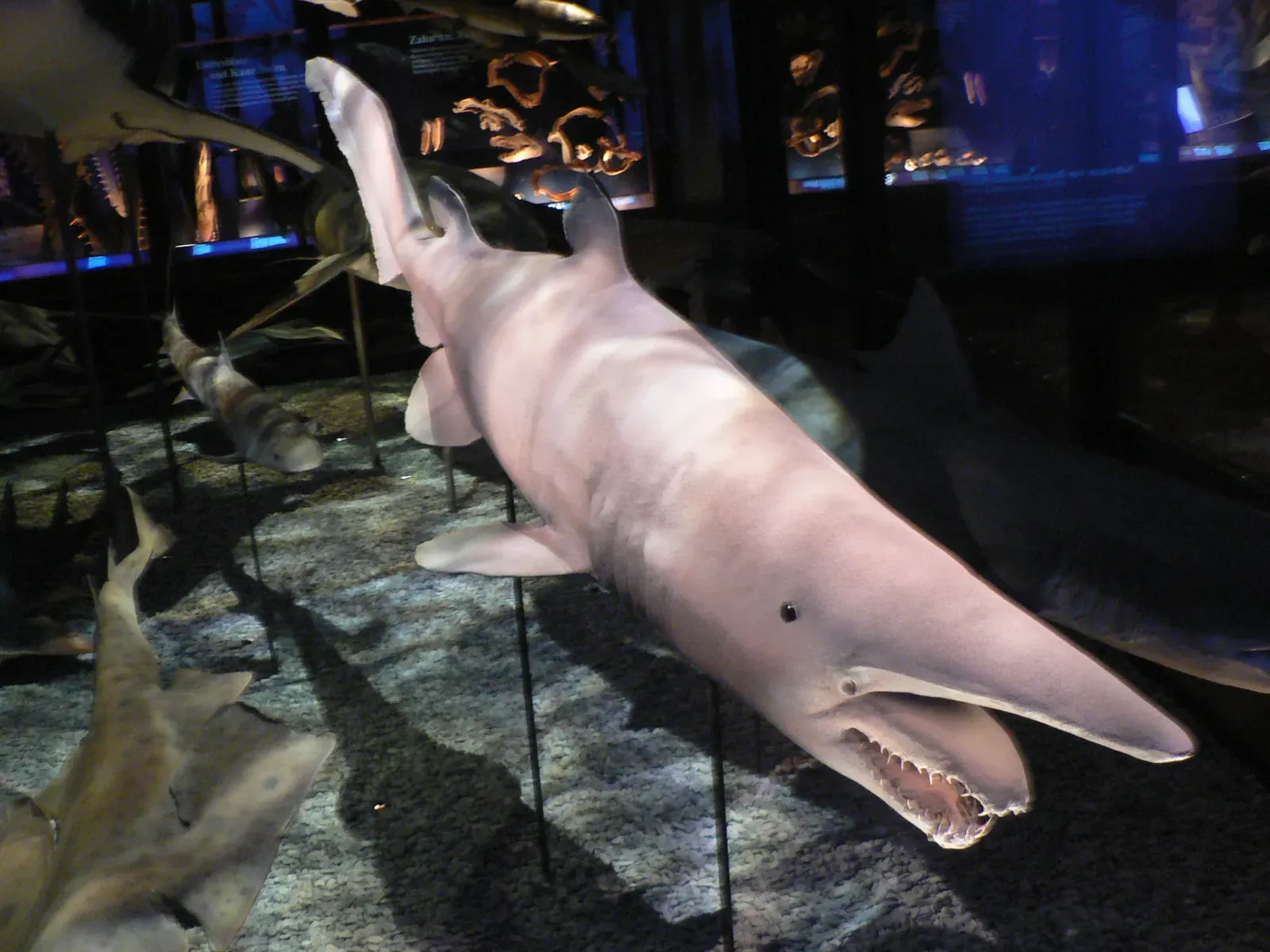
The goblin shark is a rare species of deep-sea shark. Sometimes called a “living fossil,” it is the only extant representative of the family Mitsukurinidae, a lineage some 125 million years old. This pink-skinned animal has a distinctive profile with an elongated, flat snout and highly protrusible jaws containing prominent nail-like teeth. When you first see a photograph of one, your brain genuinely struggles to categorize it.
From studying the jaws specifically, it seems that they are able to lock down under pressure in a retracted position, storing elastic energy in special ligaments that can be released to catapult the mouth forward around the prey. These jaws are said to be possibly up to nine times more protrusible than in other sharks. Remarkable electroreceptor organs called ampullae of Lorenzini are able to sense the minute changes in electrical fields surrounding the shark when other living organisms get close enough. Goblin sharks have a particularly high density of them concentrated on their nose. This shark is not hunting with its eyes. It’s hunting with its face like a living antenna.
4. The Vampire Squid: Neither Squid Nor Octopus, But Something Else Entirely
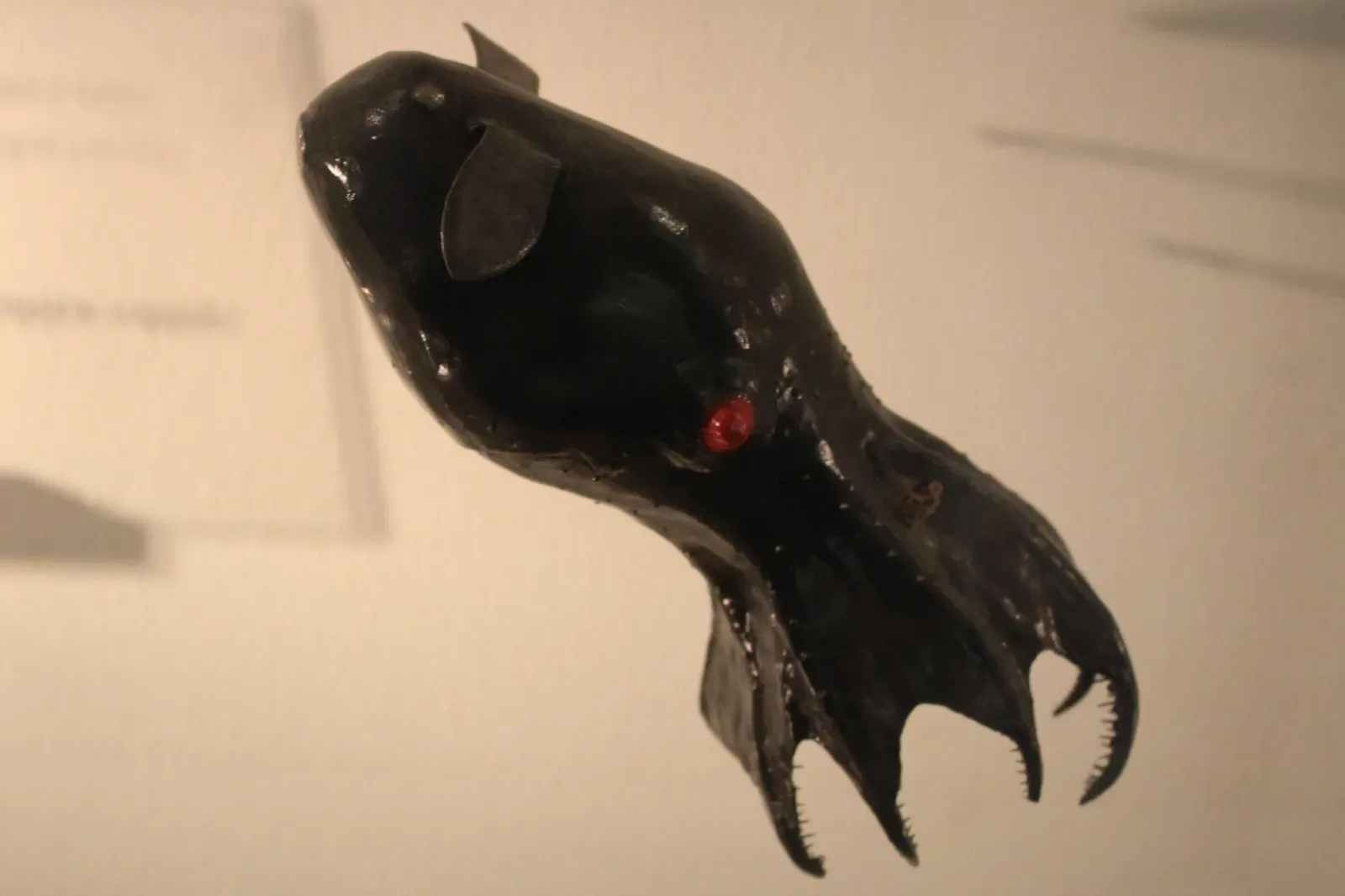
The vampire squid, Vampyroteuthis infernalis, meaning “vampire squid from hell,” is a small cephalopod found throughout temperate and tropical oceans in extreme deep-sea conditions. The name alone should tell you something. The vampire squid uses its bioluminescent organs and its unique oxygen metabolism to thrive in the parts of the ocean with the lowest concentrations of oxygen. It has two long retractile filaments located between the first two pairs of arms on its dorsal side, which distinguish it from both octopuses and squids, though its closest relatives are octopods. As a phylogenetic relict, it is the only known surviving member of the order Vampyromorphida.
As sedentary generalist feeders, vampire squids feed on detritus, including the remains of gelatinous zooplankton and faecal pellets of other aquatic organisms that live above. So yes, this creature literally eats the ocean’s falling debris like a slow, graceful garbage collector of the abyss. Vampire squids also use a unique luring method where they purposefully agitate bioluminescent protists in the water as a way to attract larger prey. They are, in a very real sense, in a category all their own – a taxonomic branch that has no living relatives.
5. The Giant Tubeworm: Life Without Sunlight, Without Eating
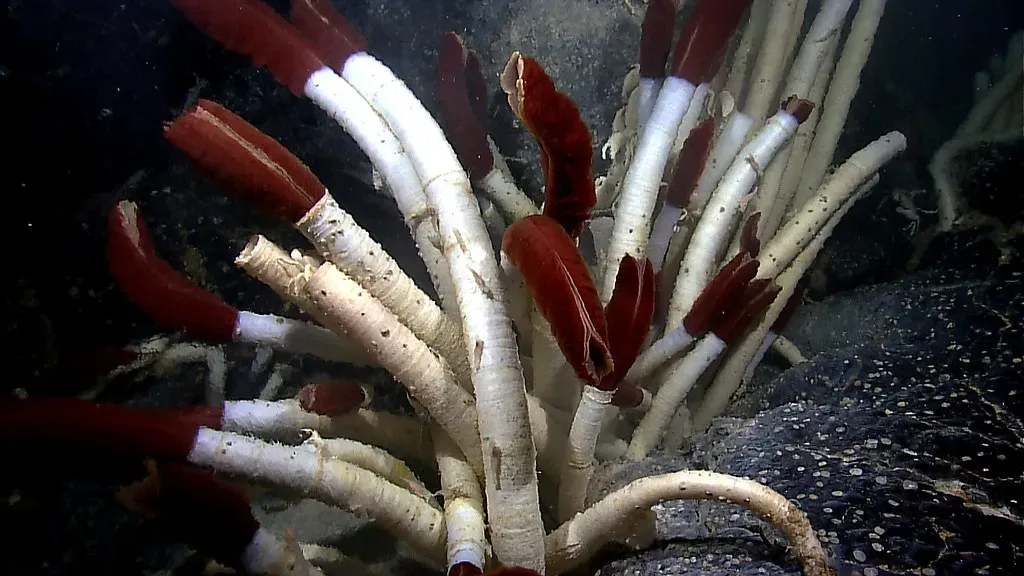
Imagine never eating a single bite of food your entire life. That’s roughly the situation of the giant tubeworm. Scientists weren’t aware of the existence of deep-sea hydrothermal vents until 1977, when researchers discovered an area of super-hot, mineral-rich springs bursting from the seafloor near the Galapagos Islands. Even more exciting was encountering bizarre animals like the giant tubeworm thriving in what was thought to be an uninhabitable environment. There were colonies of giant tubeworms crowding the vents.
The six-foot invertebrates are the heaviest worms and one of the fastest-growing species on Earth. They lack mouths and digestive systems – so instead of eating, the worms harbor symbiotic bacteria in their bodies that transform the vents’ hydrogen sulfide emissions into energy. If the worms feel threatened, they can retract their red, feather-like gills inside the protective white tubes surrounding their bodies. The worms have a symbiotic relationship with chemosynthetic bacteria that live in their bodies. Those bacteria provide them with a source of nutrients in exchange for, among other things, a stable place to live. It’s a deal that works out beautifully for both parties.
6. The Giant Isopod: A Pill Bug the Size of a House Cat
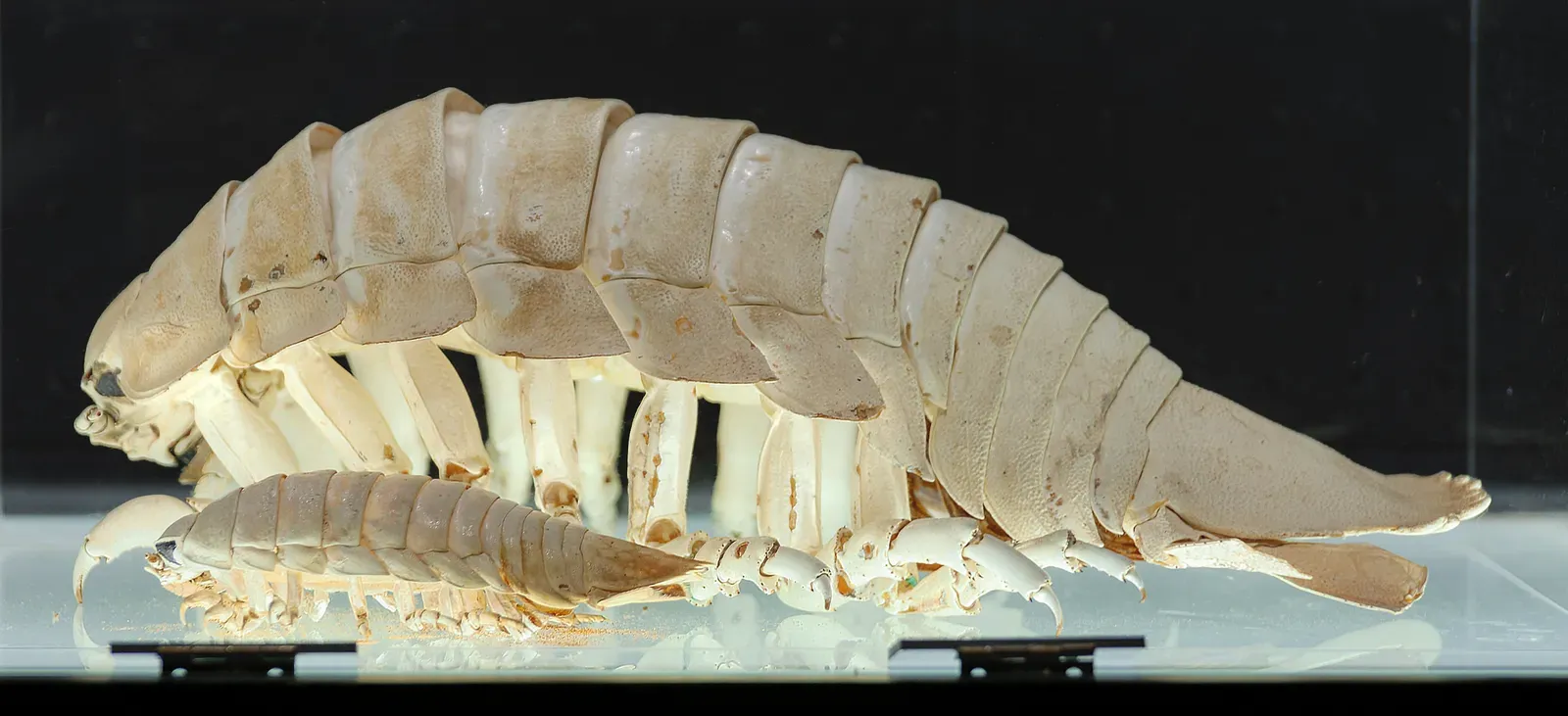
You have probably seen a pillbug rolling up into a ball in your backyard. Now picture that same creature scaled up to the size of a house cat and dropped into the ocean’s darkest depths. The giant isopod, Bathynomus giganteus, is a marine arthropod related to the much smaller, friendlier garden pillbug or roly-poly. These benthic beasts can grow over a foot long and are commonly found 7,000 feet below sea level, where they hunt smaller creatures and scavenge whale falls and other foods drifting down to the seafloor.
Often regarded as scavengers of the sea, giant isopods feed on dead whales, squid, and other fish that settle on the ocean floor. Studies suggest that they may also eat live creatures such as sponges and sea cucumbers. What makes them especially remarkable is their relationship with hunger. Food in the deep sea is very rare – that is one of the defining characteristics of the deep sea. There is no sunlight, so there are no plants for the most part. If these scavengers get a chance, they would devour carcasses as much as they can in order to survive for months. They have to be able to store all this food in their body because they don’t know when they will feed again. A creature built for feast and famine, cycling endlessly in the dark.
7. The Frilled Shark: A Prehistoric Nightmare Still Swimming
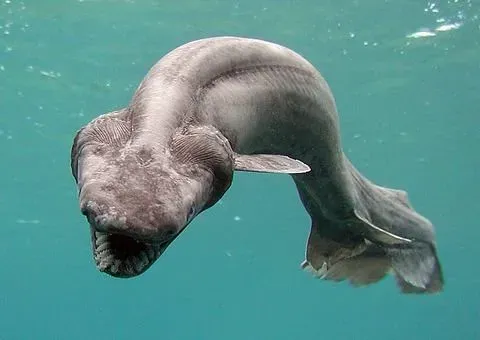
Although it’s in the same class as modern sharks, the seven-foot frilled shark looks more like an eel than a great white shark. When people first encounter footage of one, the reaction is almost universally the same: that thing looks ancient. Because it is. As a marine animal, the frilled shark is a living fossil because of its relatively unchanged anatomy and physique, since first appearing in the primeval seas of the Late Cretaceous and the Late Jurassic epochs.
The frilled shark was discovered in Japanese waters in the 19th century and superficially looks less like a shark and more like an eel. Its distinctive features include its protruding gill slits which form a frill around its neck. The frilled shark usually lives at depths of 600 to 1,300 meters, feeding on small deep-water fishes and squid. Although it has no distinct breeding season, the gestation period of the frilled shark can be up to 3.5 years long, to produce a litter of just two to fifteen shark pups. Let that gestation timeline sink in. Over three years. Longer than most pregnancies in the animal kingdom, all spent in the crushing cold of the deep ocean.
8. The Pelican Eel: A Mouth That Defies Logic
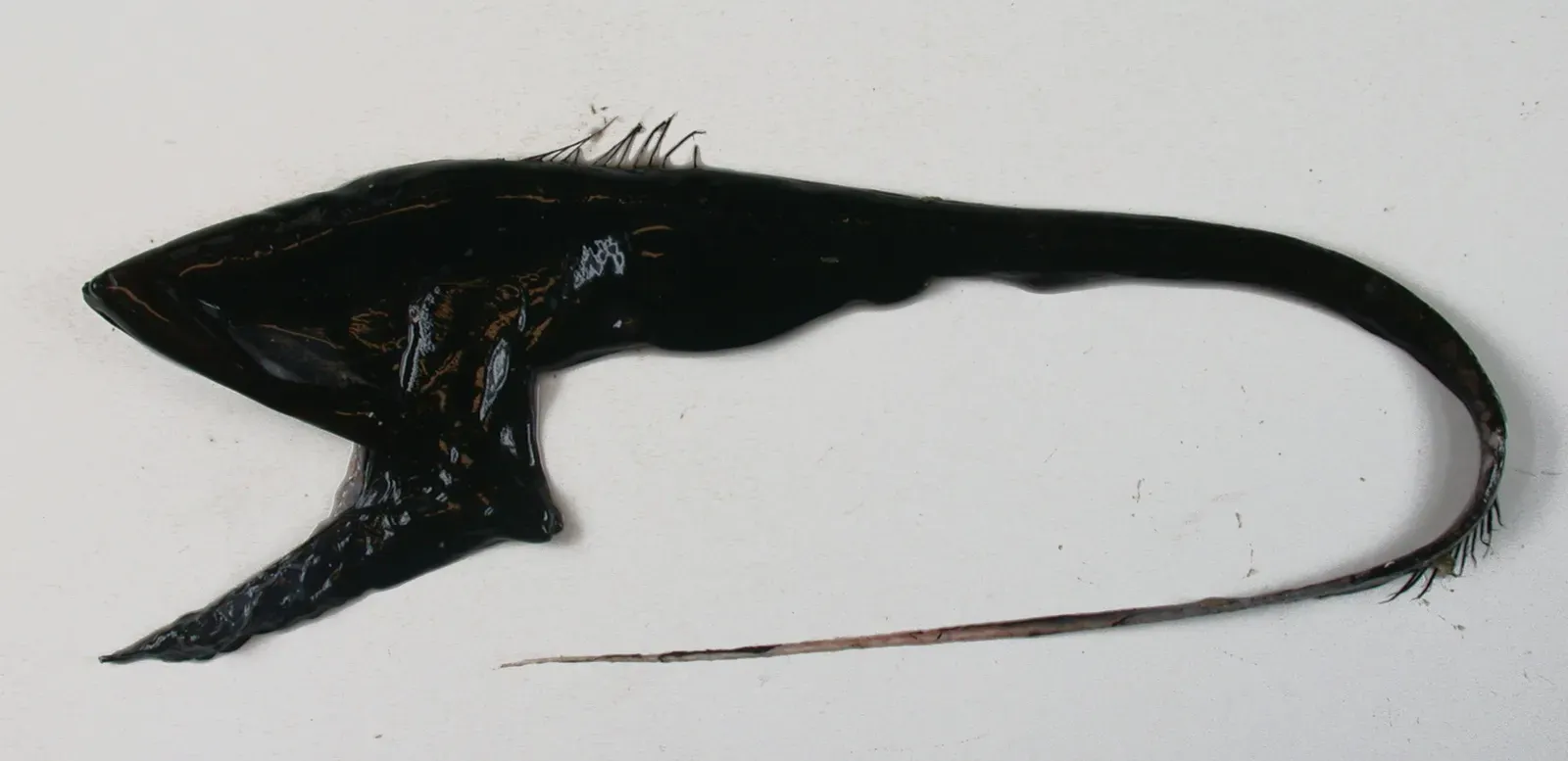
A gulper or pelican eel mostly looks like it should – long and sinuous – until it feeds, when it becomes more like a balloon on a stick. This denizen of the deep is equipped with enormous jaws that extend backwards from the head, terminating in a pair of elbow-like hinges. It’s the kind of anatomy that a special-effects artist would dream up for a monster movie, except it genuinely exists down there in the dark.
The pelican eel has enormous jaws, a tail that glows pink, and can eat prey bigger than itself. Gulpers are lunge feeders, taking in smaller prey with a huge mouthful of water that causes the head to expand spectacularly. The water is then expelled through the gills, while crustaceans, fish, and squid are swallowed. I think what makes this creature so philosophically unsettling is how it redefines the body plan of a fish. The jaw is not just part of the body. In the pelican eel, the jaw practically IS the body. Everything else is an afterthought dangling behind it.
9. The Stoplight Loosejaw Fish: Invisible Predator with a Secret Flashlight
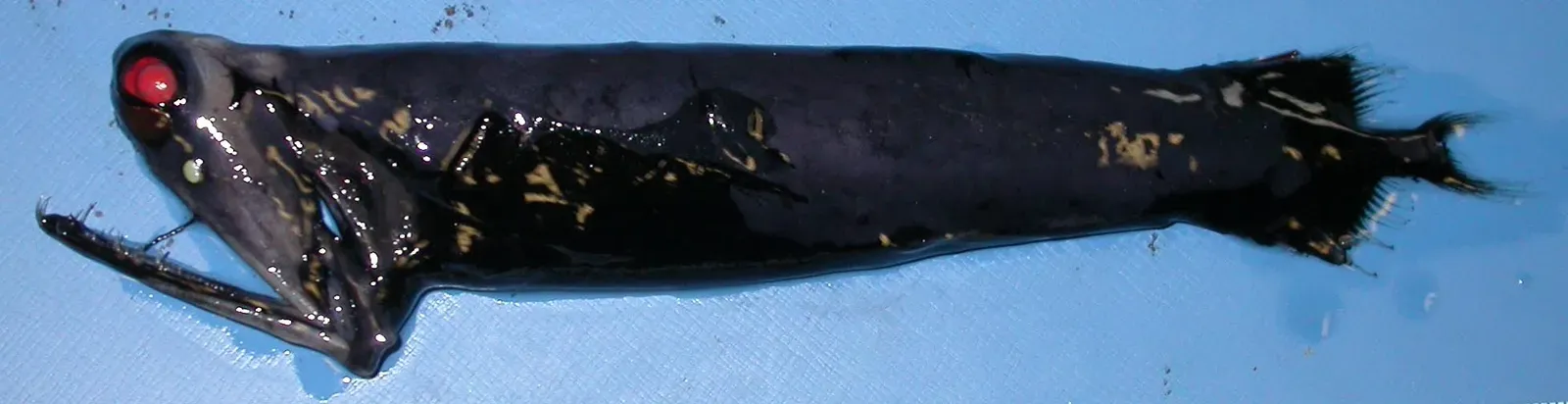
The stoplight loosejaw fish is one of the stealthiest predators in the deep. Its lower jaw is an open frame of bone with no fleshy floor across it, which means it can snap shut very quickly like a mousetrap. It sounds like something assembled from leftover parts. But the genius is in the detail.
It’s called “stoplight” because the bioluminescent organs near its eyes produce red light. Most bioluminescence in the deep ocean is blue, as that color travels well through water, and the eyes of many deep-sea animals are not sensitive to red light. The stoplight loosejaw can see red, so it can light up its prey without alerting them to the danger. It’s essentially carrying a private flashlight that only it can see. Picture a hunter stalking prey in a room full of blind targets, shining a spotlight only they can perceive. That is this fish’s entire hunting strategy, and it’s genuinely brilliant.
10. The Giant Tubeworm of the Deep Trenches: Life at 30,000 Feet
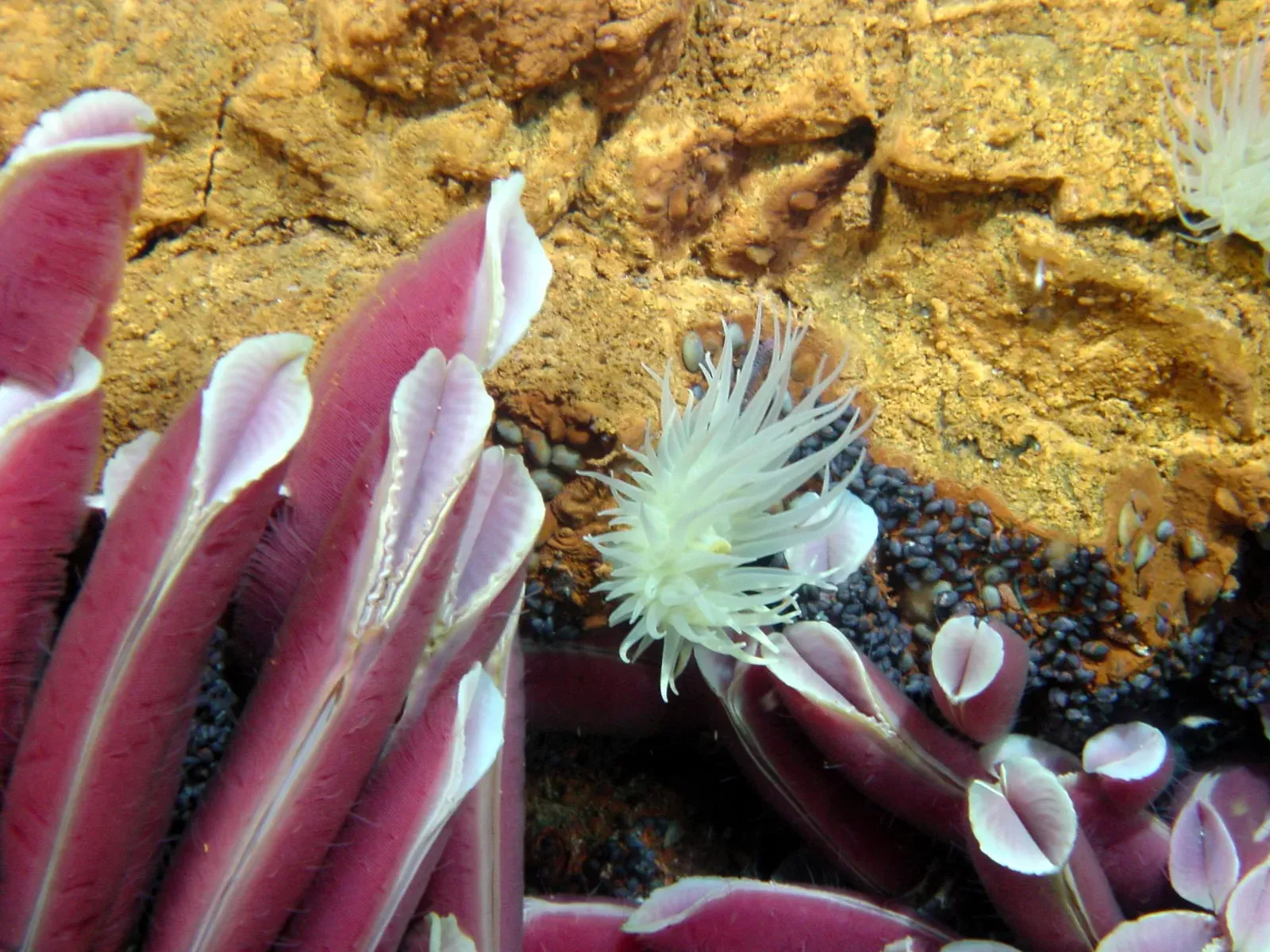
It’s hard to say for sure just how deeply life can persist, but recent discoveries keep pushing that boundary further and further. Led by the Chinese Academy of Sciences, researchers took a manned submersible to the bottom of deep-sea trenches in the northwest Pacific Ocean, reaching a depth of more than 31,000 feet. They were interested in what else might be lurking on the seafloor, which is so deep that no light can reach it. It was there that they found something remarkable: entire communities of animals rooted in organisms able to derive energy not from sunlight but from chemical reactions.
Using a deep-sea vessel called Fendouzhe, the researchers encountered abundant wildlife communities, including fields of marine tube worms peppered with white marine snails. The worms have a symbiotic relationship with chemosynthetic bacteria. This was the deepest community of chemosynthetic life ever discovered. Among the tube worms, the scientists encountered white, centipede-like critters – also a kind of worm, in the genus macellicephaloides – as well as sea cucumbers. Communities of life. At 31,000 feet. Thriving without a single photon of sunlight. The implications for how we think about habitable environments – even beyond Earth – are staggering.
Conclusion: The Ocean Is Trying to Tell Us Something
Humans have explored less than two percent of the ocean floor, and dozens of new species of deep-sea creatures are discovered with every dive. Every single dive. That fact alone should humble us. We tend to think of life as something we understand well, something we’ve catalogued and mapped and explained. The deep sea is a constant, vivid reminder that we are only scratching the surface.
The deep sea is a realm where biology bends the rules, and creatures evolve in ways itself. From the transparent-headed barreleye fish to the ghostly chimaera, these animals have adapted to a world of crushing pressure, eternal darkness, and scarce resources with astonishing creativity. Each one of these ten creatures isn’t just a curiosity – it’s a lesson. A lesson in what life can do when you remove every assumption about what life is supposed to need. What other impossible things might still be waiting down there in the dark? That question, honestly, keeps me up at night.