
You’ve probably seen the Instagram photos. Half Dome at golden hour, Old Faithful erupting right on schedule, the Grand Canyon stretching impossibly wide in every direction. These are the classics, and honestly, they deserve every pixel of attention they get. Yet here’s something that might surprise you: the most jaw-dropping moments in America’s national parks rarely happen at the famous overlooks.
They happen down a side trail you almost skipped. Around a corner that wasn’t on the map. In a cave that barely anyone knows exists. While the National Park Service’s best-known sights draw all the tourists, many national parks have hidden treasures that aren’t quite as well known – some are underrated scenic viewpoints off the beaten path, while others are strange or significant historical sites with interesting histories too few people know about. The good news? You can find them. Let’s dive in.
1. Mammoth Cave National Park, Kentucky – The World Beneath Your Feet
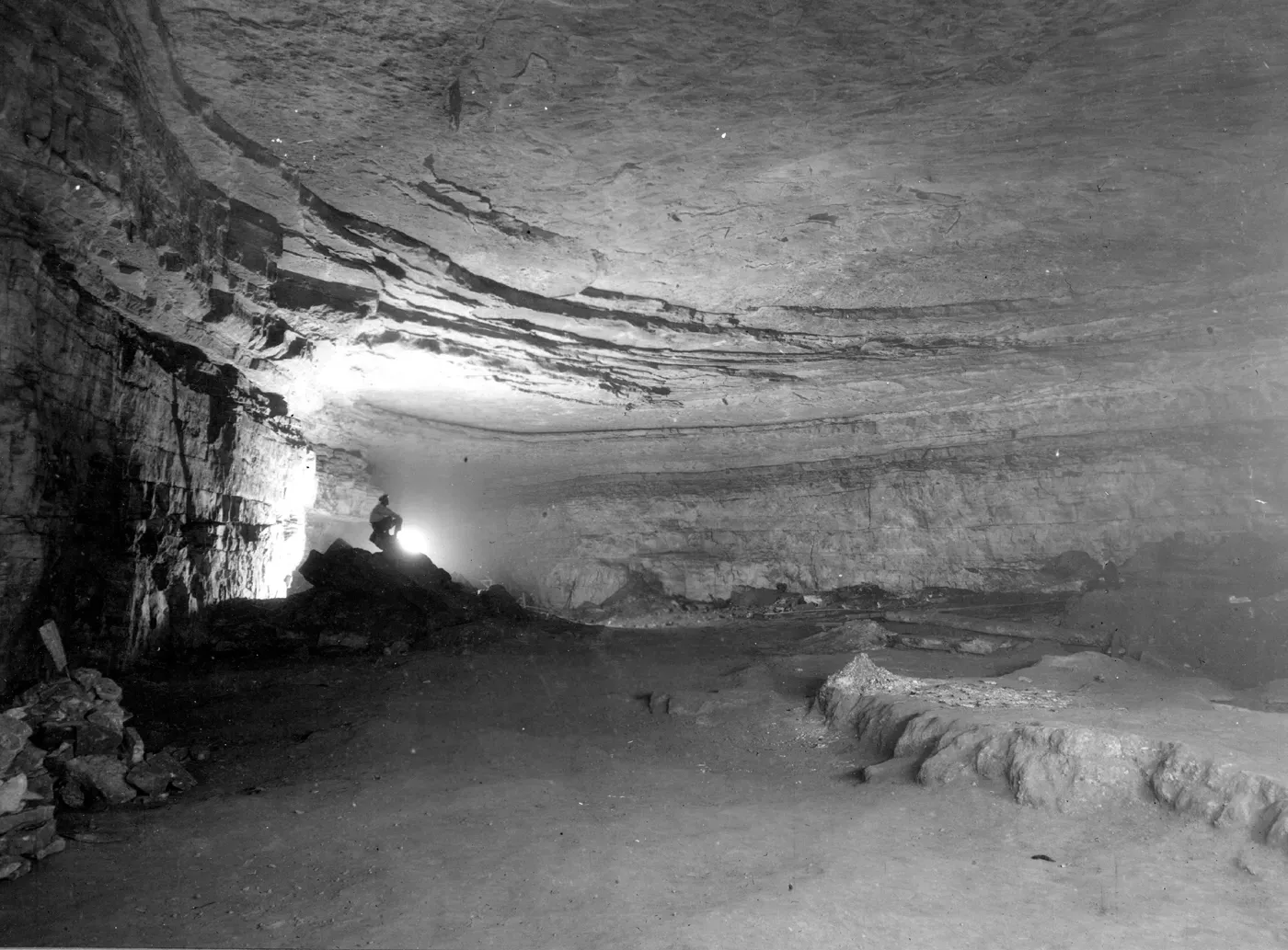
Most people picture rolling Kentucky farmland when they think of this state. They do not picture a subterranean labyrinth so enormous that it makes every other cave system on Earth look modest. As of 2025, more than 426 miles of passageways have been surveyed, making it over 1.5 times longer than the second-longest cave system, Mexico’s Sac Actun underwater cave. That is not a typo. Over 426 mapped miles, underground.
Rolling hills, deep river valleys, and the world’s longest known cave system make up Mammoth Cave National Park – home to thousands of years of human history and a rich diversity of plant and animal life, earning it the title of UNESCO World Heritage Site and International Biosphere Region. What most visitors never realize is the wild human history sealed within those walls. Archaeological evidence suggests that Native Americans explored its depths over 4,000 years ago, using its natural saltpeter deposits for tools and trade. There’s also the eerie story of Dr. John Croghan, who purchased the cave and 1,600 surrounding acres in 1839 and two years later built huts inside to house tuberculosis patients, believing the cave air could cure them. It did not work. The cave carries those stories in its silence.
2. Zion National Park, Utah – The Secret Canyon Nobody Talks About
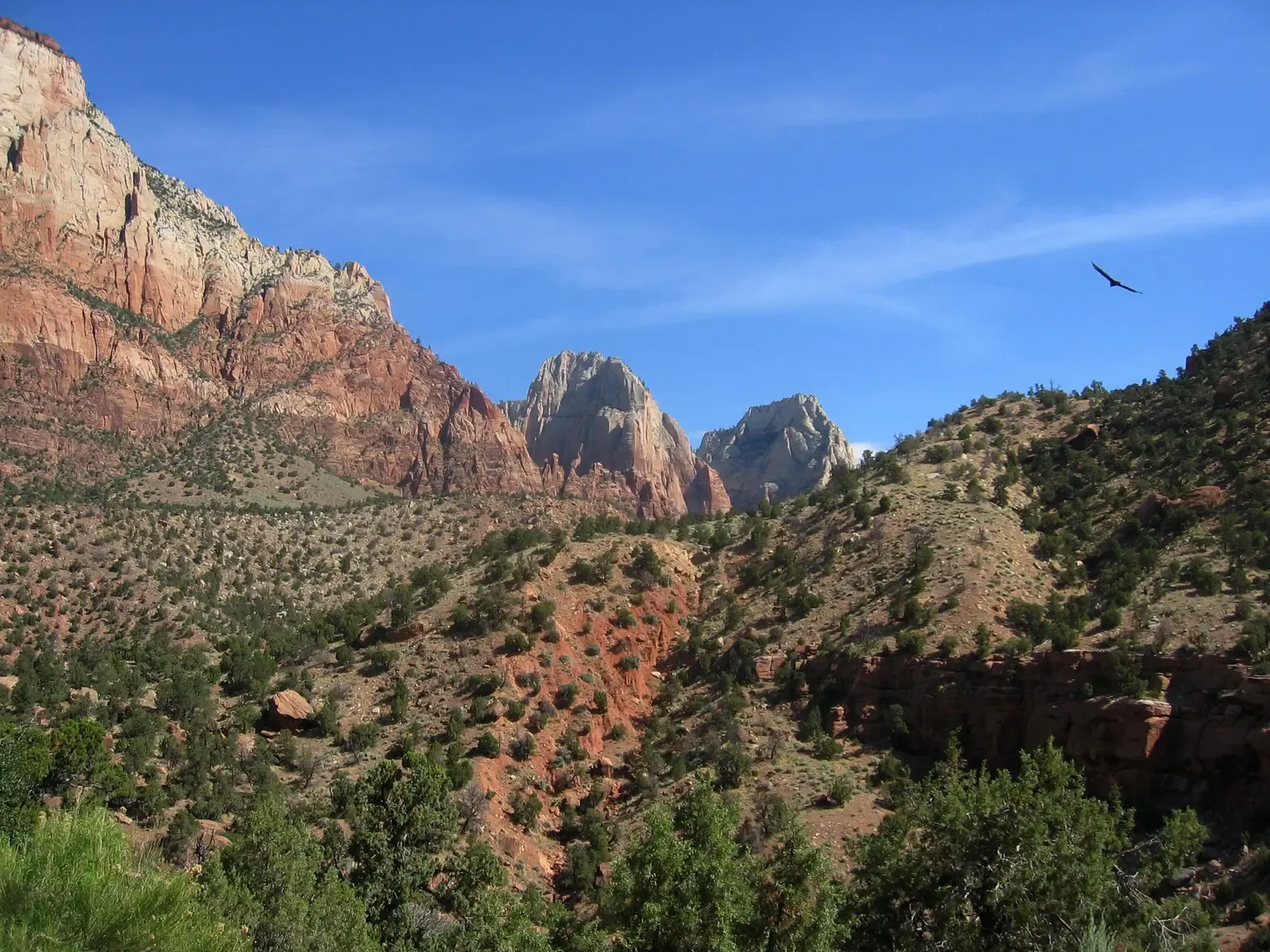
You’ve heard of Angel’s Landing. You’ve probably seen The Narrows on every travel blog since roughly 2012. Here’s the thing – there’s an entirely different section of Zion that the vast majority of visitors never even set eyes on. The Kolob Canyons, tucked into the northwest corner of Zion National Park, is the park’s best-kept secret. A half-dozen finger canyons drain west from a high plateau, offering Zion Canyon’s spectacular red-rock scenery, breathtaking views, and rainbow-tinted cliffs – but no crowds.
Hidden inside a small canyon is one of Zion’s best-kept secrets: Kolob Arch. The massive sandstone arch is one of the world’s largest free-standing arches, spanning 287 feet and second only to Utah’s renowned Landscape Arch. Think about that for a second – one of the world’s largest arches, sitting right inside a park millions of people visit every year, and almost nobody makes the trip to see it. A bonus is the cool summer temperatures at Kolob which, at 6,000 feet, is more than 2,000 feet higher and usually 10 degrees cooler than Zion Canyon. So when you’re sweating it out in the main canyon, there’s literally a cooler, quieter paradise waiting a short drive away.
3. Channel Islands National Park, California – The American Galapagos
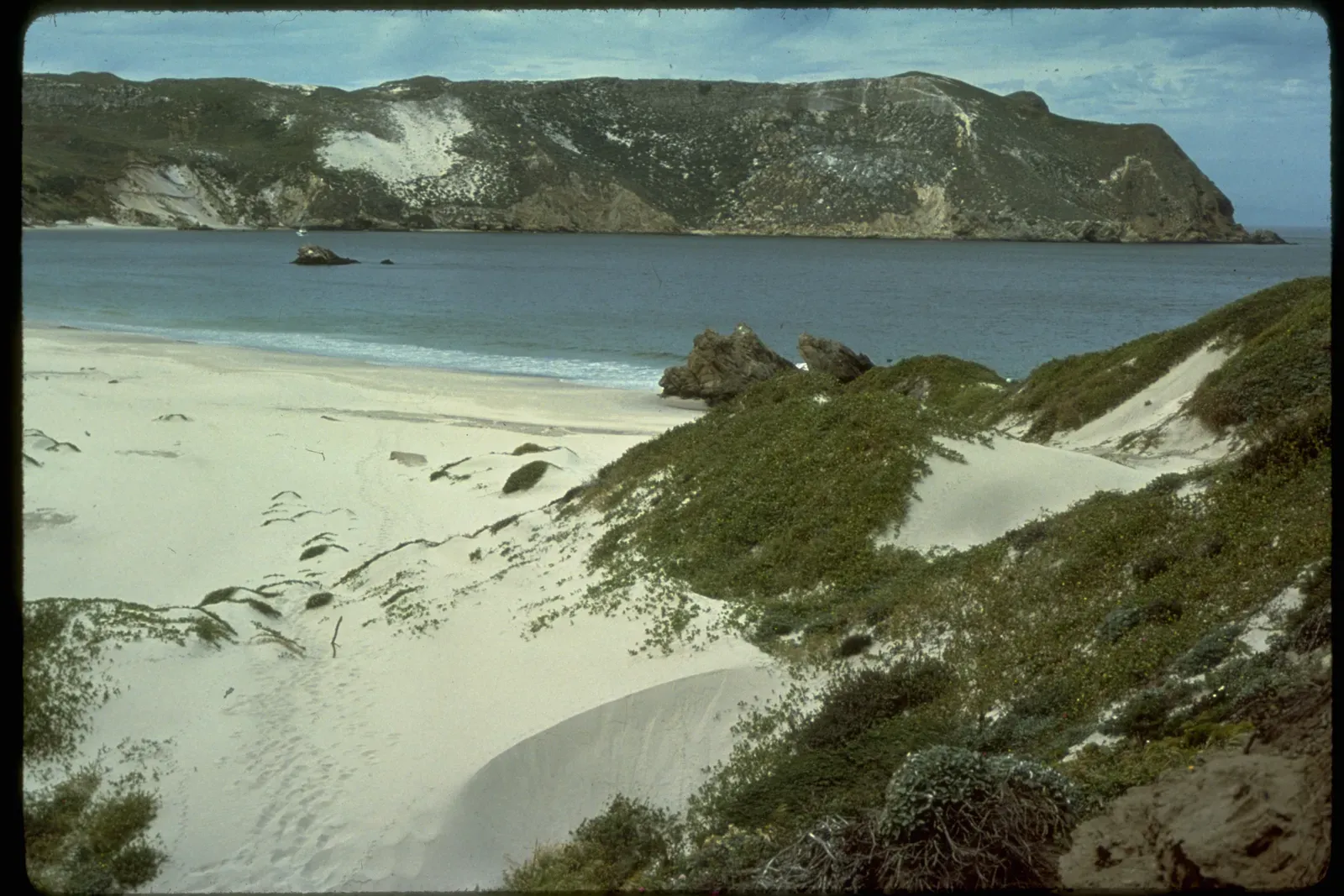
Sitting just off the coast of Southern California, seemingly close enough to touch, the Channel Islands feel like another world entirely. Five of the eight Channel Islands and their surrounding waters are managed by the National Park Service, protecting a unique coastal Mediterranean ecosystem. Sometimes referred to as the “North American Galapagos,” there are 145 animals and plants totally unique to this area. One hundred and forty-five species you simply cannot find anywhere else on the planet.
These islands are also home to the largest breeding colonies of seabirds in the region, as well as the oldest dated human remains on the continent. Painted Cave on Santa Cruz Island is one of the world’s largest known sea caves, with a length greater than four football fields. Honestly, that sea cave alone should be enough to get you booking a boat ticket. Nature lovers can choose from hiking, camping, snorkeling, fishing, surfing, as well as viewing birds, seals, sea lions and whales. It’s the kind of place that makes you wonder why you ever spent a weekend in a theme park.
4. Great Basin National Park, Nevada – A Universe in the Desert
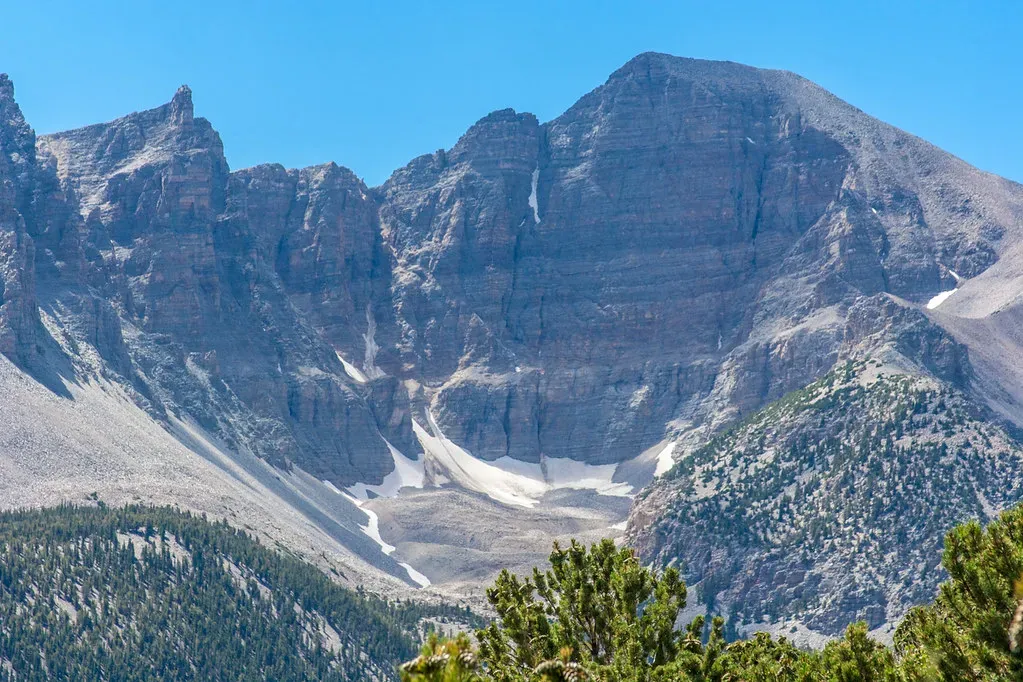
People drive through Nevada on their way to Las Vegas without stopping. That is, I think, one of the great travel mistakes a person can make. The diversity of Great Basin National Park’s treasures is remarkable, evidenced by its 13,000-foot Wheeler Peak, 5,000-year-old bristlecone pine trees, limestone Lehman Caves, and some of the country’s darkest night skies. There are also deserts, playas, rock formations, fossils, springs, creeks and even a glacier. All of that in one park. One park that most Americans have never heard of.
In eastern Nevada, Great Basin National Park combines desert landscapes, alpine peaks and underground caves. You can drive to the top of Wheeler Peak, explore the marble passages of Lehman Caves, or hike among ancient bristlecone pines that have stood for thousands of years. Those bristlecone pines are not a small detail. They are among the oldest living organisms on Earth, like walking through a forest of quiet, ancient survivors who have outlasted civilizations. Since Great Basin mountains are isolated by surrounding deserts, some plants and animals found here are unique to the area, and visitors can explore scenic drives, biking, camping, climbing, fishing, hiking, backpacking, horseback riding, and even gathering pine nuts.
5. Haleakalā National Park, Hawaii – Where the Gods Still Live
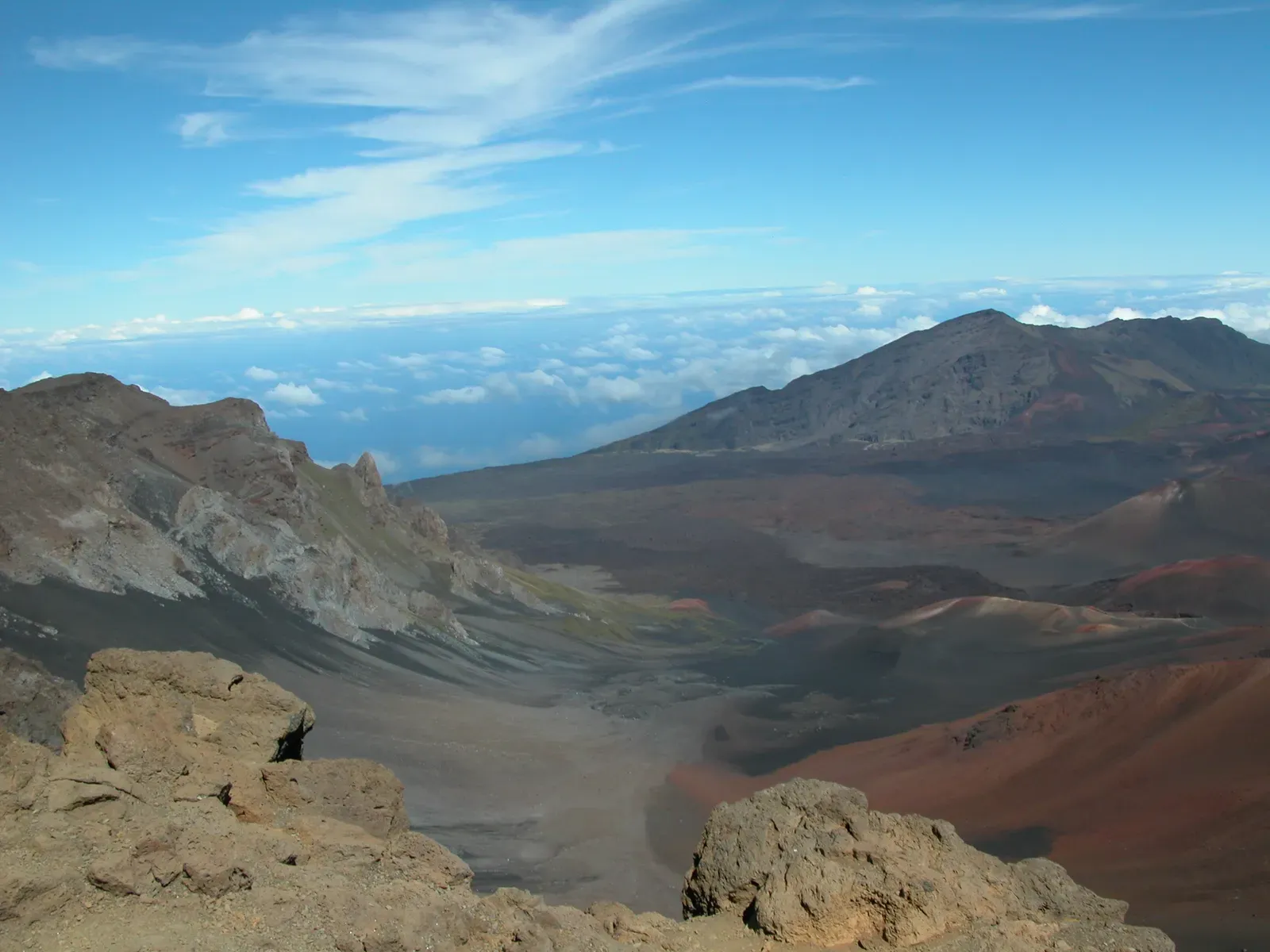
Maui gets attention for its beaches and resorts, and fair enough. But there’s a place on that island that feels genuinely otherworldly, like the Earth decided to show off in the most dramatic way possible. Maui’s large volcanic crater known as Haleakalā is a place of legend. The point called Pōhaku Pālaha is sacred to Native Hawaiians, for whom this place remains “wao akua,” or the wilderness of the gods. Rainforests provide refuge for many native Hawaiian plants and animals that exist nowhere else on the planet.
The Kīpahulu Biological Reserve is so wild and precious that there is very limited access. This National Park has more endangered species than any other, as well as world-class night skies for watching planets, stars and moons. It’s hard to say for sure, but I’d argue those night skies rival almost anything you’ll find in the continental US. Located on the island of Maui, the park is made up of an exotic terrain of volcanic land, bamboo forests, and jagged coasts. Haleakalā means “House of the Sun,” and the southeastern side of the island houses the Haleakalā Crater, a common tourist destination. Few places in America make you feel so small, in the best possible way.
6. Guadalupe Mountains National Park, Texas – Ancient Seas in the Desert
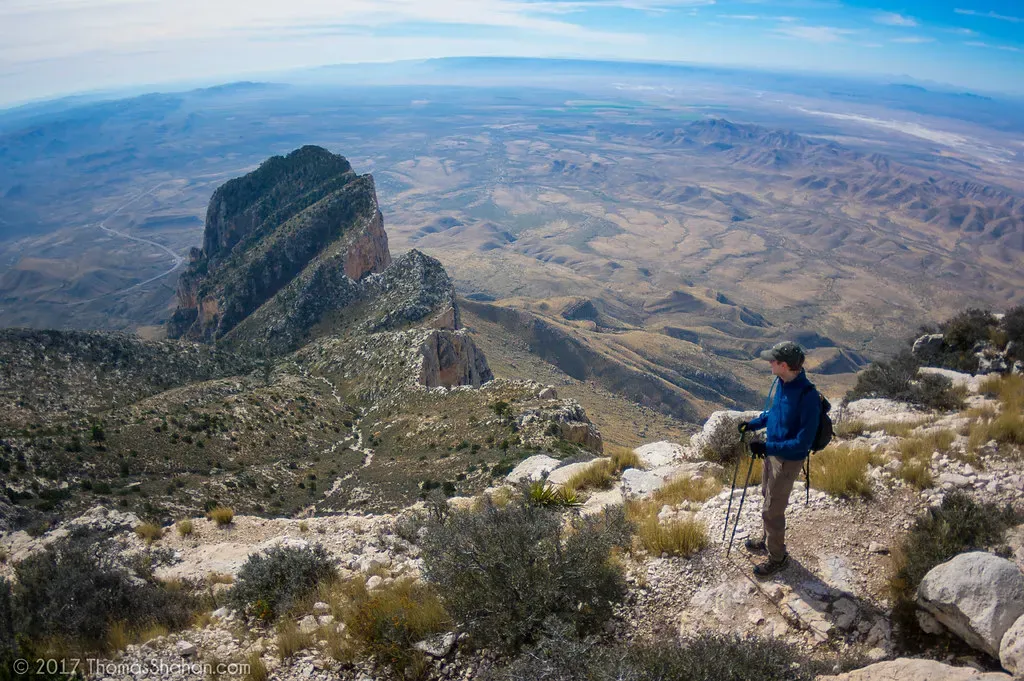
West Texas is not exactly on most bucket lists. That’s a shame, because hiding along the Texas-New Mexico border is a park that offers a time machine to a world that no longer exists. Guadalupe Mountains National Park is home to fossilized reef systems from the Permian Era, one of the best-preserved examples of this ancient marine world. These fossil reefs tell a story of life under a tropical sea long before dinosaurs roamed the earth. The desert you’re standing in was once a warm, shallow ocean floor. Let that sink in for a moment.
To witness this extraordinary geology up close, you can head to McKittrick Canyon, which offers trails like the Permian Reef Geology Trail, where educational markers guide you through fascinating geological formations. The park also carries a layer of mystery that’s hard to shake. One of the West’s legendary tales involves the lost Sublett gold mine, said to be in the vicinity of Guadalupe Mountains National Park. As the story goes, Ben Sublett was an itinerant frontiersman who supposedly stumbled across an abandoned mine and would periodically disappear for a few days, returning to town flush with gold nuggets. Whether that legend has any truth to it remains a mystery to this day.
7. Redwood National Park, California – The Tallest Secret on Earth
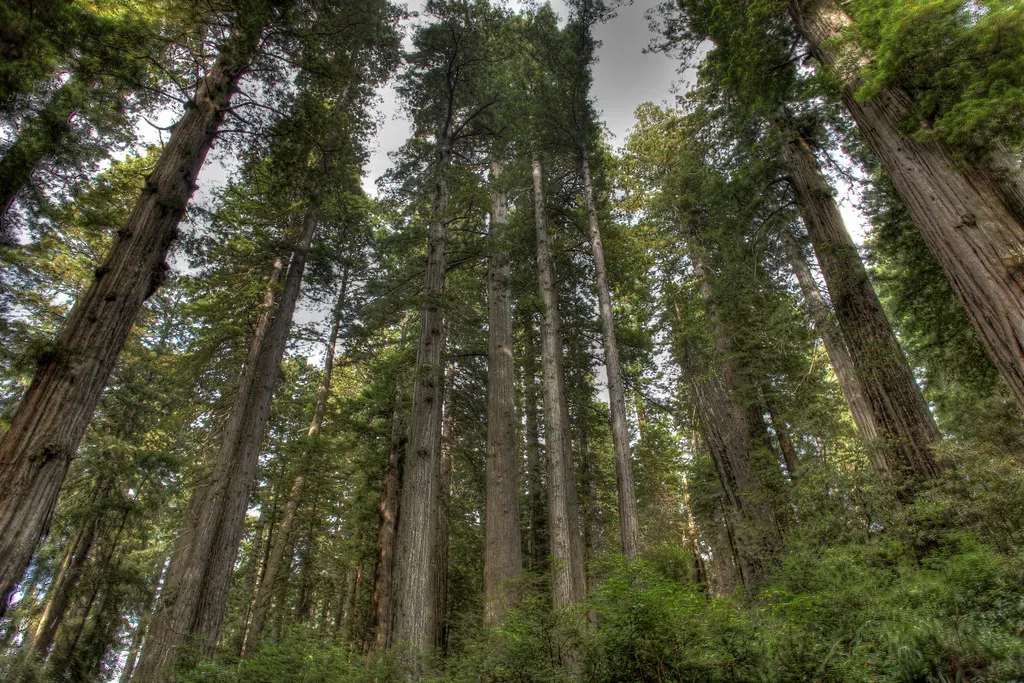
You know the redwoods are tall. What you might not know is that somewhere in a remote corner of Redwood National and State Parks in Northern California stands the tallest living thing on the planet, and its exact location is a closely guarded secret. The world’s tallest tree, a coast redwood named Hyperion after a titan of Greek mythology, was discovered by naturalists Chris Atkins and Michael Taylor on August 25, 2006, and was measured at nearly 380 feet. Nearly 380 feet. That’s taller than a 35-story skyscraper.
The location of the tree hasn’t been officially divulged. In recent years, the park has experienced an increase in the poaching of redwood chunks, and Hyperion’s discoverers have kept the tree’s location secret to avoid drawing crowds and potential vandals. It’s a strange, bittersweet reality. The tallest tree in the world exists, and you likely can’t visit it. Among the trees preserved in Redwood National Park are the oldest, largest, and tallest of coast redwoods, and even the ones you can walk among will make you feel like you’ve stepped into a cathedral – one built not by human hands, but by centuries of patient, quiet growth.
8. Pinnacles National Park, California – The Volcanic Surprise Nobody Expects
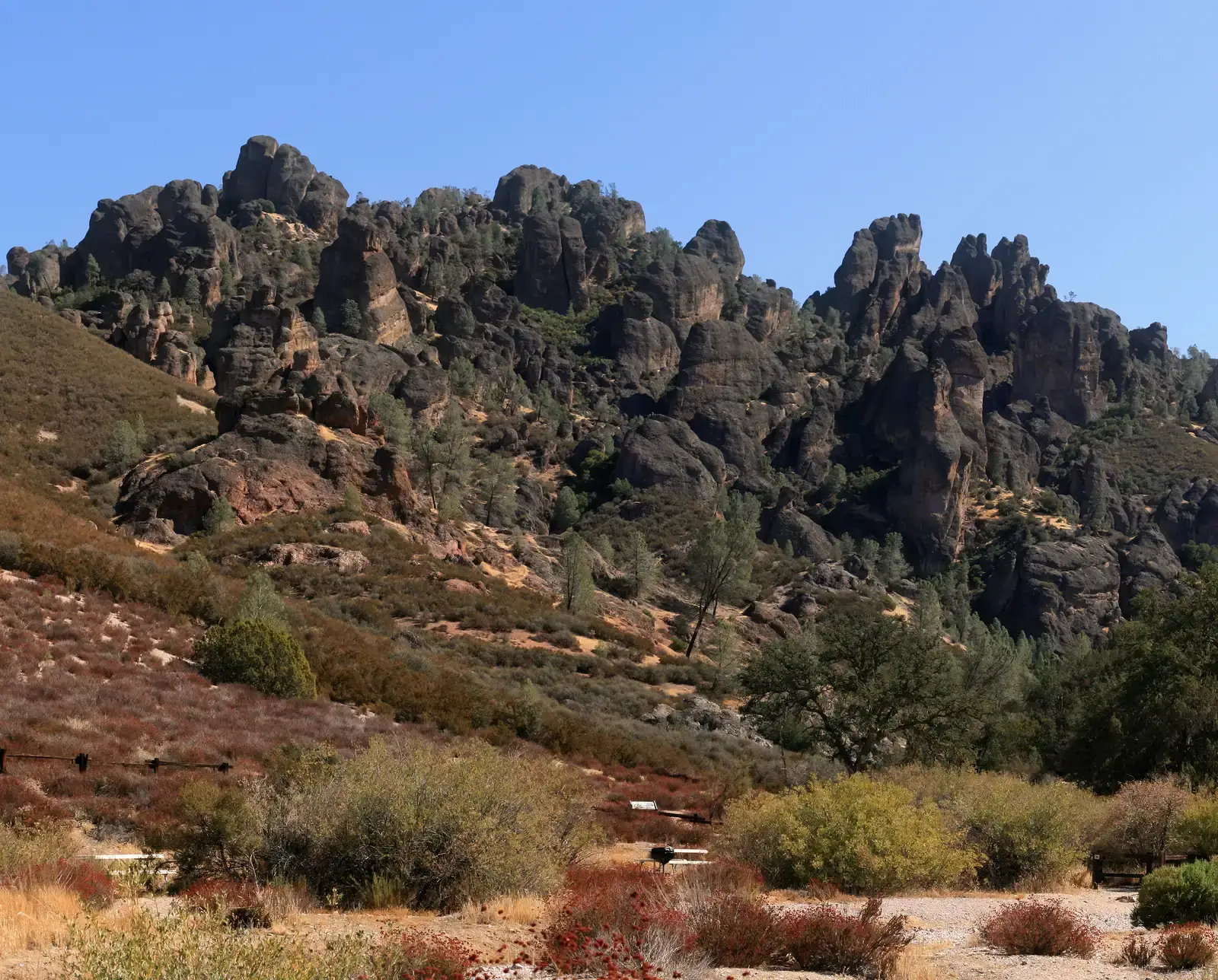
Let’s be real – when people list California’s national parks, Pinnacles almost never makes the conversation. Yosemite gets the glory, Joshua Tree gets the aesthetic, and Pinnacles just quietly exists, being extraordinary in near-total obscurity. Lesser-known Pinnacles National Park saw less than half a percent of all national park visits in 2024, yet it’s home to a striking and unique landscape of rock spires and caves formed by volcanic eruptions, as worthy of exploring as the vast deserts of Joshua Tree and dunes of Death Valley.
Perched atop the San Andreas Fault, Pinnacles is a geological masterpiece created by millennia of tectonic shifts and volcanic activity. The dramatic landscape is adorned with towering cliffs, craggy spires, and unique formations that seem plucked from a fantasy novel. Beyond the geology, you might find yourself sharing the sky with California condors, one of North America’s most magnificent and endangered birds. Known for its spectacular rock formations, beautiful spring wildflowers, and large groups of endangered condors, Pinnacles National Park offers 32 miles of trails that climb through winding talus caves and shaded creeks. It’s the kind of place that rewards the traveler willing to look beyond the obvious choice.
Conclusion
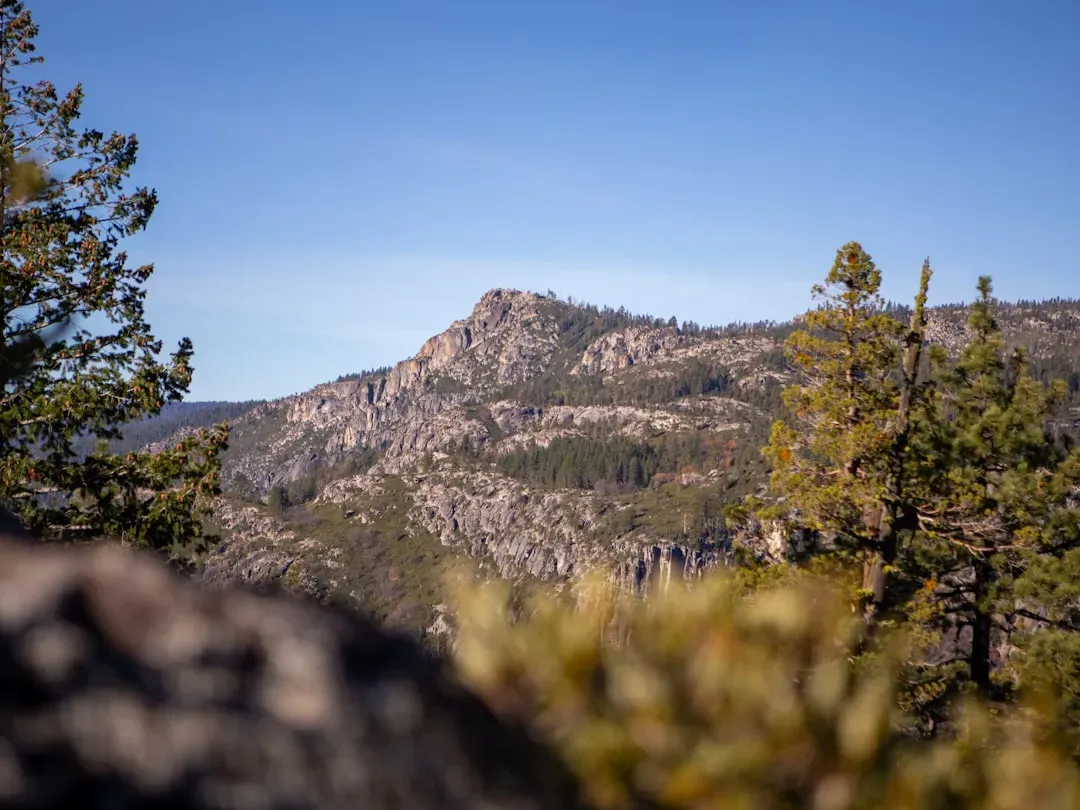
There’s a version of exploring America’s national parks where you follow the crowds, tick the famous sights off a list, and head home with a memory card full of images you’ve essentially seen before. Then there’s the other version, the one where you veer off, stay curious, and discover that the most remarkable places are often the ones that didn’t make the poster.
These eight parks prove that the hidden wonders of America’s wilderness aren’t buried beyond reach. They’re waiting just past the well-worn trail, under the surface, or off the interstate exit that most people drive straight past. Most tourists never venture further than one mile from their car, so with a bit of planning, ingenuity, and exercise, a clever visitor can have a great spot all to themselves – or darn close to it. The question isn’t whether these wonders exist. The question is whether you’re willing to go find them. Which park would you explore first?