
The United States is, geologically speaking, one of the most jaw-dropping stages on the planet. You’ve got lava fields that look like another world, sandstone formations that seem hand-carved by a divine sculptor, and limestone towers rising out of ancient salt lakes like something out of a dream. It’s the kind of stuff that makes you stop and ask whether you’re still on Earth.
The United States is home to some of the most stunning and unique rock formations in the world, shaped by millions of years of geological processes like erosion, volcanic activity, and tectonic shifts. Honestly, no amount of reading fully prepares you for seeing these places in person. So buckle up, because you’re about to discover ten geological formations that will genuinely leave you questioning reality. Let’s dive in.
1. The Wave, Arizona/Utah Border – Petrified Dunes Frozen in Time
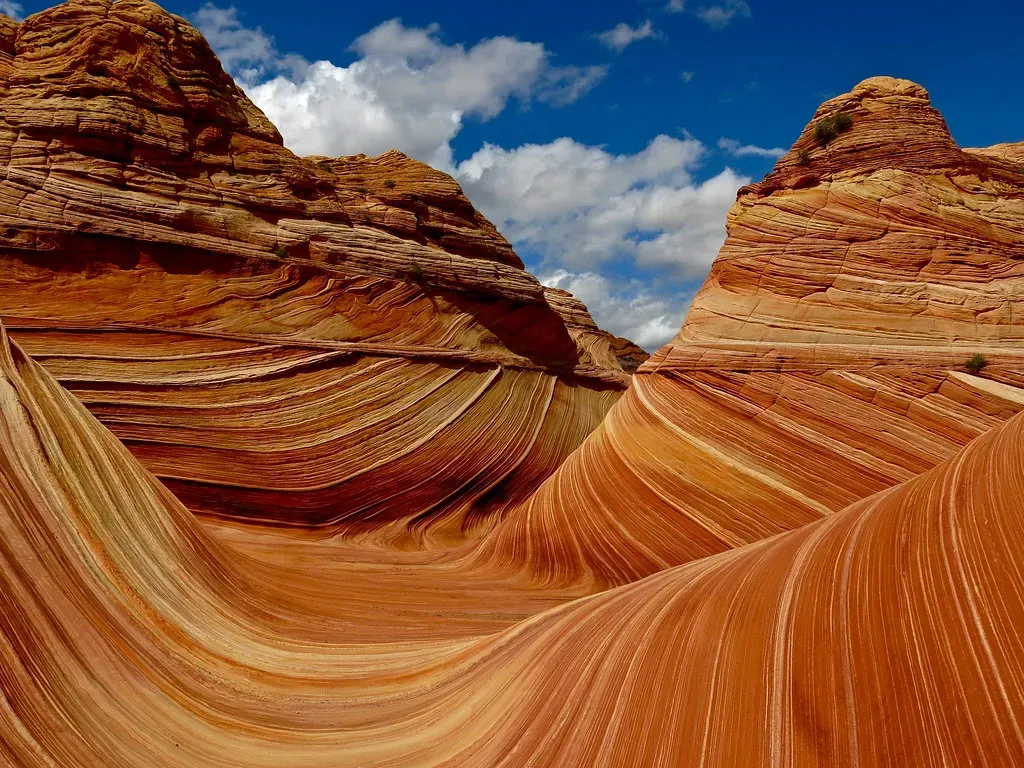
Imagine standing inside what looks like a giant frozen ocean, except every ripple is made of red, orange, and pink sandstone. The Wave, located in the Paria Canyon-Vermilion Cliffs Wilderness area on the border of Arizona and Utah, is a fascinating and unique rock formation known for its sandstone streaks in shades of red, orange, and pink, resembling undulating waves frozen in time. It’s the kind of place that makes photographers weep – in the best possible way.
This natural wonder was formed around 190 million years ago during the Jurassic period when the region was a vast desert similar to the current Sahara. Sand accumulated in layers of dunes and, under the pressure of new sediment layers, gradually transformed into sandstone. The vibrant colors and characteristic streaks of The Wave are due to the oxidation of different minerals such as iron and manganese, impregnating the sandstone layers. Getting there, though, is no small feat. The Bureau of Land Management limits access to 64 people per day to protect the fragile sandstone formation, and permits are distributed through a lottery system, with applications accepted four months in advance. Consider that fair warning.
2. Antelope Canyon, Arizona – Light, Shadow, and 200 Million Years of Sandstone
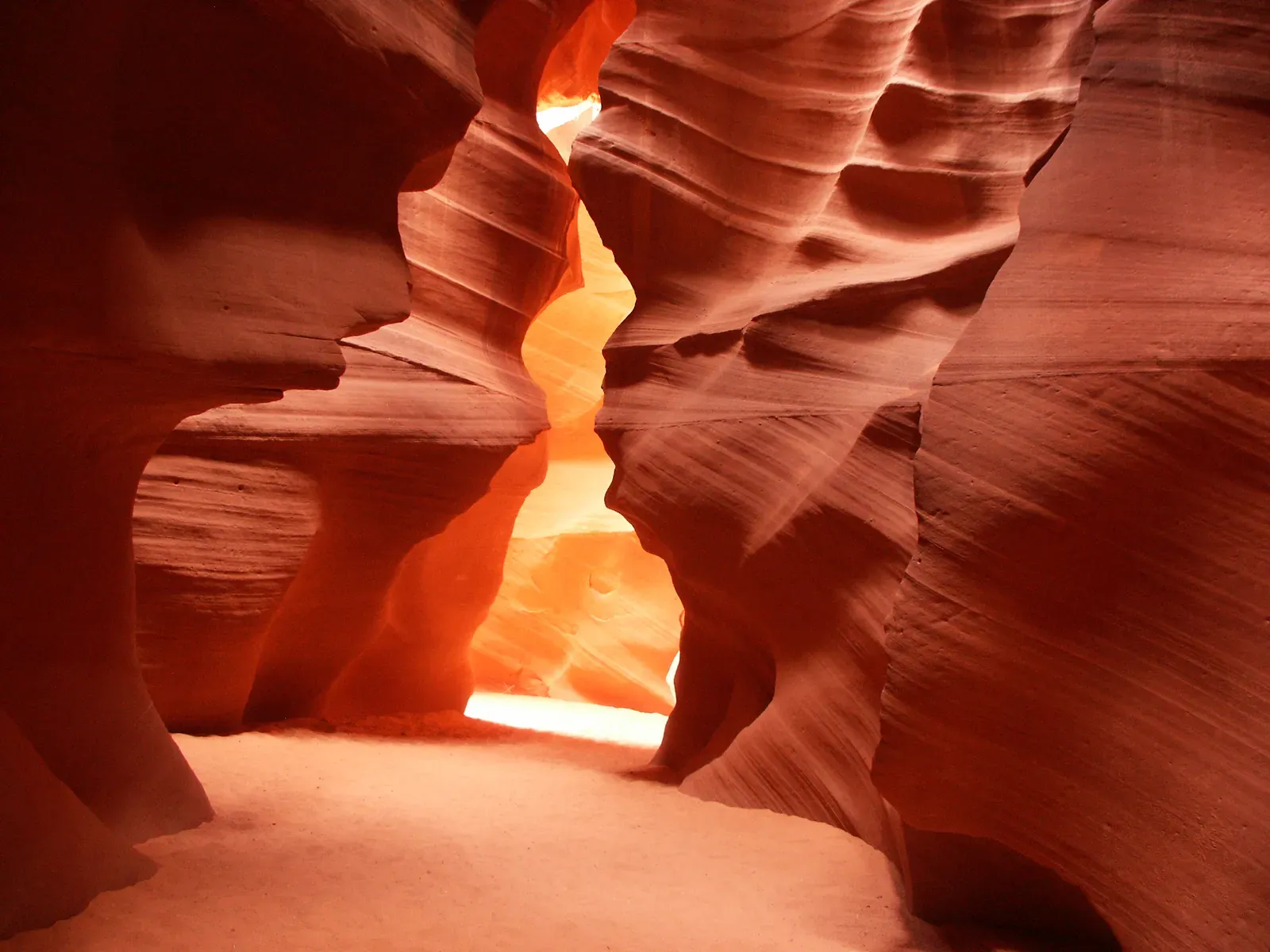
Antelope Canyon, located near Page, Arizona, is a slot canyon carved by flash floods and erosion. You walk into what feels like an underwater cave sculpted from warm-toned glass, with light beaming in from narrow cracks high above. Slot canyons are narrow, deep canyons with high walls that have been eroded by water rushing through them, and the walls of Antelope Canyon rise high above visitors, with narrow passageways and smooth, curving walls that create a mesmerizing visual experience.
According to the U.S. Geological Survey, the rock layers visible in Antelope Canyon were deposited during the Jurassic period, approximately 150 to 200 million years ago. The sandstone’s rich red and orange hues come from iron oxide deposits, creating a warm glow when sunlight filters through the canyon’s narrow openings. If you’re visiting, you should know that this natural wonder is a spiritual site for the Navajo Nation, and you can explore the canyon on guided tours only. Respect that deeply – it matters here far beyond just the geology.
3. Devils Tower, Wyoming – A Sacred Monolith That Baffles the Eye
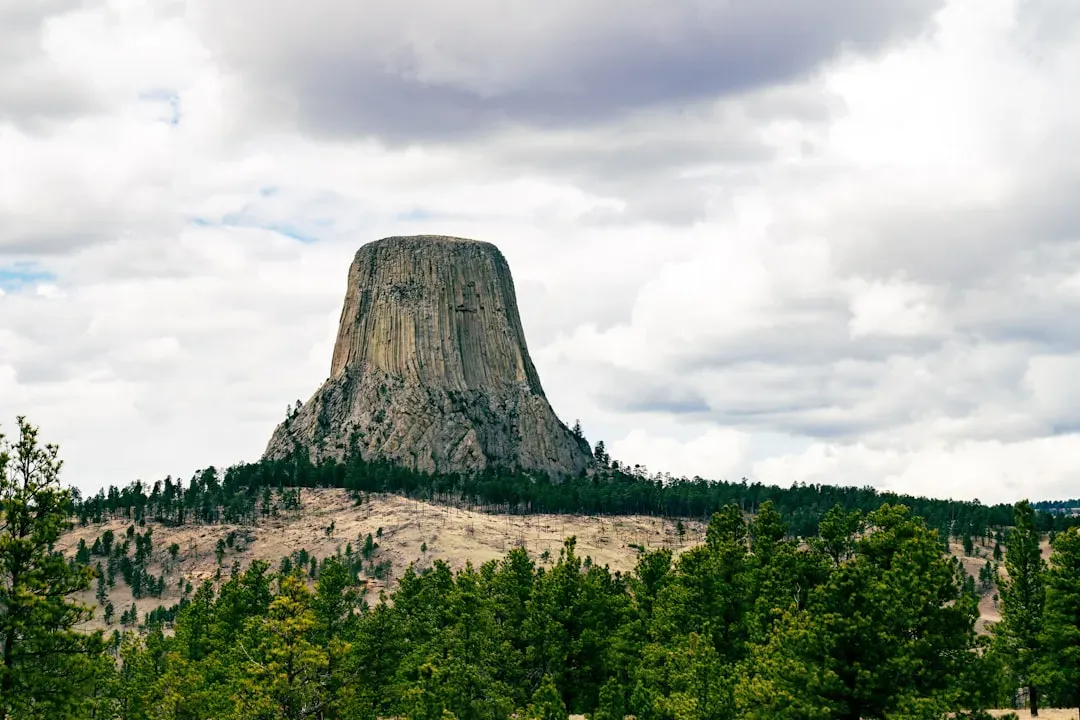
Here’s the thing about Devils Tower: nothing really prepares you for seeing it rise out of the plains like that. Devils Tower, also known as Bear Lodge, is a striking geological formation in northeastern Wyoming rising 1,267 feet above the surrounding plains. It looks almost artificial, like something a giant pressed upward from beneath the earth. Known as “Bear Lodge” by some Native American tribes, this monolithic butte is considered a sacred site, and geologists believe the tower was formed by the solidification of magma within the Earth’s crust, which then became exposed through erosion.
This impressive igneous intrusion is a monolithic rock formation that reaches a height of 867 feet above the surrounding landscape. Its unique appearance, with vertical columns and hexagonal patterns, sets it apart from other geologic formations in the region. These columns were formed by the slow cooling and solidification of molten rock, followed by millions of years of erosion that stripped away the softer surrounding rock layers. As the first national monument in the United States, Devils Tower stands as a testament to the country’s commitment to preserving its natural wonders. It also famously appeared in Steven Spielberg’s “Close Encounters of the Third Kind,” which, honestly, feels completely appropriate.
4. Bryce Canyon Hoodoos, Utah – Thousands of Stone Sentinels
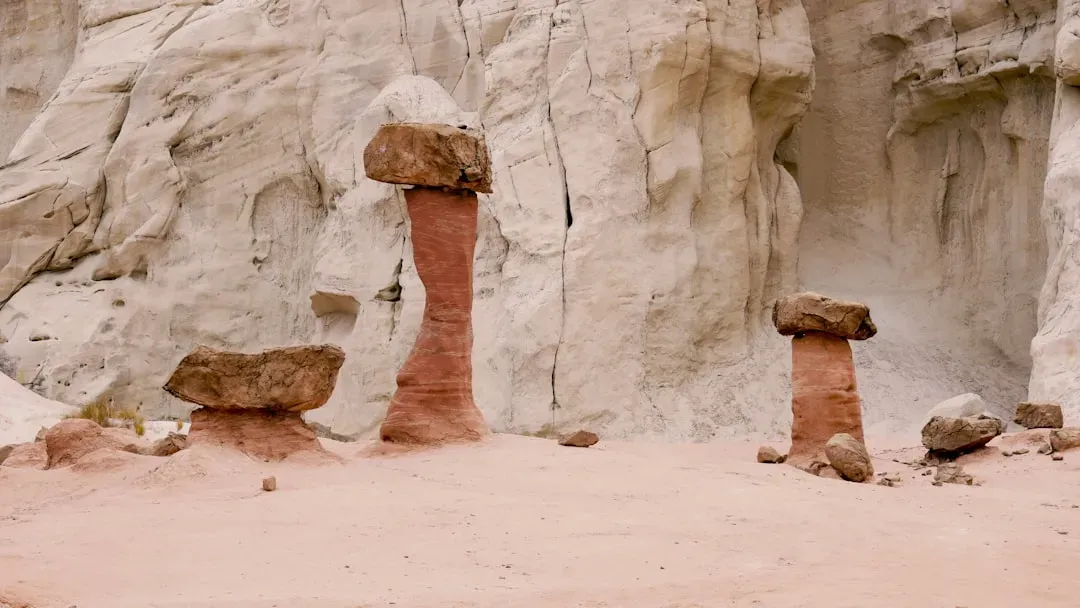
You might think you know what Bryce Canyon looks like from photos. You don’t. Not really. The major feature of the park is Bryce Canyon, which, despite its name, is not a canyon but a collection of giant natural amphitheaters along the eastern side of the Paunsaugunt Plateau. Bryce is distinctive due to geological structures called hoodoos, formed by frost weathering and stream erosion of the river and lake bed sedimentary rock. It is the largest collection of hoodoos in the world, offering a surreal, almost alien landscape.
The hoodoos at Bryce Canyon experience more than 200 freeze-thaw cycles each year. In the winter, melting snow seeps into the cracks and then freezes at night. When water freezes, it expands by almost 10%, prying open the cracks bit by bit, making them even wider. Before Western explorers found the canyon, the geographical formations were the origin of many legends from Southern Paiute Native Americans who lived in the area. They told stories about ancient “Legend People” turned into stone by the trickster god Coyote as a punishment for bad deeds. I think that story makes these formations even more extraordinary, don’t you?
5. Arches National Park, Utah – Over 2,000 Natural Stone Arches
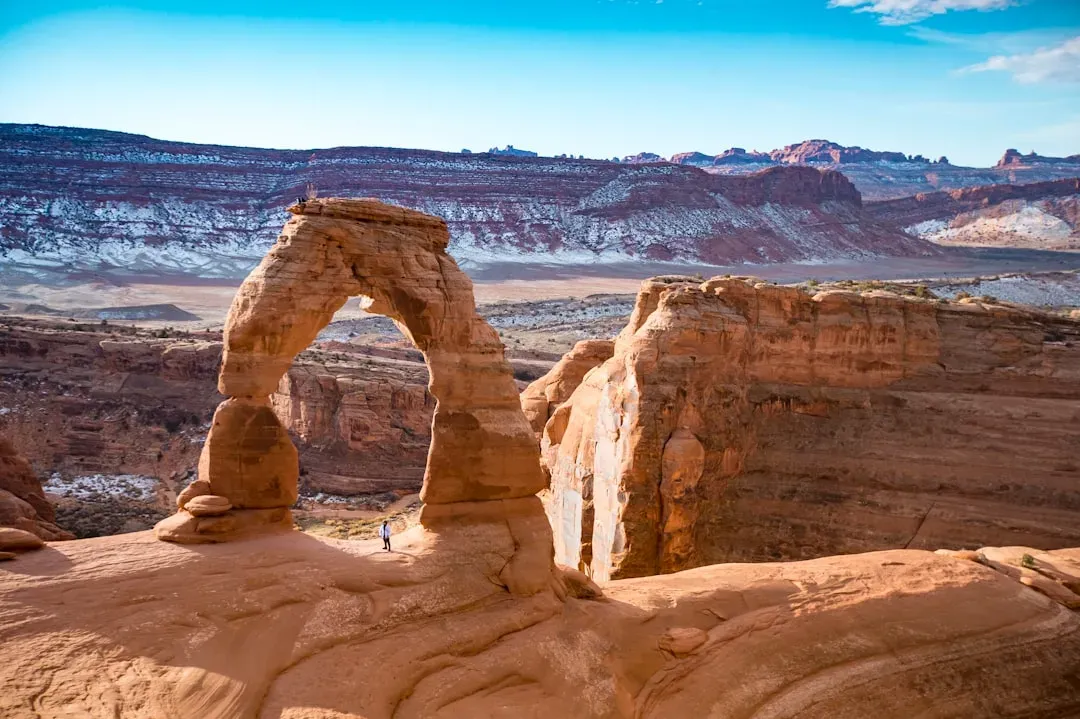
Let’s be real: one natural stone arch is impressive. Two thousand of them? That’s the stuff of geological legend. Arches National Park is home to over 2,000 natural sandstone arches, making it the largest concentration of arches in the world. These arches are the result of millions of years of geologic processes, including the deposition of sand dunes, followed by erosion by wind, water, and ice. You can drive through the park and feel like you’re passing through a museum where the exhibits are the size of skyscrapers.
Landscape Arch is the longest natural rock arch in the world, located in Arches National Park, Utah. Its delicate, ribbon-like span stretches across a dramatic desert landscape, making it one of the most remarkable rock formations in the United States. The Landscape Arch in Arches National Park has a span of 290.1ft. Geologists disagree on whether or not the arch is currently stable, as large pieces of the giant sandstone structure have broken off in recent years. Visit while you still can, because even stone has an expiration date.
6. Mono Lake Tufa Towers, California – Chemistry You Can Walk Among
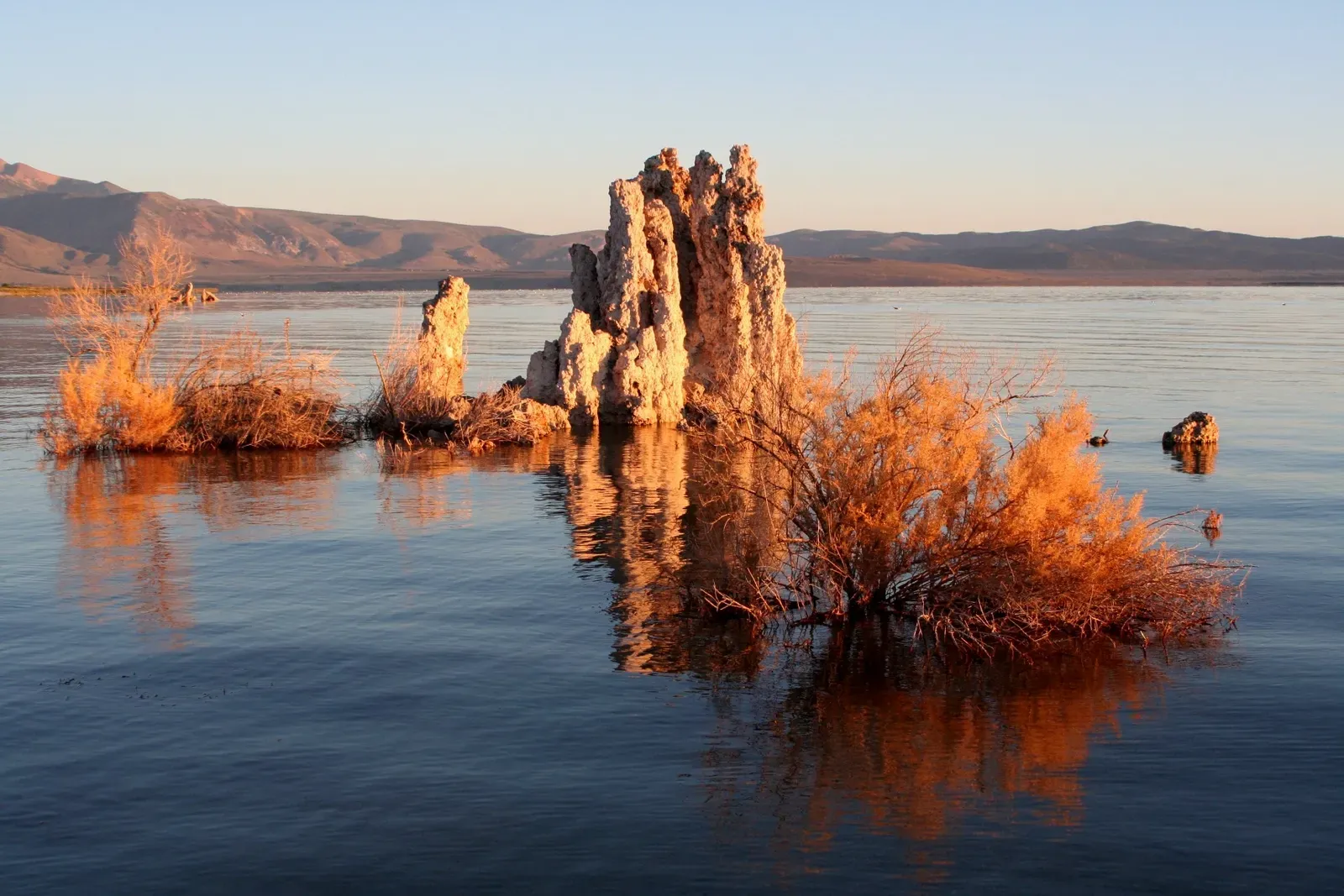
Mono Lake looks like it belongs on another planet. Pale, ghostly limestone spires erupt from the surface of an ancient, hyper-saline lake, and the effect is nothing short of eerie. The delicate white tufa towers along the shore of Mono Lake are calcareous (calcium carbonate) deposits formed where fresh-water springs percolate through lake-bottom sediments and saline lake water. Think of it like chemistry class, except the result is something hauntingly beautiful rather than a beaker of foam.
Tufa towers formed when freshwater springs bubbled up into the highly alkaline lake water. In a simple chemical reaction, calcium from the springs combined with carbonate in the lake to form limestone. The resulting spires were as porous as sponges, so more fresh water continually seeped through the sides and up to the tops, adding perhaps one inch of height every year. The tufa pillars became exposed – and 900 years of growth came to a halt – when Los Angeles started diverting water from four of the lake’s five feeder streams in 1941. Over just a few decades, the lake lost half its volume. It’s a story of natural wonder and human impact rolled into one extraordinary landscape.
7. Craters of the Moon, Idaho – A Lava World That Trained NASA Astronauts
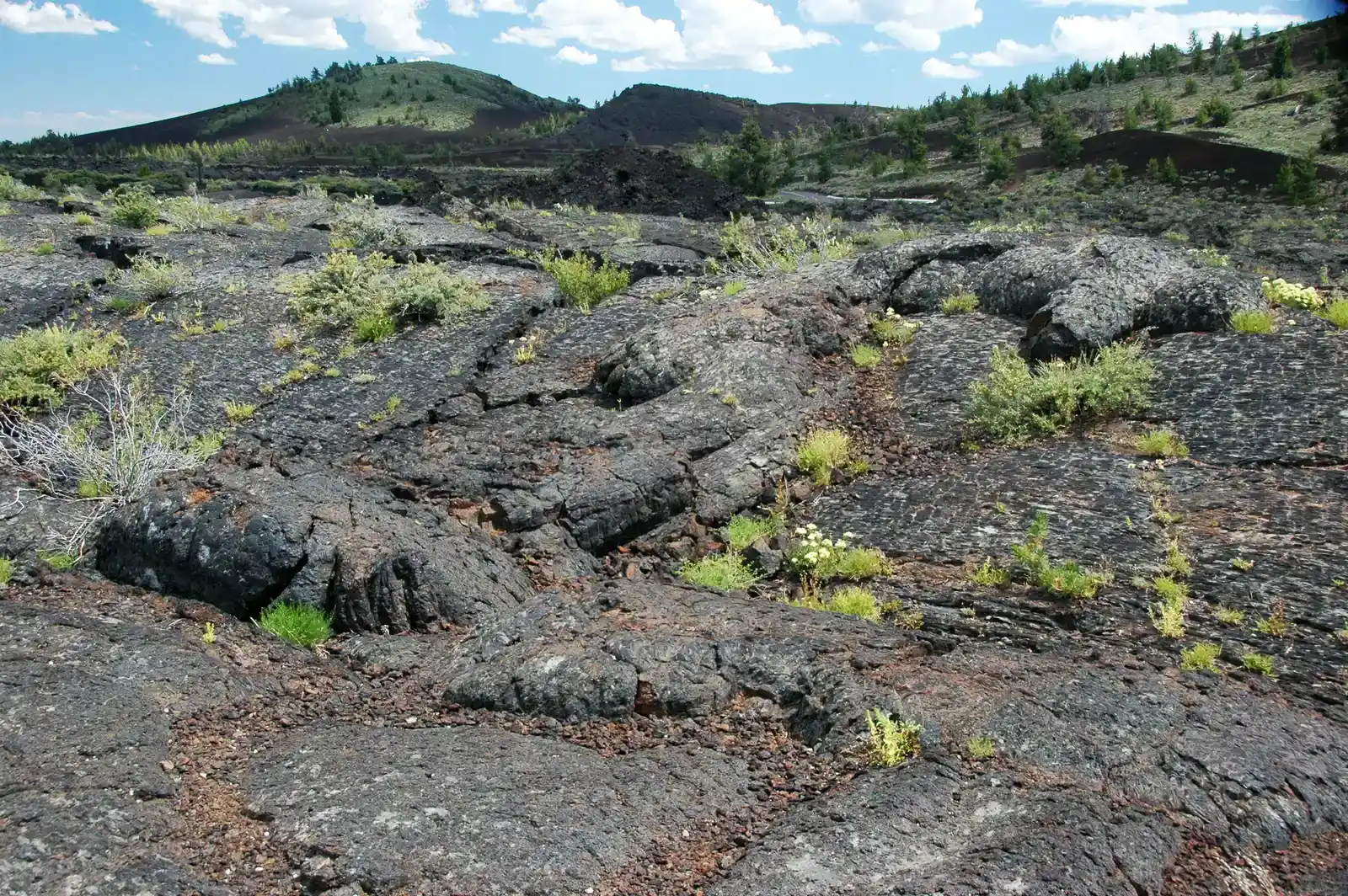
You wouldn’t expect central Idaho to look like a planet from a science fiction novel. Yet here we are. Boasting 618 square miles of nothing but lava, Craters of the Moon National Monument and Preserve contains nearly every volcanic rock formation possible: cinder cones, lava rivers, lava tubes, spatter cones, tree molds and nearly endless lava beds. The ground is black, jagged, and utterly alien.
Apollo astronauts Alan Shepard, Edgar Mitchell, Eugene Cernan, and Joe Engle performed part of their training at Craters of the Moon Lava Field by learning to look for and collect good rock specimens in an unfamiliar and harsh environment. That’s a fact worth sitting with for a moment. The oldest flows in the Craters of the Moon Lava Field are 15,000 years old and the youngest erupted about 2,100 years ago. Nevertheless, the volcanic fissures at Craters of the Moon are considered dormant, not extinct, and are expected to erupt again in less than 1,000 years. Dormant. Not extinct. Noted.
8. Half Dome, Yosemite, California – A Granite Giant Shaped by Ice
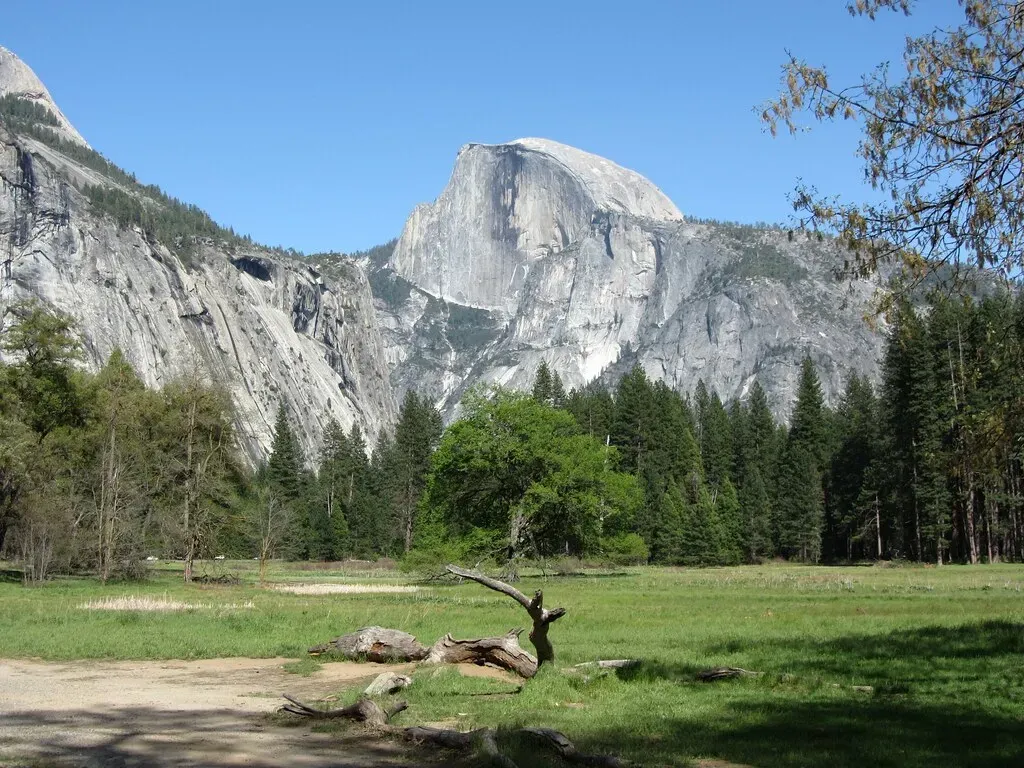
Half Dome is one of those geological formations that almost defies quick explanation. Yosemite’s Half Dome is a distinctive granite rock formation in Yosemite National Park, recognized for its unique shape – one sheer face and three smooth, rounded sides – giving it the appearance of a dome cut in half. A massive granite dome rising 4,800 feet above Yosemite Valley with a sheer, smooth face on one side. It dominates the skyline in a way that stops you in your tracks mid-step.
It is likely that the Half Dome never had another half. What did happen is that an intrusion of granodiorite took place deep underground. As it became exposed to erosion, pressure change caused the rock to crack apart in thin shells, leaving the mountainside clean. This process is also known as exfoliation. Rising 8,800 feet above sea level, the 14 to 16 mile round trip hike up Half Dome is accessible with a day permit that prevents crowding. It’s a climb that demands every ounce of your determination, and honestly, that feels right for a formation this extraordinary.
9. Valley of Fire, Nevada – Ancient Dunes Turned Blazing Red Rock
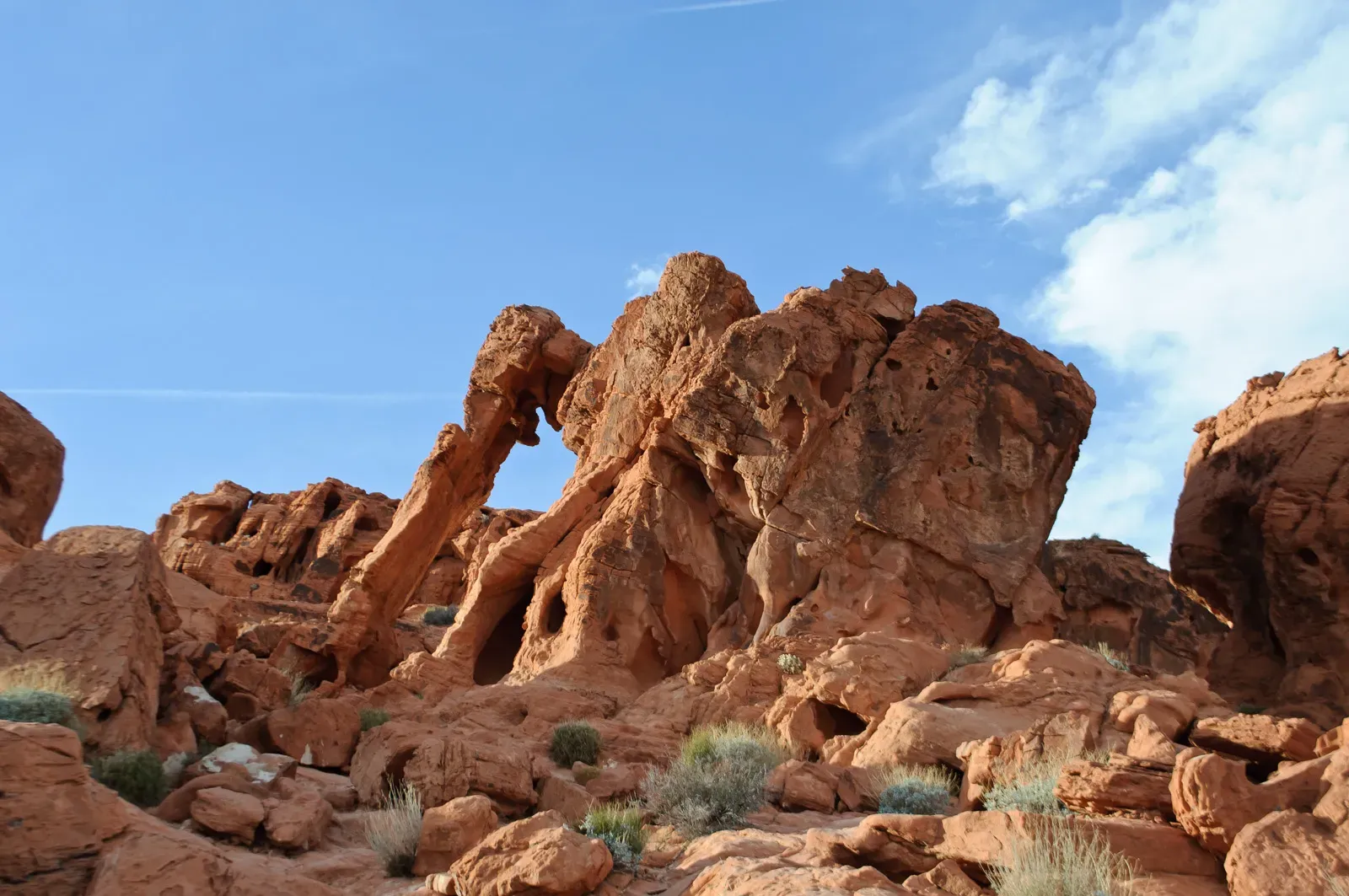
Just an hour from the Las Vegas Strip, you can walk into a landscape that feels like the surface of Mars. Valley of Fire State Park offers a number of impressive rock formations created by shifting sand dunes during the Mesozoic era some 150 million years ago. Forty thousand acres of orange-red Aztec sandstone give this hard-to-believe-it’s-real state park its fitting name, while the 150-million-year-old landscape puts most parks of its class to shame. Its famous rock formations, including Pink Canyon and the Beehives, look like they’d be at home on Mars.
Of the dozens of beautiful and odd formations you’ll find here, perhaps none is stranger than Elephant Rock, where erosion has sculpted a slanted arch resembling an elephant’s trunk and body. The park also contains something that deepens its cultural weight. The short-and-sweet Petroglyph Canyon Trail, which is under a mile, is lined with incredible Puebloan rock art – some of which is more than 2,000 years old. Ancient art on ancient rock. It doesn’t get more layered than that.
10. Monument Valley, Arizona/Utah – The Most Cinematic Landscape on Earth
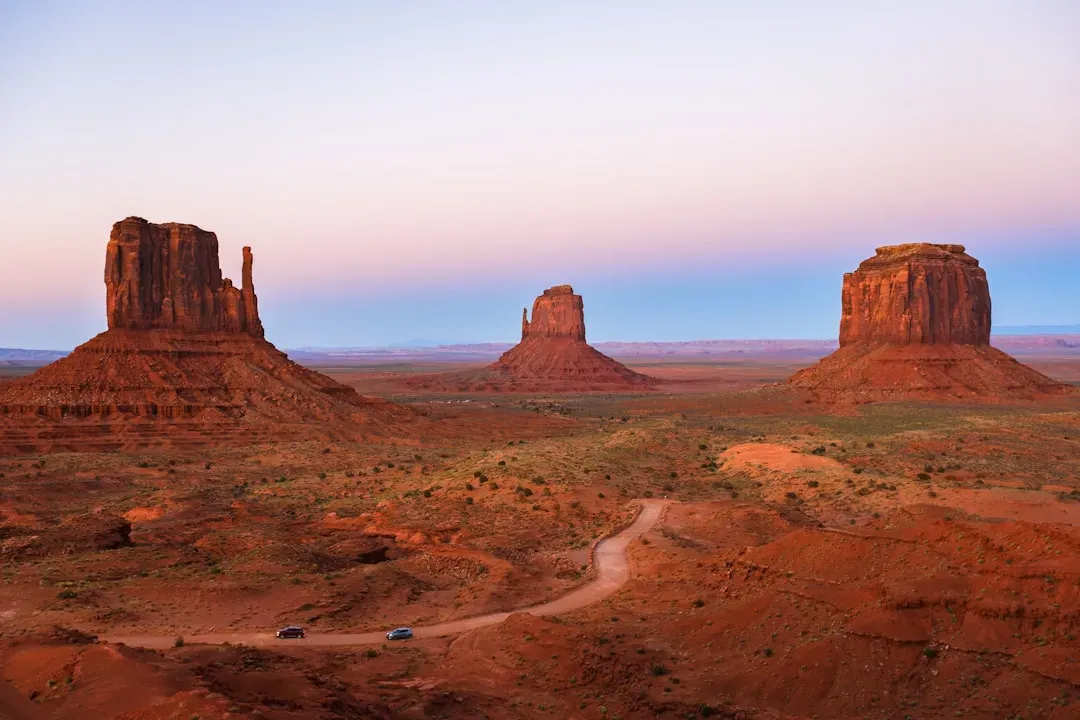
If you’ve ever watched a Western film and thought the landscape looked too dramatic to be real, there’s a good chance you were looking at Monument Valley. The most famous formations include iconic landmarks such as the Mittens, Elephant Butte, Three Sisters, and Totem Pole. These towering monoliths, with their reddish-orange hues contrasting against the vast blue sky, have become instantly recognizable symbols of the American West. There is simply nowhere else like it on Earth.
These buttes were formed by erosion of softer sedimentary rock layers, leaving behind resistant sandstone. The buttes are remnants of a vast plateau eroded over millions of years. Its cinematic fame and sacred status to the Navajo Nation make it a cultural and natural treasure. Monument Valley is a place where geology and culture are inseparable, where the land carries the weight of millions of years and the identity of an entire people all at once. That combination is something you feel in your bones when you stand there watching the sun drop behind the Mittens.
Conclusion
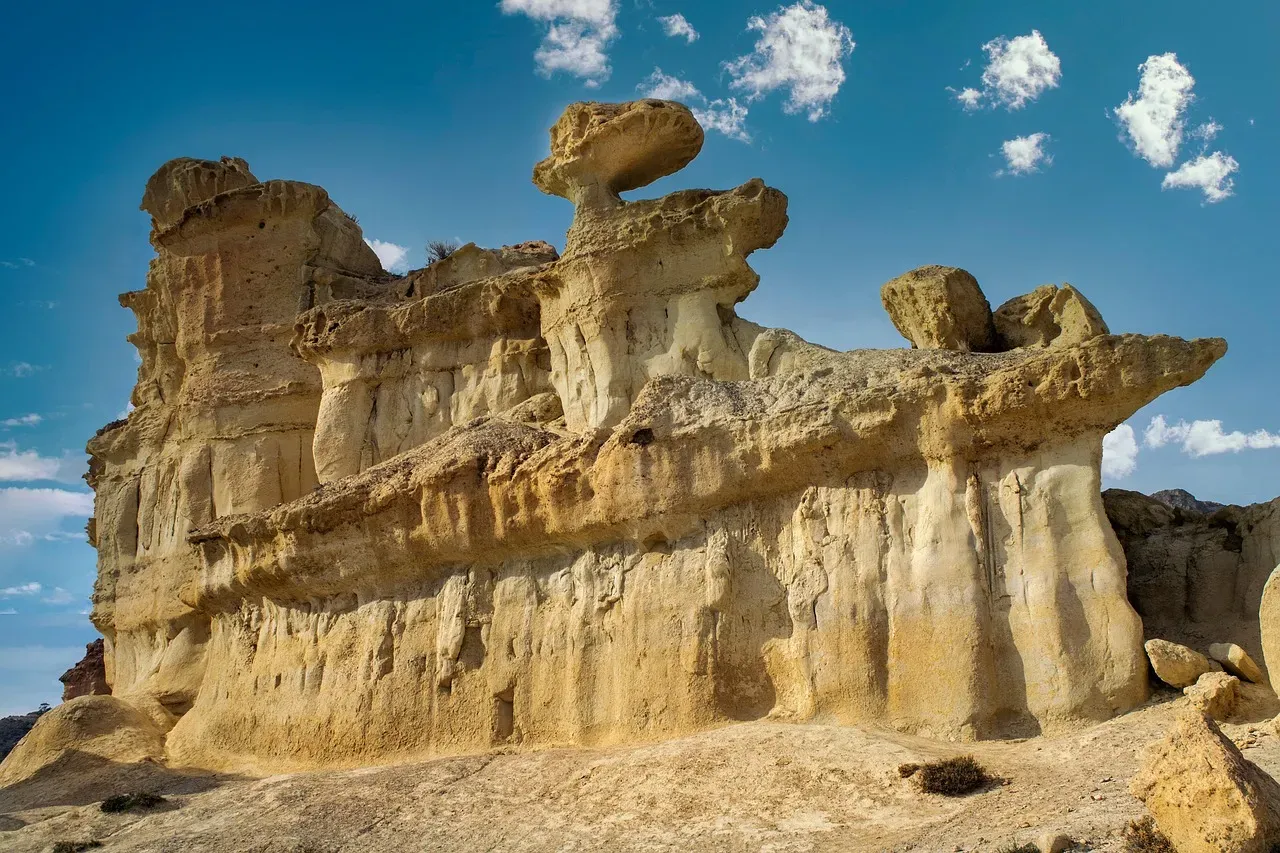
The United States is sitting on a geological treasure chest that most people barely scratch the surface of. From frozen lava fields in Idaho to ancient tufa towers in California, from hoodoo amphitheaters in Utah to sacred volcanic towers in Wyoming, every one of these formations tells a story written over millions, sometimes hundreds of millions, of years. That’s a timescale that makes human history feel like the blink of an eye.
I think the most powerful thing about these places is that they exist without any help from us. They were shaped by water, ice, magma, chemistry, and sheer time – and they’ll keep changing long after we’re gone. If you’ve been sitting on the fence about visiting any of these, let this be your nudge. Nature spent an incomprehensible amount of time building them. You owe it to yourself to go see them.
Which of these formations surprised you the most? Tell us in the comments – we’d love to hear what’s already on your bucket list.