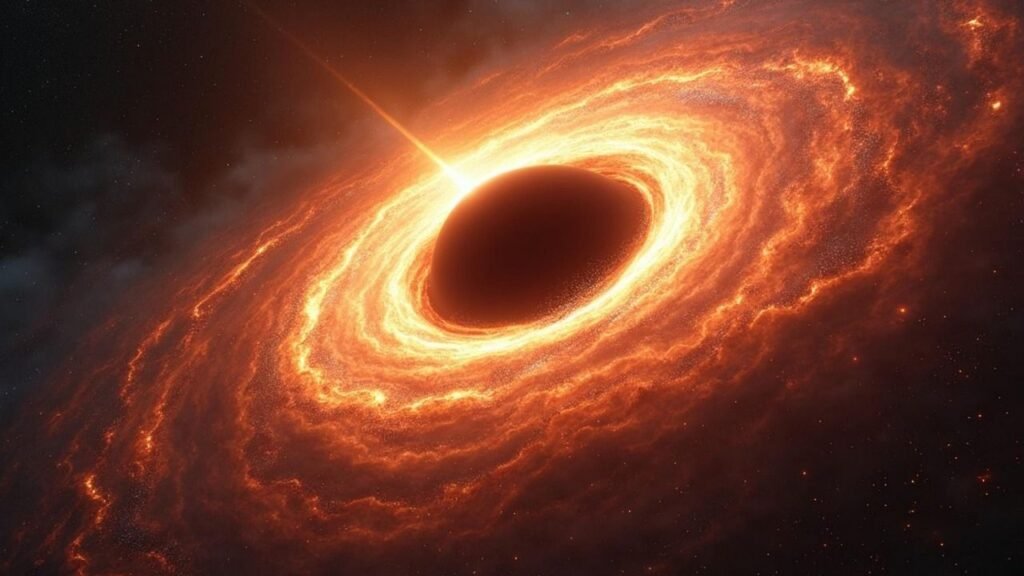

If you’ve ever stared up at the night sky and felt very small, black holes take that feeling and crank it up to something almost unbearable. These things are not just big, dark objects in space; they are places where our best ideas about how reality works get ripped apart. Stand at the edge of a black hole in your imagination, and you’re standing at the limit of human understanding.
What makes black holes so unsettling is that they are built from equations we trust, yet they spit those same equations back in our faces at the edge. Gravity, time, space, information, even cause and effect start to look slippery and unreliable. The closer you get to the boundary of a black hole, the more it feels like physics is whispering: you haven’t figured me out yet.
The Event Horizon: A One-Way Door You Can Never Test
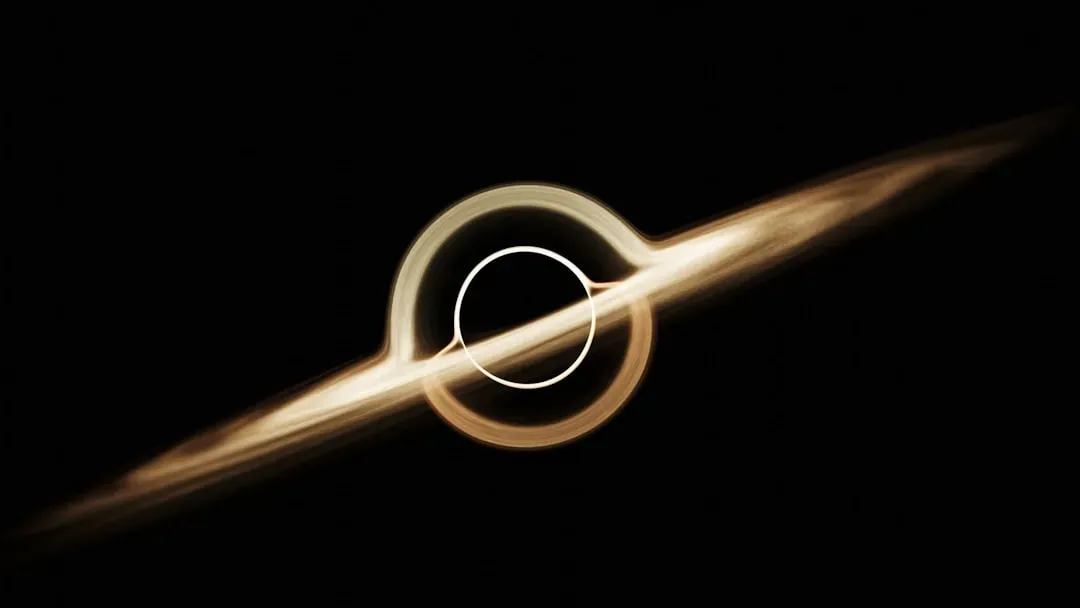
Imagine a door you can see from the outside, but that no one can ever walk back through to tell you what’s on the other side. That’s the event horizon of a black hole: the invisible boundary where escape becomes impossible, even for light. Once something crosses that line, it’s gone forever from the universe as we can observe it, and that alone makes scientists deeply uneasy.
The strangest part is that, from far away, the event horizon can seem almost boring. A sufficiently large black hole can have a boundary where falling through would feel surprisingly ordinary for the person crossing it, at least initially. But from your perspective watching safely from a distance, they appear to slow down, dim, and freeze in time just above the horizon. Two observers, two realities, both predicted by general relativity, and yet they do not agree on what “really” happens. That’s where the cracks in our logic begin to show.
Spaghettification: When Gravity Tears You Into Noodles
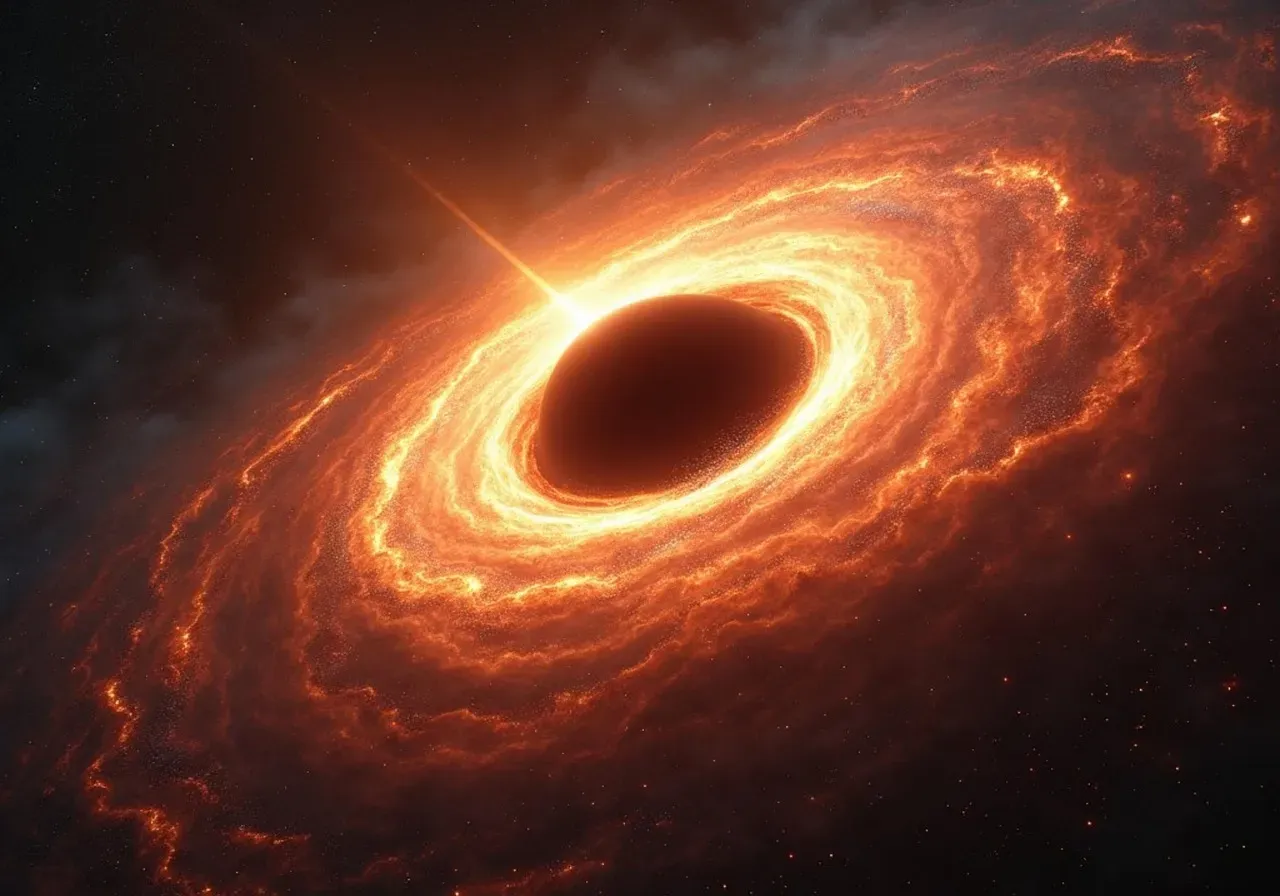
The word sounds almost funny, but the physics behind spaghettification is brutal. As you fall toward a black hole, gravity pulls harder on the part of you closer to the hole than the part farther away. If the black hole is small enough, that difference in pull becomes extreme over a short distance, stretching you into a thin, elongated shape like cosmic pasta.
This tidal stretching is not just a gruesome thought experiment; it’s a sign of how violently space and time are curved near a black hole. In everyday life, gravity feels gentle and uniform, like a soft push holding you to the ground. Near a black hole, it becomes surgical and unforgiving, treating the atoms in your feet and your head like they live in different universes. It’s hard to call that the same “gravity” we experience on Earth without feeling like the word has lost its meaning.
Time Slows Down, But Only From the Outside
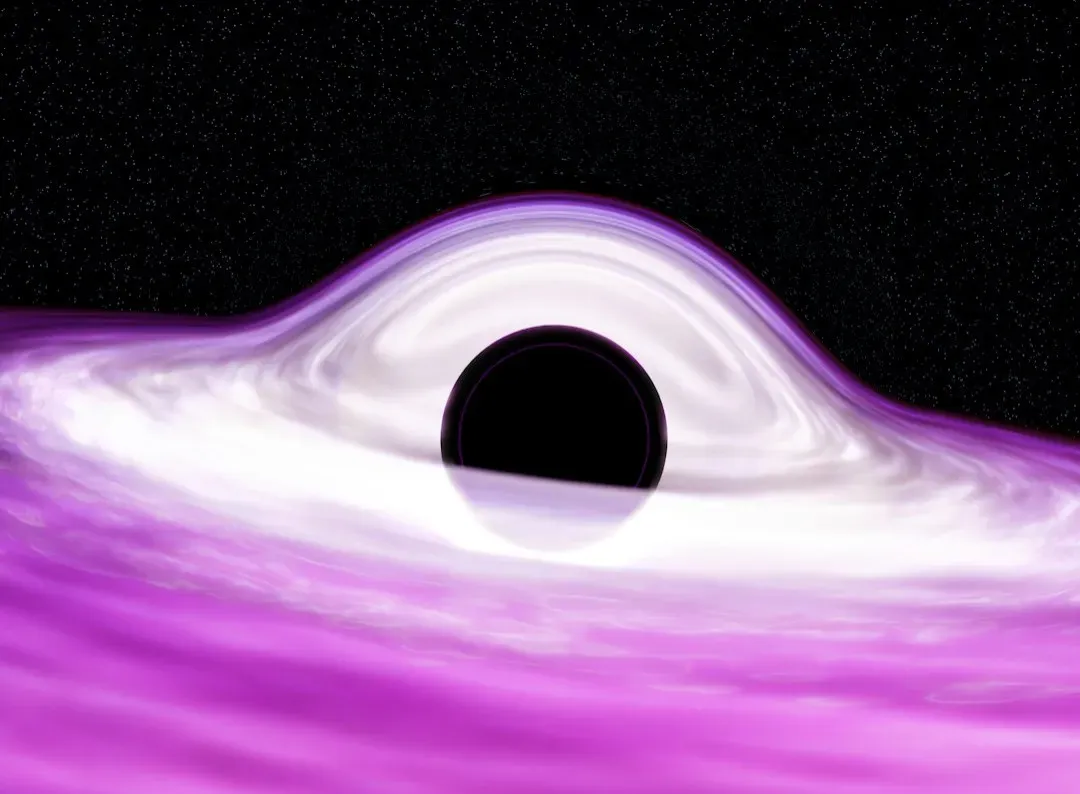
One of the most shocking predictions of Einstein’s theory of general relativity is that time doesn’t tick at the same rate everywhere. In stronger gravity, time runs more slowly. Near a black hole, this effect becomes so extreme that, to a distant observer, anything falling in appears to move slower and slower, never quite crossing the event horizon.
For the person falling, though, nothing special seems to happen to their own sense of time. They don’t feel themselves slowing down; their watch ticks normally, their heart beats at its usual rhythm. They cross the horizon in a finite time and keep going inward. So which story is true: do they never fall in, or do they cross the line and disappear? Both descriptions come from the same equations, but they paint two different pictures of reality, and that tension gnaws at the idea of an objective, universal “now.”
The Singularity: A Point Where Our Math Just Gives Up
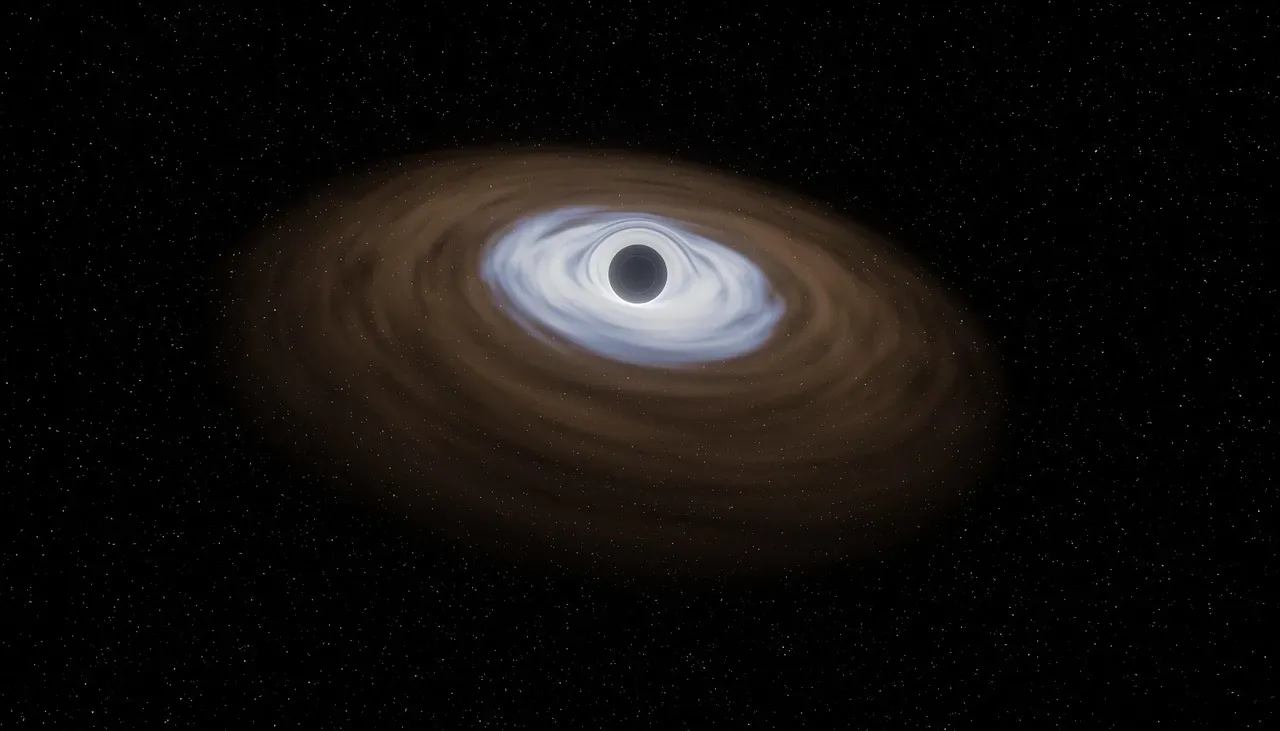
At the center of a black hole, our equations predict something almost insulting: a singularity, a point of infinite density, where spacetime curvature becomes infinite and the laws of physics as we know them simply stop working. Infinity in physics is like a red flashing error sign, telling you the theory has been pushed beyond its range of validity.
We don’t think nature truly contains literal infinities; instead, we suspect that our current theories are incomplete. General relativity describes gravity incredibly well on large scales, and quantum mechanics works astonishingly on tiny scales, but at the singularity those two worlds crash into each other. The result is a theoretical mess where neither theory can be fully trusted. The heart of a black hole is not just a mystery; it’s a direct challenge thrown at the foundations of modern physics.
The Black Hole Information Paradox: When Physics Argues With Itself
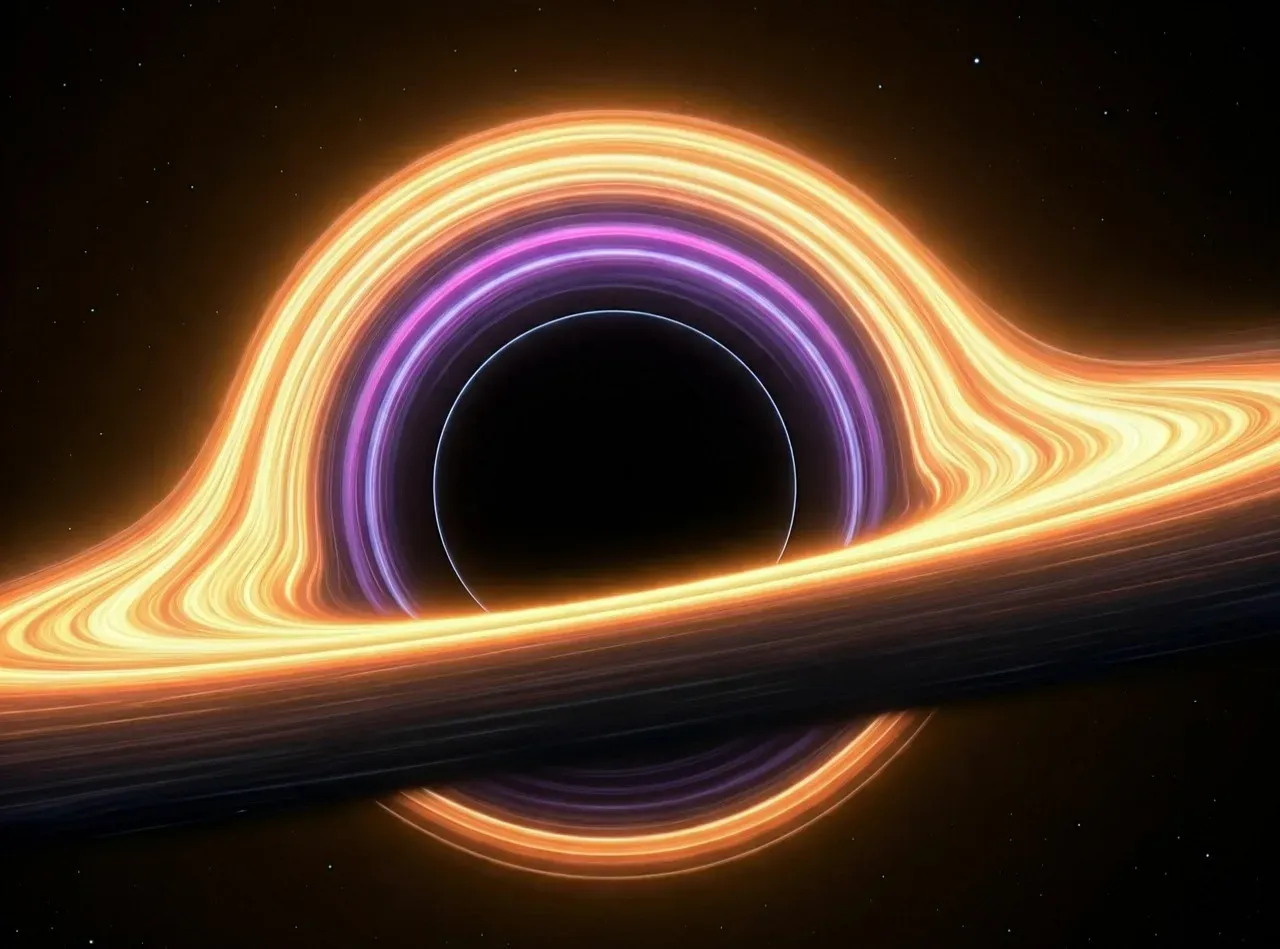
In everyday physics, one rule seems sacred: information is never truly destroyed. You can shred a document or burn a book, but in principle, if you had perfect knowledge of all the particles involved, you could reconstruct what was there before. Quantum mechanics takes this idea very seriously. But when something falls into a black hole and the black hole later evaporates through radiation, it looks like the information about what fell in is gone forever.
This clash is known as the black hole information paradox, and it has kept some of the smartest physicists in the world busy for decades. If information is lost, quantum mechanics is in trouble. If it is somehow preserved, then our picture of black holes as silent, one-way trash compactors is wrong. Proposed solutions range from subtle correlations in the radiation to strange, almost science-fiction ideas like the event horizon being a kind of energetic “firewall.” None of these possibilities feel completely comfortable, and that’s exactly why black holes are so powerful at exposing the gaps in our understanding.
Quantum Foam at the Edge: When Spacetime Stops Being Smooth
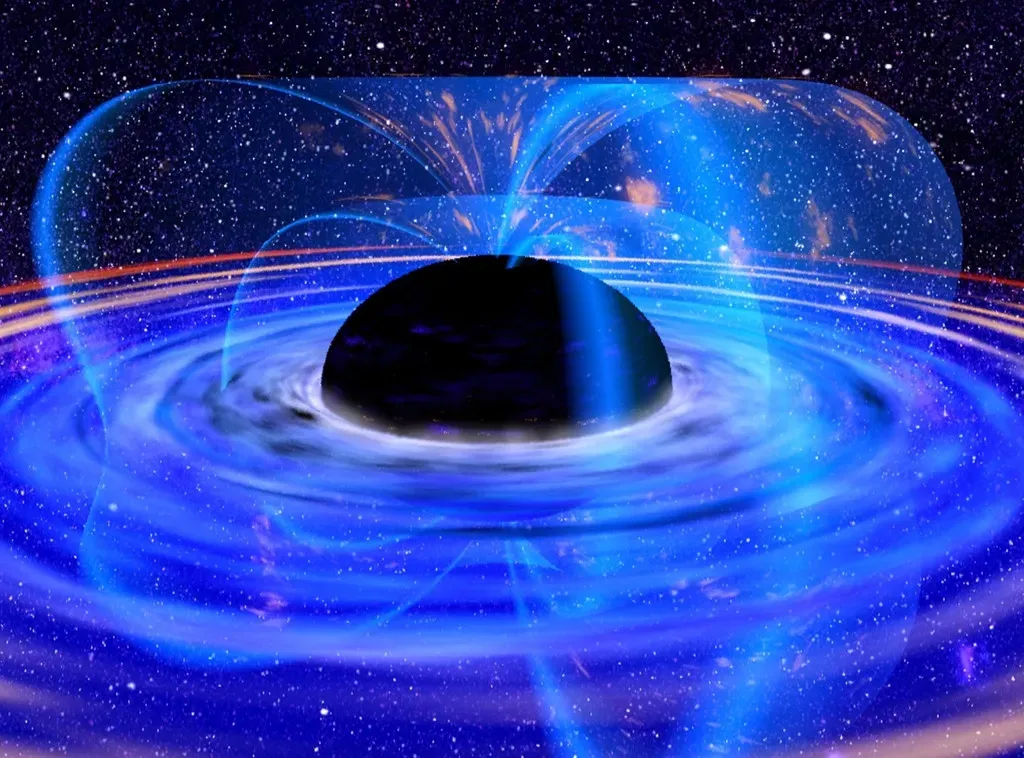
Zoom in far enough on a smooth surface and you eventually see graininess: pixels on a screen, fibers in paper, threads in fabric. Some physicists think spacetime might be like that at unimaginably tiny scales, especially near places where gravity becomes extreme, like the edge of a black hole. Instead of a smooth, gently curving fabric, spacetime there might become a churning, fluctuating “foam” filled with violent quantum fluctuations.
In that picture, the event horizon is not a calm boundary but a seething, active region buzzing with activity. Particle pairs can pop in and out of existence, creating the effect we call Hawking radiation, through which black holes very slowly lose mass. But we don’t yet have a complete, tested theory of quantum gravity to describe this foam in a precise way. So we’re left piecing together hints from both relativity and quantum theory, like trying to finish a puzzle with half the pieces from a completely different box.
What Black Holes Reveal About the Future of Physics
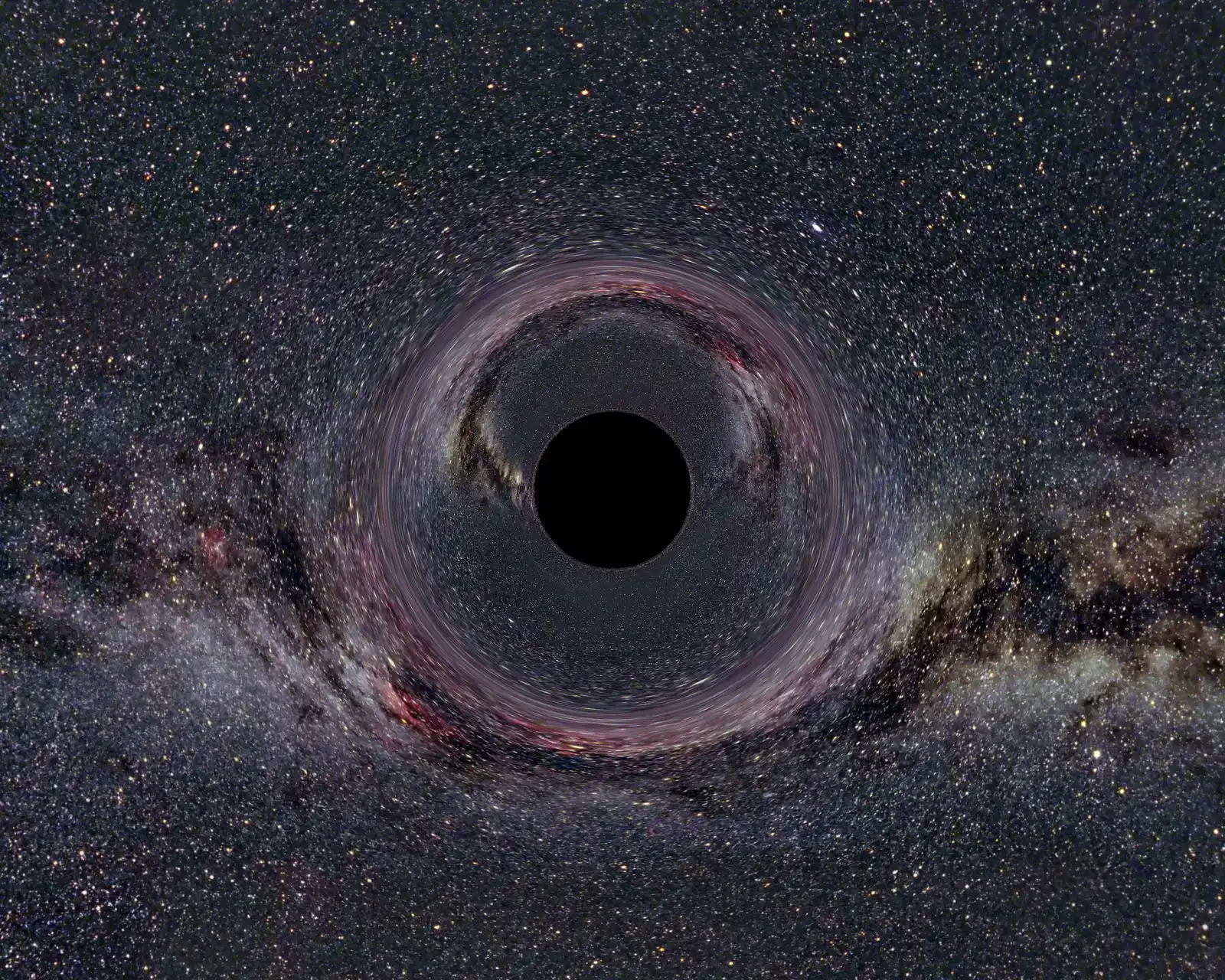
It’s tempting to think of black holes as exotic monsters hiding in distant galaxies, safely far from our everyday concerns. But in practice, they function more like stress tests for our theories. Any candidate for a deeper, unified theory of nature has to confront the brutal questions black holes raise about time, space, information, and reality itself. If a theory can’t handle black holes, it’s not ready for prime time.
In the last few years, observations have turned black holes from abstract beasts on chalkboards into real, measured objects: we’ve detected gravitational waves from black hole mergers and imaged the shadow of a supermassive black hole in a distant galaxy. Each new bit of data is a nudge pushing against the edges of our theories. Standing at the metaphorical edge of a black hole, we’re forced to admit that some of our most trusted physical laws may be approximations, beautiful but incomplete maps of a territory that is far stranger than we expected.