
If you’ve ever caught a whiff of a familiar smell and felt like you were suddenly ten years old again, you’ve experienced how strangely alive memory can be. It doesn’t sit still like a photograph in an album; it shifts, blurs, sharpens, and sometimes rewrites itself. The reason is both unsettling and beautiful: your brain is constantly changing its physical wiring, and your memories are caught right in the middle of that ongoing renovation.
When I first learned that every time I remember something, I might actually be changing it, it felt almost unfair. We like to think of memory as a hard drive, safely archiving our past. In reality, it’s more like a constantly edited movie, updated by a director who never stops tinkering. Understanding this doesn’t just explain why people remember the same event differently; it changes how you think about your identity, your past, and what you can still reshape in your future.
Your Brain Is Never Finished: The Basics of Neuroplasticity
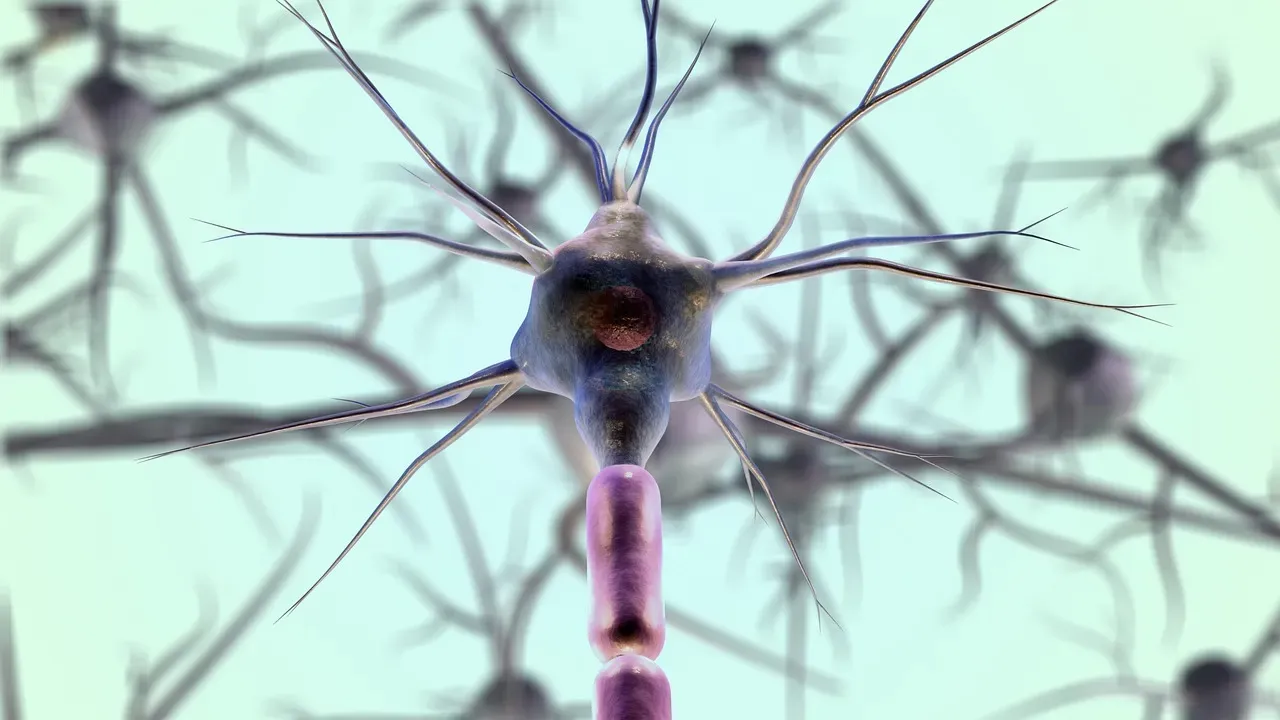
Neuroplasticity is the brain’s ability to change its structure and function based on experience, and it never switches off, not even in adulthood. Neurons form new connections, strengthen old ones, or let some wither away depending on what you do, think, feel, and pay attention to. For a long time, scientists thought the brain was mostly fixed after childhood, but research over the last few decades completely overturned that idea. Even in later life, the brain can reorganize itself after injury, adapt to new skills, and refine old pathways.
Think of your brain less like a machine and more like a living city that’s constantly building new roads, closing old alleys, and expanding busy intersections. When you learn to play a song on piano or pick up a new language, you’re not just “storing information”; you’re physically changing the wiring. At the same time, unused routes grow quiet and can slowly decay, which is one reason why neglected skills feel rusty. This constant reshaping is great news for growth, but it also means your memories live in a landscape that’s always under construction.
Memories Are Not Files: They’re Rebuilt Each Time You Recall Them
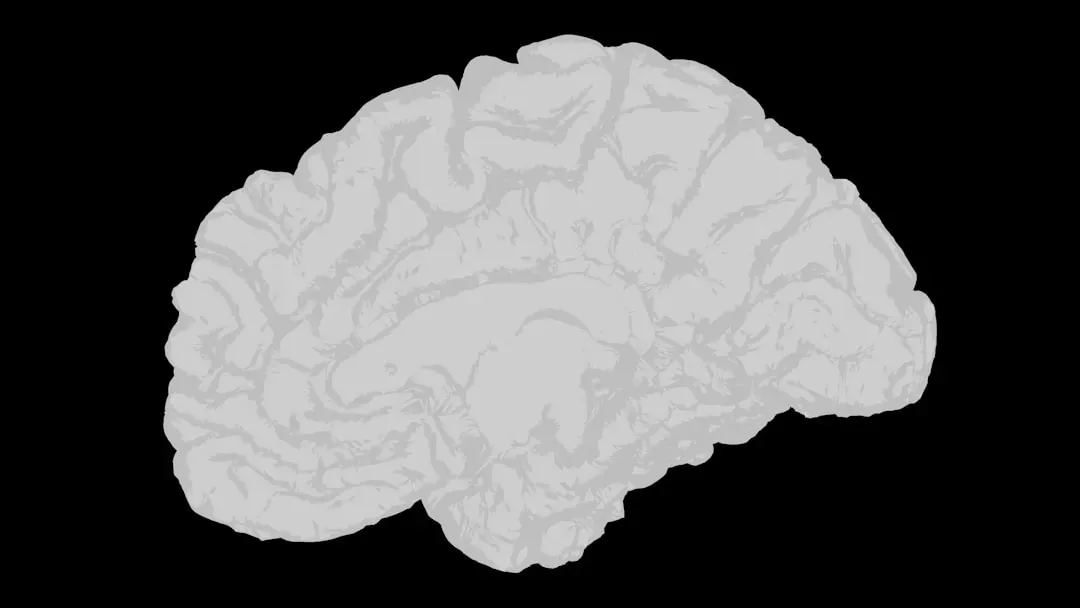
Most people imagine memory like a filing cabinet: you “store” an event and later “pull it out” unchanged. The science paints a very different picture. Every time you remember something, your brain actively reconstructs the experience from scattered pieces stored across different regions. Visual details, emotions, sounds, and meanings are stitched together on the fly to recreate that moment in your mind. It feels instant and accurate, but it’s more like a reenactment than a replay.
Because of this, memory is fragile at the exact moment it feels vivid. When you recall a memory, it temporarily becomes flexible and can be changed before it gets “saved” again. New information, your current mood, and even your expectations can subtly alter what gets written back. Over many years, this can lead to surprisingly large distortions, even though each small change was barely noticeable. That’s why two people can argue passionately about how something happened and both feel absolutely certain they’re right.
Replaying a Memory Can Actually Rewrite It

There’s a process called reconsolidation that sounds technical but has huge emotional implications. When a memory is first formed, your brain stabilizes it in a process known as consolidation. Later, when you recall that same memory, it becomes temporarily unstable again, open to revision before it gets fixed once more. During that window, details can be added, removed, or colored differently depending on what you’re thinking and feeling.
This means that each replay of a memory is also a small rewrite. If you retell a story many times emphasizing a certain detail, that detail can grow more central in your mind, even if it was minor at the time. On the other hand, parts you ignore or avoid revisiting can fade or change. I’ve noticed that childhood memories I’ve talked about often feel sharper than private ones, not because they’re truer, but because I’ve rehearsed them into a new version. Your past is not fixed on a shelf; it’s more like a document that auto-saves over the old version every time you open it.
Emotion Is the Glue and the Distortion Filter

Emotion and memory are tightly intertwined because of how brain regions like the amygdala and hippocampus interact. Highly emotional events often feel burned into your mind, and you might be able to recall where you were, what you were wearing, or even how the air smelled. That intensity helps memories form more strongly, which is useful from an evolutionary standpoint. If something was life-changing or threatening, it makes sense for your brain to tag it with a big “pay attention to this” label.
But emotion is not just a glue; it’s also a distortion filter. When you feel shame, fear, or anger about something that happened, those feelings can bleed into how you reconstruct the memory later. Over time, the emotional tone can amplify certain details and mute others, like turning up the volume on background noise until it drowns out the main melody. This is part of why painful memories can feel harsher than they originally were, and why nostalgia can make the past look sweeter and simpler than it ever realistically felt in the moment.
Why Your Earliest Memories Are So Fuzzy (or Missing)
If you’ve ever tried to recall your life before the age of three and found mostly blank space, you’ve run into what’s called childhood amnesia. Very young brains are incredibly plastic, but they’re also still wiring up the systems needed for long-lasting, autobiographical memories. Language is still developing, self-awareness is emerging, and the brain structures involved in narrative memory are not fully mature. That combination makes early experiences hard to solidify into stable, retrievable stories.
On top of that, as your brain rewires through childhood and adolescence, many early connections are pruned away. It’s like renovating a house and tearing down old walls to build a new layout; some original rooms become unrecognizable. Early sensations and feelings might leave traces that shape your reactions later, but they may not survive as clear, movie-like scenes you can mentally replay. Those hazy flashes you think you “remember” might partly come from family stories or photos that your brain has woven into something that feels like a firsthand memory.
You Can Strengthen, Soften, or Even Reframe Memories

The same neuroplasticity that makes memory fragile also makes it trainable. Repetition, attention, and meaning are powerful tools: the more you actively engage with certain memories or types of information, the more firmly those networks are wired. That’s why practice works, whether you’re memorizing a phone number, learning a skill, or trying to hold on to important family stories. Writing things down, telling them to others, and revisiting them deliberately all help strengthen the neural pathways that support them.
On the flip side, reconsolidation opens the door to softening the emotional sting of certain memories. Therapies for trauma often rely on carefully revisiting painful memories in safer contexts so that the emotional charge can be gradually reduced. You’re not erasing the event, but you’re changing the way your brain links it to fear or shame. Even outside formal therapy, you can gently reframe personal stories by viewing them from different angles, noticing what you survived and learned instead of only what you lost. Over time, the story your brain tells about your past can shift, and with it, how heavy those memories feel.
Habits, Identity, and the Stories You Tell Yourself

Memories are not just random snapshots; they’re the raw material your brain uses to build a sense of who you are. The stories you repeat about yourself – the “I’m always like this” and “I’ve never been good at that” lines – are shaped by which memories you spotlight and which you keep in the shadows. Because the brain is plastic, those identity narratives are not carved in stone. You may have a long history of one pattern, but each new experience is a data point that can nudge that story in a new direction.
Habits play a huge role here, because they literally carve grooves into your brain’s wiring. If you habitually dwell on failures, your brain gets better at noticing and recalling them, reinforcing a certain self-image. If you make a conscious effort to also notice small wins and moments of strength, you start giving your brain different examples to draw from. Over months and years, that repeated focus influences what feels “true” about you. Your identity becomes less a fixed label and more a living draft the brain keeps revising.
What This Means for Your Future Memories
Knowing that your brain is constantly rewiring can be both scary and empowering. Scary, because it means your memory is not a perfectly reliable record of your life; some parts are missing, others are altered, and many are colored by the person you were when you last recalled them. But it’s empowering because it means the way you think, what you practice, and where you put your attention all have real, physical effects on your brain and the memories you’ll carry forward.
In practical terms, this suggests a few simple, human-sized choices. If you want to remember something, give it time, attention, and repetition instead of assuming it will stick by itself. If you’re haunted by certain memories, it might help to work through them in safer contexts, with support if needed, so your brain can gradually update how it stores them. And if you care about who you’re becoming, pay attention to the stories you keep telling about your past, because your brain is listening and taking notes. Which memories do you want it to build your future self around?