Tragic Avalanche Buries Backcountry Skiers (Image Credits: Unsplash)
America confronted a dramatic split in severe weather patterns this week, with a deadly avalanche claiming lives in California’s mountains and explosive wildfires threatening communities across the Plains.[1][2]
Tragic Avalanche Buries Backcountry Skiers
Eight backcountry skiers perished in one of California’s deadliest avalanches on record after a massive slab of snow swept through the Sierra Nevada on Tuesday.[3] The incident unfolded near Castle Peak, close to Frog Lake and Truckee, where a group of 15 – 11 clients and four guides – ventured into the backcountry despite warnings.
Rescue teams located six survivors after hours of effort, using beacons and a cellphone signal amid subfreezing temperatures and gale-force winds. Two survivors required hospitalization, while search operations continued Wednesday for the ninth missing skier under whiteout conditions and high avalanche danger.[2] Three to six feet of snow had fallen since Sunday, destabilizing the snowpack and triggering the slide around 11:30 a.m.
Nevada County authorities shifted focus from rescue to recovery as conditions worsened, with Interstate 80 closed at Donner Summit due to intense storms.[3] Officials noted the group sheltered with equipment overnight before aid arrived.
Wind-Driven Fires Scorch Oklahoma and Kansas
Meanwhile, ferocious wildfires erupted across Oklahoma and Kansas, driven by gusts exceeding 70 mph, single-digit humidity, and parched grasslands.[2] The Ranger Road Fire alone crossed state lines, blackening over 145,000 acres as flames raced through drought-stricken terrain.
Four firefighters suffered injuries battling blazes in Beaver County, Oklahoma, where emergency conditions prompted evacuations in Woodward and nearby Kansas towns like Englewood and Ashland.[1] Warm temperatures in the 70s and 80s compounded the crisis, creating explosive fire growth Tuesday.
Red flag warnings blanketed the region, highlighting a particularly dangerous situation rarely seen in mid-February.[2]
Forecast Warns of Ongoing Threats
Meteorologists predicted no respite, with Pacific storms delivering heavy snow to the West through Thursday – up to eight feet in parts of the Sierra Nevada’s western slopes and Pacific Coast Range.[1] Gusty winds will exacerbate avalanche risks in the mountains.
In the Plains, critical fire weather lingers into Friday, as low humidity and strong breezes persist across the southern High Plains and Midwest.[4] Fire weather watches cover over 21 million people, with red flag alerts affecting 11 million more.
- Oklahoma, Kansas, Texas, Colorado, Nebraska, and New Mexico face the highest dangers.
- Gusts up to 70 mph and humidity below 20 percent fuel rapid spread.
- Drought conditions plague nearly half the U.S., extending risks into early March.
- Additional watches extend to northern Illinois and Chicago areas.
Safety Amid Contrasting Hazards
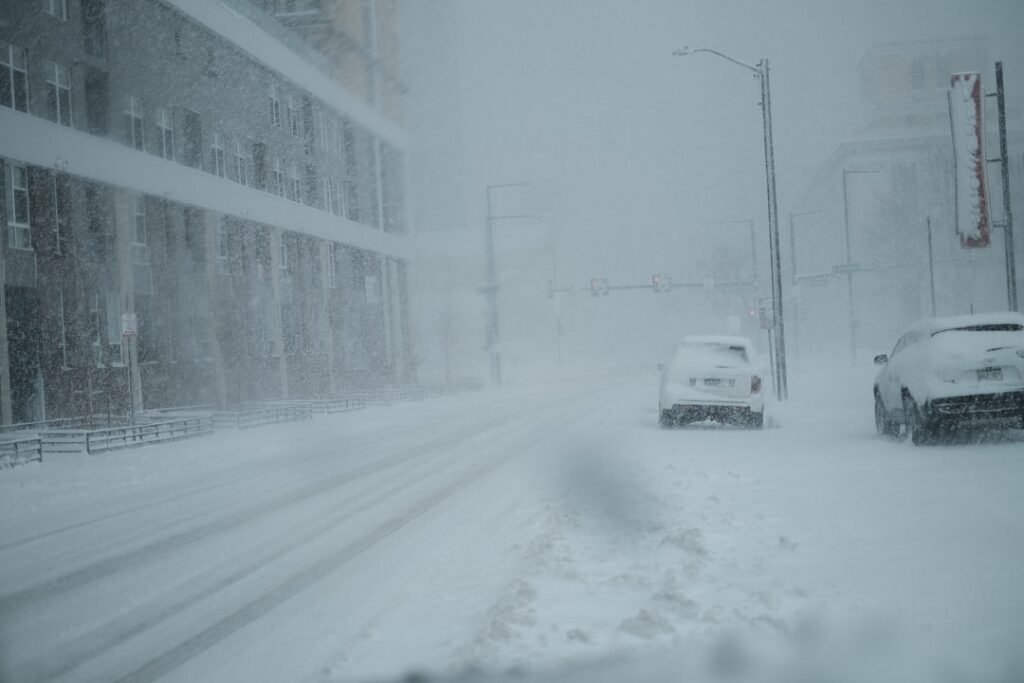
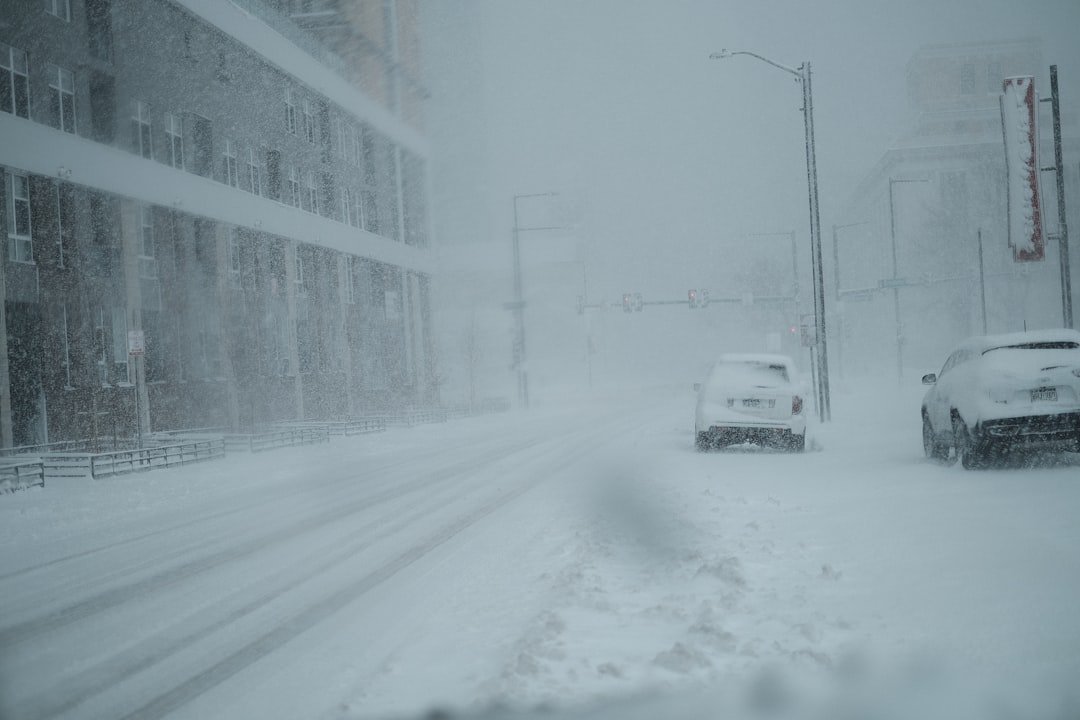
Authorities urged residents to avoid outdoor burning and monitor air quality as smoke spread. In the West, travel disruptions mounted on key routes like Interstate 80, stranding motorists in near-zero visibility.[2]
Emergency responses coordinated across agencies, emphasizing preparedness in this unusual weather divide.[1]
Key Takeaways
- Eight confirmed dead and one missing from Sierra Nevada avalanche, deadliest since 1981.
- 145,000+ acres burned in Plains fires, four firefighters injured.
- Heavy snow and critical fire weather forecasts continue through the weekend.
As these crises unfold, the stark divide between snowy peril and fiery fury underscores the unpredictability of current patterns. Communities remain vigilant, but how long can this dual threat last? Share your experiences in the comments.