
Every so often, the planet does something so strange and beautiful that it almost feels like a glitch in reality. These rare natural wonders are the kinds of things people wait decades to see, planning entire travels around a moment that might last only minutes or days. You can’t order them, you can’t schedule them, and you definitely can’t control them. That’s exactly what makes them so magnetic.
What follows isn’t a list of nice tourist spots. It’s a tour of natural events and places that are either vanishing, wildly unpredictable, or so remote and fragile that most people will only ever experience them through someone else’s photos. If you’ve ever felt the tug of wanting to witness something truly once in a lifetime, this list might just ruin your travel plans in the best possible way.
The Great American Total Solar Eclipse Path
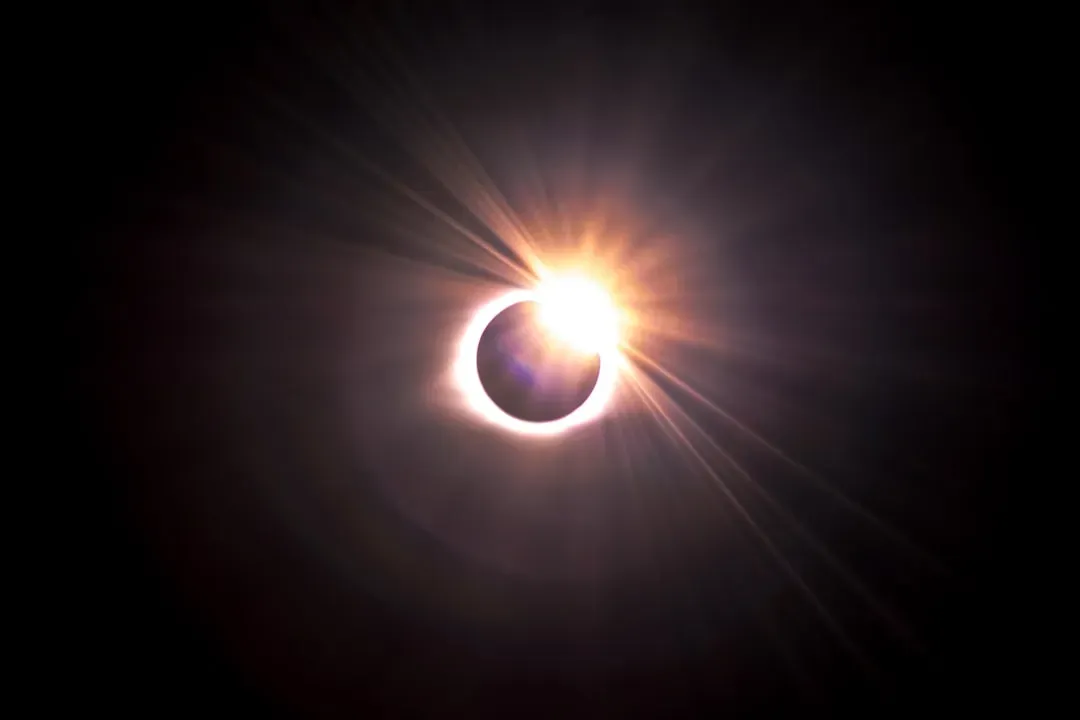
For a few brief minutes, broad daylight can turn to an eerie twilight as the Moon slides precisely in front of the Sun, casting a narrow shadow track across Earth. Total solar eclipses happen somewhere on the planet roughly every year or two, but any single spot on land usually only gets one about every three to four human lifetimes. That makes standing directly in the path of totality, under that darkened sky, a genuine once-in-a-lifetime moment for most people.
What makes it so surreal is how your senses revolt: birds quiet down or return to roost, temperatures drop, and the Sun’s outer atmosphere – the white, ghostly corona – suddenly becomes visible. Photos never quite catch the way the light feels wrong, as if someone dimmed the world with a cosmic dimmer switch. If you ever get the chance to travel into a path of totality instead of settling for a partial eclipse at home, treat it like an unrepeatable appointment with the universe, because for your exact hometown, it probably is.
Bioluminescent “Sea of Stars” in Remote Lagoons
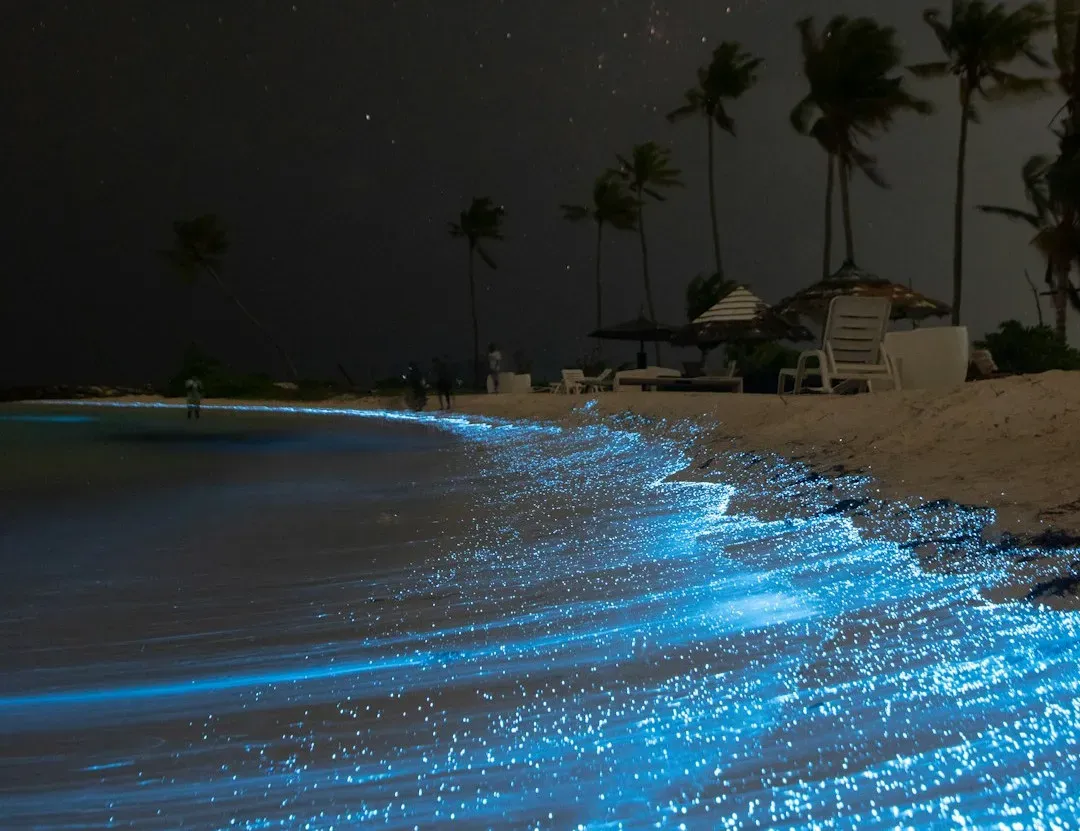
Imagine walking along a black, moonless beach and every step you take causes the shoreline to explode in electric blue light. This so-called “sea of stars” look comes from tiny plankton called dinoflagellates that glow when they’re disturbed, and under the right conditions, they can turn an ordinary bay into something that feels straight out of science fiction. Many tropical regions have some level of bioluminescence, but those rare nights where the water looks like pure liquid neon are far from guaranteed.
The brightness depends on a fragile combination of temperature, nutrient levels, water movement, and darkness. Show up in the wrong season, during a bright Moon, or after a storm, and you might find nothing but regular waves. Even locals can go years without experiencing a truly blazing display. That’s what makes those pristine nights in certain remote lagoons feel so special: you’re watching a living light show that is both ancient and ephemeral, and you’ll probably never see that exact intensity, in that exact place, ever again.
The Northern Lights at Peak Solar Fury
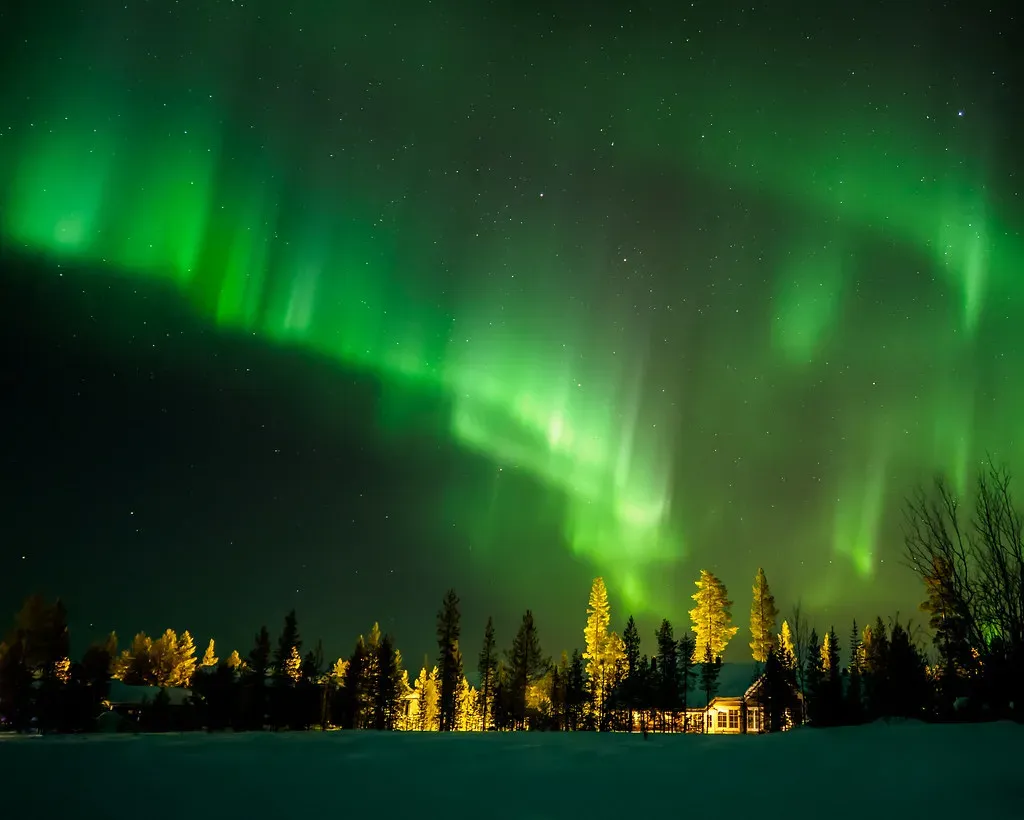
Confession: I once stayed up all night in the Arctic, staring at a perfectly blank sky, and went home with nothing but frostbite and disappointment. The aurora borealis is famously fickle. You can chase it for days and go home empty-handed, or you can step outside to grab something from the car and stumble into the sky going wild. But there are rare nights, especially around the peak of the Sun’s roughly eleven-year activity cycle, when the lights are not just visible but ferociously bright and fast.
On those nights, the aurora doesn’t just hang there like a soft green curtain; it whips and folds and explodes into deep reds and purples, reaching much farther south than usual. People in places that rarely, if ever, see the northern lights suddenly look up from their backyards to find the atmosphere on fire. For residents of those mid-latitude regions, that one storm might be the only true auroral storm they will see in their entire lives, a freak alignment of space weather and clear skies that will never repeat quite the same way again.
Pink Lake Phenomena That Come and Go
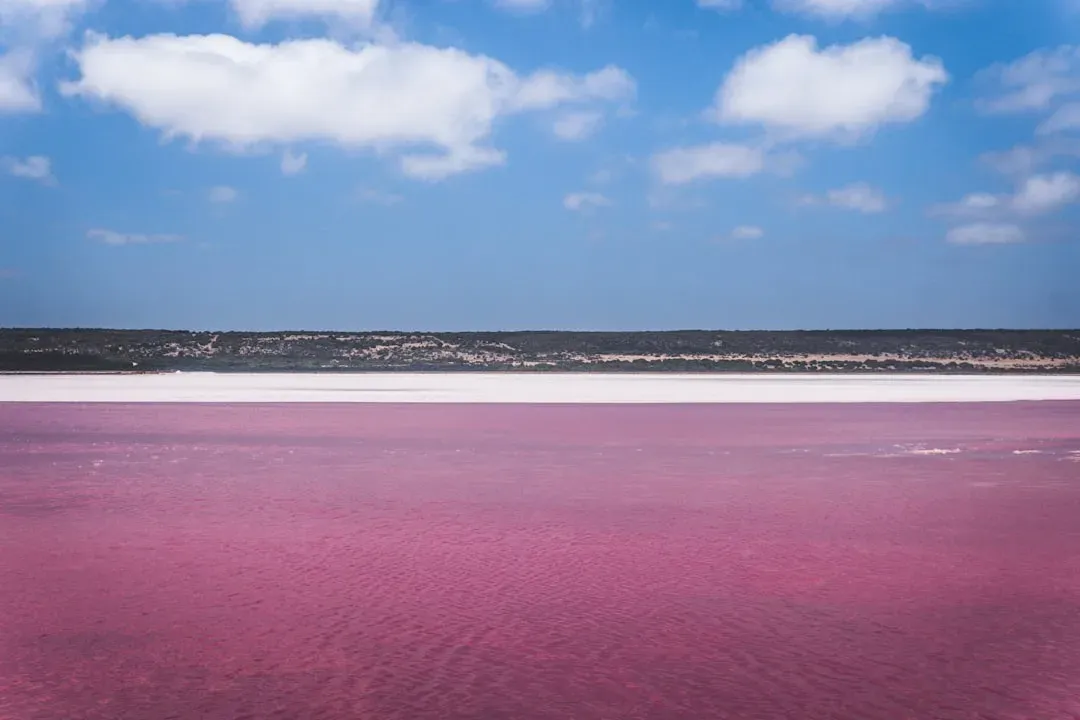
Photos of cotton-candy-pink lakes feel so unreal that a lot of people assume they’re heavily filtered. In reality, some salt lakes and lagoons around the world can turn an intense bubblegum color when certain salt-loving microbes and algae bloom in high-salinity, warm conditions. The catch is that these blooms are frustratingly inconsistent, and many of the more famous pink lakes have shifted over time due to changing climate and human activity.
One season a lake might look like a normal, pale body of water, and the next it suddenly becomes a sheet of shocking pink for a few weeks before fading back again. Slight changes in rainfall, temperature, and pollution can make or break the effect. That means travelers who happen to arrive in that short, perfect window effectively win a natural lottery. Future climate shifts and water use could easily dull or erase some of these pink lakes altogether, making each vivid bloom not just rare, but potentially one of the last of its kind.
Ephemeral Desert Superblooms After Unusual Rains
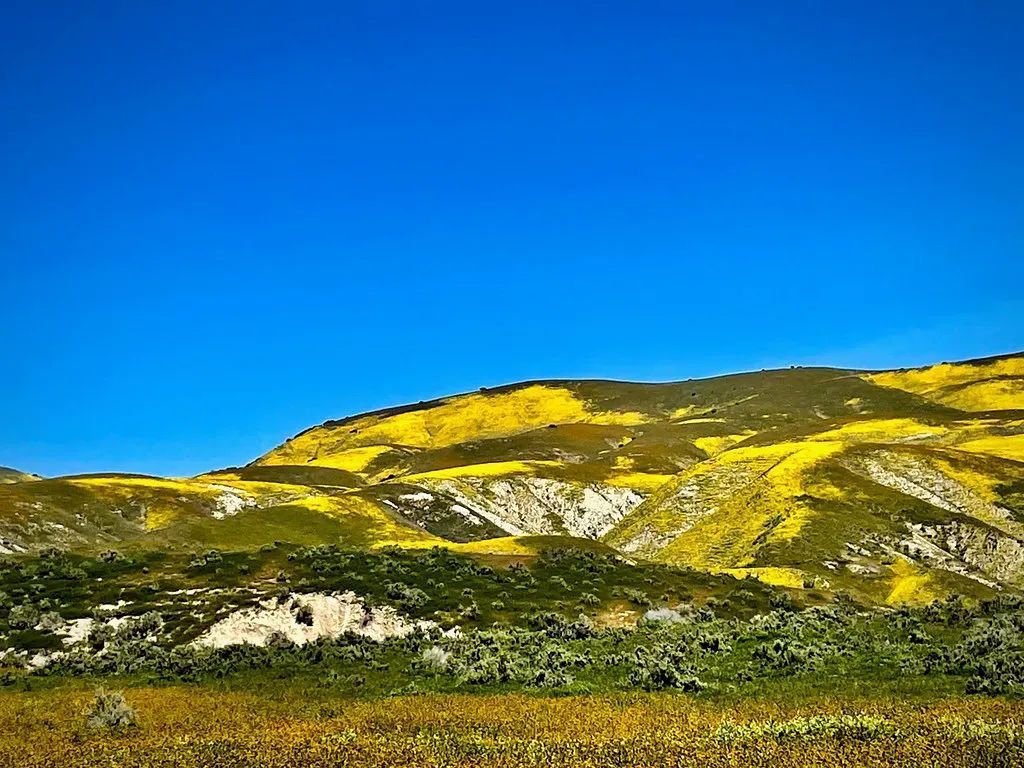
In the driest deserts, the landscape can look absolutely lifeless for years: cracked ground, dusty shrubs, maybe a single stubborn cactus. Hidden under that barren soil, though, are countless seeds just waiting for the right alignment of temperature and rainfall. On rare years when heavy and well-timed rains drench these regions, entire valleys erupt into color, producing a “superbloom” so dramatic it feels like someone swapped the scenery overnight.
Carpets of wildflowers stretch for miles where there was nothing but stone and sand the season before, attracting swarms of insects and birds that suddenly have more food than they know what to do with. These events don’t run on a reliable schedule; they might skip many years in a row, or they might be less intense if a key storm misses the region by a few hundred kilometers. For the people who happen to be there on the right week, walking through a desert suddenly humming with life can feel like stepping into a secret alternate version of the planet that appears briefly and then vanishes again.
Glacier Ice Caves That Melt and Rebuild Every Year
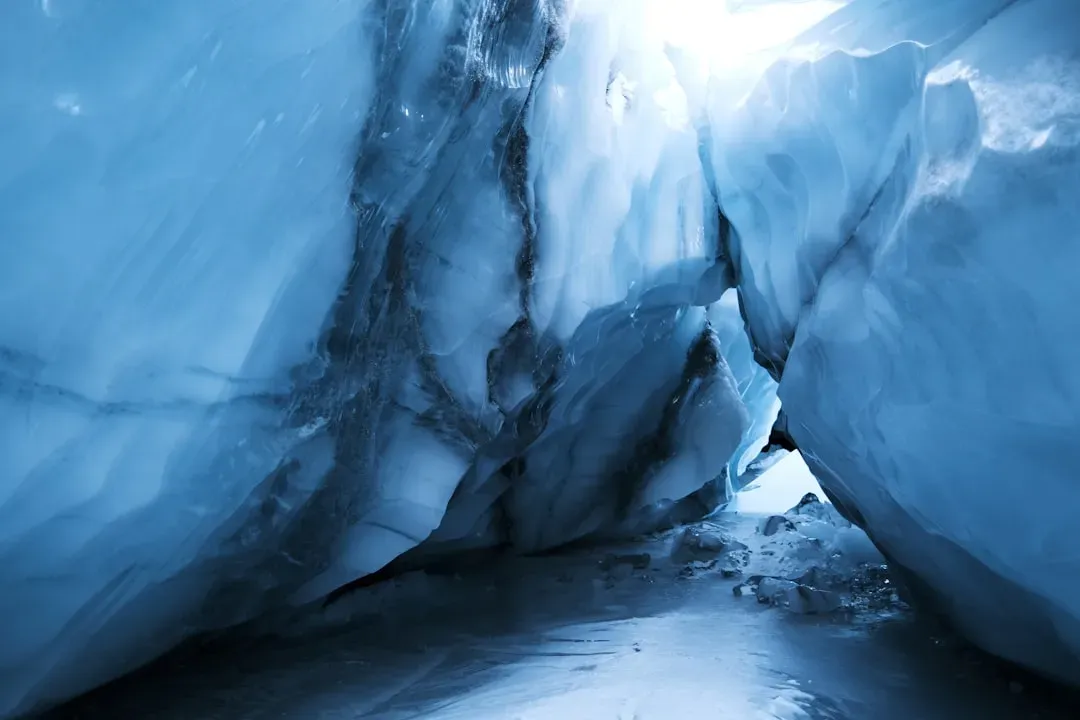
Glacier ice caves look like entrances to another world: winding tunnels of blue ice, sculpted by meltwater streams running beneath and through a glacier. What many people don’t realize is how temporary these caves are. Each winter, some of them reform in roughly the same area as water carves new routes, but the shapes, sizes, and even locations can be completely different from one year to the next. The cave you see in photographs simply will not exist a few seasons later.
Warming temperatures add an extra layer of fragility, accelerating melting and destabilizing some glaciers entirely. Guides in places known for ice caves constantly scout for new safe routes because last year’s passage might have collapsed or flooded. So when you step into one of these glowing blue cathedrals of ice, you’re not just visiting a seasonal wonder; you’re entering a structure that is literally in the process of disappearing and will never be reproduced in exactly the same form again, even if you return year after year.
Volcanic Eruptions That Transform Landscapes Overnight
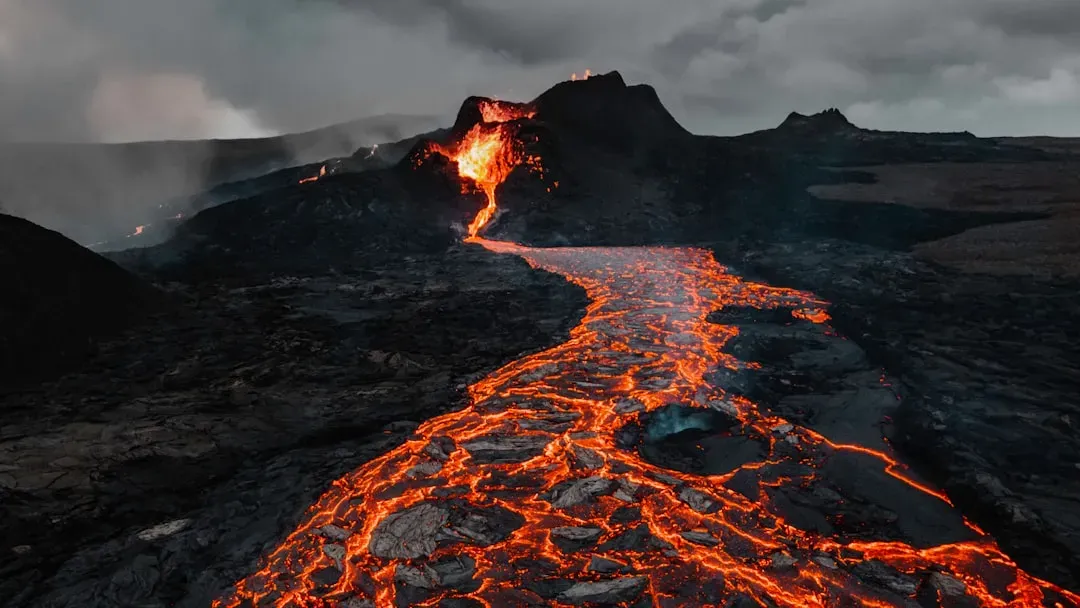
Most of the time, volcanoes sit quietly, looking like big, harmless mountains. Then, sometimes without much warning visible to the average person, they rip themselves open and change everything around them in a matter of hours or days. A major eruption can create new craters, lava fields, beaches, and even whole new islands, reshaping maps faster than human bureaucracy can keep up. That singular moment when new land is formed or when a familiar skyline is permanently altered is the definition of once in a lifetime.
Of course, eruptions are dangerous, often tragic events, and no spectacle is worth ignoring evacuation orders or safety advice. But from safe distances or long after the lava cools, standing on fresh rock that literally did not exist a few years earlier is deeply unsettling in the best way. You can sometimes see sharp boundaries where old green landscapes end and stark black lava begins, like a giant brushstroke across the Earth. No future eruption will copy that shape exactly, so the landscape you see is a frozen snapshot of chaos that happened only once.
Cascading “Firefalls” and Waterfall Light Illusions
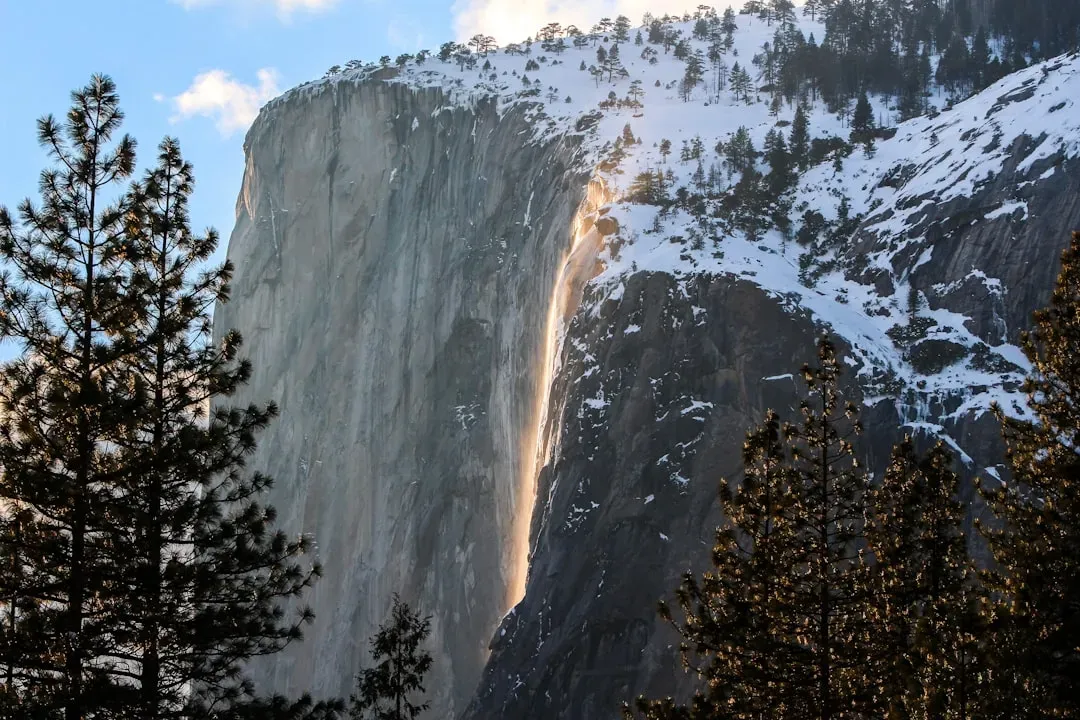
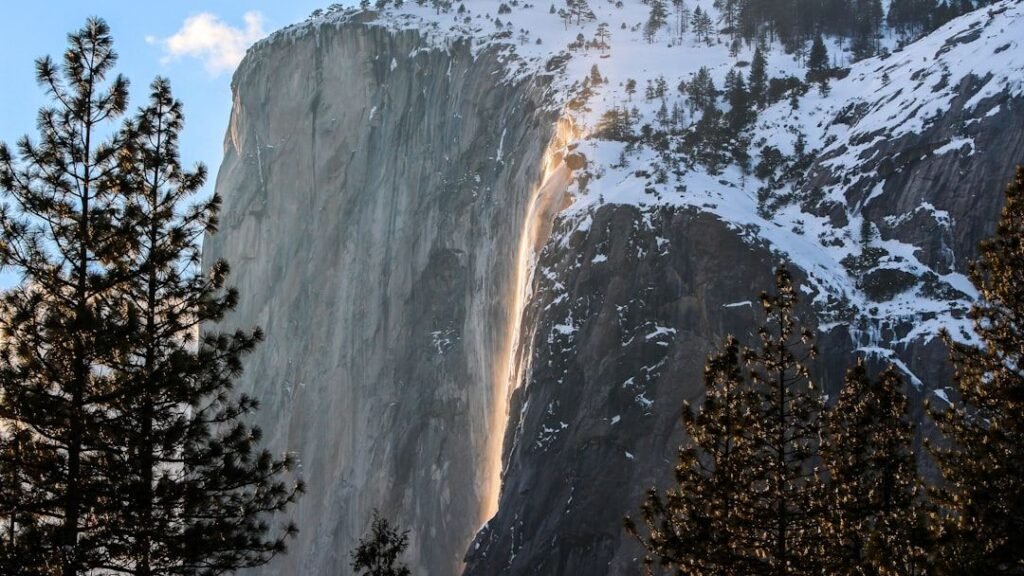
Every now and then, a simple waterfall turns into something that looks like a trick of special effects. Under certain conditions, at very specific times of year and day, the setting Sun can hit a falling sheet of water at just the right angle to make it look like molten lava is pouring off a cliff. The effect usually depends on a near-perfect alignment of clear skies, enough water flow, and the right position of the Sun on the horizon, plus being in exactly the right spot to watch it.
The timing is so fussy that locals can show up for several days in a row and see nothing special, then suddenly, for a few minutes, the falls glow orange and red as if the rock itself has cracked open. Miss it by a few minutes, or show up in a slightly dry year when the flow is weak, and you’d never know the illusion exists. Because the angle of sunlight shifts throughout the year and climate patterns can alter water levels, any given fiery display is a precise, unrepeated alignment that lives and dies in the span of an evening.
Rare Mass Coral Spawning Events
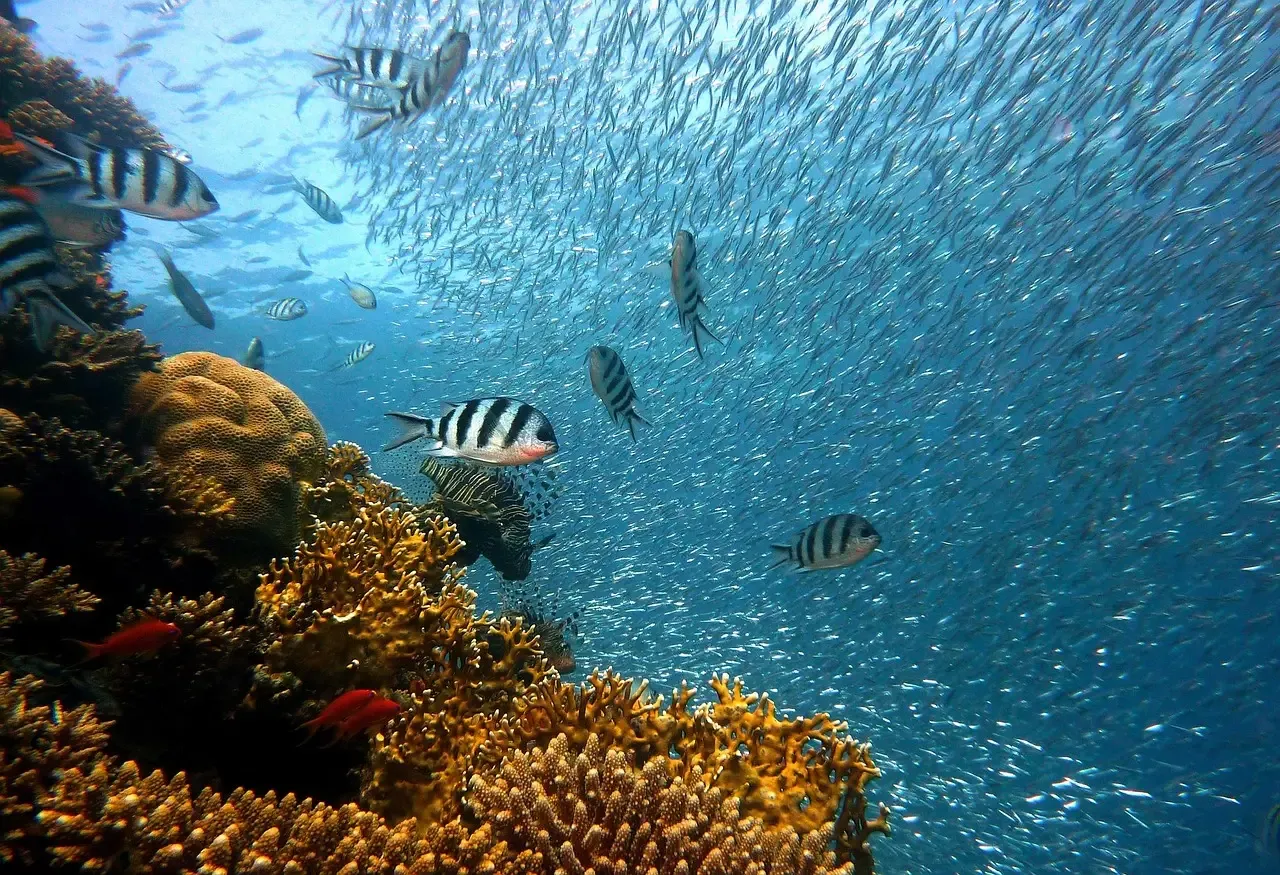
Once a year, around specific phases of the Moon and under just the right temperature conditions, many coral reefs release eggs and sperm into the water all at once in a synchronized spawning event. For a short window, the dark ocean suddenly fills with clouds of tiny pink, white, or orange bundles drifting upward like underwater snow. It’s one of the most important reproductive events for reef life, and also one of the hardest to witness in person.
Scientists and divers plan trips carefully, trying to predict the exact nights a given reef will spawn based on water temperature, species, and lunar cycles, but the ocean doesn’t work on a human schedule. Some years the timing shifts or the intensity is different, and global warming has already started to disrupt some of these delicate patterns. Being underwater during a big spawning event feels strangely quiet and sacred, like stumbling into a secret ceremony that the reef performs only a handful of times in your entire diving lifetime, if you’re lucky enough to catch it at all.
Ice Circles, Frost Flowers, and Other Fleeting Winter Art
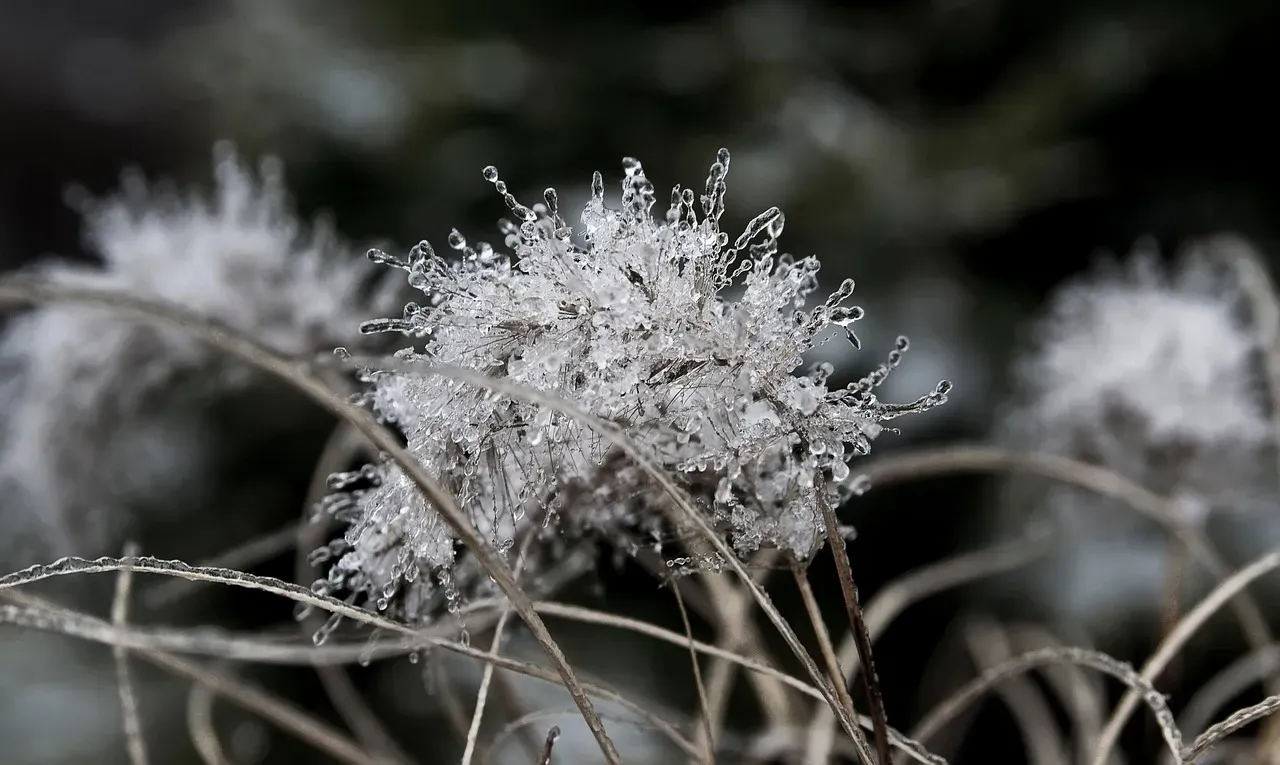
Winter sometimes leaves behind pieces of natural artwork that are so delicate they seem impossible. On very cold, calm mornings over thin ice or open water, slowly rotating ice circles can form on rivers, looking like giant, softly spinning discs carved by some patient artist. In polar or very cold conditions, intricate “frost flowers” can bloom on freshly formed sea ice or even on a frozen lake, appearing as fragile, crystalline blossoms that melt with the slightest touch or temperature rise.
Both of these phenomena depend on incredibly narrow windows of temperature, humidity, salinity, and water movement. A small change in wind or a rise of just a couple of degrees can prevent them from forming or destroy them within minutes. Because of that, locals who live near these lakes and rivers can go their whole lives without seeing more than a few truly perfect ice circles or frost flower fields. If you ever happen to walk outside and find an entire surface covered in shimmering frozen flowers or a slow-spinning disc of ice turning silently in the current, it’s worth stopping and just watching until it’s gone, because it won’t come back in quite that same way again.
Chasing Moments the Planet Won’t Repeat
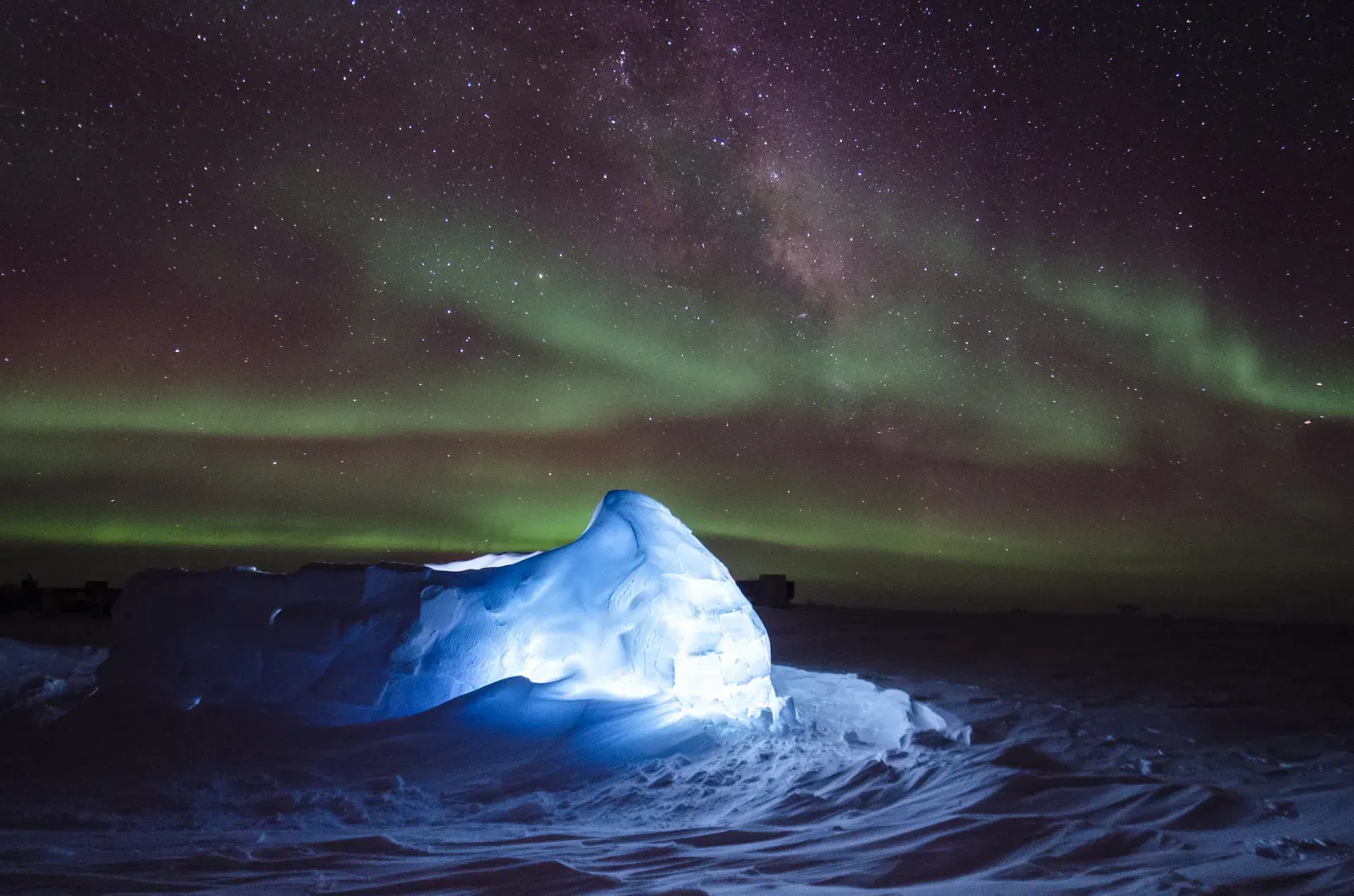
What ties all these rare wonders together is that they refuse to operate on our timelines. You can’t book the aurora at its wildest or a perfect desert superbloom the way you reserve a hotel room. You can research, plan, and hope, but in the end, seeing any of these things in person comes down to a mix of patience, timing, and a bit of luck.
There’s something humbling in that. The world keeps staging these brief, unrepeatable performances, whether we are there to witness them or not. Knowing that should probably make us a little more willing to say yes to that inconvenient trip, that middle-of-the-night walk outside, or that last-minute detour down a rough road. Because when the planet does something astonishing, it usually doesn’t do encores. Which one of these would you be willing to wait a lifetime for?