
Every time we think we’ve got nature mostly figured out, animals quietly prove us wrong. Hidden in forests, oceans, deserts, and even in our backyards are behaviors and abilities that break the rules we thought biology had set in stone. Some of them look almost like superpowers; others feel so eerie and precise that they border on the unbelievable.
In 2026, with satellites scanning the planet and gene-sequencing labs humming nonstop, you’d think there wouldn’t be many mysteries left. Yet biologists, physicists, and neuroscientists are still scratching their heads over these seven strange phenomena. They’re not fringe claims or myths, but real, documented puzzles that science has yet to fully crack.
The Compass in Their Bones: The Mystery of Animal Magnetoreception
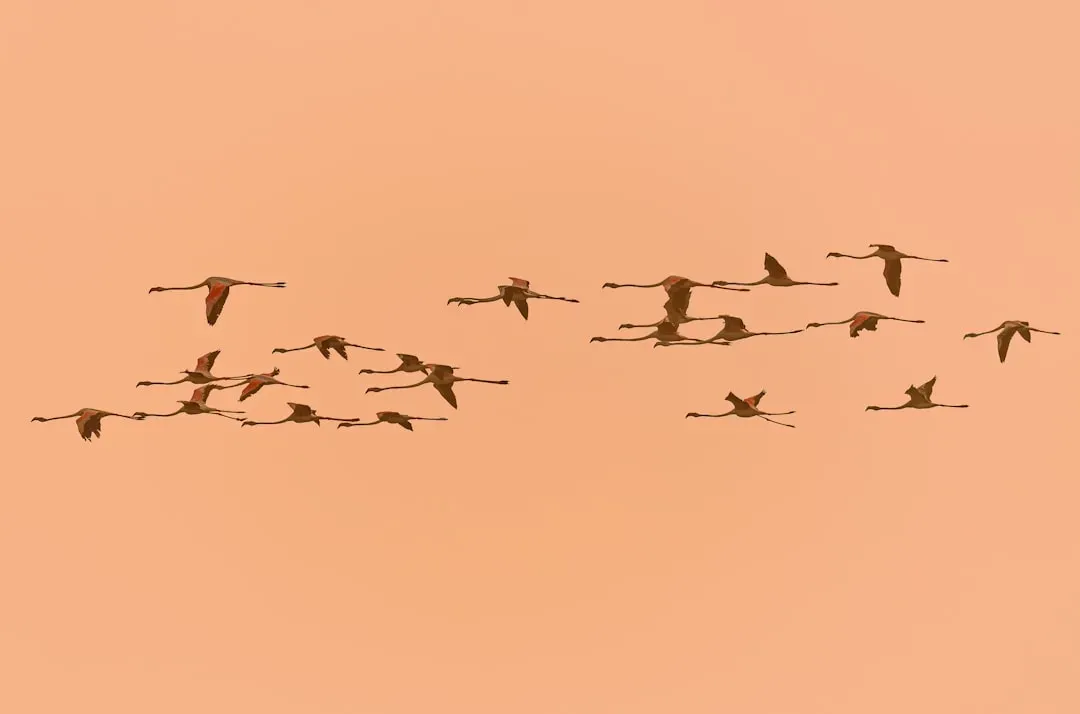
Imagine navigating thousands of kilometers across open ocean or night sky with no GPS, no maps, not even a visible landmark in sight. Migratory birds, sea turtles, salmon, and even some insects can do exactly that, apparently by sensing the Earth’s magnetic field. This strange internal compass, known as magnetoreception, is one of the biggest biological mysteries still on the table today.
Scientists have strong evidence it exists: birds get disoriented when exposed to artificial magnetic fields, and some experiments suggest they see magnetic lines as faint patterns superimposed on their vision. But how they do it at the molecular and neural level is still murky. One leading idea involves special light-sensitive proteins in the eyes, which may form quantum-level “compasses” sensitive to magnetic fields. Another hypothesis points to tiny magnetic crystals in their tissues. The truly wild part? Both mechanisms might be working together in ways we still don’t understand.
When Whales Vanish Together: Enigmatic Mass Strandings
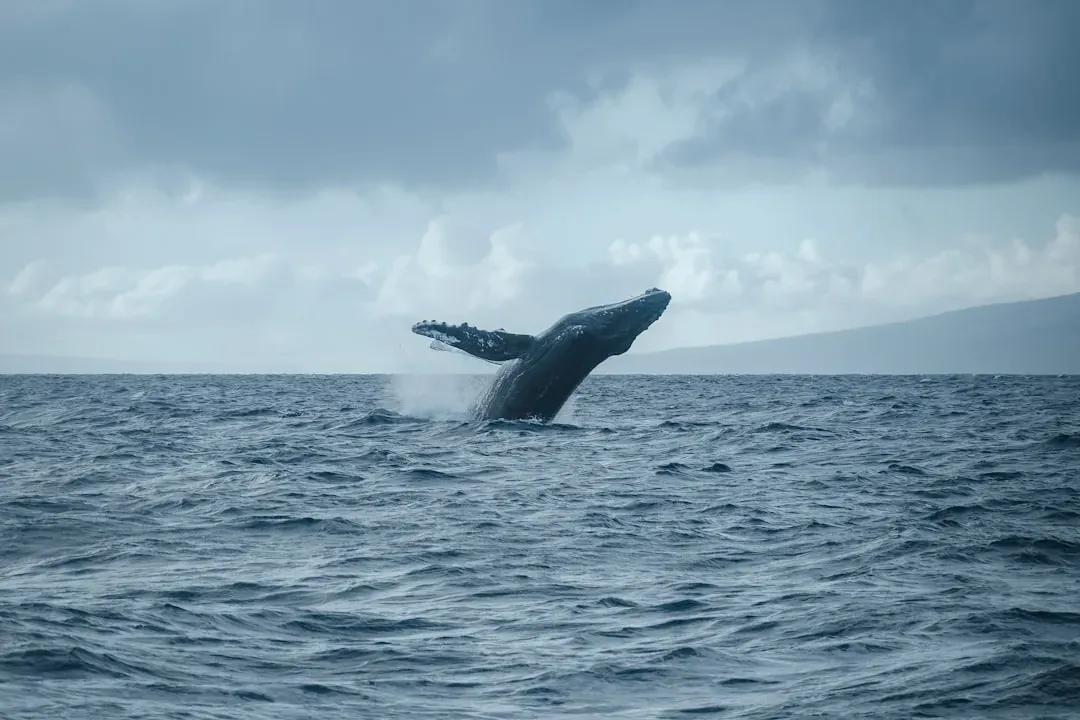
Few scenes hit as hard as a coastline lined with stranded whales or dolphins, all dying together on the sand. Mass strandings of toothed whales, especially pilot whales and beaked whales, have been recorded for centuries, yet we still don’t really know why they happen. Sometimes it coincides with naval sonar exercises or loud underwater explosions; other times, the ocean seems quiet, and they still come ashore in groups.
Researchers suspect a mix of causes: acoustic disturbance, disorientation in shallow sloping bays, strong social bonds that cause entire pods to follow a single confused leader, or even illness and toxins. In some events, there’s clear evidence of exposure to intense human-made noise, which can disrupt their echolocation and diving behavior. In others, the data don’t neatly line up with any obvious trigger. The unsettling truth is that these incredibly intelligent, tightly bonded animals may be dying for reasons we can’t fully pin down, even with all the tools of modern marine science.
Electricity as a Sixth Sense: The Odd Power of Electric Fish
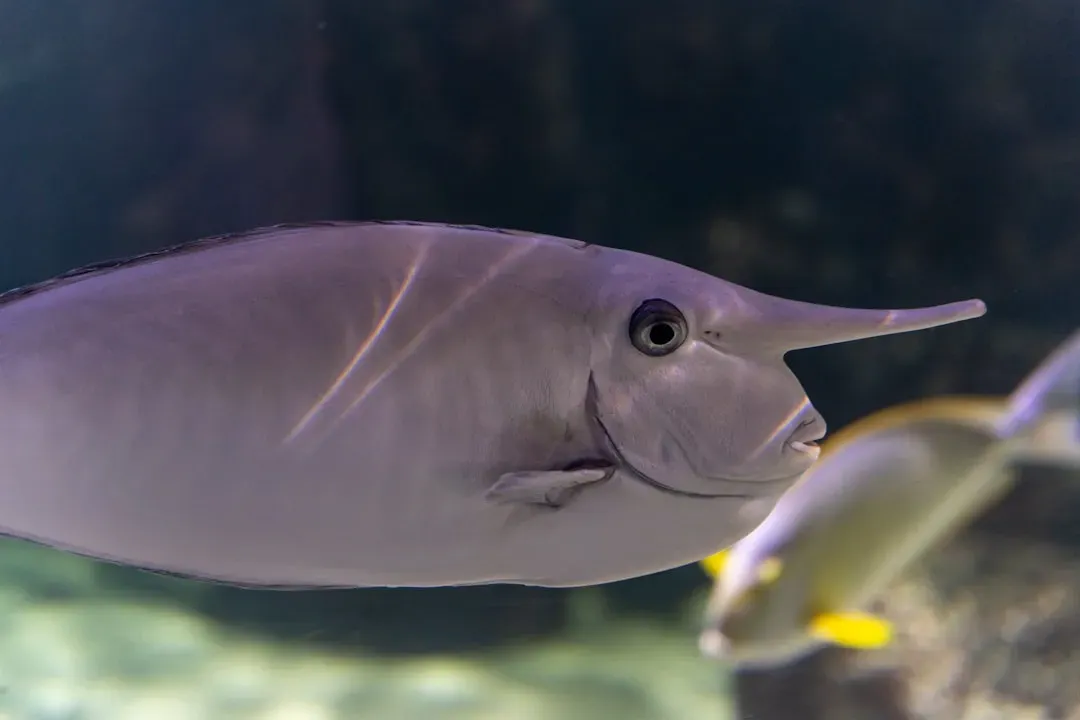
In murky rivers where light barely penetrates and vision is almost useless, some fish create their own invisible map of the world using electricity. Electric fish like knife fish and elephantnose fish generate weak electric fields around their bodies, then read the distortions in those fields to sense objects, prey, and even other fish. On top of that, strongly electric fish like electric eels can deliver massive shocks strong enough to stun prey or deter threats.
We can measure the electric signals, track the organs, and even record the brain’s response, but the subjective “experience” of this sense is something we barely grasp. Their brains interpret electric distortions the way ours interpret light and sound, building a mental model of the environment using physics humans don’t naturally feel. Some fish can even finely tune their frequencies to avoid jamming each other’s signals. How their nervous systems manage that level of precision and coordination is still being teased apart, revealing a sensory world that feels almost alien compared to our own.
Octopus Intelligence: A Mind Spread Across Eight Arms
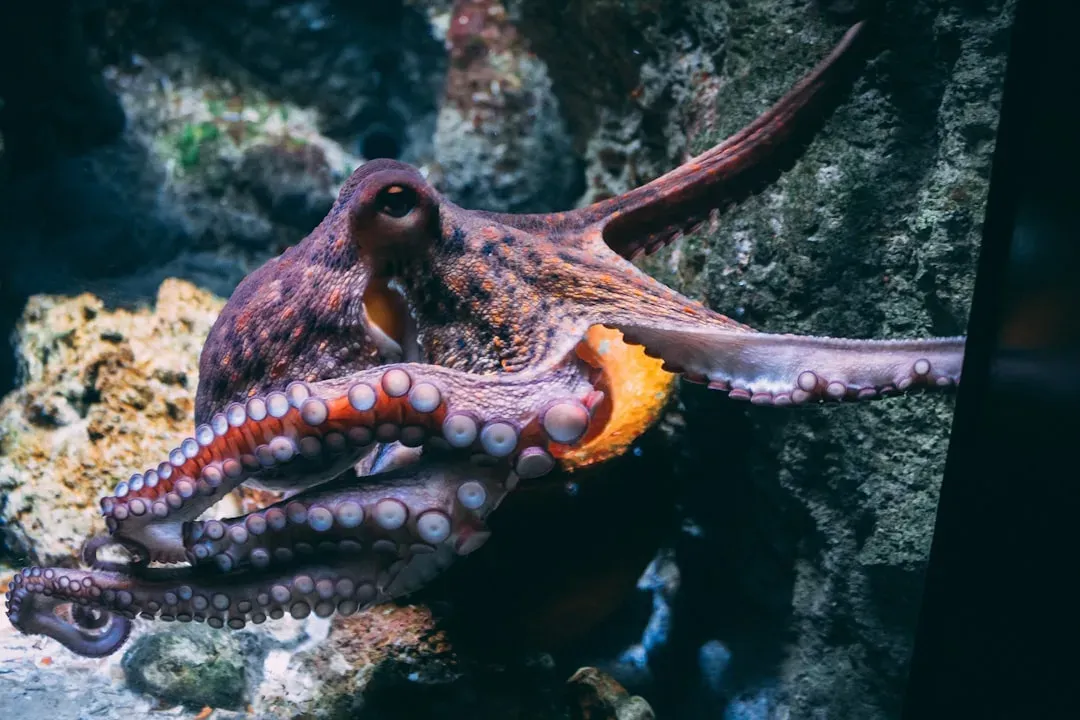
Octopuses solve puzzles, escape sealed tanks, recognize individual humans, and improvise in ways that look uncannily like flexible problem-solving. What makes them so baffling is not just their intelligence, but where that intelligence seems to live. Instead of a central brain calling all the shots, octopuses have a large central brain plus ganglia in each arm that act almost like semi-independent mini-brains.
Each arm can process sensations and coordinate complex movements without waiting for orders from the center, yet everything somehow stays unified enough for coordinated behavior. Neuroscientists are still trying to figure out how this decentralized system creates something that looks like a single, coherent mind. It reshapes the big assumption that intelligence has to be organized like a human brain. The octopus shows that cognition can be messy, distributed, and fluid, and still capable of creativity and curiosity.
Mysterious Mass Animal Migrations: Invisible Road Maps
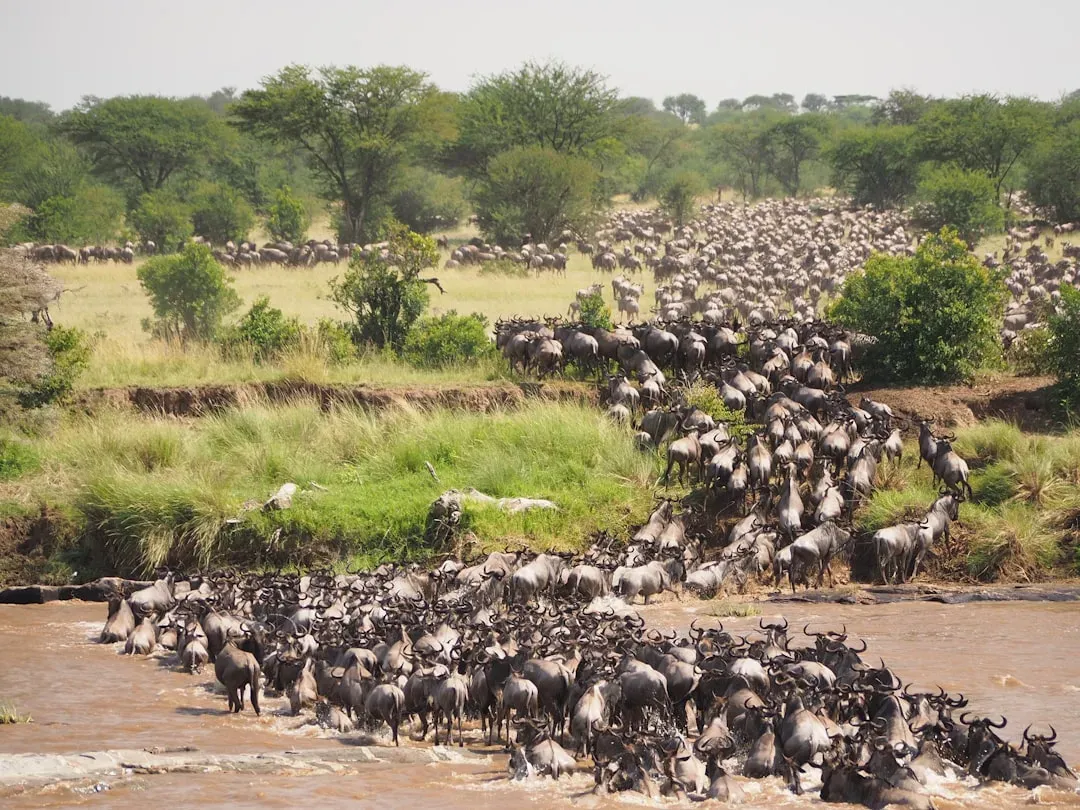
Every year, billions of animals move with astonishing precision, from monarch butterflies crossing continents to wildebeest tracing vast loops across African savannas. We know some cues: the position of the sun and stars, temperature shifts, wind currents, smells, and possibly Earth’s magnetic field. Yet even if you stack all those explanations together, there’s still something missing in how these creatures seemingly “know” where to go and when to leave.
Monarchs are especially puzzling because a single complete migration cycle takes several generations, yet the offspring still find their way to the same overwintering sites. No individual has done the full journey before, but somehow the pattern persists. Marine animals, like some sharks and turtles, can return to the same beach or reef where they were born after years roaming the open ocean. The guideposts they follow could involve subtle environmental gradients or cues we barely measure, hinting at a kind of internal navigation system far more complex than a simple instinctual urge to move.
Animal Earthquake Sensing: Can Creatures Feel Disasters Before We Do?
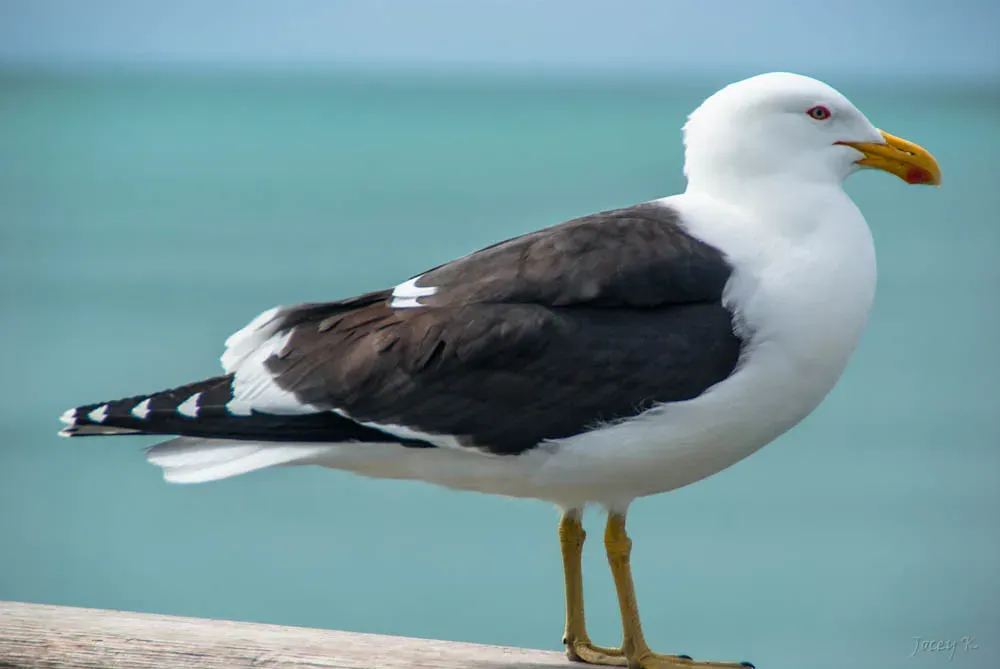
Stories of animals acting strangely before earthquakes go back through history: dogs whining, toads abandoning ponds, birds suddenly fleeing roosts, or farm animals becoming agitated without obvious cause. Modern studies have picked up some hints that changes in animal behavior sometimes occur before major quakes, but the results are inconsistent and hard to prove. That uncertainty keeps this topic in a weird space between folklore and serious research.
One idea is that animals detect tiny ground vibrations or shifts that are too subtle for human senses but happen before the main quake, like a prelude. Another possibility is that they sense changes in air ionization, groundwater chemistry, or low-frequency sounds released as tectonic plates build up stress. Tracking animals at scale with GPS, cameras, and sensors is helping researchers look for real patterns, but the picture is still blurry. Whether animals truly have a reliable early-warning ability or we’re just seeing coincidence and selective memory remains an open question.
Near-Instant Swarm Coordination: The Phantom Leader Problem
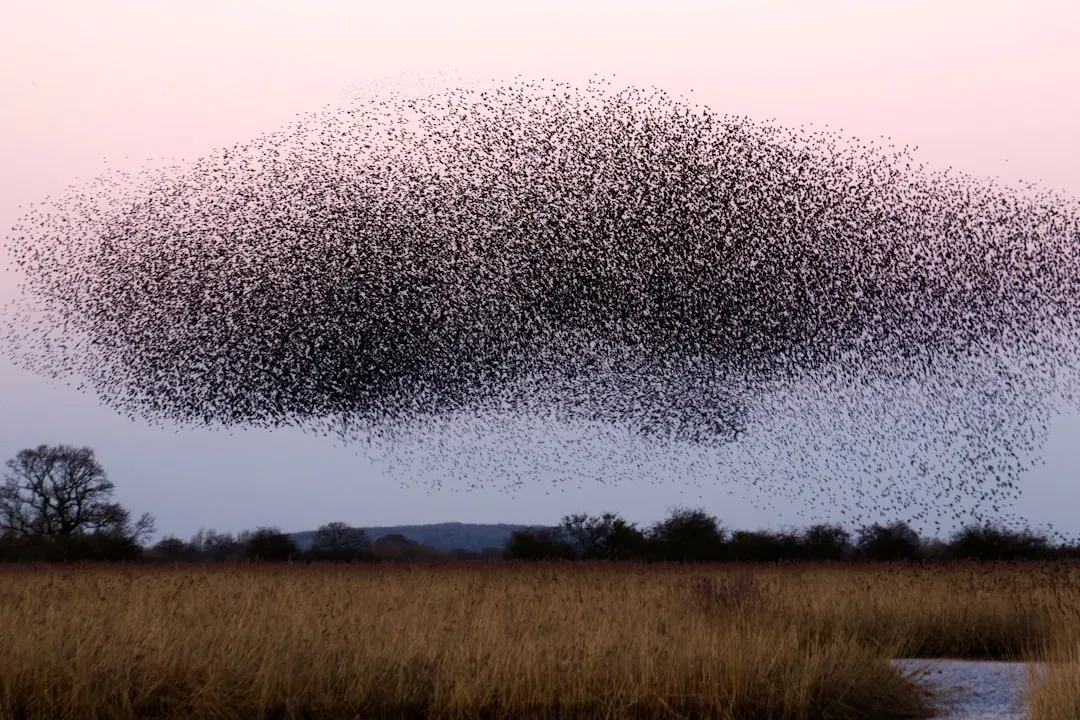
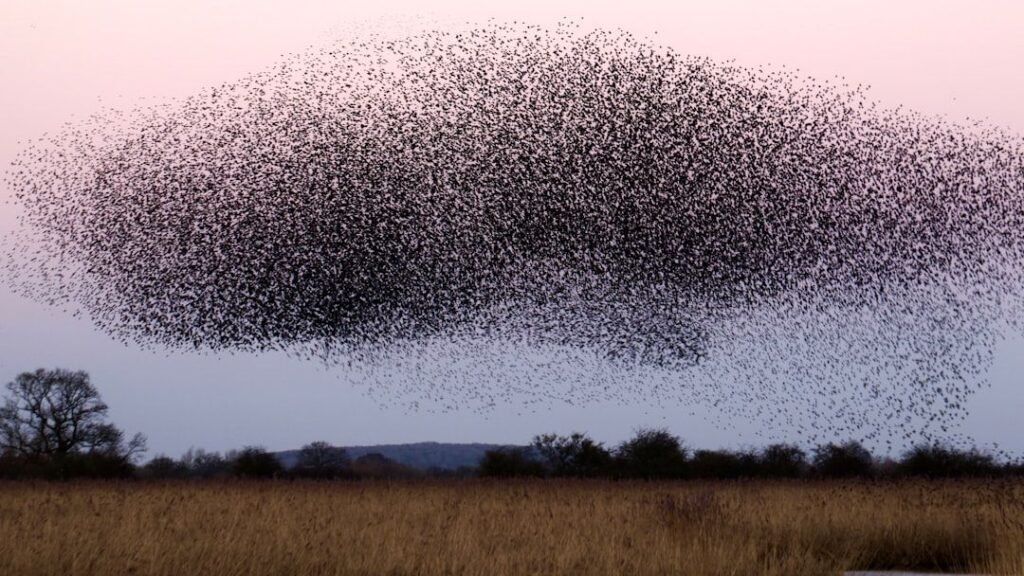
Watching a flock of starlings wheel through the sky or a school of fish twist away from a predator can feel almost supernatural. Thousands of individuals turn at once, with no collisions and no obvious leader barking orders. Insects like locusts and some social spiders can also form massive moving swarms that behave like a single organism. At first glance, it looks like mind reading; in reality, it’s even stranger.
Researchers have modeled how simple rules can produce complex group behavior, like each animal aligning with its nearest neighbors and keeping a certain distance. These models capture parts of what we see, but they still don’t fully explain just how fast and cohesive the real movements can be in three dimensions, especially when reacting to sudden threats. Communication must be rippling through the group in a way that’s far more efficient than any human crowd. The result is a kind of emergent intelligence, where the group as a whole shows properties no one individual actually possesses, blurring the line between many minds and one.
Living With the Unknowns in a Wild World
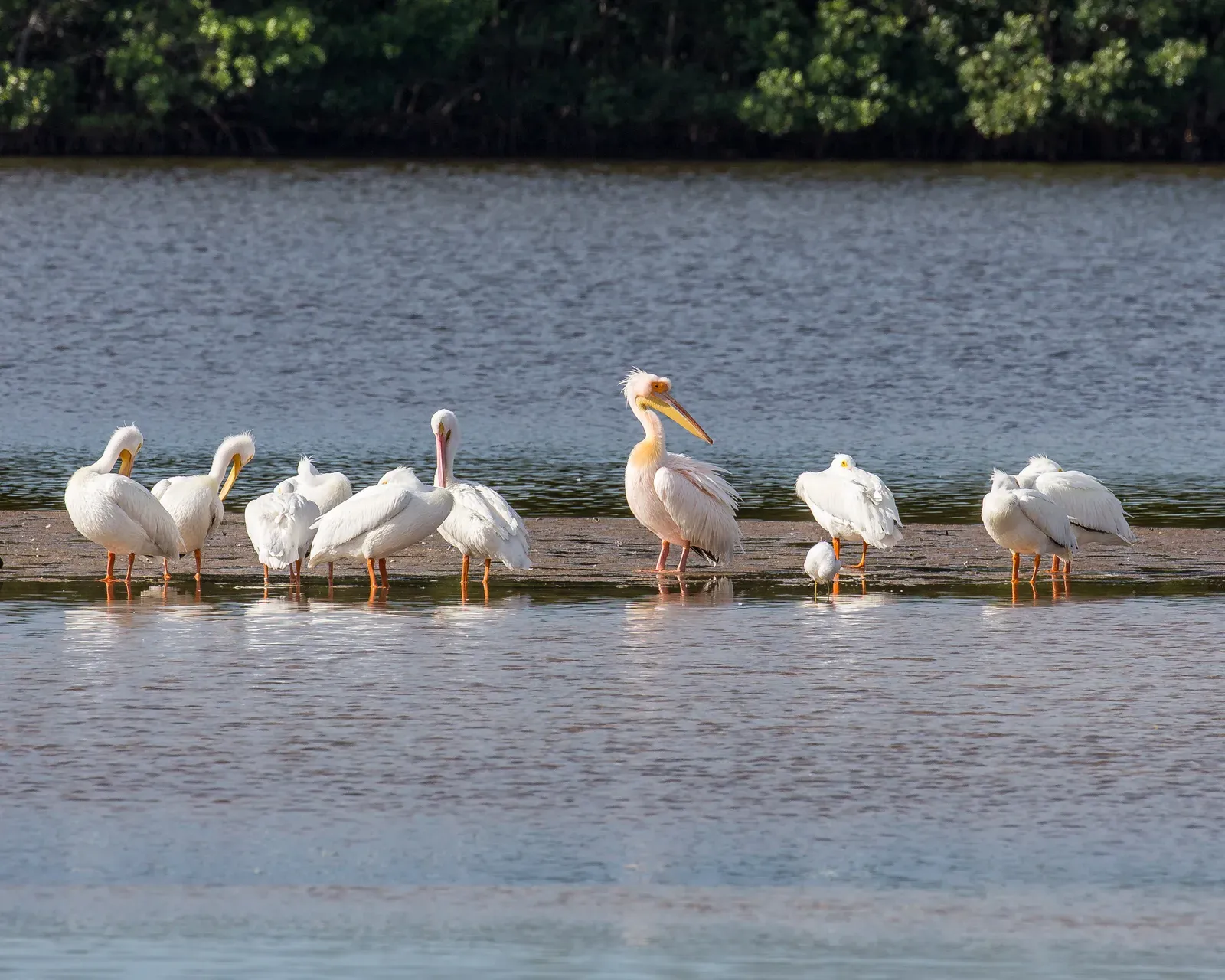
For all our labs, satellites, and supercomputers, animals keep reminding us that we’re still beginners in understanding life. Magnetoreception, swarm behavior, octopus minds, unexplained migrations, and the eerie timing of mass strandings or pre-quake reactions all point to a simple truth: evolution has discovered solutions we haven’t even learned how to describe yet. These mysteries are not flaws in science, but fuel for the next wave of discovery.
There’s something strangely comforting about that. It means the world is still bigger, stranger, and more surprising than our current explanations. Somewhere right now, an animal is doing something that quietly breaks one of our rules, and we haven’t noticed yet. Which of these mysteries did you find the hardest to believe?