
If you grew up thinking of space as a cold, empty backdrop with some stars sprinkled in, modern astronomy will happily blow that idea to pieces. The more powerful our telescopes and detectors get, the stranger the universe looks, to the point where everyday intuition just isn’t built for this kind of weirdness. Space turns out to be less like a quiet stage and more like a wild, shifting ocean that bends time, hides most of its contents, and might even copy you in places you’ll never see.
Over the last few decades, scientists have stumbled on discoveries that feel more like science fiction than science, yet they’re grounded in measurements, data, and relentless cross-checking. Black holes that ring like cosmic bells, galaxies racing away faster than we thought possible, planets where it literally rains glass sideways – this is the kind of reality we live in. Let’s walk through ten discoveries that don’t just stretch your imagination; they poke at the edges of what we mean by “reality” in the first place.
1. Black Holes That Sing Through Spacetime
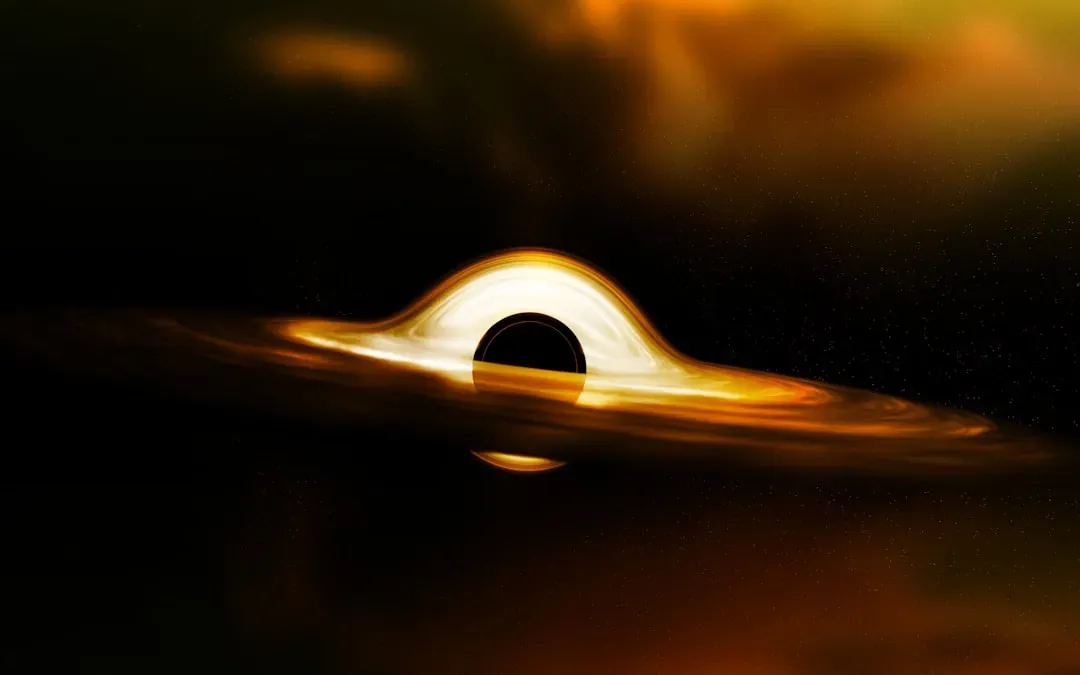
The idea of a black hole is already unsettling: a region where gravity is so intense that not even light can escape. For a long time, they were mostly treated as theoretical monsters hiding in the math of Einstein’s equations. Then in the last decade, detectors on Earth actually started listening to black holes colliding – and what they heard sounded eerily like the universe itself was ringing. These signals, called gravitational waves, are ripples in spacetime created when massive objects spiral into each other and merge.
When two black holes collide, the resulting vibration stretches and squeezes space as the wave passes through, almost like someone plucking the strings of reality. What’s mind-bending is that instruments on Earth can measure those changes even though they’re smaller than the width of a proton over distances of kilometers. Think about that: an event billions of light-years away can make your ruler subtly longer and shorter for a brief instant. It’s hard not to feel tiny – and also weirdly connected – to something that huge and far away.
2. Dark Matter: The Invisible Skeleton of the Universe
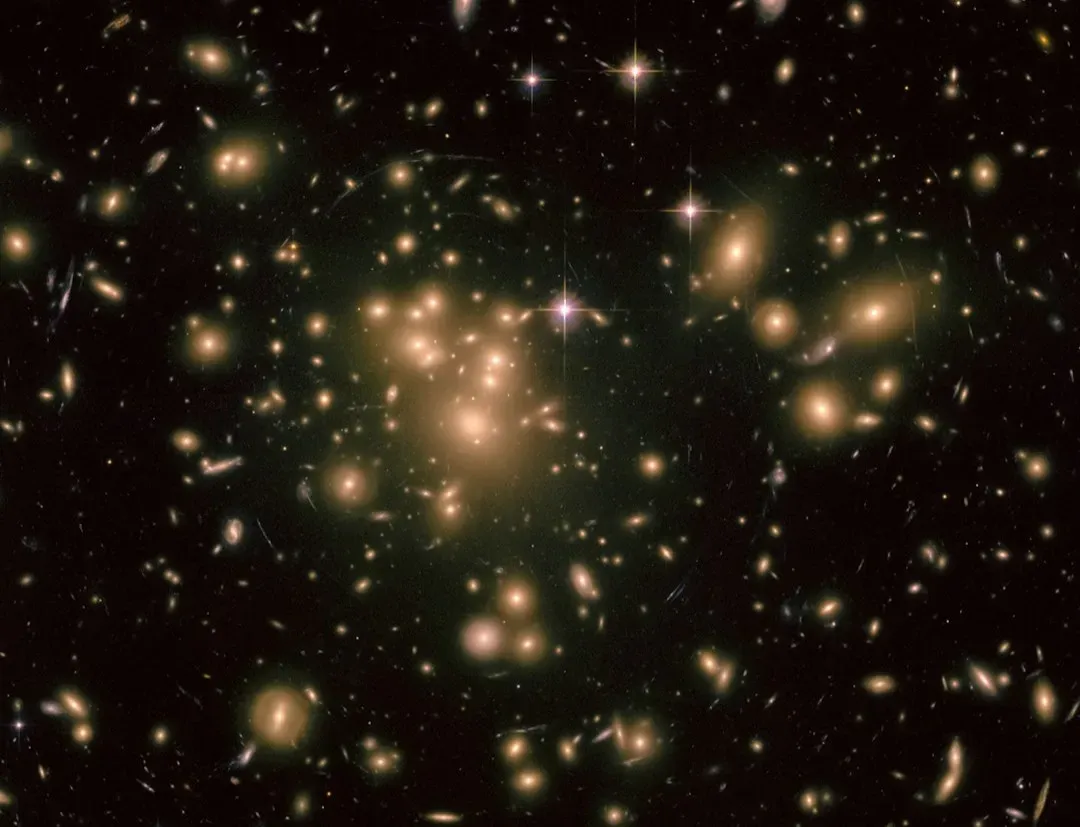
Imagine trying to understand a building by only looking at its curtains, while the walls, beams, and foundations are completely invisible. That’s roughly where we are with dark matter. Astronomers noticed that galaxies spin too fast and cluster together in ways that visible matter alone can’t explain. The only way the math works out is if there’s a massive, unseen component that exerts gravity but doesn’t emit or absorb light in any way we can easily detect.
This dark matter seems to act like a hidden skeleton, holding galaxies together and shaping the large-scale structure of the cosmos. What truly challenges our sense of reality is that this invisible stuff appears to make up the majority of matter in the universe, while everything we see – stars, gas, dust, planets, you, me – is just a small fraction. We’re basically living inside a shadow architecture we can’t touch or see directly, and even now physicists are still arguing about what it’s actually made of. That’s a pretty humbling backdrop for everyday life.
3. Dark Energy and the Accelerating Expansion of the Universe
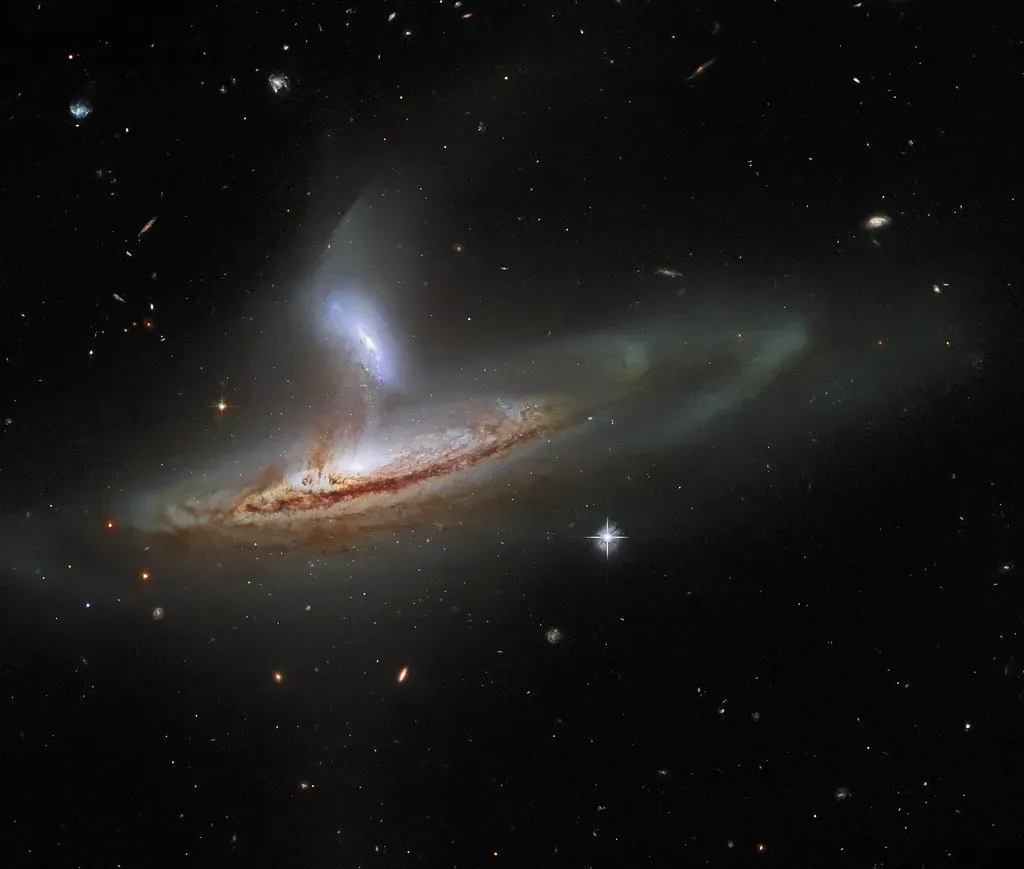
For much of the twentieth century, it was reasonable to assume the universe’s expansion would slow down over time because gravity should gradually pull everything back a bit. Then observations of distant exploding stars, used as cosmic distance markers, showed something shocking: the expansion of the universe isn’t slowing – it’s speeding up. It’s as if some mysterious force is pushing galaxies apart faster and faster, stretching the fabric of space itself.
To explain this, scientists use the term “dark energy,” a placeholder for whatever is driving this acceleration. The really unnerving part is that dark energy seems to account for the vast majority of the total energy content of the universe, dwarfing both normal matter and dark matter. So the main thing controlling the fate of everything is something we don’t truly understand and can’t bottle up in a lab. It’s like realizing the steering wheel of reality is being turned by a driver we can’t see and barely know how to describe.
4. Quantum Vacuum: Empty Space That Isn’t Really Empty
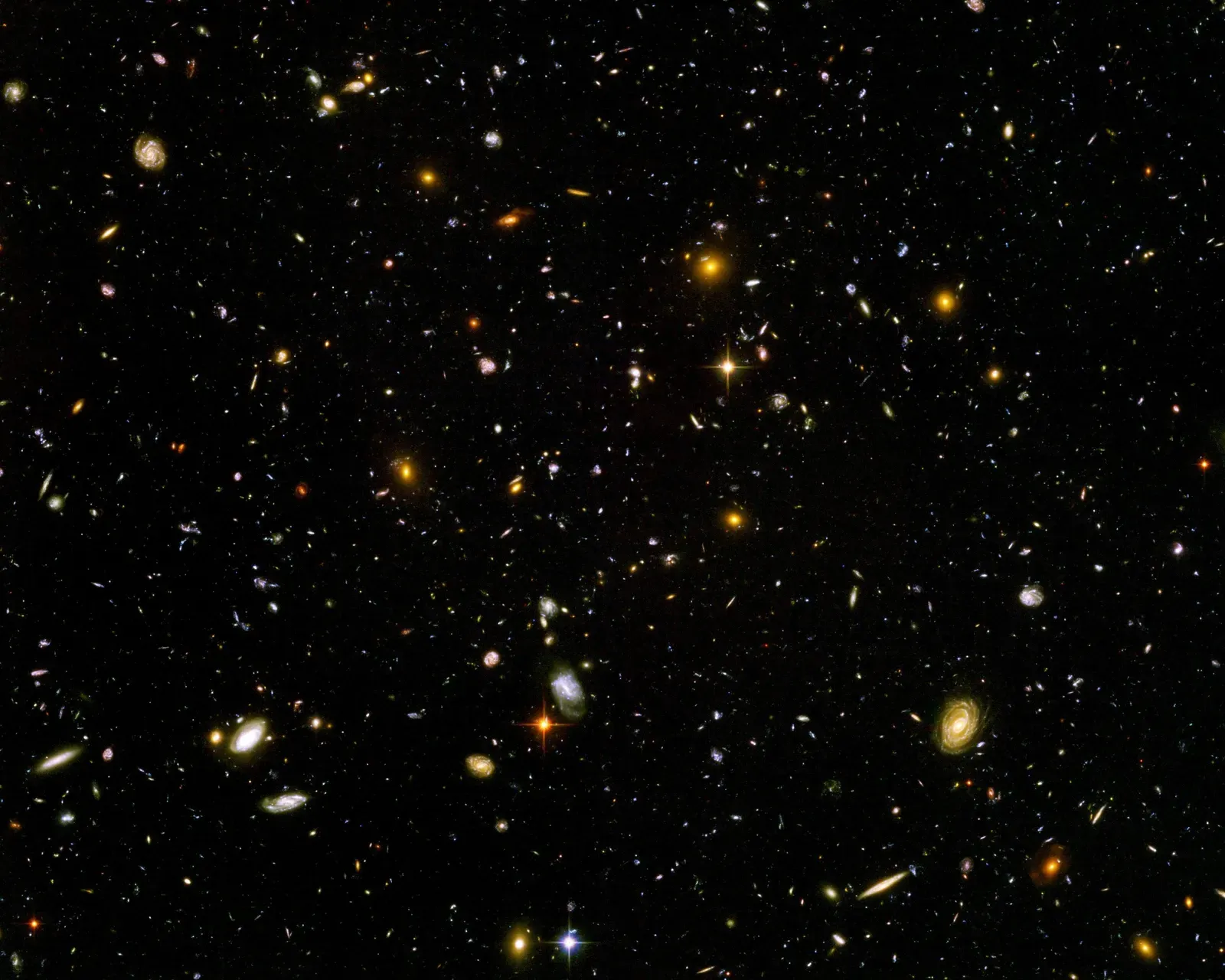
We tend to think of a vacuum as “nothing” – a place with no air, no particles, just pure emptiness. But in quantum physics, empty space is more like a restless sea boiling with activity you can’t see. Even in what we call a vacuum, particles and antiparticles can briefly pop into existence and then annihilate each other, a jittery process known as quantum fluctuations. Empty space, in this view, is a kind of energetic foam, not a simple zero.
These fluctuations aren’t just cute theoretical tricks; they have real, measurable effects, like tiny forces that appear between closely spaced metal plates. On a cosmic scale, the energy associated with this vacuum might be tied to dark energy, which would mean the “nothingness” between galaxies is actually loaded with strange power. It flips a basic intuition on its head: the void isn’t a boring background, it’s an active player in how the universe evolves. Reality, it seems, is noisy even when it looks quiet.
5. Time Dilation: Time Really Does Run Differently in Space
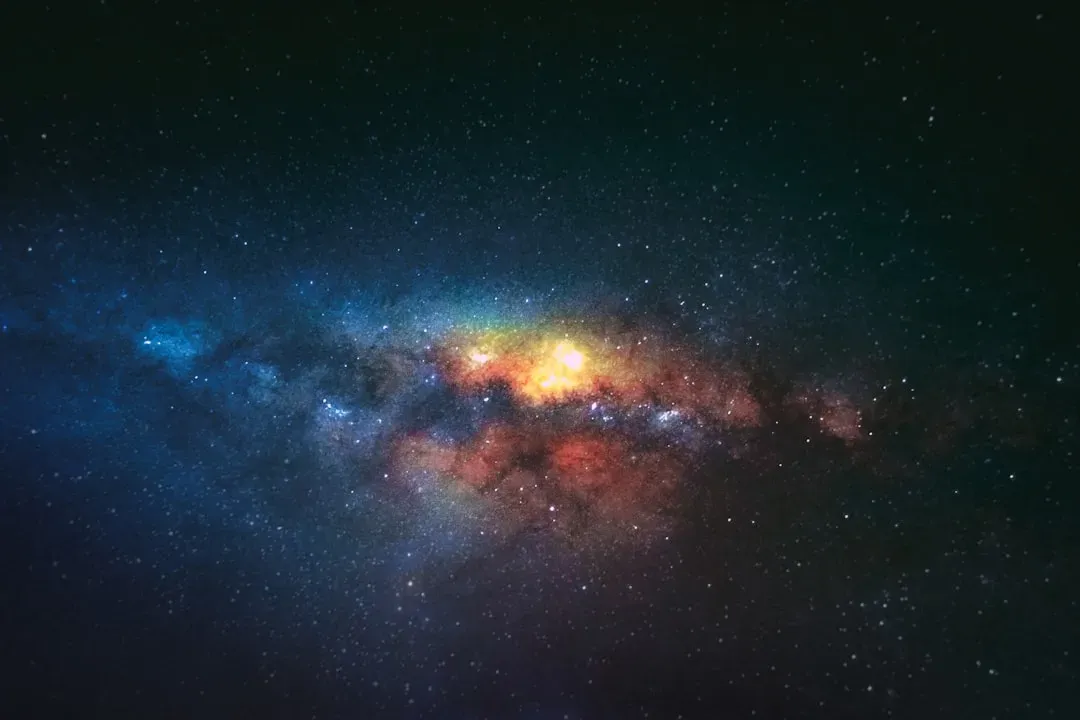
It sounds like a plot from an old sci-fi movie: time passes at different rates depending on where you are and how fast you’re moving. But this is not speculation – it’s tested physics from Einstein’s theories that has been confirmed in experiment after experiment. Clocks on satellites in orbit tick at slightly different rates than clocks on Earth, thanks to both their speed and the weaker gravity they experience. Engineers have to correct for this effect constantly, or GPS systems would quickly go out of sync and your phone’s navigation would be useless.
On larger scales, near incredibly massive objects like black holes, time dilation becomes even more dramatic; a person near the event horizon could experience hours while years pass for distant observers. This isn’t just a weird math trick, it’s a statement that time itself is flexible and woven together with space. Growing up, most of us learn to think of time as a steady, universal flow – like a river running at the same speed everywhere. Space tells us that the river bends, speeds up, slows down, and each of us is floating along slightly differently.
6. Exoplanets That Redefine What a “World” Can Be
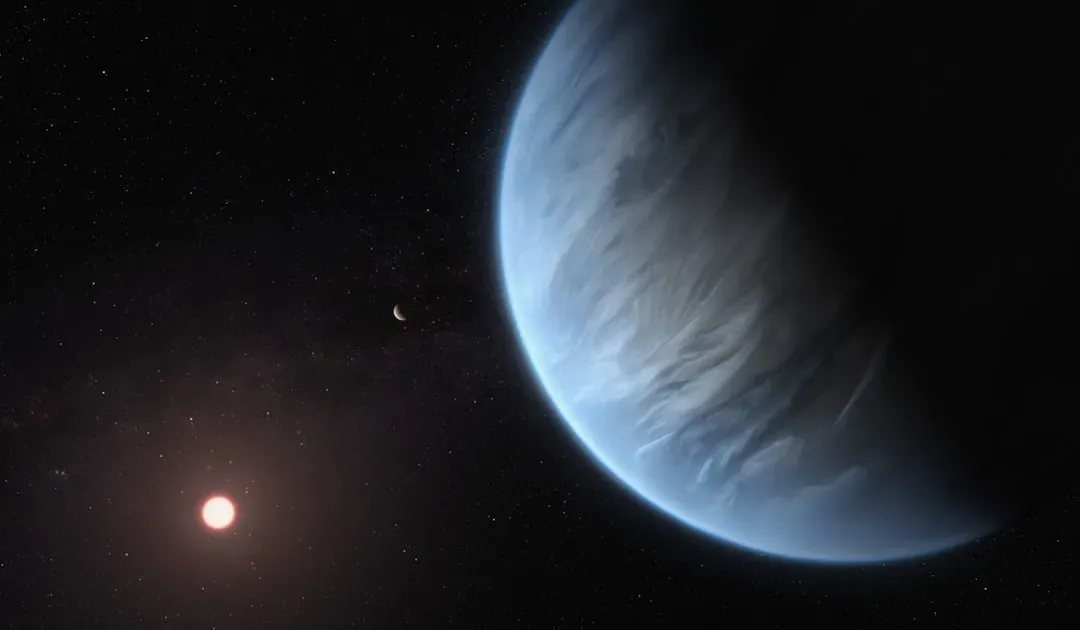
The first confirmed exoplanets orbiting normal stars were announced in the 1990s, and since then we’ve gone from guessing to cataloging thousands of alien worlds. What’s wild is how few of them look anything like our tidy mental picture of a solar system. There are hot Jupiters bigger than our own Jupiter, hugging their stars so closely that a year lasts only a few days. There are planets that might be covered in global oceans, others that could be mostly carbon, and some with temperatures hot enough to vaporize metal.
On a more personal level, learning about exoplanets makes Earth feel both special and wildly ordinary at the same time. Special, because the delicate conditions that support life as we know it are not obviously common; ordinary, because planets of all shapes and sizes seem to form naturally across the galaxy. I remember the first time I saw an artist’s impression of a planet where molten glass might rain sideways in supersonic winds – it hit me that the word “planet” barely scratches the surface of what’s really out there. Our cozy blue home is just one flavor in an absurdly large cosmic menu.
7. The Cosmic Microwave Background: A Baby Picture of the Universe
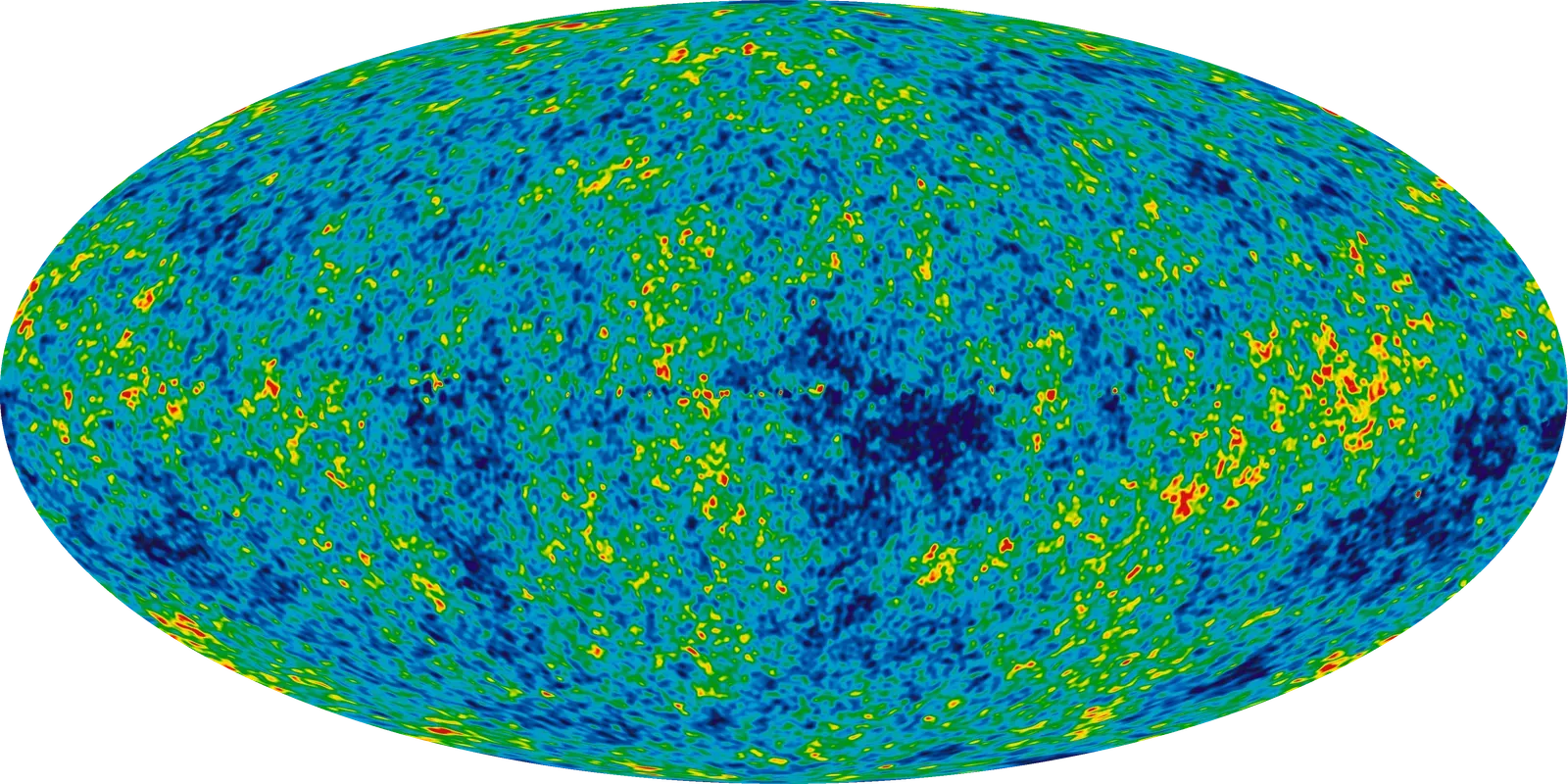
If you could rewind the universe to its earliest detectable moment, you’d land on a time when it was hot, dense, and glowing with radiation. As it expanded and cooled, that light stretched into microwaves, filling the entire universe with a faint afterglow. This relic radiation, known as the cosmic microwave background, is like a baby picture of the cosmos taken when it was only a few hundred thousand years old. Sensitive instruments have mapped it in stunning detail, revealing tiny temperature differences across the sky.
Those tiny variations, just slightly warmer or cooler patches, are the seeds from which all galaxies and structures eventually grew. What’s profound about this is that our existence traces back to minute ripples in a nearly uniform glow, frozen into the sky from a time before stars existed. The cosmic microwave background basically tells us that the entire visible universe shares a single, ancient origin story written in light. It’s like opening a family album and realizing the first photo includes everything and everyone, long before any of us had names.
8. Multiverse Ideas: Our Universe Might Not Be Alone

Strictly speaking, we have direct evidence for one universe: the one we’re in. But certain theories in cosmology and quantum physics naturally lead to the idea that ours might be just one bubble in a much larger cosmic foam. In some versions, different regions of this larger reality could have different physical constants or laws, making them truly separate universes in more than just name. While we can’t currently see or test these other bubbles, the math behind some successful models almost seems to demand their existence.
This multiverse idea is polarizing because it pushes right up against the boundaries of what science can reasonably measure. Still, it forces a deep rethink of questions we normally treat as profound: Why do the laws of physics have the values they do? Why does the universe seem so well-tuned for complex structures and life? In a multiverse, our universe might just be one of countless tries, with nothing particularly special about it except that we happen to be here. It’s an unsettling but strangely freeing thought, like learning that your hometown is both meaningful and yet not the center of the world.
9. The Hubble Tension: Cracks in Our Cosmic Model
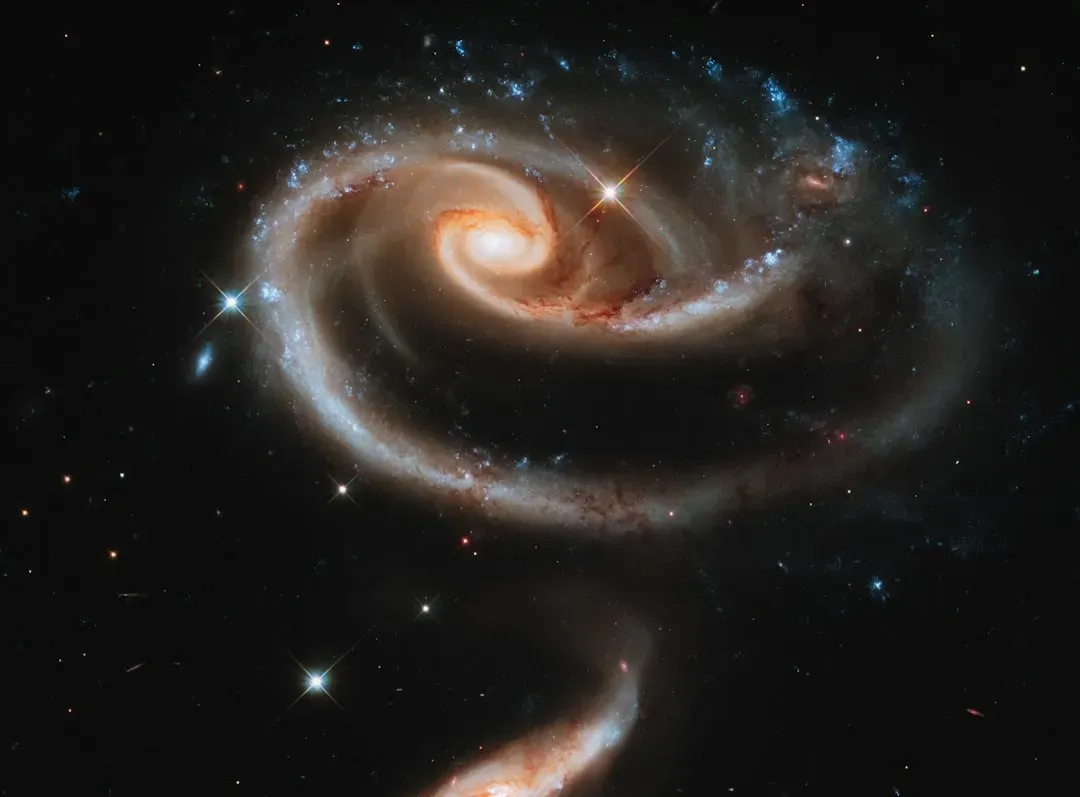
Modern cosmology has a fairly successful standard model that describes the overall evolution of the universe, from the early hot phase to the structure we see today. But when scientists measure the rate at which the universe is expanding right now using different methods, they get results that don’t neatly agree. One method looks at the cosmic microwave background in the early universe, while another uses nearby supernovae and galaxies in the modern universe. The mismatch, known as the Hubble tension, is not a tiny quibble; it’s big enough that people are seriously considering whether our basic model is missing something fundamental.
This disagreement might eventually turn out to be a measurement issue, but right now it’s one of the loudest hints that we might not fully understand how the cosmos works. It’s like having two clocks in your house that always disagree by a noticeable amount, even after you change the batteries and check them again and again. Either both clocks are somehow faulty in just the right way, or your sense of time is off. For cosmologists, the Hubble tension feels like the universe nudging them and saying, “You’re close, but not quite there.”
10. Simulation Hypothesis: Could the Universe Be Code?
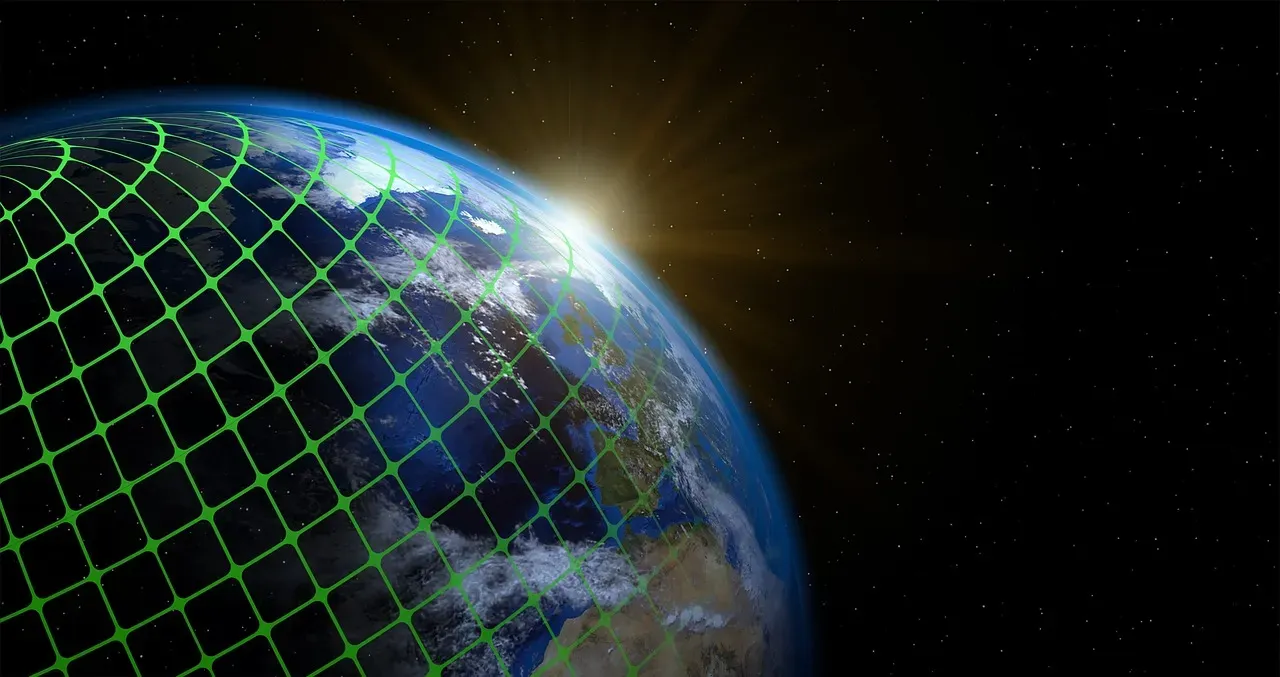
As computers have grown more powerful, our ability to simulate worlds – through video games, physics engines, and virtual reality – has grown right along with them. This has led some thinkers to entertain a provocative question: if intelligent beings could someday simulate entire universes with conscious-like inhabitants, how do we know we’re not inside such a simulation ourselves? The simulation hypothesis isn’t a traditional scientific theory, since it’s tough to test, but it’s taken seriously enough that some physicists explore whether there might be subtle “glitches” or patterns in physical laws that could hint at an underlying code.
Whether or not you find this idea plausible, it certainly forces a fresh look at what we mean by “real.” If our universe is simulated, do emotions, beauty, and pain become less meaningful, or are they real precisely because we experience them, regardless of their substrate? Personally, when I think about this possibility, I don’t feel smaller so much as more aware of how fragile and temporary our window onto reality is. Whether we are in a base-level universe or someone’s cosmic computer, we still laugh, grieve, explore, and try to understand. In a way, that search for meaning might be the most real thing we have.
Living in a Stranger Universe Than We Imagined
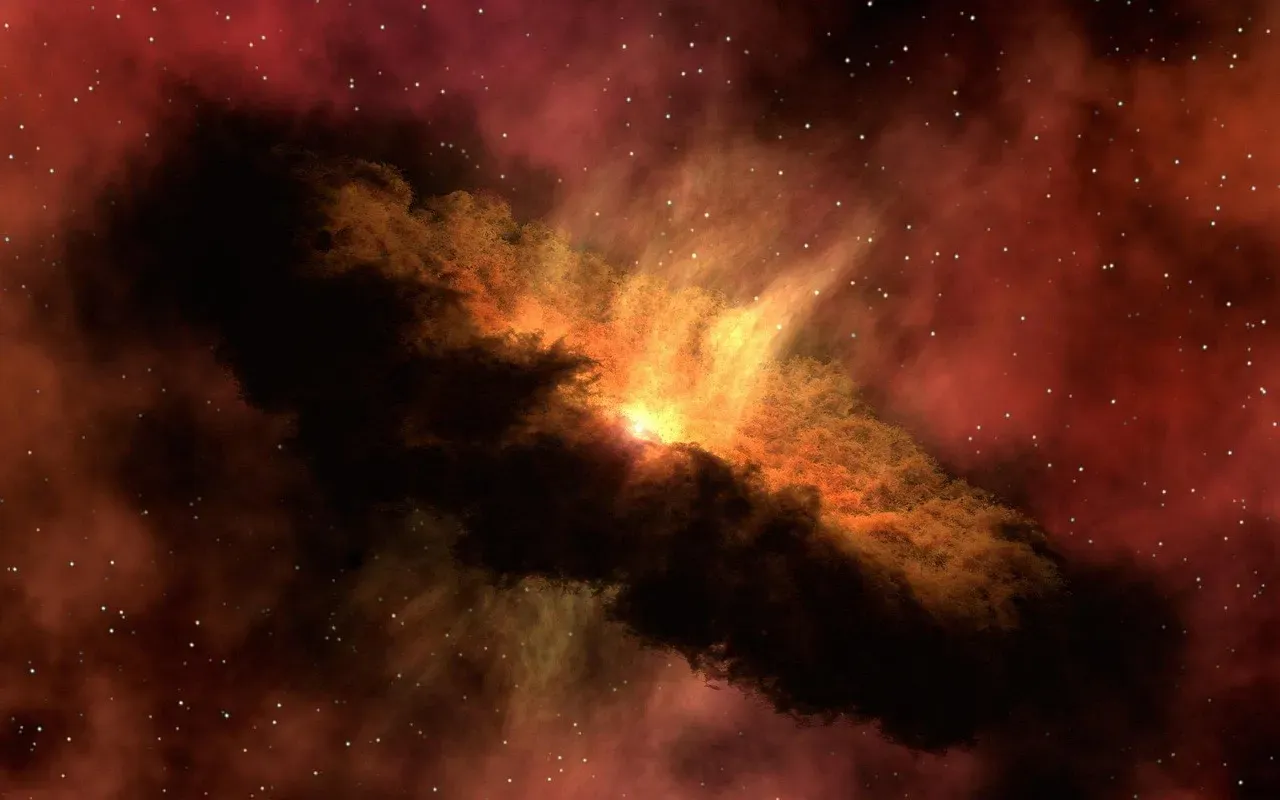
Put all of this together – black holes singing through spacetime, invisible matter and energy steering cosmic history, time that refuses to tick the same for everyone, and even the possibility that our universe is just one bubble among many – and you get a picture that’s both dizzying and oddly comforting. Reality is not the neat, solid, clockwork machine many of us were taught to imagine; it’s flexible, layered, and full of hidden players we’ve only just started to identify. In a sense, every new telescope, satellite, and detector is less a tool for answering questions and more a door to stranger questions we hadn’t thought to ask.
What stays with me most is how these discoveries shrink and enlarge us at the same time. We’re undeniably tiny in the face of black holes and multiverses, but we’re also the part of the universe that has become aware enough to look back at itself and say, “This is weird, and I want to understand it.” That curiosity is our anchor in a reality that keeps surprising us, and it turns the night sky from a distant decoration into an ongoing mystery we’re all quietly a part of. Which of these cosmic twists changed the way you see everything the most?