
Stand in front of a colossal Egyptian statue or stare up at the Great Pyramid, and it hits you: how did people more than four thousand years ago pull this off with no modern machines, no computers, no steel cranes? The deeper scientists and archaeologists dig into ancient Egypt, the stranger it gets. For every solved puzzle, a new question pops up, quietly reminding us that this civilization still keeps a lot of secrets close to the chest.
What makes it even more fascinating is that these mysteries are not just fringe theories or wild internet rumors; many of them are topics that serious researchers still debate today. We have satellite imaging, advanced dating methods, CT scans, and 3D modeling, yet some aspects of Egyptian engineering, medicine, and even daily life are still not fully understood. Let’s walk through seven of the biggest puzzles that continue to nag at modern science.
The Construction of the Pyramids: More Than Just “Slaves and Ramps”
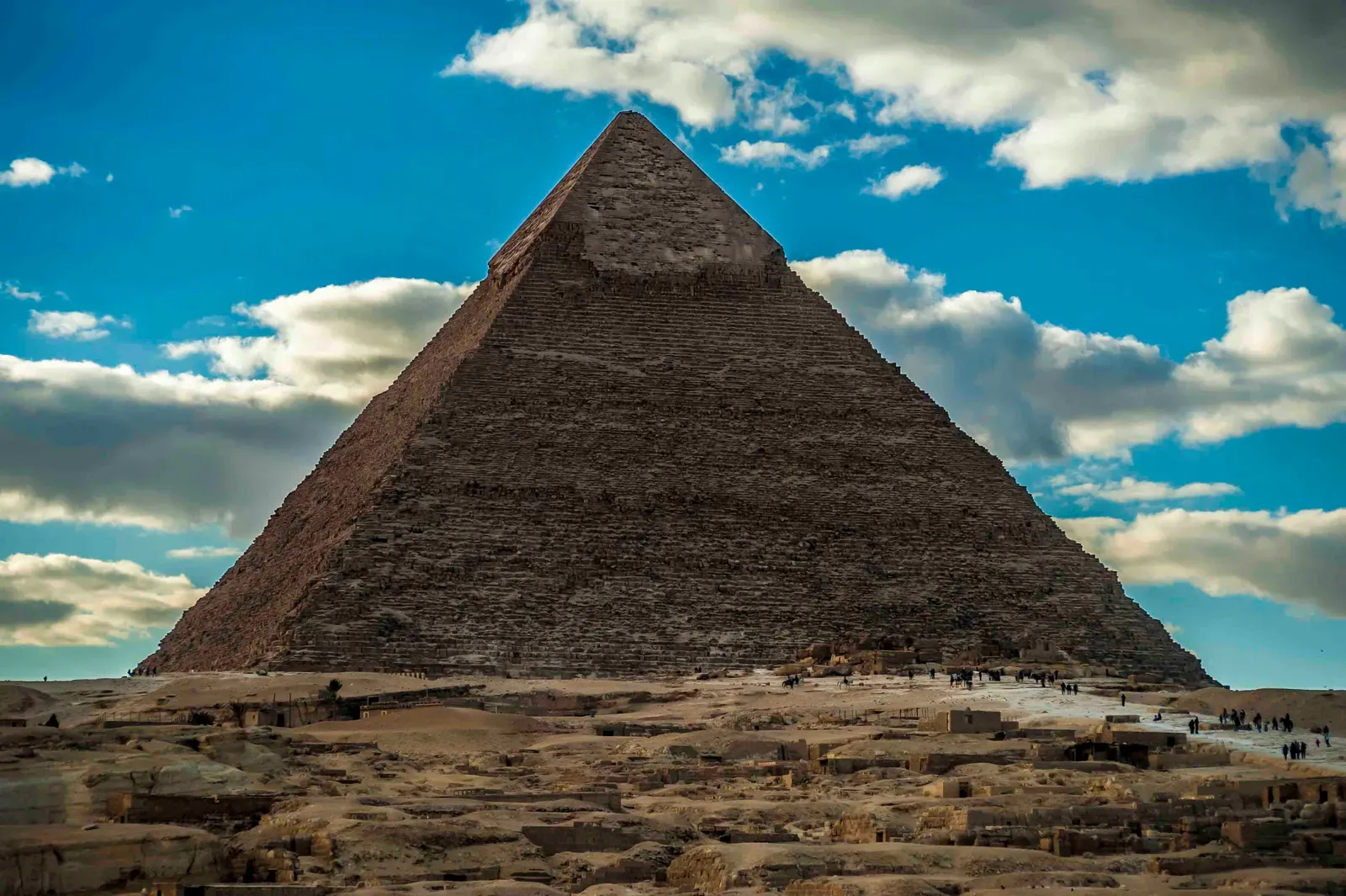
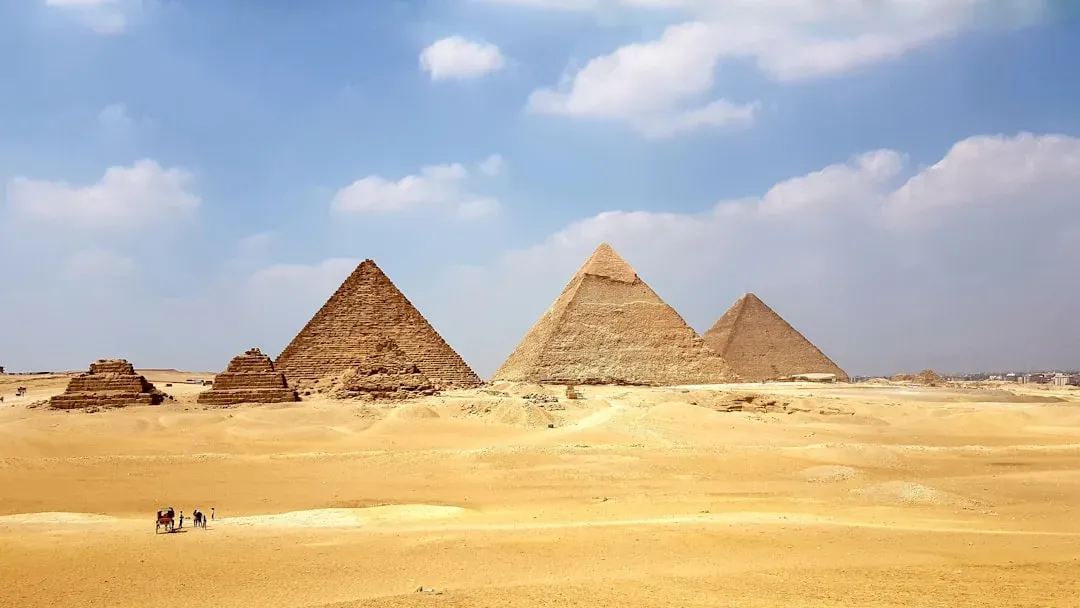
One of the most stubborn questions is painfully simple: how exactly were the pyramids built in practice, step by step? We know the basics; they used limestone and granite blocks, copper tools, teams of workers, and some kind of ramp systems. But when you zoom in on the details – the logistics of moving and precisely placing millions of multi-ton blocks over decades – the picture gets blurry very fast.
Recent research suggests that workers may have used water to reduce friction under heavy sleds, and there is growing evidence of well-organized workers’ villages rather than mass slavery, which already challenges the popular movie version. Still, nobody has found a definitive blueprint or complete engineering manual carved into stone. The debate over straight ramps, zigzag ramps, spiral ramps, or internal ramps is still going strong, and every proposed model solves some problems while creating new ones. The pyramids stand there like a massive engineering riddle, half-solved but never fully cracked.
The Precise Alignment with the Stars and Cardinal Directions
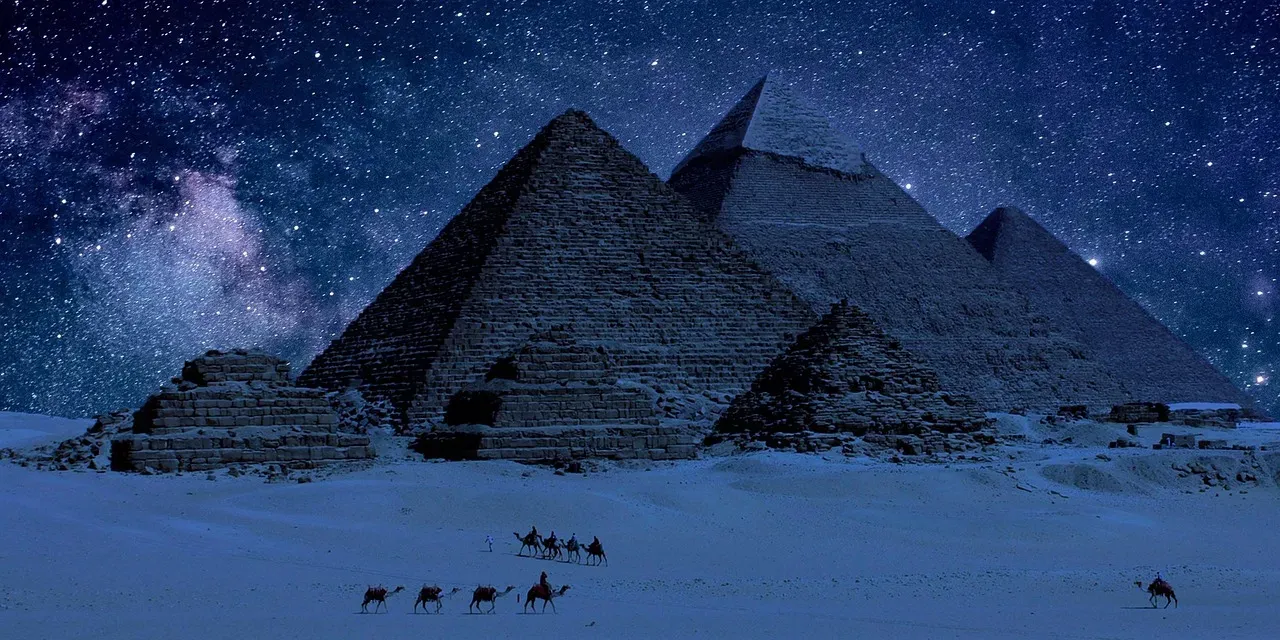
Another mystery is how the Egyptians achieved such jaw-dropping precision in aligning major monuments with the cardinal directions and possibly with certain stars. The Great Pyramid, for example, is astonishingly close to perfect cardinal alignment, with the sides pointing almost exactly north, south, east, and west. For a culture without GPS, smartphones, or modern compasses, that’s not just impressive; it’s hard to wrap your head around.
Researchers think the Egyptians may have used the night sky, watching specific circumpolar stars to track true north, or used the shadow of the sun to calibrate directions. There are several promising theories, but the exact observation techniques, instruments, and long-term measurements they relied on are not fully documented. It’s like knowing someone baked an incredible cake but not having the recipe or the exact timing. The precision hints at an advanced tradition of practical astronomy that we only partly understand.
The Lost Methods of Egyptian Stoneworking and Drilling
Walk through an Egyptian museum and you’ll see granite sarcophagi with razor-straight interiors, intricate hard-stone statues, and deep, clean drill holes that look like they were done with power tools. Technically, they did all this with copper, stone tools, abrasives like sand, and muscle power. On paper, that sounds manageable – until you try to replicate it at the same scale and speed they did, and then it gets much harder.
Experimental archaeologists have managed to carve and drill stone using ancient-style tools, proving it’s possible in principle, but the efficiency and consistency of the ancient work still stand out. Some artifacts show evidence of advanced mechanical understanding, like controlled tube drilling in very hard stone, that we can see but don’t fully know how they organized in real workshops. We’re missing the everyday “how-to” manuals, the little tricks, the shop secrets passed from master to apprentice. That gap between theory and practice is where the mystery lives.
The Surprisingly Advanced Medicine and Surgery
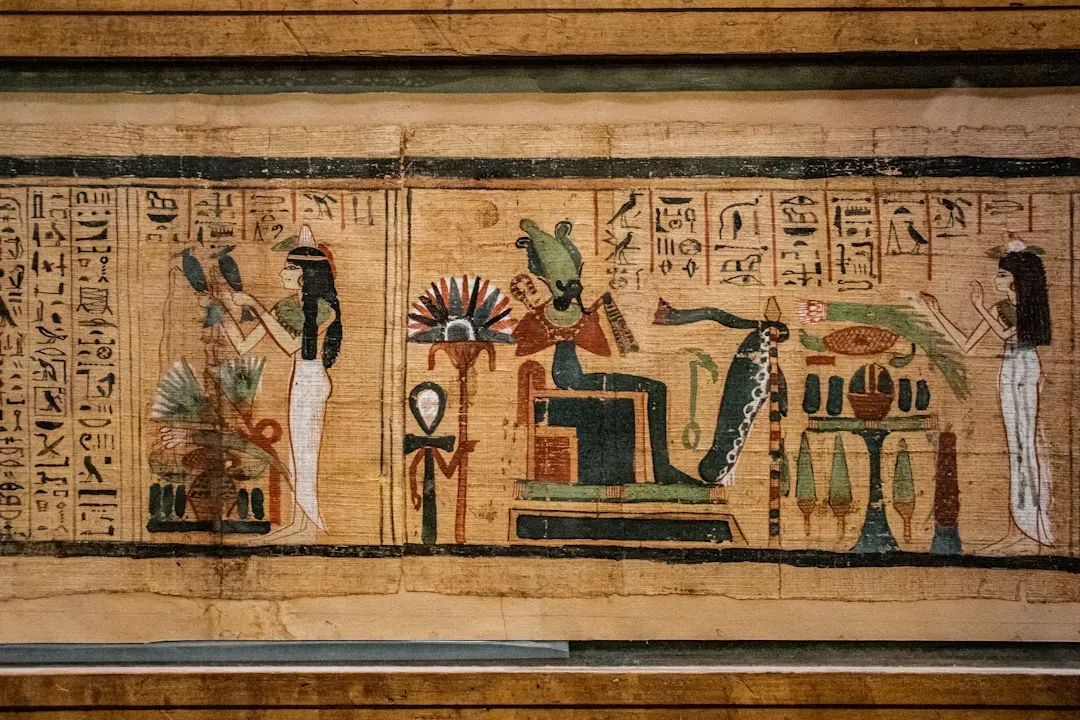
Ancient Egyptian medical papyri reveal a world where healers diagnosed injuries, treated infections, and even attempted surgeries, centuries before many other cultures wrote anything comparable. They described wounds, set broken bones, and used a wide variety of plants and minerals in their treatments. Some of their remedies, like honey for wound care, line up with what modern science recognizes as effective antibacterial treatment, which is both surprising and a bit humbling.
CT scans of mummies show evidence of medical interventions, dental work, and possible attempts at treating chronic diseases. Yet, we still don’t know how widespread this knowledge was, how standardized their training might have been, or how often procedures actually worked versus simply being ritual or symbolic. Their medicine sits in a strange in-between zone: clearly not primitive guesswork, yet also not fully systematized in the way modern medicine is. That tension leaves researchers puzzling over just how advanced Egyptian medical practice really was in everyday life.
The Purpose and Power of Egyptian Mummification
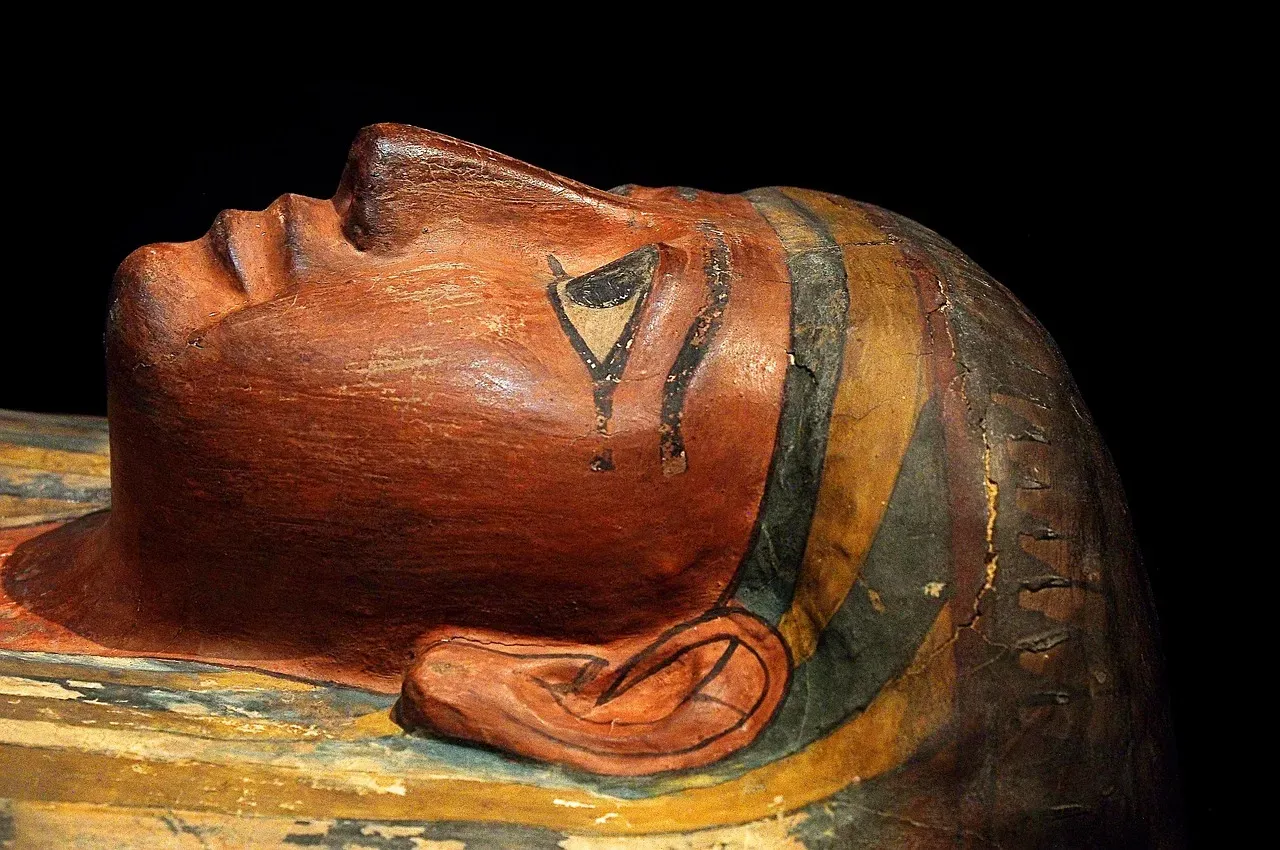
We know the official story: mummification was about preserving the body for the afterlife. But when you look at the level of precision and care in elite mummies, from removed organs to carefully packed cavities and crafted funerary masks, it suggests a deeper body of knowledge about anatomy and decay. Embalmers figured out how to slow decomposition dramatically, long before modern embalming chemicals and refrigeration, which hints at many generations of careful trial and error.
What remains unclear is exactly how this specialized knowledge was transmitted and guarded, and how much of it was empirical experimentation versus religious doctrine. Different periods show different mummification quality, which raises more questions: did knowledge get lost and recovered, or did economic and political shifts change how much effort went into each body? Modern analyses of resins, oils, and wrapping techniques show a complex blend of science, ritual, and cultural meaning that we still haven’t fully decoded. The mummy on a museum table is more than a preserved corpse; it’s evidence of a sophisticated but partly hidden tradition of body science.
The Still-Unresolved Origins and Meaning of Certain Hieroglyphs
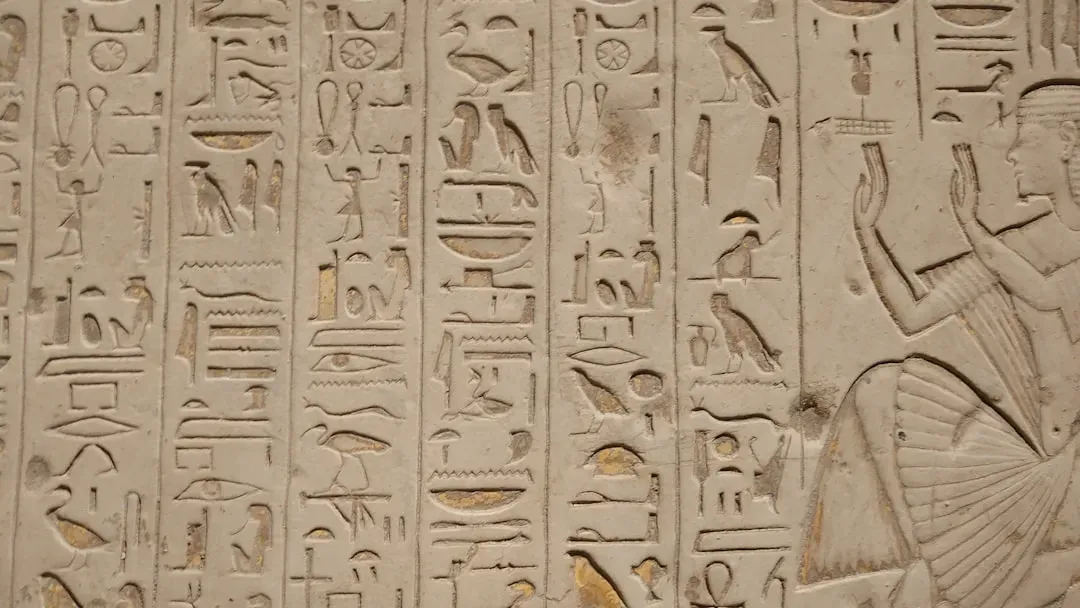
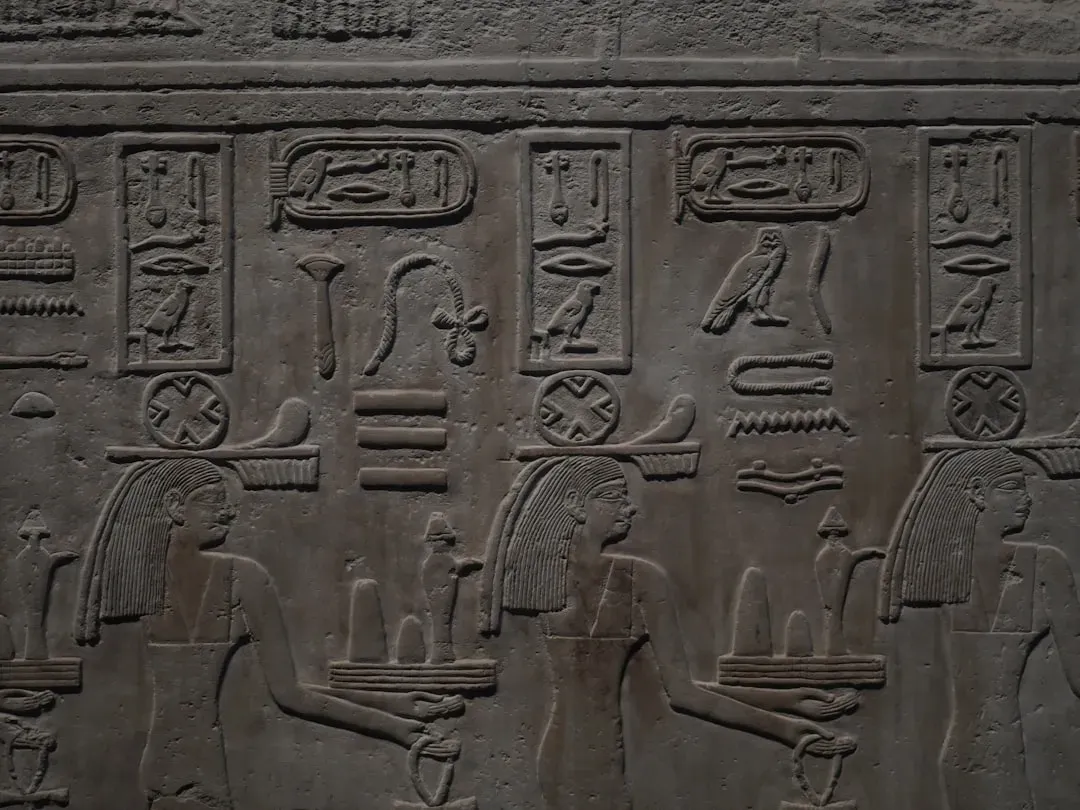
Hieroglyphs look neat and organized, but the story of how the writing system developed and what every single sign originally meant is still not fully settled. Scholars have done an incredible job of translating the language, yet there remain debates about the earliest stages of writing in Egypt, including whether it grew independently or was influenced by neighboring cultures. The first appearances of complex signs on labels, tombs, and ceremonial objects raise questions about why writing emerged exactly when and where it did.
There are also symbols and combinations whose deeper cultural implications are still debated. For example, some signs blur the line between art, religion, and language in ways that are hard to parse with modern categories. The Egyptians were not just writing; they were encoding layers of meaning tied to myth, ritual, and power. So even when we can read the words out loud, we may still not fully grasp what it felt like to an ancient Egyptian to see those symbols on a temple wall or a royal decree. That lingering gap keeps linguists and historians arguing over interpretations.
The Enigmatic Purpose of the Great Sphinx
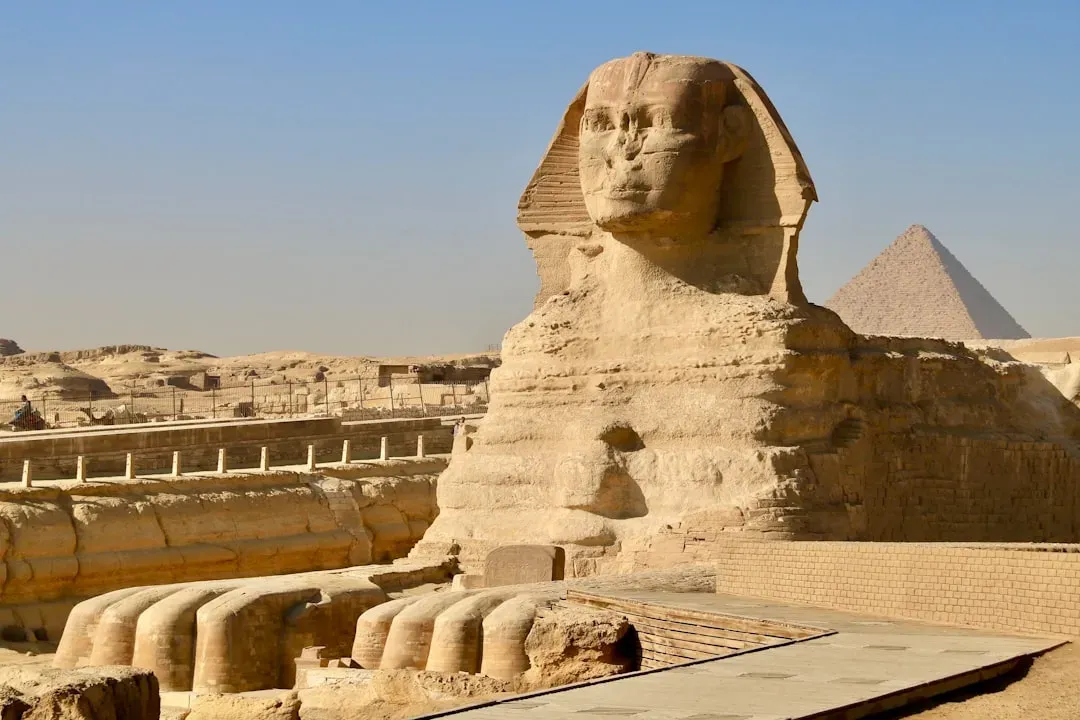
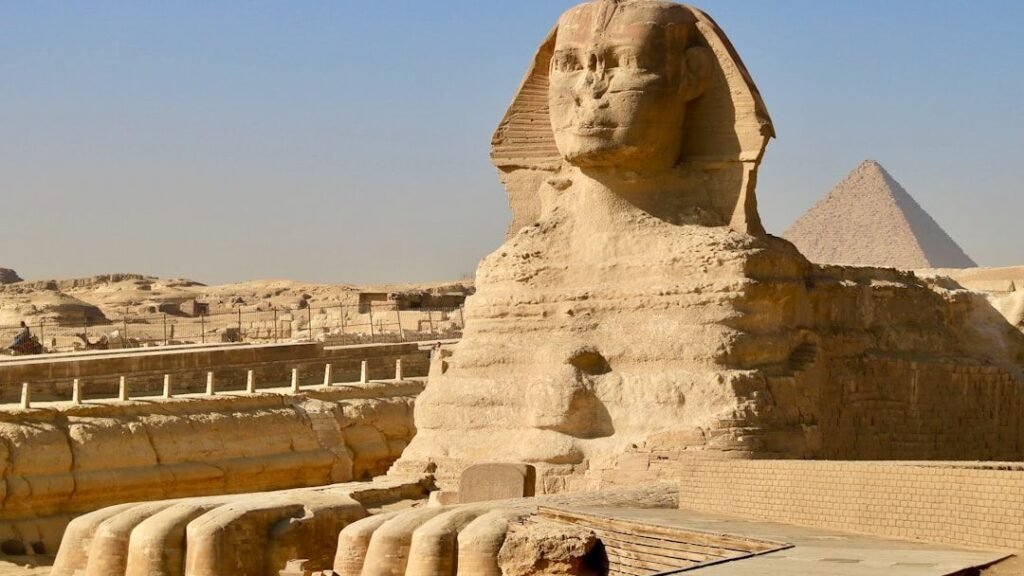
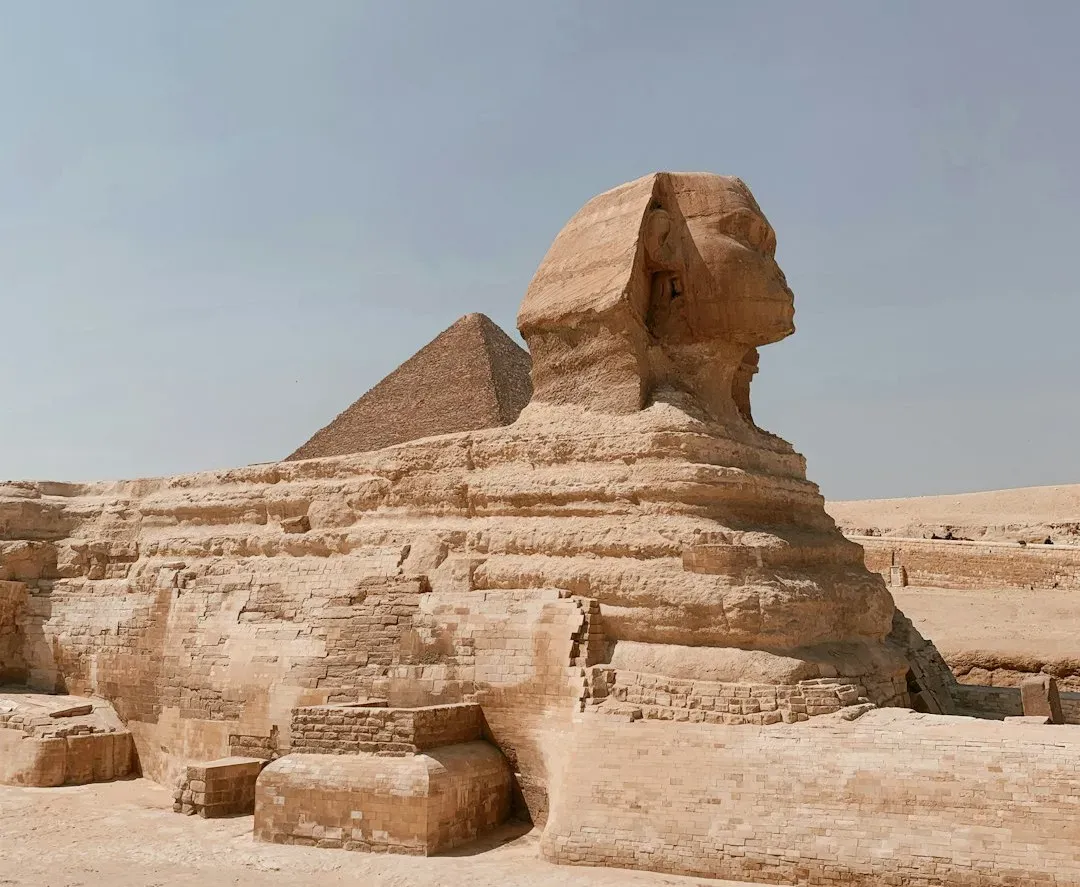
The Great Sphinx is one of those monuments that everyone recognizes but nobody completely understands. Most researchers agree it was carved during the Old Kingdom, probably linked to the nearby pyramid complex at Giza, but the exact role it played in religious and political life is still up for debate. The erosion patterns, the re-carving of facial features, and the missing original inscriptions all complicate the picture, leaving room for competing hypotheses.
Some scholars emphasize its possible role as a guardian figure, others point to solar worship and its alignment with the rising sun, while some focus on its relationship to royal ideology and power. The fact that later Egyptians carried out restoration and built temples around it shows that even centuries afterward, it held deep significance. Yet without definitive contemporary texts explaining what its builders thought they were doing, the Sphinx sits in that frustrating space between solid archaeology and open-ended interpretation. It stands there watching the desert, keeping its original meaning mostly to itself.
Unexpected Technological Sophistication in Everyday Life
When people think of ancient Egypt, they jump straight to pyramids, temples, and golden masks. But some of the most intriguing puzzles show up in the smaller, everyday technologies: surprisingly accurate measuring tools, cleverly designed locks, early forms of toothpaste, and efficient irrigation systems. These are not as flashy as giant monuments, but together they paint a picture of a society that quietly refined practical technologies over generations.
Archaeologists still debate how standardized tools and measurements were across regions and time periods, and how knowledge spread between local craftsmen, royal workshops, and major building sites. There are gaps in the record where we can see the results – a well-built house, a neatly planned town, a reliable water system – but not all the intermediate steps of planning and training. It’s like seeing the finished app without the code. That missing layer keeps the technological story of ancient Egypt incomplete, and it suggests there may be more everyday ingenuity waiting to be uncovered.
A Civilization That Still Refuses to Be Fully Explained
Ancient Egypt has been studied for well over a century by professional archaeologists, historians, engineers, and scientists, and yet some of its most basic questions remain stubbornly open. How they organized massive building projects, preserved bodies so effectively, aligned monuments with the heavens, and embedded meaning into writing and art still cannot be fully reconstructed. Each new discovery tends to refine our picture but rarely closes the book; instead, it reveals fresh layers of complexity.
Maybe that’s why this civilization continues to grip our imagination in a way few others do. It feels close enough to understand – the faces, the tools, the houses are recognizable – yet distant enough to stay mysterious. We can read their inscriptions, analyze their bones, and model their architecture, but there is always some crucial detail just out of reach. In the end, the greatest mystery might be this: how much will we ever truly be able to know about the minds behind those stones and symbols?