
Walk through a forest, dive beneath the waves, or glance at a garden hedge, and there’s a good chance you’re being watched by someone you can’t even see. The animal world runs on trickery far more than we like to admit, and some of the best liars on the planet don’t speak a word. They blur into bark, pretend to be leaves, or even fake their own death, all in the name of survival.
I still remember the first time I realized this: staring at what I thought was a piece of moss on a tree, until it suddenly grew legs and walked away. It felt like reality had glitched. That’s the magic of animal deception – it bends what we think we’re seeing. Let’s dive into ten jaw-dropping ways animals have turned disguise and deception into an art form.
1. Leaf-Tailed Geckos: The Vanishing Lizards of the Forest
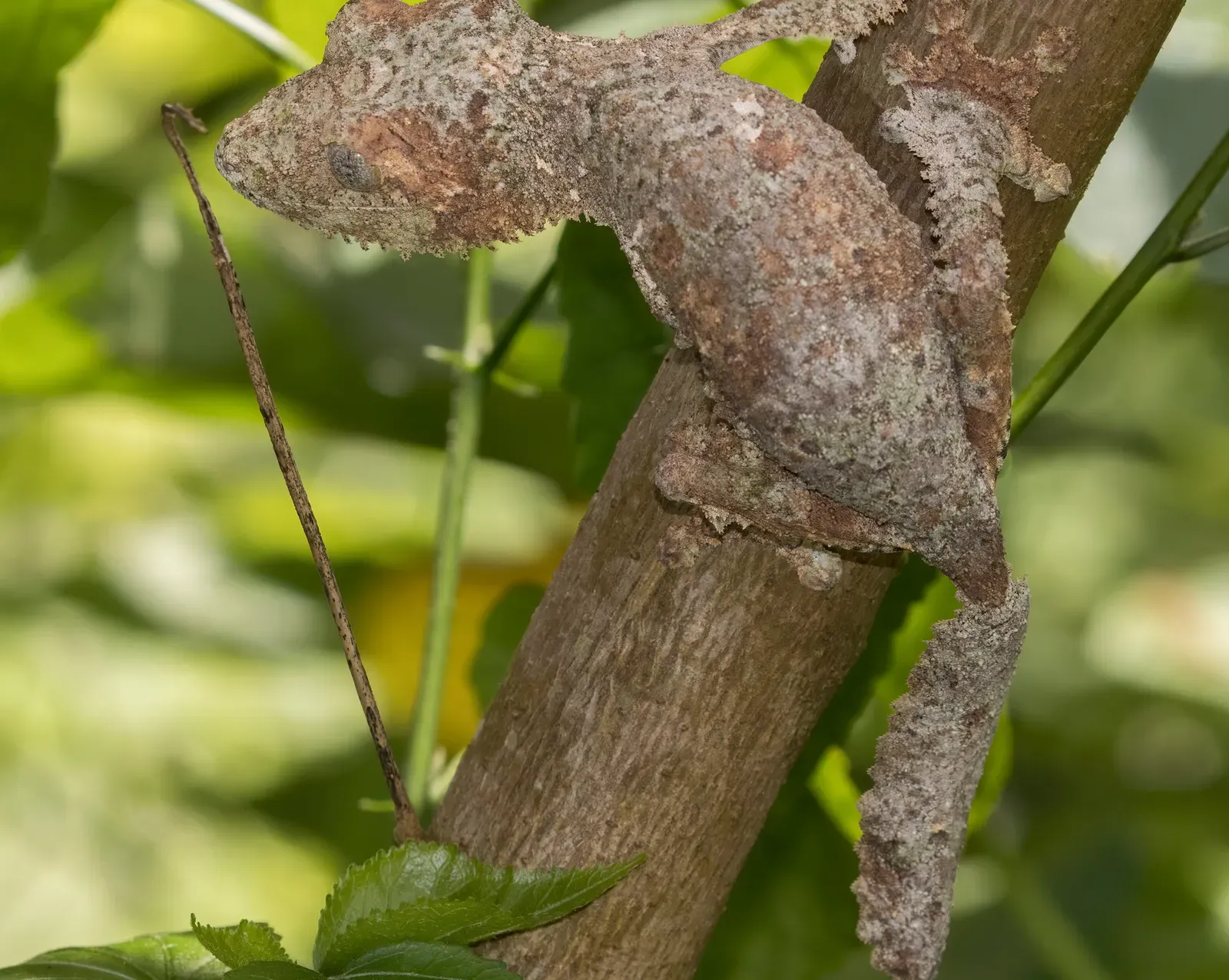
Imagine looking straight at an animal and seeing only a dead leaf – that’s the daily life of a leaf-tailed gecko. These lizards from Madagascar have bodies shaped like jagged, torn leaves, complete with speckles, fake “rot” marks, and even vein-like patterns. When they press their bodies flat against tree bark and stay still, they practically dissolve into the background.
What really pushes their disguise over the edge is their behavior. They use subtle body angles to catch shadows just right and flatten their tails so they look like bits of hanging foliage. Predators searching for a snack end up staring at a tree decorated with what they think is plant litter, while the gecko clings there, perfectly calm and incredibly alive.
2. Cuttlefish: Shape-Shifting Geniuses of the Sea
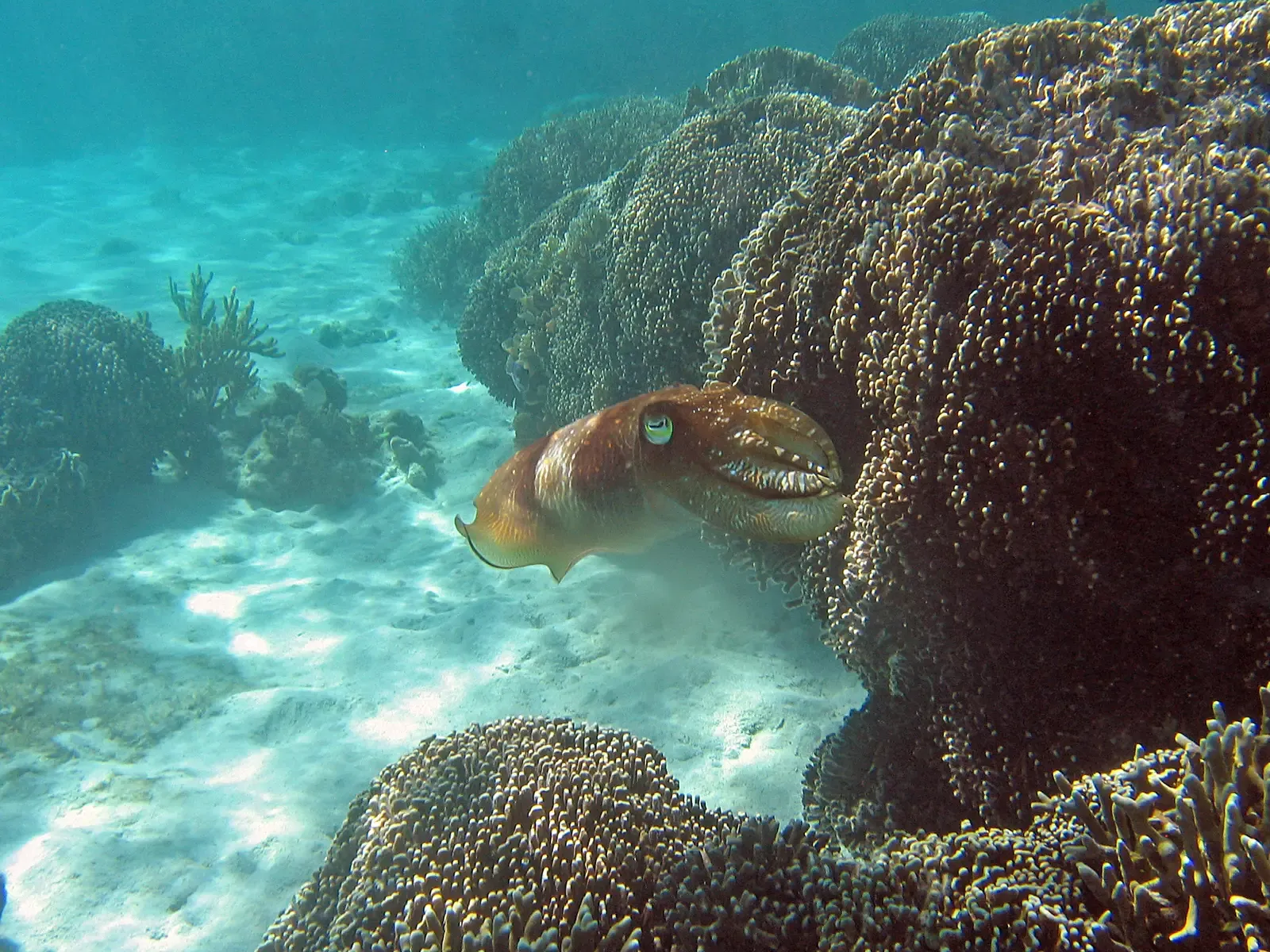
Cuttlefish might be the closest thing we have to real-life shapeshifters. Their skin is packed with special cells that let them change color, contrast, and even apparent texture in less than a second. One moment they’re a pale patch of sand, the next they’re a rocky, mottled boulder with convincing shadows and edges. It’s not just blending in – it’s full sensory hijacking.
Researchers have found that cuttlefish use their disguise for both hunting and hiding. They creep across the seafloor disguised as the background, sneaking up on crabs that never see them coming. At the same time, bigger predators scanning the ocean see only sand and stones. It’s like having an invisibility cloak that you can redraw on the fly, scene by scene.
3. Orchid Mantises: Flowers That Bite Back
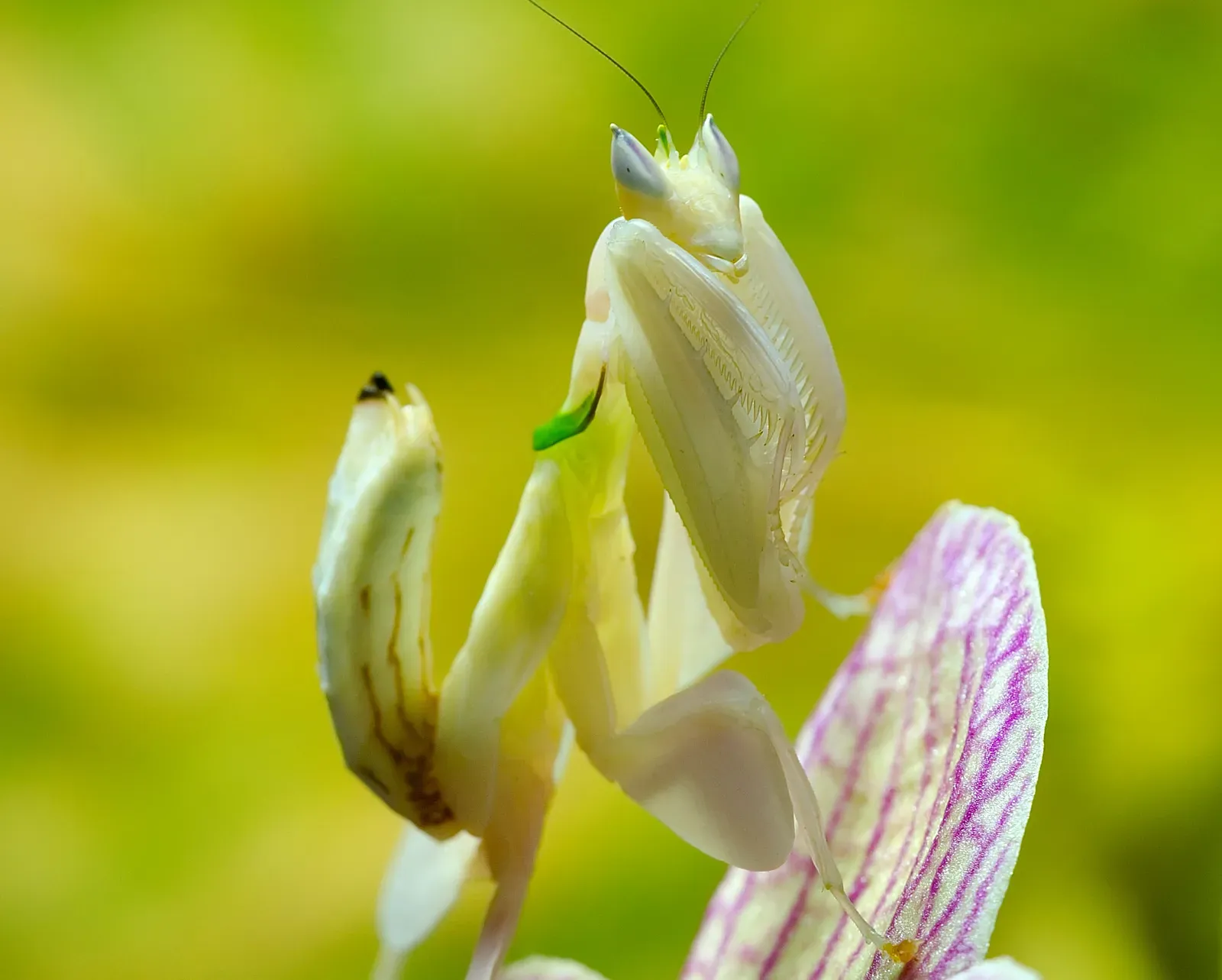
Orchid mantises look so much like flower petals that it feels like nature played a prank on us. Their legs are flattened and tinted pink, white, or lilac, with edges that mimic the gentle curves of real orchids. Perched on a branch, they don’t run from danger – they pose like a perfect blossom and let the world come to them.
This is more than just camouflage; it’s a deadly bait-and-switch. Pollinating insects are drawn in, expecting nectar or pollen, and instead meet a pair of spined mantis arms. The mantis doesn’t simply disappear into the background, it stages a visual trap. In a way, it’s like an expertly designed fake ad that you click without thinking, only this one ends with a snapped neck.
4. Owl Butterflies: Eyespots That Scare Off Attackers
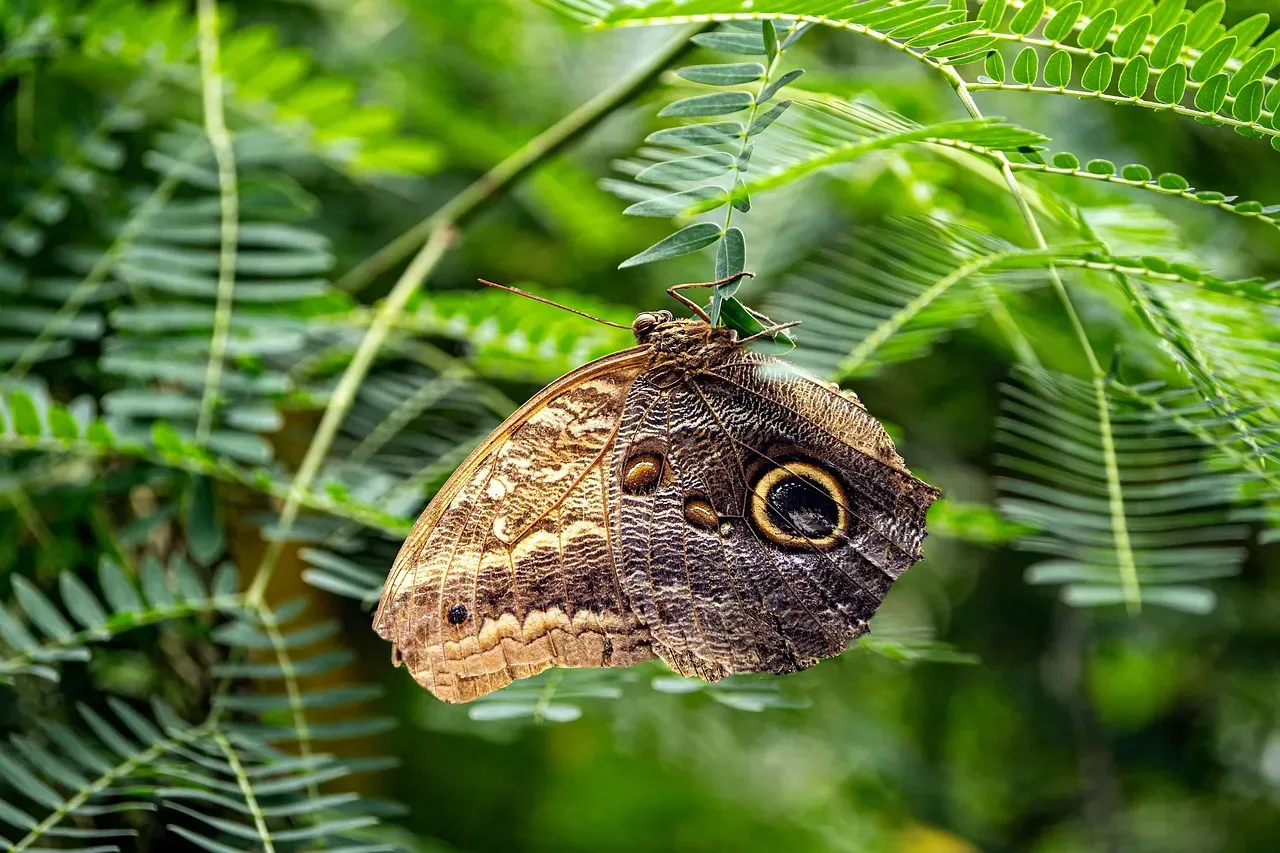
Owl butterflies have wings decorated with what look uncannily like the staring eyes of an owl, complete with dark pupils and lighter rings. When they rest with their wings closed, those eye patterns suddenly become the main event. To a hungry bird or lizard, that can be enough to trigger a moment of doubt: is this a harmless insect or the face of a predator?
That split second of hesitation can save the butterfly’s life. Some predators back off entirely, unwilling to risk attacking something that might fight back, while others peck at the eye spots themselves instead of the butterfly’s body. Even when the trick doesn’t completely fool the attacker, it can redirect the damage to less vital parts of the wing, letting the butterfly escape with torn but still functional wings.
5. Stick Insects: Masters of the Slow-Motion Disguise
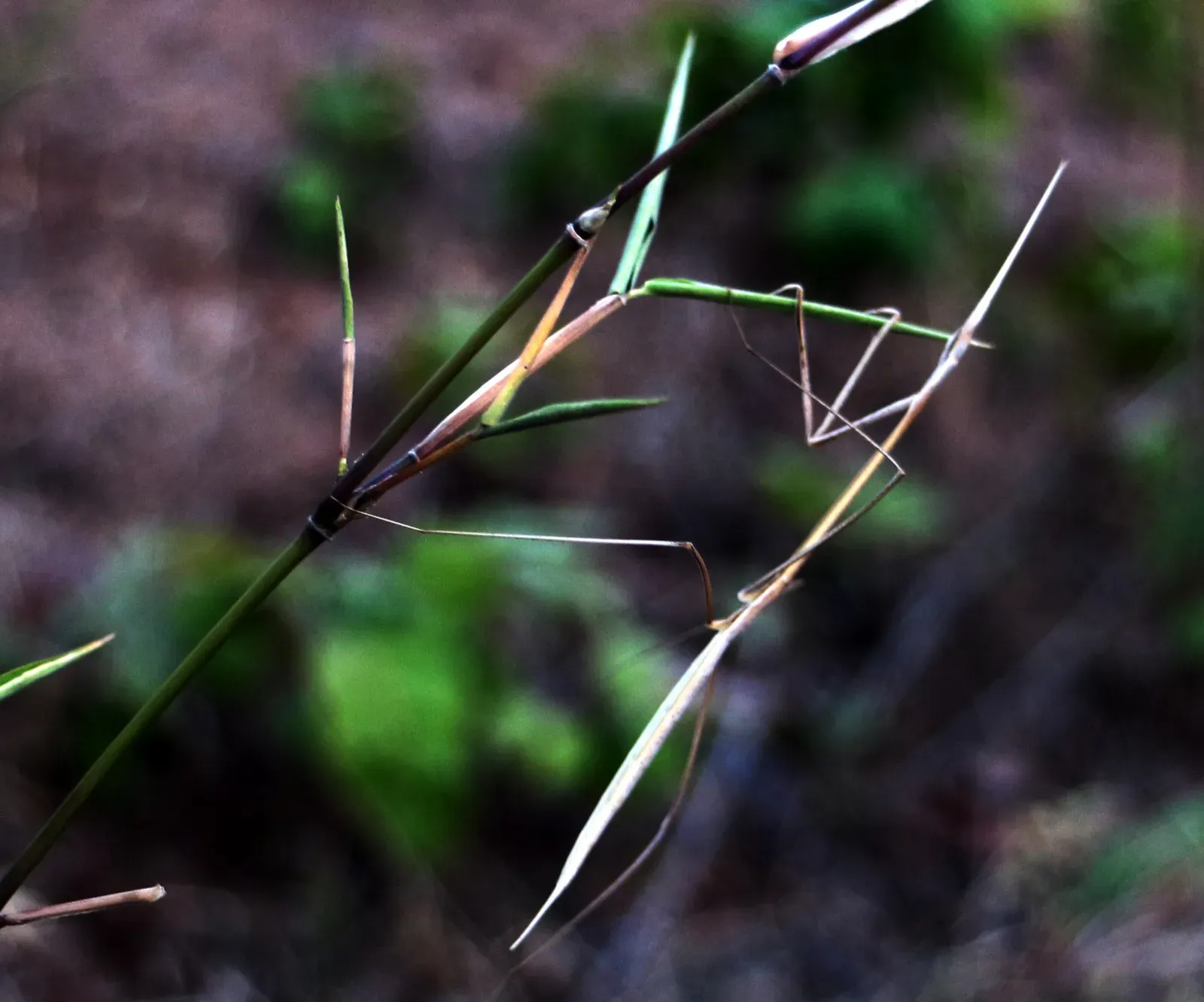
Stick insects are the definition of commitment to a role. Long, thin bodies, knobby joints, and muted browns and greens make them look exactly like twigs or stems. If you placed one among a handful of dry sticks, many people wouldn’t be able to pick it out, especially if it’s holding perfectly still. Their disguise isn’t flashy, but it’s so effective that they can sit in plain sight unnoticed.
Their behavior seals the deal. Stick insects sway gently as they move, mimicking the way branches rock in the breeze, and often freeze at the slightest disturbance. Some species even have small, leaf-like extensions or bark-like patterns, adding depth to the illusion. It’s a slow, patient form of deception, built not on quick changes, but on a lifetime of looking like something no predator really cares about.
6. Mimic Octopuses: The Ocean’s Ultimate Impersonators
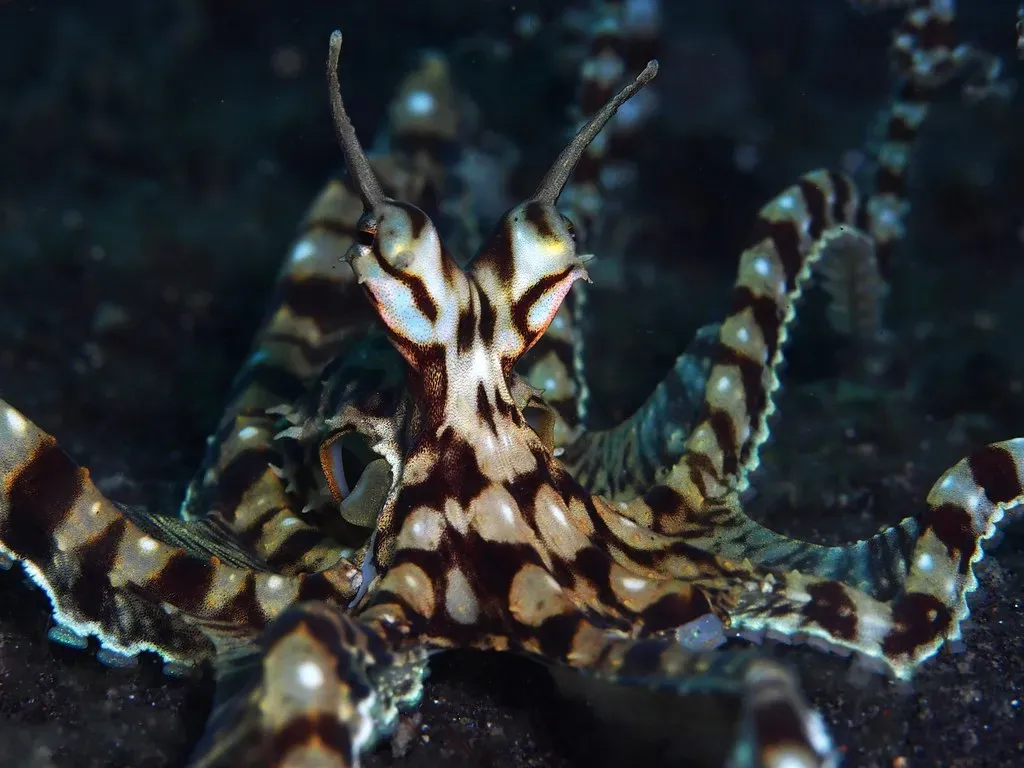
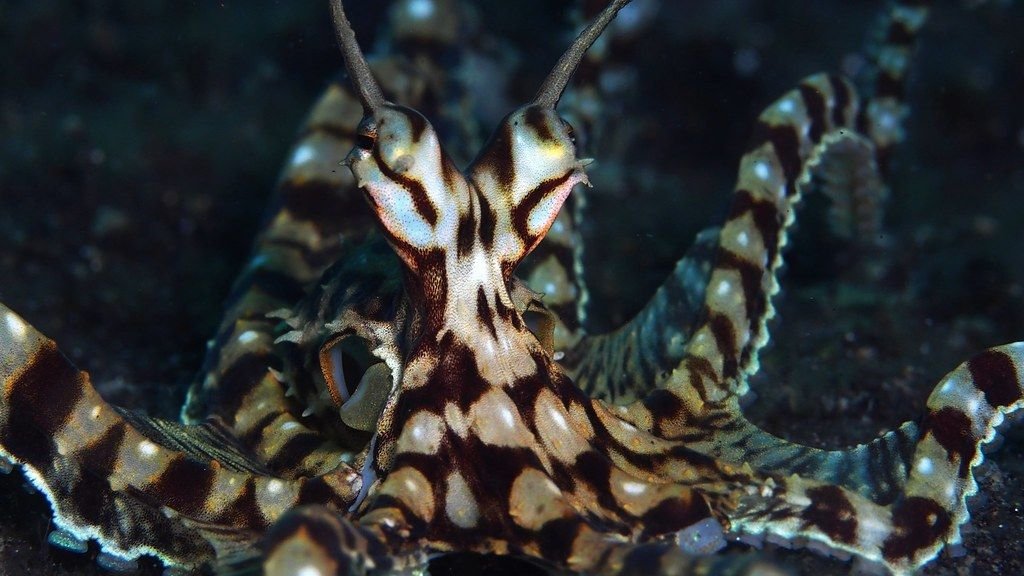
The mimic octopus doesn’t just blend into its surroundings – it pretends to be other animals entirely. Found in Indo-Pacific waters, it can arrange its arms and change its color to resemble venomous lionfish, flatfish, or even banded sea snakes. Instead of hiding, it borrows the dangerous reputation of other species and wears it like a mask.
What makes this so wild is that the octopus chooses different disguises depending on the threat or the environment. Faced with certain predators, it stretches into a long, striped shape and snakes across the seabed; with others, it fans out its arms to look like a spiky, toxic fish. It’s as if it carries an entire costume closet in its skin and limbs, swapping outfits on demand to stay alive.
7. Death-Feigning Animals: Playing Dead to Stay Alive
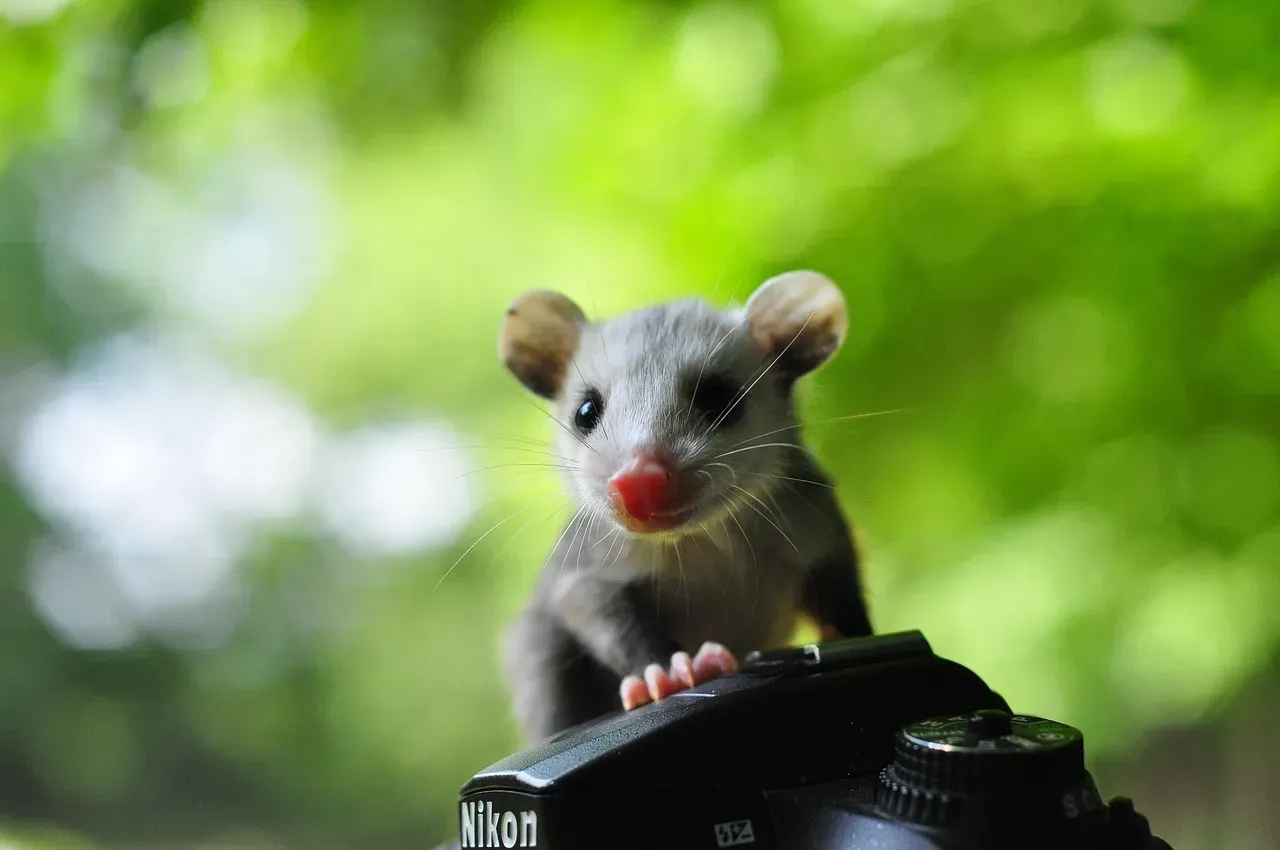
Some animals survive not by blending in, but by pretending to have already lost. Opossums are famous for going limp, drooling, and even emitting a terrible smell, creating the impression of a dead, decaying body. Certain beetles, snakes, and small birds do versions of the same act, dropping to the ground and becoming eerily still when grabbed or threatened.
This strategy works because many predators prefer fresh, easy prey and avoid anything that looks diseased, spoiled, or already claimed by another scavenger. The drama of it can be almost unsettling to watch – one moment the animal is panicking, the next it looks lifeless. Then, once the danger passes, it suddenly “comes back to life” and walks away, like a tiny, wild resurrection trick.
8. Anglerfish: Deadly Lures in the Darkness
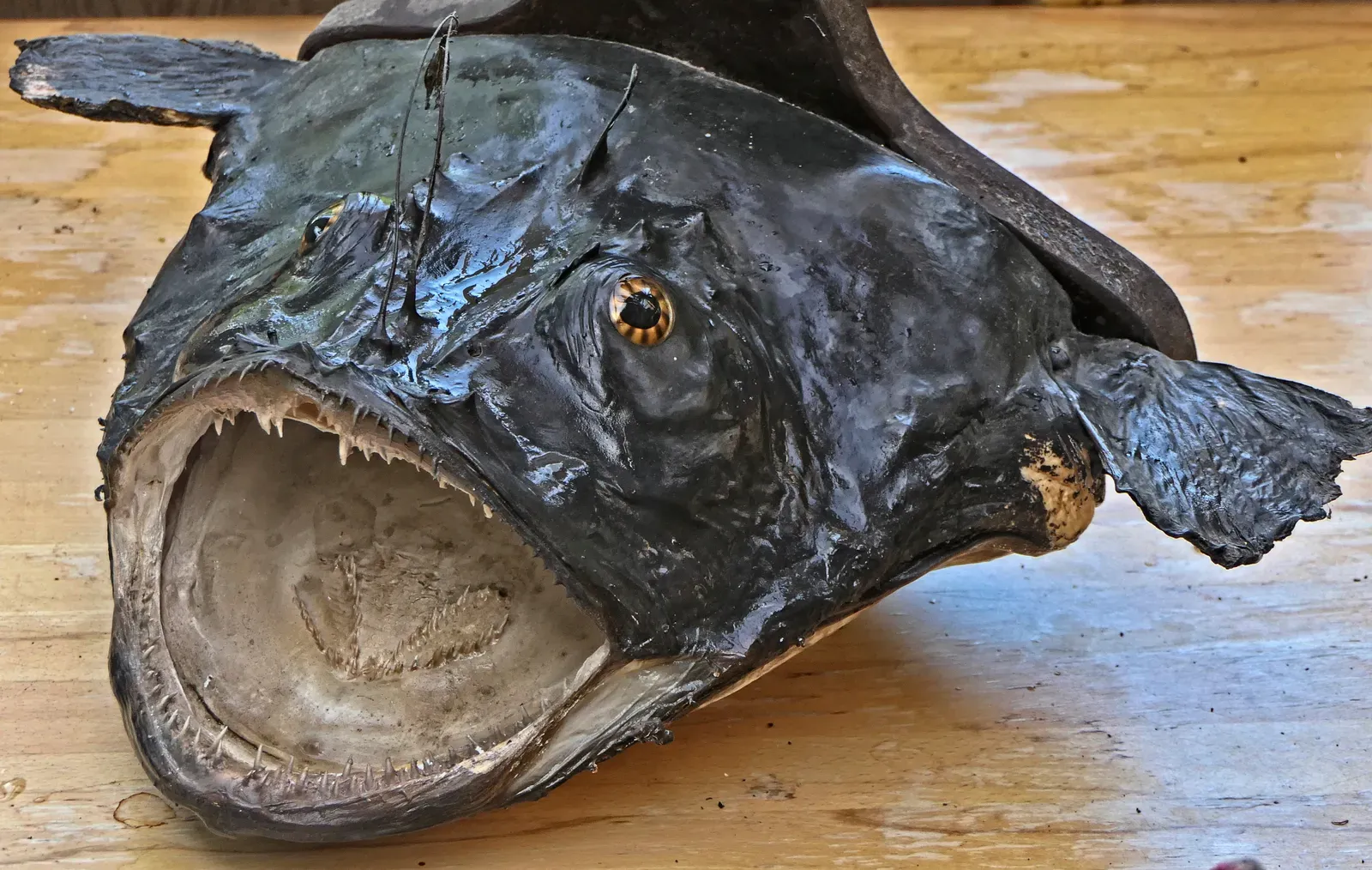
In the deep sea, where sunlight barely exists, some fish don’t bother hiding at all – they deceive by attraction. Anglerfish are a classic example, with a glowing lure dangling from a spine on their heads. In the dark, this small point of light looks like a drifting snack to other fish, something easy and harmless to grab.
As the curious victim approaches, the anglerfish lies almost motionless, its dark body fading into the background. Only when the target is close enough does the deception snap shut, quite literally. The huge mouth opens, and the bait transforms into an ambush. It’s a terrifyingly efficient trick: instead of chasing food, the anglerfish turns itself into a living trap that feeds on curiosity.
9. Cuckoos: Deception in the Nest
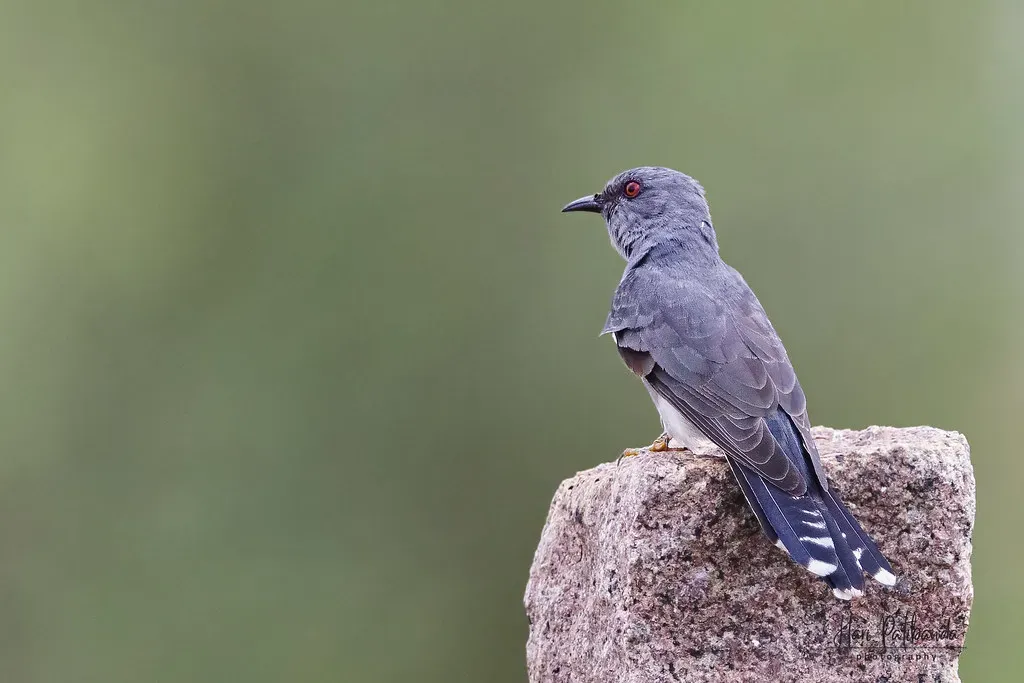
Not all disguises are about appearance; some are about slipping into social systems unnoticed. Cuckoo birds are notorious for laying their eggs in the nests of other bird species. Their eggs often closely resemble the host’s own eggs in size, color, and pattern, which makes it much less likely that the foster parents will spot the intruder.
Once the cuckoo chick hatches, the deception continues. In many species, the chick instinctively pushes the other eggs or chicks out of the nest, monopolizing all the food brought by the unsuspecting foster parents. Watching a small bird tirelessly raise a chick that isn’t its own, at the expense of its real offspring, is both impressive and unsettling. It’s deception woven into the very start of life.
10. Butterflies and Moths That Look Like Leaves
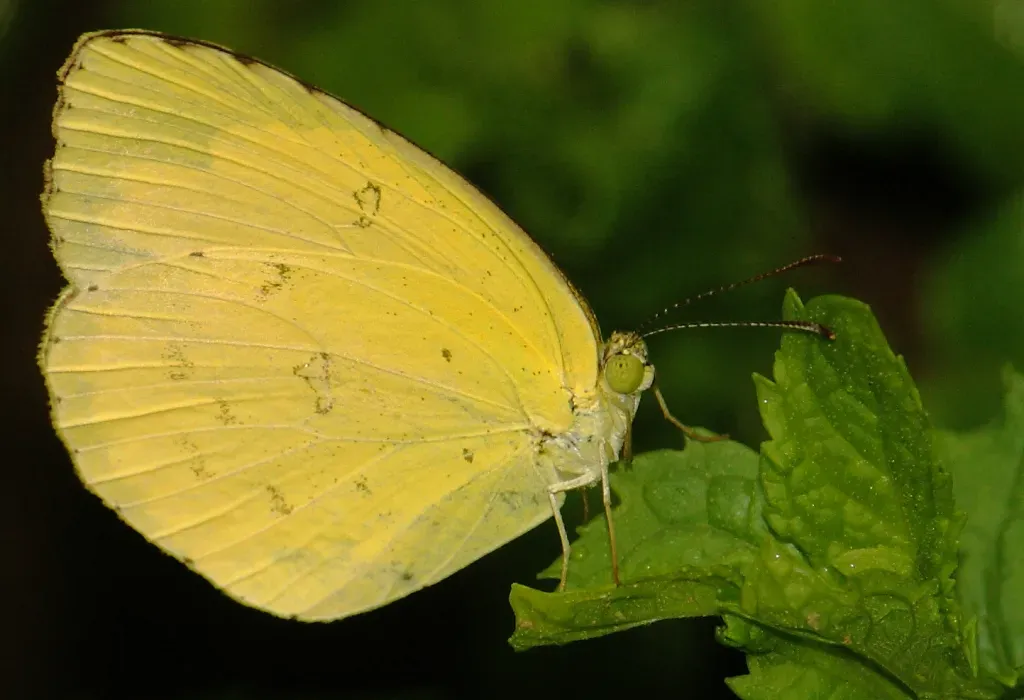
Some butterflies and moths take camouflage to poetic extremes by becoming almost perfect leaf replicas. Species like the Indian leaf butterfly fold their wings and reveal patterns that mimic everything from veins and midribs to discoloration and bite marks. If you saw one on a branch, you’d swear you were looking at a dead, crumbling leaf clinging on after autumn.
These insects often rest motionless among actual leaves, relying on their detailed artwork to complete the illusion. Even experts sometimes have to double-check to be sure they’re really looking at an animal. This kind of disguise shows how evolution doesn’t just aim for “good enough” – sometimes it pushes right up against the edge of visual magic, turning survival into art.
A World Built on Trickery
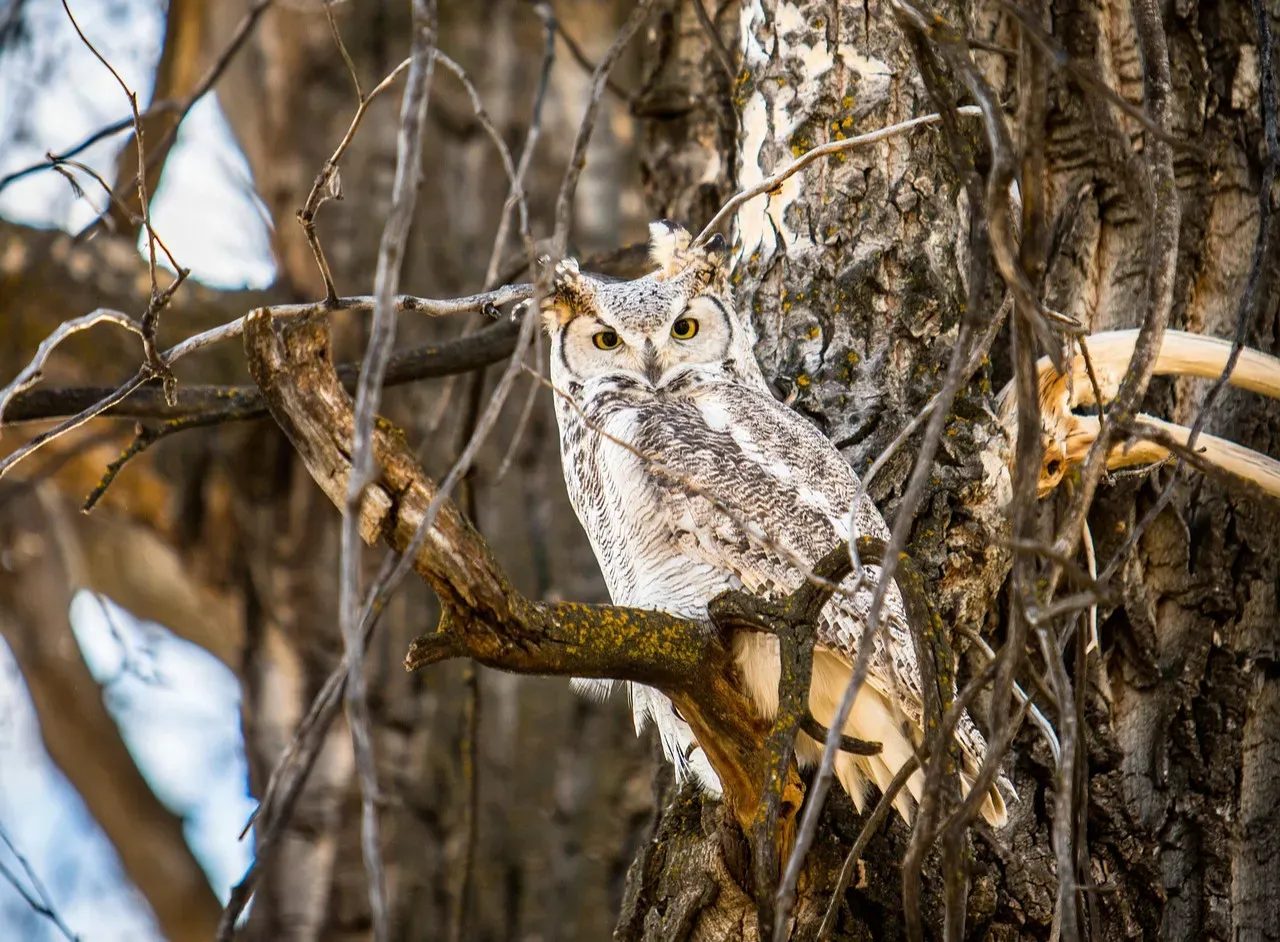
Once you start seeing how many animals lie with their looks and behavior, the world outdoors starts to feel different. Forests, reefs, and backyards aren’t just full of predators and prey, they’re full of actors, costume designers, and illusionists. Every vanished gecko, fake flower, or unassuming “stick” is a reminder that survival often depends on fooling someone else’s eyes or instincts.
What’s most striking is how varied these strategies are: some animals vanish, others pretend to be something dangerous, and a few exploit trust and parental care. It’s not just camouflage; it’s storytelling with bodies and behavior, refined over countless generations. Next time you step outside, it might be worth asking yourself: how many things around you aren’t quite what they seem?