
There is a version of Earth that most people never think about. It’s not the one with rainforests, coral reefs, or polar bears. It’s an invisible world, teeming with organisms so small that billions of them could fit on the tip of your thumb. Yet these microscopic life forms, quietly going about their ancient business, are running the planet’s most critical systems beneath your feet, above your head, and in every drop of water you’ve ever seen.
You might think of bacteria as something you wash off your hands before dinner. Here’s the thing though – those tiny organisms, along with archaea, fungi, phytoplankton, and other microscopic life, are the true architects of Earth’s chemistry, its atmosphere, its soils, and possibly even its geological destiny. What they do is staggering. What we still don’t understand is even more so. Let’s dive in.
The Invisible Engine Room: Microbes as Planetary Operators
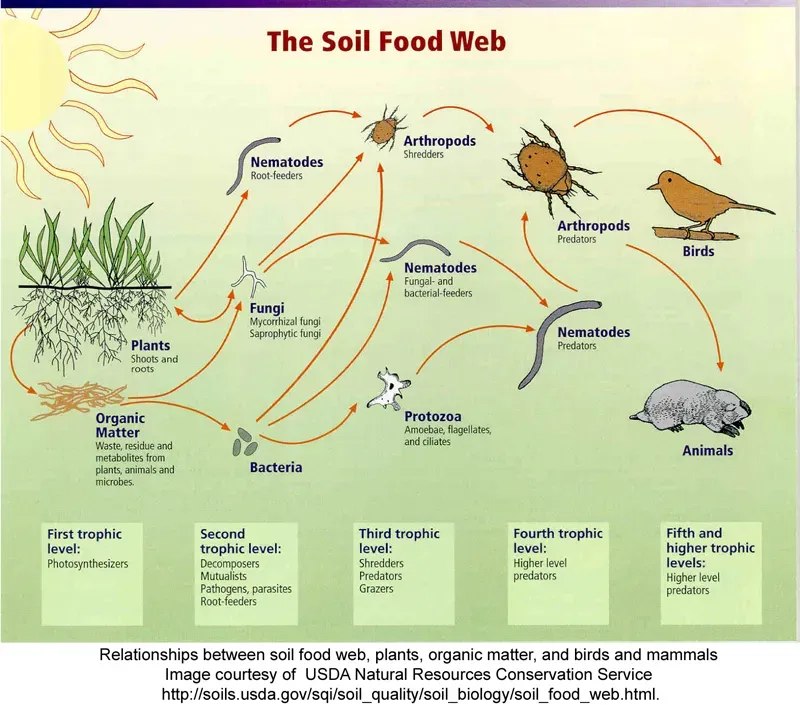
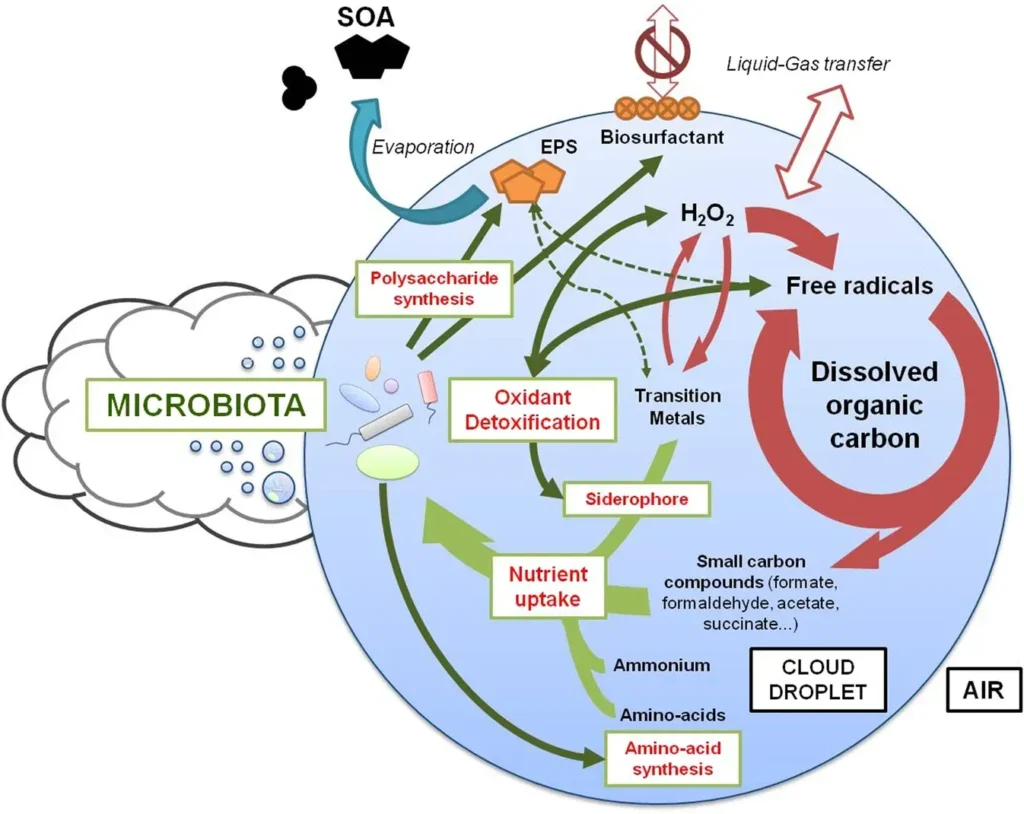
Microbial biogeochemical cycling represents the foundational processes by which chemical elements essential for life are transformed and moved throughout the Earth’s spheres, including the atmosphere, hydrosphere, lithosphere, and biosphere, driven primarily by microbial activity. The fundamental core of this phenomenon centers on the indispensable role of microorganisms, including bacteria, archaea, fungi, and protists, in mediating the transitions of elements between different chemical states and locations. Think of it like a global recycling plant, except no human designed it, no government funds it, and it has been running without interruption for billions of years.
Without these microscopic agents, the planet’s elemental cycles would largely grind to a halt, rendering it incapable of supporting macroscopic life as we know it. That includes you. That includes every tree, every fish, every elephant. The whole visible living world sits on a foundation built and maintained entirely by organisms that are, frankly, invisible to the naked eye. It’s humbling when you truly let that sink in.
Every Breath You Take: Microbes and the Oxygen We Breathe
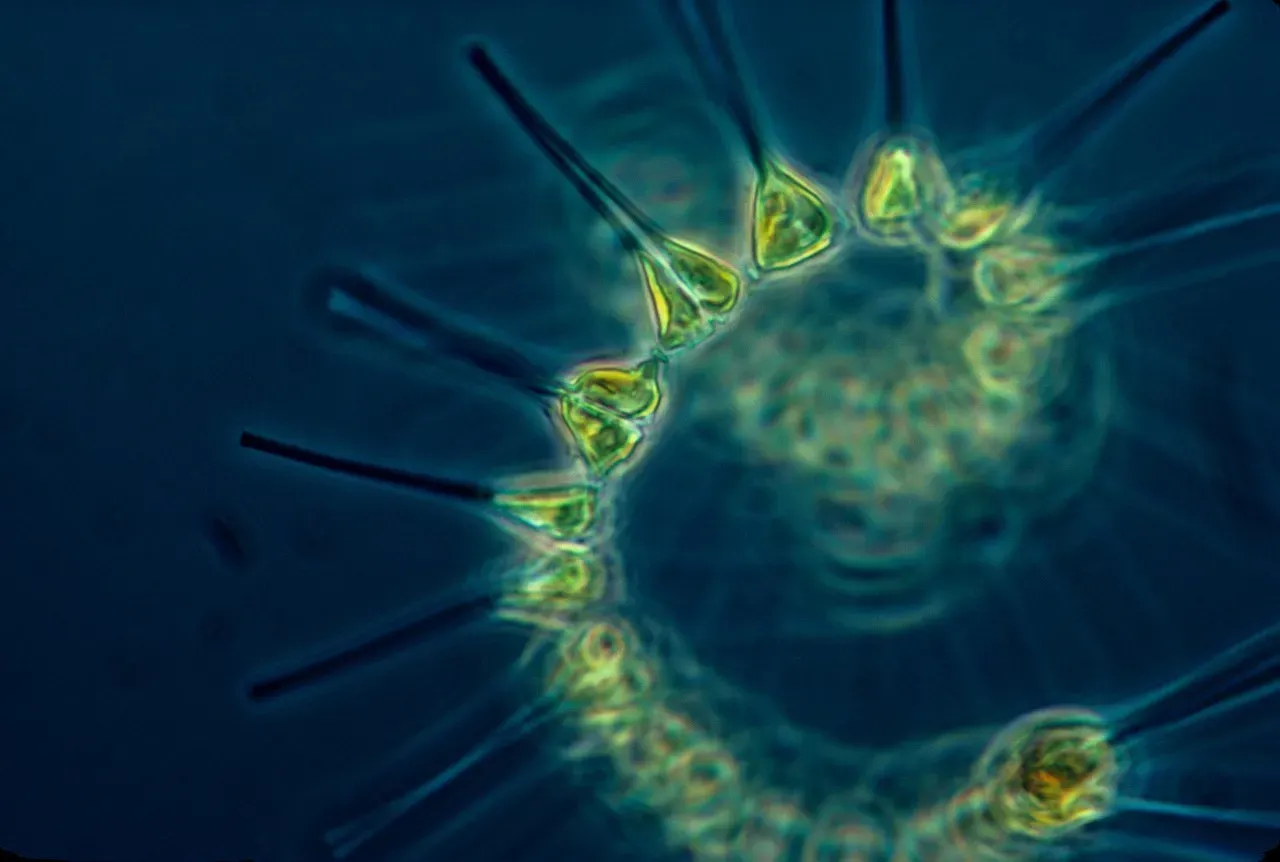
Scientists estimate that roughly half of the oxygen production on Earth comes from the ocean, with the majority of this production from oceanic plankton, which are drifting plants, algae, and some bacteria that can photosynthesize. One particular species, Prochlorococcus, is the smallest photosynthetic organism on Earth, and this little bacteria produces up to roughly one fifth of the oxygen in our entire biosphere, a higher percentage than all of the tropical rainforests on land combined. Let that one marinate for a moment.
The oldest known fossil is from a marine cyanobacterium, a tiny blue-green photosynthesizer that was releasing oxygen 3.5 billion years ago. Long before trees, long before flowers, long before insects or dinosaurs ever existed, microscopic bacteria were already pumping oxygen into a sky that had almost none. The fact that there is oxygen in the Earth’s atmosphere at all is a consequence of the photosynthetic activity of ancient microbes. You owe your next breath to a creature too small to see. That’s not a poetic metaphor. That’s literally true.
The Nitrogen Fixers: Feeding the World at Microscopic Scale
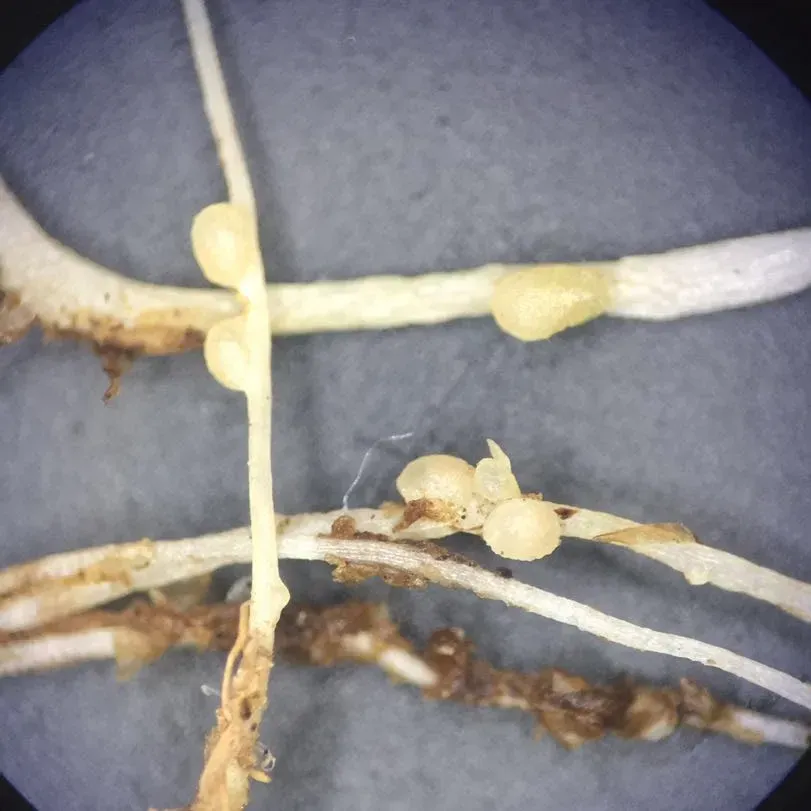
The Earth’s atmosphere is primarily composed of nitrogen, but atmospheric nitrogen is relatively unusable for biological organisms. Consequently, chemical processing of nitrogen, or nitrogen fixation, is necessary to convert gaseous nitrogen into forms that living organisms can use. Almost all of the nitrogen fixation that occurs on the planet is carried out by bacteria that have the enzyme nitrogenase, which combines nitrogen with hydrogen to produce a useful form of nitrogen such as ammonia. Without those bacteria, plants couldn’t grow, food webs would collapse, and agriculture as you know it simply wouldn’t exist.
Microorganisms are absolutely essential for plant and animal life forms, which cannot fix nitrogen on their own. Honestly, this is one of the most underappreciated facts in all of biology. You can thank every salad you’ve ever eaten, every grain of rice, every loaf of bread, to the activity of soil bacteria working silently in the ground. They’re doing the chemistry that no plant, no animal, no human technology has ever been able to replicate at global scale, and they’re doing it for free, every single day.
Microbes and the Carbon Cycle: Climate’s Hidden Architects
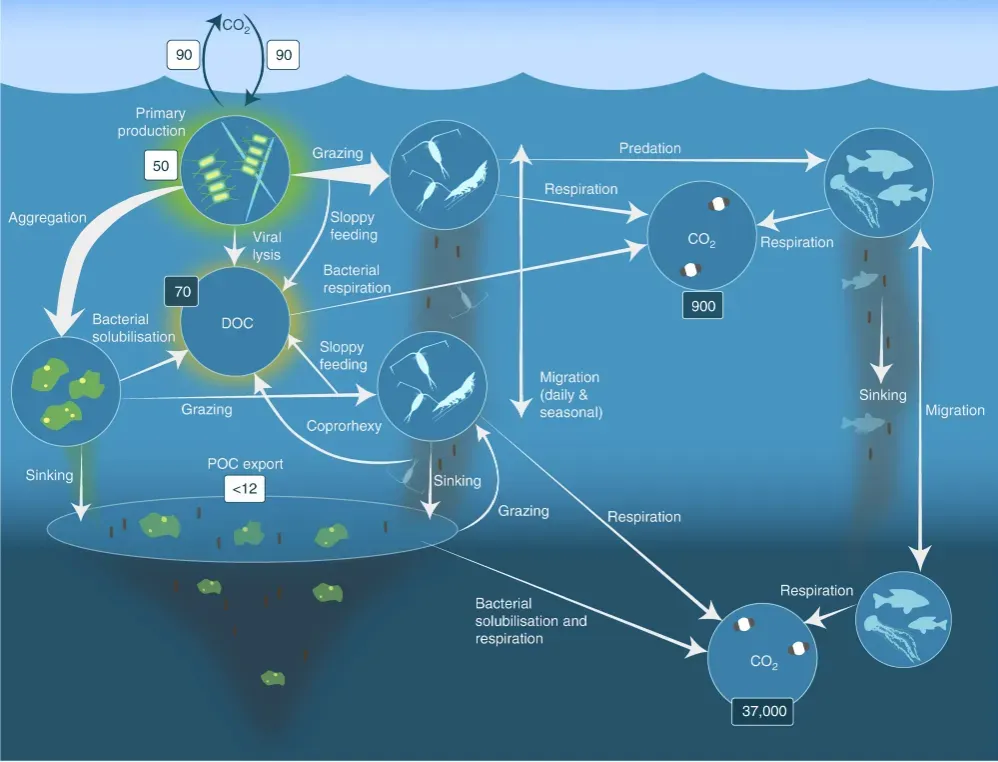
Microbes form the backbone of every ecological system on Earth by controlling biogeochemical cycling of elements essential for life, such as carbon and nitrogen. When it comes to climate, microbes don’t just participate in the carbon cycle, they fundamentally regulate it. Microbes influence climate change by driving biogeochemical cycles through the consumption and production of greenhouse gases. In other words, what happens to Earth’s temperature over the coming centuries isn’t just a story about cars and factories. It’s also, deeply, a story about microbes.
Microbes are critical in the process of breaking down and transforming dead organic material into forms that can be reused by other organisms, which is why microbial enzyme systems involved are viewed as key engines that drive the Earth’s biogeochemical cycles. Here’s what’s wild: historically, Earth system models used to examine the causes and effects of climate change have not taken microbial processes into account, even though microbes mediate key steps in all biogeochemical cycles. Through new studies, scientists are learning more about how microorganisms respond to changes in the environment but are still challenged by the difficulty of building models that can encompass the impact of very-small-scale variations in microbial community structure. We’re building our best predictions of the planet’s future without fully accounting for the organisms that arguably run it. That should give you pause.
Sleeping Giants: How Dormant Microbes Shape Geological Time
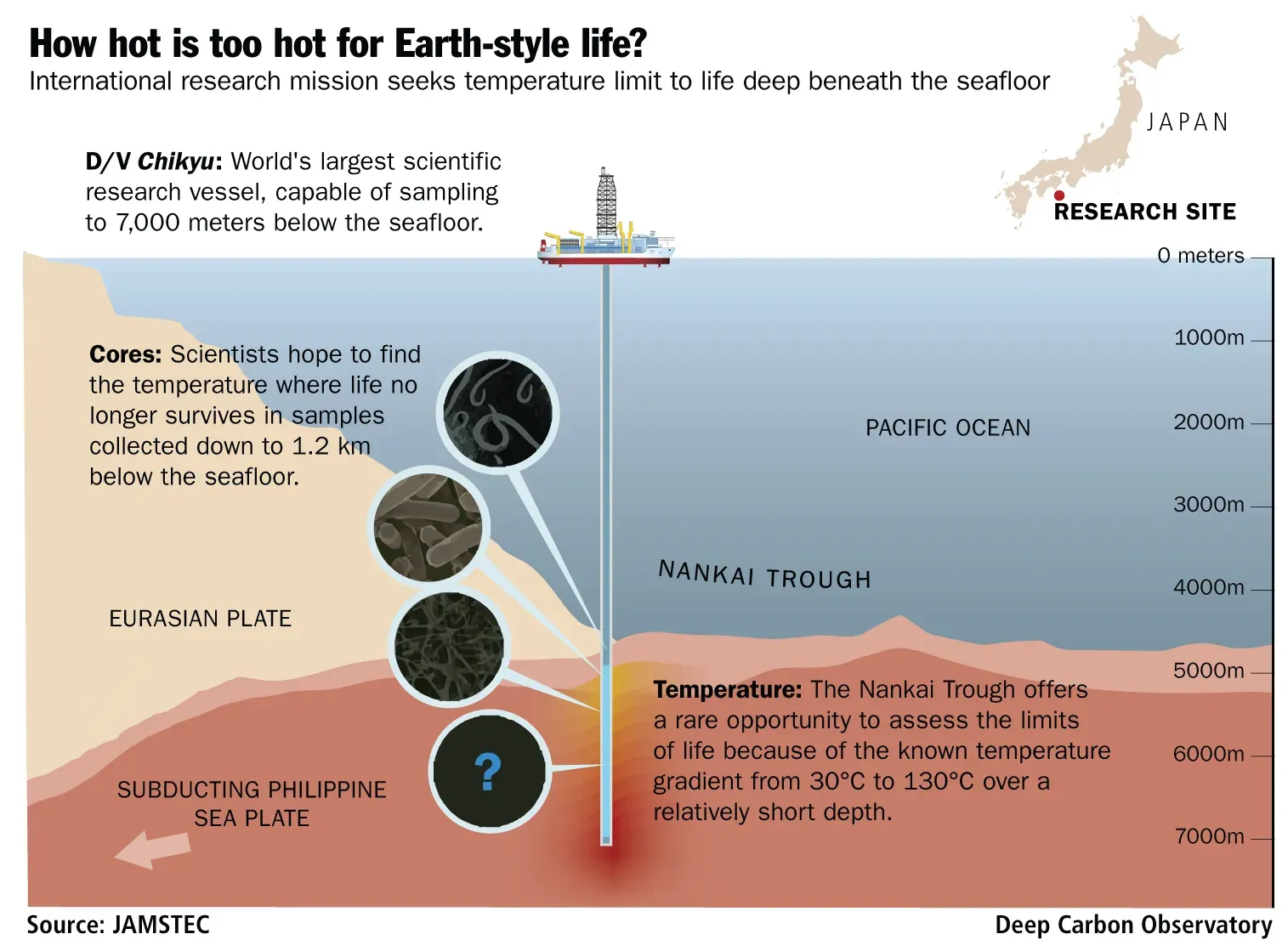
One of the strangest and most mind-bending realities of microbial science is the concept of dormancy. Dormancy exerts a powerful influence on Earth’s ecological and biogeochemical architecture through space and time, and over vast scales. Dormancy manifests differently across taxonomically and functionally distinct microbial groups, and operates over timescales ranging from hours to millennia, enabling microorganisms to interact with the geosphere over geologically relevant timescales. Think about what that means. A microbe could go to sleep, and wake up interacting with geological processes thousands of years later. That’s not science fiction. That’s something actually happening beneath your feet right now.
Microbes in marine sediments subsist at the lowest power utilization known to all life, and thus are likely to be mostly dormant rather than growing, yet they degrade enormous quantities of organic carbon and thereby regulate the transfer of carbon between the fast-cycling and slow-cycling portions of the global carbon cycle, affecting Earth’s climate and oxygenation. They’re barely alive by any measurable standard, using almost no energy, tucked away in deep-sea mud. Yet their slow, patient chemistry is part of the engine that keeps our atmosphere balanced. It’s like learning that the person you thought was just quietly sleeping in the corner has, in fact, been running the boiler room the entire time.
The Extremists: Microbes in Earth’s Most Hostile Environments
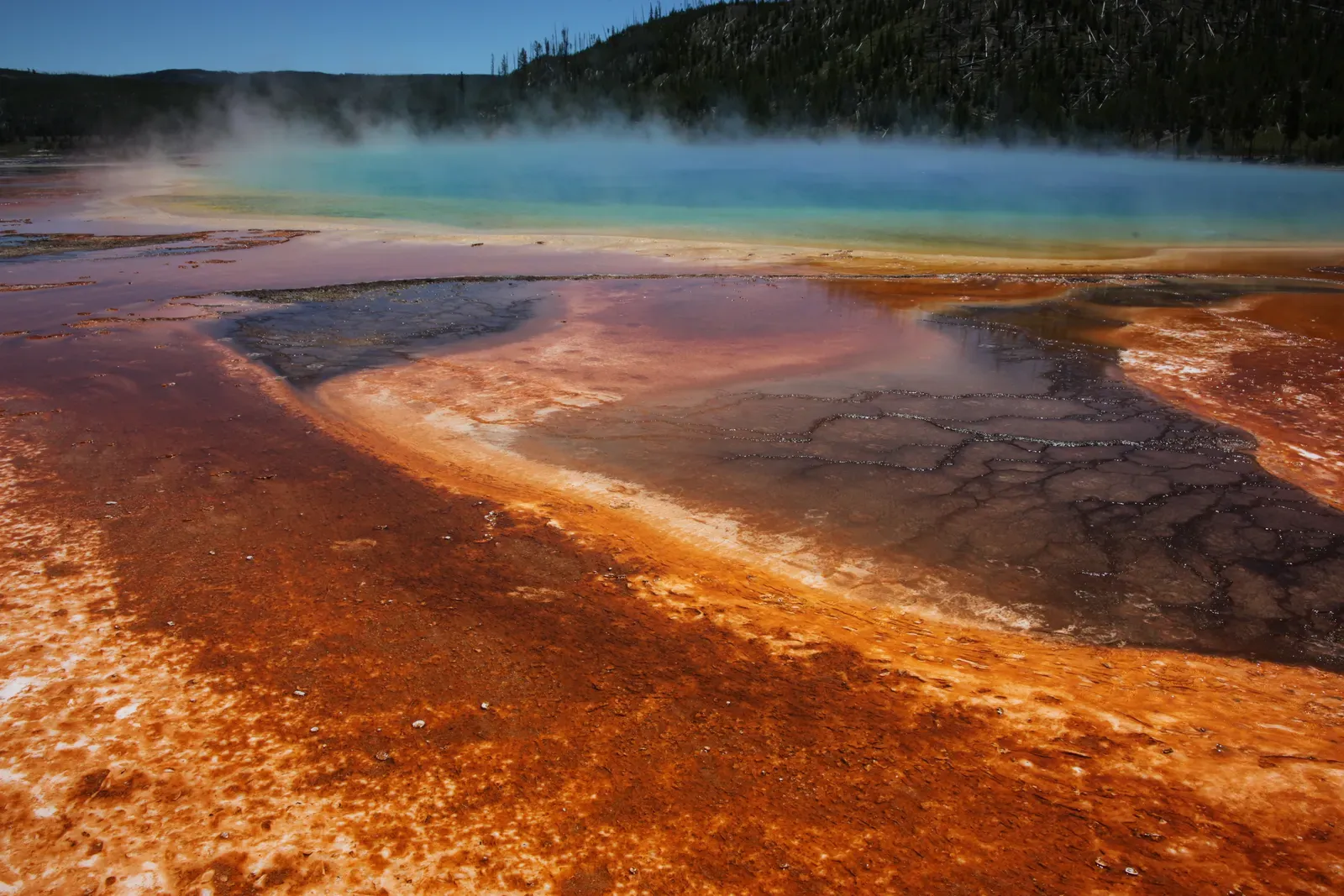
Extremophiles have been found at depths of 6.7 km inside the Earth’s crust, more than 10 km deep inside the ocean at pressures of up to 110 MPa, from extreme acid to extreme basic conditions, and from hydrothermal vents at 122 degrees Celsius to frozen seawater at minus 20 degrees Celsius. These are not edge cases or scientific curiosities. They are proof that life, given any crack in the door of possibility, will walk right in and make itself at home.
Hydrothermal microorganisms are the foundation for life in hydrothermal vent ecosystems. Instead of using light energy to turn carbon dioxide into sugar like plants do, they harvest chemical energy from the minerals and chemical compounds that spew from the vents, a process known as chemosynthesis. These vents sit in pitch-black, bone-crushing depths, where superheated water bursts out of the seafloor at temperatures that would incinerate most organisms. Chemosynthetic bacteria and archaea found around hydrothermal vents form the base of the food chain, supporting diverse organisms including giant tube worms, clams, limpets, and shrimp. An entire ecosystem, completely independent of sunlight, built on the metabolic labor of microbes. It’s one of the most alien things on our own planet.
Microbial Signatures: The Search for Life Beyond Earth
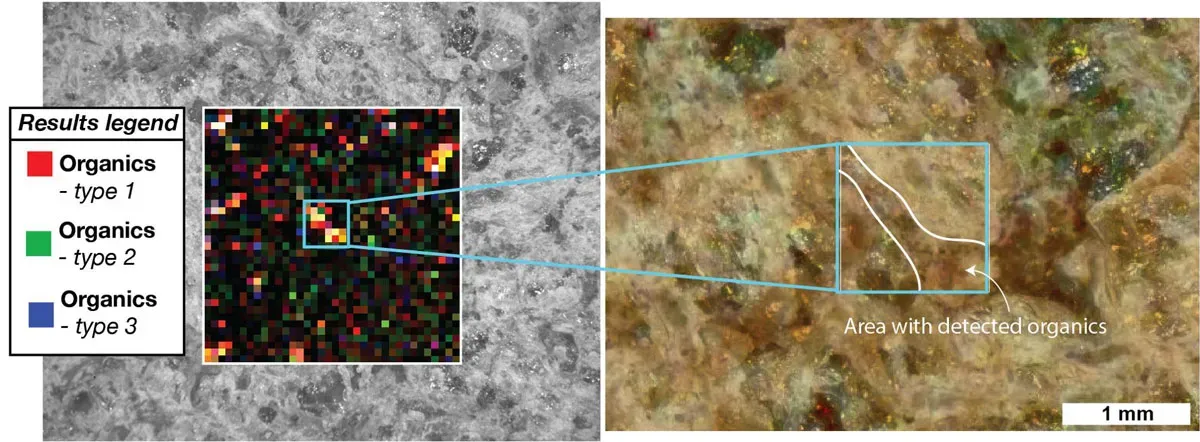
You might be wondering what any of this has to do with space. Here’s where it gets genuinely exciting. Microbes, among the earliest forms of life to appear on Earth, have survived the ravages of time, withstood inhospitable conditions, and shaped the planet in unique ways, prompting research and intrigue about the plausibility that somewhere, some sort of microbial life might exist beyond Earth. Scientists aren’t looking for aliens with spaceships. They’re looking for microbial signatures, chemical traces left behind by the same kinds of processes you’ve been reading about.
Research is showing what life is capable of making that can be preserved, raising the question of whether those molecules could be found on different planets. Active hydrothermal vents are thought to exist on Jupiter’s moon Europa and Saturn’s moon Enceladus, and it is speculated that ancient hydrothermal vents once existed on Mars. If vent microbes can thrive sunlight-free on Earth by feeding on mineral chemistry, then the icy oceans of Europa become extraordinarily interesting real estate. The same organisms that taught us life doesn’t need sunlight might be the template for the most extraordinary discovery in human history.
The Gap in Our Understanding: What Science Still Doesn’t Know
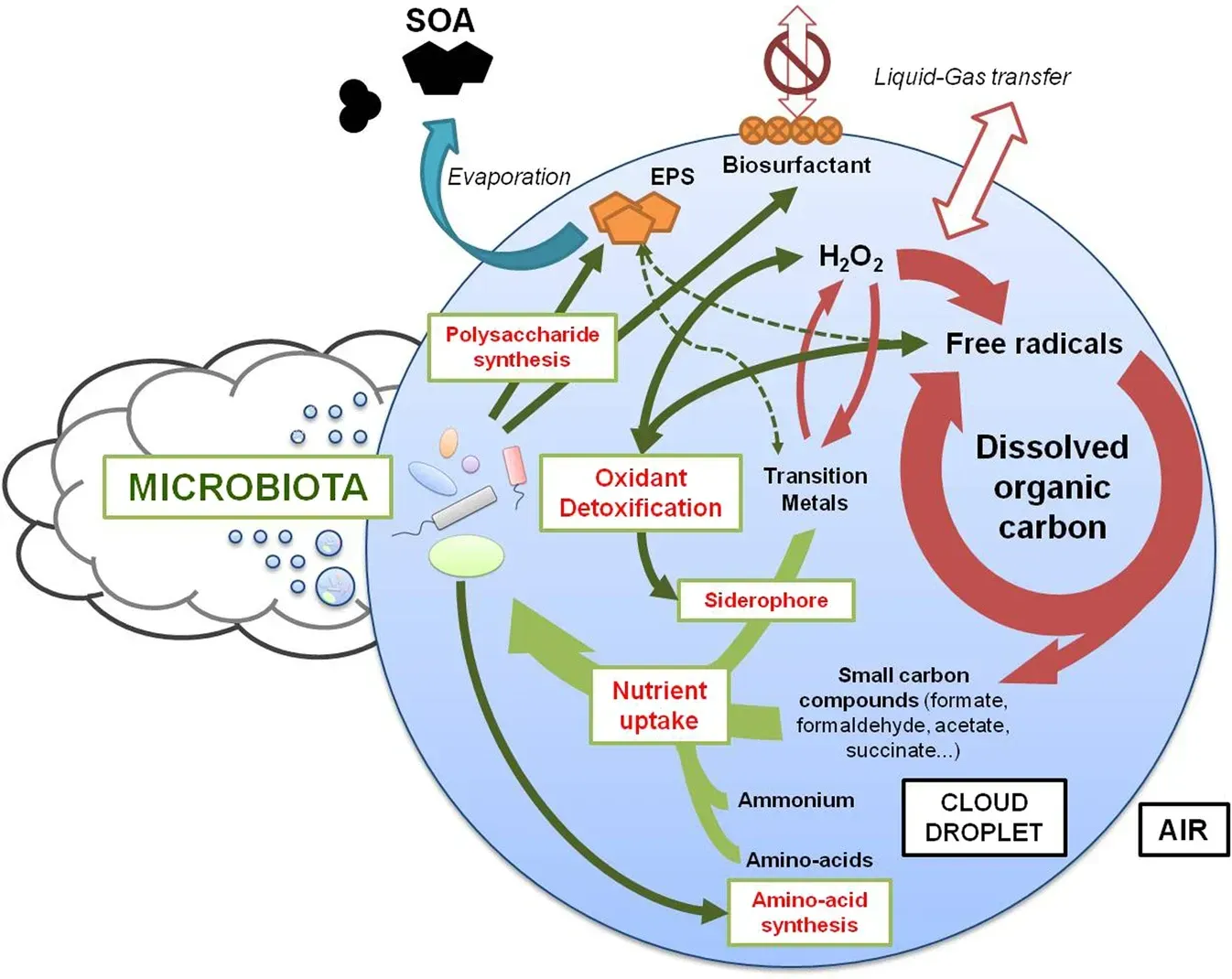
Studying microbial biogeochemical cycling is not just about cataloging processes, but about understanding the fundamental biological engine of the planet, its evolutionary trajectory, its resilience, and its potential responses to anthropogenic pressures. It is a field that underscores the humility required when considering human impact on Earth systems, recognizing that the smallest life forms hold disproportionate power over the planet’s future state. That word “humility” carries real weight. Scientists at the world’s leading institutions are increasingly acknowledging just how much we don’t yet know about the organisms that control planetary chemistry.
Despite their essential role in ecosystem function, microbial communities are considered a black box in predictive ecosystem and climate models. This neglect is mainly because microbial communities are regarded as being omnipresent and functionally redundant, there is a lack of theoretical approaches to disentangle microbial regulation of ecosystem functions from other drivers, and temporal and spatial variation in environmental microbes is considered too large to be meaningful in predictive models. In other words, the organisms most responsible for Earth’s habitability are the ones our models understand the least. It’s a little like trying to run a hospital without understanding what blood does. We’re getting better at this, slowly, but the gap remains startling.
Conclusion: The Invisible Foundation of Everything
You’ve walked through this invisible world now, even if just briefly. You’ve seen how microscopic organisms produce the oxygen you breathe, fix the nitrogen that grows your food, regulate the carbon cycle that determines your climate, build food webs in sunless ocean depths, and leave behind molecular fingerprints that may one day guide us to life on other worlds. They do all of this without a single cell of intention, without strategy, without awareness. They just exist, and their existence changes everything.
I think the most powerful takeaway here is one of radical perspective shift. We tend to imagine humans or large animals as the main characters of life on Earth. The microbes were here first, they built the stage, they still run the lighting and the sound system, and honestly, they’ll be here long after we’re gone. The next time you take a breath of fresh air, remember where that oxygen actually came from. Not from a forest, not from a machine, but from a bacterium barely bigger than a whisper.
What does it change for you, knowing that the most powerful life forms on Earth are the ones you can never see?