
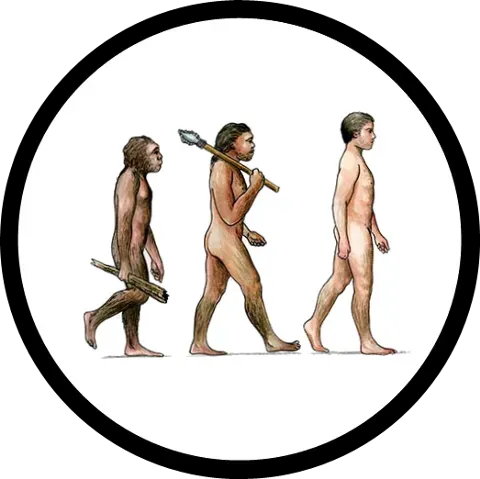
We like to think we know where we came from. Generations of school textbooks showed us a neat, marching parade of figures, from hunched ape to upright human, each one a little taller and smarter than the last. Honestly, it was a satisfying story. Simple. Tidy. And, it turns out, almost entirely wrong.
The science of genetics has exploded in recent years, and with it, our entire picture of human origins has cracked open into something far messier, far richer, and far more fascinating than anyone expected. You are, quite literally, the result of an ancient genetic soap opera, complete with secret relatives, unexpected reunions, and borrowed DNA from creatures we still barely understand.
So buckle up, because what scientists have uncovered lately is nothing short of extraordinary. Let’s dive in.
We Did Not Come From One Ancestral Population – And That Changes Everything
For decades, the dominant model was straightforward: modern humans descended from a single population in Africa. It was clean, it was teachable, and it felt final. Then came a bombshell from Cambridge. Using advanced genome analysis, researchers from the University of Cambridge found evidence that modern humans descended from not one, but at least two ancestral populations that diverged around 1.5 million years ago and reconnected about 300,000 years ago. Think about what that means for even a moment. Your deep ancestry involves two separate lineages of humans, separated for over a million years, eventually meeting again and merging into who you are today.
One group contributed roughly four-fifths of the modern human genetic makeup, while the other contributed around a fifth, which is as much as ten times the contribution of Neanderthal DNA. That minority population was not a footnote. Published in Nature Genetics, the study revealed that genes inherited from that minority population, particularly those related to brain function and neural processing, may have played a crucial role in human evolution. So the next time someone talks about where “we” came from, you can remind them it was never just one place, one group, or one story.
Ghost Lineages Are Real, and They Are Hiding Inside Your DNA
Here is something that genuinely sounds like science fiction but is very much science fact. Buried inside the genomes of people alive today are echoes of ancient human groups that left no known fossils. Scientists call them “ghost lineages,” and the name is perfectly fitting. These human ghost lineages are echoes of archaic groups that existed for hundreds of thousands or even millions of years but that left no known fossils. You carry the genetic footprints of beings we have never seen, never named, and can barely describe.
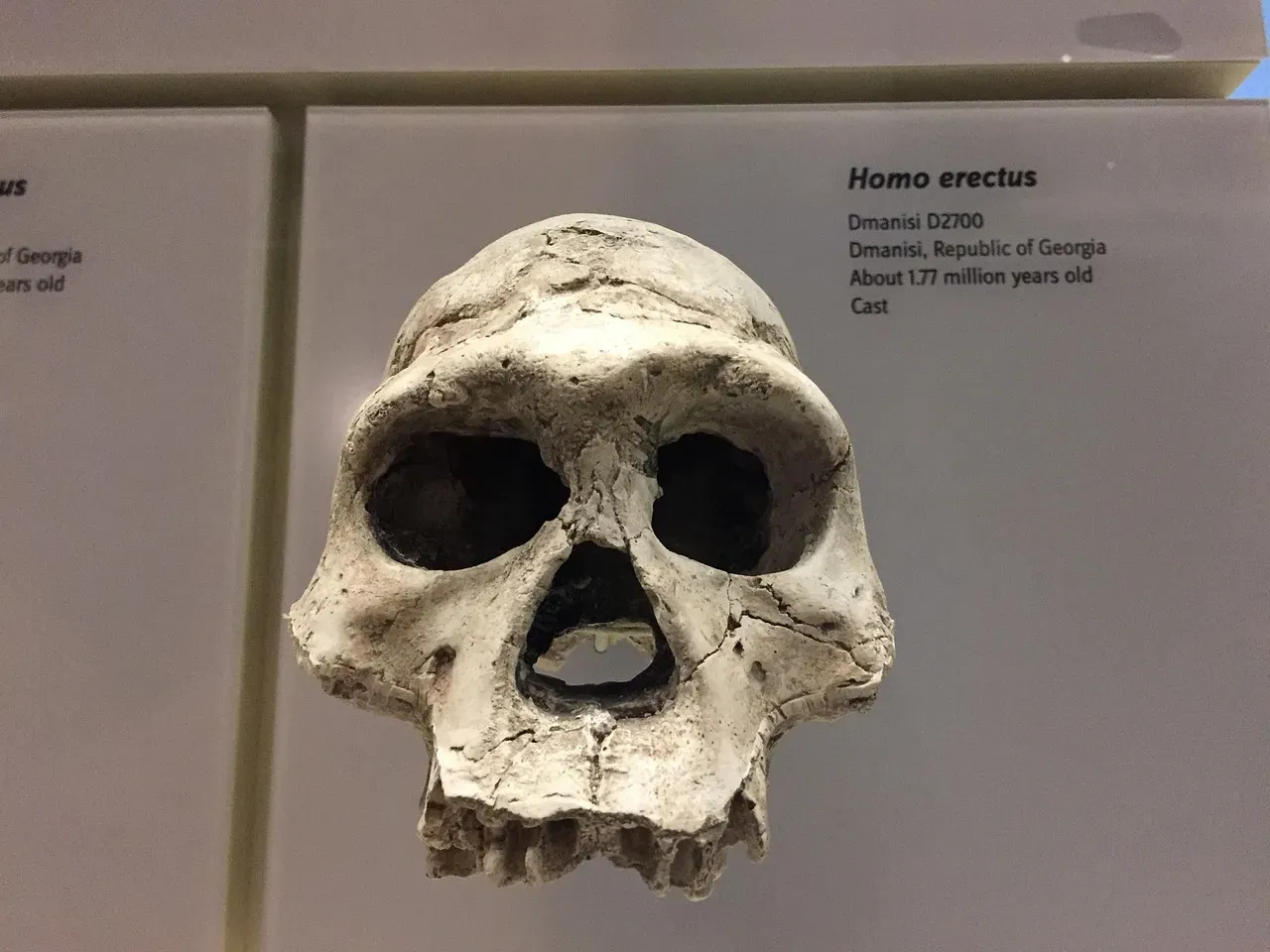
Analysis of one deeply sequenced Denisovan genome revealed that not only had his ancestors apparently interbred with early Neanderthals, but the individual also had ancestry from an unknown “super archaic” group for which there is currently no ancient DNA match. Traces of these “ghost lineages” have been found in the DNA of modern humans as well, and scientists aren’t sure who they are. They could represent other extinct hominins such as Homo erectus or Homo floresiensis, sometimes known as the “hobbit.” It is a humbling thought. The full cast of characters in your evolutionary story has not even been identified yet.
The Denisovans Finally Got a Face, and the Mystery Only Deepened
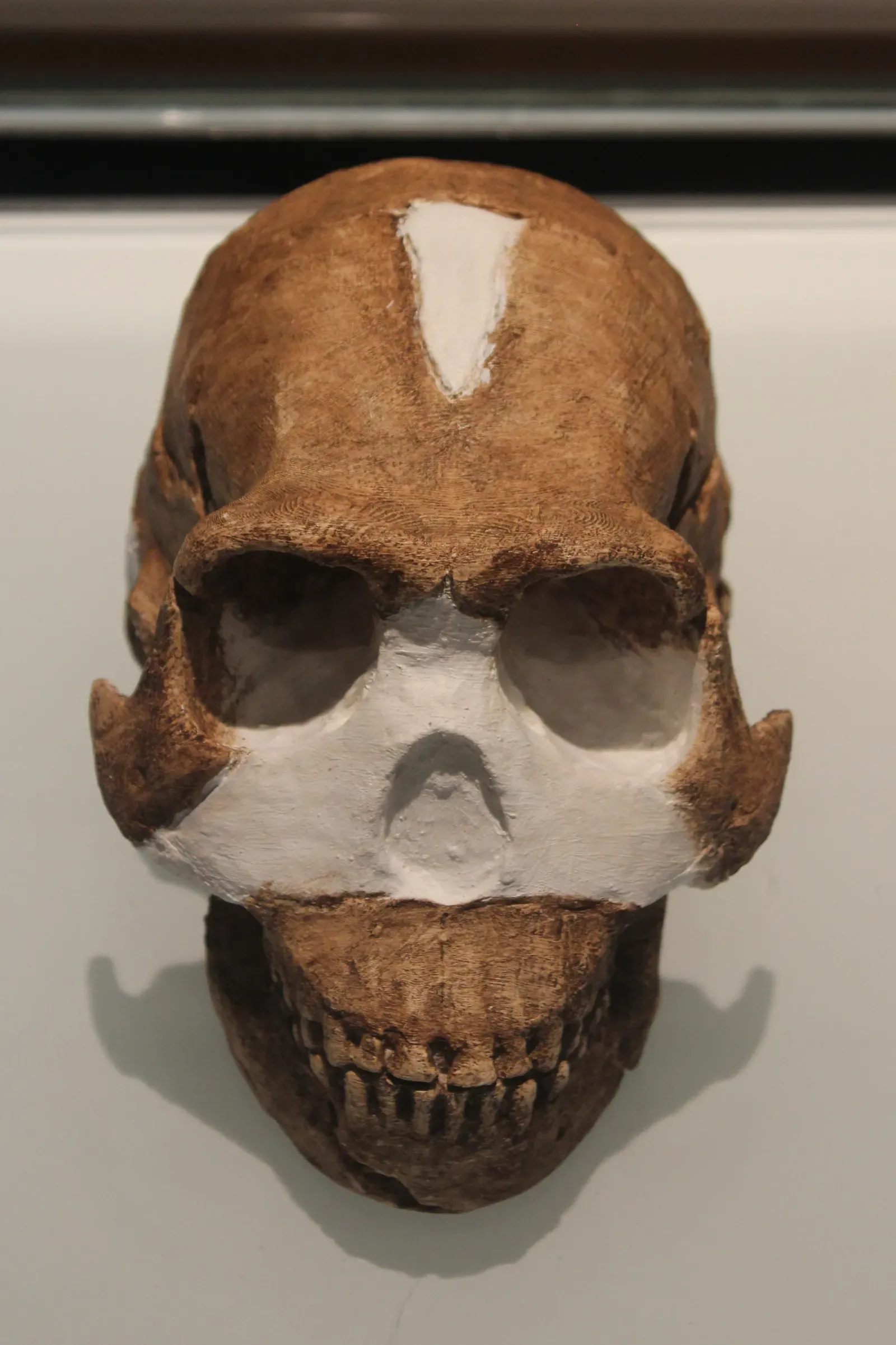
Human evolution’s biggest mystery, which emerged fifteen years ago from a 60,000-year-old pinkie finger bone, finally started to unravel in 2025. Analysis of DNA extracted from the fossil electrified the scientific community in 2010, when it revealed a previously unknown human population that had, in the distant past, encountered and interbred with our own species, Homo sapiens. For years, scientists knew the Denisovans almost entirely through their genes, not their bones. That is a bit like knowing someone only from a blood test.
This enigmatic group became known as the Denisovans after Denisova Cave in Siberia’s Altai Mountains, where the pinkie finger was found. Despite intimate knowledge of this population’s genetic makeup, traces of which millions of people carry today, scientists knew nothing about the appearance of the Denisovans, or where they lived or why they disappeared. In 2025, genetic information from the so-called “Dragon Man” skull linked that fossil to the Denisovans for the first time. Assuming the Dragon Man skull belonged to a typical Denisovan individual, scientists said the ancient human would have had pronounced brow ridges, large teeth and lacked our high foreheads. A face, at last. Though the story of who they truly were is still unfolding well into 2026.
A Denisovan Gene Traveled Through Three Species and Helped Humans Conquer the Americas
If you have any Indigenous American ancestry, there is a real possibility you are carrying a gene that originated in the Denisovans, passed through the Neanderthals, and then found its way into modern humans before crossing the Bering Strait. Ancient humans crossing the Bering Strait into the Americas carried more than tools and determination. They also carried a genetic legacy from Denisovans, an extinct human relative. A new study reveals that a mysterious gene called MUC19, inherited through interbreeding between Denisovans, Neanderthals, and humans, may have played a vital role in helping early Americans survive new diseases, foods, and environments.
The study, published in Science, focused on a gene known as MUC19, which is involved in the production of proteins that form saliva and mucosal barriers in the respiratory and digestive tracts. The researchers showed that a variant of that gene derived from Denisovans is present in modern Latin Americans with Indigenous American ancestry, as well as in DNA collected from individuals excavated at archaeological sites across North and South America. The frequency at which the gene appears in modern human populations suggests the gene was under significant natural selection, meaning it provided a survival or reproductive advantage to those who carried it. It is the first time scientists have identified DNA jumping from Denisovans to Neanderthals and then to humans. That is not one lucky accident. That is evolution working in relay.
The Secret of the Human Brain Was Hidden in Genetic “Switches”
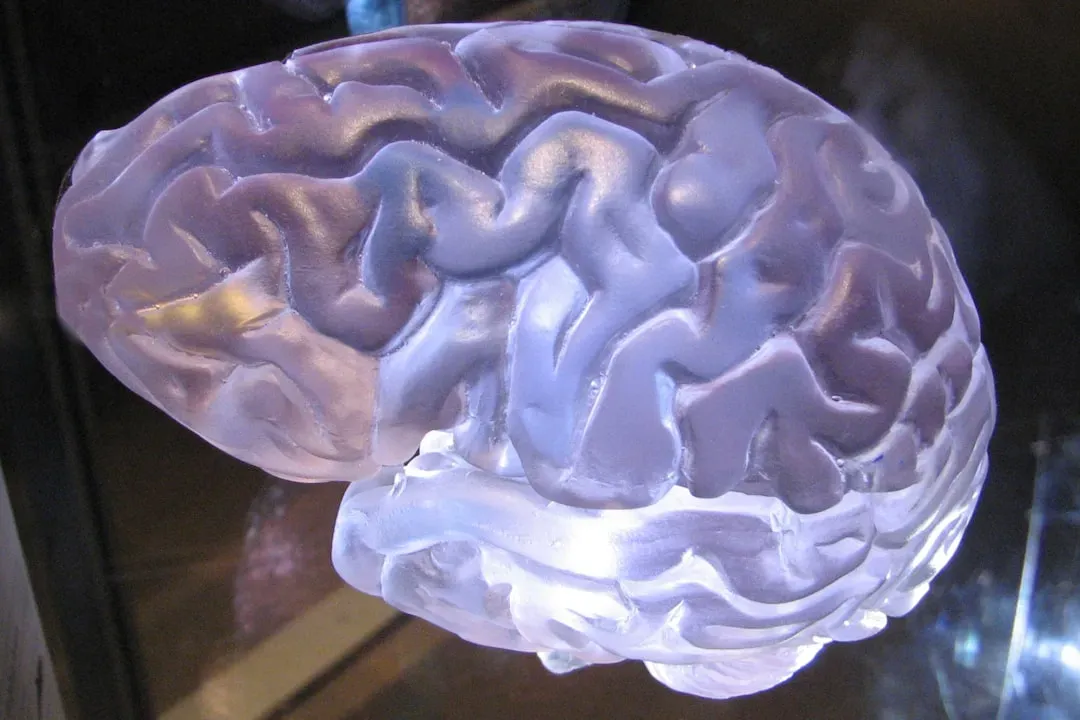
You might assume what separates the human brain from a chimpanzee’s brain is a completely different set of genes. That assumption, it turns out, is largely incorrect. A Yale study provides a fuller picture of the genetic changes that shaped the evolution of the human brain. Researchers focused on a class of genetic switches known as Human Accelerated Regions, or HARs, which regulate when, where, and at what level genes are expressed during evolution. Think of HARs not as new instruments in an orchestra, but as a conductor who decides how loudly each instrument plays. The instruments are the same. The music is completely different.
While past research theorized that HARs may act by controlling different genes in humans compared to chimpanzees, the new findings show that HARs fine-tune the expression of genes that are already shared between humans and chimpanzees, influencing how neurons are born, develop, and communicate with each other. Many HAR gene targets are active in the developing human brain and are linked to processes such as formation of neurons and maintaining communication between neurons. Some are also associated with conditions like autism and schizophrenia, highlighting the potential role of HARs both in shaping normal brain function as well as neurological disorders. The implications stretch well beyond evolution. Understanding these switches could eventually help science unlock the origins of some of humanity’s most complex neurological challenges.
Ancient DNA Is Rewriting Human Migration Histories Around the World
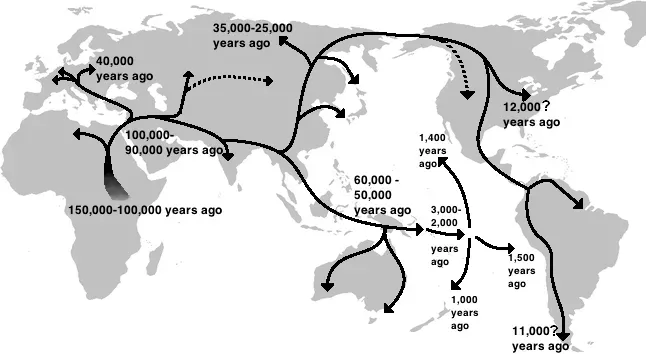
Our understanding of how our species evolved has improved dramatically since we first began analyzing ancient DNA. Nowhere is this more evident than in migration research. Scientists are now able to reconstruct entire population movements using genetic fragments from bones and teeth thousands of years old. Waves of human migration across Europe during the first millennium AD have been revealed using a more precise method of analyzing ancestry with ancient DNA, in research led by the Francis Crick Institute. These are not broad brush strokes of history. These are names, communities, and movements that textbooks never captured.
Since 2012, geneticist David Reich and his team at Harvard have been studying DNA from living and ancient people to probe mysteries surrounding the origins of human life. The published papers have covered a range of subjects from the genetic origin of Indo-European languages to the formation of the early English gene pool to the genetic history of the pre-contact Caribbean people. Every new sample opens a window into a world that was never documented in writing. I think that is one of the most quietly extraordinary things science is doing right now. History is being recovered, one molecule at a time.
Human Evolution Was Never a Straight Line – It Was a Tangled Web
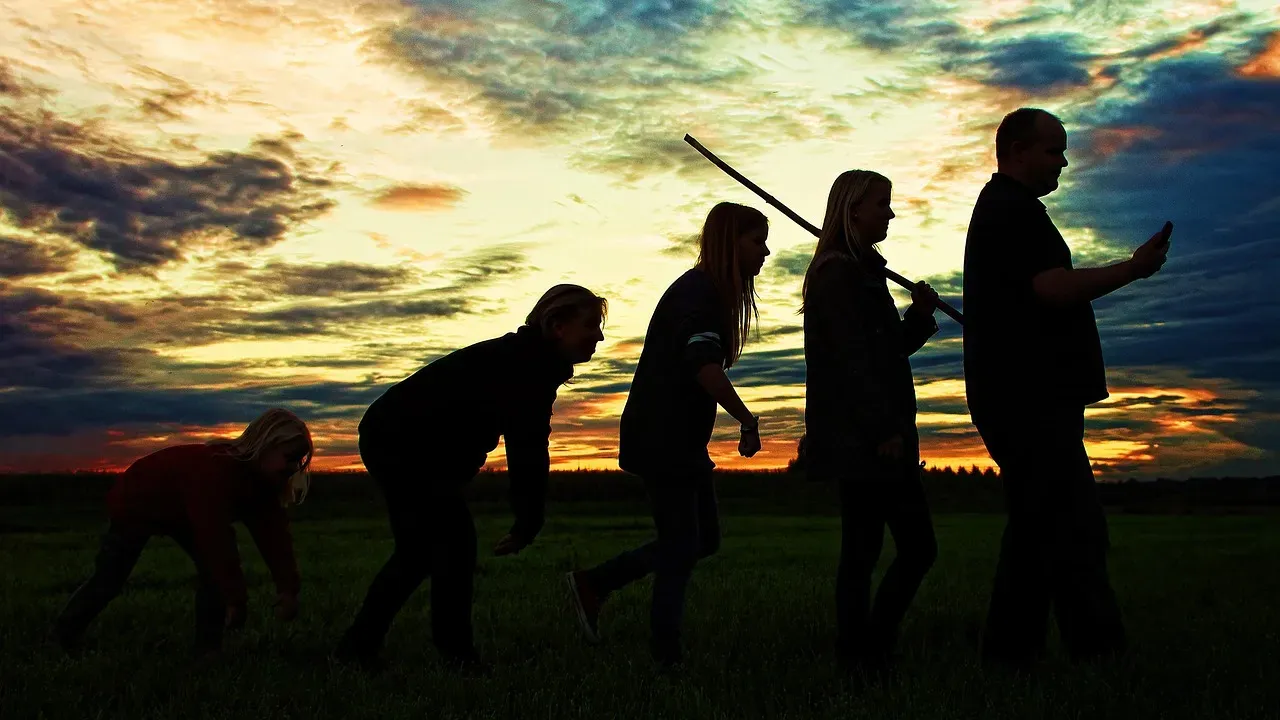
From revolutionary fossil discoveries spanning multiple continents to groundbreaking genetic studies revealing hidden chapters in our ancestry, the findings of recent years demonstrate that the story of humanity is far more complex than the simple linear progression scientists once envisioned. The “march of progress” image, that iconic silhouette of figures walking in a neat row, was always a bit of a lie. Let’s be real: evolution is messy, opportunistic, and deeply interconnected in ways we are only beginning to grasp. As one paleoanthropologist put it, the field “has gone from a simplified, straightforward linear model of evolution to a ‘bushier’ model in describing the last 7 million years.”
DNA and protein analyses have revealed new groups like the Denisovans, as well as the mating of Neanderthals, modern humans and Denisovans. The past few years have brought a few surprise pairings as well. Looking ahead, researchers hope to refine their models to account for more gradual genetic exchanges between populations, rather than sharp splits and reunions. They also plan to explore how their findings relate to other discoveries in anthropology, such as fossil evidence from Africa that suggests early humans may have been far more diverse than previously thought. The picture keeps growing larger, and somehow, the more we learn, the more there is left to discover.
Conclusion: You Are the Result of a Much Stranger Story Than You Were Ever Told
The wave of genetic discoveries arriving in the last few years is genuinely transforming what it means to be human. You are not the product of a single, proud lineage marching forward through time. You are the result of mergers, migrations, interbreeding across species lines, and gene-sharing networks that spanned continents and stretched across hundreds of thousands of years. There is something almost humbling in that.
From the Cambridge study rewriting our ancestral origins, to Yale scientists decoding the genetic switches that built your brain, to Indigenous American genomes carrying Denisovan DNA passed through Neanderthals like a biological baton, the story of humanity is more interconnected, more surprising, and more deeply layered than any single civilization or era could have guessed. Science is not just answering old questions. It is showing us that we were asking far too small ones to begin with.
The real question worth sitting with is this: now that genetics is pulling back the curtain on who we really are, what else might we discover about the species we thought we knew so well?