

Every era likes to believe it’s too smart to be fooled, yet history keeps proving the opposite. Some of the most respected scientists, museums, and even national institutions have proudly showcased discoveries that later turned out to be elaborate hoaxes or major misunderstandings. These weren’t harmless pranks either; they shaped textbooks, public beliefs, and even national pride for decades.
What makes these stories so gripping is not just the lies themselves, but how badly people wanted them to be true. From fake fossils to imaginary continents, the pattern is always the same: a powerful story, a trusted messenger, and a public eager to believe. As you read through these scientific hoaxes, you might notice something uncomfortable – they’re not just about the past. They’re a mirror for how easily we can still be misled today.
The Piltdown Man: The “Missing Link” That Never Was
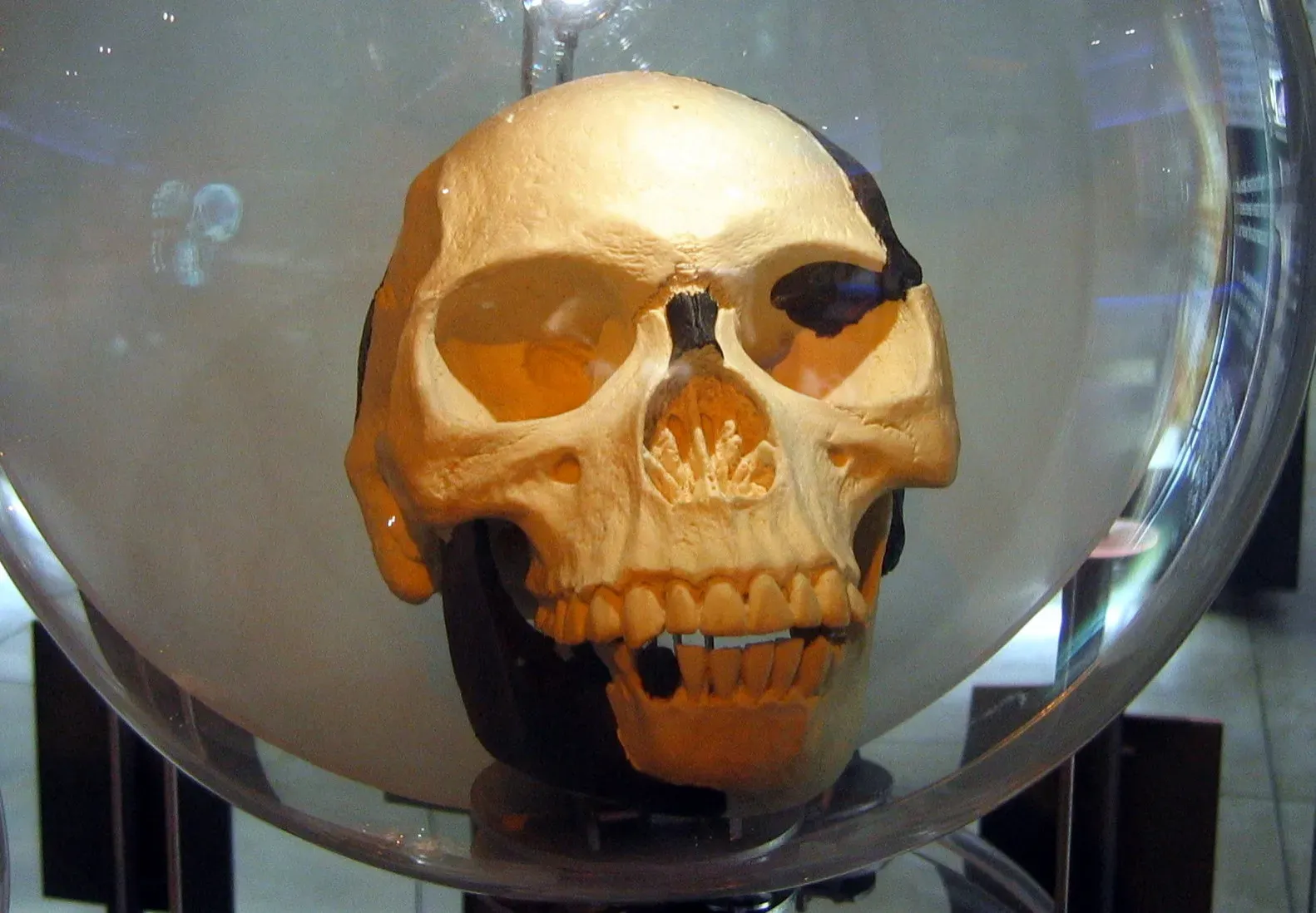
Imagine an entire nation celebrating a fossil because it seemed to prove that the first modern humans came from their country. That’s basically what happened with Piltdown Man, “discovered” in England in the early twentieth century and hailed as the long-sought missing link between apes and humans. For roughly about forty years, prestigious scientists, museums, and textbooks treated it as a cornerstone of human evolution. The fossil seemed to perfectly fit what many researchers expected to see: a human-like skull with an ape-like jaw.
Only decades later did careful testing reveal an embarrassing truth: Piltdown Man was a deliberate forgery, crafted from a medieval human skull and the jaw of an orangutan, stained and filed down to look ancient. The hoax exploited scientific bias and national pride; people were looking for evidence that humans evolved in Europe, and Piltdown gave them exactly that. It took new methods like fluorine dating to expose the fraud and force a painful rewrite of human evolutionary history. The case is still used as a warning about confirmation bias and the danger of wanting evidence to fit a preferred story.
The Cardiff Giant: America’s Stone “Giant” That Was Just… Gypsum
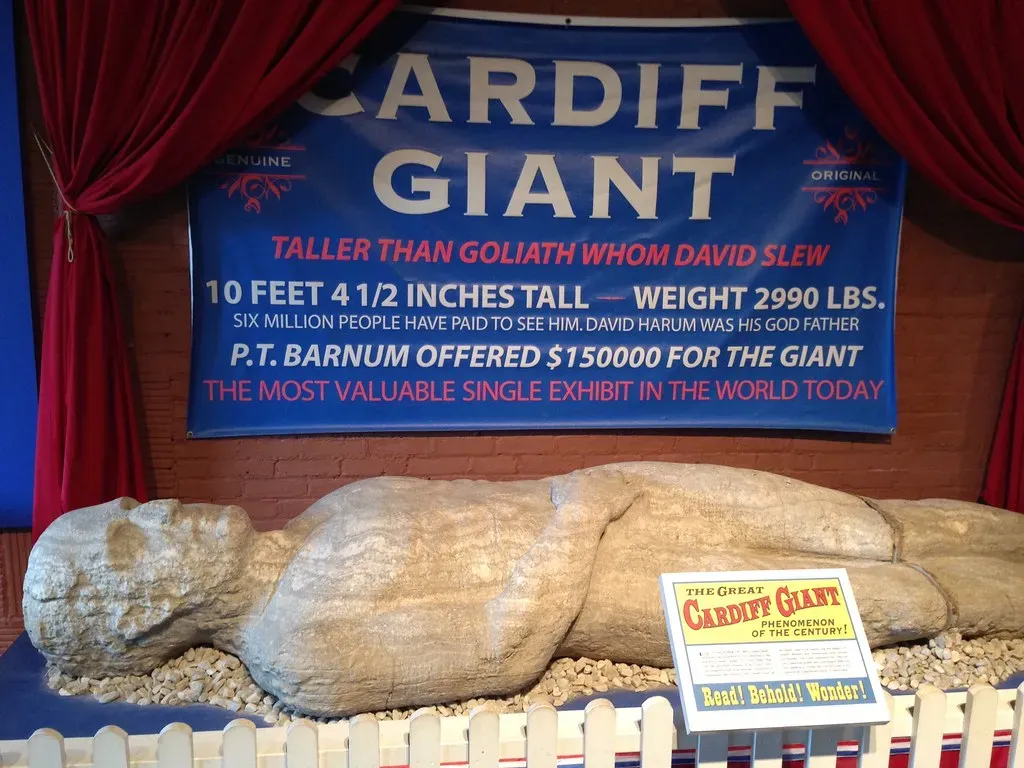
In the late nineteenth century, workers digging a well in Cardiff, New York, uncovered what looked like a massive petrified man more than three meters long. Crowds flocked to see the so‑called Cardiff Giant, and people paid to gaze at what some claimed was proof that biblical giants once walked the Earth. Local entrepreneurs quickly turned it into a tourist attraction, and money poured in as newspapers breathlessly covered the “discovery.” For many religious believers, it felt like physical evidence that ancient stories were literally true.
What visitors didn’t know was that the “giant” had been carved a year earlier from a large block of gypsum and then buried to “age.” The mastermind behind it, George Hull, reportedly wanted to mock literalist interpretations of scripture, but ironically his fake fossil simply fueled them. Scientists who examined the statue pointed out obvious tool marks, but the public largely ignored these warnings at first. Competing showmen even made their own fake copies. It took years for the hoax to fully lose its grip on people’s imagination, showing how spectacle and belief can overpower skepticism.
The Canals of Mars: A Planetary Illusion Turned into Alien Engineering

Long before high‑resolution space probes, astronomers scanning Mars through small telescopes reported seeing fine linear features crisscrossing the planet’s surface. These lines were interpreted as “canals,” and some respected observers argued they were evidence of intelligent Martians building massive irrigation systems. Books, lectures, and even serious scientific discussions explored the idea that Mars was home to an advanced, possibly fading civilization trying to survive on a dying world. The public went wild for it, and the story seeped into popular culture.
But there was a quiet problem: the canals were mostly illusions created by poor optics and the human tendency to connect random visual dots into patterns. When telescopes improved and more careful observations were made, the straight lines vanished. Later spacecraft images in the late twentieth century completely crushed the idea, revealing a dry, cratered world with no artificial waterways. The canals of Mars weren’t a deliberate hoax cooked up by one person, but they functioned like one because people repeated and amplified a seductive mistake for decades. It’s a powerful example of how our brains can fool us, especially when we really want the universe to be more dramatic than it actually is.
The Cottingley Fairies: Childhood Photos That Tricked Grown‑Up Minds

In early twentieth‑century England, two young cousins claimed they had photographed real fairies in the woods near their home in Cottingley. The black‑and‑white images showed delicate, human‑like figures with wings, poised near the girls as if sharing a magical secret. At a time when spiritualism and interest in the supernatural were booming, the photos spread quickly and captured public imagination. Even some very educated adults accepted them as possible evidence that unseen beings lived alongside us.
The truth, revealed decades later, was almost painfully simple: the girls had cut out images of fairies from a children’s book, propped them up with pins, and posed for the camera. They never expected the images to become a worldwide sensation, and once serious adults had enthusiastically endorsed them, it became harder for the girls to confess. By the time they fully admitted the hoax late in life, the photographs had become a cultural landmark. The Cottingley Fairies are a reminder of how authority and wishful thinking can give flimsy “proof” a very long life.
The Great Moon Hoax: Newspapers, Moon People, and Wild Imagination
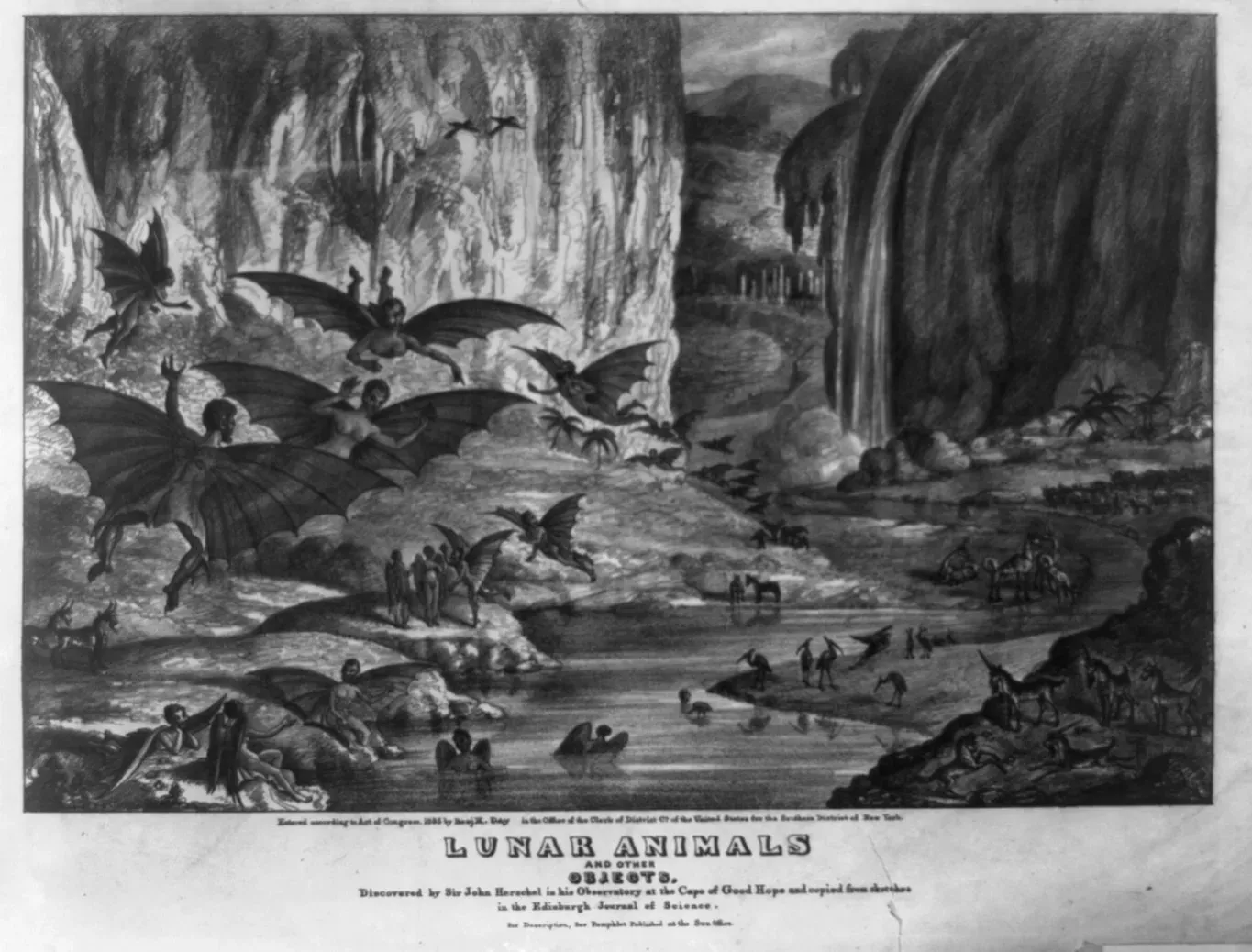
In the eighteen thirties, a New York newspaper ran a series of articles claiming that a famous astronomer had observed life on the Moon through a powerful new telescope. The reports described lush lunar forests, strange animals, and even bat‑winged humanoid creatures building temples and cities. Readers were enthralled, and the newspaper’s circulation reportedly surged as people rushed to buy each new installment. Many did not have the tools or background to critically cross‑check the claims, and the line between scientific reporting and entertainment was dangerously blurry.
Only later did it become clear that the entire story was fabricated, written as a kind of satirical or sensational stunt to boost sales. The astronomer whose name was used had never made such claims, and the described telescope was physically impossible. Yet for a period, large numbers of people believed that intelligent “moon people” were a scientifically confirmed reality. The Great Moon Hoax underlines how media incentives – chasing attention and profit – can easily overpower honesty, especially when readers are hungry for wonder and not trained to question impressive‑sounding details.
The N‑Rays: A Phantom Discovery That Spread Through Labs
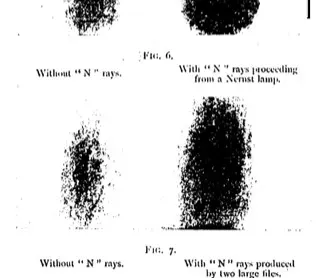
In the early twentieth century, just after X‑rays and radioactivity had been discovered, a French physicist announced he had found a new kind of radiation he called N‑rays. Many scientists at the time were living through a golden age of groundbreaking physics, so a fresh discovery fit the mood perfectly. Soon, dozens of researchers claimed to detect N‑rays in their own labs, reporting subtle visual changes in dim light and complex experimental setups. For a few years, N‑rays appeared in scientific papers, and they were treated as a real phenomenon.
The catch was that N‑rays didn’t exist; they were more or less artifacts of suggestion and expectation. When other scientists tried to carefully replicate the experiments under controlled conditions, the signals vanished. In some famous tests, the supposed N‑ray signals were unaffected even when key equipment was secretly removed, which should have been impossible if the rays were real. This was not a hoax by a prankster, but a collective self‑deception: people saw what they were primed to see. The N‑rays episode is still taught as a case study in how group enthusiasm in science can temporarily override rigorous skepticism.
The Tasaday “Stone Age Tribe”: Isolated People or Carefully Staged Myth?

In the nineteen seventies, the world was stunned by news of an isolated “Stone Age” tribe discovered in the Philippines, called the Tasaday. They were presented as living in caves, using stone tools, and being untouched by the modern world. Photographs and film crews showed nearly naked people in a lush jungle setting, speaking an unfamiliar language and apparently living a simple, peaceful life. Anthropologists, journalists, and government officials treated the discovery as a living window into humanity’s distant past.
However, doubts began to surface in the nineteen eighties when critics claimed the Tasaday had been coached and staged for cameras and visiting experts. There were allegations that they actually had contact with nearby farming communities and that some elements of their “primitive” lifestyle were exaggerated or even fabricated for political purposes. The full truth is still debated, but enough evidence emerged to cast serious suspicion on the original narrative. Whether it was a partially constructed image or a complete hoax, the Tasaday story revealed how easily exotic tales about “untouched” people can be shaped to fit outsiders’ fantasies.
Cold Fusion: The Energy Breakthrough That Wasn’t
In the late nineteen eighties, two chemists announced that they had achieved nuclear fusion at room temperature using a simple tabletop device involving heavy water and palladium. If true, it promised almost limitless clean energy without the massive costs and complexity of conventional fusion reactors. Media outlets rushed to spread the news, politicians grew excited, and funding agencies suddenly saw a future of cheap, safe power. For a brief, intense moment, it looked like science had delivered a near‑miraculous solution to the world’s energy problems.
But when independent laboratories tried to reproduce the results, they mostly failed, and key claims didn’t hold up under tight scrutiny. The original experiments turned out to be riddled with inconsistencies, and the excess heat results were far less reliable than initially reported. While some researchers continued to investigate related ideas, the mainstream scientific community concluded that “cold fusion” as originally announced was not real fusion at all. This episode wasn’t a classic hoax in the sense of a deliberate prank, but it operated like one because big promises and premature publicity misled the public for years.
The Archaeoraptor Fossil: A Frankenstein Dinosaur from China
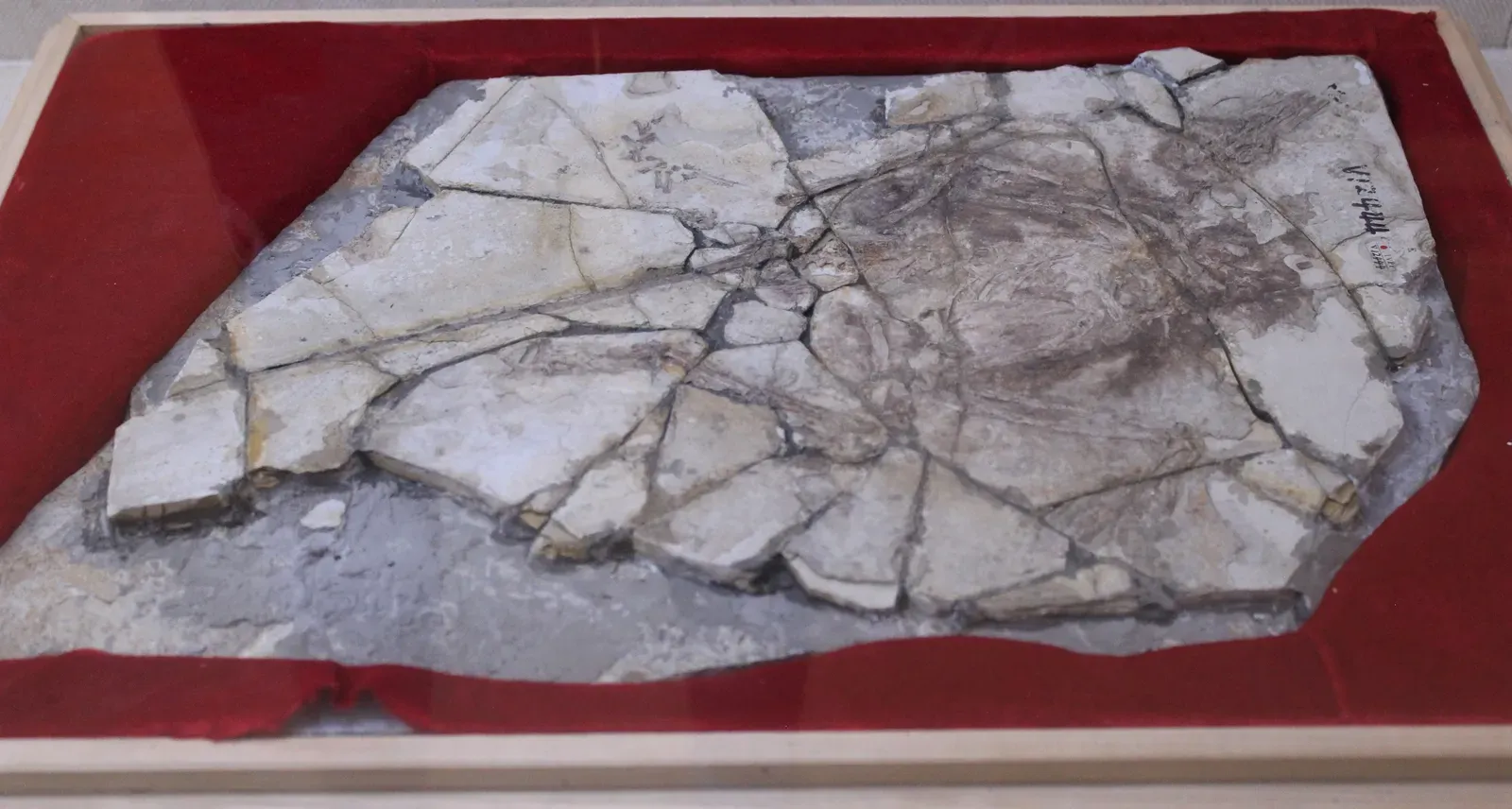
In the nineteen nineties, a remarkable fossil from China was presented as a crucial missing link between dinosaurs and birds, showing a dinosaur‑like body with bird‑like features. It was informally called Archaeoraptor and attracted huge media attention, especially when a major magazine showcased it as powerful evidence that birds evolved from small theropod dinosaurs. For the public, it was an exciting, almost cinematic story: scientists finally holding physical proof that dinosaurs had become birds. Museums and experts were initially thrilled by what looked like a spectacular find.
However, closer examination revealed a disturbing surprise: the fossil was a composite, made from pieces of multiple animals artificially joined together. The “missing link” had been cobbled together in the commercial fossil trade, likely to fetch a much higher price from collectors and institutions. While the underlying idea of bird‑dinosaur evolution is well supported by many genuine fossils, Archaeoraptor itself was a forgery. The scandal embarrassed major scientific and media organizations and highlighted the risks of rushing to publish dramatic findings without thorough, independent verification.
The Shroud of Turin: Sacred Relic or Medieval Fabrication?
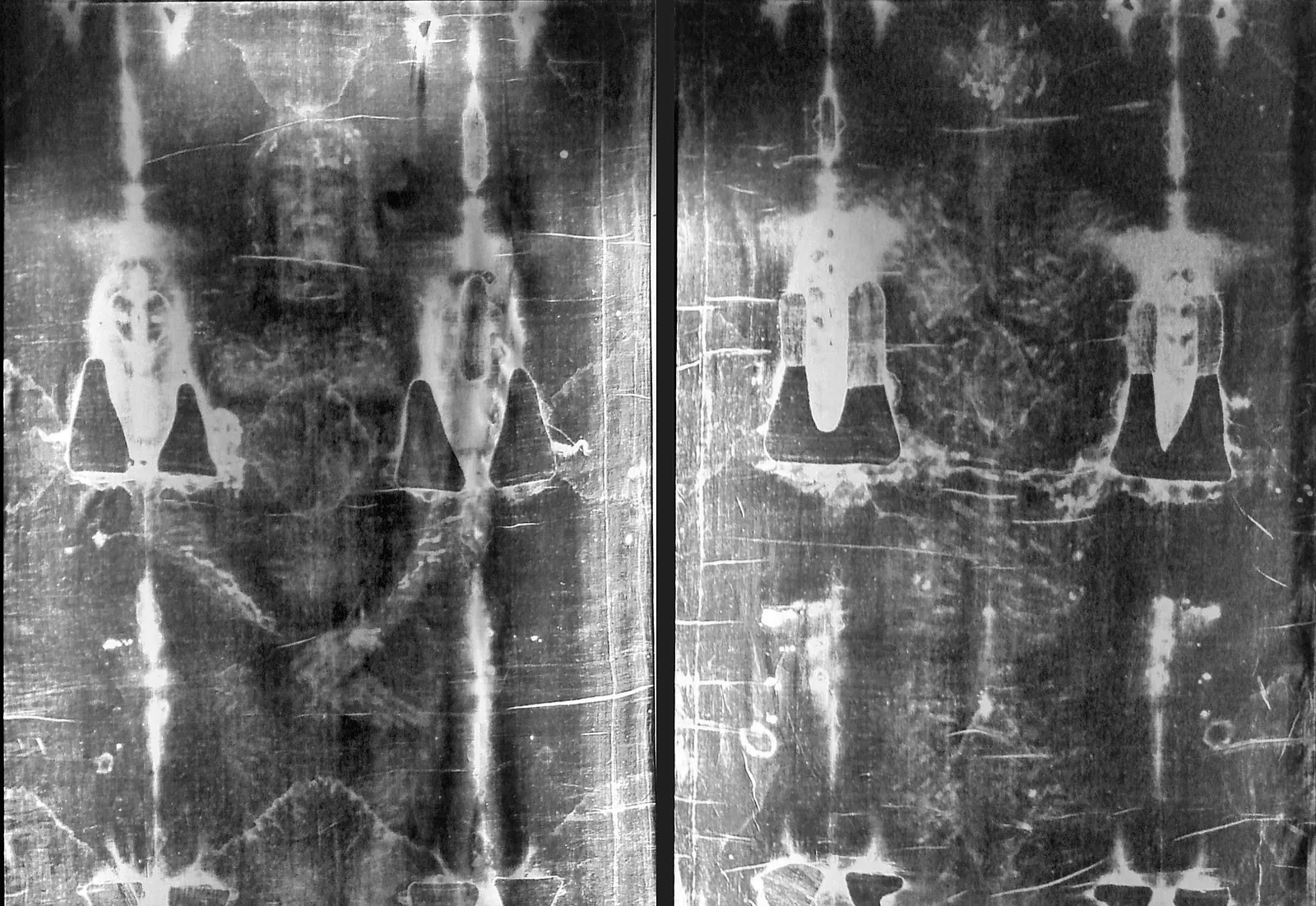
The Shroud of Turin is a linen cloth bearing the faint image of a man that many believe to be Jesus, supposedly imprinted at the moment of his burial. For centuries it has been revered as a holy relic, drawing pilgrims, inspiring devotion, and raising intense debate about its origin. To some, the shroud appears to show details of crucifixion consistent with certain historical interpretations, and its mysterious image – neither a simple painting nor a clear print – has fueled endless speculation. The possibility that it could be a direct physical link to a central religious figure has enormous emotional power.
Scientific tests, however, have complicated that belief. Radiocarbon dating carried out in the late twentieth century suggested the cloth was woven in the medieval period, many centuries after the life of Jesus, pointing toward a later creation, possibly even as a pious fraud. Other researchers have challenged aspects of the testing or proposed alternative explanations, so the debate hasn’t completely ended. Still, from a mainstream scientific standpoint, the evidence leans strongly toward the shroud being a product of the Middle Ages rather than a first‑century relic. The Shroud of Turin sits at the uneasy boundary between faith, fraud, and the limits of what science can definitively prove.
What’s unsettling is how familiar this all feels in an age of viral claims, deepfakes, and breathless headlines about miracle breakthroughs. The tools have changed, but the psychological weak spots are remarkably similar. The most useful lesson from these historic scientific hoaxes might be simple: the more we want something to be true, the more carefully we should check it. When the next big “discovery” explodes across your feed, will you pause long enough to ask the hard questions?