
Imagine standing on solid ground, looking out at the ocean, never suspecting that an entire continent lies hidden just beneath the waves. It sounds like the premise of a fantasy novel, yet this astonishing reality exists right now in the South Pacific. A massive landmass has been quietly lurking underwater for tens of millions of years, mostly unnoticed by humanity until very recently.
You might think we’ve mapped every corner of Earth by now, but this discovery proves otherwise. The vast majority of this landmass remains submerged beneath the Pacific Ocean, making it one of the planet’s best-kept geological secrets. Let’s dive into the fascinating story of this hidden world and why it’s changing everything scientists thought they knew about our planet’s structure.
The Massive Landmass That Went Missing for Centuries
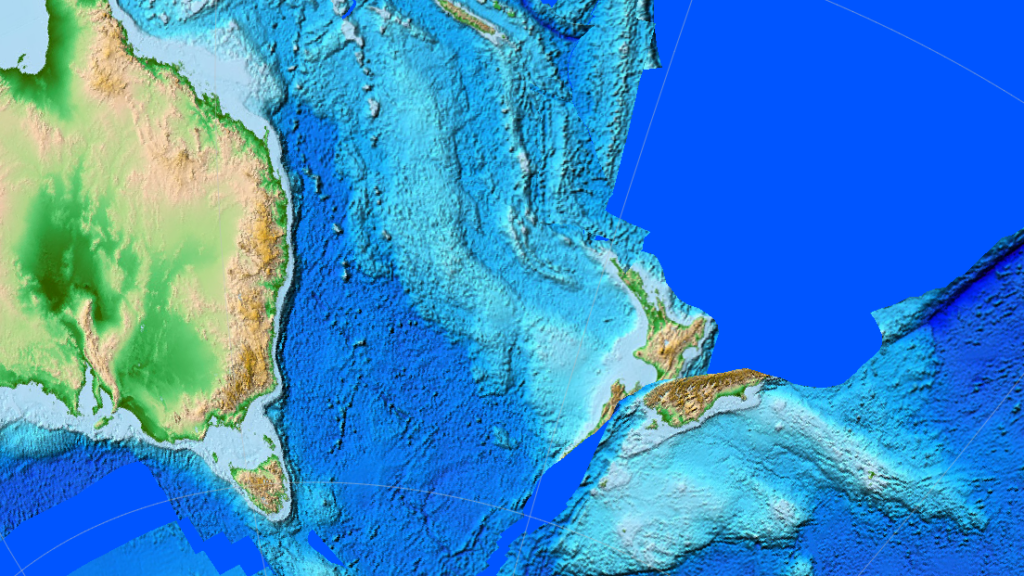
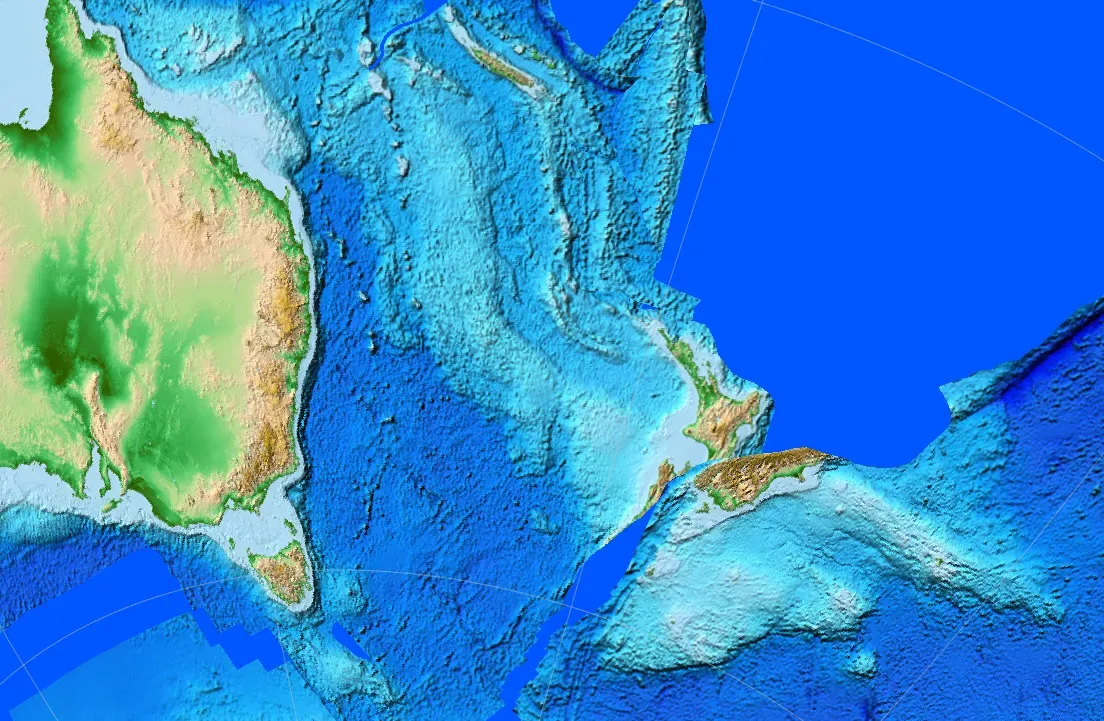
Zealandia was only officially discovered in 2017 by a group of geologists, but the journey to this revelation took more than a hundred years. Researchers had been finding pieces of evidence for decades without realizing they were looking at something much bigger. Satellite data was used to track tiny variations in the Earth’s gravity across different parts of the crust to map the seafloor, ultimately revealing this hidden giant.
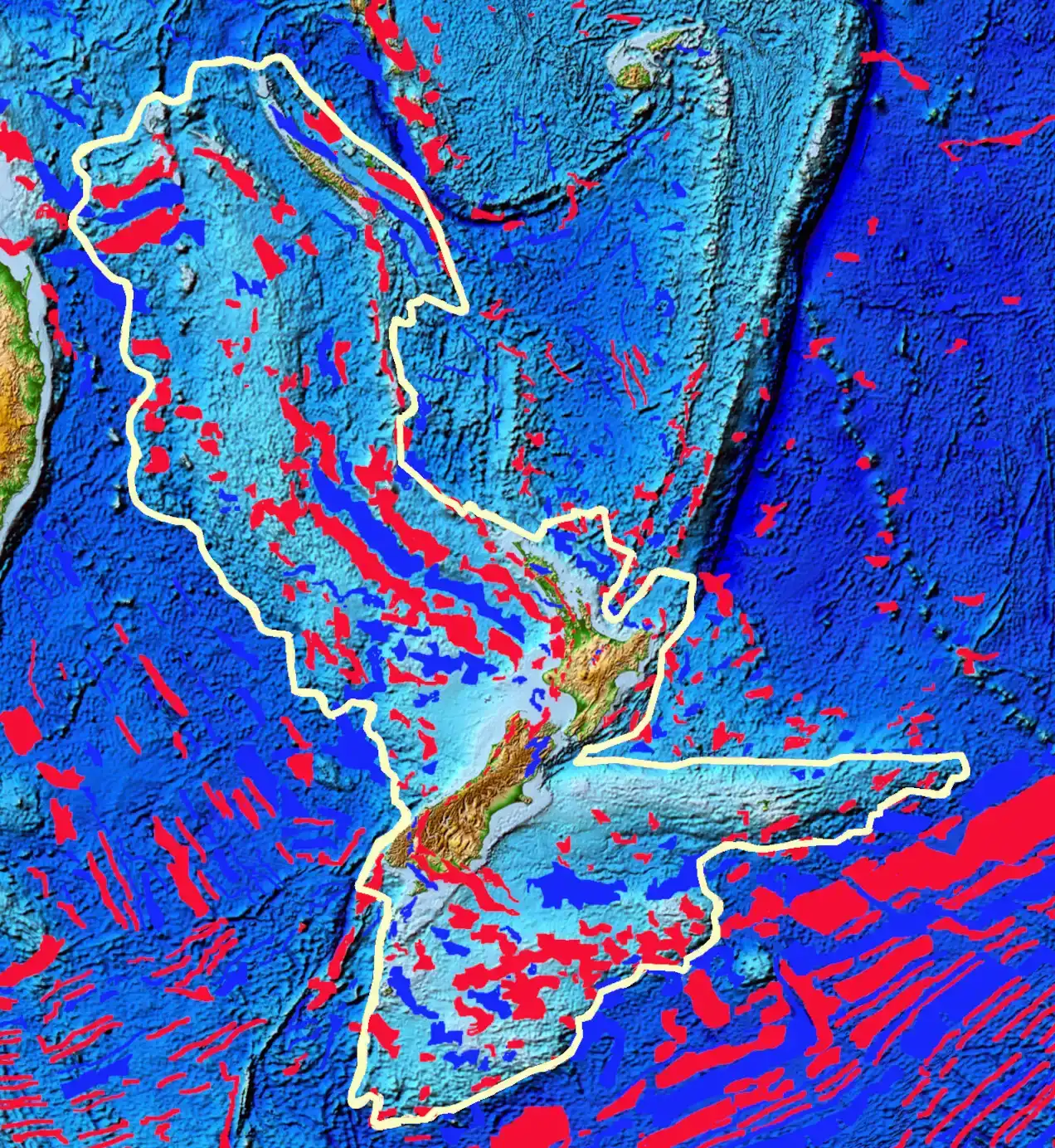
This drowned landmass covers some 1.9 million square miles and is 94 percent underwater, with just the islands of New Zealand and New Caledonia poking out above sea level. To put that in perspective, it’s larger than the Indian subcontinent and roughly two thirds the size of Australia. Yet for centuries, nobody realized it was there because we couldn’t see it beneath the ocean’s surface.
Why Zealandia Qualifies as a True Continent
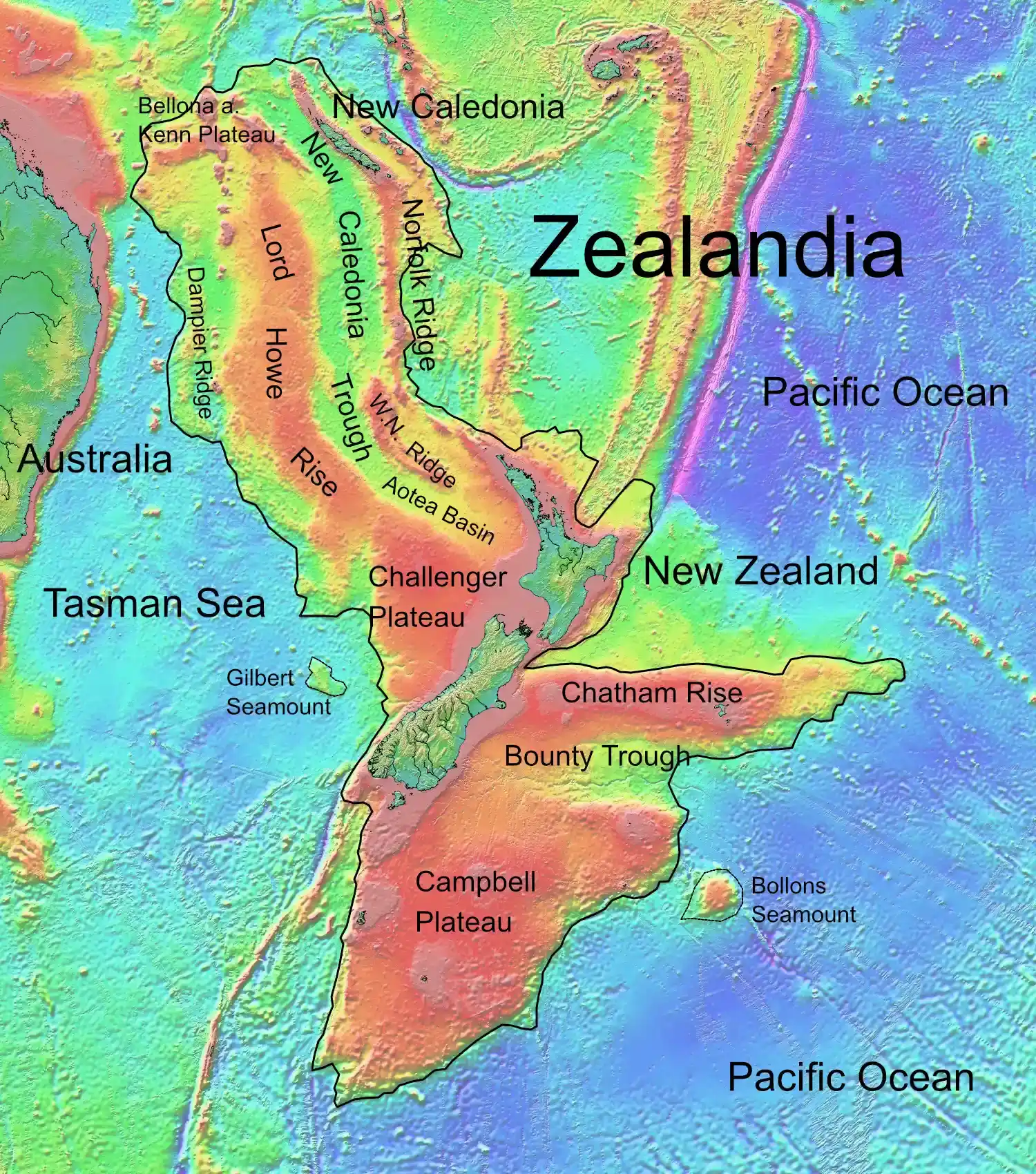
Here’s the thing: not every large chunk of rock beneath the ocean gets to call itself a continent. There are specific criteria that geologists look for. The landmass meets all four criteria used to define a continent: elevation above surrounding oceanic crust, unique geological features, a coherent landmass, and a crust significantly thicker than that of the ocean floor.
Unlike oceanic crust which typically measures 7 kilometers thick, Zealandia’s continental crust averages around 20 kilometers and features granitic rocks, schists, and sedimentary basins. Think of it this way: if you could drain the ocean like pulling a plug from a bathtub, you’d see Zealandia standing there as proudly as any other continent. Geologist Nick Mortimer commented that if it were not for the ocean level, it would have been recognised as such long ago.
The Violent Birth From Ancient Gondwana
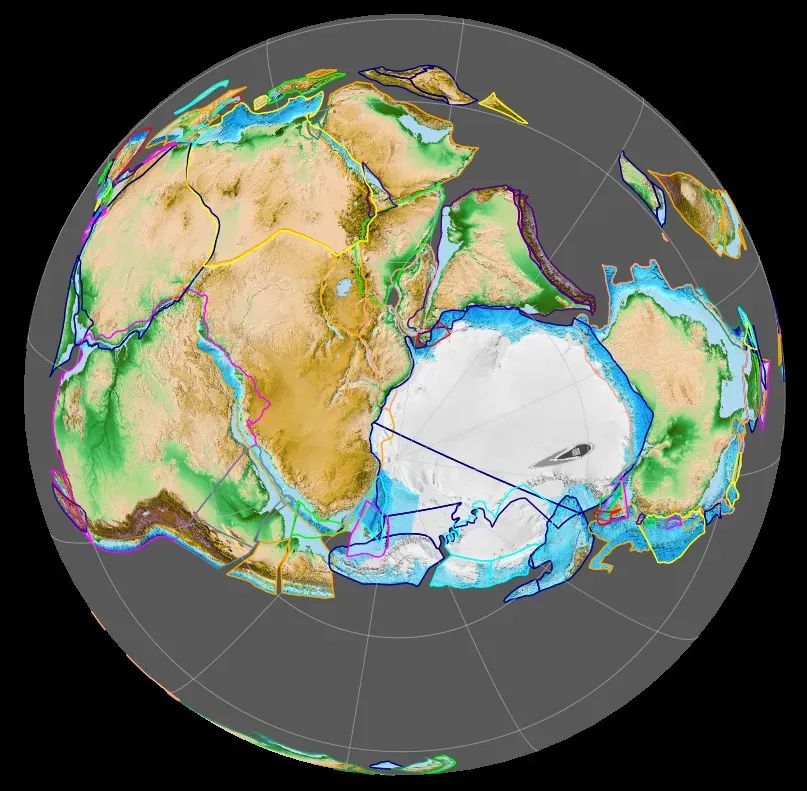
Zealandia’s origin story reads like a geological thriller. A rift within Gondwana where current-day Zealandia met Antarctica and Australia was pulling apart around 100 million years ago, unleashing a spur of volcanic activity that heated the crust which was stretched out like pizza dough until around 60 million years ago. Honestly, it’s hard to imagine the sheer power required to rip apart an entire continent.
The separation of Zealandia from Gondwana was partly driven by a giant volcanic region containing magnetic lava rocks which spanned the length of the boundary between the two land masses. These lavas cover an area of 100,000 square miles across the continent. After all that stretching and volcanic fury, the continent cooled down, became denser, and gradually sank beneath the waves, almost totally submerged roughly 25 million years ago.
The Technology That Finally Revealed the Hidden Giant
So why did it take until 2017 to officially recognize this continent? This is not a sudden discovery but a gradual realization; as recently as 10 years ago we would not have had the accumulated data or confidence in interpretation to make such a bold claim. Modern technology changed everything.
By piecing together rock samples with magnetic maps, geologists have revealed the extent of Zealandia hidden below the ocean surrounding New Zealand. Scientists used deep-sea dredging equipment to haul up granite and sedimentary samples from the submarine continent, then combined that physical evidence with satellite gravity measurements and seismic imaging. In a study published in Tectonics, the scientists have finished mapping this entire continent – all 1.9 million square miles. It’s remarkable what you can achieve when you have the right tools.
What Lies Beneath the Waves Today
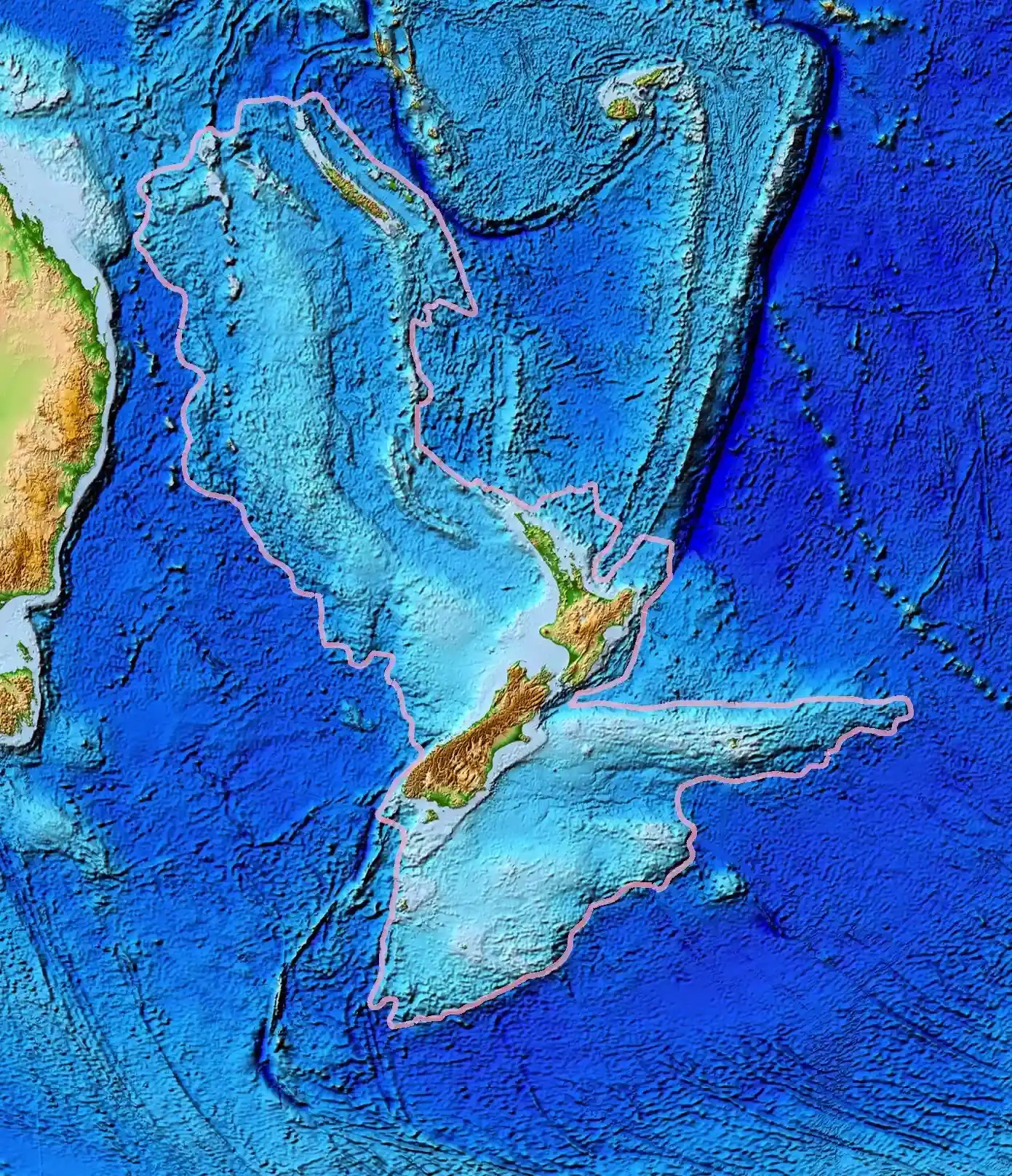
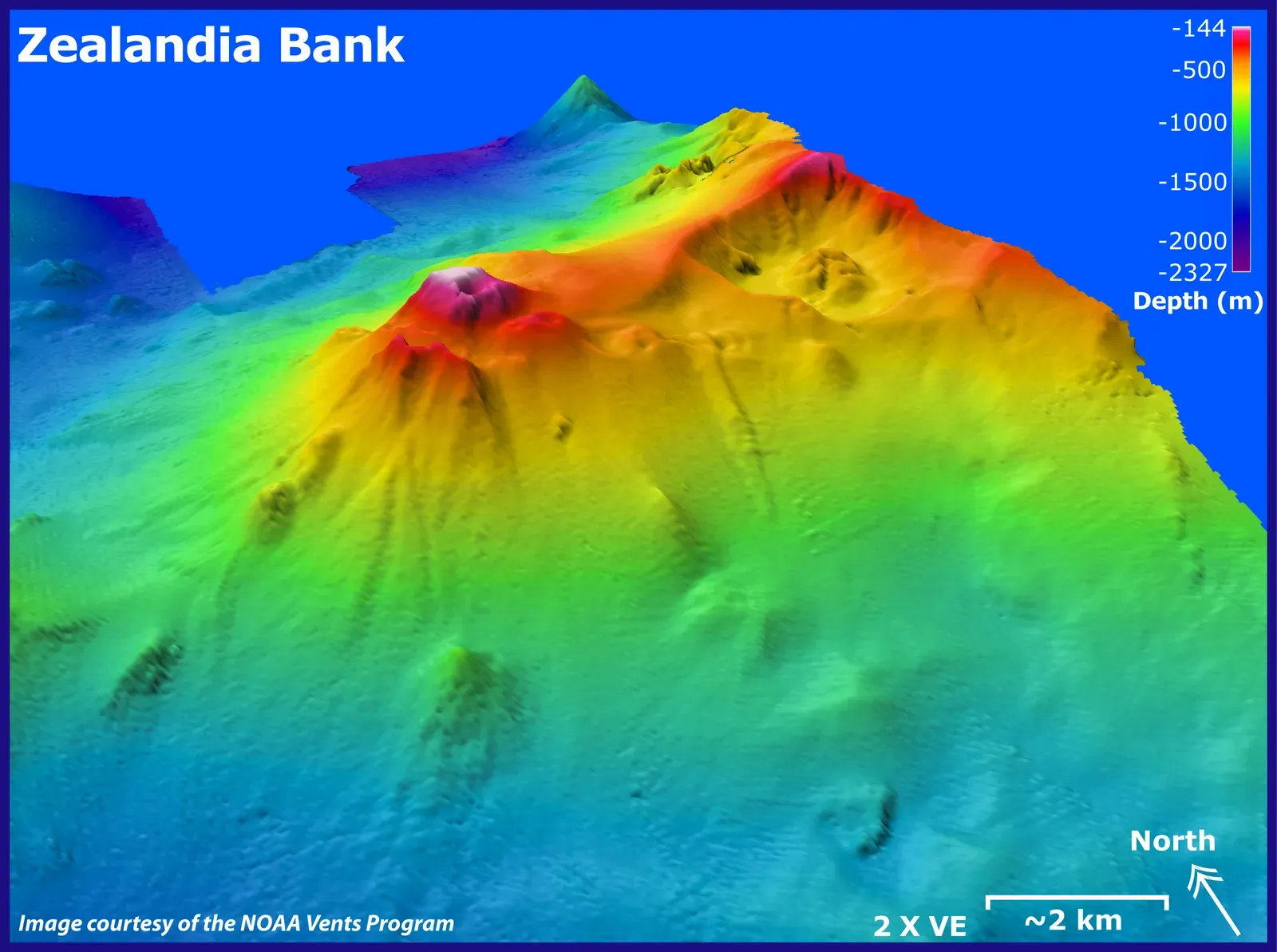
New Zealand is the largest part of Zealandia that is above sea level, followed by New Caledonia. The few islands we can see are just the mountain peaks of a much larger continental landscape. The ridges rise above the sea floor to heights of 1,000–1,500 m with a few rocky islands rising above sea level, and are continental rock but are lower in elevation than normal continents because their crust is thinner than usual.
The submerged portions contain valuable resources too. Zealandia supports substantial inshore fisheries and contains gas fields, and offshore mineral resources include ironsands, volcanic massive sulfides and ferromanganese nodule deposits. There’s scientific gold down there as well – fossilized forests, ancient pollen grains, and evidence of life that existed before the continent sank beneath the ocean.
Ancient Secrets Still Waiting to Be Uncovered
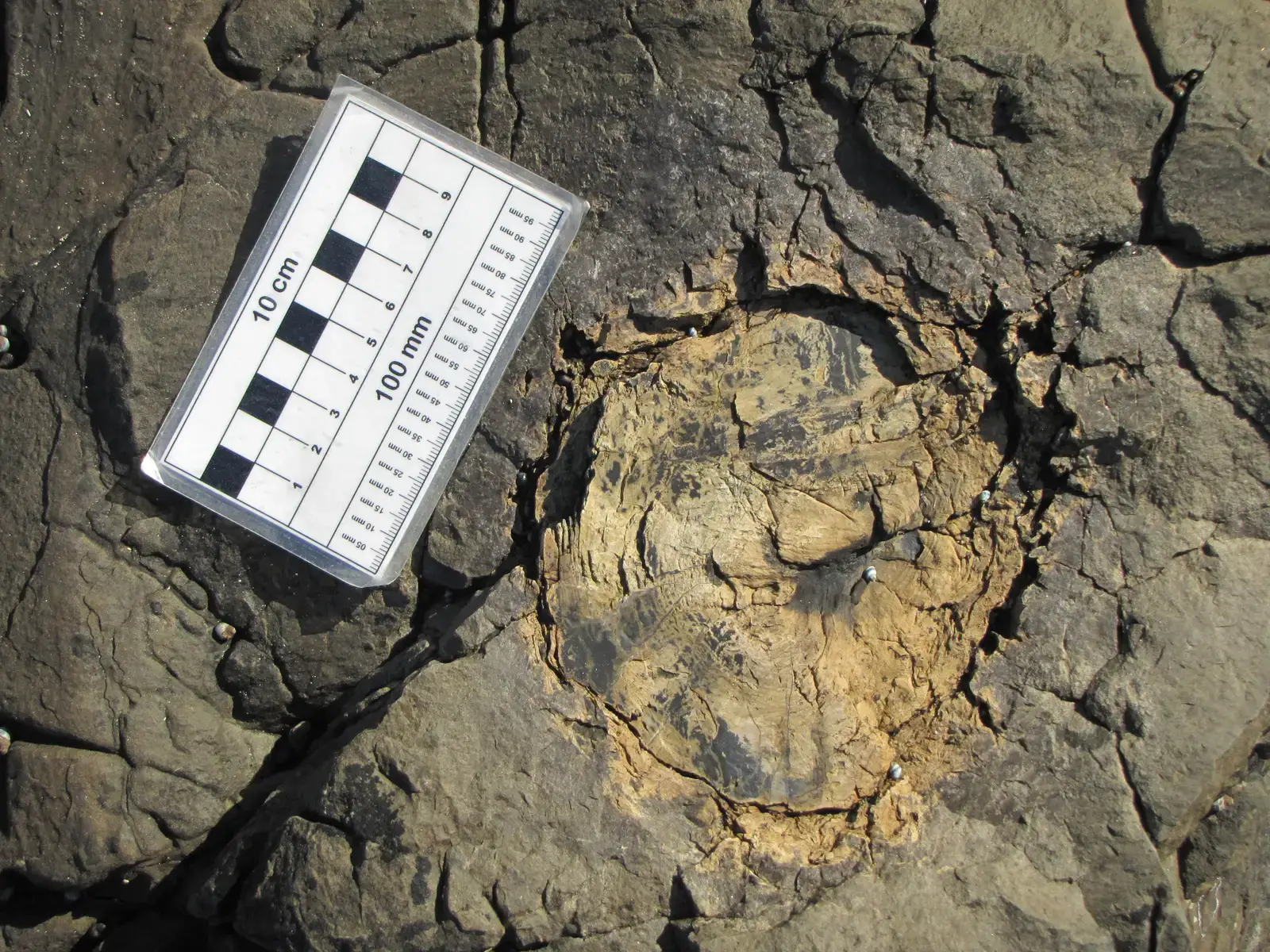
Sediment cores retrieved from beneath the seafloor contained fossilized pollen and spores, confirming that parts of the continent once supported terrestrial ecosystems. Let’s be real, finding evidence of ancient forests on what’s now deep ocean floor is mind-blowing. At Curio Bay, logs of a fossilized forest closely related to modern kauri and Norfolk pine can be seen that grew on Zealandia approximately 180 million years ago during the Jurassic period before it split from Gondwana, and the trees were buried by volcanic mud flows.
A 2021 study suggests Zealandia is over a billion years old, about twice as old as geologists previously thought. Every drilling expedition and rock sample analysis reveals something new about this ancient world. Scientists are finding clues about prehistoric climates, long-extinct species, and geological processes we still don’t fully understand. The more they explore, the more questions arise about how continents form, break apart, and sometimes disappear beneath the sea.
Why This Discovery Matters for Our Understanding of Earth
The identification of Zealandia as a geological continent rather than a collection of continental islands and fragments more correctly represents the geology of this part of Earth and provides a fresh context in which to investigate processes of continental rifting, thinning, and breakup. It’s basically a natural laboratory for studying what happens when continents stretch to their breaking point.
This discovery reminds us how much we still have to learn about our own planet. It reminds us that even with all our technology, there are still mysteries left on Earth, and while we look to the stars and dream of discovering new planets, we are still uncovering secrets hidden beneath our own oceans. The recognition of Zealandia challenges how we define continents and forces us to reconsider what else might be hiding in plain sight beneath the world’s oceans. It proves that sometimes the most extraordinary discoveries aren’t light-years away in distant galaxies – they’re right here beneath our feet, just waiting for someone to look in the right place.
Conclusion
Zealandia stands as one of the most humbling discoveries of recent decades. Here we are, living in an age of satellites and supercomputers, yet an entire continent remained hidden from us simply because it chose to hide underwater. Its existence reshapes our understanding of plate tectonics, continental evolution, and Earth’s dynamic history. The submerged landmass offers future generations of scientists endless opportunities for exploration and discovery.
What’s truly exciting is that Zealandia may hold countless more secrets waiting beneath the waves – ancient fossils, mineral deposits, and answers to questions we haven’t even thought to ask yet. This hidden continent proves that our planet is far more complex and surprising than we often give it credit for. What do you think lies waiting to be discovered in Zealandia’s depths? The ocean keeps its secrets well, but piece by piece, we’re learning to read its story.